Beijing
Empire's capital, dynasties still breathing
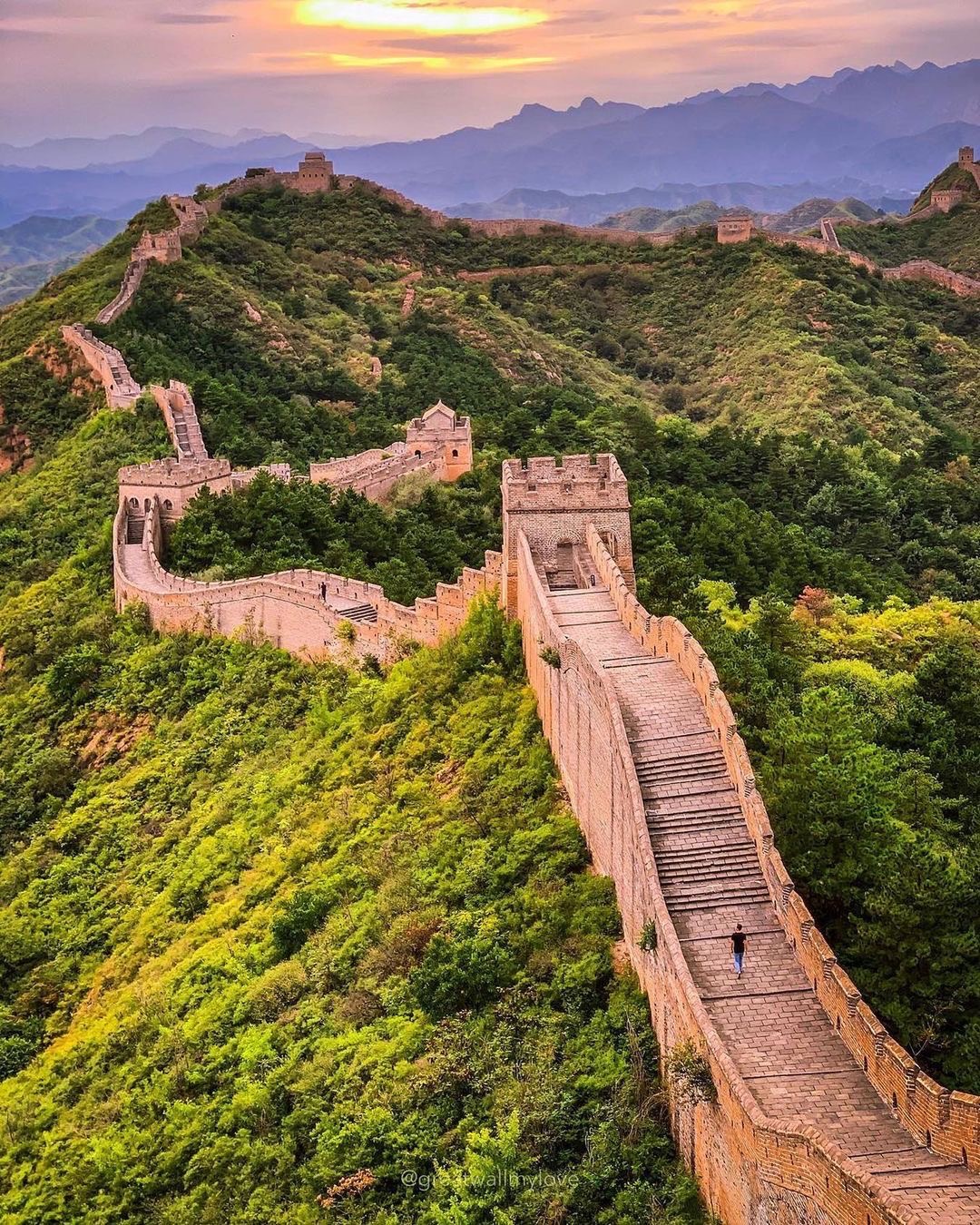
You stand where emperors ruled for centuries. Beijing folds millennia into one sprawling city: the Forbidden City's vermilion halls, the Great Wall snaking over ridgelines, gray-brick hutong alleys, and a hurtling modern superpower humming around it all. It is overwhelming, magnificent, and utterly singular.
How long to stay?
Two days hit the essentials: a full morning in the Forbidden City and across Tiananmen Square, the Temple of Heaven's perfect symmetry, then a day trip to the Great Wall at Badaling or quieter sections beyond.
Imperial grandeur meets relentless modern scale. Vast plazas and ancient temples sit beside neon towers and bullet trains. Crowds are huge, the energy is serious and ambitious, yet the old hutong lanes still hold real quiet.
Dongcheng around the Forbidden City and Wangfujing puts you steps from the icons and atmospheric hutongs. Sanlitun in Chaoyang offers nightlife and dining; near Beijing or South stations suits onward train travel.
Skip Badaling's crowds when you can: less-restored Great Wall sections like Mutianyu or Jinshanling give you watchtowers, ridgeline views and breathing room. And book major sights, especially the Forbidden City, online in advance.
Autumn (September to early November) is the prize: crisp skies, golden light, comfortable temperatures. Spring is pleasant but dusty. Summers are hot and humid; winters bitterly cold but uncrowded and clear.
Two huge airports serve the city, Capital (PEK) and Daxing (PKX), both linked by express trains and subway. Beijing is also China's high-speed rail hub, with fast trains from Shanghai, Xi'an and beyond.
Currency is the yuan (RMB); mobile pay (Alipay/WeChat) dominates, so link a card. Mandarin prevails, English is limited. You'll need a visa and a VPN for blocked apps. Carry your passport for site entry.