Berlin
Scarred, rebuilt, gloriously unfinished
Berlin wears its history on its sleeve and its rebellion in its streets. You'll trace the Wall's ghost across asphalt, drink in cavernous beer halls, then dance until sunrise in a converted power plant. Gritty, green, and gloriously self-invented, it refuses to be polished.
How long to stay?
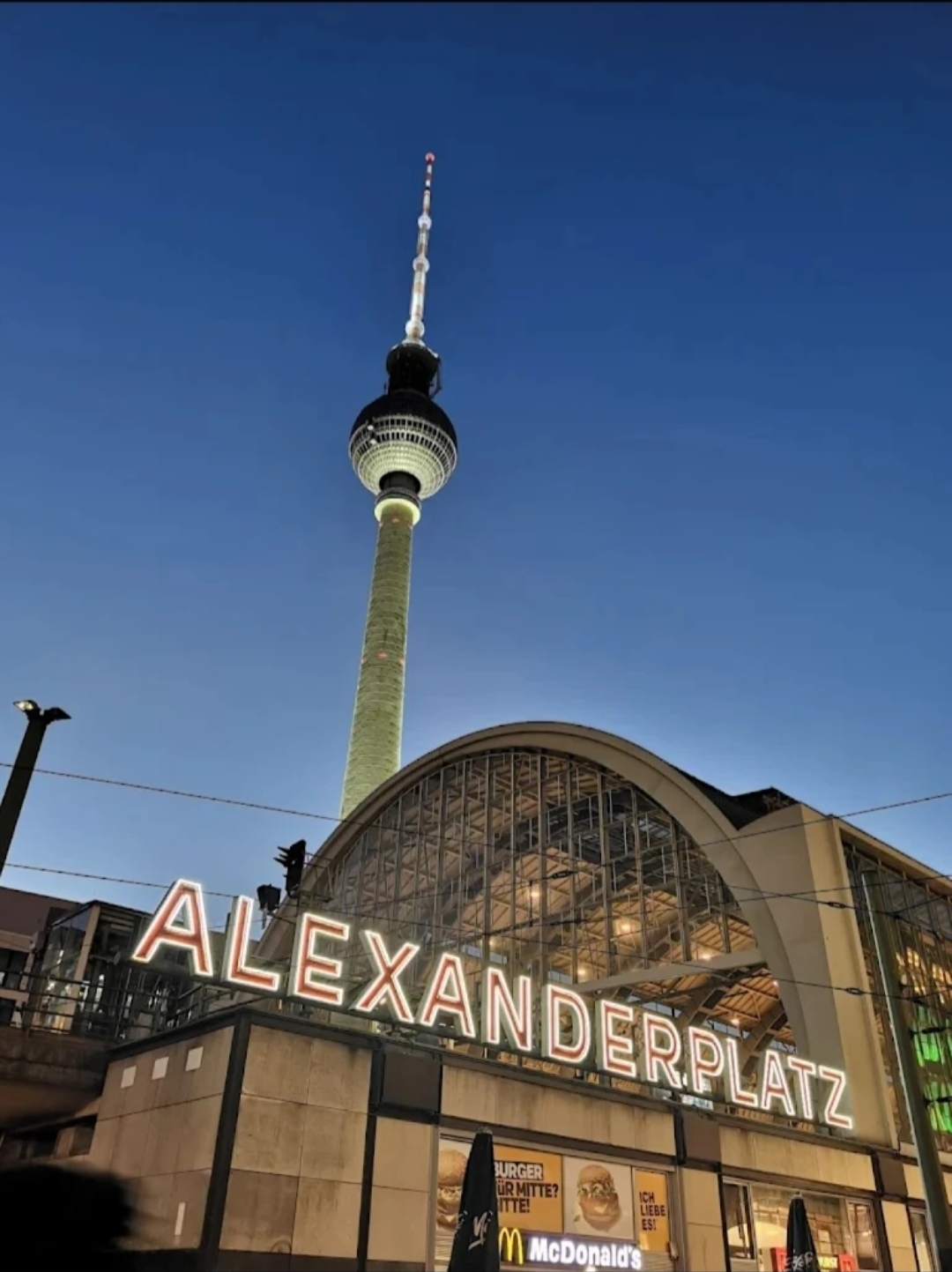
Two days covers the heavyweights: Brandenburg Gate, the Holocaust Memorial, and Checkpoint Charlie on foot, then the East Side Gallery's painted Wall. Climb the TV Tower at Alexanderplatz for sunset and dinner in Mitte's backstreets.
Anti-glamour and proudly so. Berlin is layered, low-key, and creative, where galleries share blocks with techno clubs and street art covers everything. Come for history; stay for the unhurried, anything-goes energy and endless leafy parks.
Mitte puts you steps from the main sights. Kreuzberg and Neukölln are buzzing, multicultural, and nightlife-heavy. Friedrichshain suits clubbers; leafy Prenzlauer Berg is calmer, with cafes and weekend markets ideal for slower stays.
Buy a transit day pass and ride the U-Bahn and S-Bahn freely; the city is huge and spread out. Many museums are free on certain evenings, so check the Museum Island schedule before you go.
May to September brings beer gardens, lake swims, and long warm evenings. December has glowing Christmas markets, but winters are gray and biting. Spring and early autumn hit the sweet spot of mild weather and thinner crowds.
Berlin Brandenburg Airport (BER) connects to the center in about 30 minutes by the FEX express or regional train. Long-distance trains arrive at Hauptbahnhof, central Europe's largest station, linking Berlin to most major German and European cities.
Germany uses the euro. Card payment is now widespread, but carry some cash for kiosks, bars, and markets. Sundays nearly everything closes except restaurants. Jaywalking is frowned upon; locals wait for the green man even on empty streets.