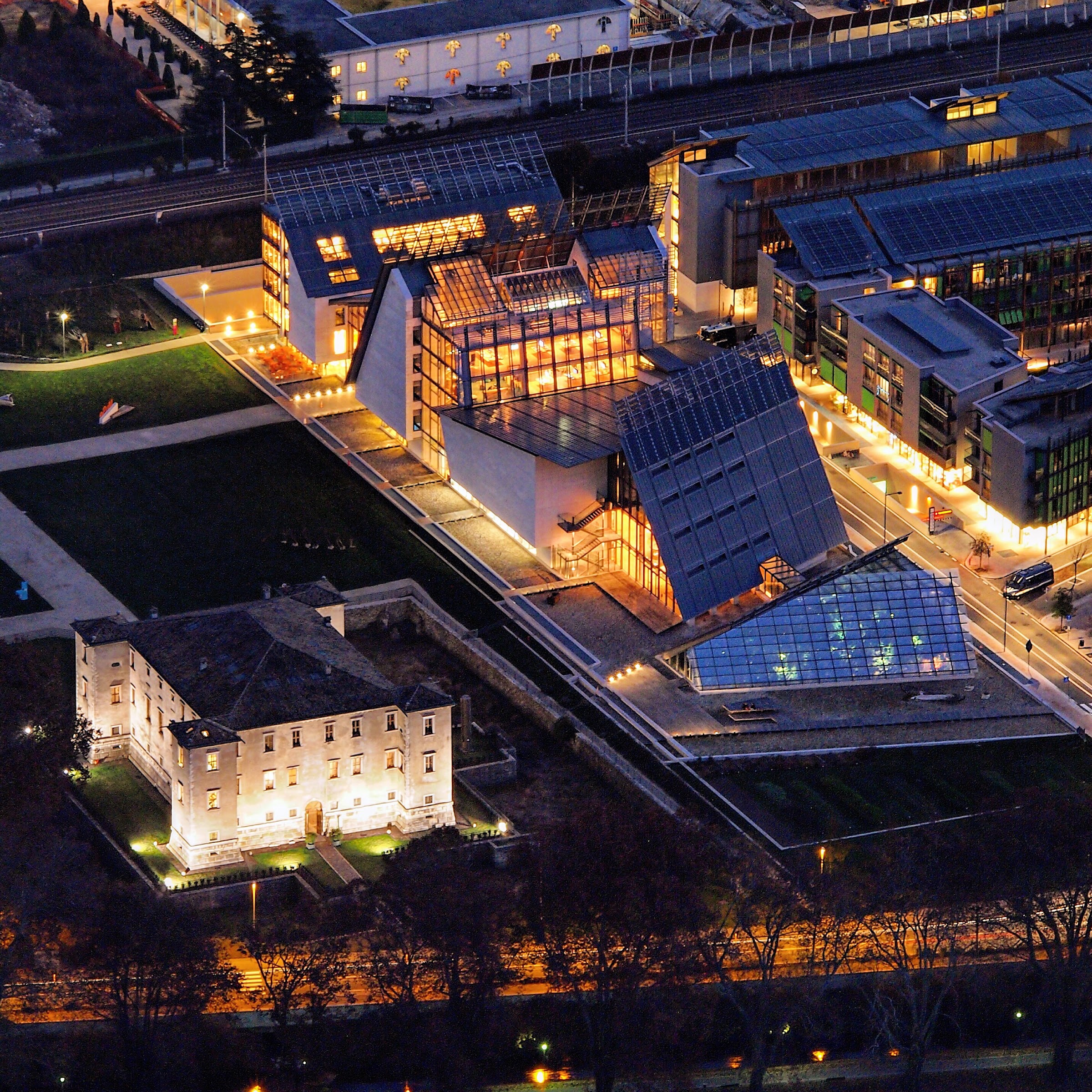
Bolzano
Where the Alps speak two tongues
You stand where Italy meets Austria and neither quite wins. Bolzano pairs pastel arcaded streets and espresso bars with apple orchards, Dolomite peaks and a 5,000-year-old iceman in a fridge. Speck, strudel and aperitivo share one happy table here.
How long to stay?
A day covers Walther Square, the porticoed Via dei Portici and the Archeological Museum to meet Ötzi the Iceman. Ride the Renon cable car for Dolomite views, then linger over speck and a glass of Lagrein.
Relaxed, prosperous and bilingual. German efficiency meets Italian warmth: punctual buses and tidy squares, but also leisurely aperitivo. A small, green, mountain-framed city where locals cycle everywhere and the air smells of apples.
Base yourself in the centro storico around Piazza Walther for arcades and cafes within walking distance. Gries, just west, is quieter and leafy with wine cellars. Both put the train station and cable cars close by.
Buy a Bolzano or Mobilcard pass; it bundles regional buses, trains and most cable cars, so you can ride up to Renon's plateau and back for next to nothing.
Late spring and early autumn shine: orchards in blossom or harvest, hiking trails open, and mild days. September brings the grape harvest and Törggelen, the chestnut-and-new-wine season locals adore.
Bolzano sits on the Munich-Verona rail line, so direct trains run from both cities and Innsbruck. The nearest airports are Verona, Innsbruck and Venice; from there, fast trains carry you up the valley.
Everything is bilingual, Italian and German, and many menus list speck and knödel beside pasta. The currency is the euro. South Tyrol is wealthy, safe and pricier than southern Italy.