Bucarest
Belle Époque meets Communist concrete
Bucharest is contradiction made city: French-flavored boulevards and crumbling villas beside Ceaușescu's colossal palace and brutalist blocks. You'll find leafy parks, buzzing terraces, and a wild, underrated nightlife. Rough around the edges and refreshingly real, it rewards the curious traveler willing to dig.
How long to stay?
Two days covers the heart: the ornate Romanian Athenaeum, lively Old Town terraces, University Square, and a tour of the staggering Palace of Parliament. Escape the bustle with a stroll through Cismigiu Gardens.
Energetic, gritty, and unpretentious. Bucharest mixes faded grandeur with raucous Old Town nightlife and surprisingly green parks. It lacks polish but brims with character, cheap eats, and a young creative scene reclaiming forgotten corners.
The Old Town (Lipscani) is central and nightlife-heavy but loud. Quieter, elegant streets lie around Cismigiu Gardens and the Romanian Athenaeum. Cotroceni and the Herastrau-Aviatorilor area offer leafy, upscale calm near parks.
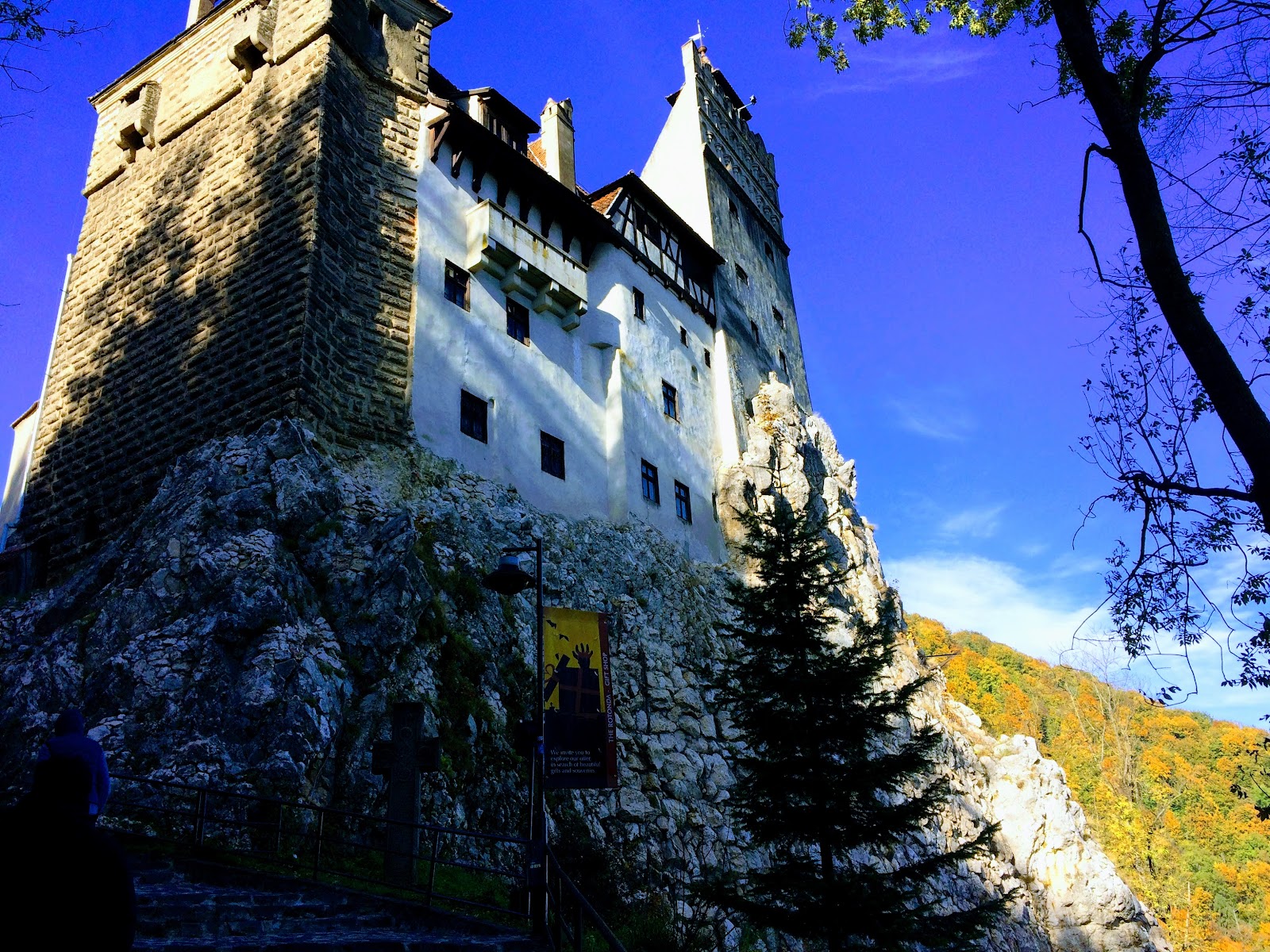
Tour the Palace of Parliament, the world's heaviest building, but book ahead and bring your passport; entry requires ID. For day trips, Bran Castle pairs well with Brasov, so make it a full Transylvania outing.
April to June and September to October bring warm days and blooming or golden parks. Summers can be sweltering, and winters are cold and stark, though Christmas markets and cheap off-season prices have their charm.
Henri Coandă Airport (Otopeni) sits north of the city, linked to the center in about 40 minutes by the express bus or a direct train. Bucharest also has rail and bus connections across Romania and to neighboring capitals.
Romania uses the leu, not the euro; carry some cash though cards are widely accepted. It's notably affordable. Romanian is Latin-based and English is common among the young. Taxis can overcharge, so use ride-hailing apps.