Budapest
Thermal city split by the Danube
You soak in century-old thermal baths, then cross the Danube between hilly Buda and flat, buzzing Pest. Budapest serves grand Habsburg boulevards, a fairy-tale parliament glowing at night, ruin bars in old courtyards, and goulash that warms you to the bone.
How long to stay?
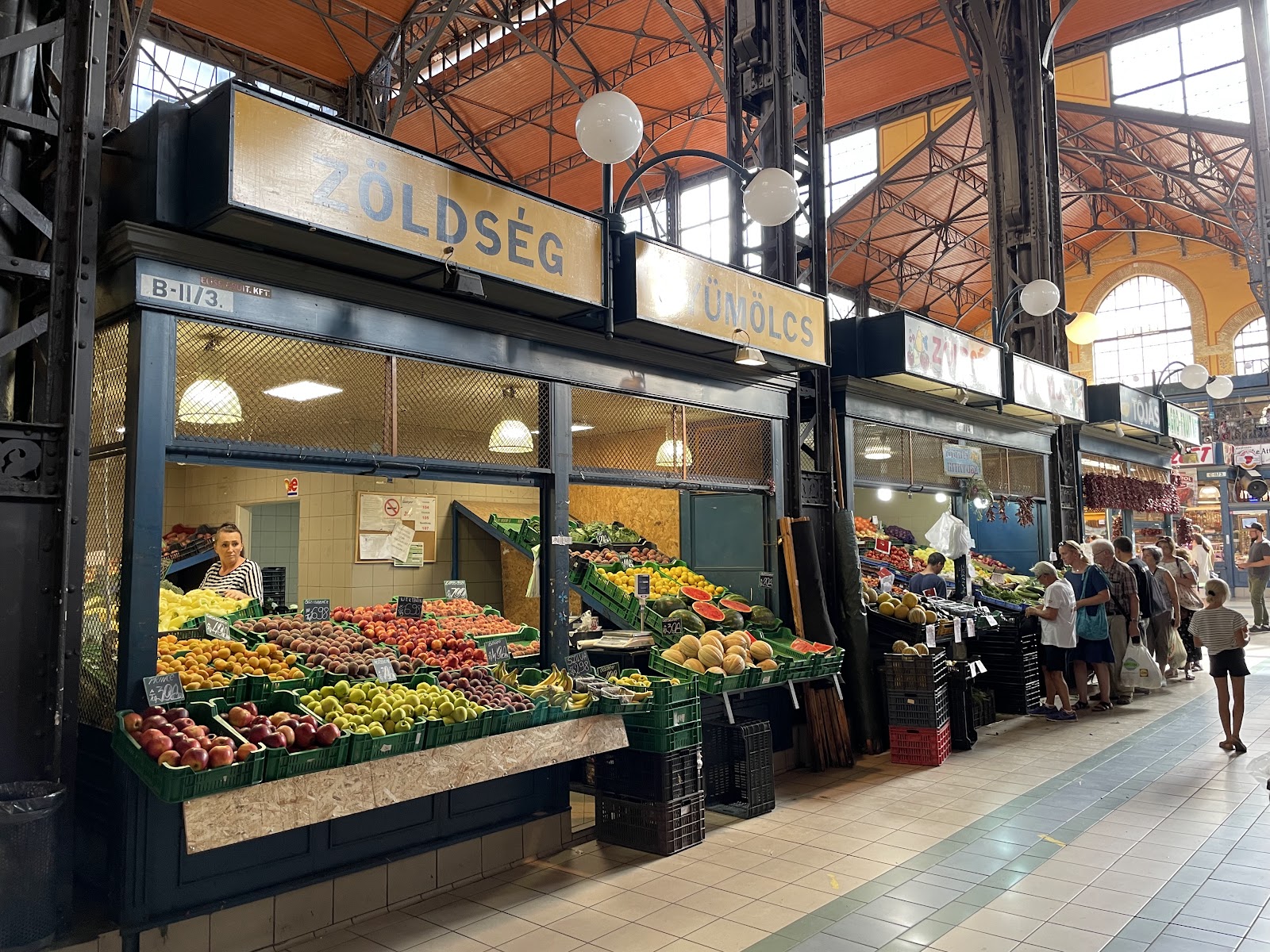
One or two days covers Buda Castle hill and Fisherman's Bastion for the view, then Pest's Parliament, St. Stephen's Basilica and the Central Market Hall. End soaking at Széchenyi Baths and drinking in a Szimpla-style ruin bar.
Faded grandeur with a young, creative pulse. Crumbling-elegant facades house buzzing ruin bars and cafes. Relatively affordable, walkable and romantic, especially when the Chain Bridge and Parliament light up over the river.
Pest's District V (Belváros) and District VII (the Jewish Quarter) put you near sights, ruin bars and restaurants. District VI around Andrássy is elegant and central. Buda's Castle District is scenic but quieter and steeper.
Spend an evening in a thermal bath; Széchenyi runs weekend night 'sparties.' Buy transit tickets in advance and always validate them, and tip around 10% at restaurants, as service is rarely included.
Late spring (May-June) and early autumn (September-October) bring warm days and lighter crowds. Summer is lively but hot; winter is cold yet magical, with steaming outdoor baths and Christmas markets.
Budapest Airport lies about 30 minutes from the center by the 100E bus or a taxi. Direct trains link Vienna in under three hours, making a Central European rail trip easy.
The currency is the forint, not the euro; many places take cards but carry some cash. Hungarian is tricky, but English is common in tourist areas. Watch for taxi overcharging; use ride apps or marked cabs.