Florence
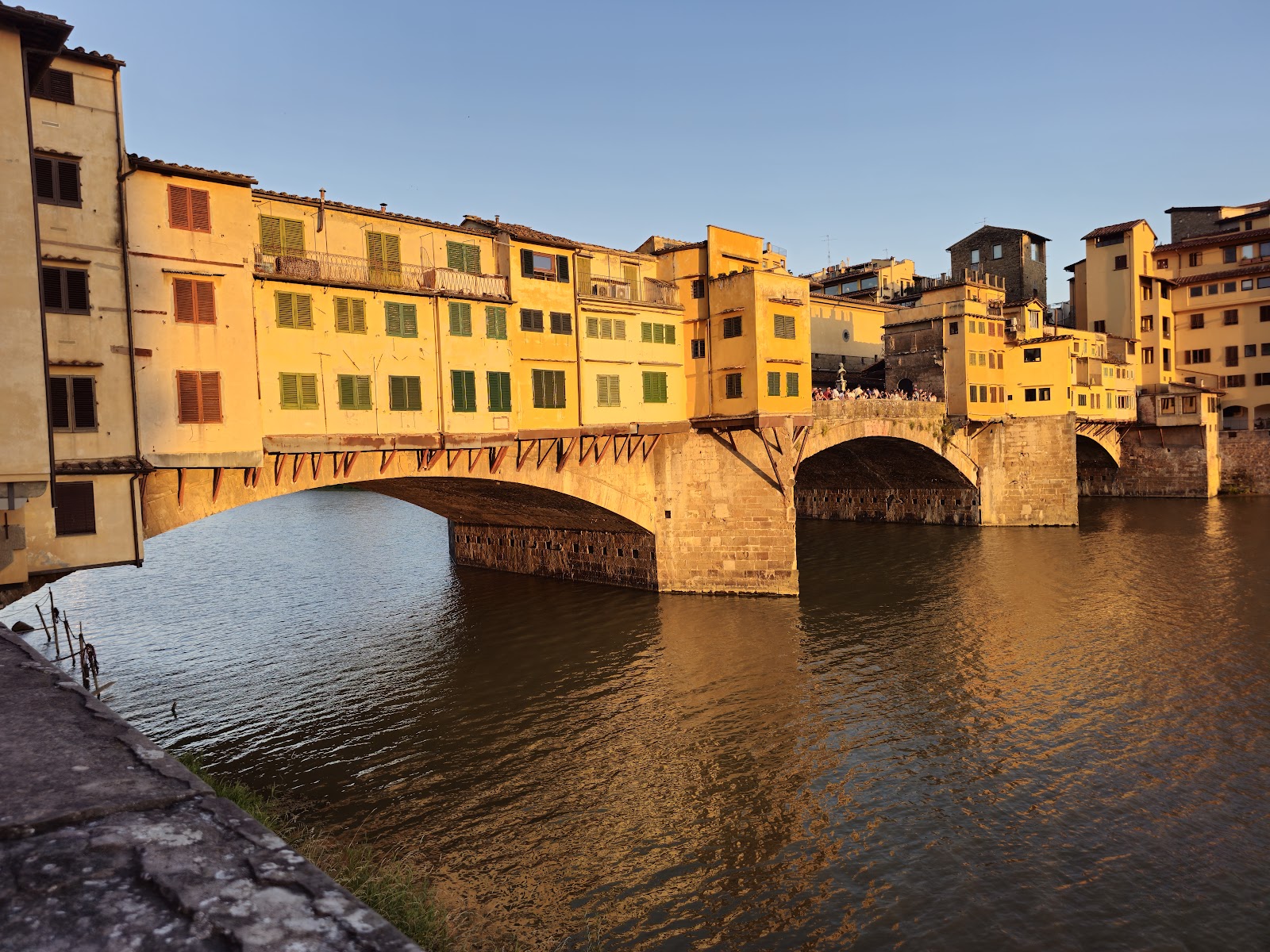
Renaissance cradle, eternal golden light
Florence is a living museum where Michelangelo's David, Brunelleschi's dome and the Arno's golden light all sit within an easy walk. You'll lose hours in marble piazzas and Uffizi corridors, then climb above the rooftops for a view that's launched a thousand love affairs.
How long to stay?
One or two days hits the essentials: the Cathedral of Santa Maria del Fiore and its dome, the goldsmith-lined Ponte Vecchio, masterpieces in the Uffizi Galleries, and a sunset climb to Piazzale Michelangelo for that postcard panorama.
Romantic, refined and gloriously crowded. The compact center brims with art, leather markets and gelato, while the Oltrarno keeps a quieter, bohemian craft soul. Peak season is intense, so early mornings reveal a more magical, hushed Florence.
The historic center near the Duomo puts everything on foot but is busy and pricey. The Oltrarno (Santo Spirito, San Niccolò) feels more local and artisan; Santa Croce balances atmosphere and value just east of the crowds.
Book the Uffizi and Accademia online with timed slots to skip brutal queues, and visit at opening or late afternoon. Climb Piazzale Michelangelo at sunset, but go up via the rose garden steps for fewer crowds.
Spring (April to May) and autumn (September to October) bring comfortable warmth and softer light. July and August are scorching and packed; winter is quieter and atmospheric, with shorter museum lines and crisp, clear days.
Florence's small Amerigo Vespucci Airport connects to the center by the T2 tram in about 20 minutes. Most travelers arrive by high-speed train at Santa Maria Novella station, roughly 90 minutes from Rome and Milan.
Italian is spoken and the euro used. The center is compact and very walkable, so pack comfortable shoes for cobblestones. Churches enforce modest dress (covered shoulders and knees), and many close midday for a few hours.