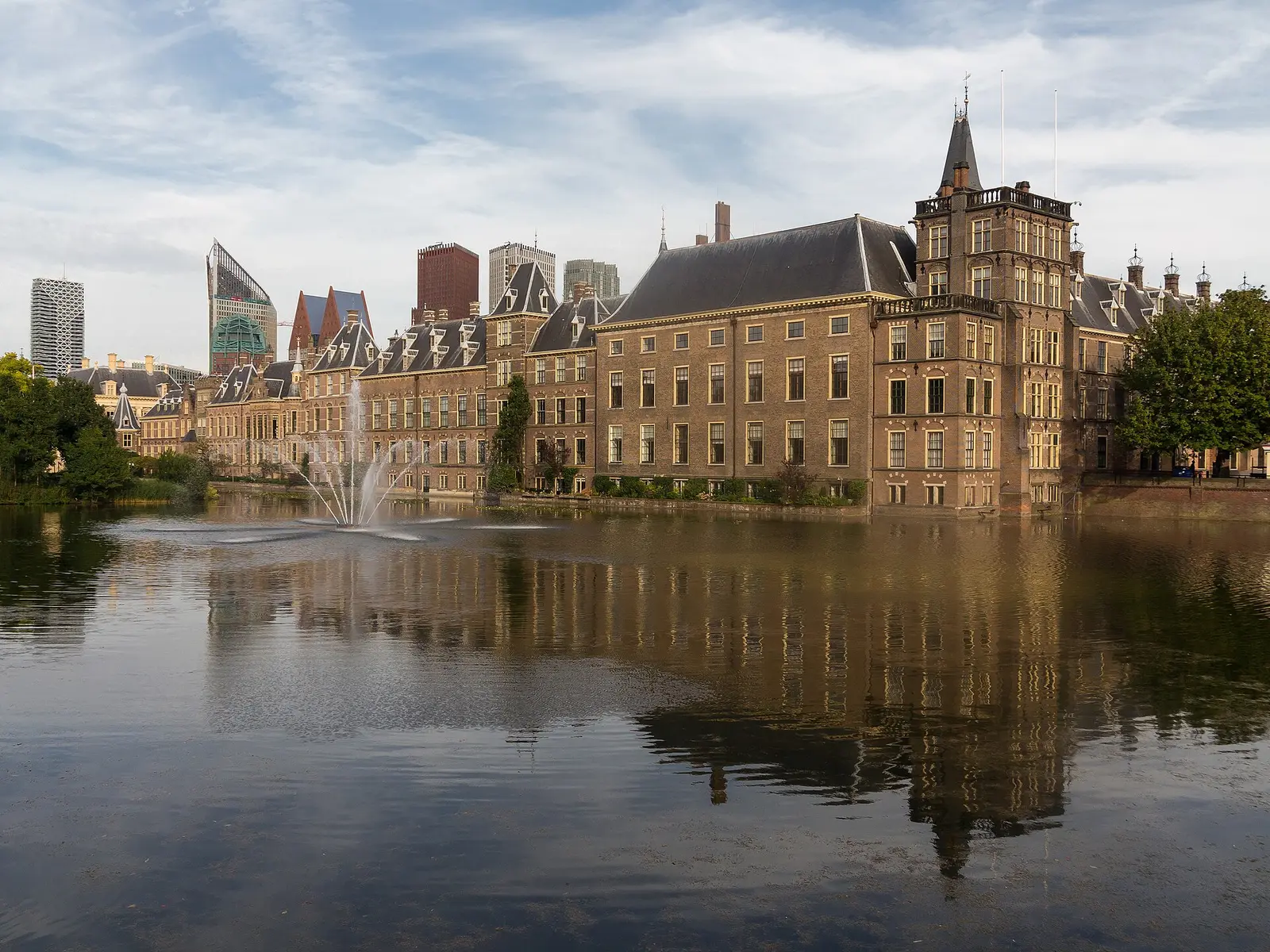
 Photo:
The Hague grew up around a castle the counts of Holland built beside a pond in the dunes, and for centuries it was a court without city walls, home to the country’s rulers but not its capital, which is Amsterdam. Today it is a green, orderly city of wide avenues and grand town houses, with the Binnenhof on its pond, the Mauritshuis and its Vermeers, the Peace Palace, and a long sandy beach at Scheveningen, a quarter of an hour away by tram.
This guide covers when to go, where to stay, what to see, a walk from the Hofvijver to the Lange Voorhout, a day in Delft, what to eat, and the history, art and customs that make the city make sense.
What The Hague is good for
Friends' trips
Rent bikes and ride through the dunes to the sea, spend the afternoon at a beach pavilion in Scheveningen, then share a rijsttafel back in town. In summer the beach stays busy well into the evening.
Bachelorette and bachelor weekends
The Hague is calmer than Amsterdam, and groups head for the sea: a surf lesson, a long table at a beach pavilion at sunset, then the bars around the Grote Markt and the Plein.
Weddings and honeymoons
A legal wedding in the Netherlands needs one partner who is Dutch or lives in the country, so most visiting couples marry at home. For a honeymoon, The Hague pairs quiet mornings with the Vermeers of the Mauritshuis and evening walks on the beach.
Couples
Sunset on the beach at Scheveningen, the Japanese Garden at Clingendael in spring, and dinner on the Denneweg.
Families
The Netherlands in miniature at Madurodam, the beach, the SEA LIFE aquarium at Scheveningen, newly modernized, and the painted dunes of Panorama Mesdag.
Solo travel
Safe, easy to get around by tram and bike, with English spoken everywhere and museums small enough to enjoy alone in a morning.
Food lovers
A rijsttafel or a plate of saté, herring and fried fish at the harbor in Scheveningen, spekkoek, and Haagse hopjes, the coffee sweets first made here.
History and art
The Binnenhof on its pond, the Gevangenpoort, the Vermeers and Rembrandts of the Mauritshuis, and the Peace Palace.
Plan your trip
When to go
May to September is beach season, when the pavilions are open and the evenings are long. Late April to early June brings the Japanese Garden at Clingendael, June the new herring, and the third Tuesday of September Prinsjesdag, when a royal procession fills the Lange Voorhout. Winter is mild, windy and quiet: a museum season.
How long to stay
Two days covers the center, with the Mauritshuis, the Hofvijver, the Gevangenpoort, Escher and the Lange Voorhout, and an afternoon at Scheveningen. Three days adds the Kunstmuseum, the Peace Palace and Madurodam. With four, add a day in Delft or Leiden.
Getting there
Trains from Schiphol reach Den Haag Centraal in about 35 minutes, and from Amsterdam Centraal in about 50. Rotterdam The Hague Airport is closer but small: bus 33 and the RandstadRail E line reach Den Haag Centraal in about 40 minutes.
Getting around
The old center is walkable, and trams do the rest: tram 9 runs from Centraal Station to Scheveningen in about 15 minutes, and tram 1 links Scheveningen, the center and Delft. Tap a contactless bank card on the reader when you board and again when you get off. Bikes are the fastest way to the dunes, on their own paths.
Tickets
The Mauritshuis opens every day, from 1pm on Mondays; most other museums close on Mondays. The Binnenhof is closed while it is restored, with reopening planned for summer 2031. The Peace Palace opens for guided tours only on some days, booked on its own website, and the Japanese Garden opens for a few weeks in spring and autumn.
Money and tipping
Cards are accepted almost everywhere, and some places take nothing else. Tipping is appreciated, not expected: round up, or leave 5 to 10% in a restaurant for good service. Hotels add a tourist tax of €6.20 per person per night.
Weather, month by month
Spring
March to May
Cool, bright and breezy by the sea, from about 10°C in March to 17°C in May, with the parks in flower by late April.
Summer
June to August
Mild, usually 20 to 22°C by day with a sea breeze and long evenings. On warm weekends the beach fills up early.
Autumn
September to November
Often mild and settled in September, then wetter and stormier; a windy walk on the beach is part of the season.
Winter
December to February
Mild for the latitude, around 6°C by day, grey and windy, with the odd frost. Short days, quiet museums.
Top sights
 01
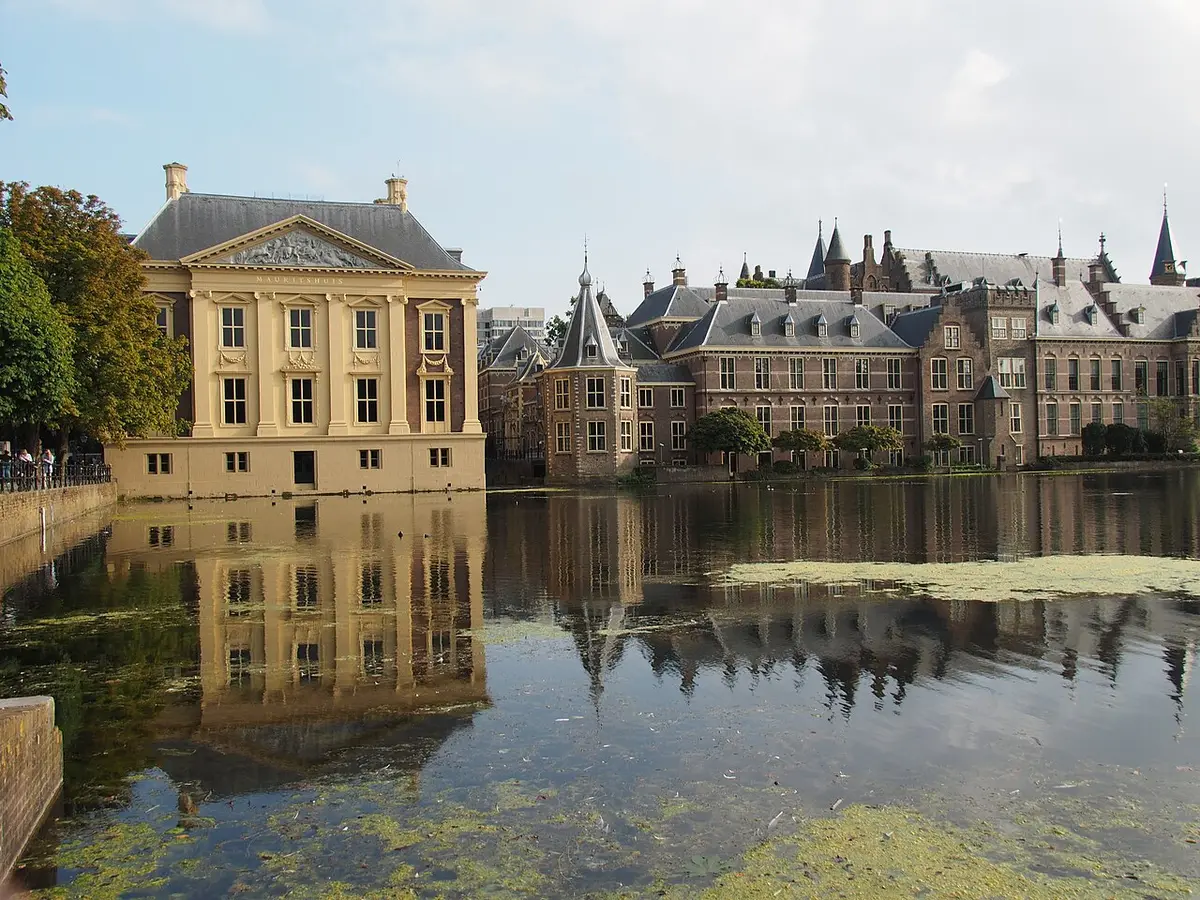
The Mauritshuis
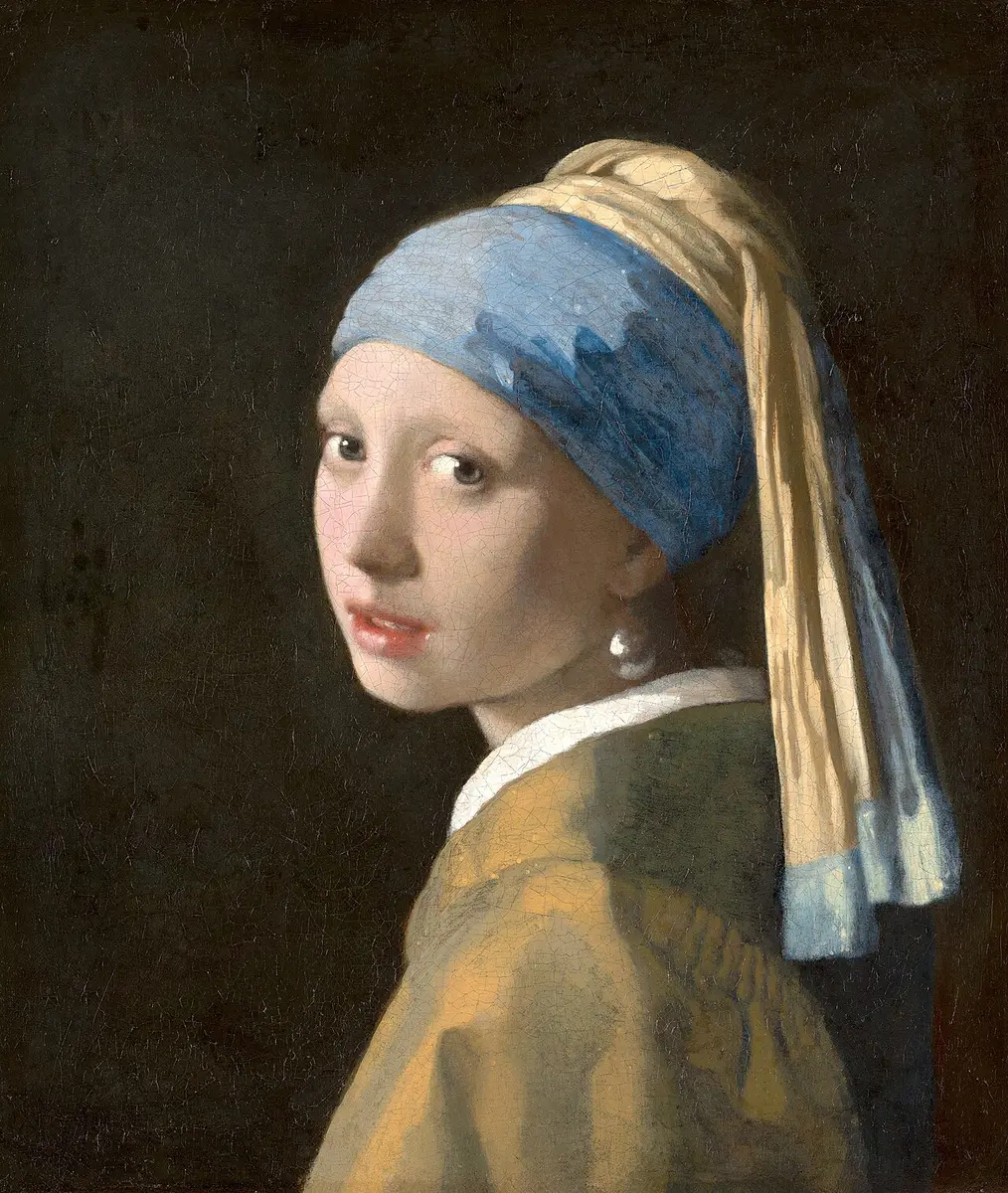
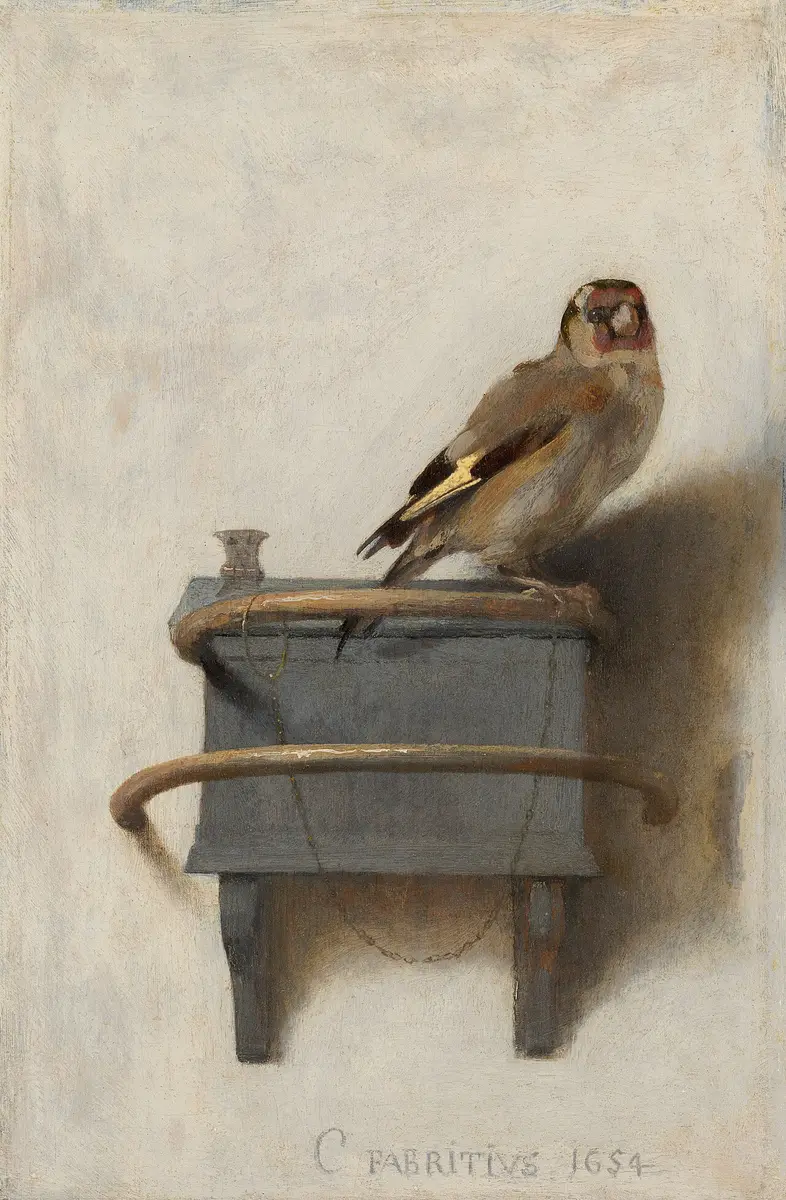
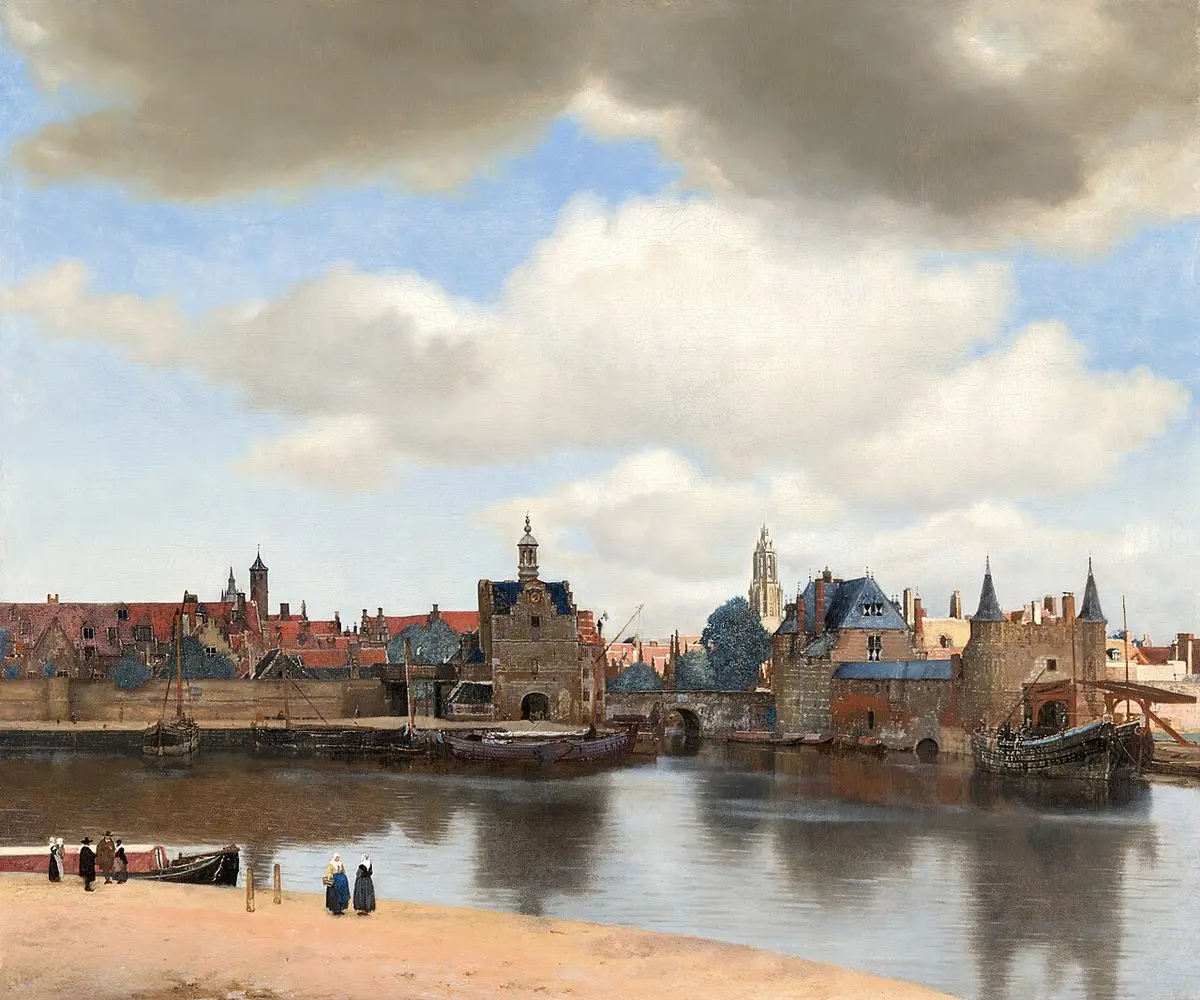
A small palace on the Hofvijver, built from 1636 to 1641 for Johan Maurits of Nassau-Siegen and a museum since 1822, with one of the finest small collections of Dutch painting anywhere: Vermeer’s Girl with a Pearl Earring and View of Delft, Rembrandt’s Anatomy Lesson of Dr. Nicolaes Tulp, Fabritius’s Goldfinch and rooms of Jan Steen.
Open every day, from 1pm on Mondays. Come early or late for a quiet minute with the Vermeers.
Photo: Hajotthu, CC BY-SA 3.0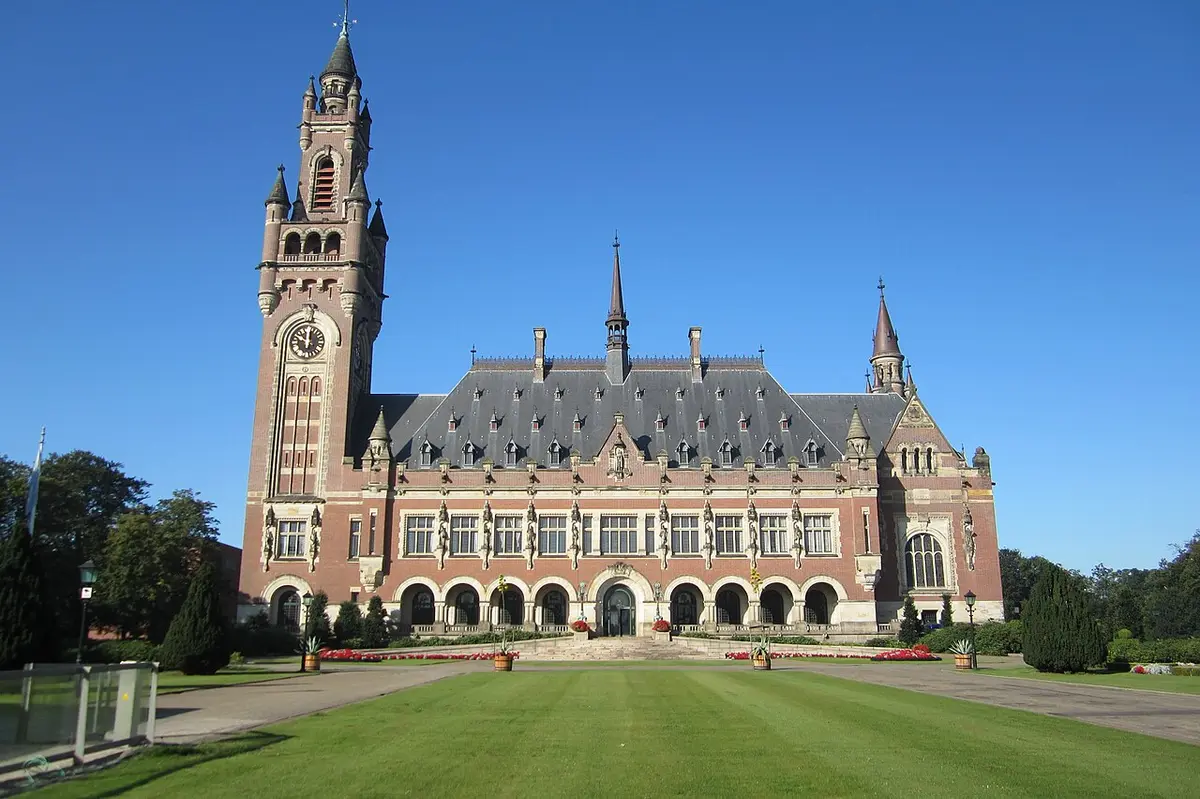 02
The Peace Palace
Paid for by Andrew Carnegie and opened in 1913 as the home of the Permanent Court of Arbitration, the palace has also housed the International Court of Justice since 1946, with a great library of international law. Its halls are filled with gifts from many countries.
The visitor center is open Tuesday to Sunday. Guided tours of the palace and garden run on some weekends and in summer, booked only on the Peace Palace website.
Photo: Peegmehh, CC BY-SA 3.0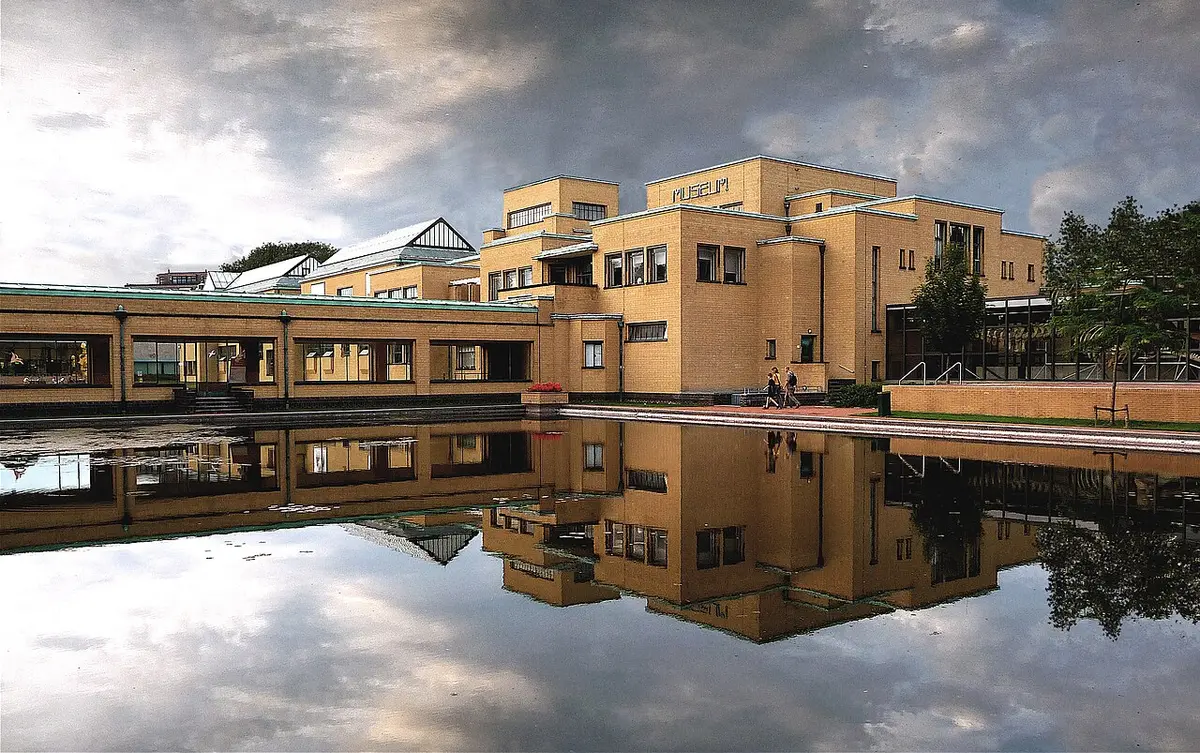 03
Kunstmuseum Den Haag
H. P. Berlage’s last building, opened in 1935, holds the largest collection of Mondrian’s work in the world, some 300 pieces from early landscapes to Victory Boogie Woogie, his last painting, with the Hague School, Delftware and fashion around them.
Closed on Mondays. Leave time for the building itself: glazed brick, long galleries and a pond at the door.
Photo: Roel Wijnants, CC BY-SA 3.0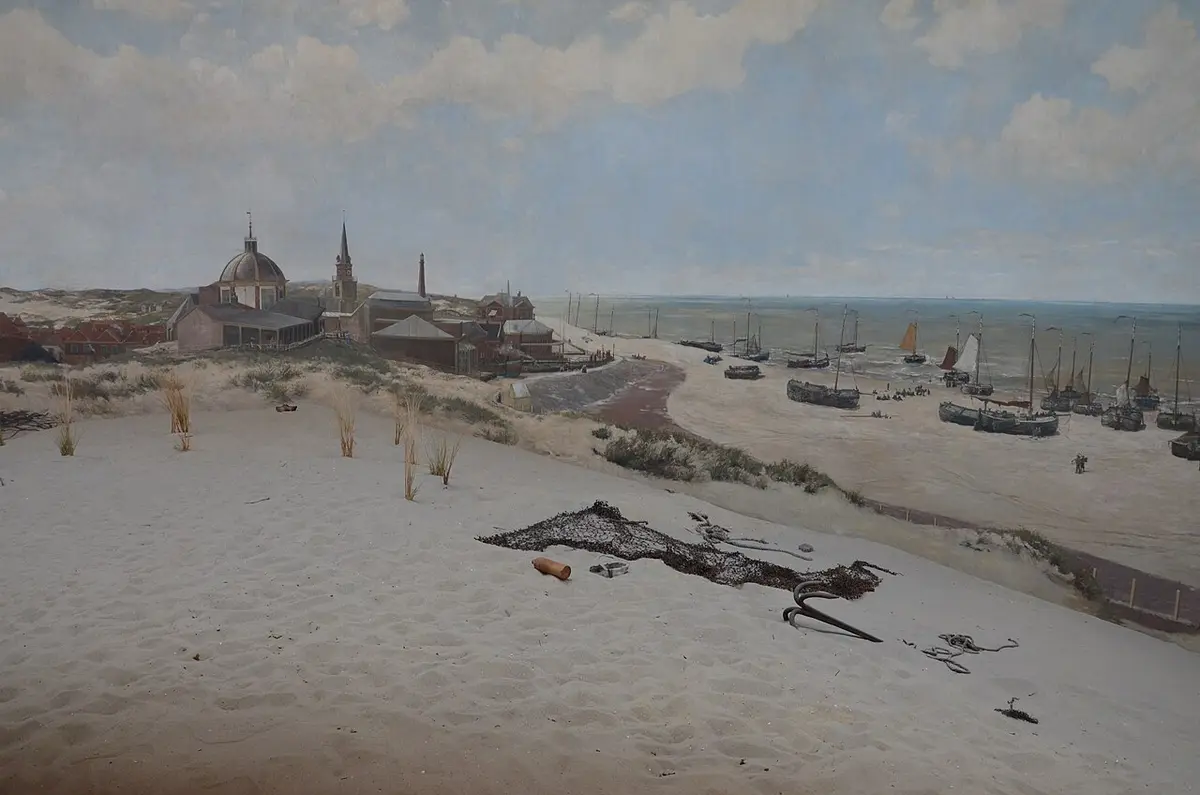 04
Panorama Mesdag
Stand on a painted dune in the middle of a round hall and Scheveningen in 1880 surrounds you: the village, the beach and the fishing boats, more than 14 meters high and 120 meters around. Hendrik Willem Mesdag painted it with his wife Sientje and a team that included Breitner, and it is the oldest 19th-century panorama still in its original building.
Closed on Mondays. Give your eyes a minute: the real sand in the foreground runs into the painted beach.
Photo: Steven Lek, CC BY-SA 4.0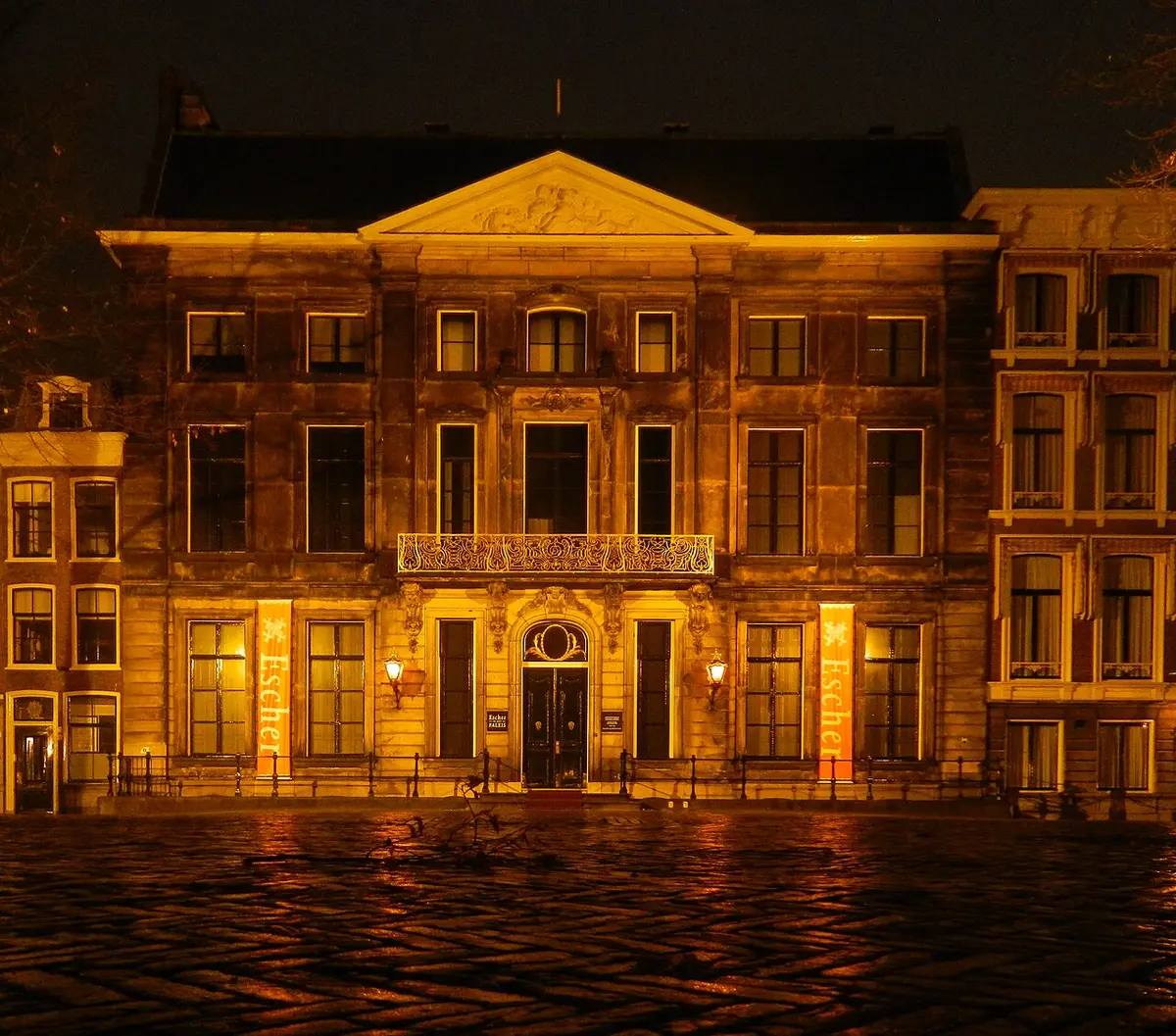 05
Escher in Het Paleis
The prints of M. C. Escher, impossible buildings, endless interlocking patterns and optical puzzles, hang in the palace on the Lange Voorhout that Queen Emma used as her winter palace from 1901 to 1934. Chandeliers by Hans van Bentem, made for the rooms, hang above them.
Open Tuesday to Sunday. The collection is set to move to a new museum further along the Lange Voorhout in the coming years, so check before you go.
Photo: Ferdi De gier from The Hague, Netherlands, CC BY-SA 2.0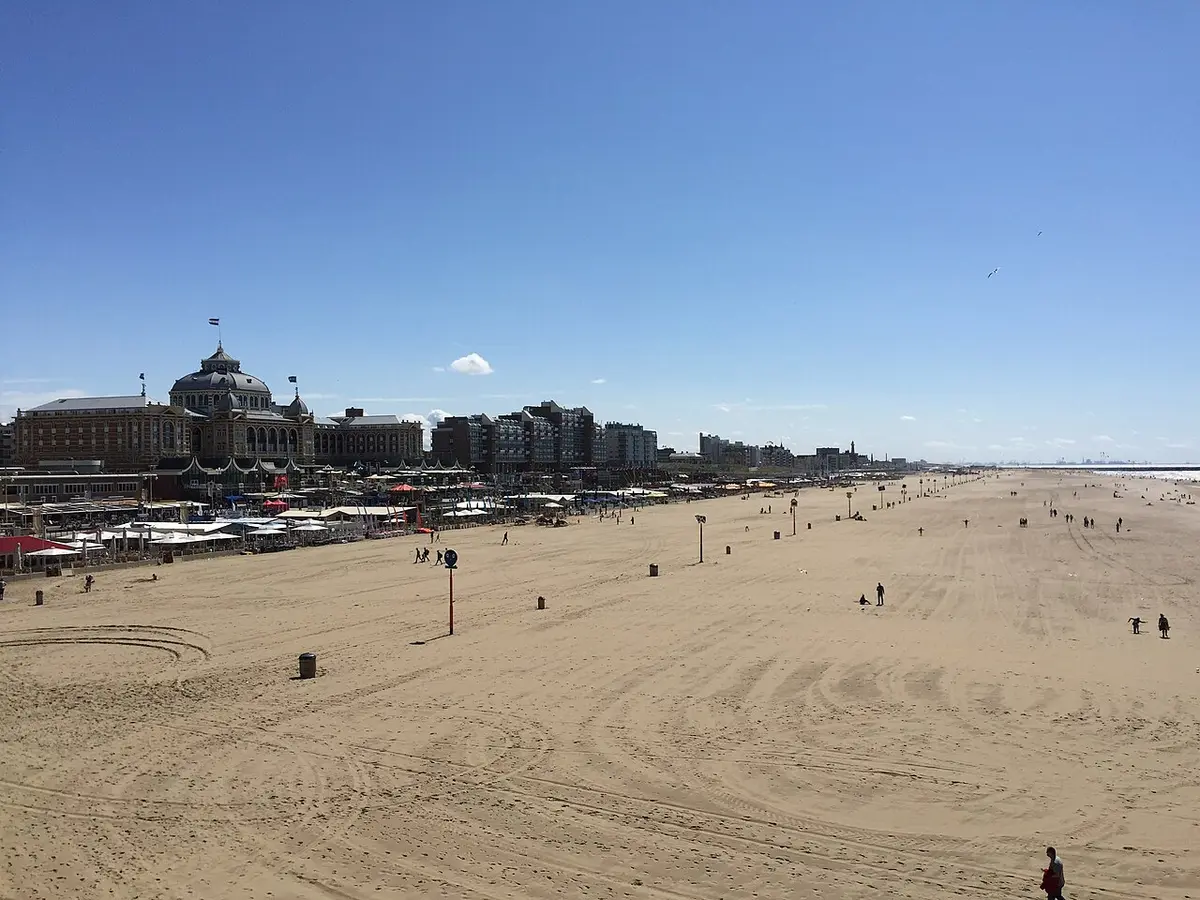 06
Scheveningen
The Hague’s fishing village became a seaside resort in the 19th century, and the domed Kurhaus hotel opened in 1885. Today it is a long sandy beach lined with pavilions from spring to autumn, a pier with a Ferris wheel, a harbor at the southern end and the sculpture museum Beelden aan Zee in the dunes, reopened in June 2026.
Tram 9 from Centraal Station takes about 15 minutes. For fish, walk down to the harbor.
Photo: Paul Arps from The Netherlands, CC BY 2.0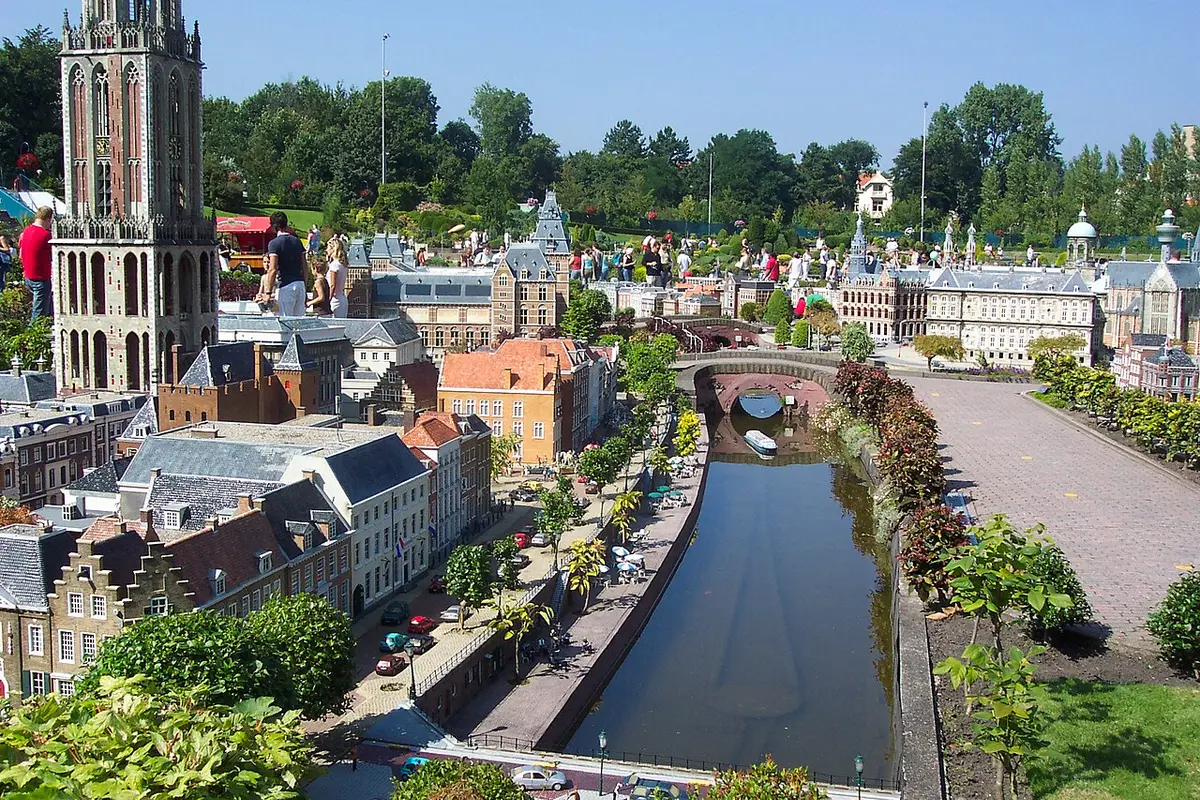 07
Madurodam
The Netherlands at a scale of 1:25: canal houses, churches, windmills, ports and an airport, with boats and trains that move. It opened in 1952 as a memorial to George Maduro, a student from Curaçao who fought in the resistance and died at Dachau in 1945.
Best with children; allow two to three hours.
Photo: Cqui, CC BY-SA 2.5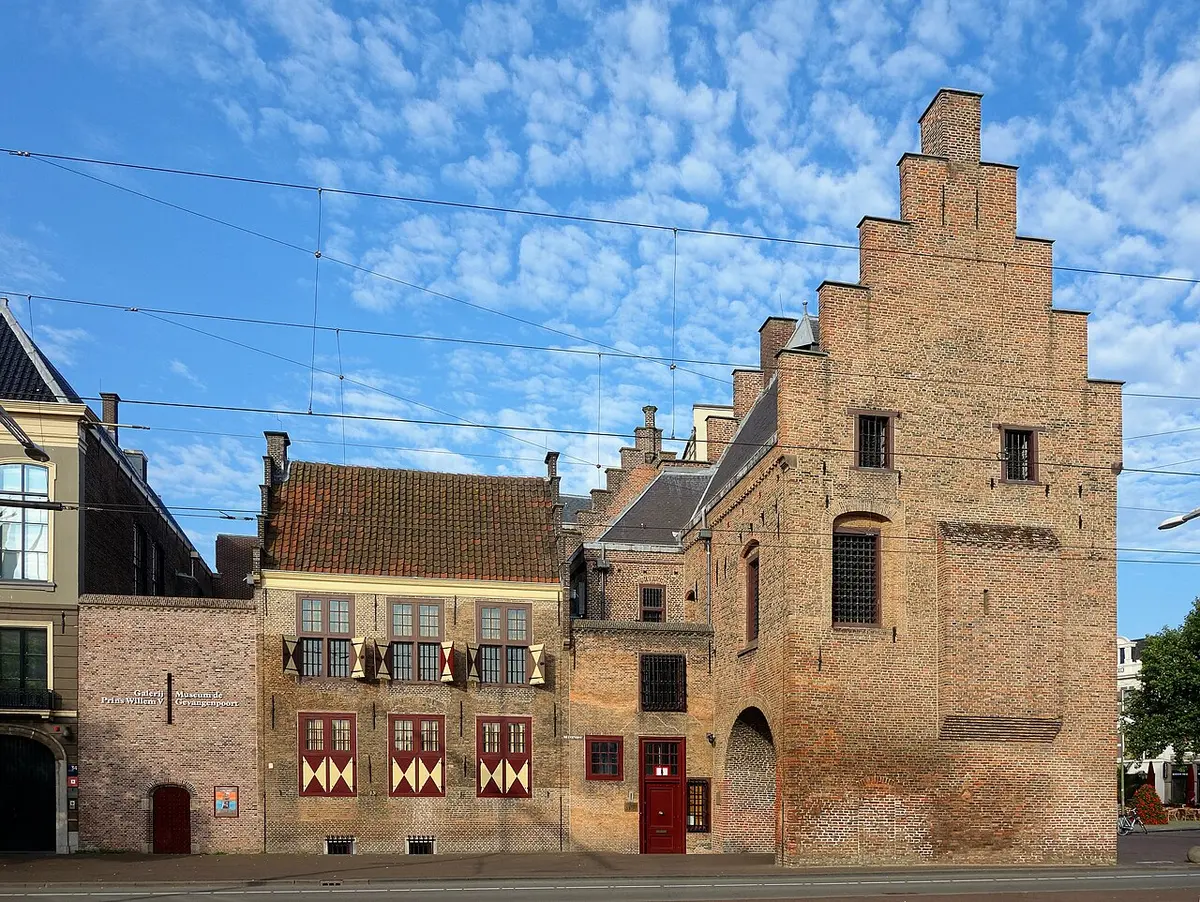 08
The Gevangenpoort
The gatehouse to the counts’ court became a prison in the 15th century and held prisoners awaiting sentence until 1828. Its cells, torture chamber and Knights’ Hall tell grim stories, among them the last hours of Johan and Cornelis de Witt, killed by a mob on the square outside in 1672.
Open every day. Guided tours in English run at noon on weekends.
Photo: Velvet, CC BY-SA 4.0
Three hidden gems
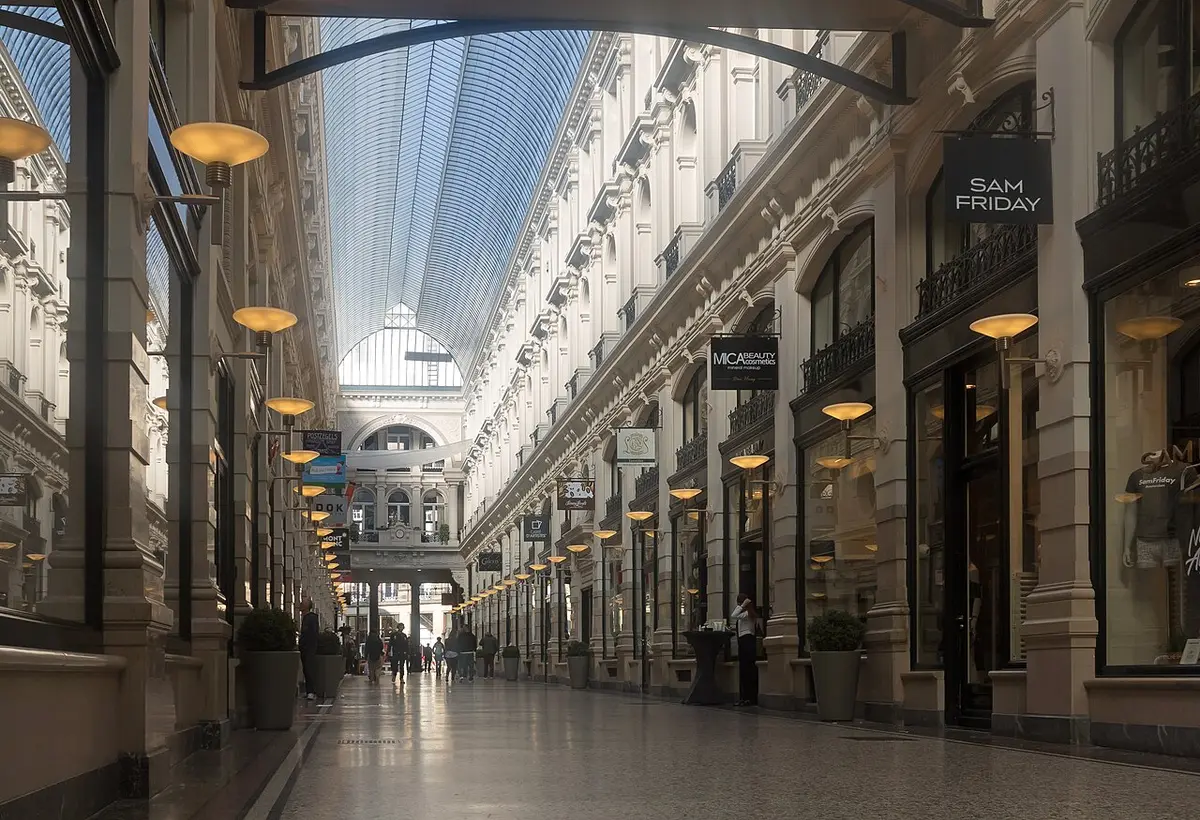
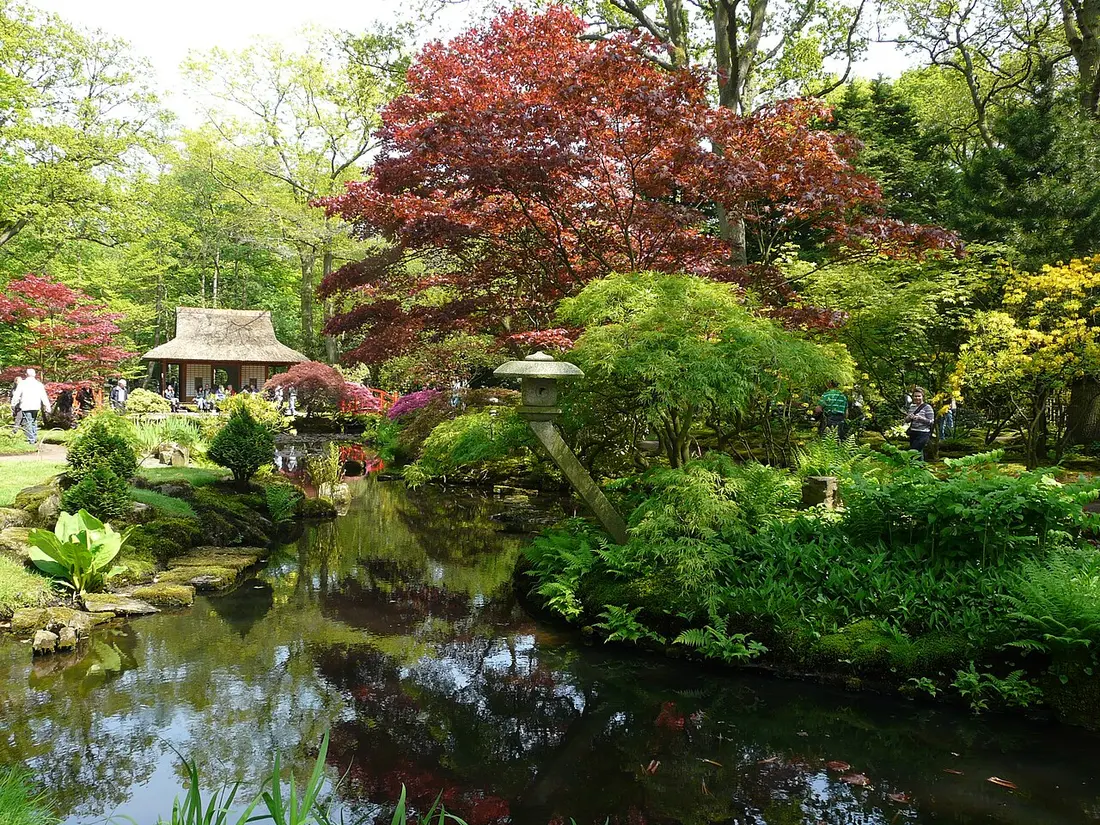
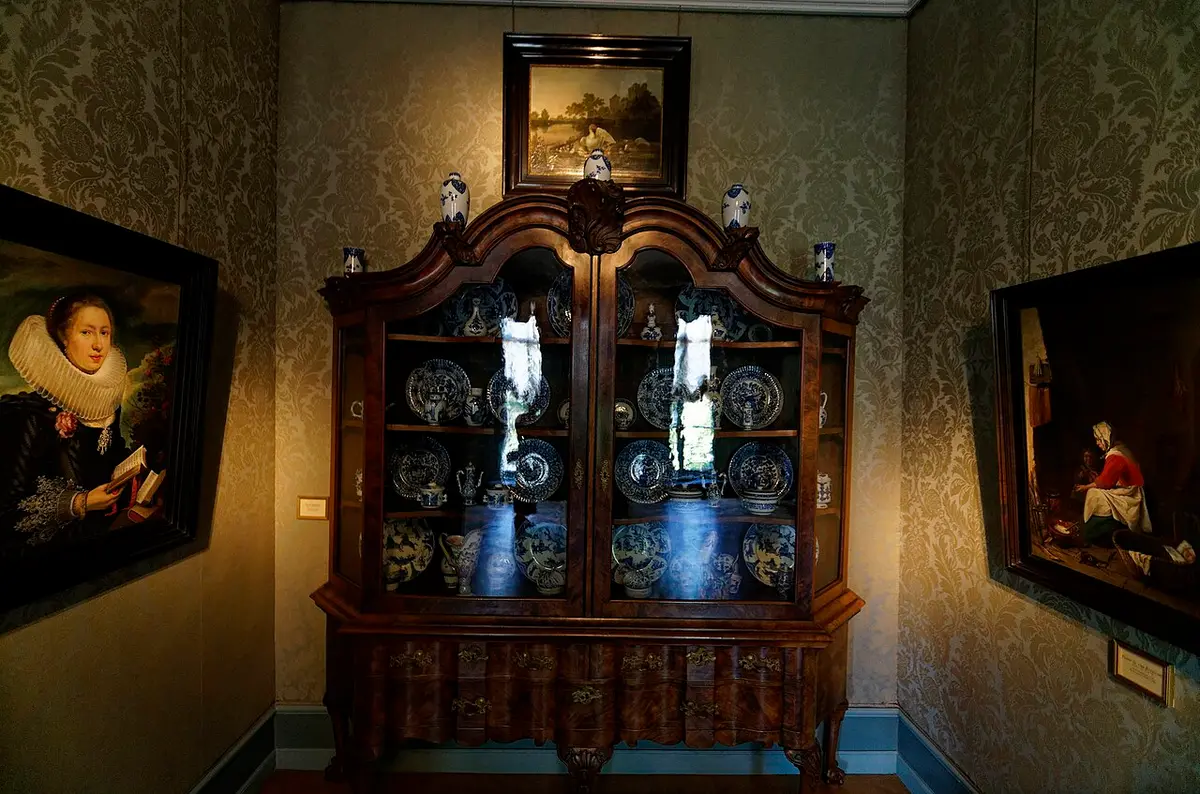
From the Hofvijver to the Lange Voorhout
Around the pond at the heart of the old court, past a prison gate and a royal palace, to the tree-lined avenue where the ambassadors lived.
Start on the Plein, a square of café terraces with a statue of William of Orange, put up in 1848, at its center. The Mauritshuis stands at its corner. Walk along its side to the Korte Vijverberg and the edge of the Hofvijver, where the classic view opens up: the Binnenhof rising straight from the water, with the Ridderzaal behind. The complex is closed while it is restored, with reopening planned for summer 2031, but the view across the pond is the picture of the city.
Follow the Lange Vijverberg along the water, past the house of Museum Bredius, to the Buitenhof. On the square at the corner stands the Gevangenpoort, the old gatehouse of the court, where Johan and Cornelis de Witt were killed in 1672.
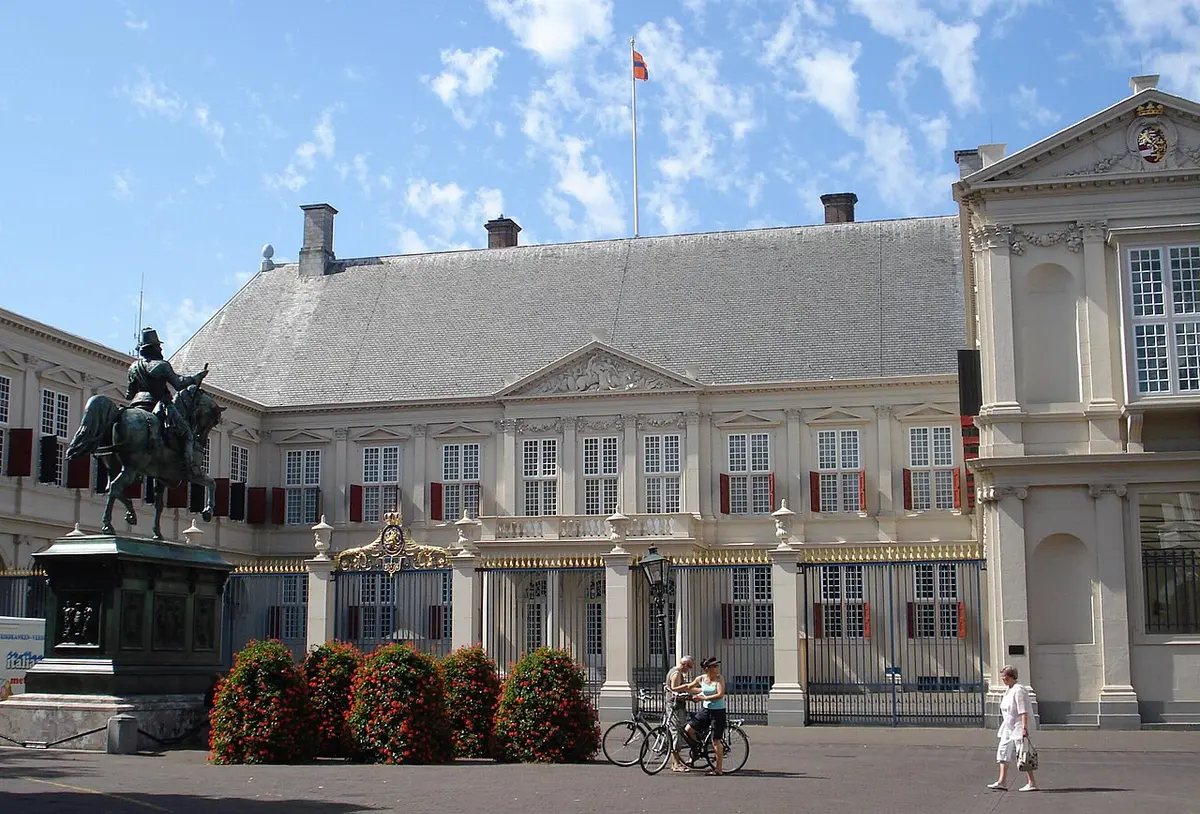
From here the Hoogstraat and the Noordeinde, streets of small shops and galleries, lead to Noordeinde Palace, a 16th-century mansion that the princes of Orange enlarged into a palace, still the royal working palace. An equestrian statue of William of Orange, unveiled in 1845, stands in front of it. The Palace Garden behind it is open to the public every day.
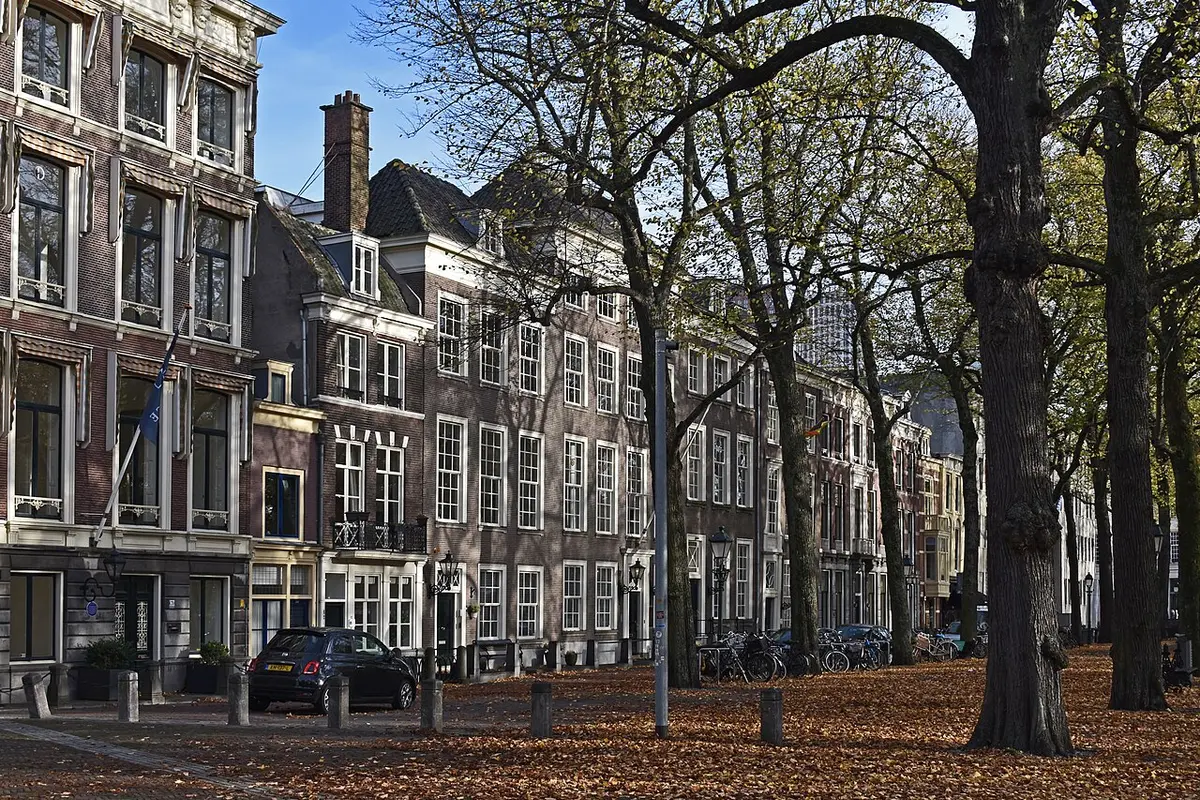
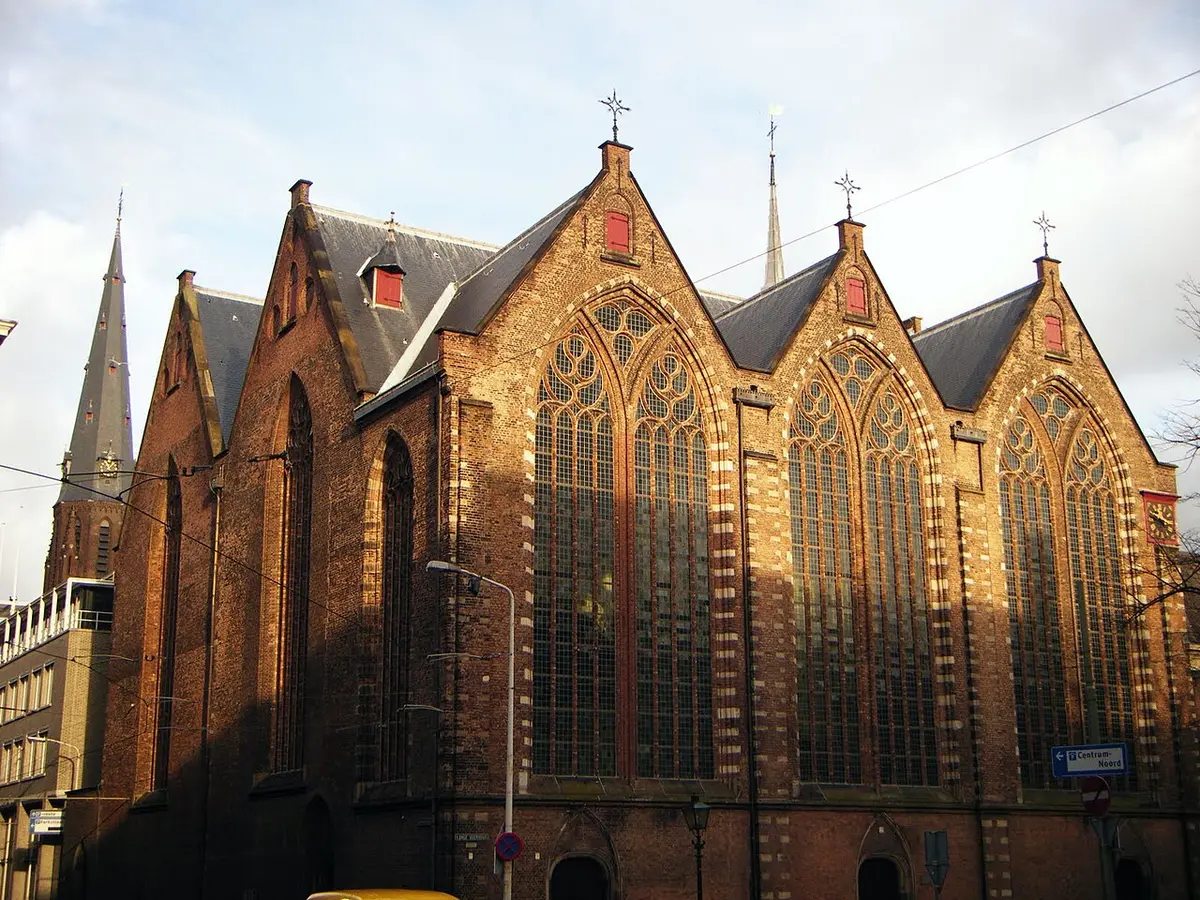
Turn along the Kneuterdijk, where Johan de Witt lived, to the Lange Voorhout, the grandest street in The Hague: a wide avenue of old trees lined with mansions and embassies. At its near end stands the Kloosterkerk, the church of a Dominican convent founded around 1400. Constantijn Huygens wrote a poem about the avenue, following it through the seasons, in 1621.
Walk its length to the palace at the far end that holds Escher in Het Paleis, and finish just to the north on the Denneweg, a street of antique shops, cafés and restaurants.
Where to stay
Pick the neighborhood first, then the hotel. Each link opens a map of places to stay around it.
City Center
First visitAround the Binnenhof, the Plein and the Grote Markt, with the Mauritshuis, the shops of the Passage and the small streets of Chinatown. Walkable, with trams to the beach.
See hotels in City CenterZeeheldenkwartier
Food and local lifeA 19th-century district west of the center, its streets named for naval heroes, with independent shops, cafés and restaurants along the Piet Heinstraat, and the Peace Palace a short walk away.
See hotels in ZeeheldenkwartierStatenkwartier
Families and museumsGrand houses and wide streets between the Kunstmuseum and the dunes, with the shops and cafés of the Frederik Hendriklaan. Calm, and a tram ride from both the center and the beach.
See hotels in StatenkwartierScheveningen
The beachThe old fishing village and seaside resort, with the Kurhaus, the pier, the harbor and the beach pavilions. Busy in summer, quiet and windswept in winter.
See hotels in ScheveningenArchipelbuurt and Willemspark
CouplesLeafy 19th-century streets between the center and the woods of the Scheveningse Bosjes, where Couperus wrote Eline Vere, close to the restaurants of the Denneweg.
See hotels in Archipelbuurt and WillemsparkAround Centraal Station
Short staysOffice towers and hotels around the main station, with the Haagse Bos woods behind. Convenient for trains and trams rather than charming.
See hotels in Around Centraal StationThe 10 best budget hotels
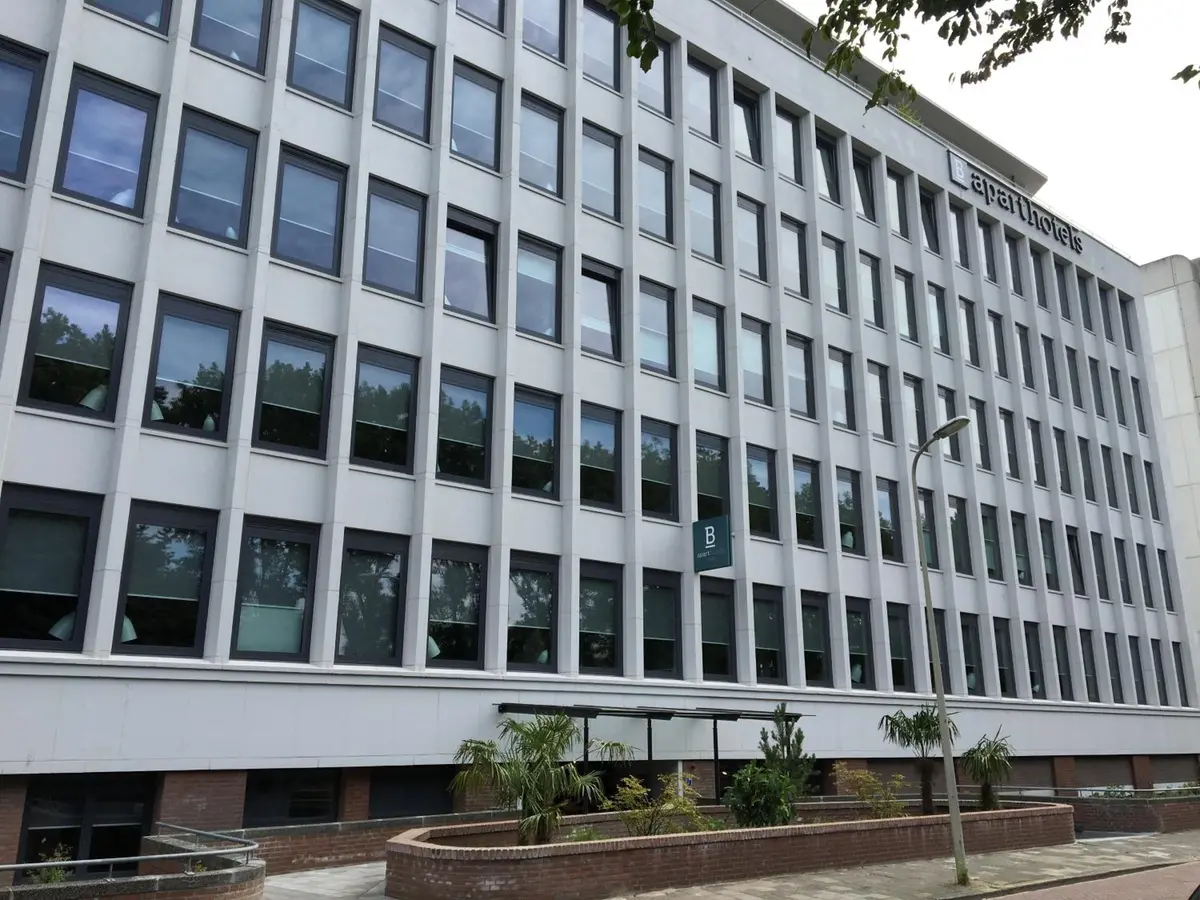
Well-reviewed hotels at the lower end of The Hague’s prices, best-reviewed first. On a weeknight in November 2026 they cost about €70 to €120 for two; prices change daily, so check your own dates.
 01
 02
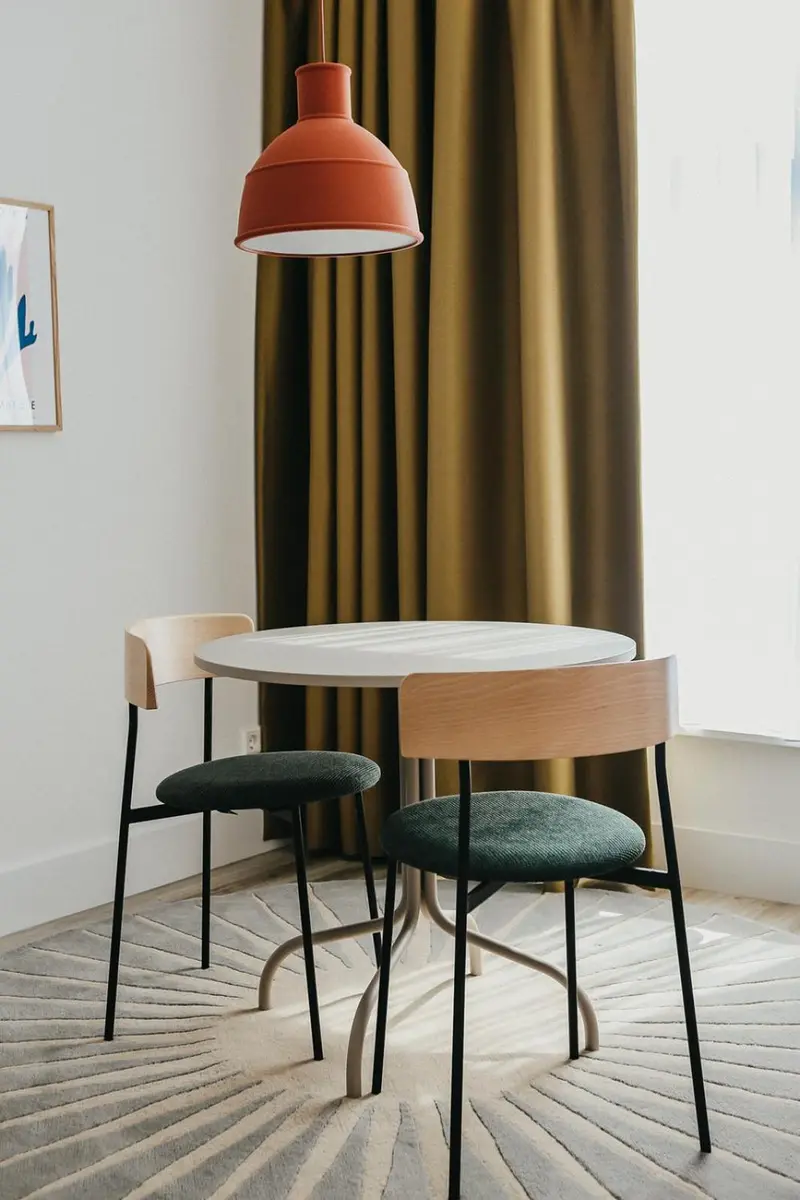
Hotel Bries Den Haag - Scheveningen
8.91,384 reviewsScheveningen Harbor
29 min walk to the Peace Palace
See prices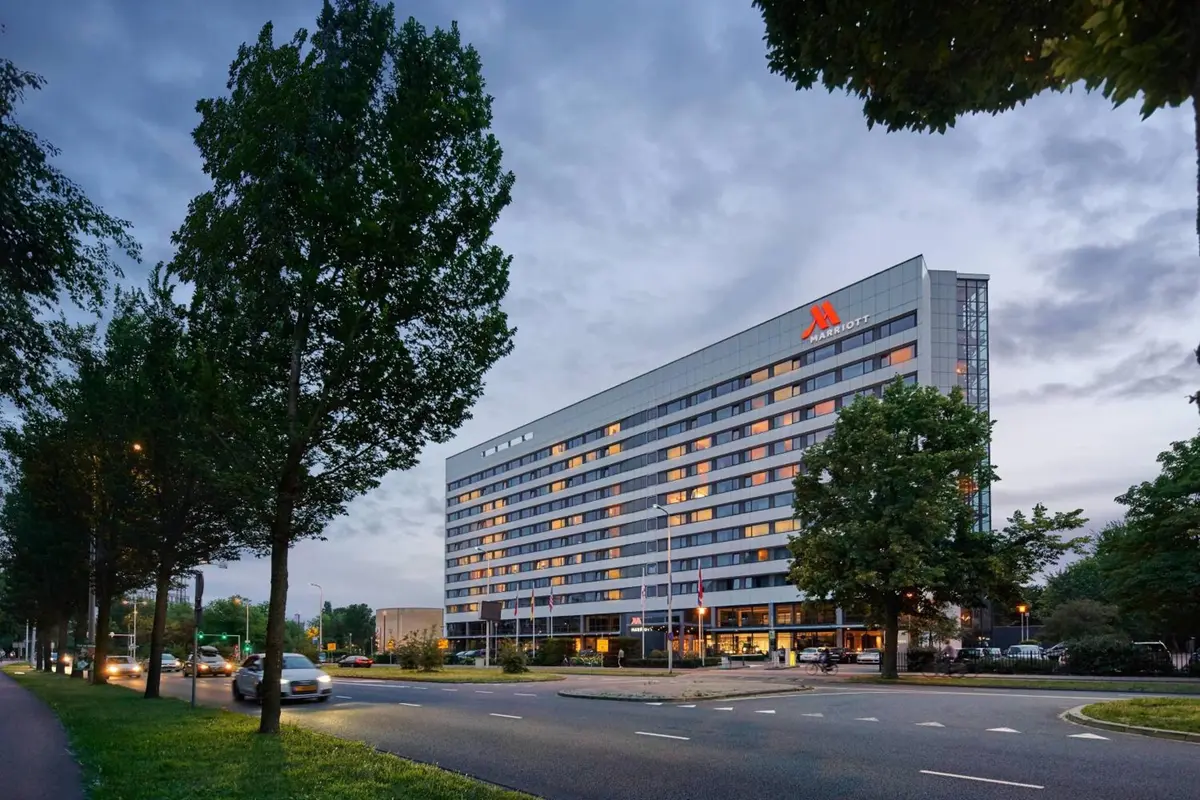 03
 04
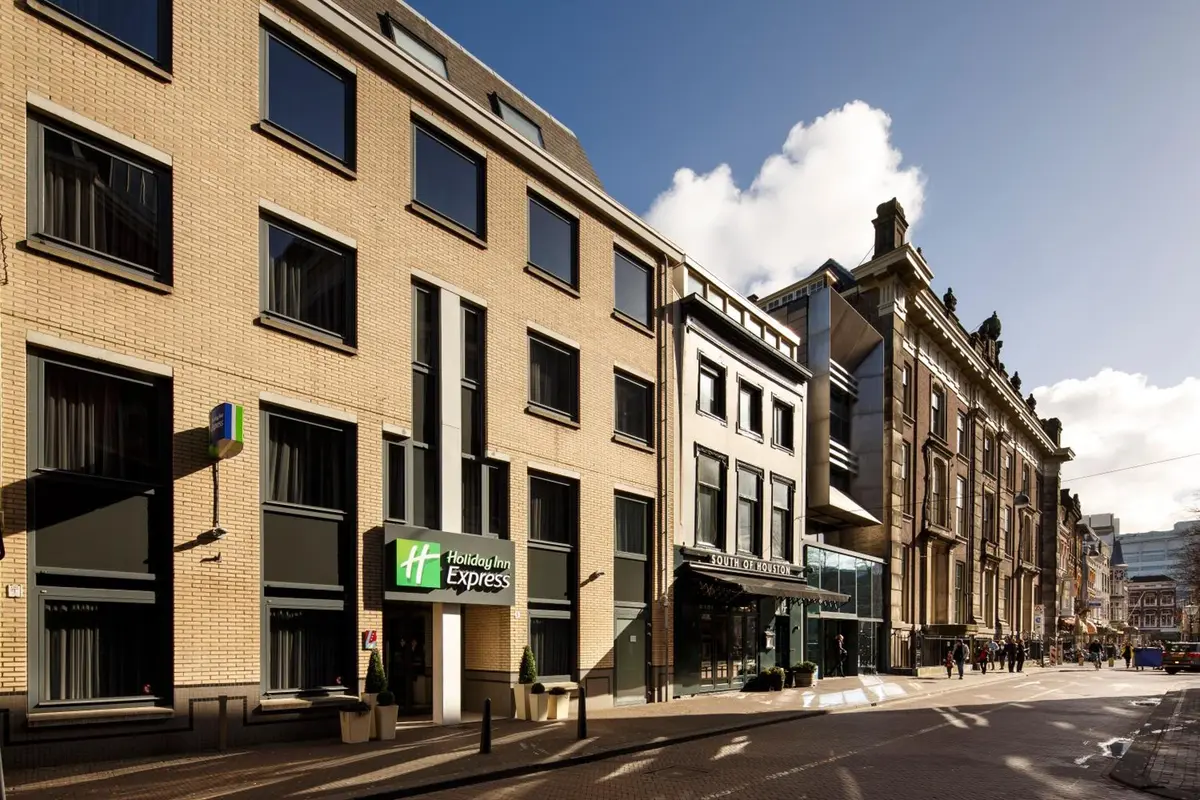
Holiday Inn Express The Hague - Parliament by IHG
8.68,552 reviewsCity Center
2 min walk to the Mauritshuis
See prices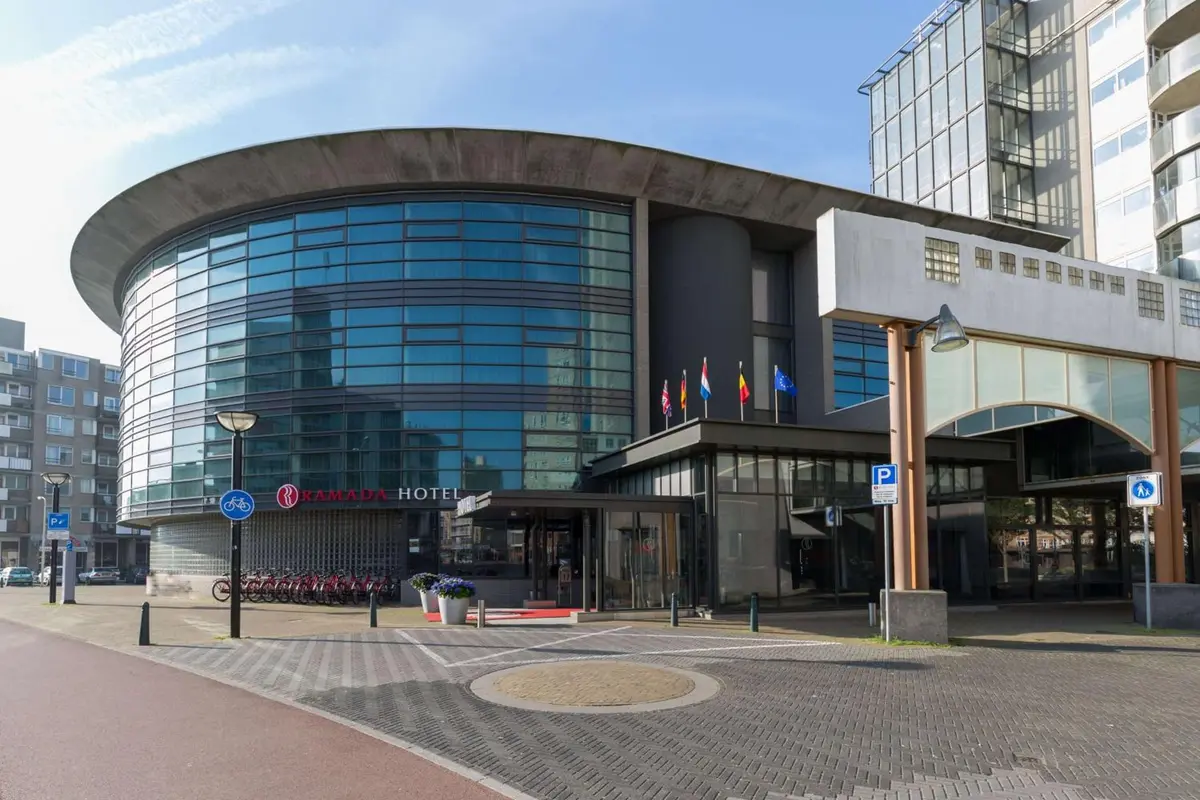 05
Ramada The Hague Scheveningen
8.65,806 reviewsScheveningen
5 min walk to Scheveningen beach
See prices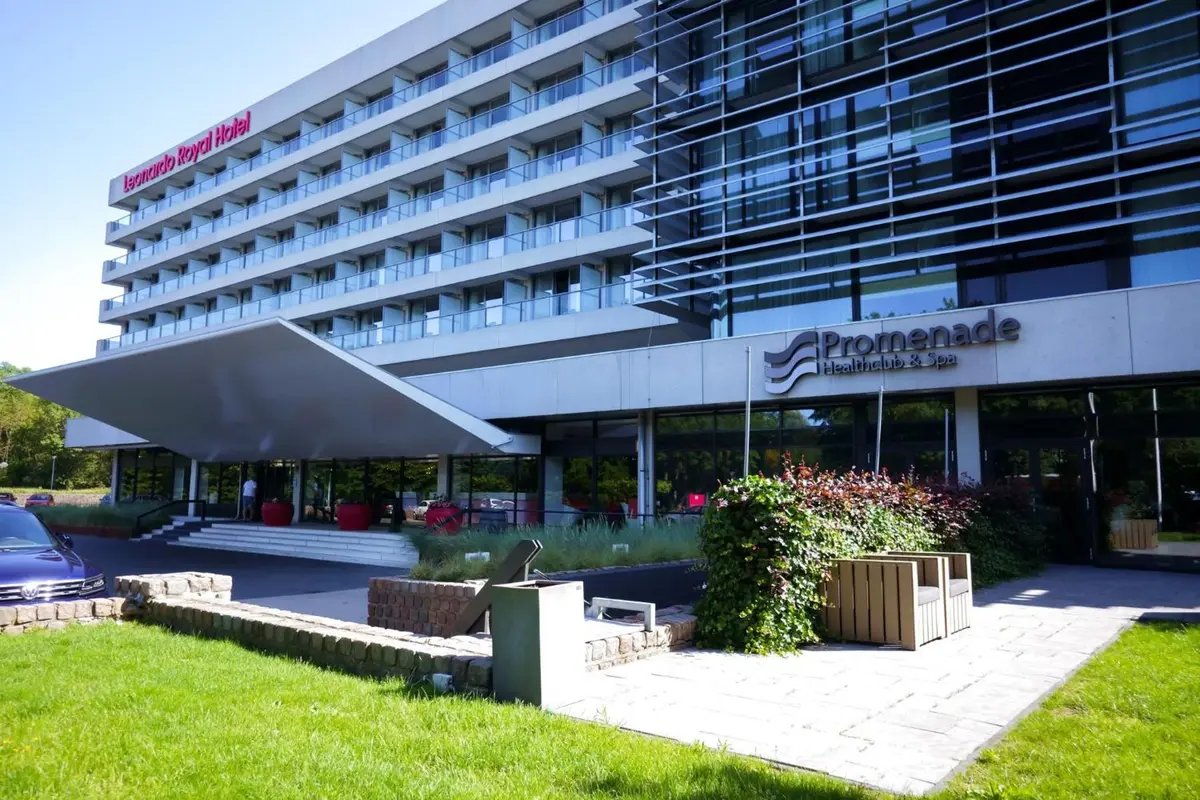 06
Leonardo Royal Hotel Den Haag Promenade
8.65,102 reviewsStatenkwartier
20 min walk to the Peace Palace
See prices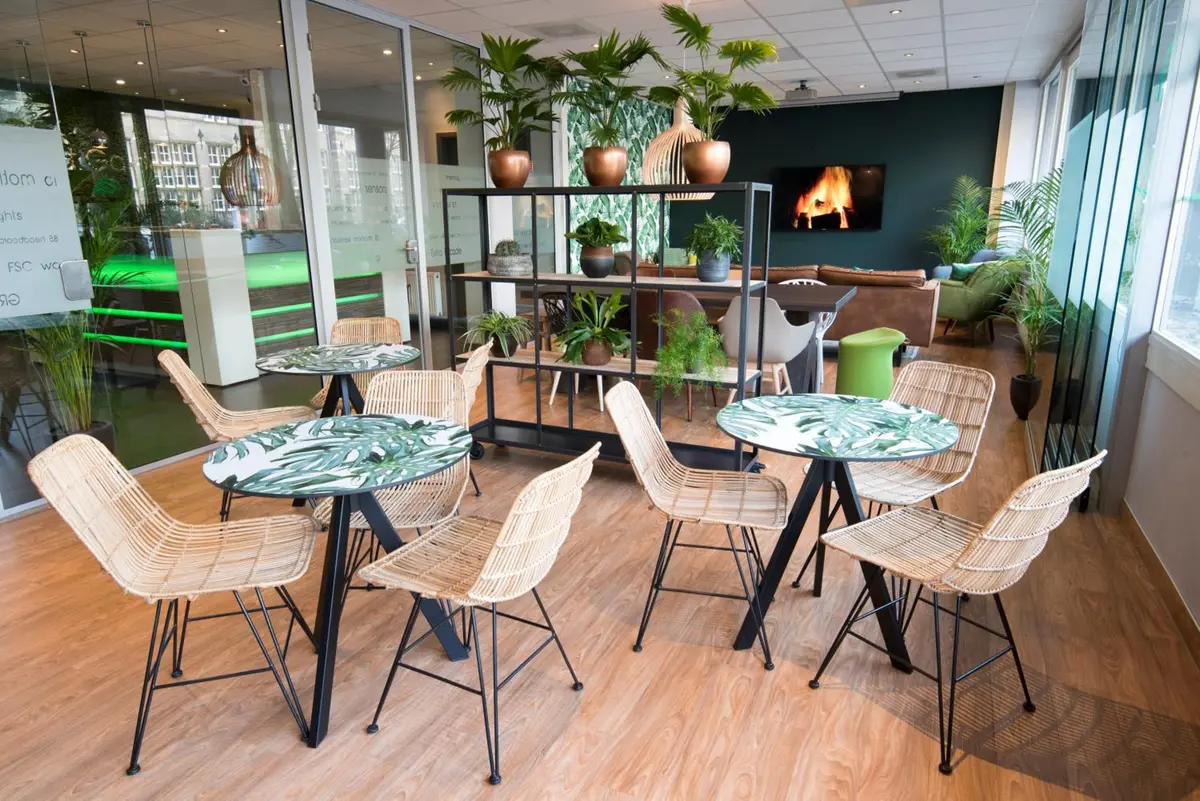 07
 08
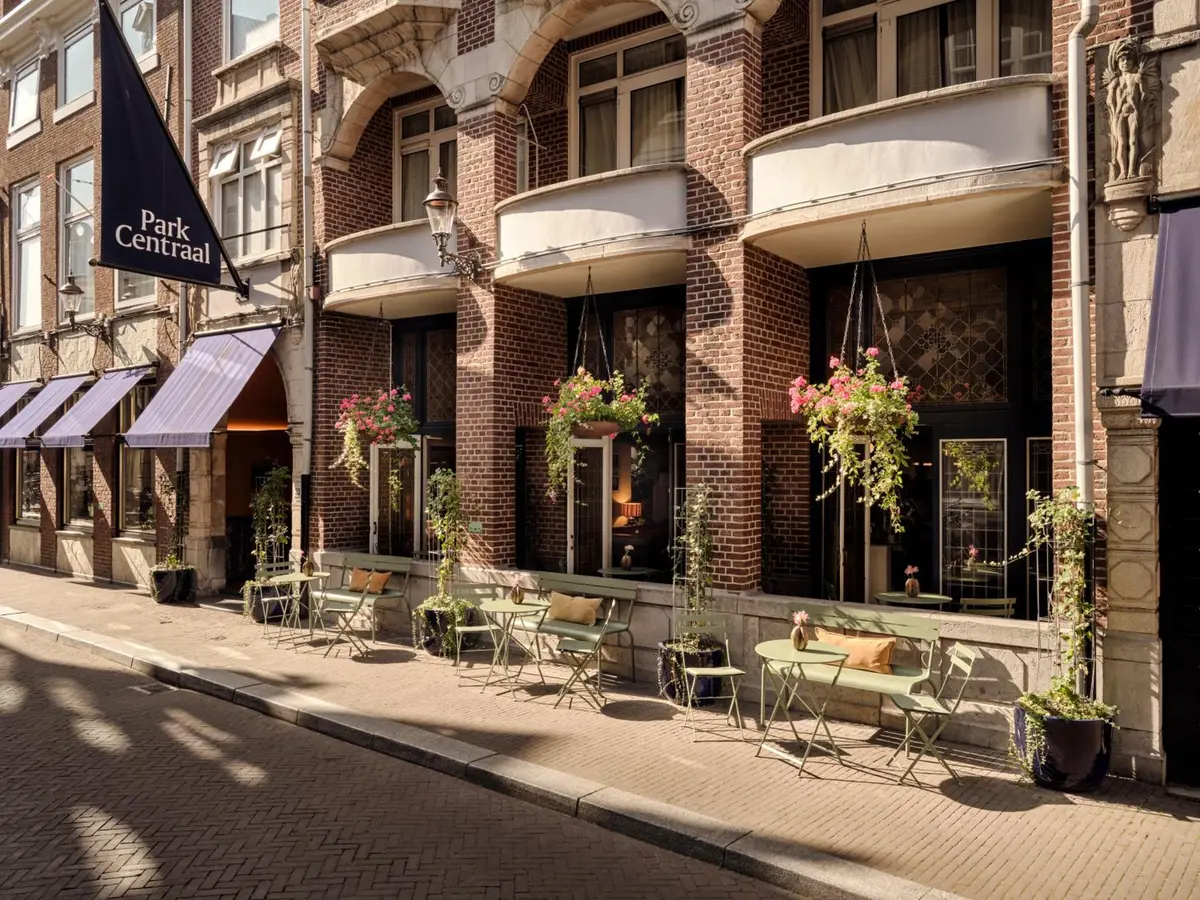
Park Centraal Den Haag, part of Sircle Collection
8.55,851 reviewsCity Center
10 min walk to the Mauritshuis
See prices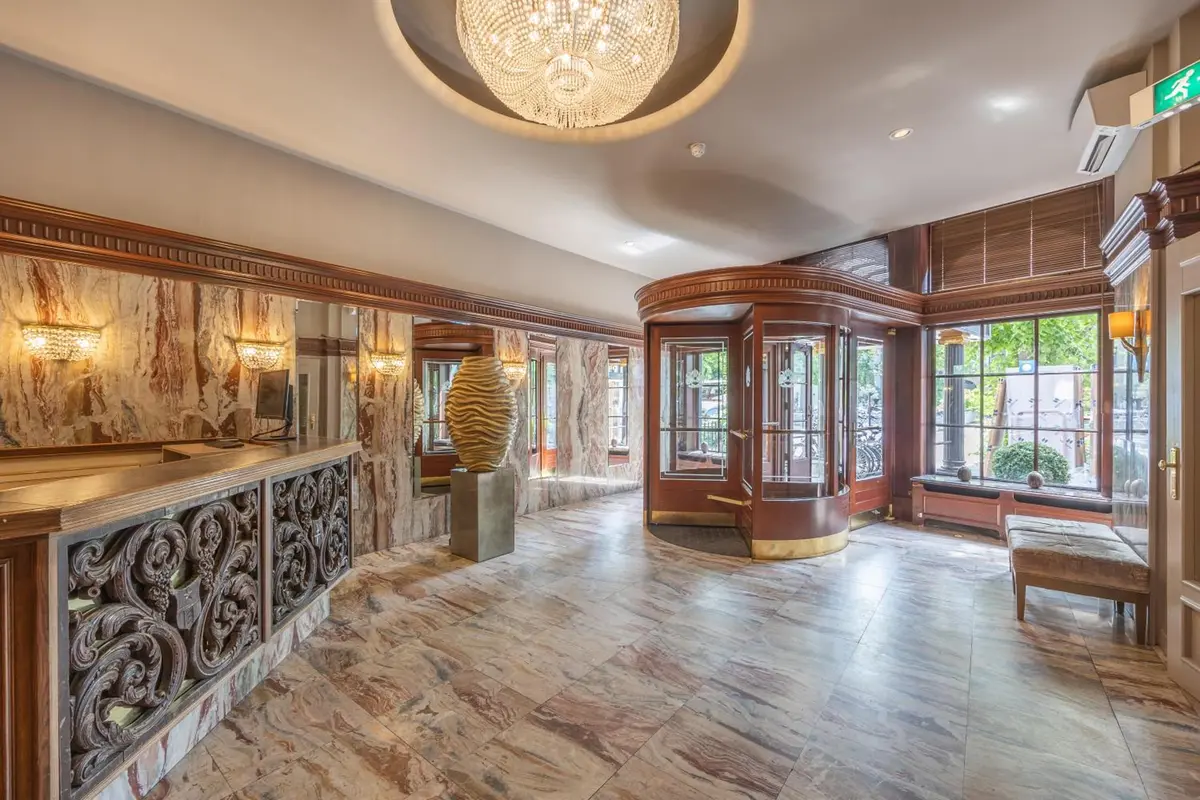 09
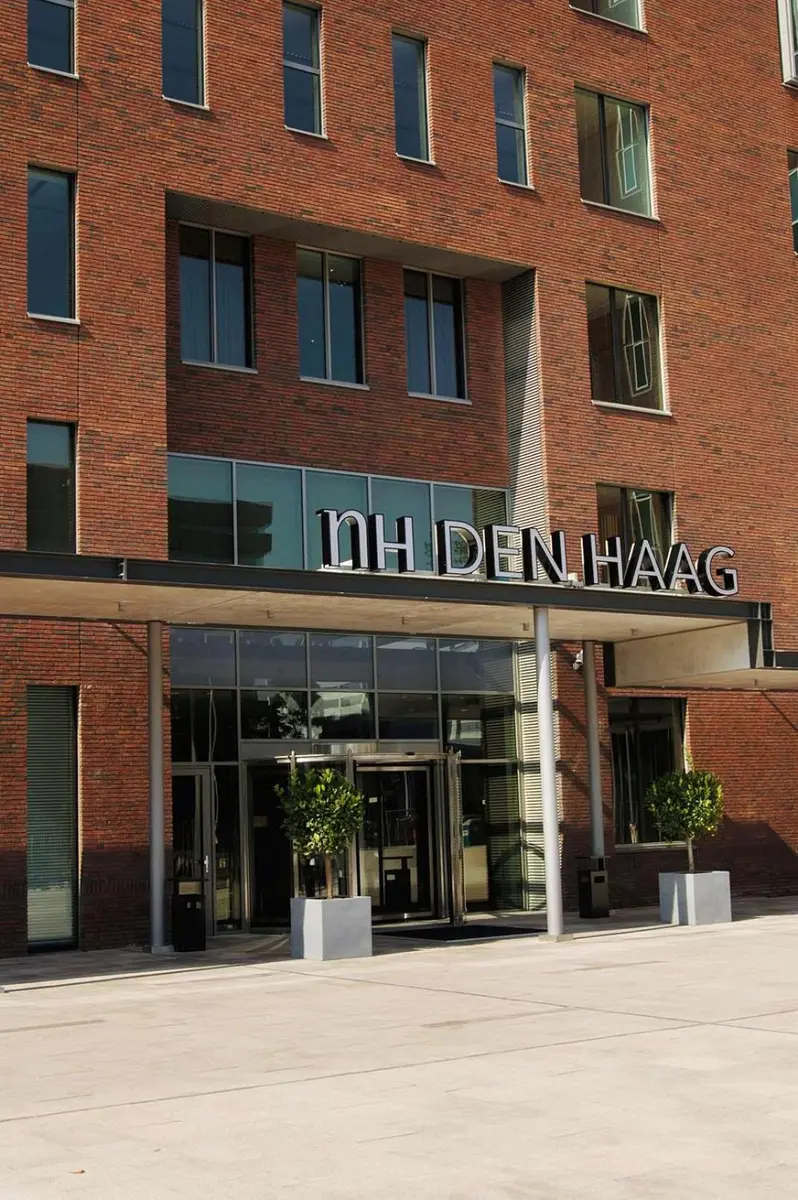 10
Hotel links go to Stay22. If you book, we may earn a commission, at no cost to you.
Food and drink
The Hague eats from the sea and from the former Dutch East Indies: herring and fried fish at Scheveningen, and the Indonesian food that came with the many families who settled here from the 1940s on. Lunch is often a sandwich, and dinner starts early, from about 6pm.
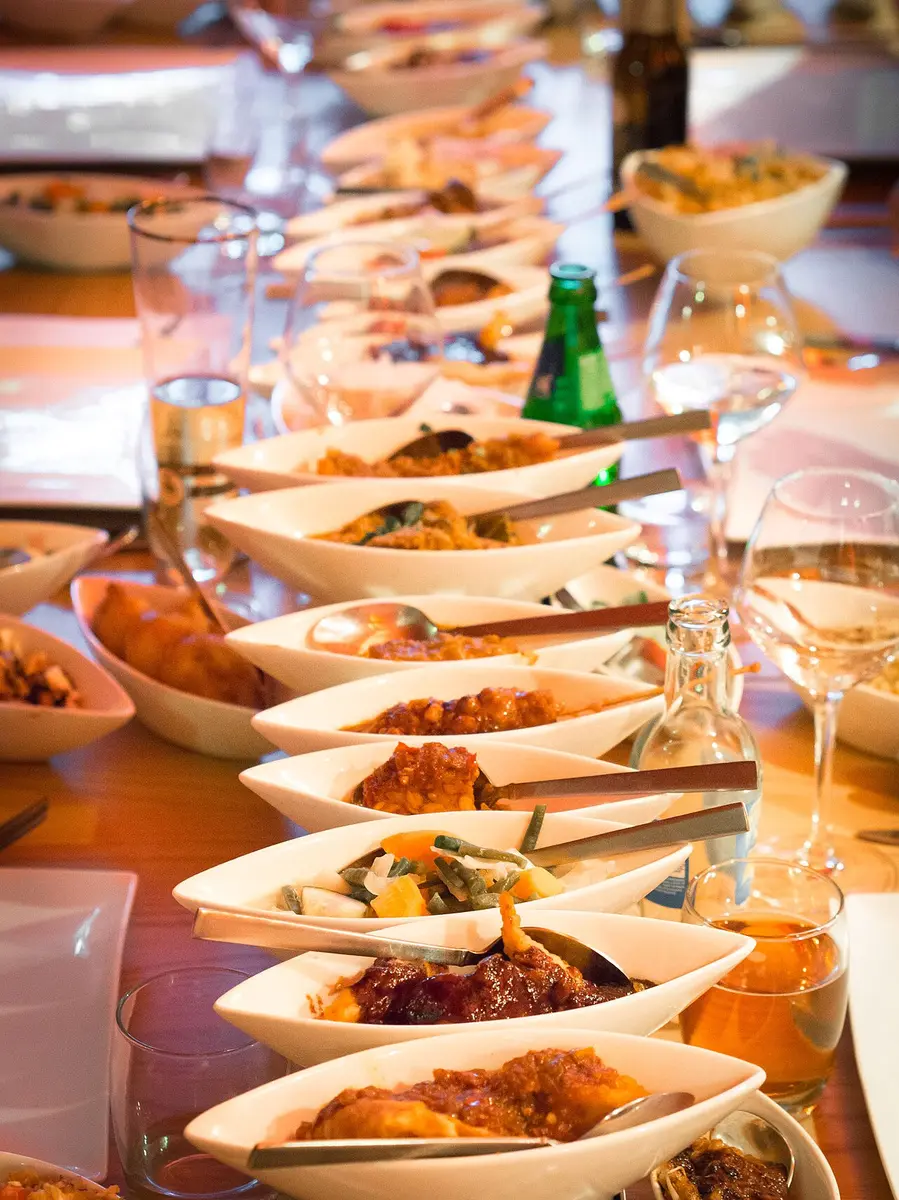
Rijsttafel
The “rice table”: many small Indonesian dishes, from satay and beef rendang to vegetables, sambals and pickles, set around rice and shared.
Photo: Takeaway, CC BY-SA 3.0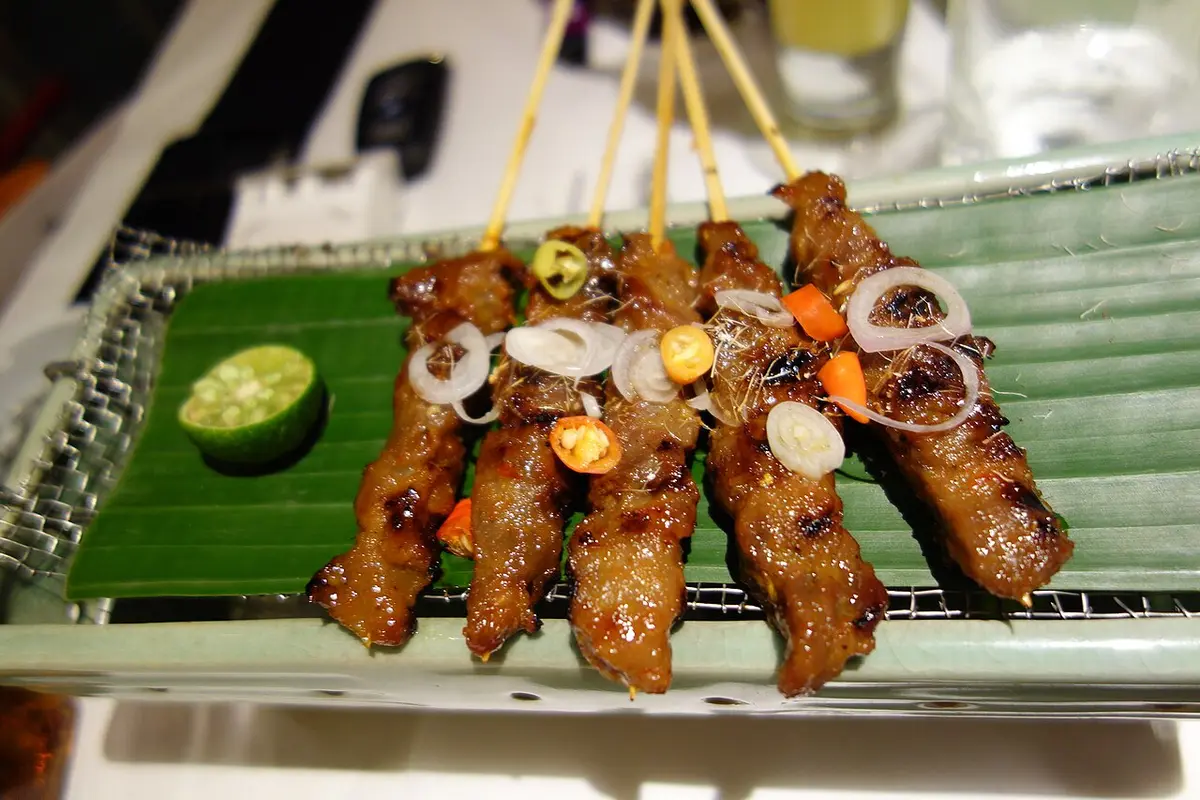
Saté
Skewers of grilled chicken or pork with peanut sauce, on every Indonesian menu and at many snack bars.
Photo: Lord Mountbatten, CC BY-SA 4.0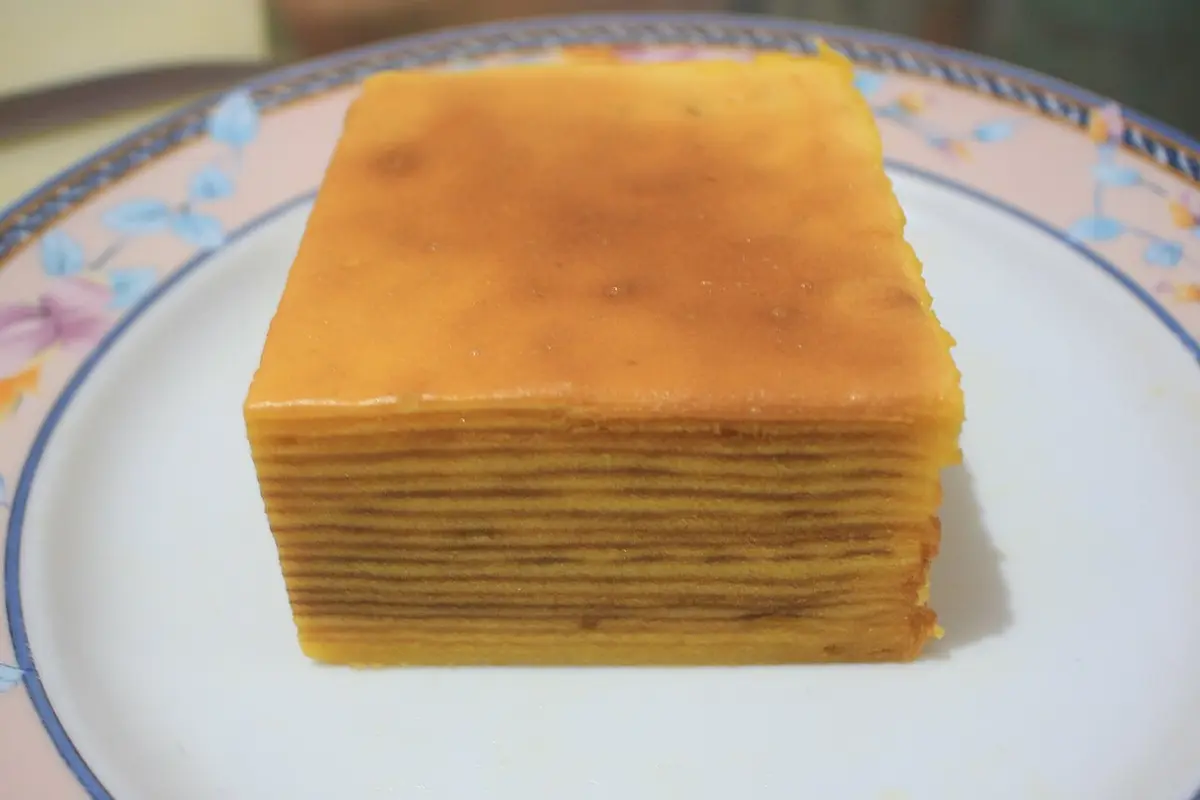
Spekkoek
A spiced Indonesian layer cake, each thin layer baked one at a time, sold by the slice in Indonesian shops.
Photo: Ariefz, CC BY-SA 4.0Hollandse Nieuwe
The new season’s herring, lightly cured, eaten at a stall with onions and pickles. It arrives in June, when Scheveningen’s harbor holds Vlaggetjesdag.

Kibbeling
Chunks of white fish, battered and fried, with a garlic or remoulade sauce, best from a stall by the harbor.
Photo: Superbass, CC BY-SA 4.0Haagse hopjes
Hard sweets of coffee, sugar and cream, first made in The Hague around 1800 for Baron Hendrik Hop, who loved his coffee that way.
Roti
Surinamese flatbread with curried chicken, potato and long beans, from the Surinamese takeaways around the city.
Eat Indonesian anywhere, from takeaways to formal rijsttafel restaurants, and fish at the stalls and restaurants of Scheveningen harbor. The Haagse Markt, the largest outdoor market in the Netherlands, opens on Monday, Wednesday, Friday and Saturday. For dinner, try the Denneweg and the streets around the Grote Markt, or Chinatown around the Wagenstraat.
A court in a village
How a counts’ hunting lodge by a pond in the dunes became the seat of a republic, a royal residence and a city of international courts, without ever having city walls.
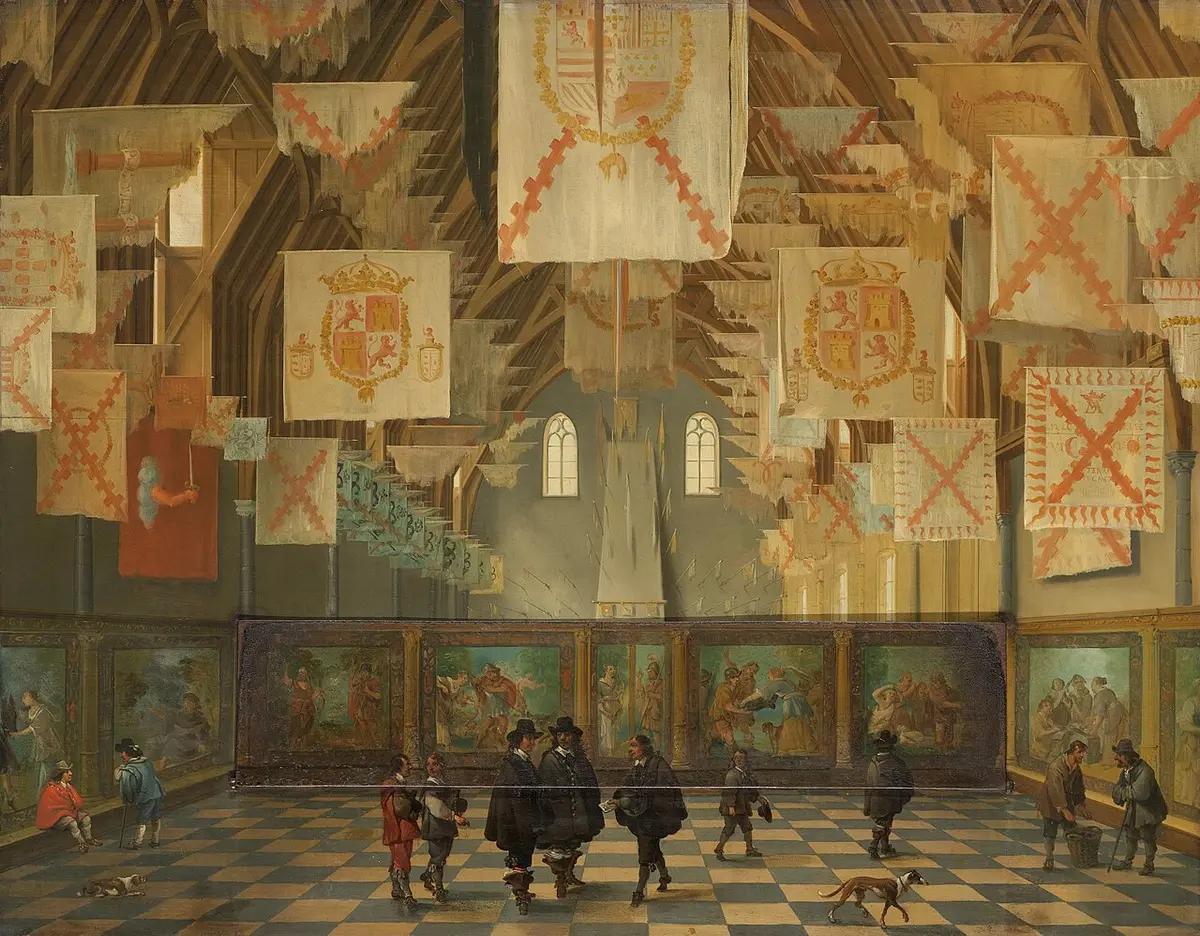
The counts of Holland came here to hunt. In 1229 Count Floris IV bought land beside a pond on the edge of the dunes, and his son William II, crowned King of the Romans in 1248, began a castle there. The pond is the Hofvijver, and the great hall of that castle, the Ridderzaal, still stands beside it. The official Dutch name, ’s-Gravenhage, means the count’s hedge: the fenced hunting ground of the counts.
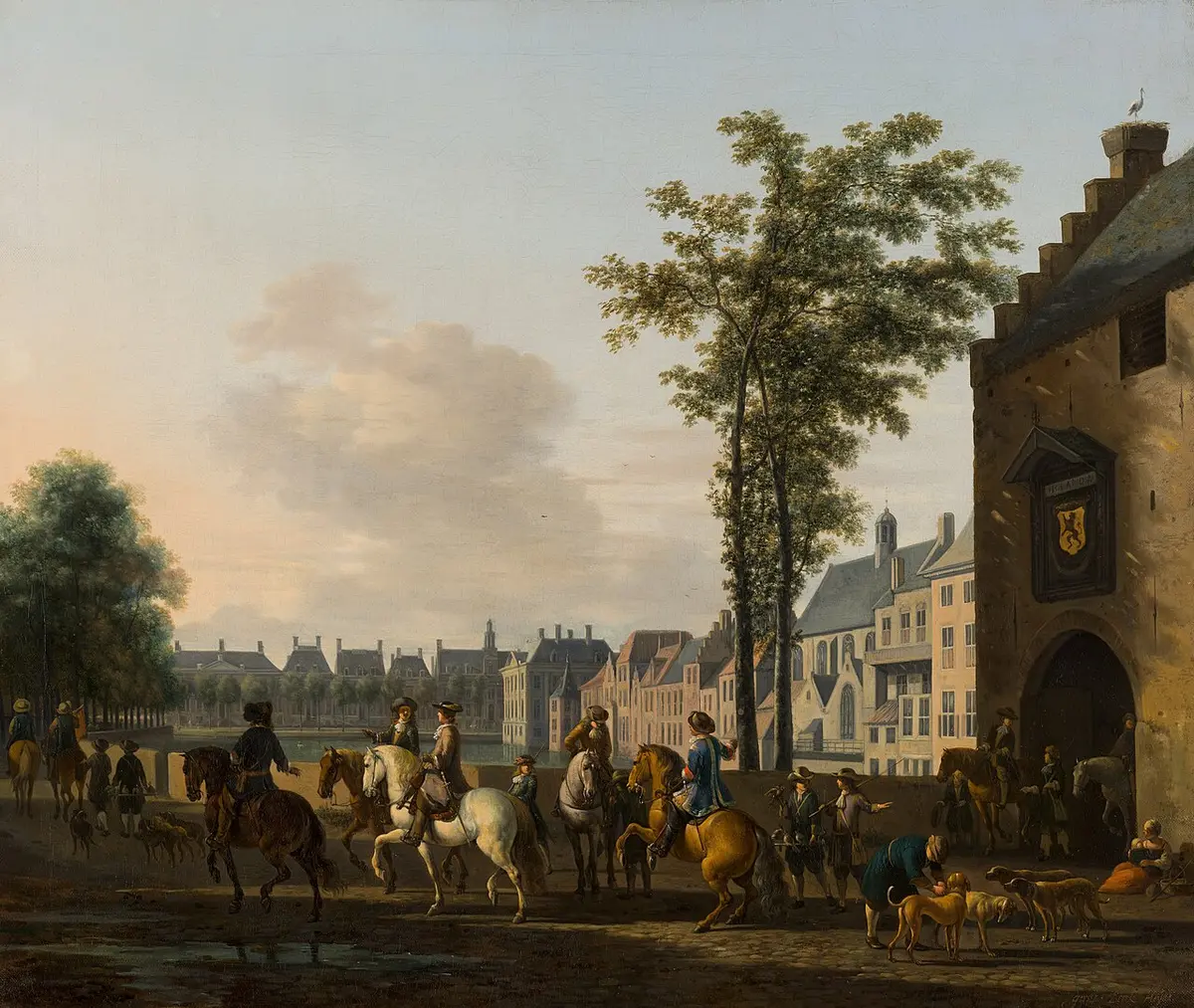
A village grew up around the court, and it stayed a village for more than five hundred years, with no walls and no city charter. After the revolt against Spain it became something stranger. From about 1585 the States General of the new Dutch Republic met in the Binnenhof, the princes of Orange kept their court nearby, and ambassadors from across Europe settled around them, so that one of the richest states on earth was run from a village.
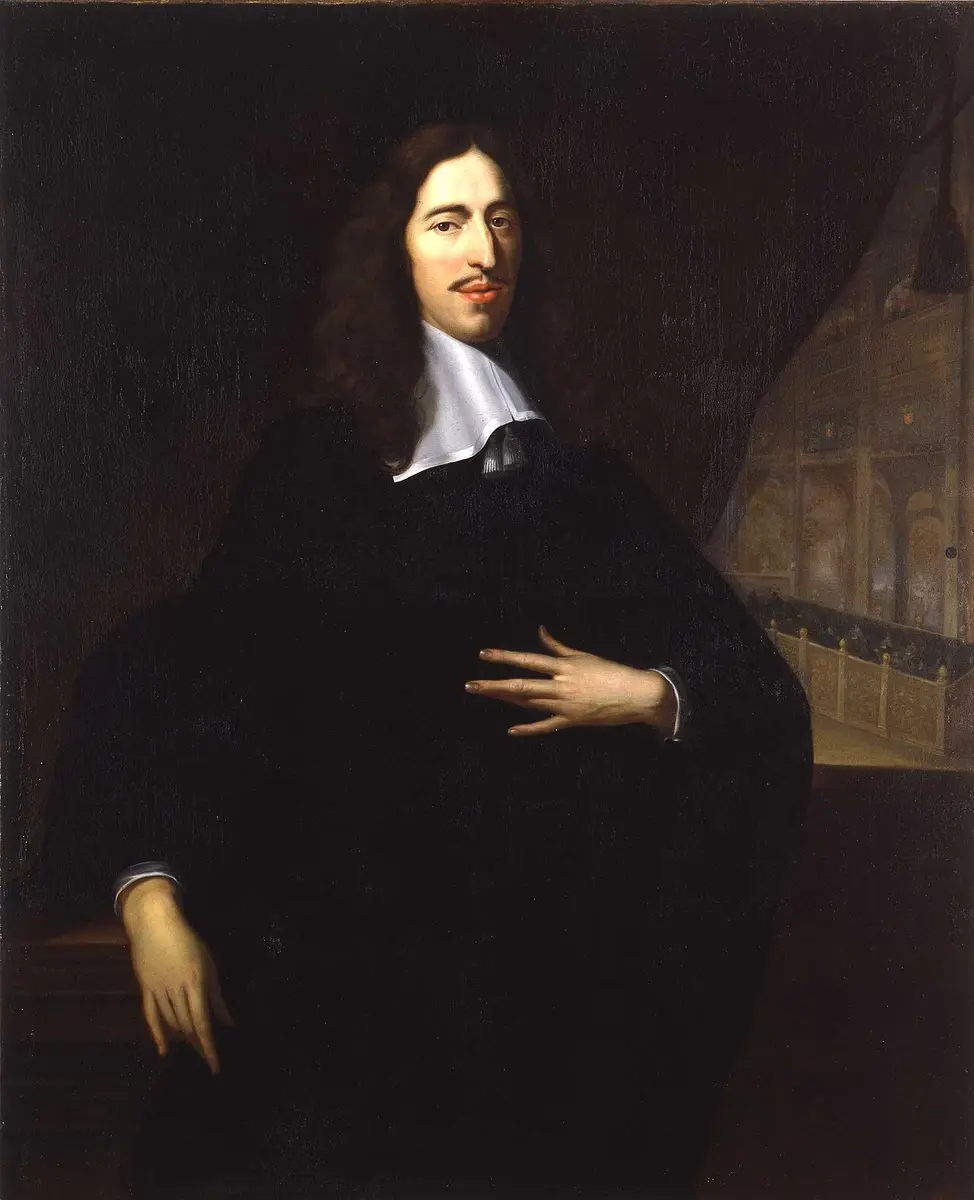
In 1651, after the death of the stadholder William II, the provinces gathered for a Great Assembly in the Ridderzaal, hung with flags captured from Spain and the Southern Netherlands, and most of them chose to govern without a stadholder. For most of the next twenty years the Republic’s leading statesman was Johan de Witt, Grand Pensionary of Holland, who worked in the Binnenhof and lived nearby on the Kneuterdijk.
The years of De Witt ended in 1672, the “disaster year”, when France, England and two German bishoprics attacked the Republic at once. His brother Cornelis was held in the Gevangenpoort, the old gatehouse of the court, and when Johan came to see him, a mob stormed the prison and killed them both on the square outside. Berckheyde painted that square, with the gatehouse and a hunting party riding out, less than twenty years later.
For five centuries the Dutch were governed from a place that, on paper, was only a village.
The Hague only became a city in law in 1806, when Louis Napoleon, the king of Holland installed by his brother, granted it city rights; he soon moved his court to Amsterdam, which remains the capital. After 1813 the court and the government came back to The Hague, and the 19th century gave it its grand avenues, the Kurhaus at Scheveningen and the painters of the Hague School.
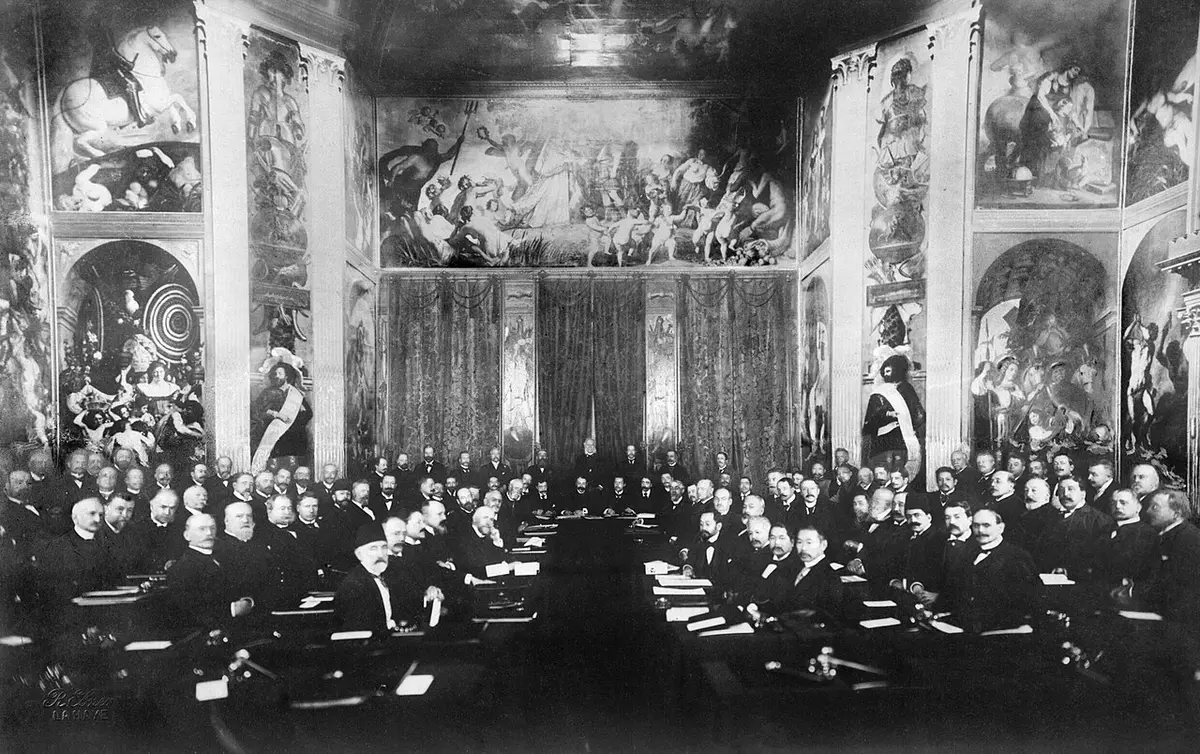
In 1899 the first international Peace Conference met at Huis ten Bosch palace, in the woods at the edge of town, and founded the Permanent Court of Arbitration. Andrew Carnegie paid for a building to house it, the Peace Palace, opened in 1913, and in 1946 the International Court of Justice held its first sitting there. Other international courts and organizations have followed, and the old counts’ village has become a center of international law.
Art
The Mauritshuis
Vermeer’s Girl with a Pearl Earring and View of Delft, Rembrandt’s Anatomy Lesson of Dr. Nicolaes Tulp of 1632, Fabritius’s Goldfinch of 1654 and Jan Steen’s riotous households, in rooms the size of a private house.
Mondrian
The Kunstmuseum follows him from Dutch landscapes and windmills to the grids of primary colors, ending with Victory Boogie Woogie, left unfinished at his death in New York in 1944.
The Hague School
From about 1860 to 1890, painters such as Mesdag, Jozef Israëls, Anton Mauve and the Maris brothers painted the dunes, the beach and the fishing people in grey, silvery light. Van Gogh lived in The Hague from late 1881 to 1883 and learned to paint in oils from Mauve, his cousin by marriage.
Escher
Escher in Het Paleis shows the artist’s prints, from early Italian landscapes to impossible buildings and endless interlocking patterns.
Art by the sea
Museum Voorlinden, in the dunes at Wassenaar, shows modern and contemporary art, with James Turrell’s Skyspace, Leandro Erlich’s Swimming Pool and Ron Mueck’s Couple under an Umbrella. Beelden aan Zee, a sculpture museum in the dunes at Scheveningen, reopened in June 2026.
The Hague on the page
A poet who served three princes, a philosopher who finished his great work in a rented room, and the novelist of the city’s drawing rooms.
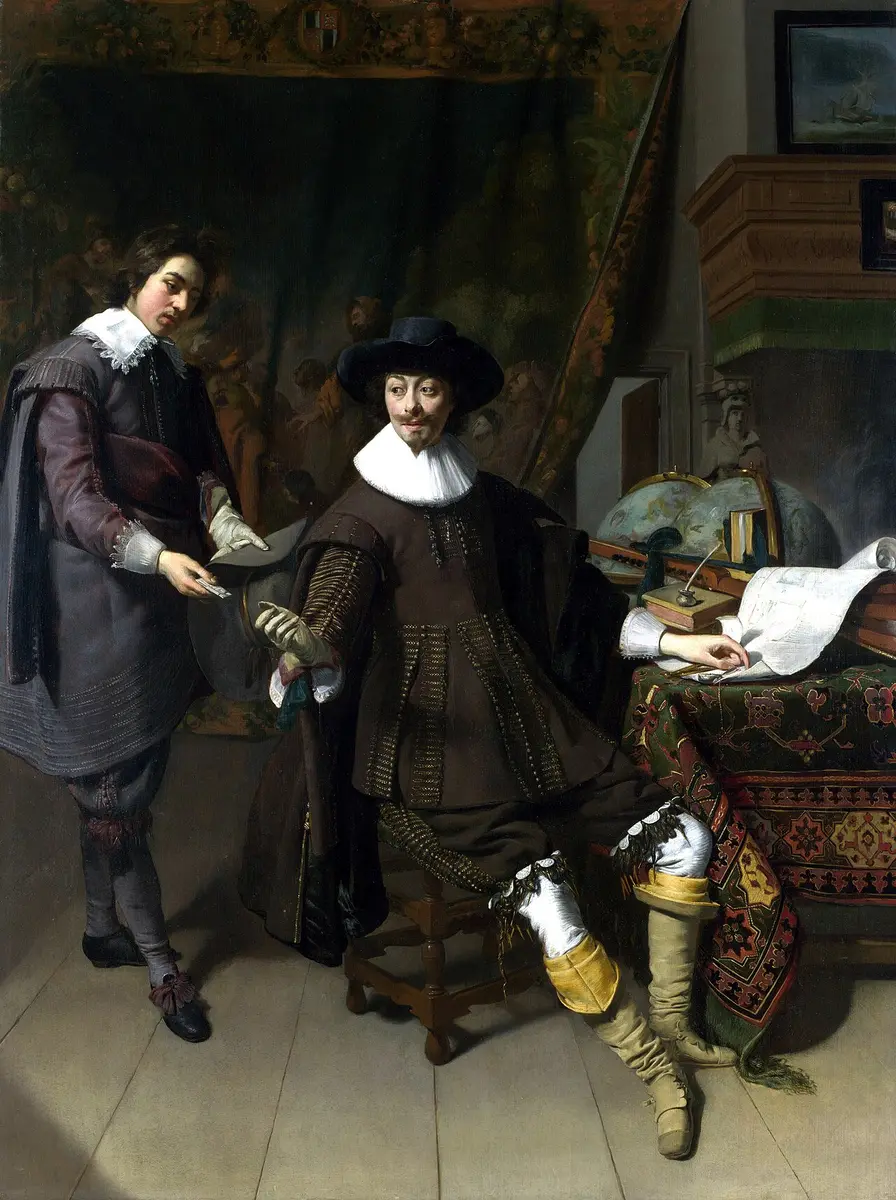
Constantijn Huygens
1596 to 1687
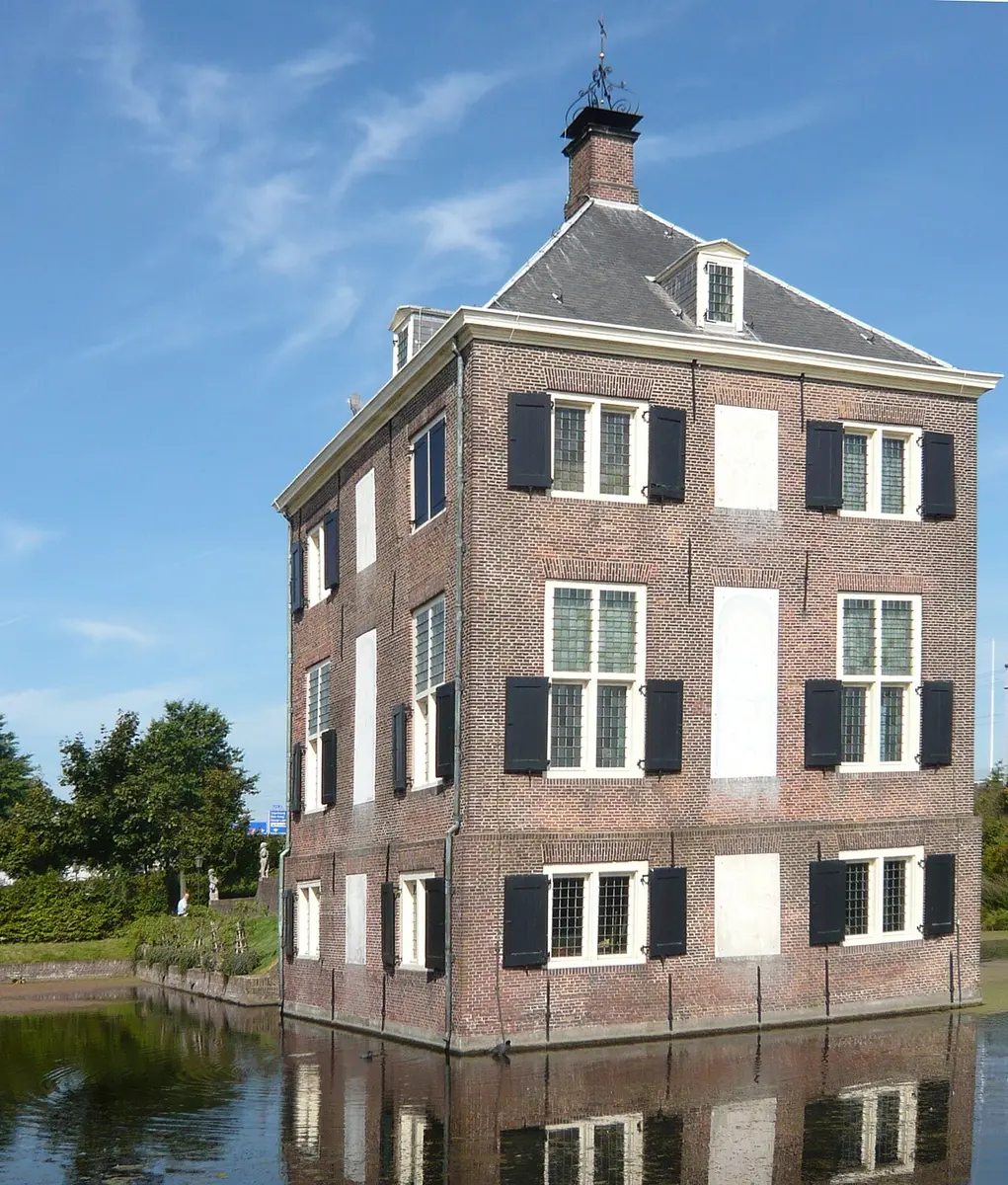
Born in The Hague, Huygens was secretary to three princes of Orange, a composer, a friend of Descartes and one of the great Dutch poets. His first long poem, Voorhout (1621), followed the city’s grand avenue through the seasons, and he built a country house, Hofwijck, on the canal at Voorburg and wrote a long poem about it, published in 1653. His son Christiaan built the first pendulum clock.
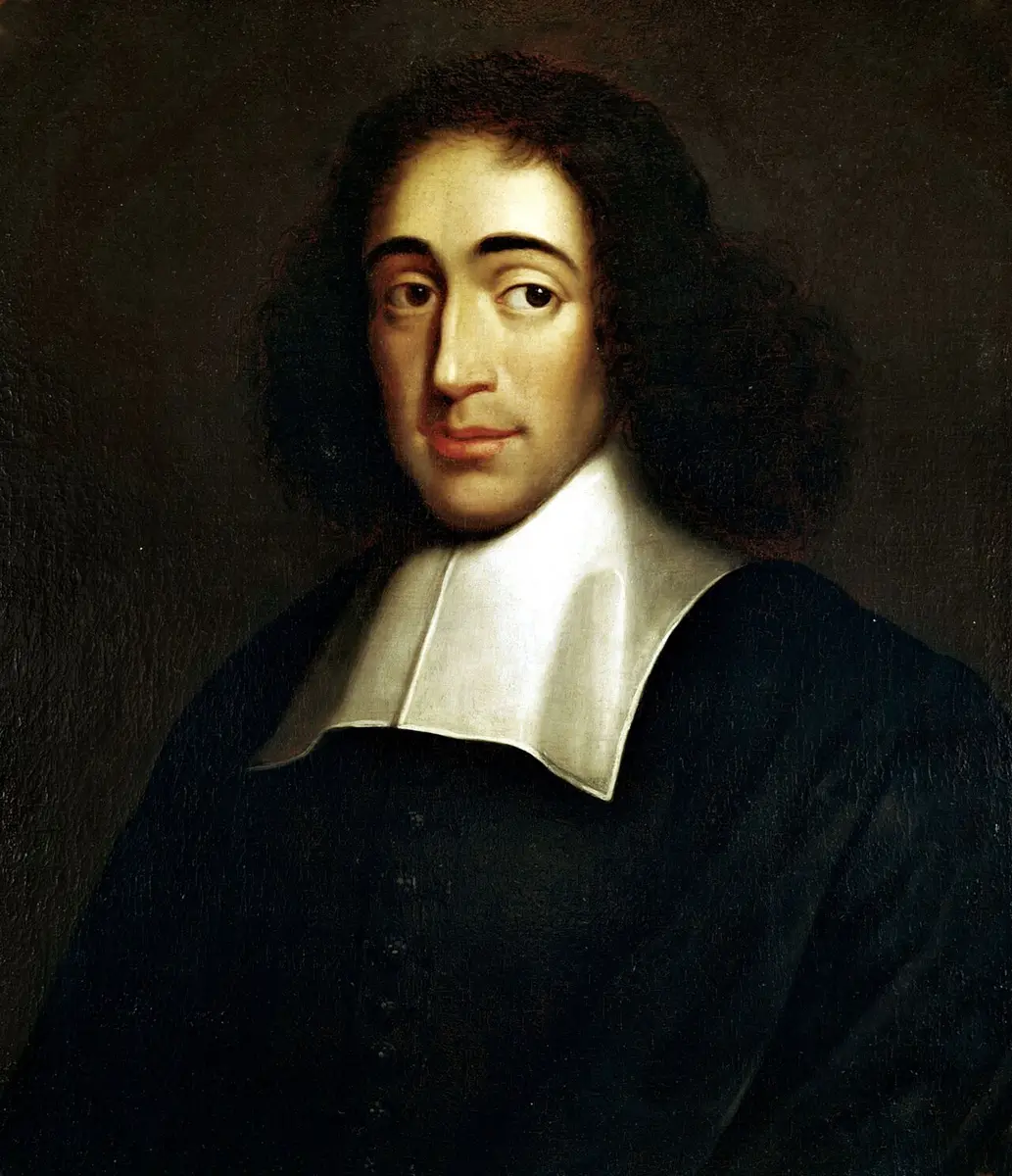
Baruch Spinoza
1632 to 1677
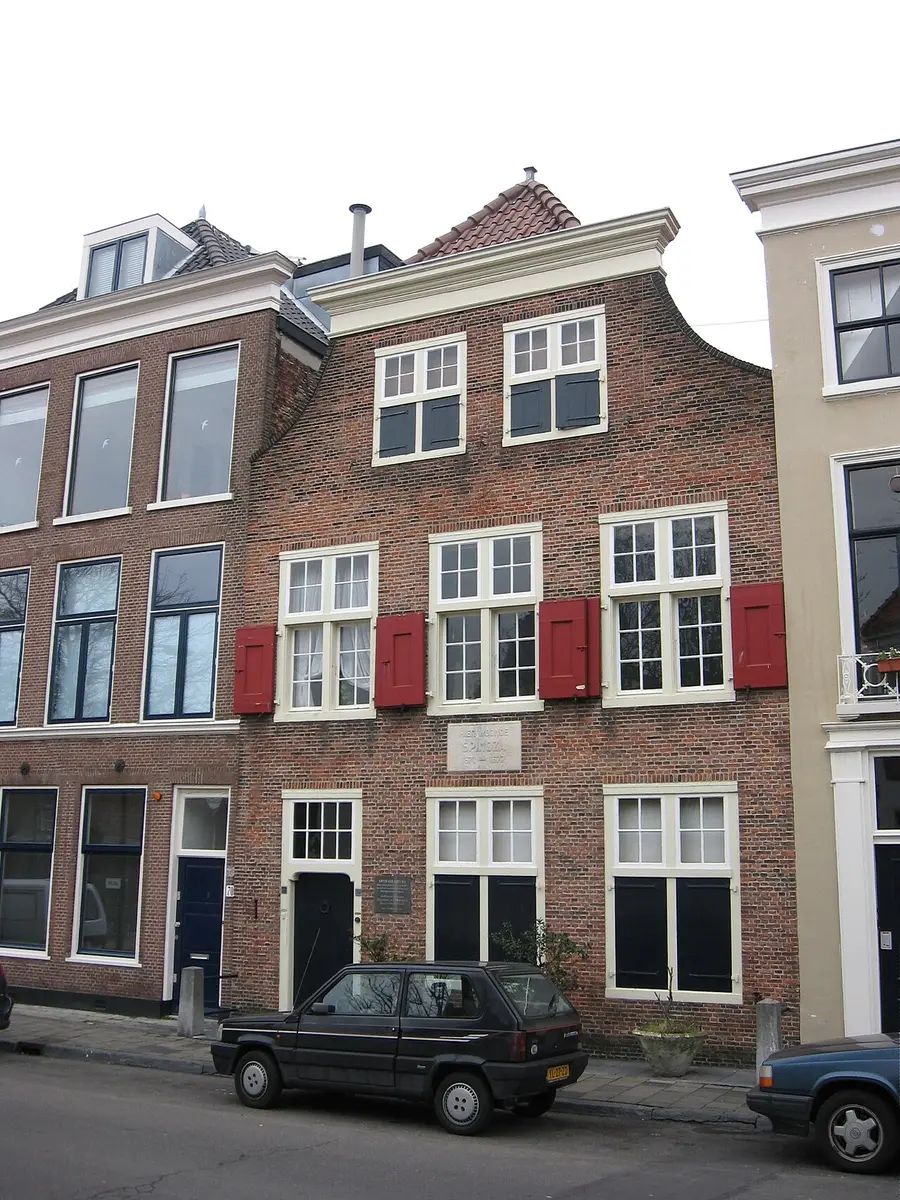
Born in Amsterdam, Spinoza came to The Hague around 1670 and lodged first on the Stille Veerkade and then with a painter on the Paviljoensgracht, grinding lenses for a living. There he finished the Ethics, which was published after his death in 1677. A stone in the churchyard of the Nieuwe Kerk covers his remains.
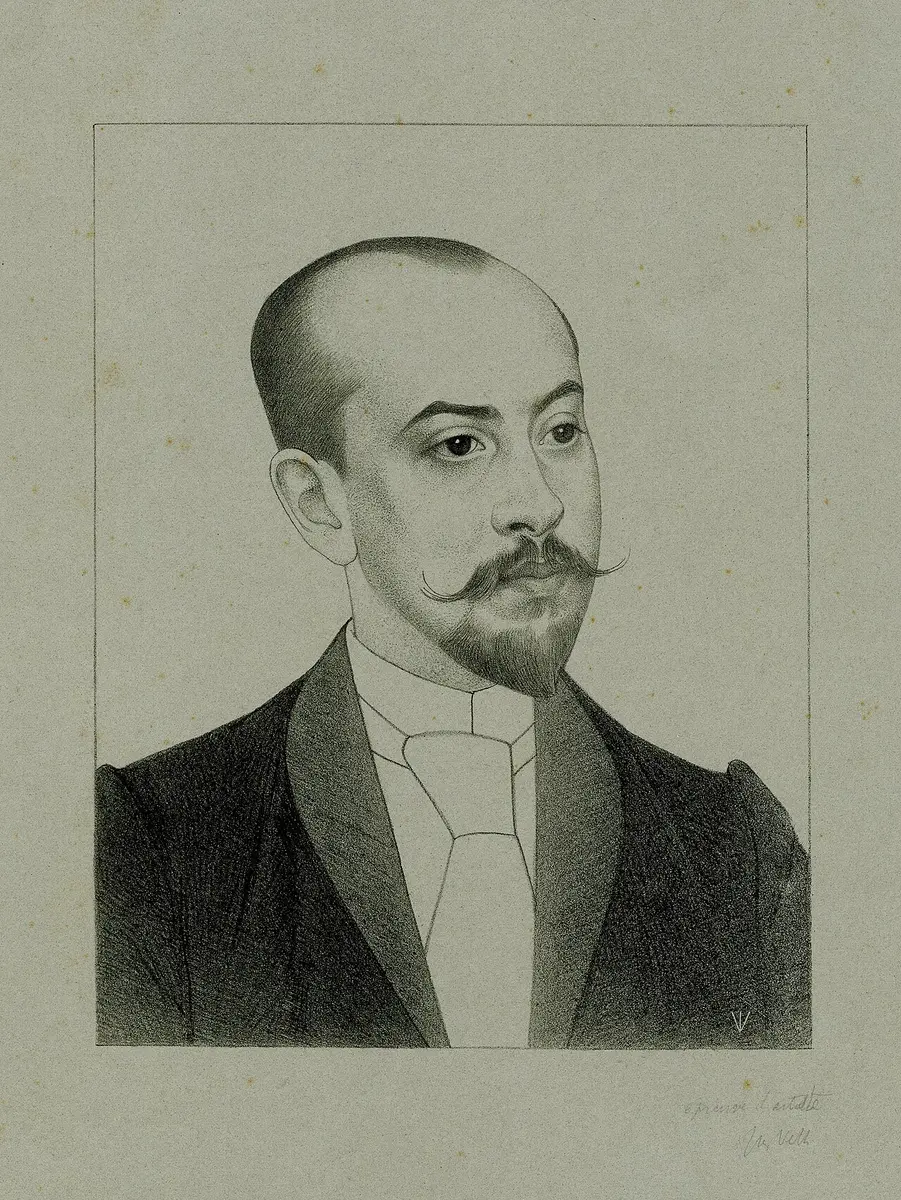
Louis Couperus
1863 to 1923
Born in The Hague, Couperus made his name with Eline Vere (1889), the story of a young woman adrift in the city’s polite society, which he wrote in a house in the Archipelbuurt. Of Old People, the Things That Pass (1906) is set in The Hague too: an old family and a crime committed in the Indies sixty years before.
Nor can Civility there want for Tillage,
Where wisely for their Court they chose a Village.
Andrew Marvell, The Character of Holland (written 1653), from his Miscellaneous Poems (1681)
Culture
Prinsjesdag
On the third Tuesday of September, the ceremonial opening of the parliamentary year brings a royal procession, with the Glass Coach and mounted escorts, along the Lange Voorhout, and crowds line the route.
Vlaggetjesdag
In June, Scheveningen’s harbor dresses its boats in flags to welcome the first Hollandse Nieuwe herring of the season, with music, stalls and the first barrel auctioned.
Museumnacht
One night each autumn, the city’s museums stay open late with music, talks and tours.
An international city
The Peace Palace, the international courts and many embassies give the city a mix of languages, and English is spoken everywhere.
Indies roots
Many families who came from the former Dutch East Indies after 1945 settled in The Hague, and their food, shops and memories are part of the city.
Music and nights out
Amare
The city’s performing arts center, opened in 2021, is home to the Residentie Orkest, the Nederlands Dans Theater and the Royal Conservatoire.
Dance
The Nederlands Dans Theater is one of the best-known modern dance companies in the world, and performs at Amare between tours.
Jazz
The North Sea Jazz Festival was founded in The Hague in 1976 and moved to Rotterdam in 2006, when its hall was demolished.
Nights out
Start on the terraces of the Plein or the Grote Markt, then the bars around them; Paard, on the Prinsegracht, is the city’s main pop venue, and in summer the beach pavilions at Scheveningen stay open late.
Nature and day trips
The beaches
Scheveningen’s beach runs for kilometers, with pavilions from spring to autumn. Kijkduin, further south, is quieter.
The dunes
Walking and cycling paths run through the dunes of Westduinpark to the south and Meijendel to the north, toward Wassenaar.
The Haagse Bos
An old wood a few minutes from Centraal Station, with Huis ten Bosch palace, built in 1645 for Amalia van Solms, at its far edge.
Westbroekpark
Its International Rosarium holds some 20,000 roses on about 300 beds, in bloom from late June to October.
Clingendael
An estate park of lawns and old trees with the Japanese Garden, open for a few weeks in spring and autumn only.
Day trips
Delft is about 15 minutes by train, Leiden and Rotterdam little more, and in spring the tulip fields and the Keukenhof gardens are within easy reach.
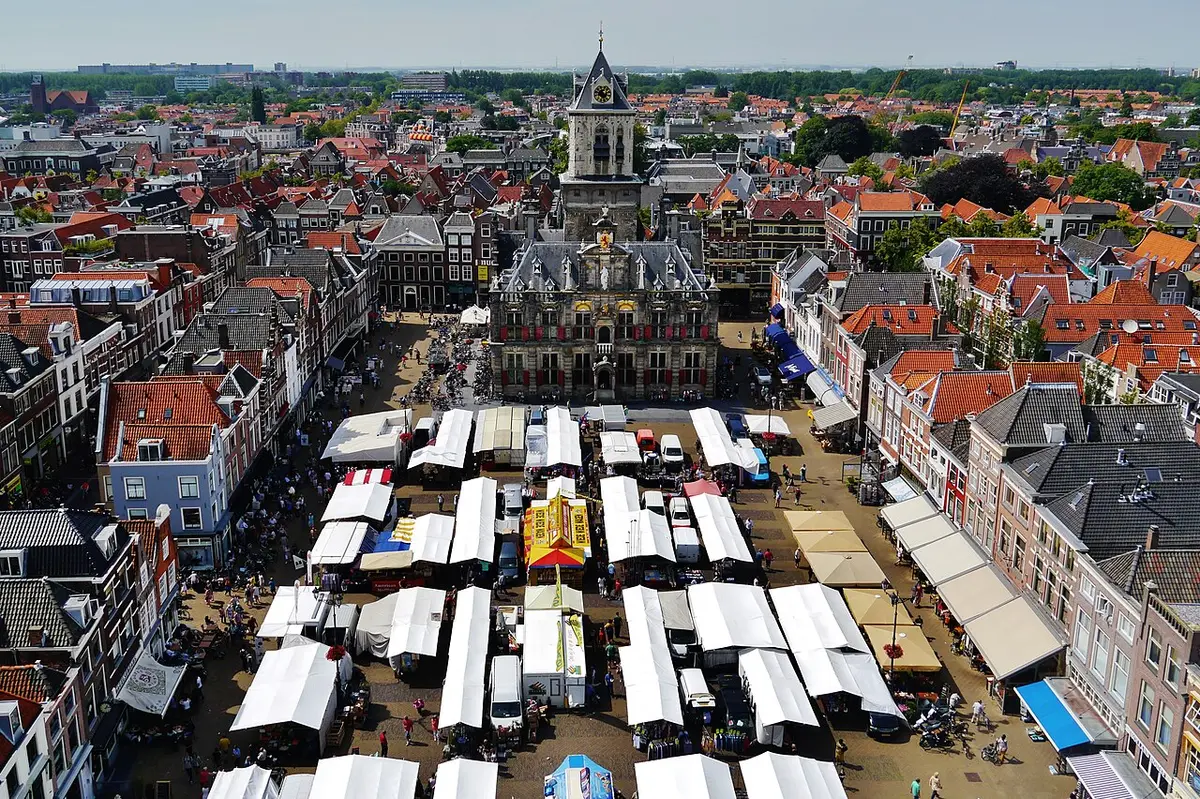
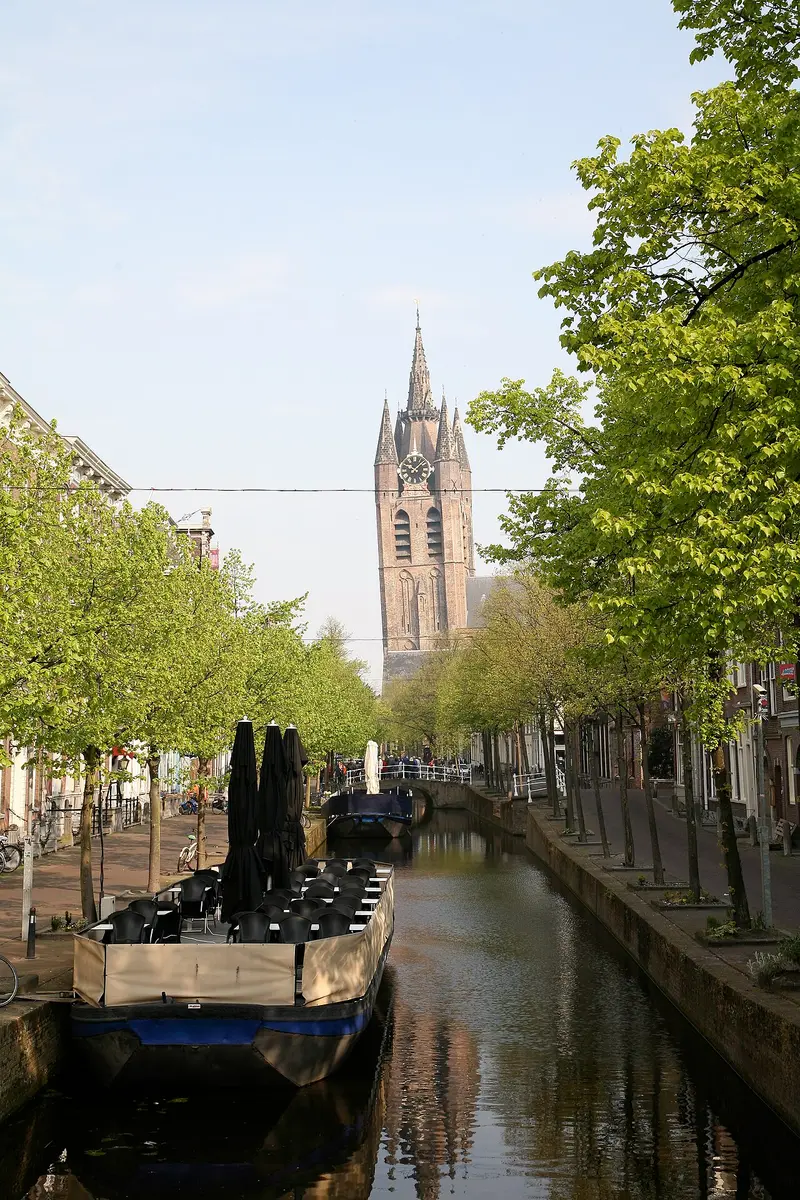
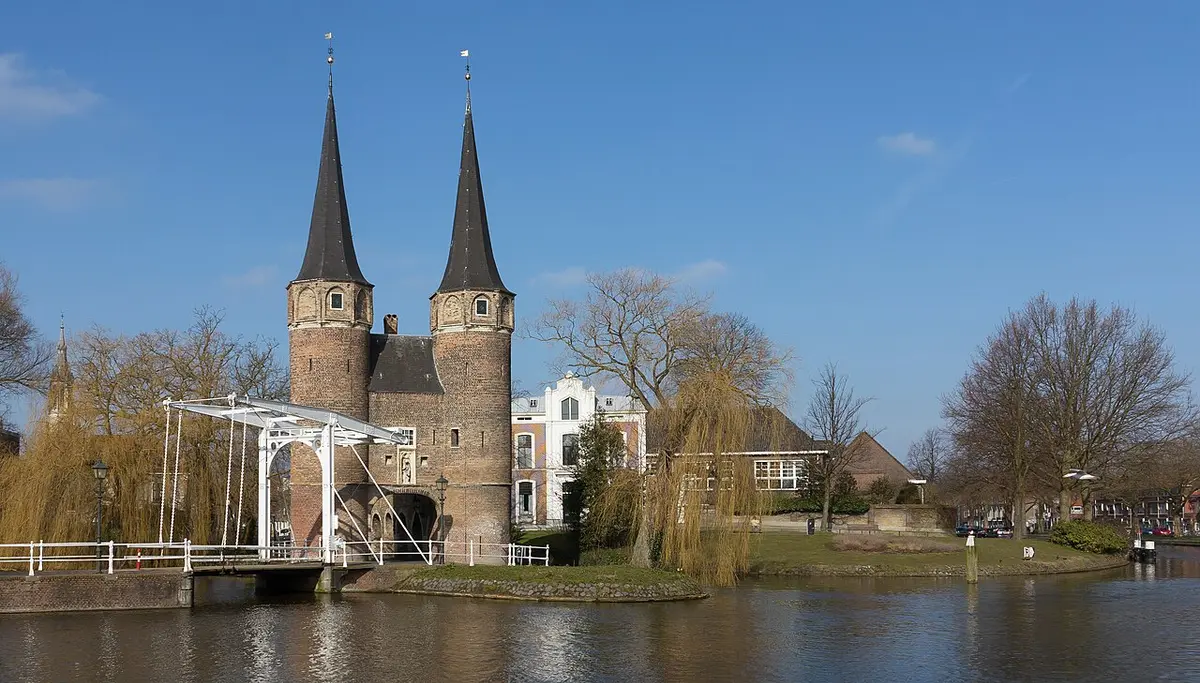
A day in Delft
About 15 minutes by train, or a longer ride on tram 1, Delft is a small canal town of Vermeer’s streets, the tombs of the House of Orange and the blue and white pottery that took its name.
People and customs
Bikes and trams
Bike lanes are for bikes, and trams have right of way. Look both ways twice before you cross.
Swim safely
The North Sea has strong currents. In summer, swim near the lifeguard posts and follow their flags.
Sand and peat
People here still talk about the city’s two halves: the “sand” of the grand districts toward the dunes and the “peat” of the older working neighborhoods inland, each with its own accent.
Early dinners
The Dutch eat dinner from about 6pm, and many kitchens close by 10pm.
A few words
Almost everyone speaks English, but dank je wel (thank you) and goedemorgen (good morning) are appreciated.
Questions
How many days do you need in The Hague?
Two days covers the Mauritshuis, the old center and an afternoon at Scheveningen. Three days adds the Kunstmuseum, the Peace Palace and Madurodam, and four leaves time for Delft.
Is The Hague the capital of the Netherlands?
No. Amsterdam is the capital. The Hague is home to the parliament, whose historic seat is the Binnenhof, to the royal working palace and to the international courts.
How do I get from Schiphol Airport to The Hague?
Direct trains run from the station under the terminal to Den Haag Centraal in about 35 minutes.
How do I get to Scheveningen beach?
Take tram 9 from Centraal Station, about 15 minutes, or tram 1 from the center. By bike it is a flat ride through the woods and dunes.
Can you visit the Peace Palace?
The visitor center is open Tuesday to Sunday. Tours inside the palace run only on some days and must be booked on the Peace Palace website.
Is The Hague a good day trip from Amsterdam?
Yes. Trains take about 50 minutes, and a day covers the Mauritshuis, a walk around the Hofvijver and the Lange Voorhout, and the beach at Scheveningen.
Plan The Hague with your group
Everyone swipes on the sights they want. SwipeSights builds the days around the picks, in walking order.