Hamburg
Water, warehouses, and northern soul
Hamburg is Germany's salt-aired harbor giant, laced with more bridges than Venice and Amsterdam combined. You wander red-brick warehouse canyons, sip coffee by glittering lakes, and end up in the neon glow of the Reeperbahn, the gritty district where the Beatles cut their teeth.
How long to stay?
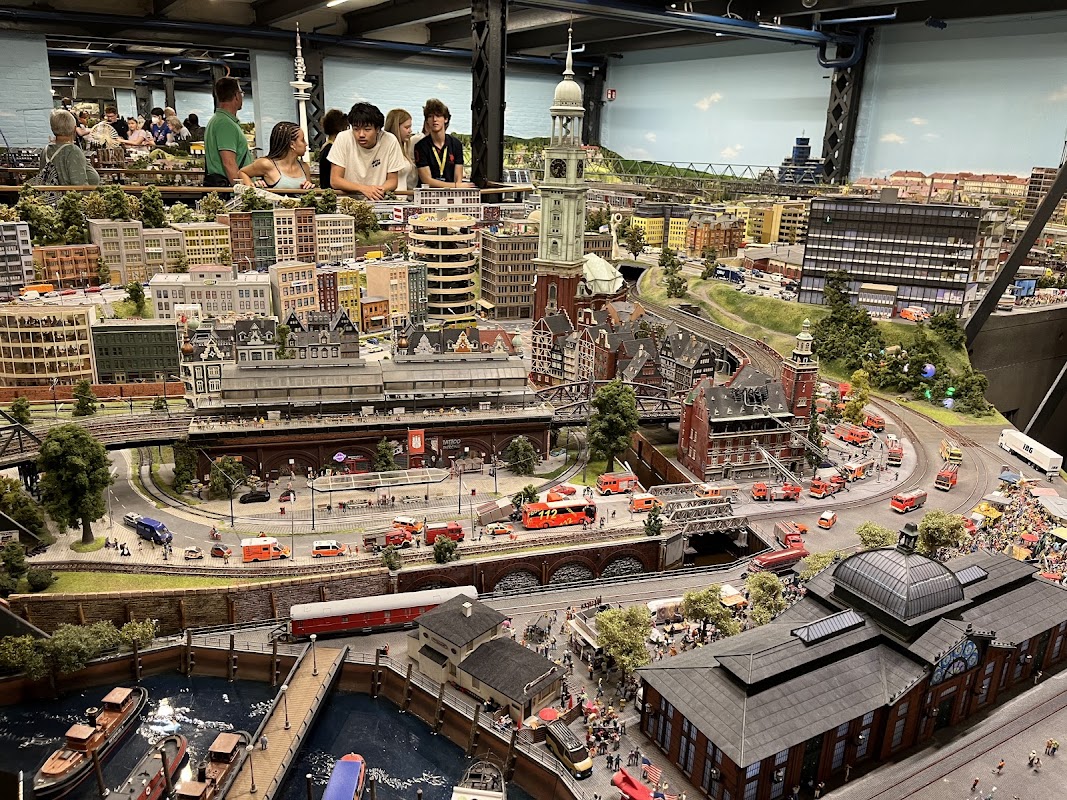
Two days hits the highlights: climb the Elbphilharmonie's free plaza for harbor views, get lost in the Speicherstadt warehouse district and Miniatur Wunderland, then a fish-market breakfast and a wild night on St. Pauli's Reeperbahn.
Cool, maritime, and understated. Hamburgers are reserved but warm once you break the ice, proud of their merchant-city heritage. Expect grey skies, green spaces, serious nightlife, and a wealthy, design-conscious edge.
St. Pauli and the Schanzenviertel buzz with bars and indie shops. Altona and Ottensen feel local and creative. For elegance and waterside calm, look to the streets around the Alster lakes or the HafenCity quarter.
The Elbphilharmonie's Plaza viewing deck is free: grab a timed ticket at the desk (or just walk up off-peak) and ride the long curved escalator for a 360-degree sweep of the harbor without paying for a concert.
May through September brings the mildest weather and outdoor harbor festivals, though rain is always possible. December's Christmas markets glow beautifully. Pack a waterproof layer in any season; the North Sea weather shifts fast.
Hamburg Airport connects across Europe and links to the center in 25 minutes via the S1 train. The Hauptbahnhof is a major rail hub, with high-speed ICE trains reaching Berlin in under two hours.
German is standard; English is widely spoken. The Sunday Fischmarkt opens at dawn and shuts by mid-morning. Cards work most places, but carry some euros for markets and older Kneipen pubs.