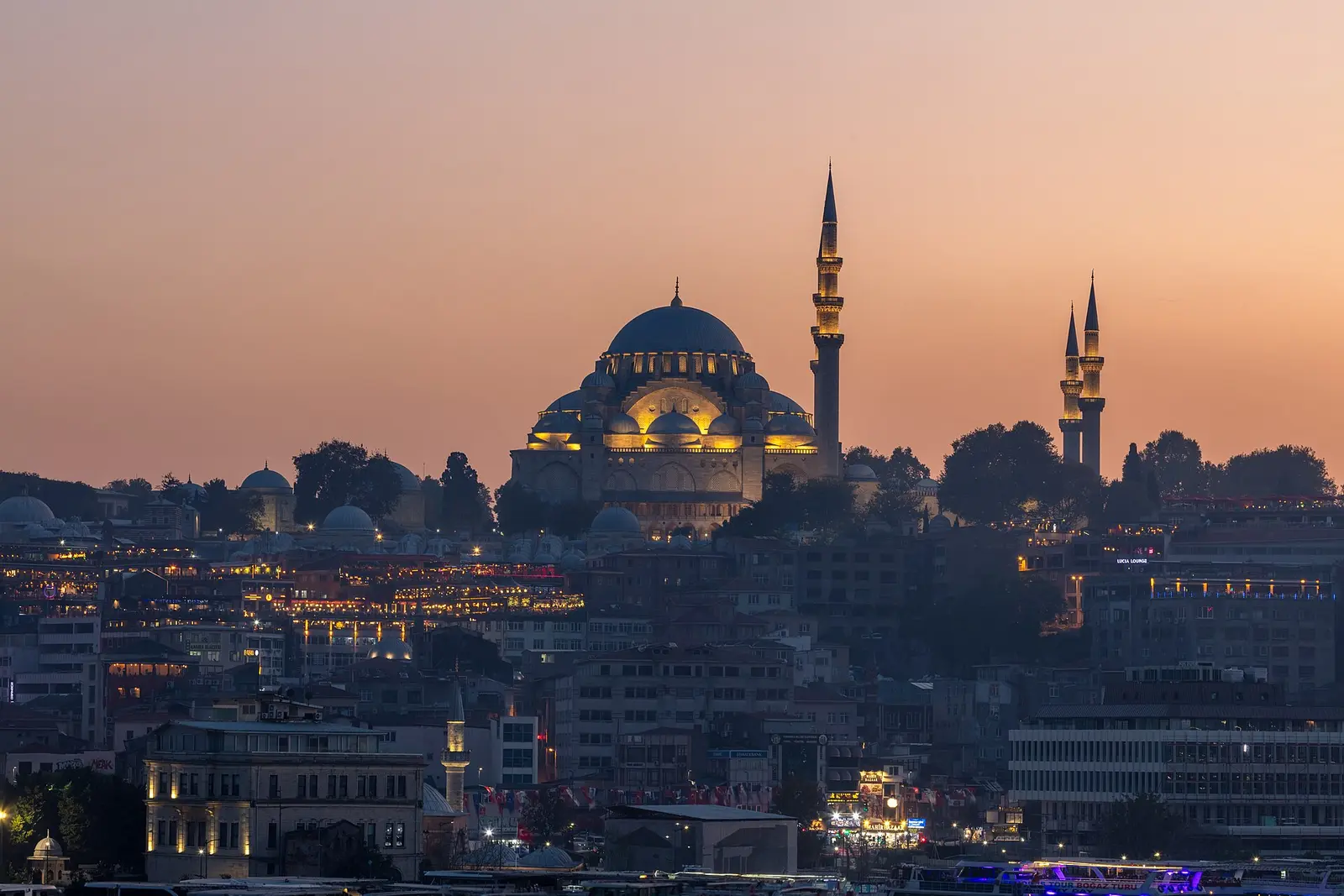
 Photo:
Istanbul sits on both sides of the Bosphorus, the strait between Europe and Asia, where it meets the Golden Horn and the Sea of Marmara. For some sixteen centuries it was an imperial capital, first Roman and Byzantine, then Ottoman, and the old city on its seven hills still carries Hagia Sophia, the great mosques and the sultans’ palace. Ferries cross between the continents every few minutes, the bazaars have traded for more than five hundred years, and the food alone is worth the trip.
This guide covers when to go, where to stay, what to see, a walk from Fener to the Chora, a day on the Princes’ Islands, what to eat, and the history, art and customs that make the city make sense.
What Istanbul is good for
Friends' trips
Share meze and rakı in a Beyoğlu meyhane, take the 20-minute ferry to Kadıköy for its market and bars, and bargain together in the Grand Bazaar. Public ferries turn the Bosphorus into a cheap group outing.
Bachelorette and bachelor weekends
Istanbul does long nights: a meyhane dinner with live fasıl music, rooftop bars in Karaköy and Beyoğlu, then the bars of Kadıköy. A private boat on the Bosphorus at sunset is an easy group booking, and a hammam helps the morning after.
Weddings and honeymoons
Two foreigners can marry in a civil ceremony at a municipal marriage office, with apostilled and translated documents, two witnesses and an interpreter if needed, and hotels and halls along the Bosphorus host many weddings. For a honeymoon, add a dinner cruise, a hammam and a day on the Princes’ Islands.
Couples
Sunset over the Golden Horn from the Süleymaniye terrace, a ferry across the Bosphorus at dusk, and dinner by the water in Kuzguncuk or Arnavutköy.
Families
Ferries, the lit columns of the Basilica Cistern and simit from a street cart. The Rahmi M. Koç Museum on the Golden Horn has trains, planes and a submarine to climb into, and Miniatürk shows the country’s landmarks in miniature.
Solo travel
Big but easy to get around by tram, metro and ferry, with lokantas and counters where eating alone is normal. A food tour or a Bosphorus cruise is an easy way to meet people; be wary of strangers who suggest a bar.
Food lovers
Simit from a cart, balık ekmek by the Galata Bridge, long meze dinners, Kadıköy’s market streets, baklava in Karaköy and a breakfast that runs until noon.
History and art
Byzantine churches and mosaics, Ottoman palaces, Sinan’s mosques and the land walls of Theodosius: sixteen centuries of empire in one old city.
Plan your trip
When to go
Spring (April and May) and autumn (September to November) bring mild days and clear views over the water, and in April the parks fill with tulips for the city’s Tulip Festival. July and August are hot, humid and crowded in the old city. Winter is cool, wet and windy, with a few days of snow in most years, short lines and lower prices.
How long to stay
Three days covers Sultanahmet, the bazaars, the Süleymaniye and Galata at a human pace. Four days adds a Bosphorus ferry and Kadıköy on the Asian side. With five, walk from Fener and Balat to the Chora, or spend a day on the Princes’ Islands.
Getting there
Most flights land at Istanbul Airport (IST), far out on the city’s northwestern edge. The M11 metro runs to Gayrettepe, where you change to the M2 for Taksim, and Havaist buses go to Taksim, Sultanahmet and other districts: allow an hour or more. Sabiha Gökçen (SAW), on the Asian side, takes many budget flights; the M4 metro reaches Kadıköy in about 50 minutes, and ferries cross from there to Eminönü and Karaköy.
Getting around
Buy an Istanbulkart, the rechargeable card for the metro, trams, buses, ferries and funiculars. The T1 tram runs through Sultanahmet, Sirkeci and Karaköy to Kabataş, where a funicular climbs to Taksim, and Marmaray trains cross under the Bosphorus. Ferries link Eminönü, Karaköy, Beşiktaş, Üsküdar and Kadıköy every few minutes. The old city is walkable but hilly. For taxis, use an app or make sure the meter runs.
Tickets
Topkapı Palace closes on Tuesdays and Dolmabahçe on Mondays; Topkapı’s ticket includes the Harem and Hagia Irene. Hagia Sophia and the Kariye (Chora) charge visitors who are not there to pray, and the Kariye closes to tourists on Fridays. Mosques are free but close to visitors at prayer times. Buy palace and museum tickets on the official sites, and arrive at opening time.
Money and tipping
The currency is the Turkish lira, and prices change often; Hagia Sophia and the Chora set their prices for foreign visitors in euros. Cards are widely taken, but carry cash for markets and small places. In restaurants, leave 5 to 10 percent unless service is included, and round up taxi fares.
Weather, month by month
Spring
March to May
Cool and changeable in March, mild and bright by May at around 20°C. The tulips flower in April.
Summer
June to August
Warm to hot and humid, around 28°C by day, with warm nights. The breeze on the ferries helps.
Autumn
September to November
Warm into October, with the sea still mild, then wind and rain return in November.
Winter
December to February
Cool, damp and windy, around 8 to 10°C by day, with a few days of snow in most winters.
Top sights
 01
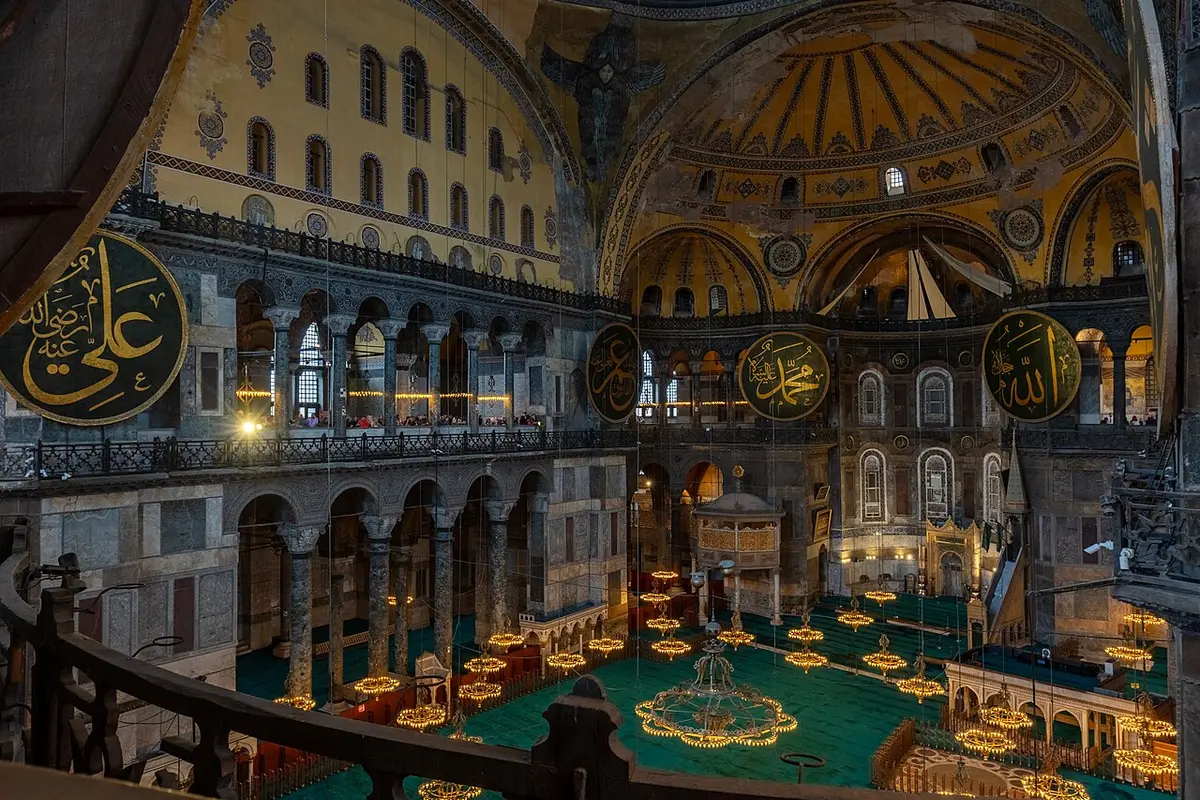
Hagia Sophia
Justinian’s church, finished in 537, was the largest in Christendom for almost a thousand years, and its dome still seems to float on a ring of windows. It was a mosque from 1453, a museum from 1935, and has been a mosque again since 2020.
Visitors who are not there to pray enter by a separate door and pay to walk the upper galleries, where the mosaics are. Avoid Friday midday prayers.
Photo: Diego Delso, CC BY-SA 4.0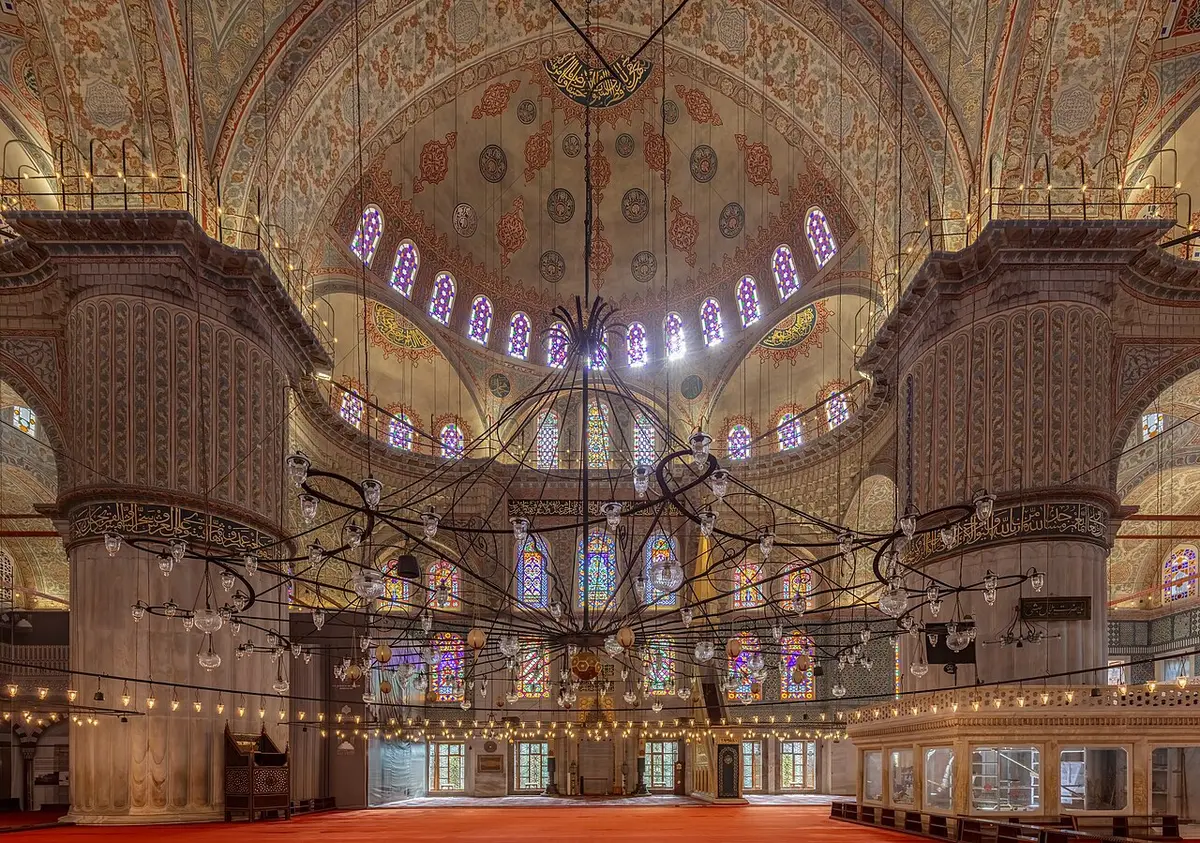 02
The Blue Mosque
The Sultan Ahmed Mosque, built from 1609 to 1616, faces Hagia Sophia across a garden. It has six minarets, and inside, more than 20,000 İznik tiles give it its everyday name. A five-year restoration ended in 2023.
Free to enter, but closed to visitors at prayer times. Shoulders and knees covered for everyone, hair covered for women.
Photo: Diego Delso, CC BY-SA 4.0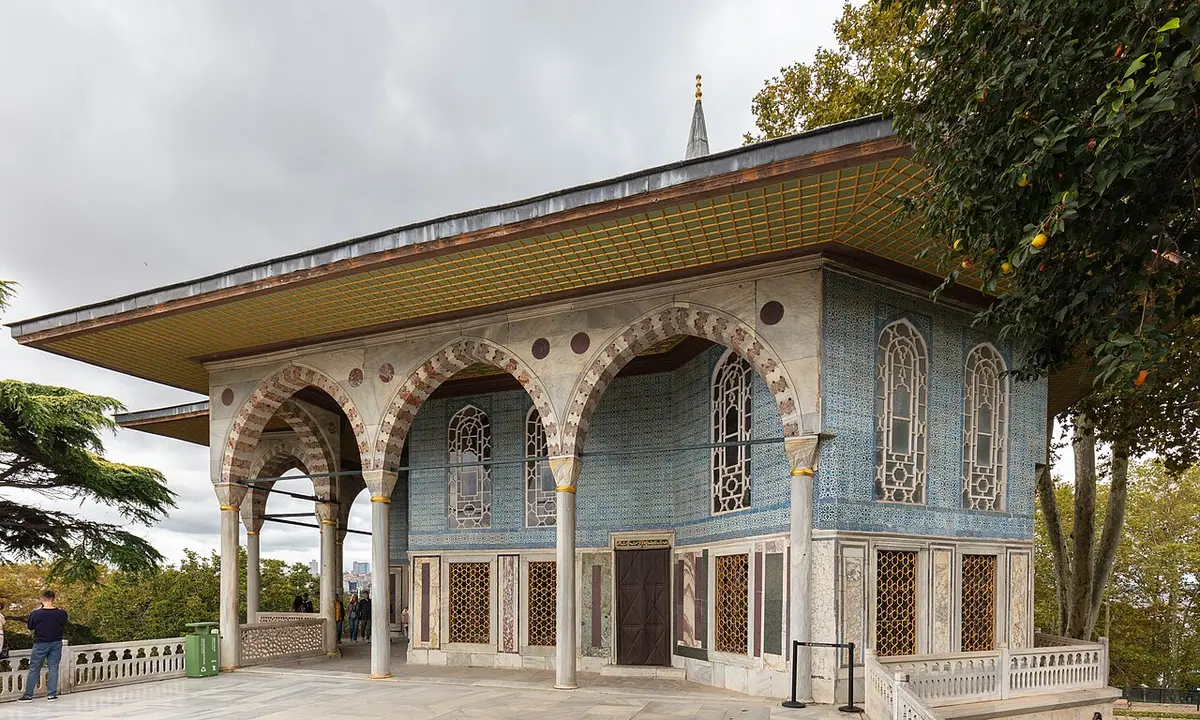 03
Topkapı Palace
The sultans lived and ruled here from the 1460s until 1856. Gates lead through four courtyards to the Harem, the Treasury with the Spoonmaker’s Diamond, and tiled pavilions above the water, such as the Baghdad Kiosk of 1639.
Closed on Tuesdays. The ticket covers the Harem and Hagia Irene; arrive at opening time and see the Harem first.
Photo: Diego Delso, CC BY-SA 4.0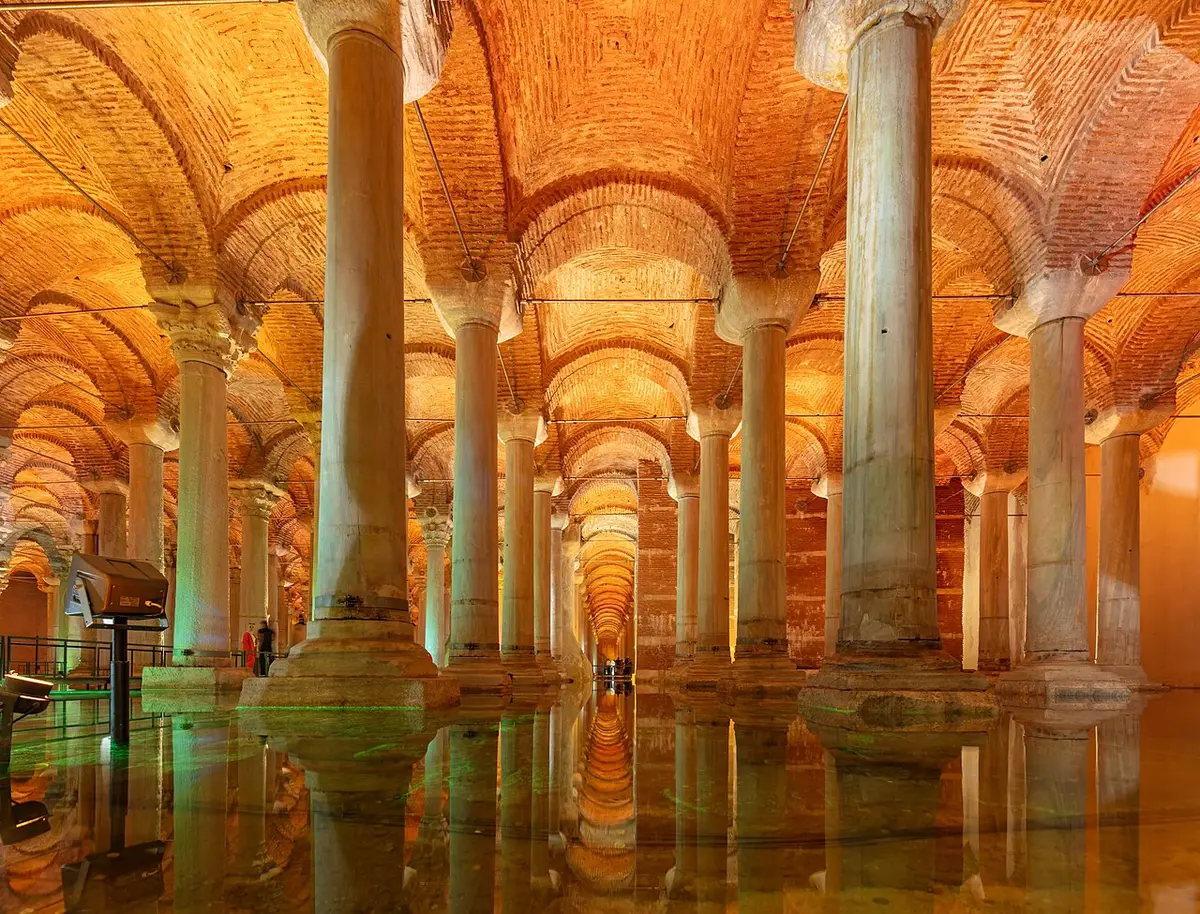 04
The Basilica Cistern
A 6th-century reservoir under the old city, its brick vaults held up by 336 columns standing in shallow water, two of them on carved Medusa heads. It reopened in 2022 after a long restoration and is lit in slowly changing colors.
The line grows through the day: go at opening time.
Photo: Diego Delso, CC BY-SA 4.0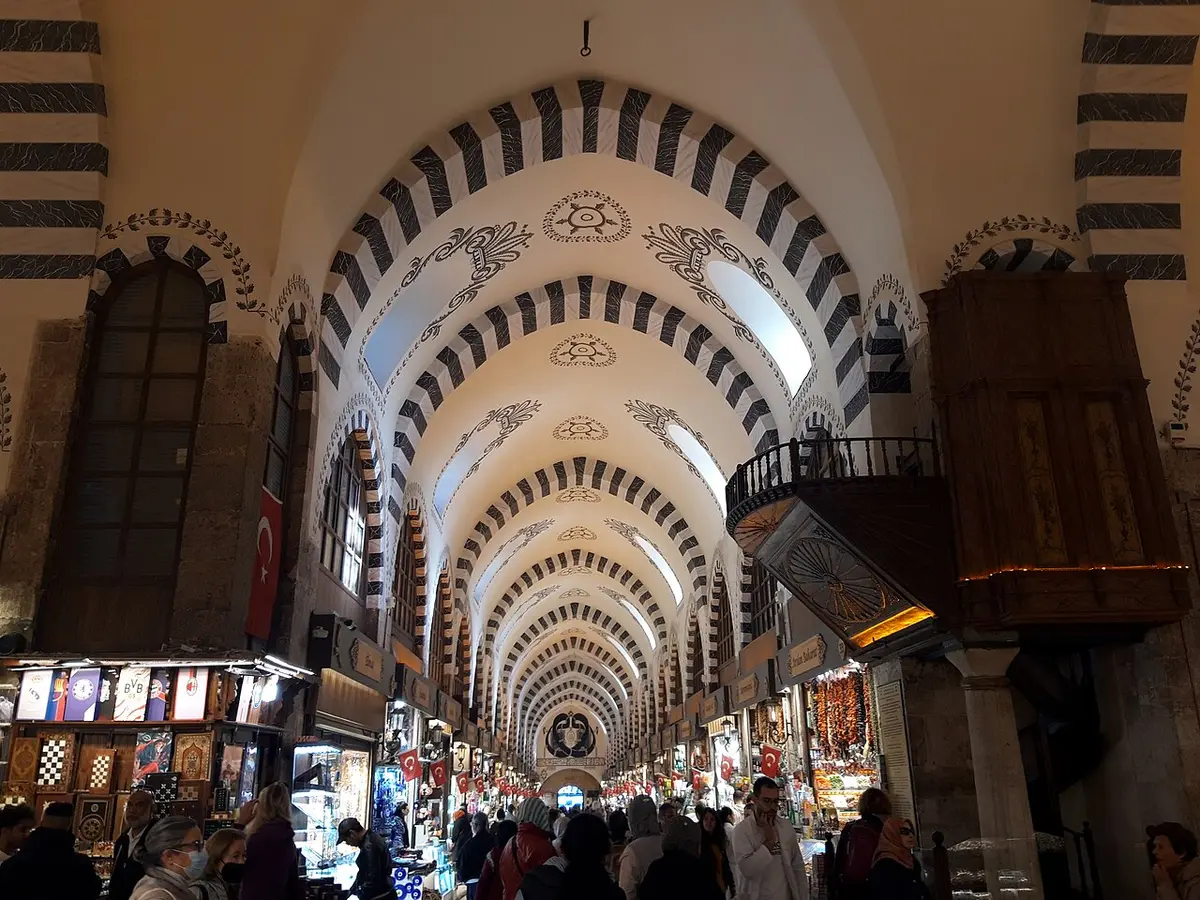 05
The Grand Bazaar
One of the oldest and largest covered markets in the world, begun under Mehmed II in the 1450s: 61 covered streets and some 4,000 shops selling carpets, lamps, jewelry, leather and ceramics. The old inns around it, the hans, still hold workshops.
Closed on Sundays. Bargain with a smile, then walk downhill through the market streets of Mahmutpaşa to the Spice Bazaar.
Photo: Morgan Sand, CC BY-SA 4.0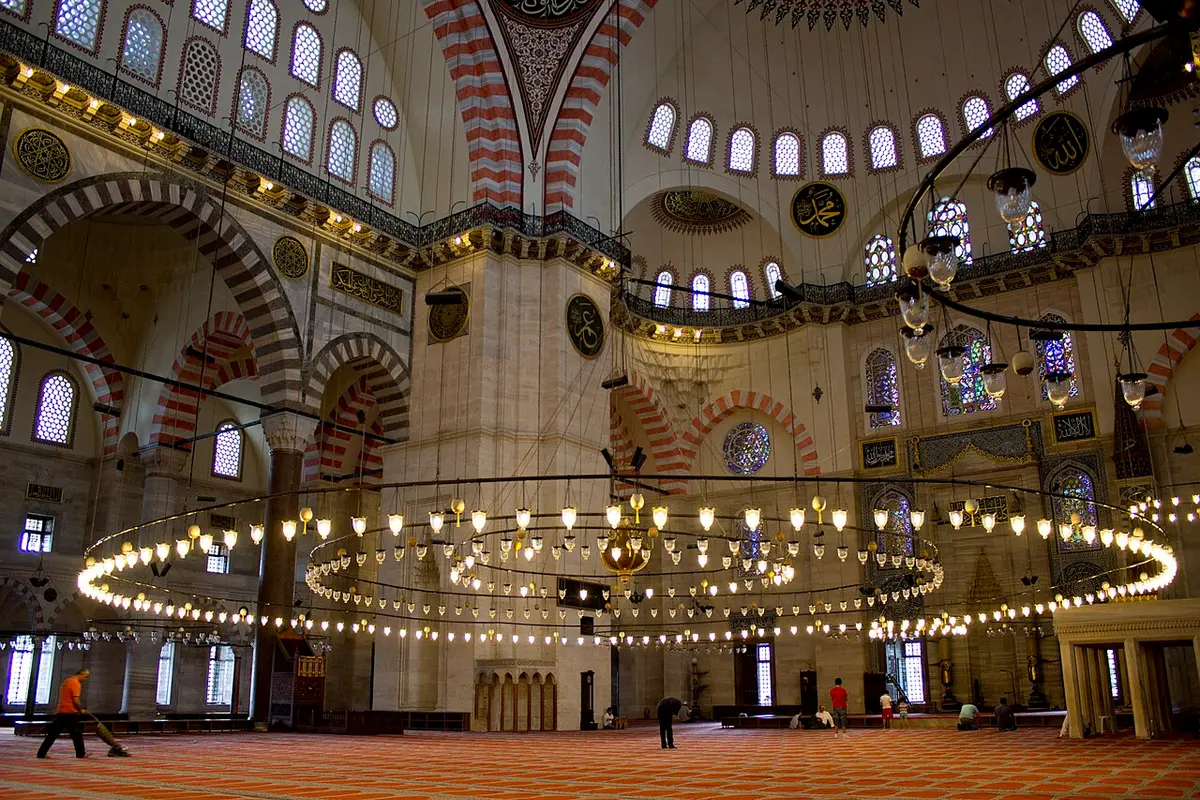 06
The Süleymaniye Mosque
Sinan’s masterpiece, built for Süleyman the Magnificent from 1550 to 1557 on the city’s third hill. It is calm, full of light and quieter than the Blue Mosque, with the tombs of Süleyman and his wife Hürrem in the garden and a terrace over the Golden Horn.
Come for sunset from the terrace behind the mosque, then eat kuru fasulye, beans with rice, in one of the old canteens on the street alongside.
Photo: İhsan Deniz Kılıçoğlu, CC BY-SA 3.0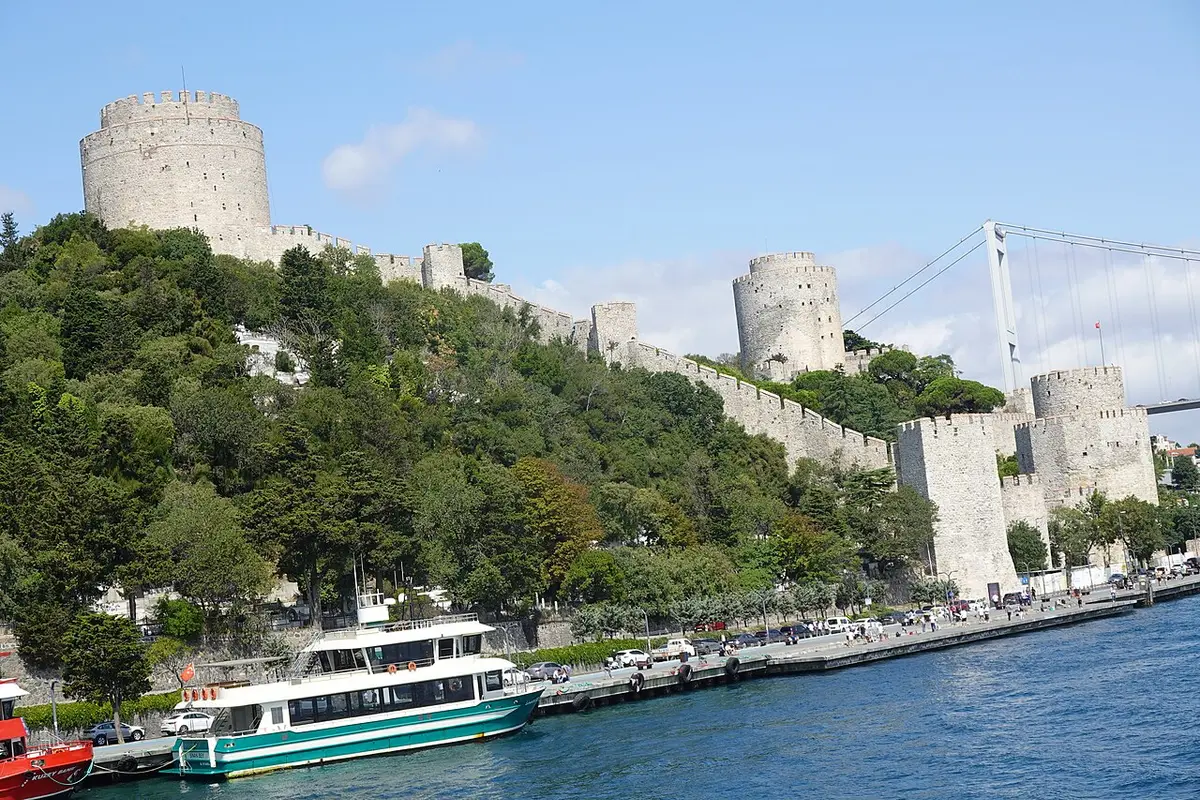 07
The Bosphorus by ferry
The strait between Europe and Asia is best seen from the water: palaces, wooden waterfront mansions called yalı, and the fortresses of Rumeli Hisarı and Anadolu Hisarı, under two suspension bridges. The public ferry’s long tour runs from Eminönü to Anadolu Kavağı near the Black Sea, with time for a fish lunch and a climb to Yoros Castle.
The long tour sails daily and takes under two hours each way. For a shorter trip, any commuter ferry to Üsküdar or Kadıköy costs no more than a bus ride.
Photo: Joseolgon, CC BY 4.0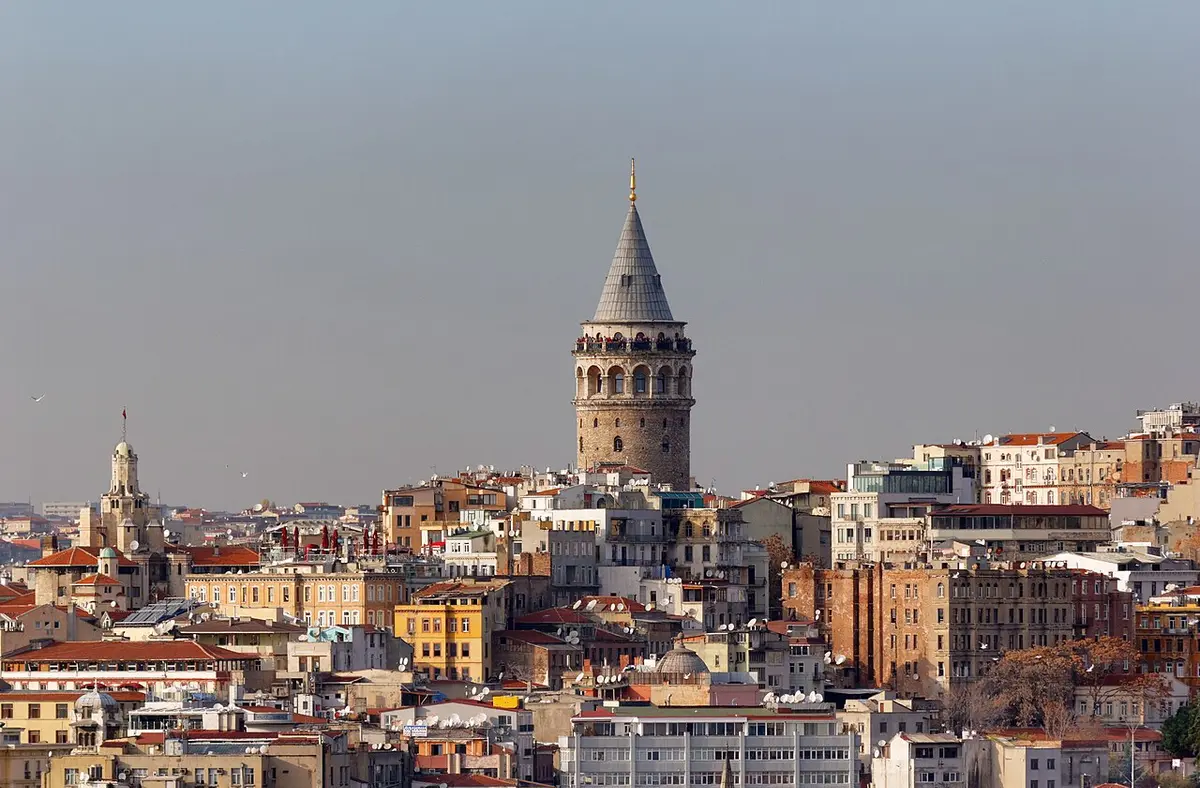 08
Galata Tower
Built by the Genoese in 1348 at the top of their walled colony, later a fire lookout and now a museum. The balcony around the top gives the best all-round view in the city: the domes of the old city, the Golden Horn and the Bosphorus.
The line is longest at sunset; go at opening time instead.
Photo: Alexxx1979, CC BY-SA 4.0
Three hidden gems
From Fener to the Chora
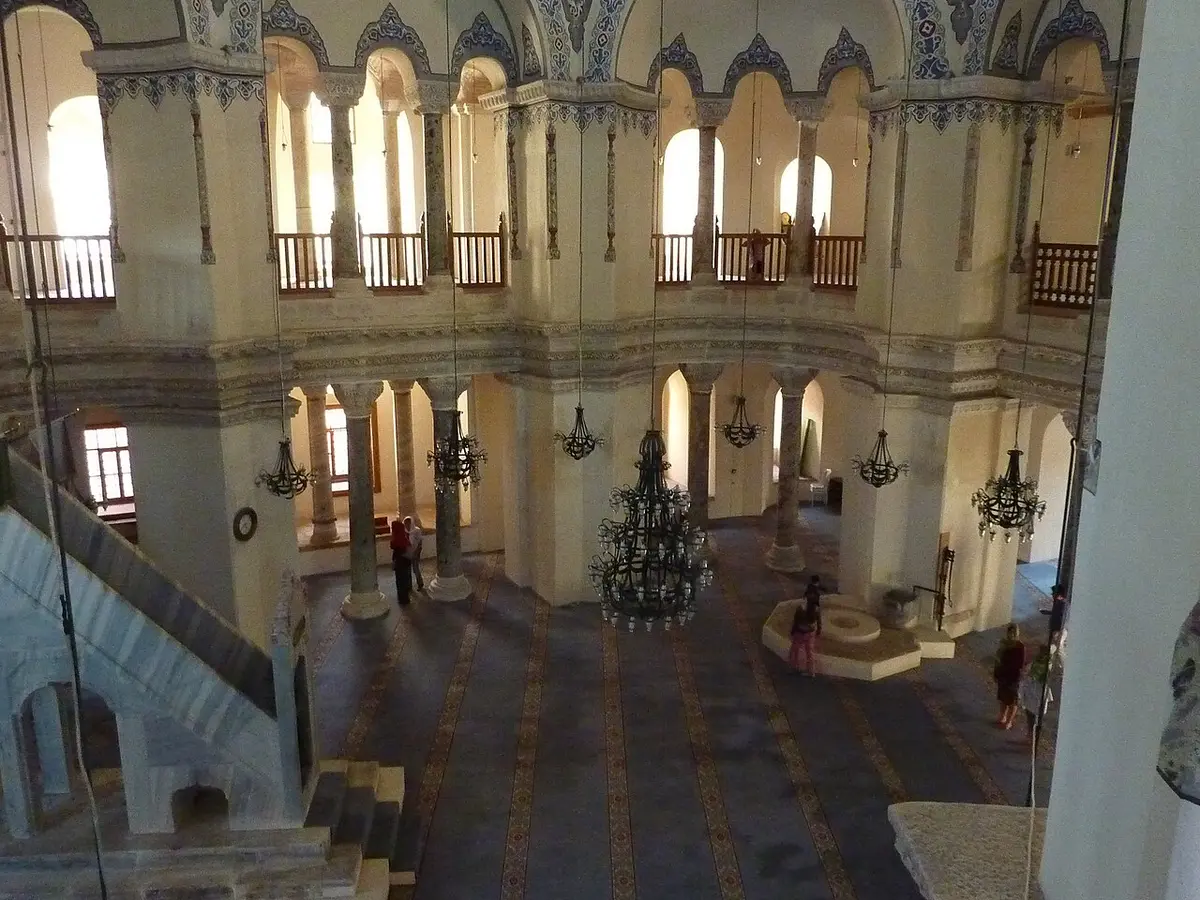
Up the Golden Horn from the old city: the seat of the Orthodox patriarch, a red-brick school, a church made of iron, the painted lanes of Balat and, at the top of the hill, some of the finest Byzantine mosaics anywhere.
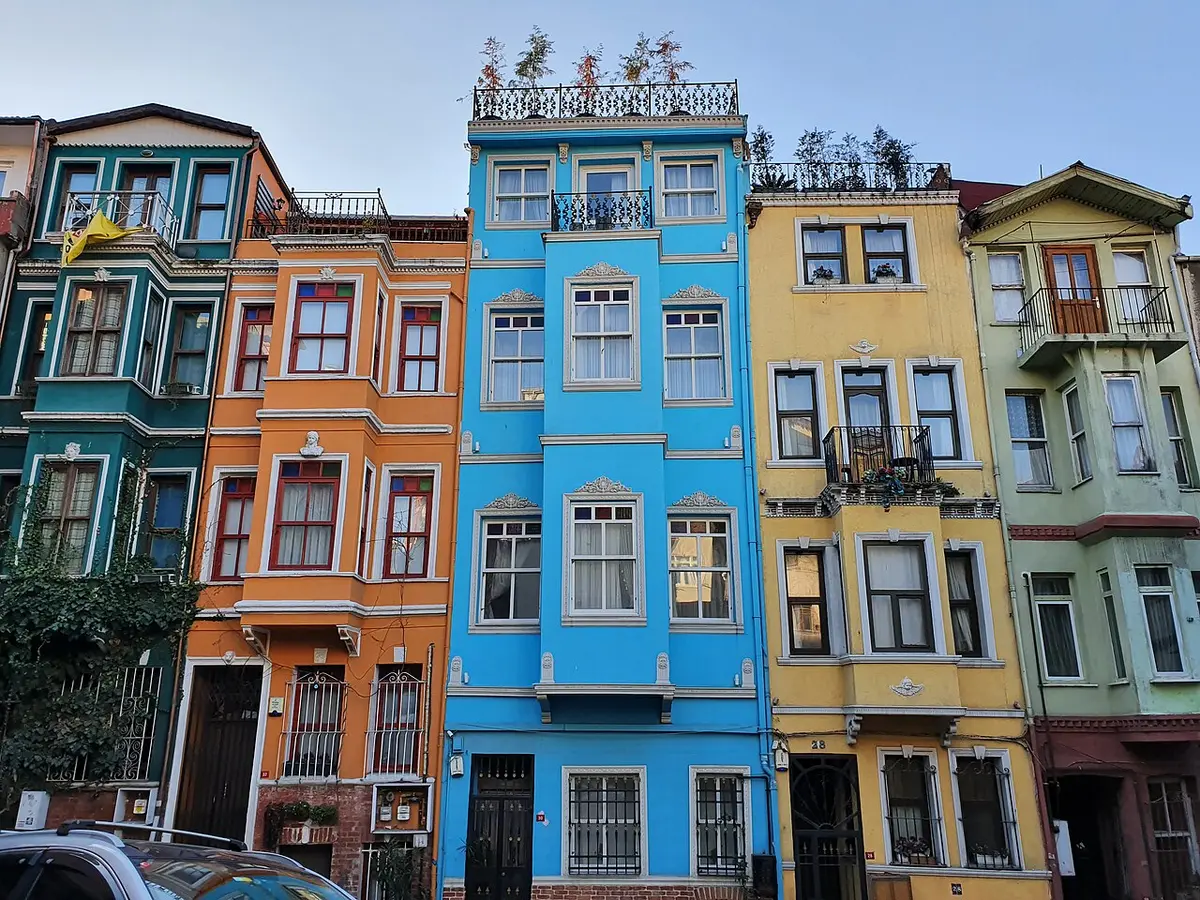
Start on the Golden Horn at Fener, by bus along the shore road from Eminönü or by the Golden Horn ferry from Karaköy. Behind a high wall stands the Church of St. George, seat of the Ecumenical Patriarch of Constantinople since about 1600. Its main gate has stayed shut since 1821, when Patriarch Gregory V was hanged from it at the start of the Greek War of Independence.
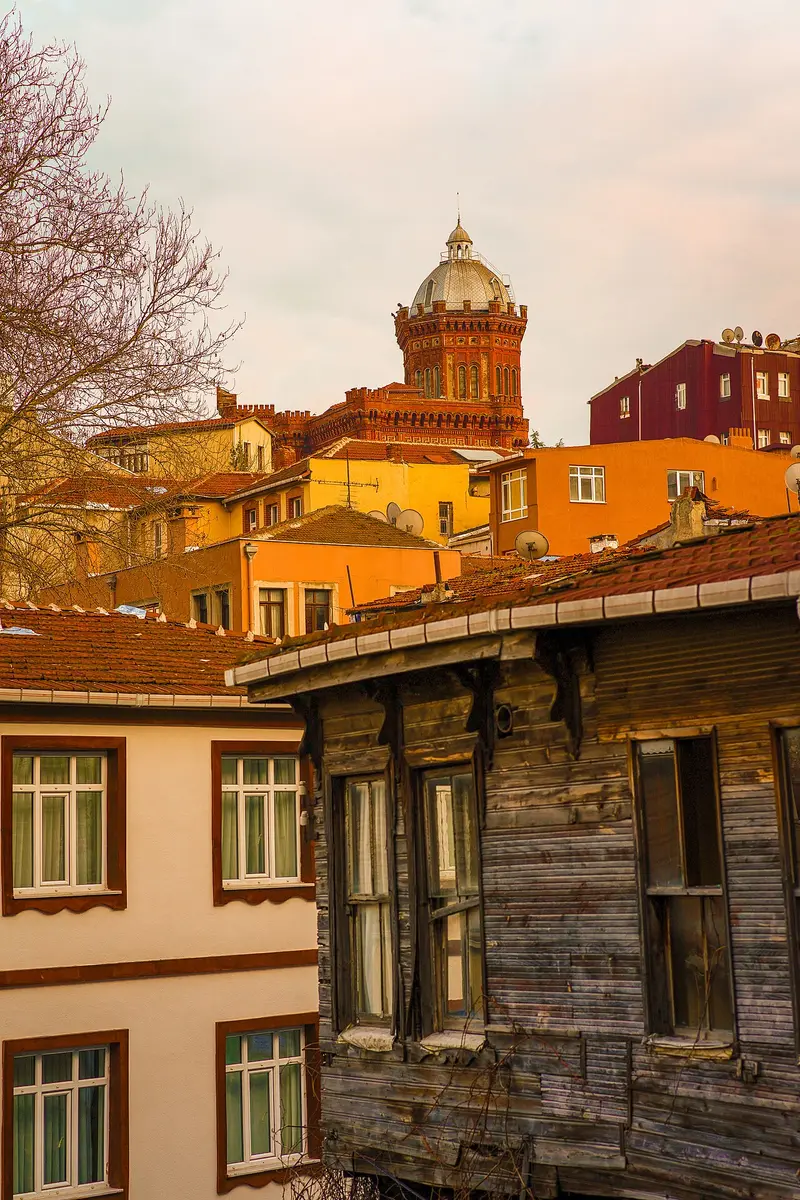
Climb the steep lanes behind it to the Phanar Greek Orthodox College, a red-brick building of 1881 to 1883 whose domed tower you can see from across the water. The school itself traces its history to 1454, the year after the conquest.
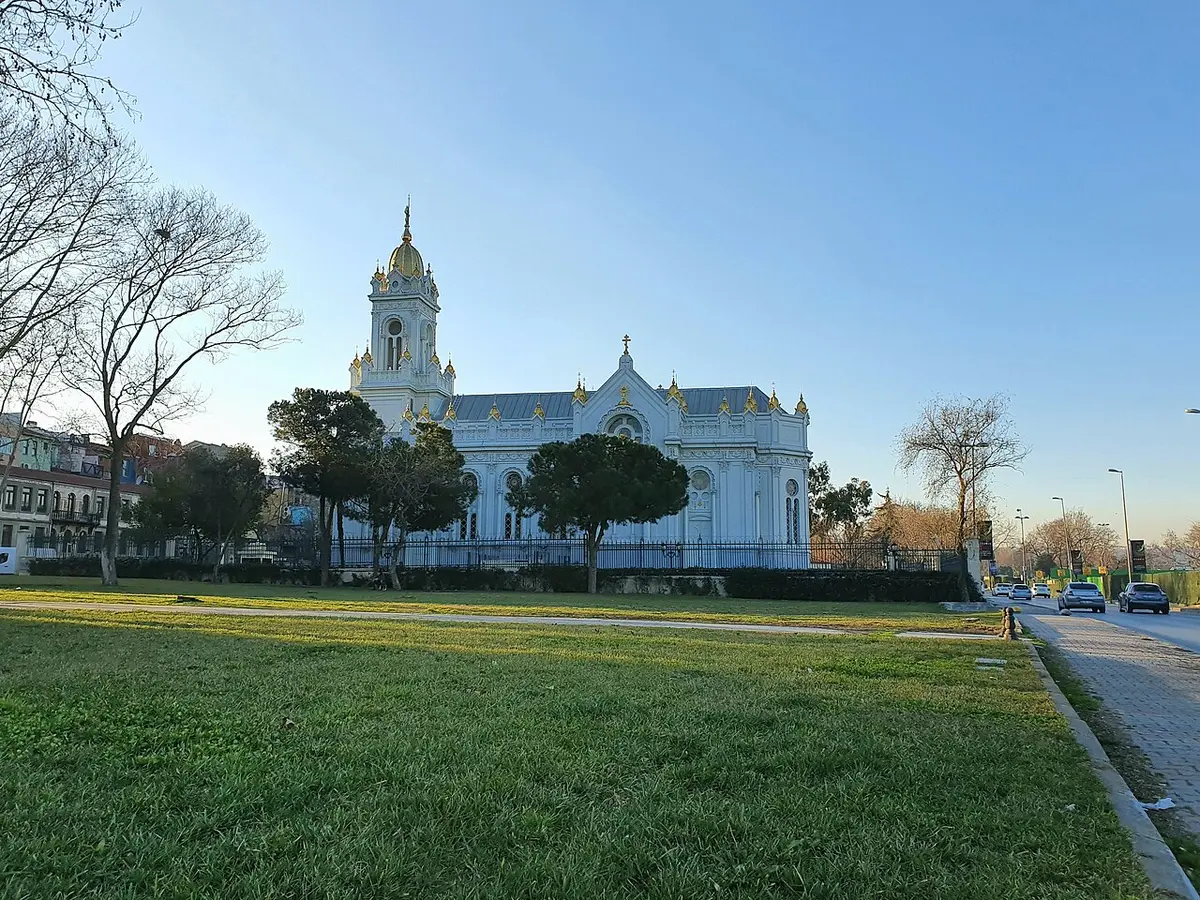
Back on the shore road, the Bulgarian St. Stephen Church looks like carved stone but is made of iron. Its parts were cast in Vienna and shipped down the Danube and across the Black Sea, and it was consecrated in 1898; a long restoration ended in 2018.
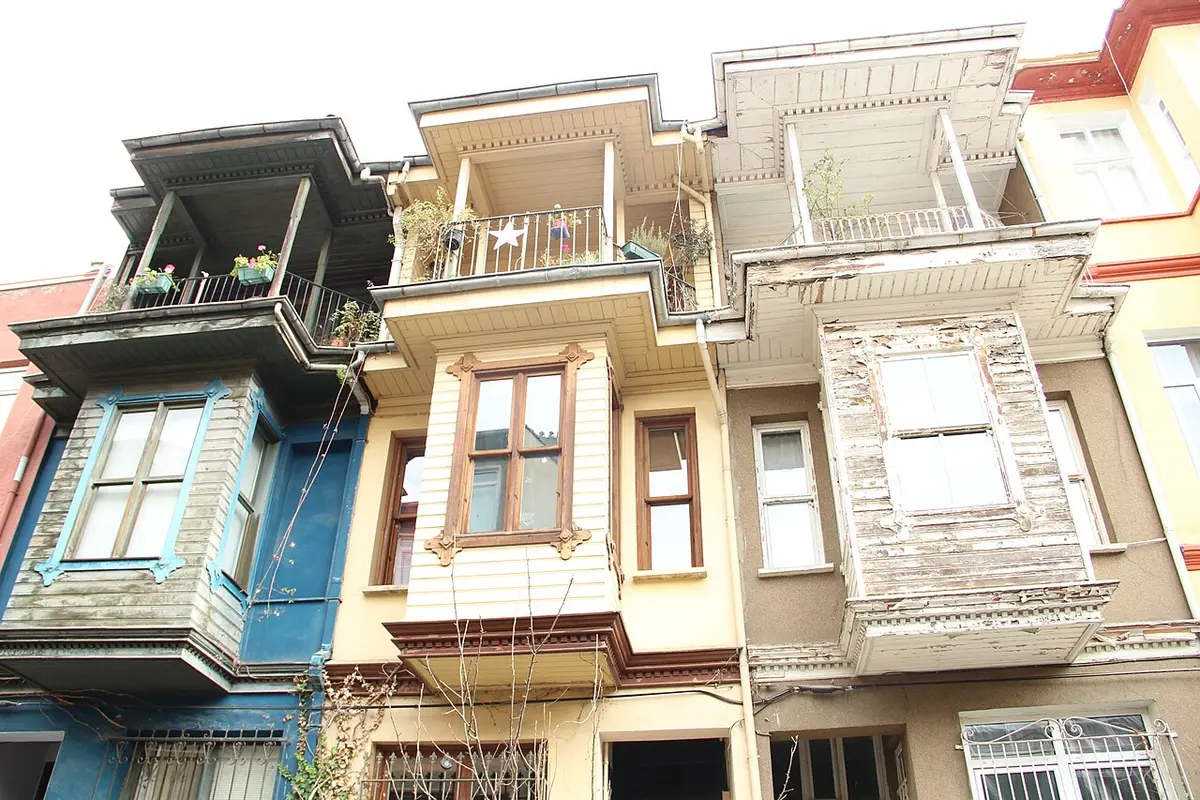
Balat, next door, was for centuries a Jewish quarter. The Ahrida Synagogue, founded in the 15th century by Jews from Ohrid, still has its bimah shaped like the prow of a ship (visits by arrangement only). Around it, stepped lanes of painted houses climb the hill, with cafés, antique shops and washing strung across the street.
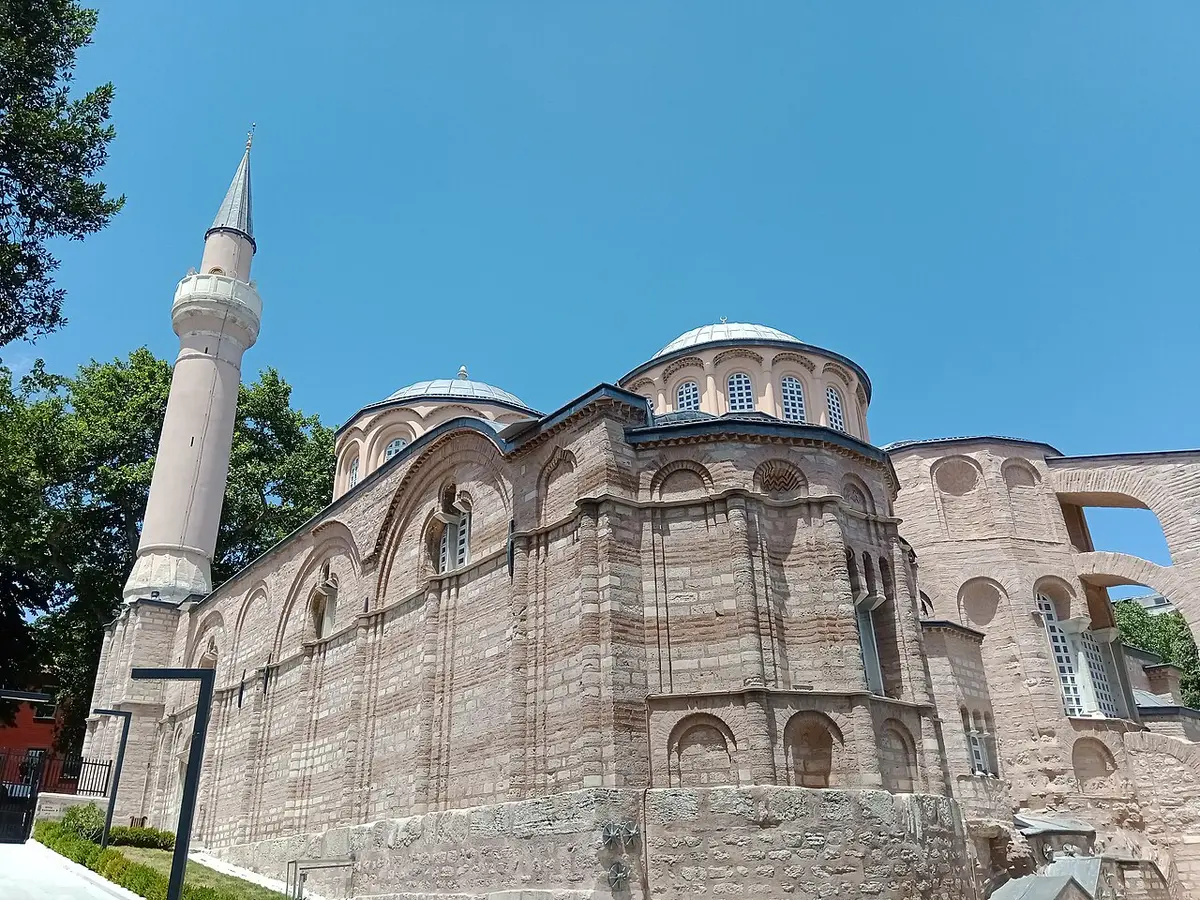
From Balat, walk uphill for about 15 minutes to the Kariye Mosque, the former Chora Church. In the early 1300s the statesman Theodore Metochites filled its halls with mosaics and frescoes that are among the finest Byzantine art anywhere. It reopened as a mosque in 2024: visitors pay a fee, and it is closed to tourists on Fridays. The land walls are a few minutes away, with the Tekfur Palace, a Byzantine palace later used as a tile workshop and now a museum.
Where to stay
Pick the neighborhood first, then the hotel. Each link opens a map of places to stay around it.
Sultanahmet
First visitThe old city around Hagia Sophia and the Blue Mosque, with Topkapı, the Basilica Cistern and the Grand Bazaar a walk away. Busy with tour groups by day and quiet at night, with many small hotels.
See hotels in SultanahmetSirkeci
Budget and short staysBetween the Spice Bazaar and Gülhane Park, around the old railway station, where the tram, the Marmaray and the ferries meet. Good-value rooms and fast connections, plain and busy.
See hotels in SirkeciGalata and Karaköy
Couples and foodSteep lanes around Galata Tower and the old port below: cafés, galleries, restaurants and hotels in old bank and warehouse buildings, one tram stop across the water from the old city.
See hotels in Galata and KaraköyBeyoğlu and Cihangir
Nightlifeİstiklal Avenue and the lanes around it have the city’s liveliest nights; Cihangir, just downhill, is quieter, with cafés and glimpses of the Bosphorus. Hilly, and loud around the bars.
See hotels in Beyoğlu and CihangirKadıköy and Moda
Local lifeOn the Asian side, about 20 minutes by ferry from Eminönü: market streets, bars, cafés and the seafront promenade of Moda. Few tourists and real neighborhood life.
See hotels in Kadıköy and ModaNişantaşı
Shopping and quiet nightsNorth of Taksim, the city’s smartest streets, with designer shops, cafés and bigger hotels. Calm at night and a short metro ride from Taksim.
See hotels in NişantaşıThe 10 best budget hotels
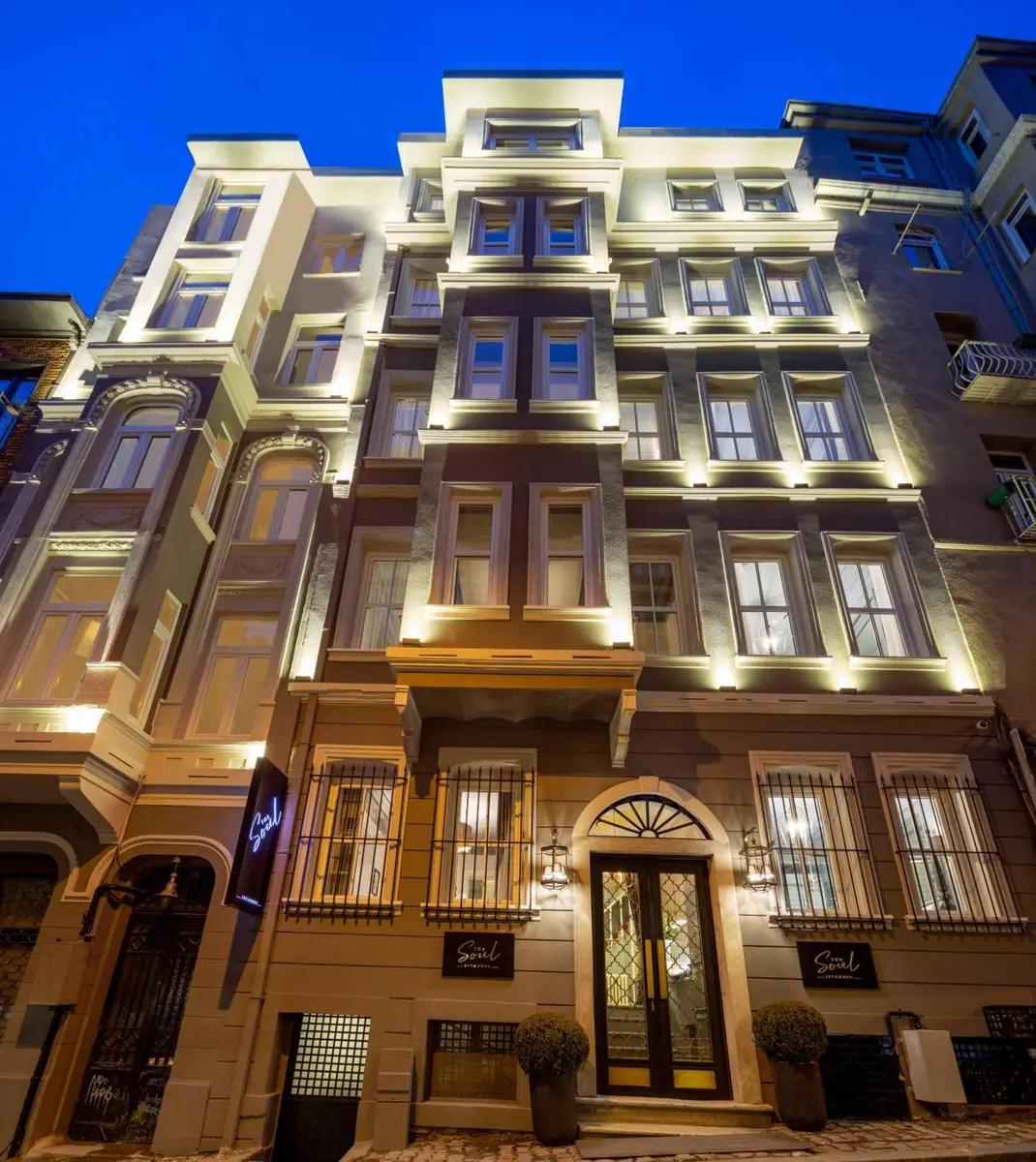
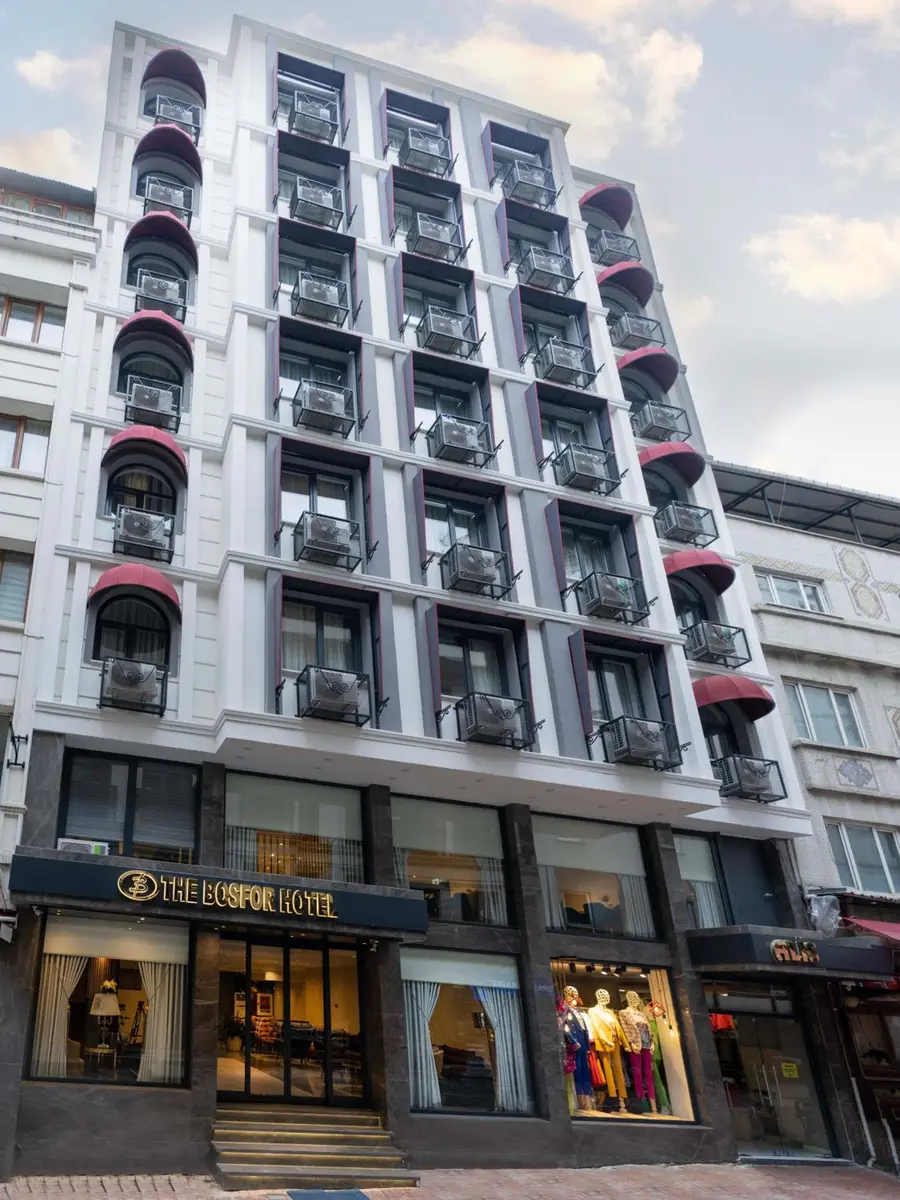
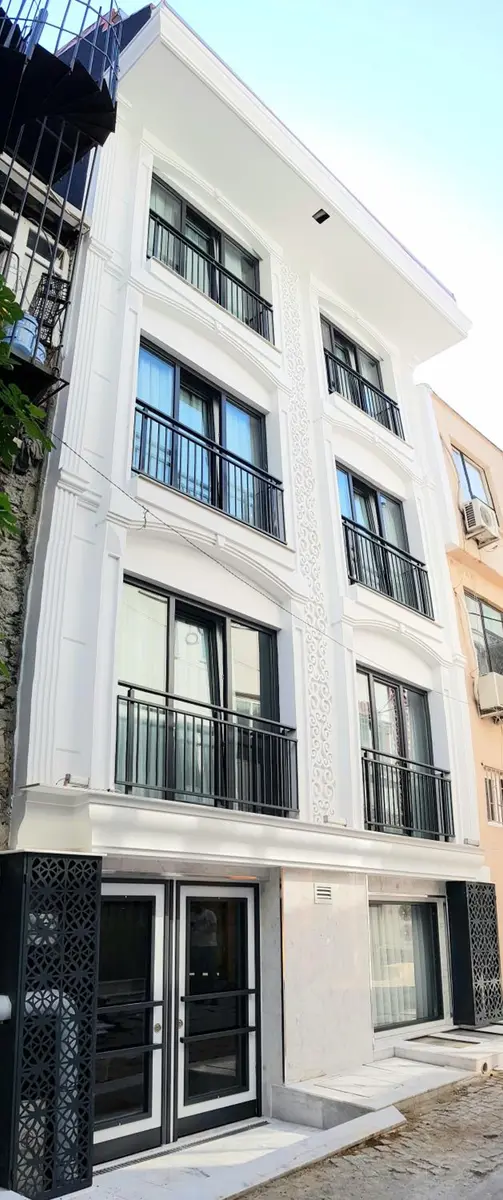
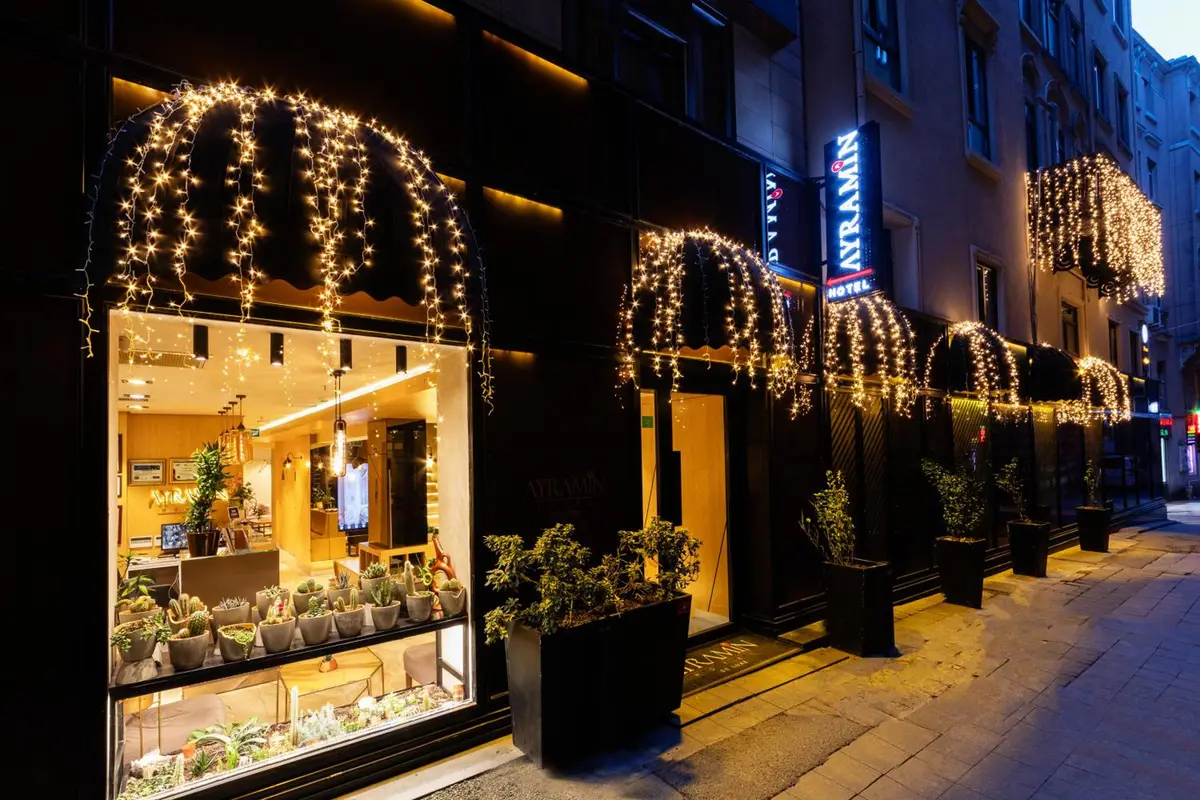
Well-reviewed hotels at the lower end of Istanbul’s prices, best-reviewed first. On a weeknight in November 2026 they cost about €45 to €90 for two; prices change daily, so check your own dates.
 01
 02
 03
 04
Ayramin Deluxe Hotel Taksim
9.61,082 reviewsBeyoğlu and Cihangir
7 min walk to Taksim Square
See prices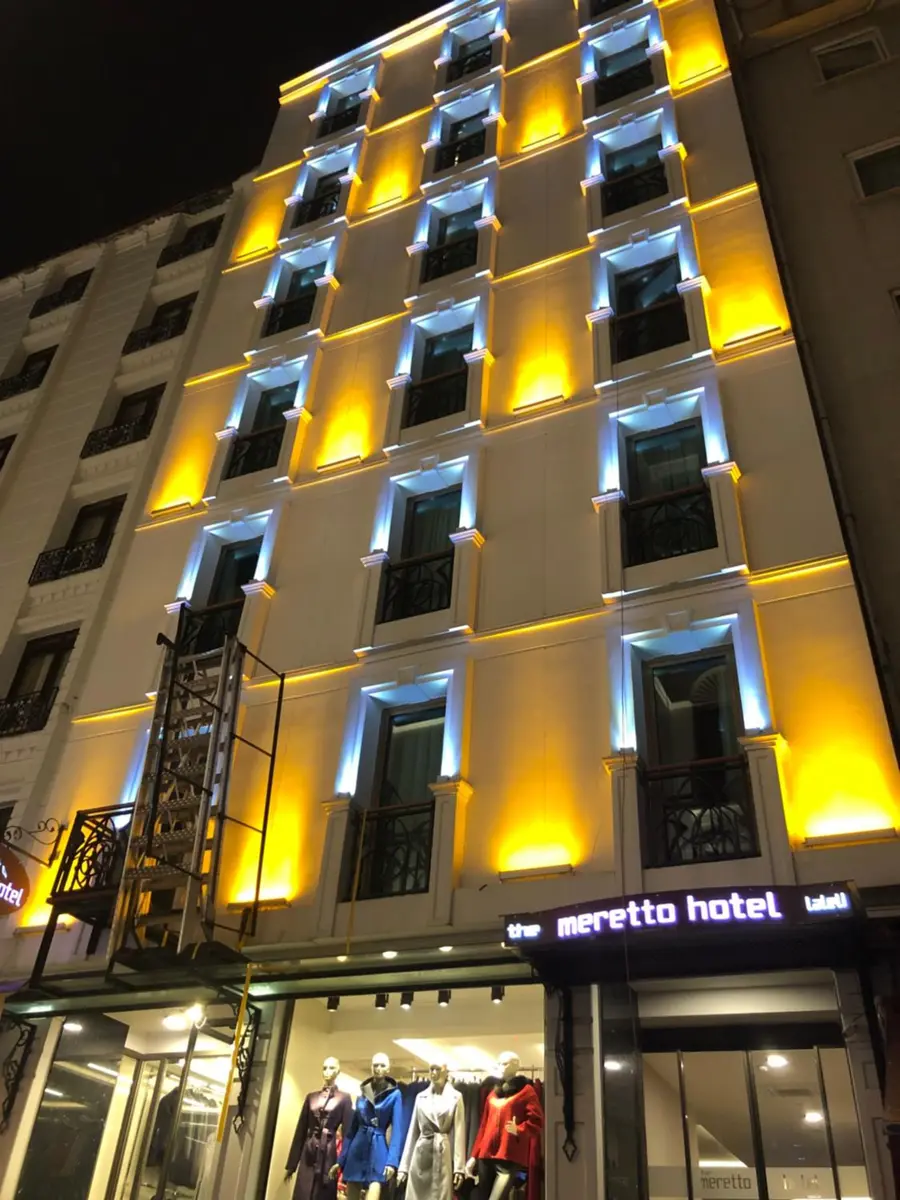 05
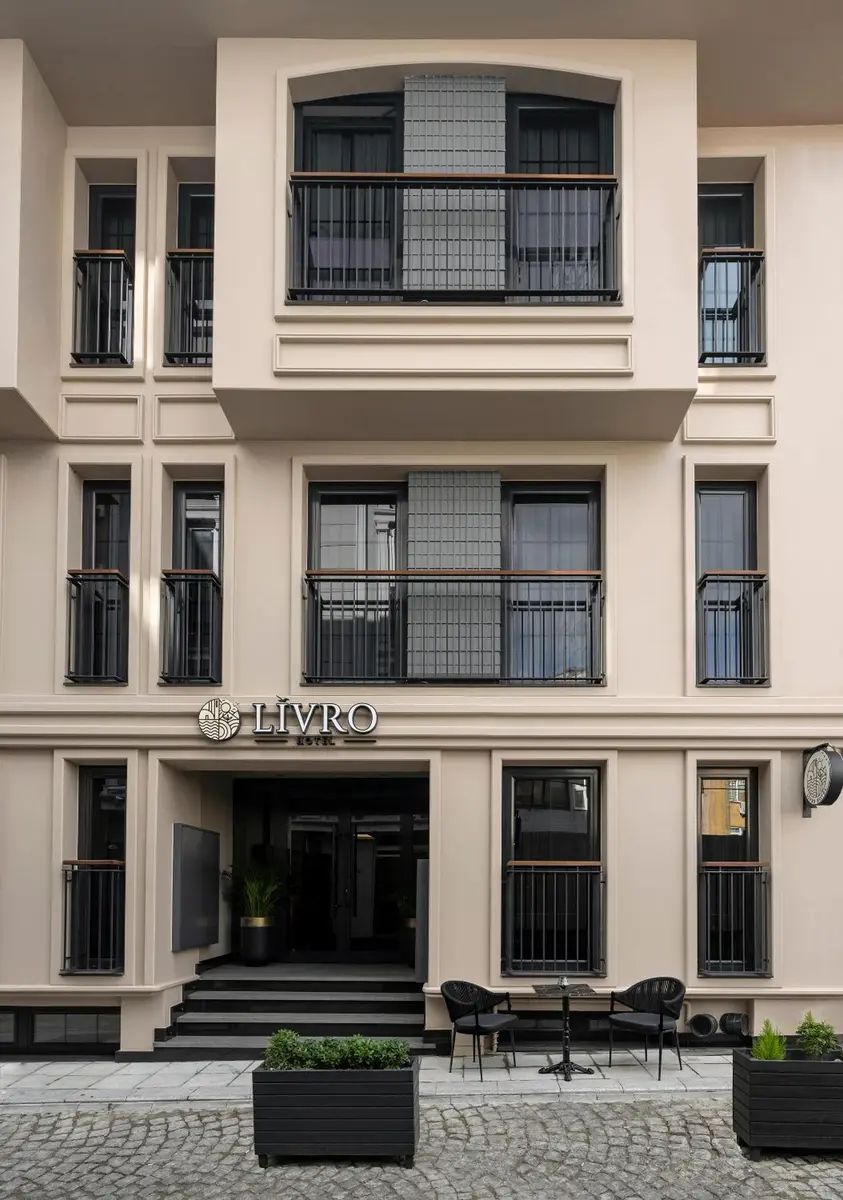 06
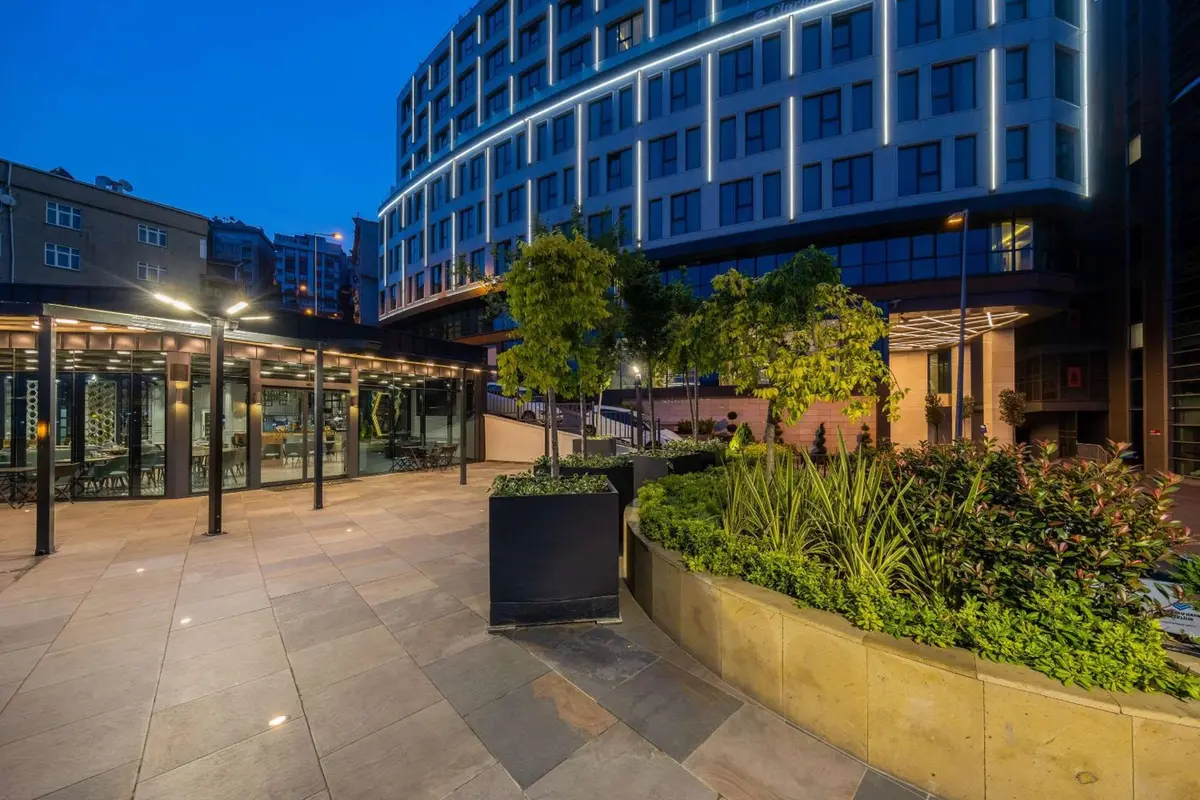 07
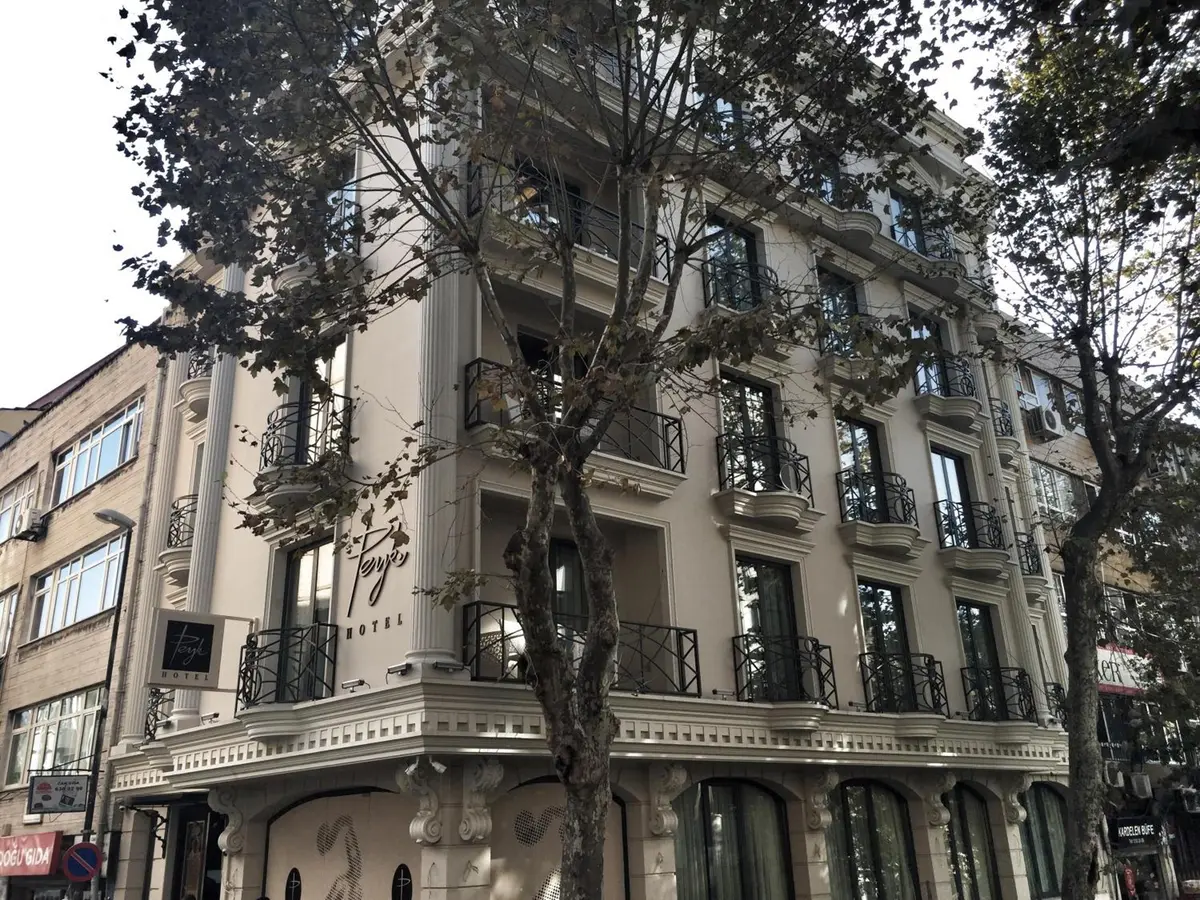 08
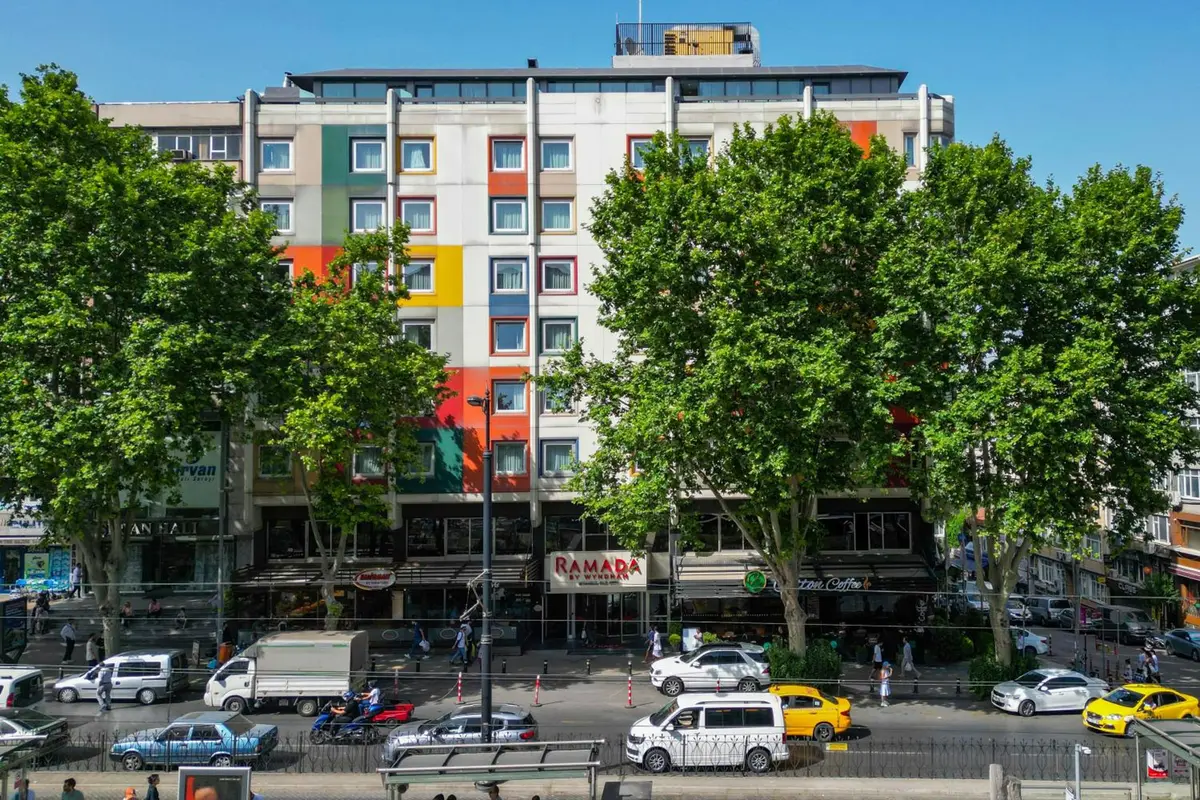 09
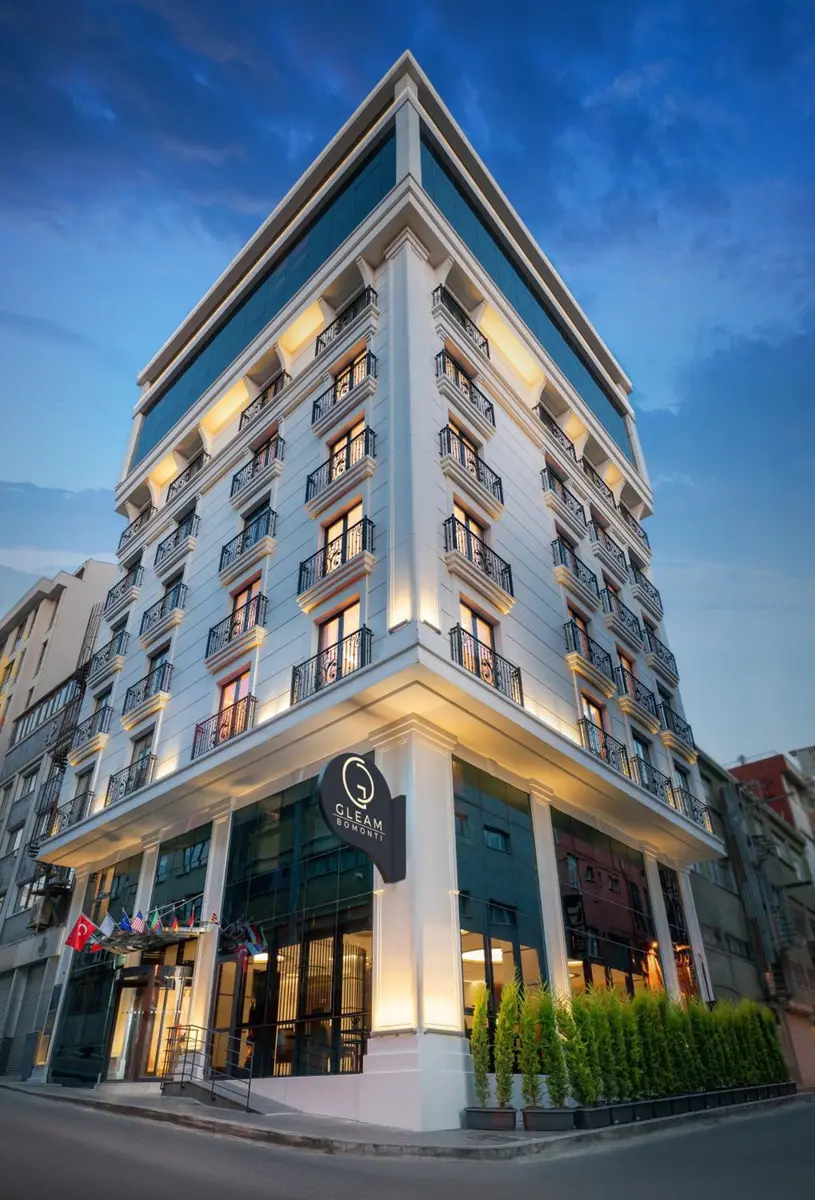 10
Hotel links go to Stay22. If you book, we may earn a commission, at no cost to you.
Food and drink
Istanbul eats from every corner of Turkey and from the sea around it: grilled fish, meze to share, kebabs from the southeast and pastries from the old palace kitchens. Breakfast is a spread, lunch is often at a lokanta, a canteen where you point at the dishes of the day, and dinner runs late.
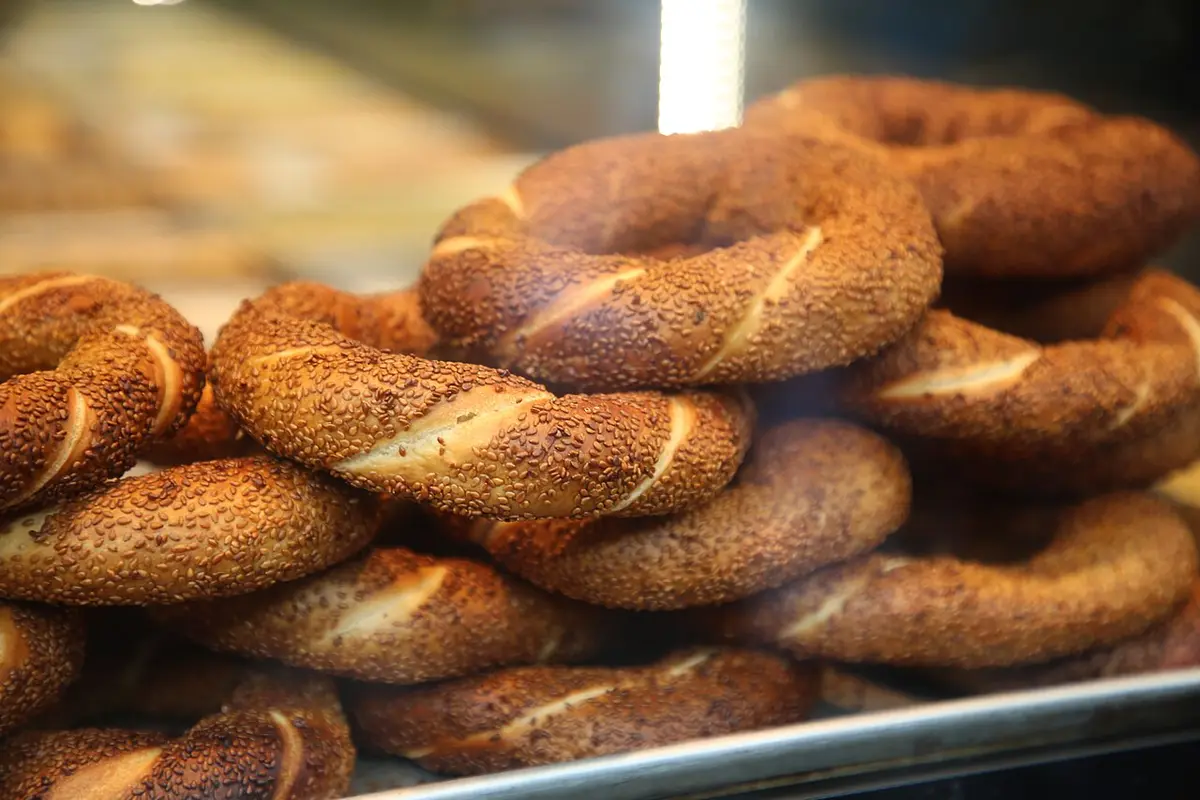
Simit
A ring of bread crusted in sesame, sold from red carts on almost every corner. Breakfast on the move, with a glass of tea.
Photo: Andrey Filippov 安德烈, CC BY 2.0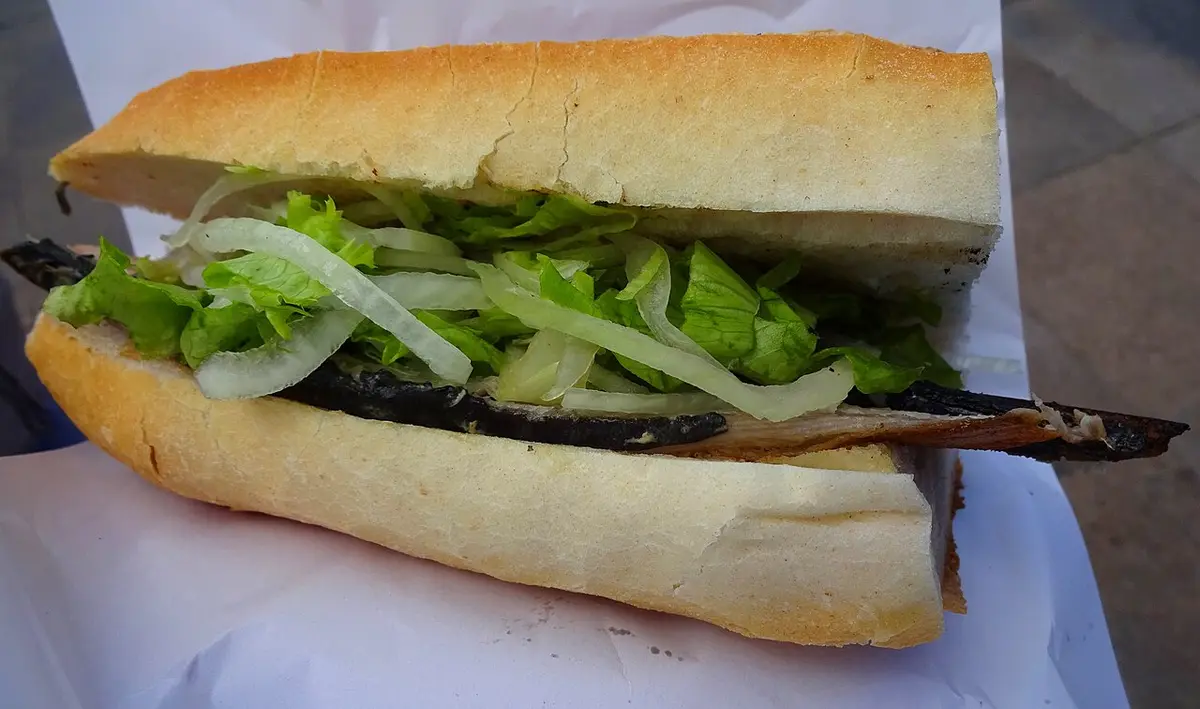
Balık ekmek
Grilled fish in bread with onion and lettuce, sold from the boats and stalls by the Galata Bridge in Eminönü.
Photo: Benreis, CC BY 3.0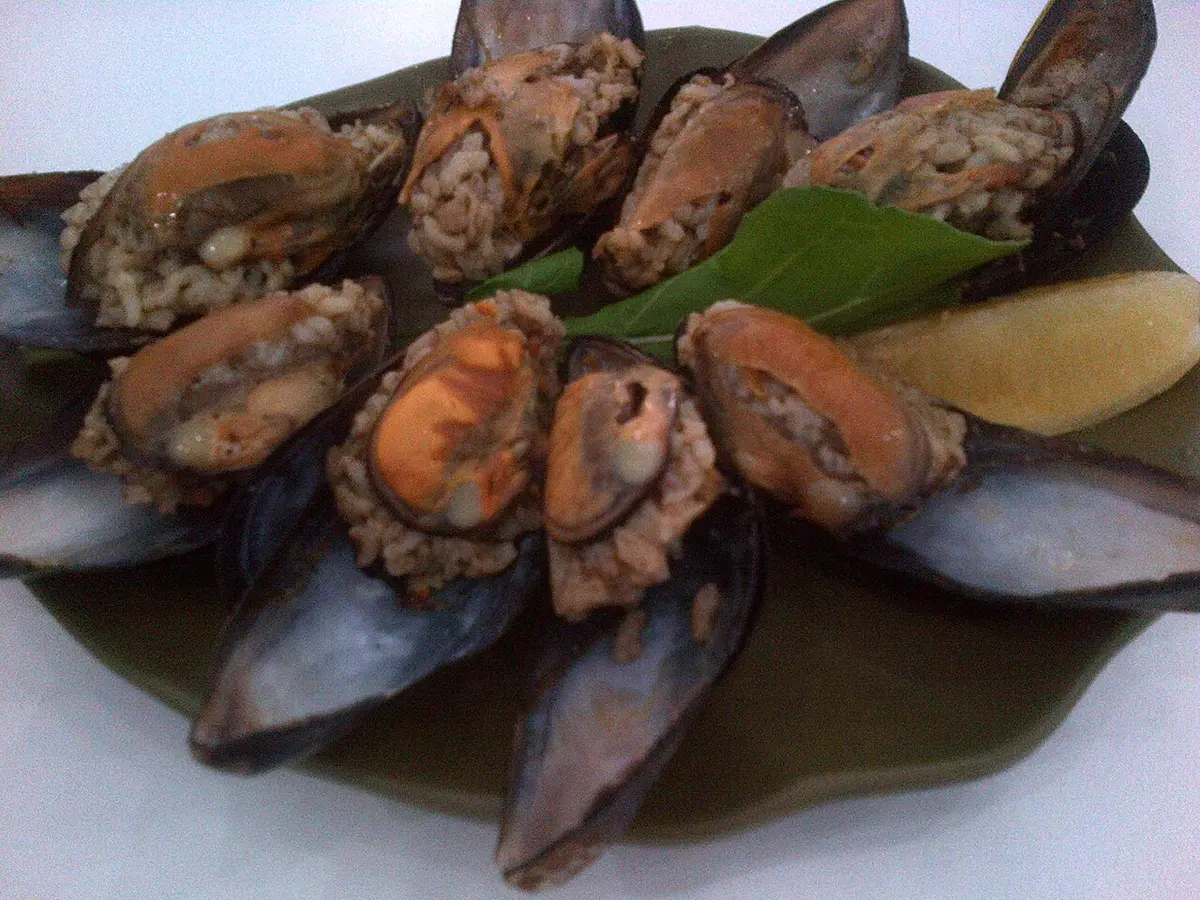
Midye dolma
Mussels stuffed with spiced rice, sold by street vendors late into the night. Squeeze lemon over each one; the vendor keeps count of the shells.
Photo: E4024, CC BY-SA 4.0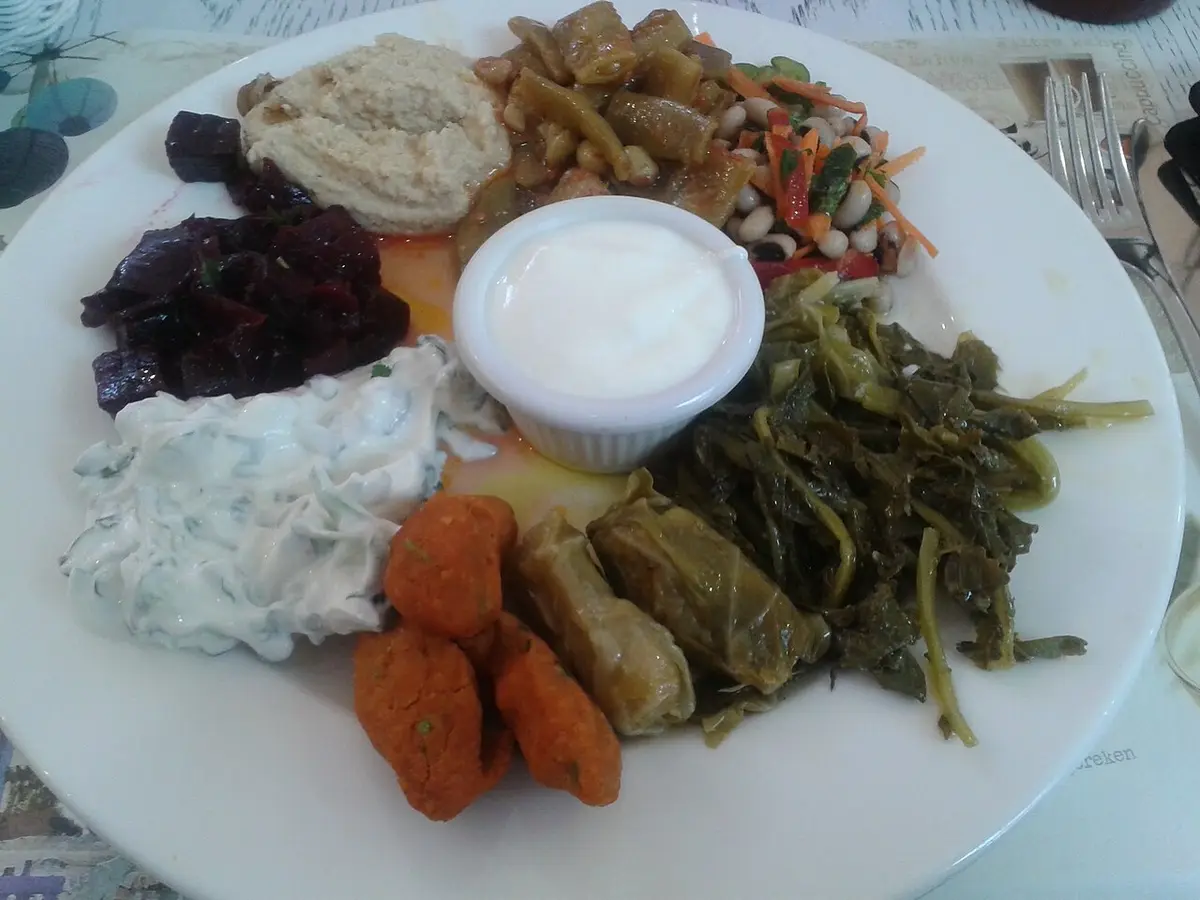
Meze
Small plates to share before fish or kebab: stuffed vine leaves, haydari (thick yogurt with herbs), spicy tomato ezme, fava and many more, often chosen from a tray brought to the table.
Photo: E4024, CC BY-SA 4.0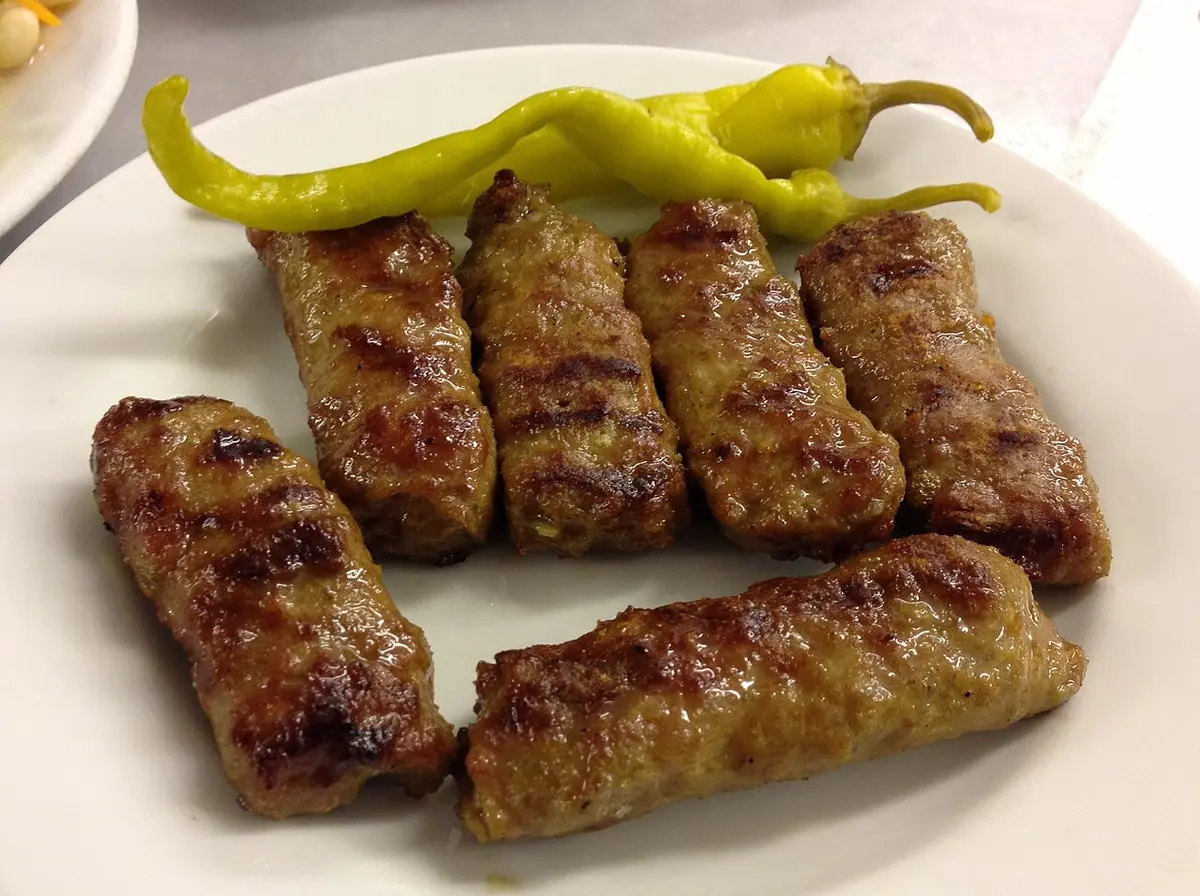
Köfte
Grilled meatballs with pickled peppers and piyaz, a white bean salad. The Sultanahmet Köftecisi has served them near Hagia Sophia since 1920.
Photo: LWYang, CC BY 2.0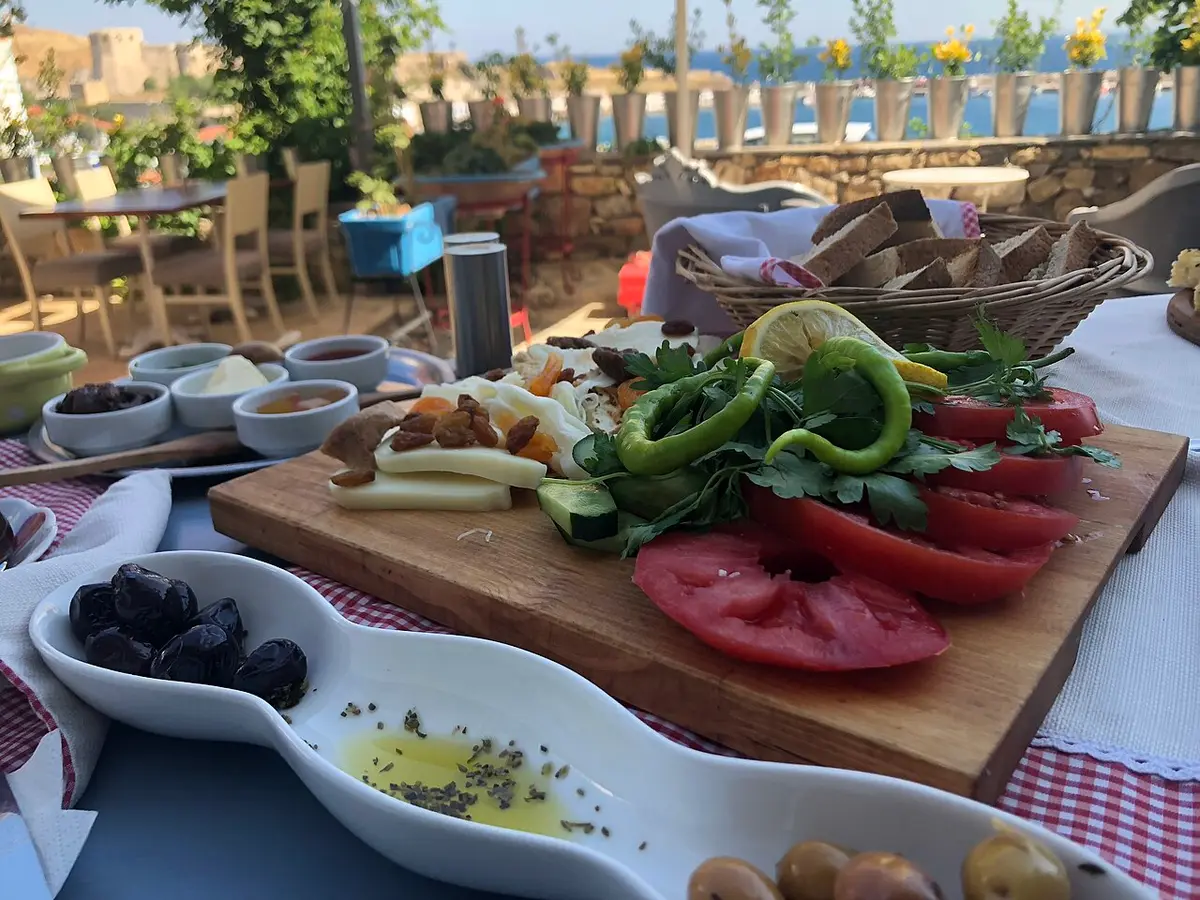
Kahvaltı
The Turkish breakfast: cheeses, olives, tomatoes, cucumbers, honey with clotted cream (bal kaymak), eggs and endless tea. Beşiktaş has a whole street of breakfast cafés.
Photo: Glassmug29, CC BY-SA 4.0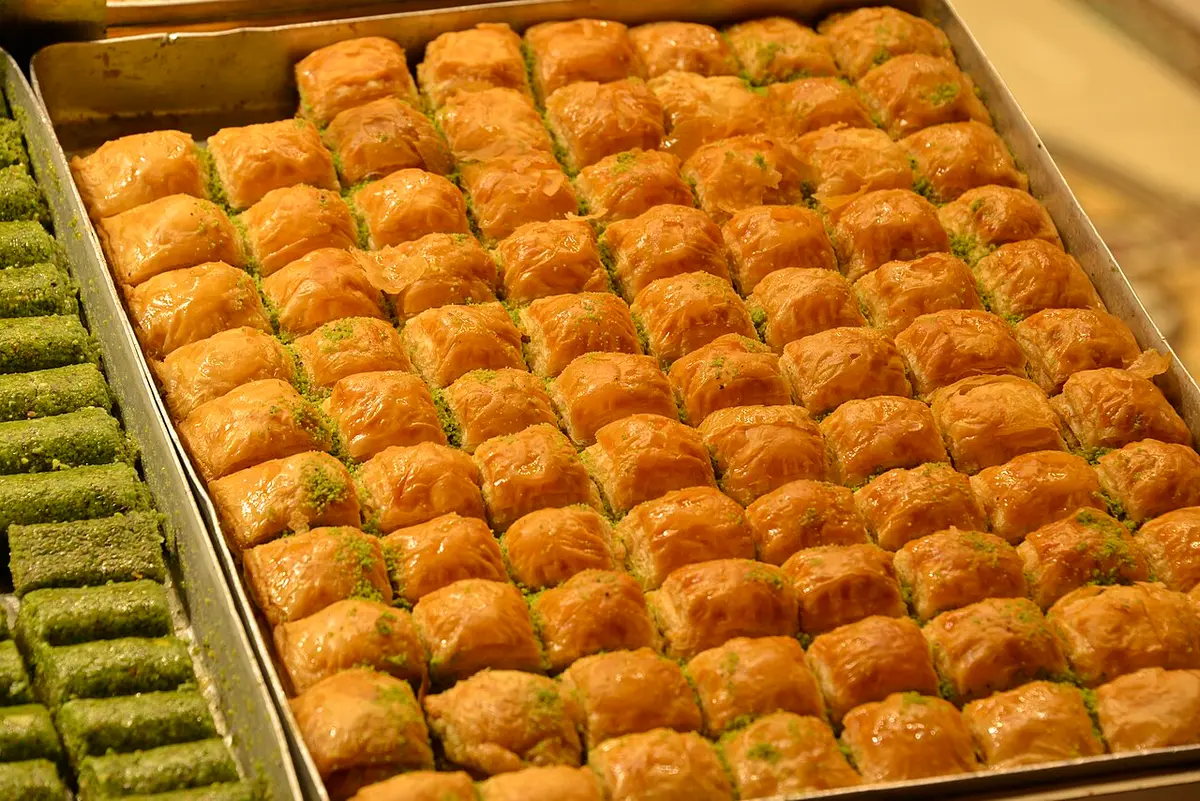
Baklava
Paper-thin layers of pastry with pistachio and syrup. Karaköy Güllüoğlu has baked it since 1949.
Photo: Miomir Magdevski, CC BY-SA 4.0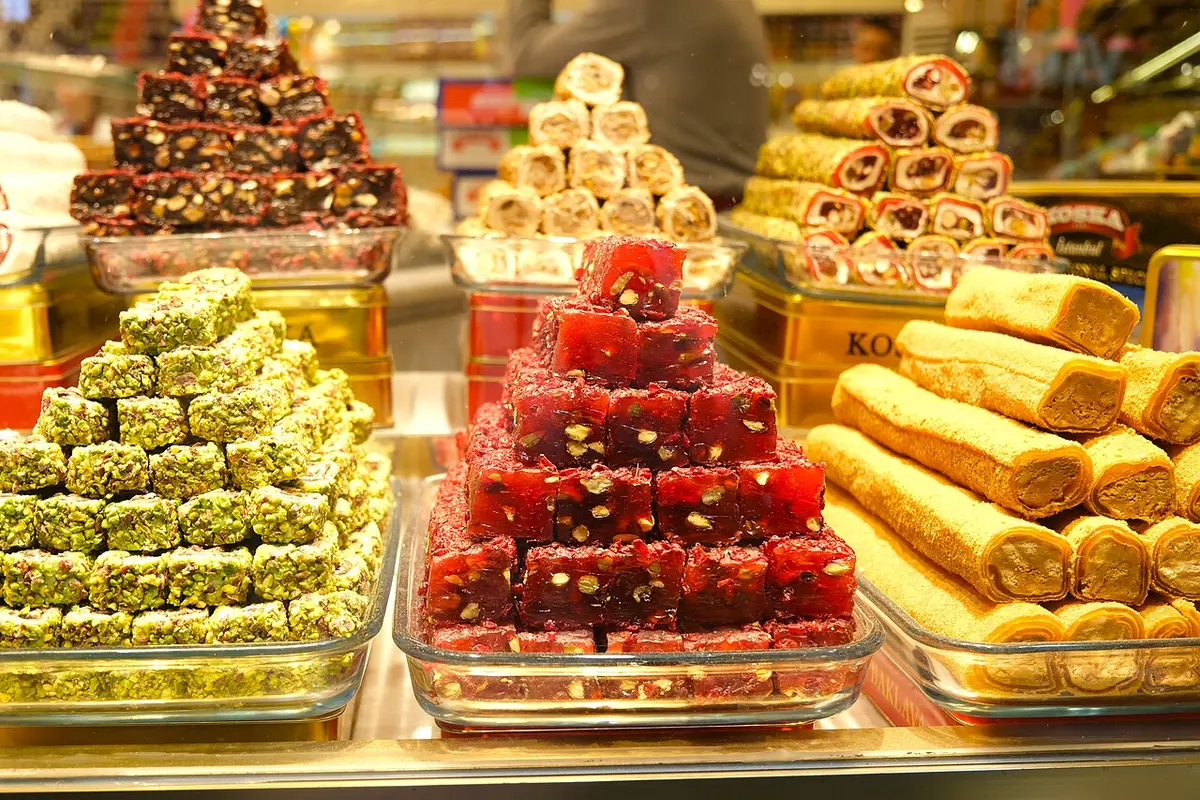
Lokum
Turkish delight: soft cubes of starch and sugar flavored with rose, lemon or pistachio. Hacı Bekir has made it in Eminönü since 1777.
Photo: Adem, CC BY-SA 4.0Eat fish by the water in Kumkapı or on the Asian shore, meze in the meyhanes around Nevizade Sokak in Beyoğlu, and lunch at a lokanta near the Grand Bazaar. Kadıköy’s market streets are the best place to graze, and the Spice Bazaar sells lokum, spices and dried fruit to take home.
The ships that crossed a hill
In the spring of 1453 a sultan of 21 laid siege to the last Roman capital. How Constantinople fell, and how it became Istanbul.
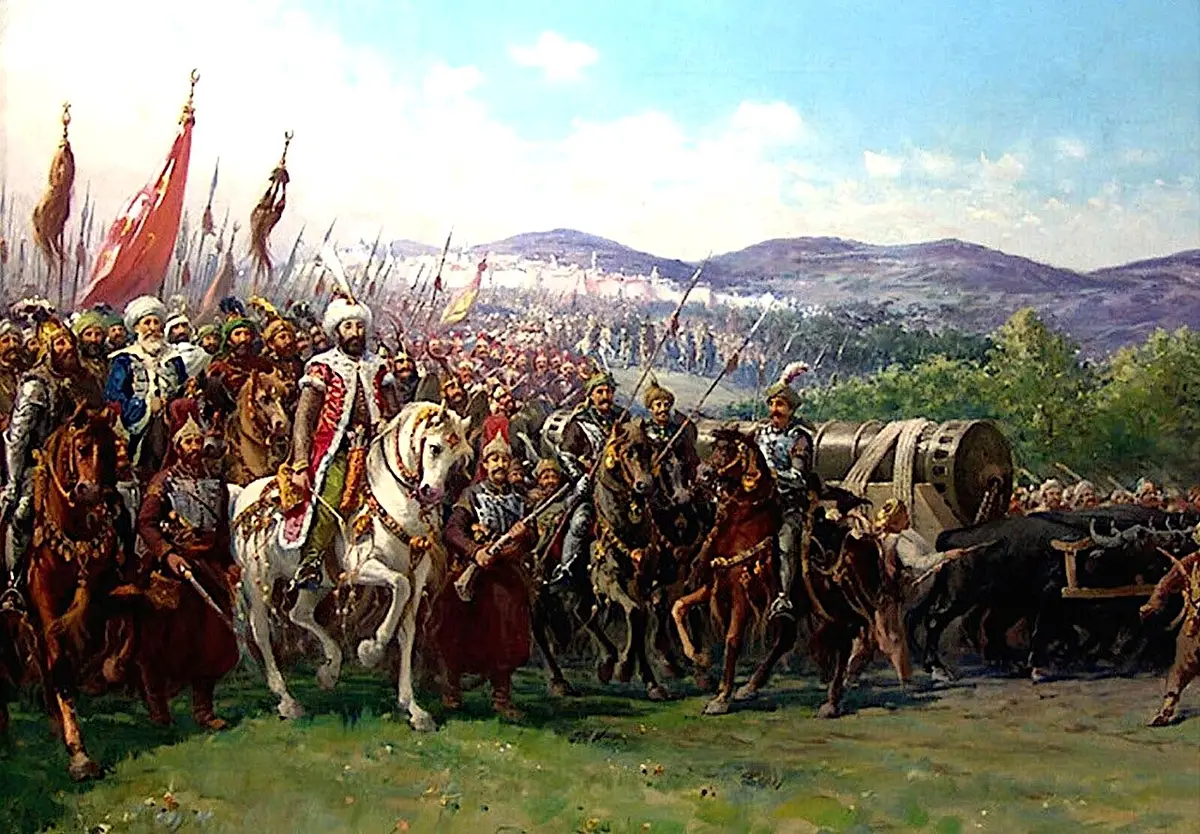
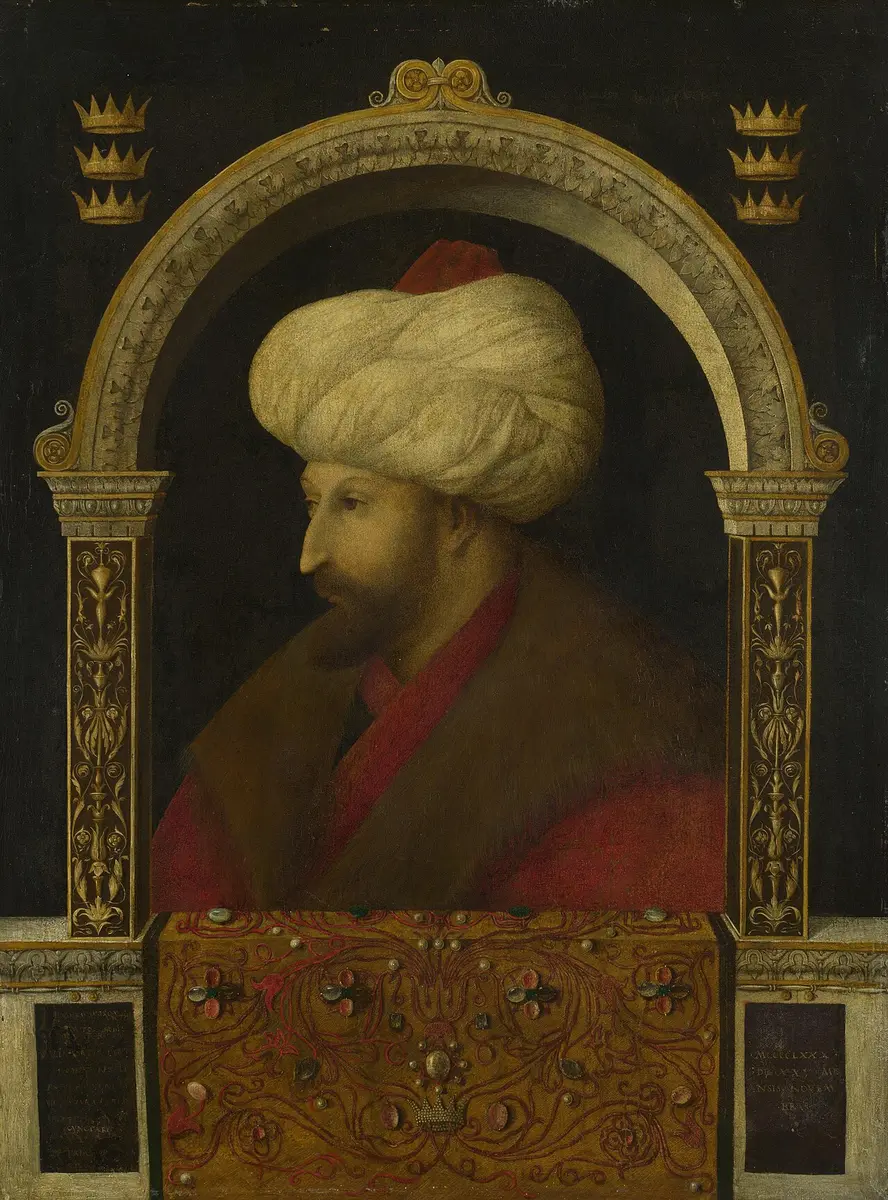
By 1453, Constantinople was a shadow of the imperial city. Probably fewer than 50,000 people lived inside walls built for many times that number, and the empire had shrunk to little more than the city itself. On the Asian shore of the Bosphorus stood a fortress built by the Ottoman sultan Bayezid I, and in 1452 his great-grandson Mehmed II, then 20, raised a second one facing it on the European shore, Rumeli Hisarı, to close the strait to ships coming from the Black Sea.
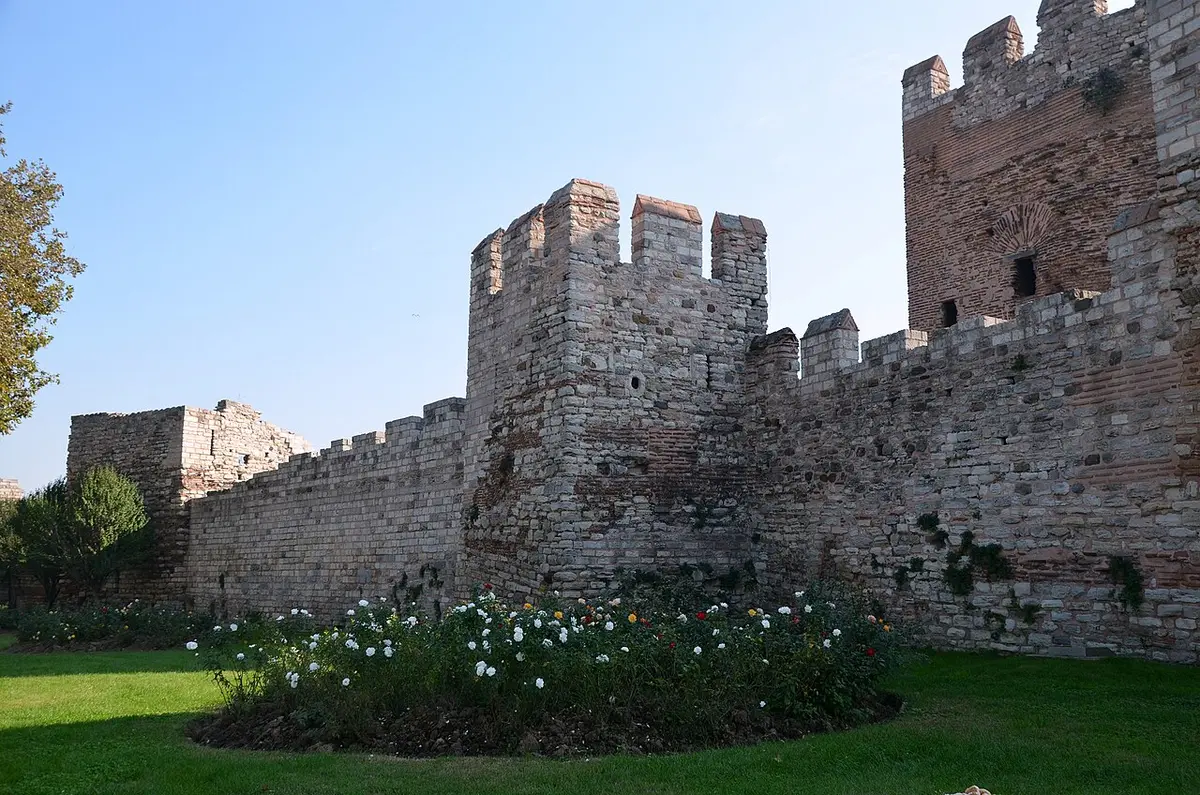
The city’s strength was its land walls. Built under Theodosius II in the 5th century, they ran for about six kilometers from the Sea of Marmara to the Golden Horn, a double wall with a moat in front, and they had held for a thousand years. Mehmed brought cannon, among them a giant bombard cast by Orban, a founder who had first offered his services to the emperor, Constantine XI, who could not pay him. The siege began on 6 April, with perhaps 7,000 defenders facing an army many times larger.
A great chain across the mouth of the Golden Horn kept the Ottoman fleet out of the harbor. On 22 April, Mehmed had some 70 ships dragged overland on greased logs, up and over the hill behind Galata, the walled town of the Genoese, and slid them into the Golden Horn. Now the defenders had to man the sea walls along the harbor too, with men they did not have.
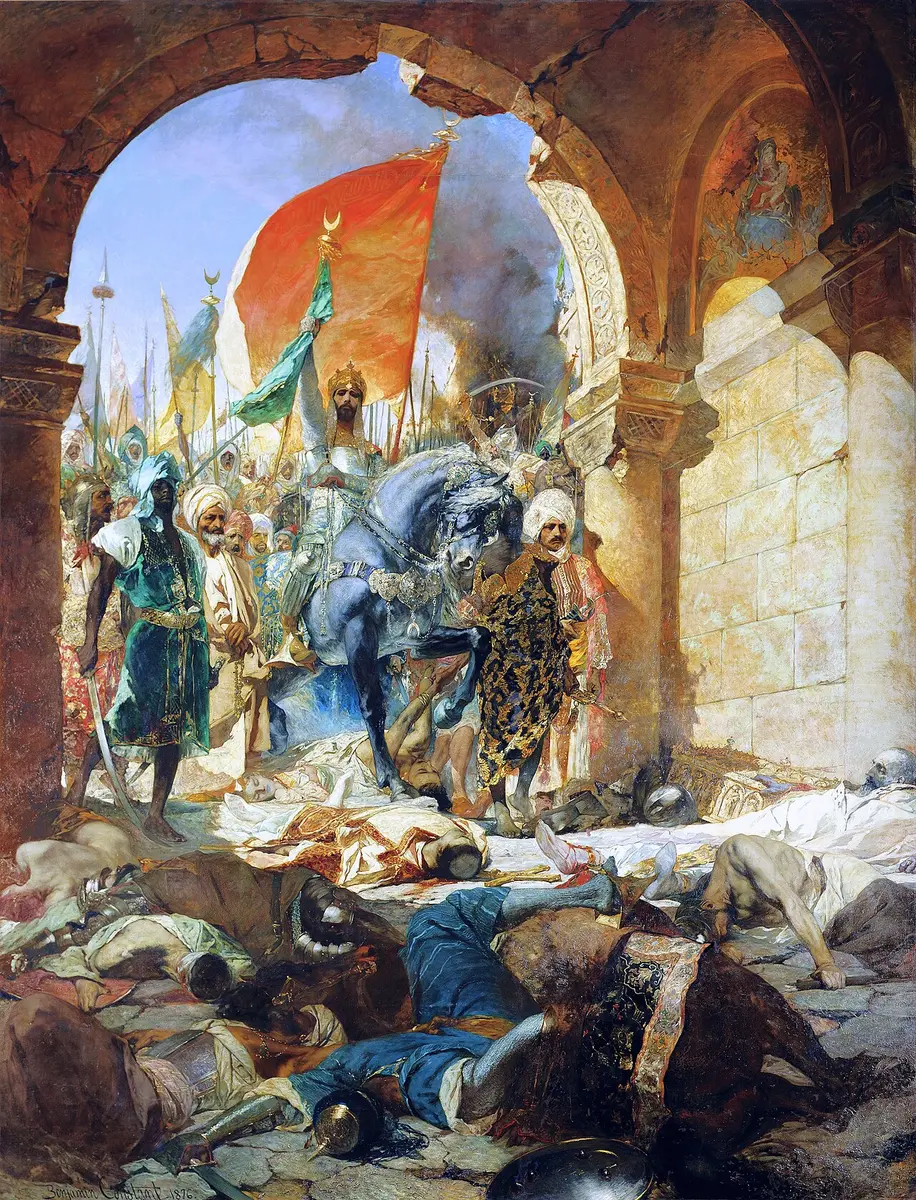
The last assault came before dawn on 29 May, after almost eight weeks of siege. When the Genoese commander Giovanni Giustiniani was badly wounded and carried from the walls, the defense broke. Constantine XI, the last Roman emperor, died in the fighting, and his body was never identified with certainty. That afternoon Mehmed rode to Hagia Sophia and ordered it turned into a mosque.
Blocked by a chain across the harbor, the sultan sent his fleet over dry land.
Mehmed, now called Fatih, the Conqueror, made the city his capital. He brought in settlers from across his lands, restored the Orthodox Patriarchate under Gennadios Scholarios, and began both the covered market that grew into the Grand Bazaar and a new palace on the point, Topkapı. Ottoman documents went on calling the city Kostantiniyye, while in speech it was Istanbul, most likely from the Greek for “to the city”; since 1930 Istanbul has been its only official name.
The walls still stand for much of their length, broken and patched, from Yedikule on the Marmara to the Golden Horn. By the Topkapı gate, where the fighting was fiercest, the Panorama 1453 museum puts you inside a 360-degree painting of the final assault, and Rumeli Hisarı still watches the strait from the European shore.
Art
Byzantine mosaics
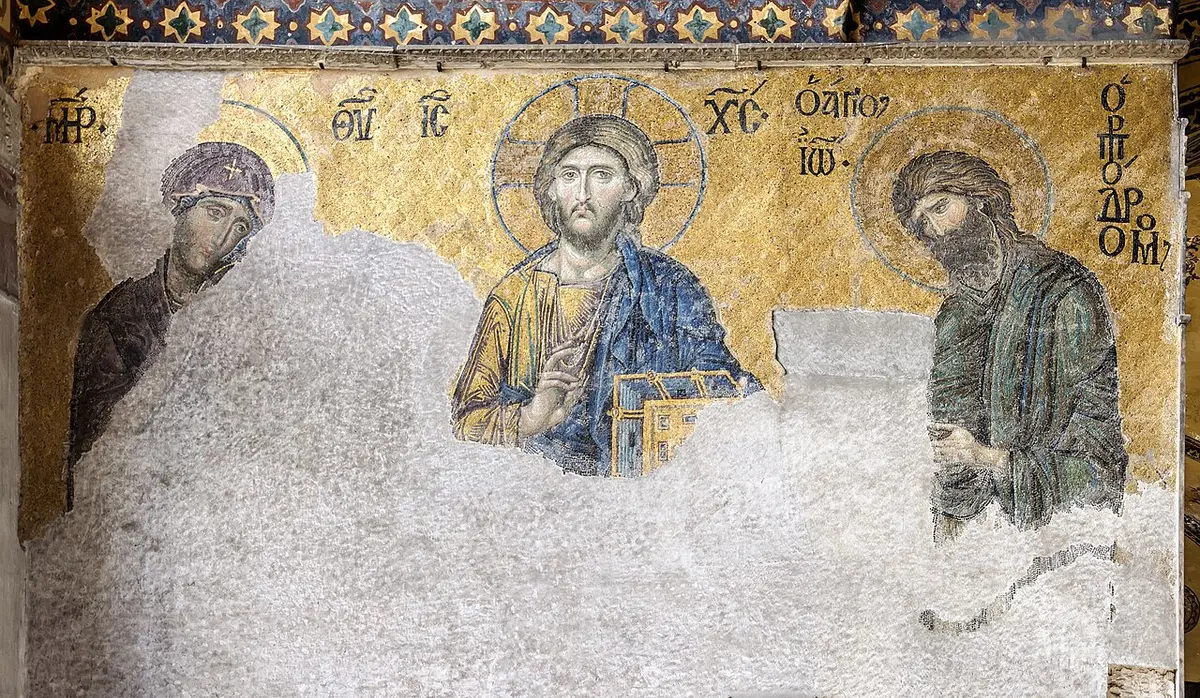
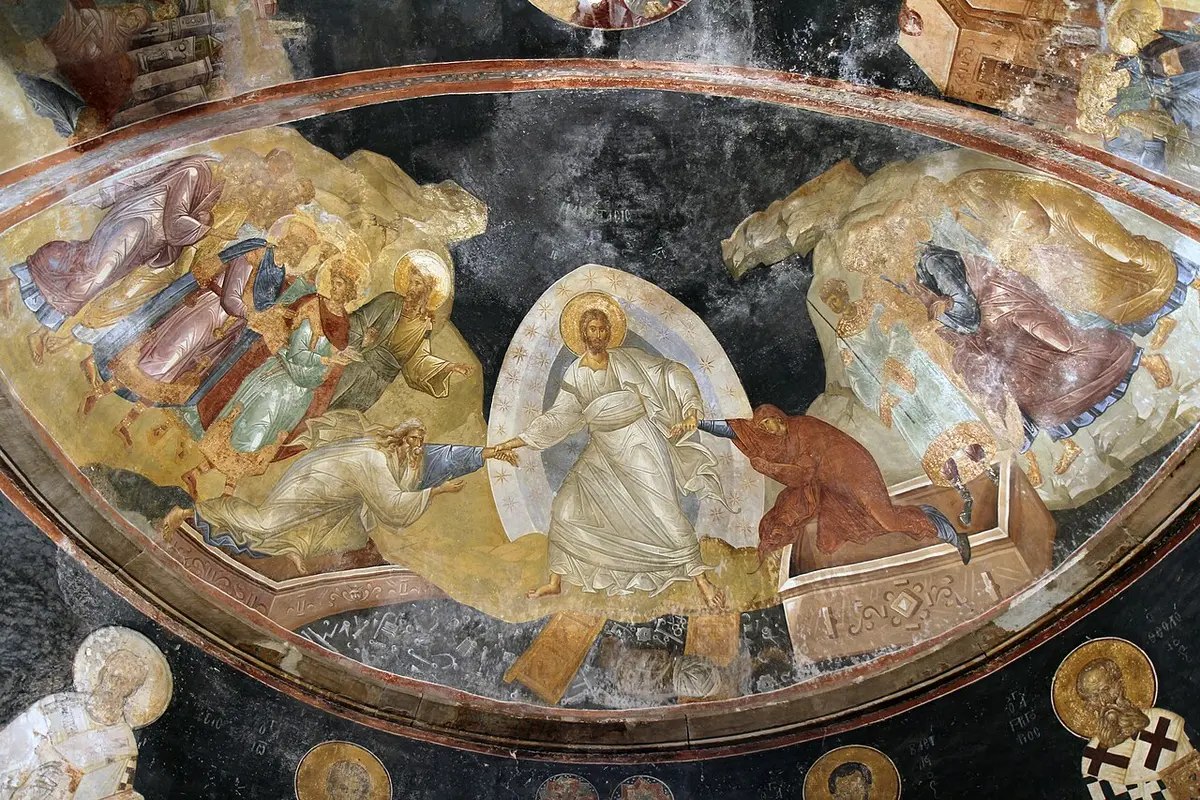
The Deësis in Hagia Sophia’s upper gallery, from the 13th century, and in the Chora, whole cycles of the lives of Christ and the Virgin from the early 1300s, with the Anastasis fresco in the side chapel.
İznik tiles
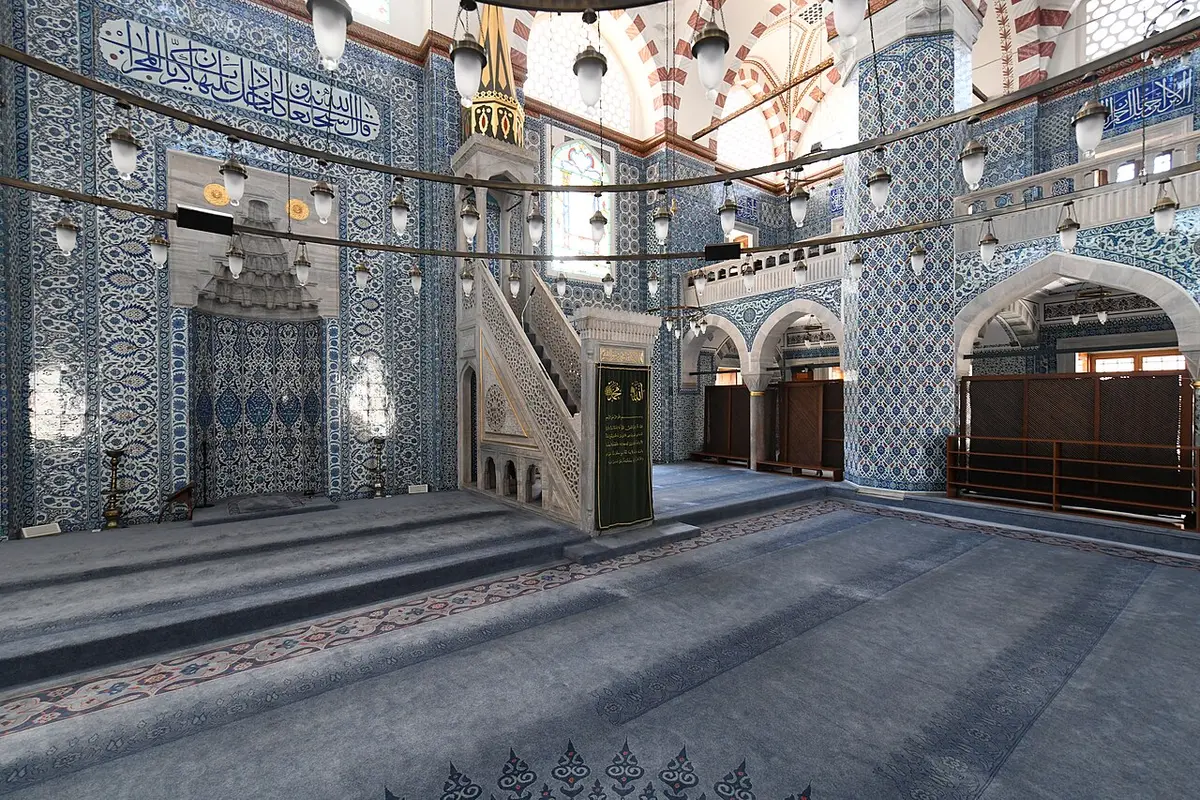
Tiles from the kilns of İznik, at their finest in the later 1500s, cover the walls of the Rüstem Paşa Mosque, the Blue Mosque and the rooms of the Topkapı Harem: tulips, carnations and a raised tomato red.
The Archaeology Museums
Beside Gülhane Park, opened in 1891 under Osman Hamdi Bey, with the Alexander Sarcophagus, carved in the 4th century BC. After years of restoration, the main building and the Museum of the Ancient Orient are open again.
Osman Hamdi Bey
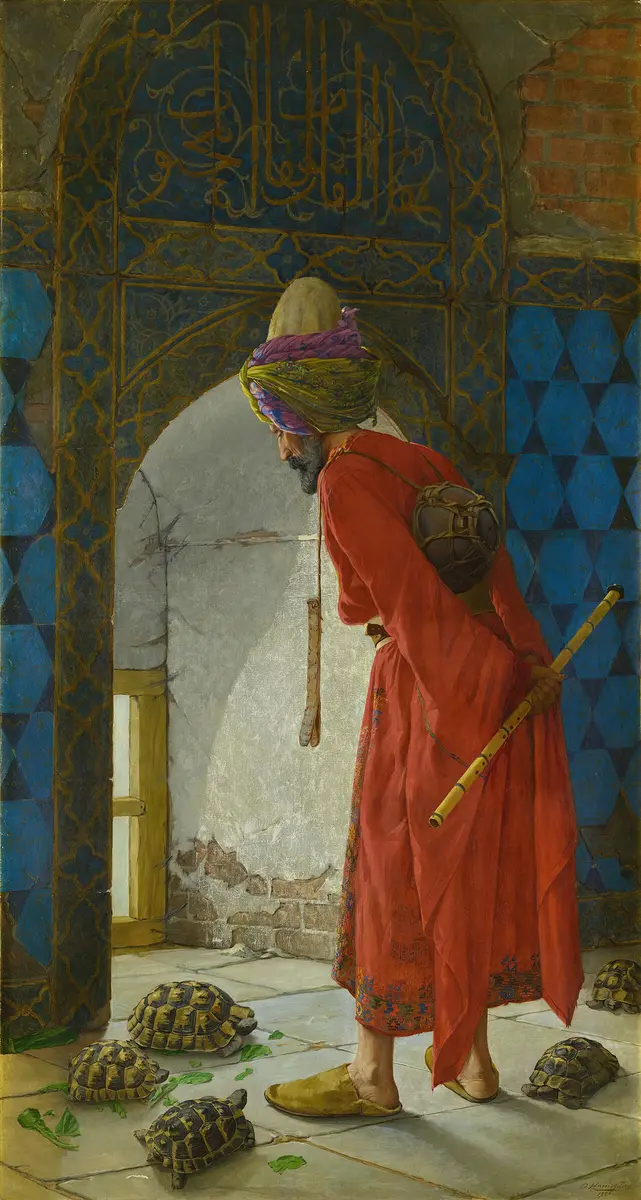
Painter, archaeologist and museum founder, he painted The Tortoise Trainer in 1906: an old man trying to teach tortoises, often read as a joke about slow reform. It hangs in the Pera Museum.
Contemporary Istanbul
Istanbul Modern moved in 2023 into a building by Renzo Piano on the Karaköy waterfront, and the Istanbul Biennial, founded in 1987, brings artists from around the world to venues across the city.
Writers on the Bosphorus
Letters from an ambassador’s wife, a poet’s mock epic, a French officer’s love story and the city’s own Nobel laureate.
Lady Mary Wortley Montagu
1689 to 1762
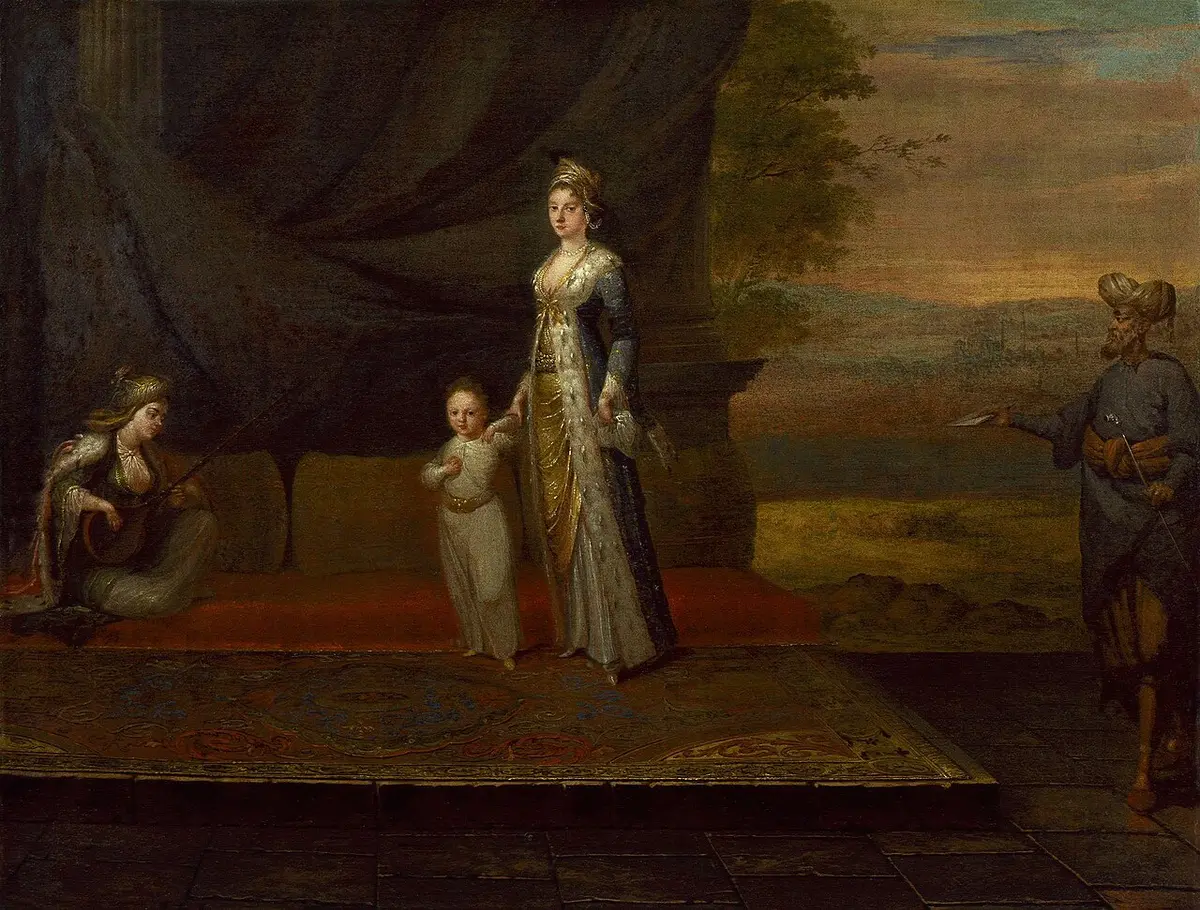
She reached Constantinople in May 1717 with her husband, the British ambassador, and lived in Pera until the next summer. She studied Turkish, wrote about the women’s baths and the homes of Ottoman ladies, and sent it all home in letters published in 1763, the year after her death, as the Turkish Embassy Letters. In March 1718 she had her young son inoculated against smallpox, as she had seen done in Turkey, and later promoted the practice in England.
Lord Byron
1788 to 1824
Byron sailed into Constantinople in May 1810, days after swimming the Hellespont, and stayed about two months. A decade later he sent Don Juan there: in the fifth canto, published in 1821, Juan is sold in the slave market and smuggled into the sultan’s harem dressed as a girl.
Pierre Loti
1850 to 1923
A French naval officer, Loti spent the winter of 1876 to 1877 in the city and turned his love affair with a woman of a harem into Aziyadé (1879), the novel that made his name. He came back often, a lifelong admirer of the Ottoman city. The café on the hill above Eyüp, where he is said to have come to write, now carries his name, and a cable car climbs to it.
Orhan Pamuk
born 1952
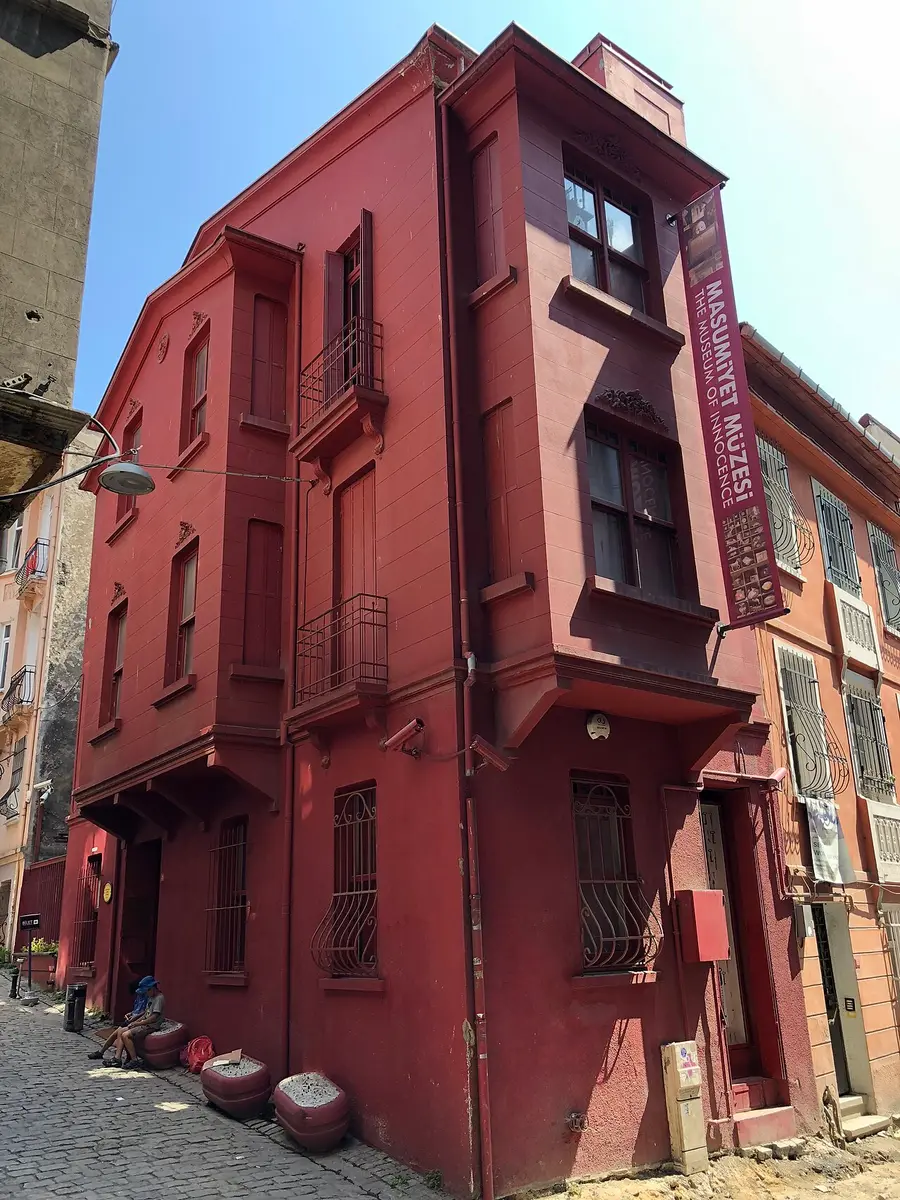
Born in Istanbul, Pamuk has set most of his books there. Istanbul: Memories and the City (2003) is a memoir of growing up among the ruins of an empire, steeped in hüzün, the melancholy he sees as the city’s own. He won the Nobel Prize in Literature in 2006, and in 2012 opened the Museum of Innocence in Çukurcuma, a real museum of the objects in his novel of the same name.
The European with the Asian shore
Sprinkled with palaces; the ocean stream
Here and there studded with a seventy-four;
Sophia’s cupola with golden gleam;
The cypress groves; Olympus high and hoar;
The twelve isles, and the more than I could dream,
Far less describe, present the very view
Which charm’d the charming Mary Montagu.
Lord Byron, Don Juan, Canto V (1821)
Culture
The hammam
The old bathhouses still work. Çemberlitaş, built in 1584, and Kılıç Ali Paşa, built by Sinan and reopened in 2012 after restoration, offer a scrub and a foam wash on warm marble.
Ramadan
During the month of fasting the city eats together at sunset, lights called mahya are strung between the minarets of the great mosques, and drummers walk the streets before dawn.
Istanbul on film
James Bond crossed the Basilica Cistern by rowboat in From Russia with Love (1963) and rode a motorbike over the Grand Bazaar’s roofs in Skyfall (2012). Kedi (2016) follows seven of the city’s street cats.
Football
Three big clubs, Galatasaray, Fenerbahçe and Beşiktaş, split the city, and on derby days the ferries fill with fans in club colors.
The Tulip Festival
Every April millions of tulips flower in the city’s parks, above all in Emirgan Park on the Bosphorus. The tulip reached the rest of Europe from Ottoman gardens in the 16th century.
Music and nights out
The whirling dervishes
The Galata Mevlevi Lodge, founded in 1491 near the top of İstiklal Avenue, is a museum of the Mevlevi order and holds sema ceremonies on set days. Seats are few, so ask ahead.
Fasıl
In the meyhanes of Beyoğlu and Kumkapı, musicians go from table to table with violin, kanun and darbuka, playing old Istanbul songs that the diners sing along to.
Concerts
The Atatürk Cultural Center on Taksim Square, rebuilt and reopened in 2021, stages opera and ballet, and İKSV runs the Istanbul Music Festival in June and the Istanbul Jazz Festival in July.
Jazz
Nardis, a small club a few steps from Galata Tower, has had live jazz six nights a week since 2002.
Nights out
Start with a drink on a rooftop in Karaköy or Beyoğlu, then the lanes off İstiklal Avenue, or cross to Kadıköy, where Kadife Sokak, known as Barlar Sokağı, the street of bars, stays full until late.
Nature and day trips
The Bosphorus shore
A path follows the European shore for miles: walk from Arnavutköy, with its wooden houses, to Bebek and on past Rumeli Hisarı. On the Asian side, Kuzguncuk and Çengelköy make a slower afternoon.
Emirgan Park
A hillside park above the Bosphorus with three restored Ottoman pavilions, at its best in April when the tulips flower.
Gülhane and Yıldız
Gülhane Park, once part of the grounds of Topkapı, is the old city’s green heart; Yıldız Park, above Beşiktaş, was a sultan’s palace garden.
Belgrad Forest
A large forest north of the city, with walking paths around old reservoirs and Ottoman aqueducts.
The views
Galata Tower and the Süleymaniye terrace look over the old city, Çamlıca Hill on the Asian side looks over the Bosphorus, and Pierre Loti Hill looks up the Golden Horn.
Islands and beaches
The Princes’ Islands are a ferry ride away in the Sea of Marmara, and the Black Sea beaches at Kilyos and Şile make a summer day out.
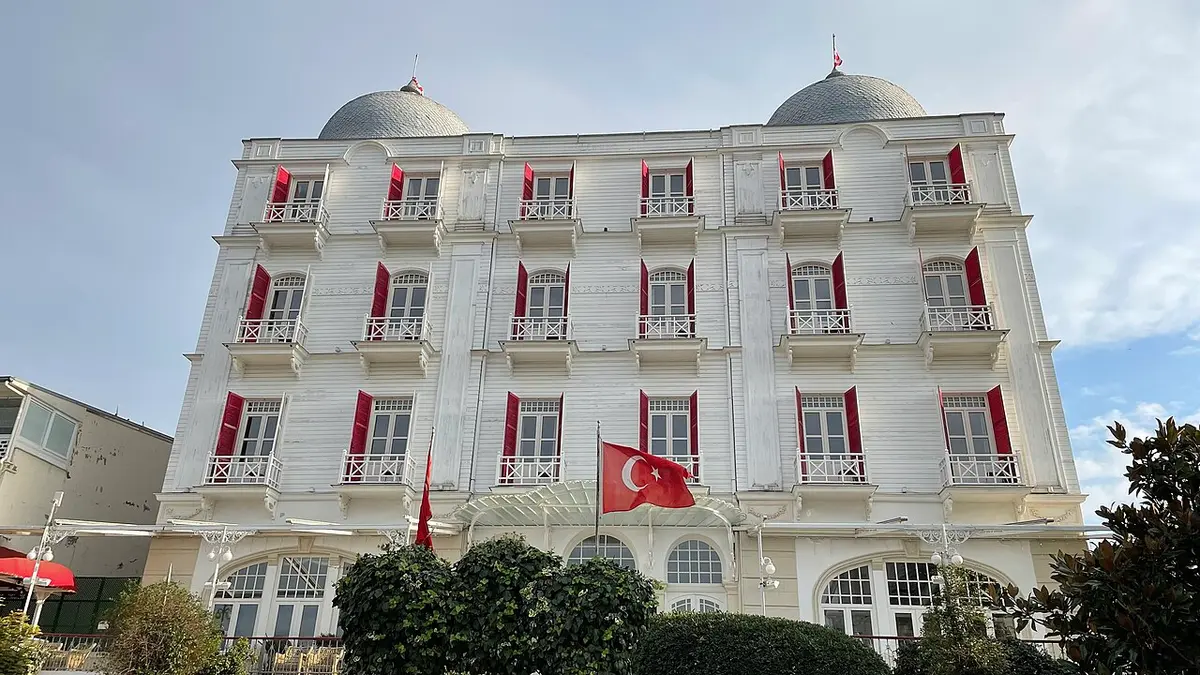
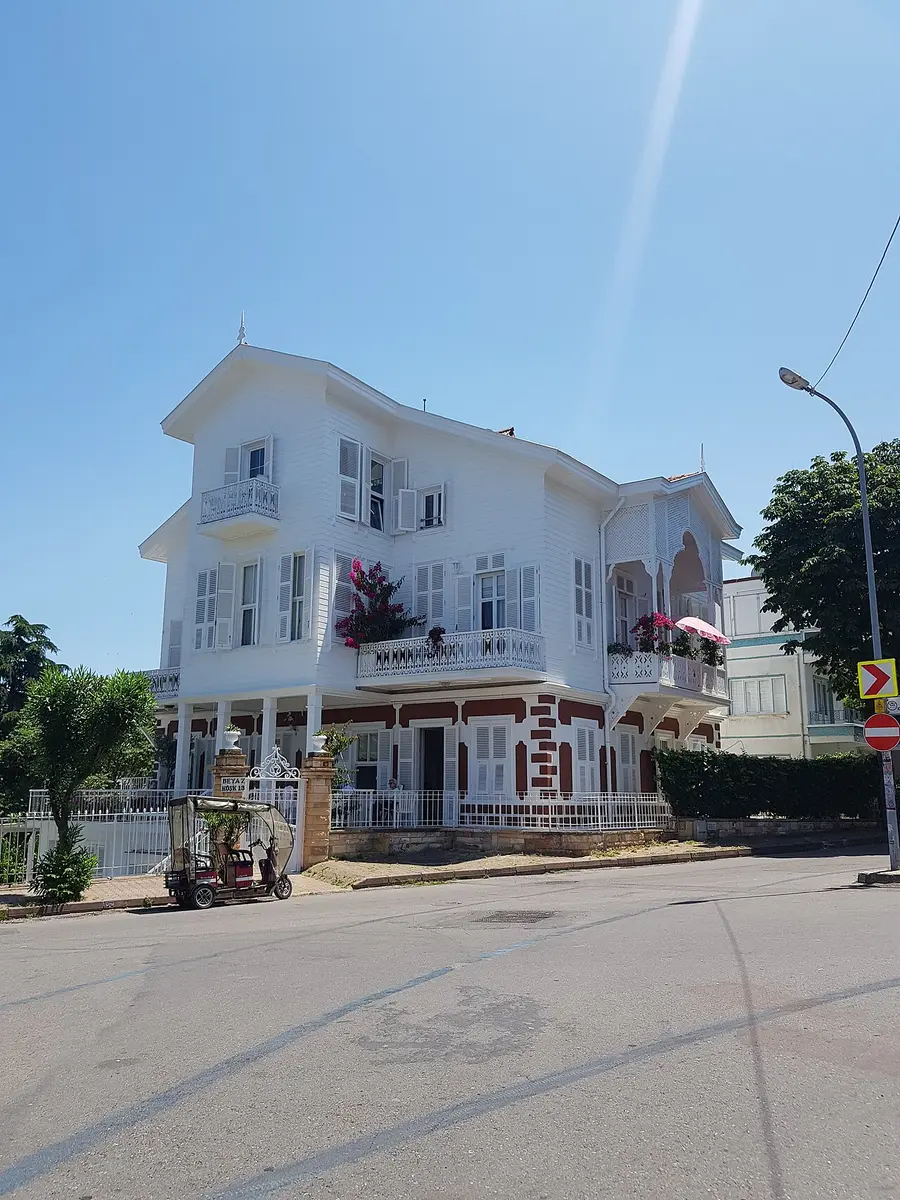
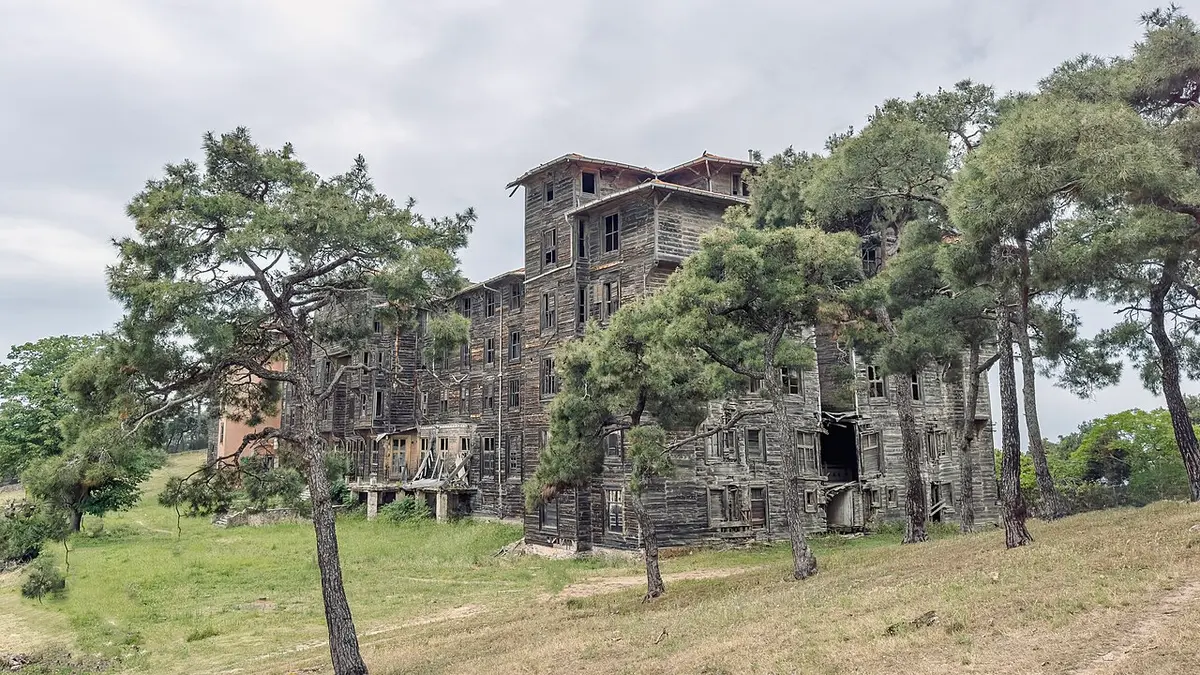
A day on Büyükada
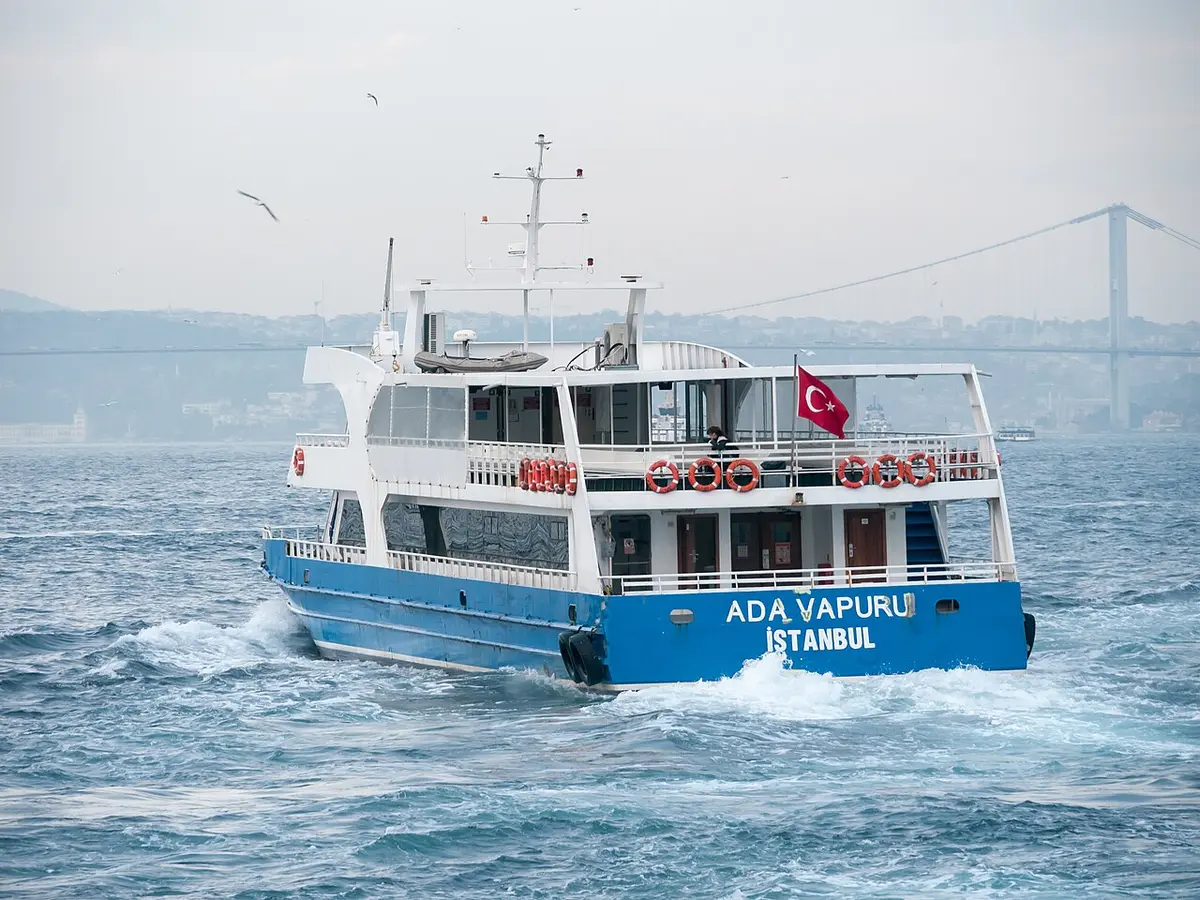
The largest of the Princes’ Islands is about an hour and a half from Kabataş or Eminönü by ferry. No private cars run here: walk, rent a bike or take one of the island’s electric vehicles, and climb to the monastery of St. George on the highest hill for the view.
People and customs
Visiting mosques
Take your shoes off at the door, cover shoulders and knees, and women cover their hair; scarves are often lent or sold at the entrance. Mosques close to visitors at prayer times, for longest at Friday midday.
Tea
Shopkeepers, carpet sellers and new friends will offer tea. Accepting a glass does not oblige you to buy.
Bargaining
Expected in the bazaars, where the first price is an opening move. Shops with price tags and restaurants are fixed.
Friendly strangers
Istanbul is generally safe, but around Taksim and Sultanahmet be wary of a stranger who suggests a bar: the bill can be huge. A shoeshine man who drops his brush in front of you is usually starting a sales pitch.
Cats
Street cats are everywhere and belong to everyone: neighbors feed them, shopkeepers let them nap on the goods, and nobody moves a cat asleep in a doorway.
A few words
Merhaba (hello), lütfen (please), teşekkürler (thank you) and afiyet olsun (enjoy your meal) go a long way.
Questions
How many days do you need in Istanbul?
Three days covers Hagia Sophia, the Blue Mosque, Topkapı, the Basilica Cistern, the bazaars and Galata. Four days adds a Bosphorus ferry and Kadıköy on the Asian side, and five leaves time for Fener, Balat and the Chora, or a day on the Princes’ Islands.
Where should I stay in Istanbul on a first visit?
Sultanahmet puts the great monuments at your door, while Galata, Karaköy and Beyoğlu are better for food, nightlife and views. Sirkeci is the best-connected budget base, and Kadıköy, on the Asian side, has the most local feel.
When is the best time to visit Istanbul?
April to May and September to November, when the days are mild; April brings the tulips. July and August are hot, humid and crowded, and winter is cool, wet and cheaper.
How do I get from Istanbul Airport to the city center?
Take the M11 metro to Gayrettepe and change to the M2 for Taksim, or ride a Havaist bus to Taksim or Sultanahmet; allow an hour or more. From Sabiha Gökçen, the M4 metro reaches Kadıköy in about 50 minutes.
Can tourists visit Hagia Sophia?
Yes. Since January 2024, visitors who are not there to pray enter by a separate door, pay a fee and see the building from the upper galleries, where the mosaics are. The ground floor is kept for prayer.
Is Istanbul good for a bachelorette or a group trip?
Yes: long meze dinners with live music, rooftop bars, a private boat on the Bosphorus, a hammam and the bars of Beyoğlu and Kadıköy. Ferries make moving a group around cheap and easy.
Plan Istanbul with your group
Everyone swipes on the sights they want. SwipeSights builds the days around the picks, in walking order.