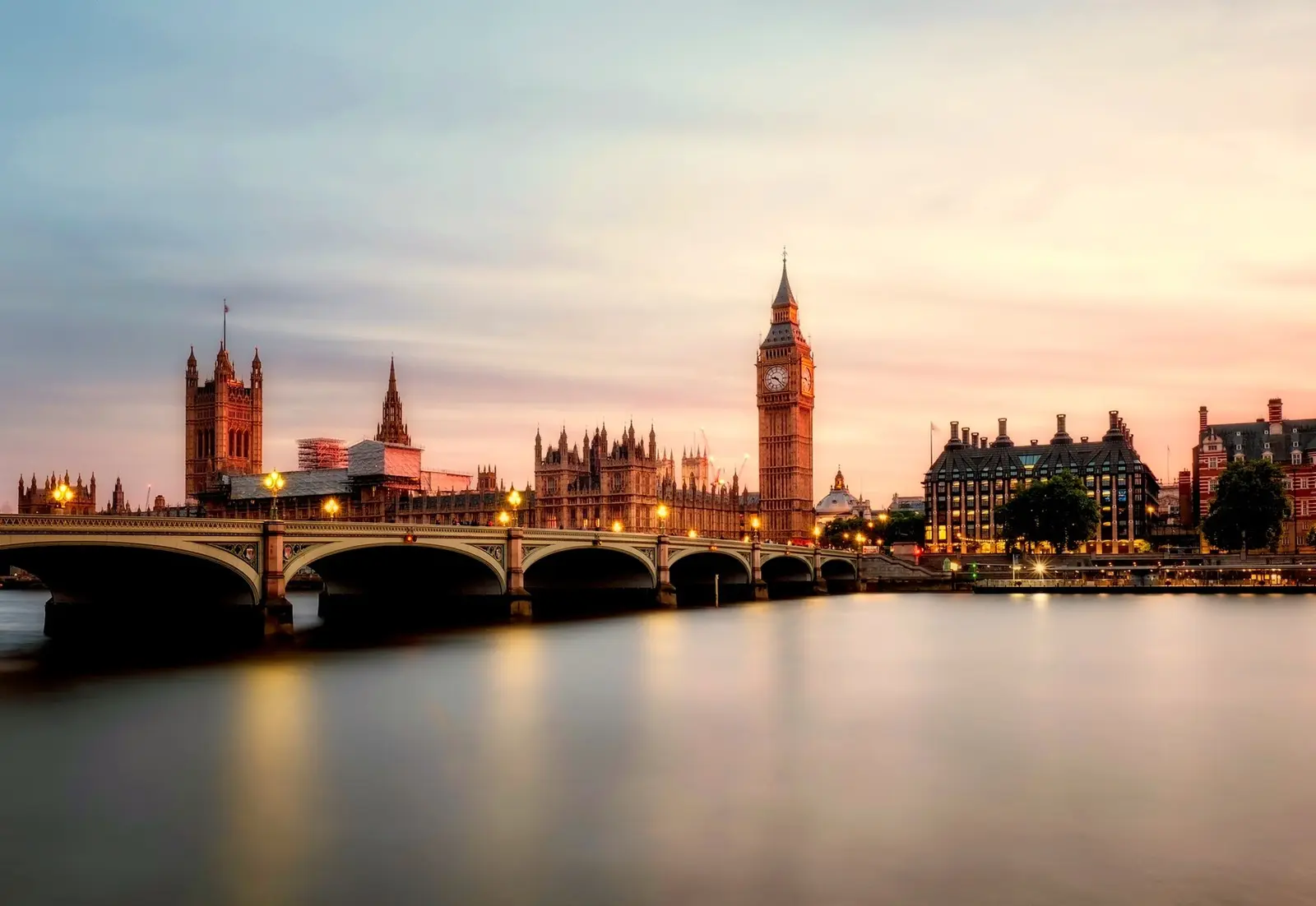
 Photo:
London is two thousand years of history on the Thames: royal Westminster, the old City with its Roman wall and Wren’s spires, the theaters and bars of the West End, and a string of neighborhoods that each feel like a town of their own. Its great museums are free, the river ties the sights together, and the Tube and the buses reach almost everywhere else.
This guide covers when to go, where to stay, what to see, a four-day route built from real opening hours and walking times, a walk along Bankside, a day in Greenwich, what to eat, and the history and customs that make the city make sense.
What London is good for
Friends' trips
Lunch from the stalls at Borough Market, a free museum in the afternoon, the South Bank as the lights come on and a pub by the river after. Add a West End show and a Sunday roast, and there is something everyone agrees on.
Bachelorette and bachelor weekends
London does big nights: a West End musical, cocktails in Soho or Shoreditch, then clubs that run until morning at weekends. Afternoon tea, a gin tasting or a party boat on the Thames are easy group bookings.
Weddings and honeymoons
Couples from abroad can marry in a civil ceremony in England, but it takes time: you must spend seven days in one district, give notice at its register office, then wait at least 29 days. Paul McCartney married at Old Marylebone Town Hall in 1969 and again in 2011. For a honeymoon, pair the city with a few days in Bath or the Cotswolds.
Couples
Sunset from Primrose Hill or Waterloo Bridge, a candlelit concert at St. Martin-in-the-Fields, and a Sunday walk across Hampstead Heath to a pub with a fire.
Families
The dinosaurs and the blue whale at the Natural History Museum, the hands-on galleries of the Science Museum, the Tower’s ravens and armor, and a ride on the London Eye. Most big museums are free, and children under 11 travel free on buses and, with an adult, on the Tube.
Solo travel
Easy to get around and full of things to do alone: free museums, markets and food halls where eating by yourself is normal, and walking tours, talks and pub quizzes for company.
Food lovers
Borough Market, salt beef bagels and curry on Brick Lane, dim sum in Chinatown, a Sunday roast in a pub, and cooking from almost every corner of the world.
History and art
Roman walls, the Tower, Westminster Abbey and Wren’s St. Paul’s, with the British Museum and the National Gallery free to walk into.
Plan your trip
When to go
Late spring and summer (May to September) bring long light evenings, parks at their best and a full calendar, from the Chelsea Flower Show to the Proms and Notting Hill Carnival, along with the biggest crowds and highest prices. Autumn is quieter. Winter is cold, damp and dark by 4pm, with Christmas lights from November. Rain can come in any month, so pack a layer.
How long to stay
Four days covers the Tower and the City, Westminster, the South Bank, the British Museum and a free gallery or two without rushing. Five adds Greenwich, Kew or Hampstead. With a week, take day trips to Windsor, Oxford or Cambridge, each an hour or less by train.
Getting there
Heathrow (LHR), west of the city, is the main airport: the Elizabeth line runs into central London in about 30 to 40 minutes, the Heathrow Express reaches Paddington in 15, and the Piccadilly line is the slow, cheap option. Gatwick (LGW) has trains to Victoria and London Bridge in about half an hour, and Stansted, Luton and London City handle many European flights. Eurostar trains from Paris and Brussels arrive at St. Pancras. Most visitors who do not need a visa, Americans and EU citizens among them, must get an Electronic Travel Authorisation (ETA) online before they travel.
Getting around
The Tube, the Elizabeth line, the Overground and the buses cover the city. Tap in and out with the same contactless bank card or phone, or an Oyster card: fares are capped each day and week, and buses take no cash. In the center, walking is often quicker than the Tube, and river boats link Westminster, the South Bank, the Tower and Greenwich.
Tickets
The big national museums are free, among them the British Museum, the National Gallery, the two Tates, the V&A and the Natural History and Science Museums; special exhibitions cost extra. Book the Tower of London, Westminster Abbey and St. Paul’s online, where tickets are often cheaper, and take a morning slot. For theater, the TKTS booth in Leicester Square sells same-day tickets at a discount.
Money and tipping
The currency is the pound sterling. Cards and phones work almost everywhere, some places take no cash, and buses never do. Restaurants often add a discretionary service charge of 12.5%: check the bill before you tip again. In pubs you order and pay at the bar, and nobody expects a tip.
Weather, month by month
Spring
March to May
Cool in March and mild by May, from about 11°C to 18°C by day, with blossom in the parks and showers that pass quickly.
Summer
June to August
Warm rather than hot, usually in the low to mid 20s°C, with light until after 9pm in June and hot spells above 30°C in some years.
Autumn
September to November
September is often mild and settled. October and November turn cooler and wetter, and the clocks go back at the end of October.
Winter
December to February
Cold and damp, around 8 to 9°C by day, with frosty nights and snow only rarely. Dark before 4pm in December, brightened by Christmas lights and ice rinks.
Top sights
 01
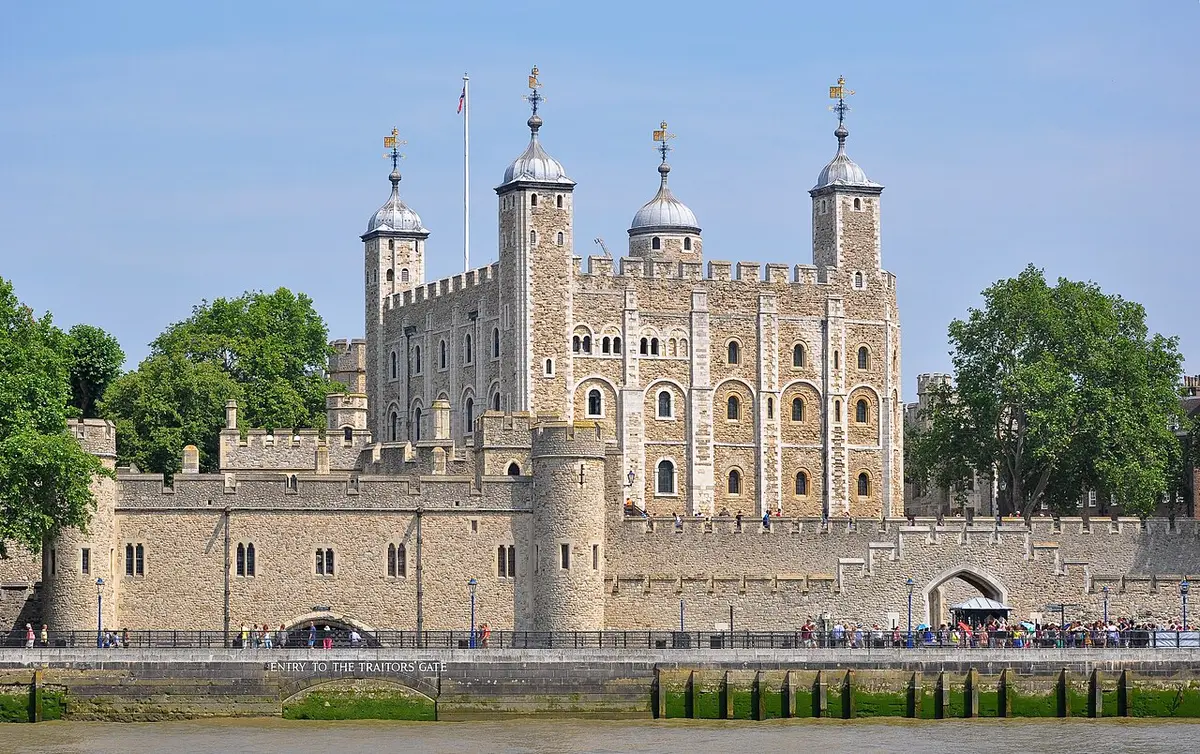
The Tower of London
William the Conqueror began the White Tower in the 1070s to hold the city he had just taken. Since then the Tower has been a royal palace, an armory, a prison and a place of execution, and it guards the Crown Jewels. Yeoman Warders, the Beefeaters, lead tours, and at least six ravens are kept here, for the old story that the kingdom will fall if they leave.
Book online and arrive at opening time; see the Crown Jewels first, before the line builds.
Photo: Bob Collowan, CC BY-SA 3.0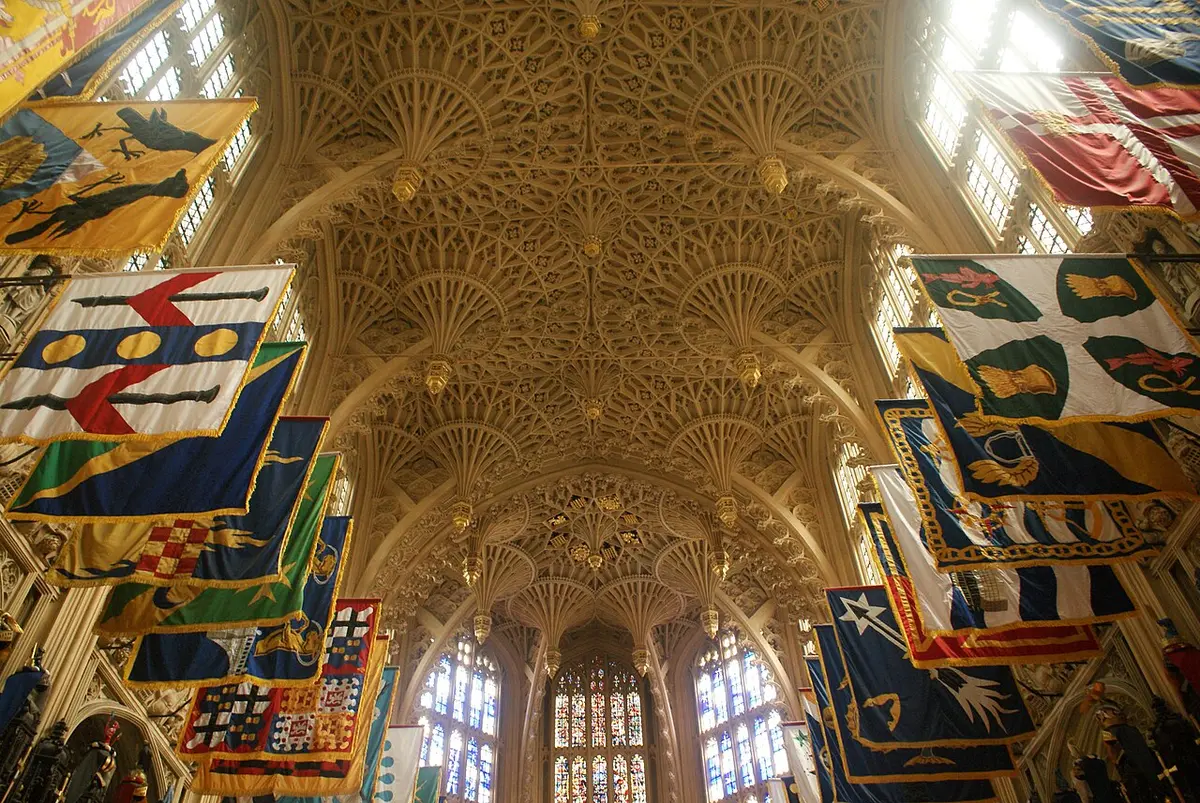 02
Westminster Abbey
Every coronation since 1066 has taken place here, most recently King Charles III’s in 2023. Monarchs lie in its chapels, writers from Chaucer to Dickens in Poets’ Corner, and the Lady Chapel that Henry VII began in 1503 has a fan-vaulted stone ceiling hung with knights’ banners.
Closed to sightseeing on Sundays. Choral Evensong is free and open to everyone.
Photo: Robert Lamb, CC BY-SA 2.0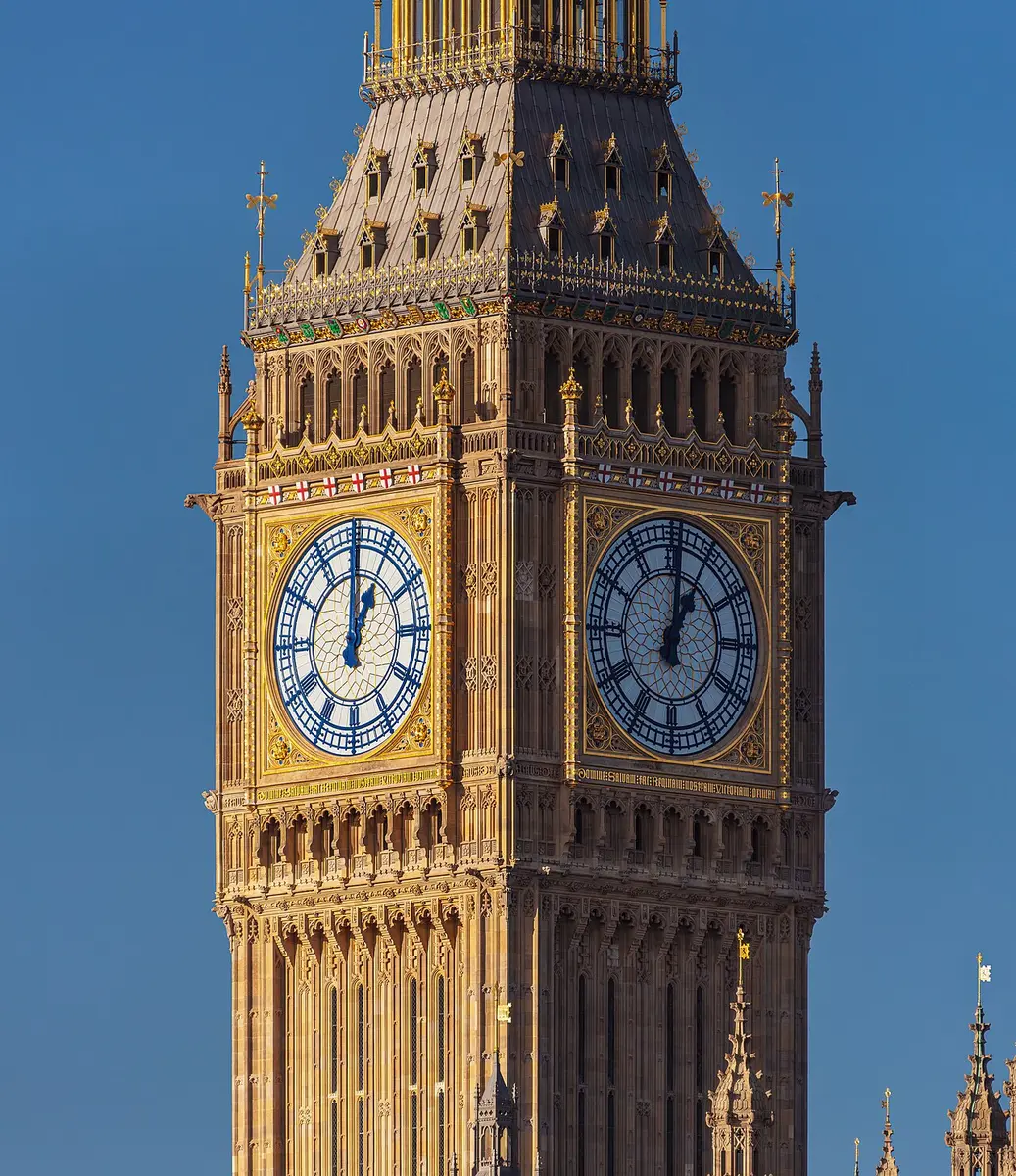 03
The Houses of Parliament and Big Ben
The Palace of Westminster was rebuilt in Gothic style after a fire in 1834, around Westminster Hall, which dates from 1097 and survived. Big Ben is the great bell inside the clock tower, renamed the Elizabeth Tower in 2012, and a restoration finished in 2022 returned the dials to their original Prussian blue.
Tours of Parliament run on Saturdays and some weekdays, and watching a debate from the public gallery is free. Tours up the Elizabeth Tower, 334 steps, are now open to overseas visitors aged 11 and up; tickets are released each month and go quickly.
Photo: Julian Herzog, CC BY 4.0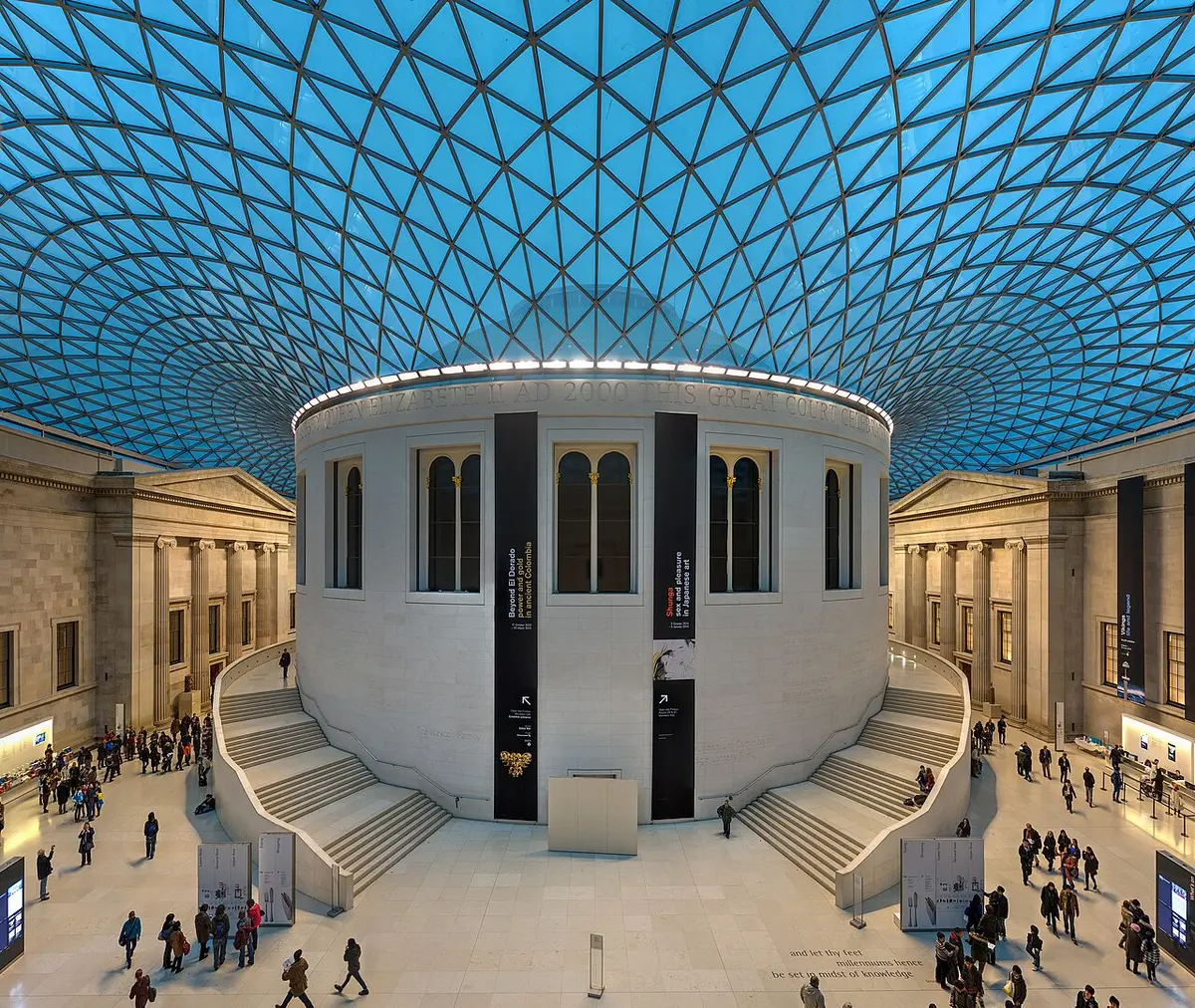 04
The British Museum
Founded in 1753 and free to enter: the Rosetta Stone, the Parthenon sculptures, the Sutton Hoo helmet and the Lewis Chessmen, around the glass-roofed Great Court.
Book a free timed ticket to skip the line, or come on a Friday, when it stays open until 8:30pm. The Bayeux Tapestry is on show until July 2027, in a special exhibition with its own ticket.
Photo: Diliff, CC BY-SA 3.0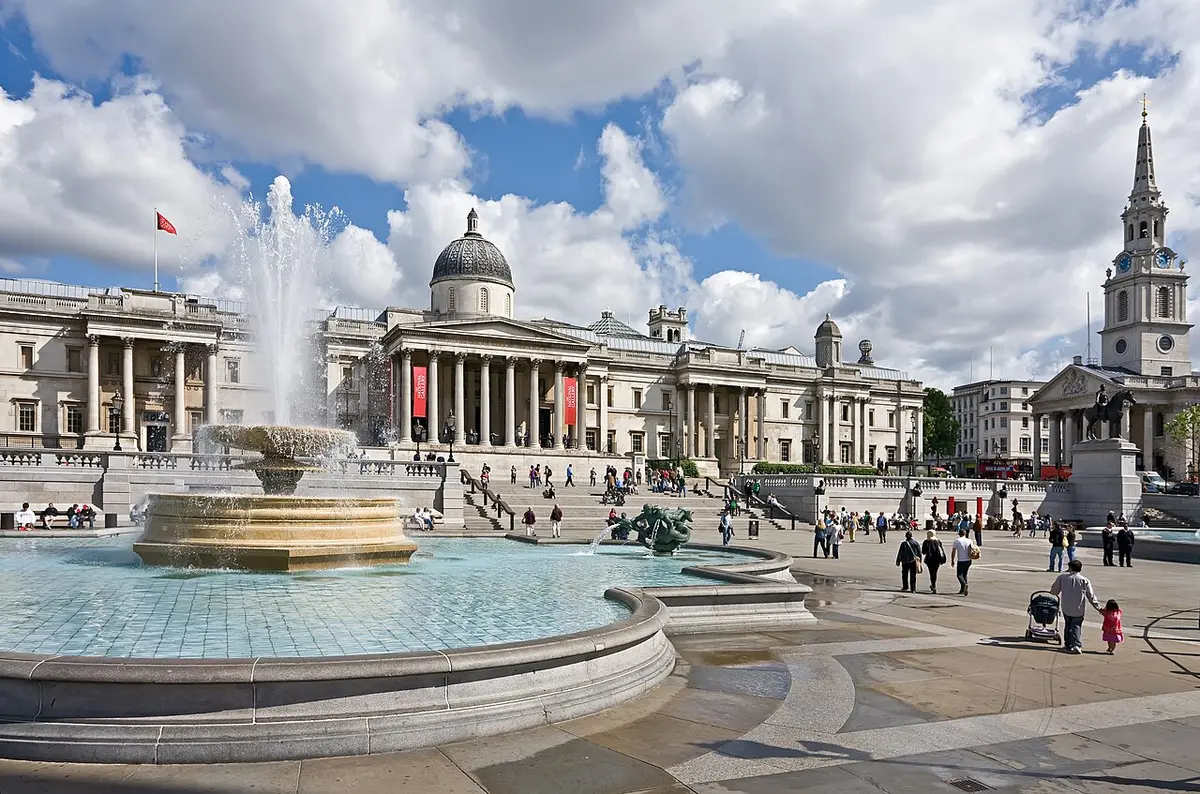 05
The National Gallery
One of the world’s great collections of European painting, from Van Eyck and Leonardo to Turner, Monet and Van Gogh, free to enter on Trafalgar Square. The whole collection was rehung in 2025, when the renovated Sainsbury Wing reopened as the main entrance.
Open until 9pm on Fridays.
Photo: Diliff, CC BY-SA 3.0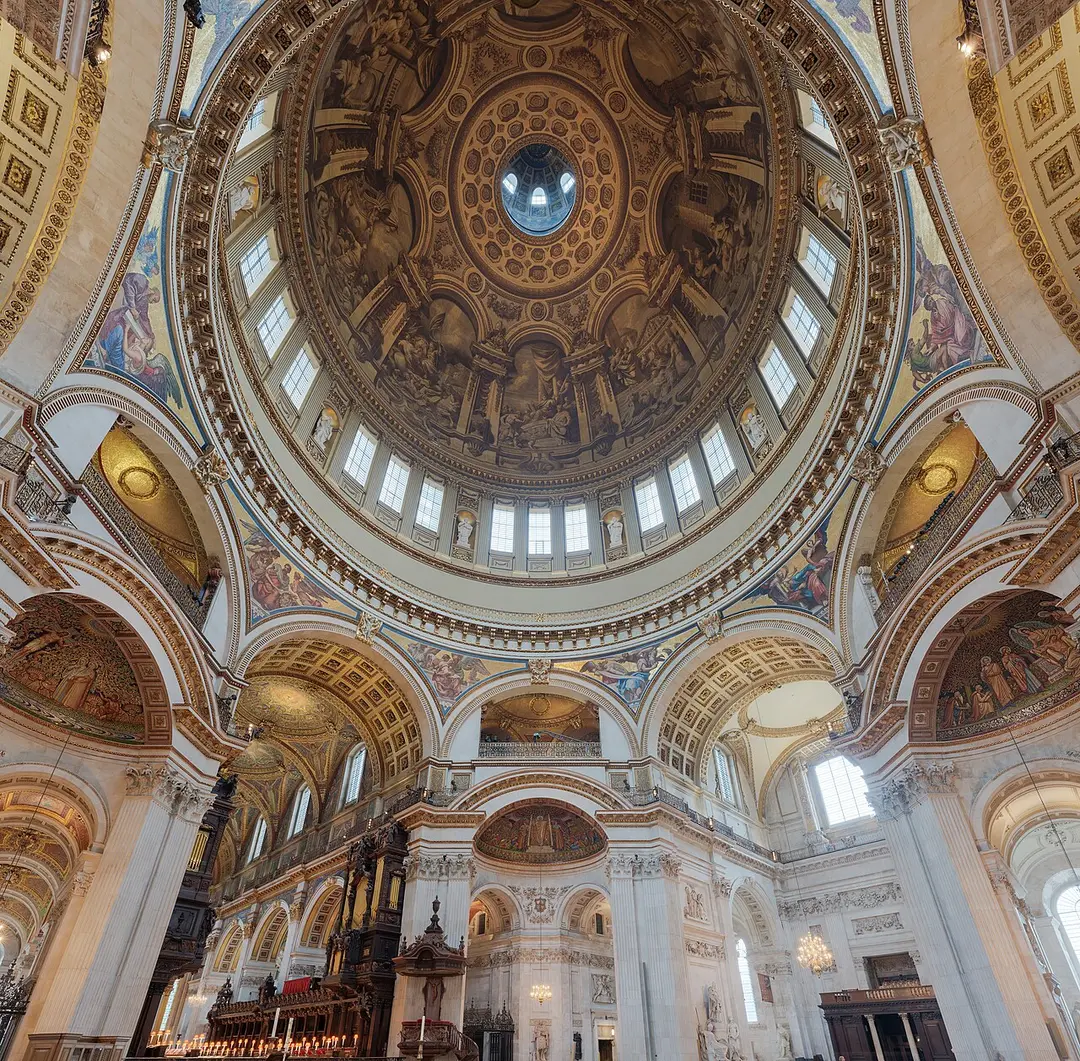 06
St. Paul’s Cathedral
Christopher Wren’s cathedral, built from 1675 to 1710 after the Great Fire destroyed the old one. Climb 257 steps to the Whispering Gallery, where a whisper carries around the dome, and on to the Golden Gallery, 528 steps up, for a view over the City.
Open for sightseeing Monday to Saturday; on Sundays it is open for services only. Evensong is free.
Photo: Diliff, CC BY-SA 3.0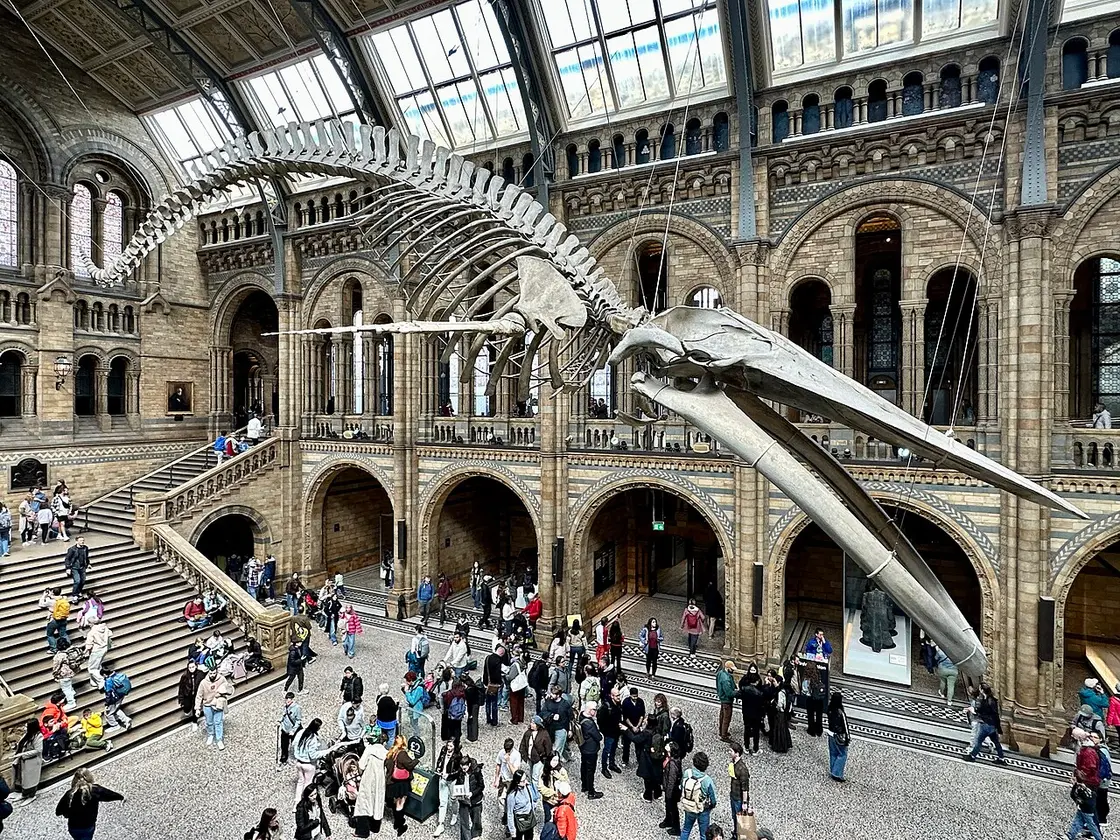 07
The museums of South Kensington
Three free museums side by side on Exhibition Road, built on the profits of the Great Exhibition of 1851: the Natural History Museum, with a blue whale skeleton in its great hall, the Science Museum, and the V&A, the national museum of art and design.
Come early at weekends and in school holidays. The V&A’s café fills its tiled refreshment rooms of the 1860s.
Photo: APK, CC BY 4.0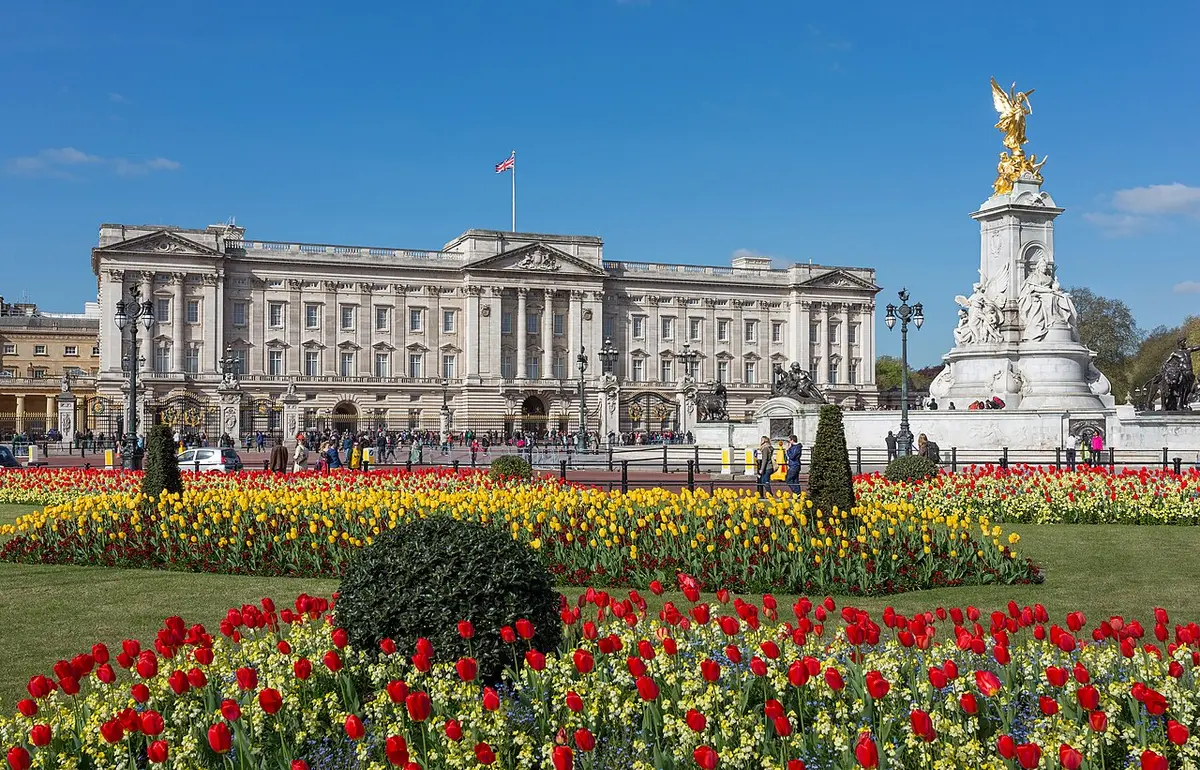 08
Buckingham Palace and St. James’s Park
The monarch’s official London home since Queen Victoria moved in, in 1837, at the end of the Mall. At 11am on Mondays, Wednesdays, Fridays and Sundays, and more often in summer, the Changing the Guard brings bands and bearskins to the forecourt. Next door, St. James’s Park has pelicans on its lake.
The State Rooms open to visitors in summer, usually from July to September; book ahead.
Photo: Diliff, CC BY-SA 3.0
Three hidden gems
London in 4 days, routed
27 of London’s best-loved sights, routed into 4 days by the same engine that plans every SwipeSights trip: nearby stops share a day, walks stay short, and each stop is timed around its opening hours.
Friday
8 stops · 5.5 km between them · starts 10:00- 10:00
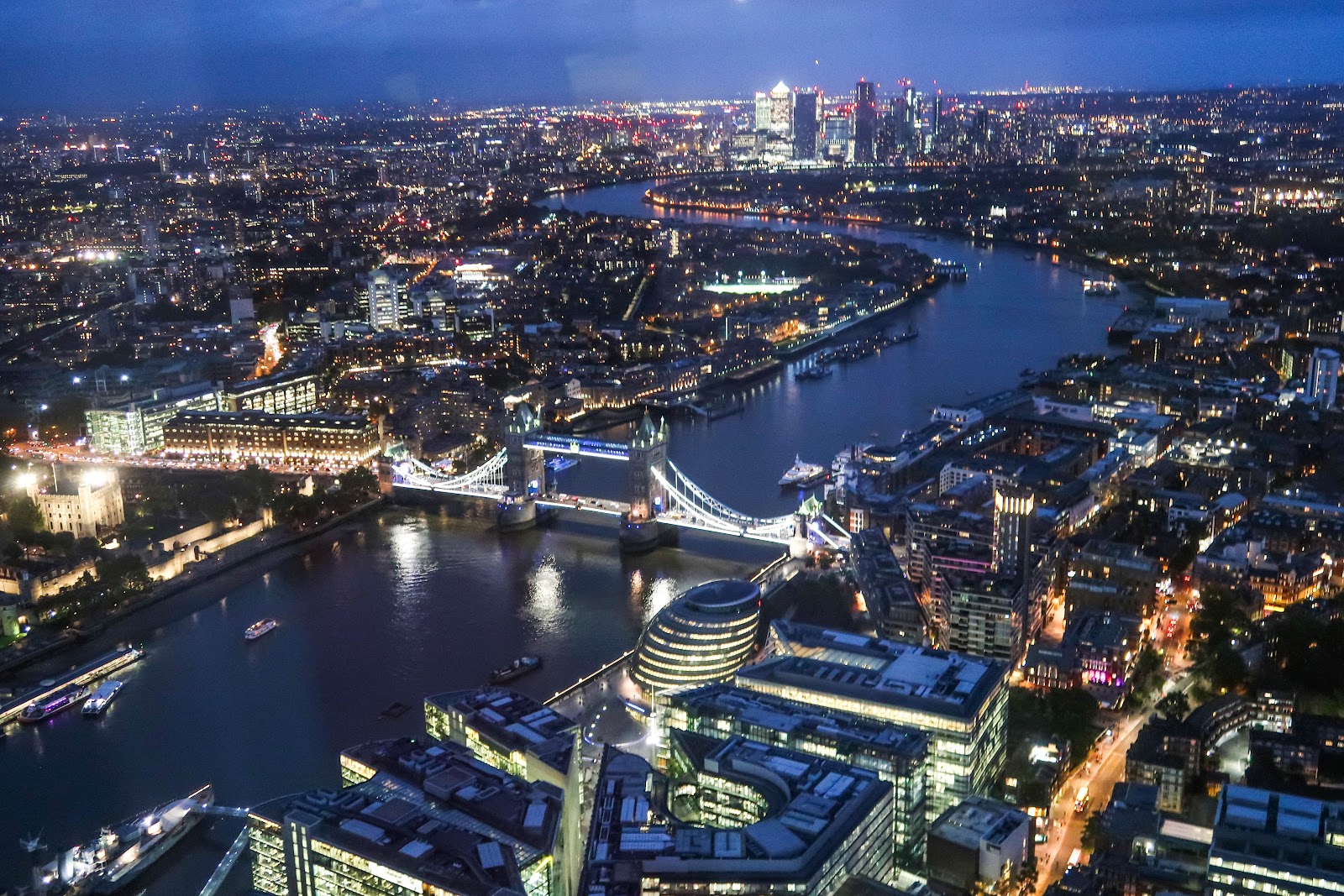 1The View from The Shard~45 min
- ~8 min walk (424m)
- 10:53
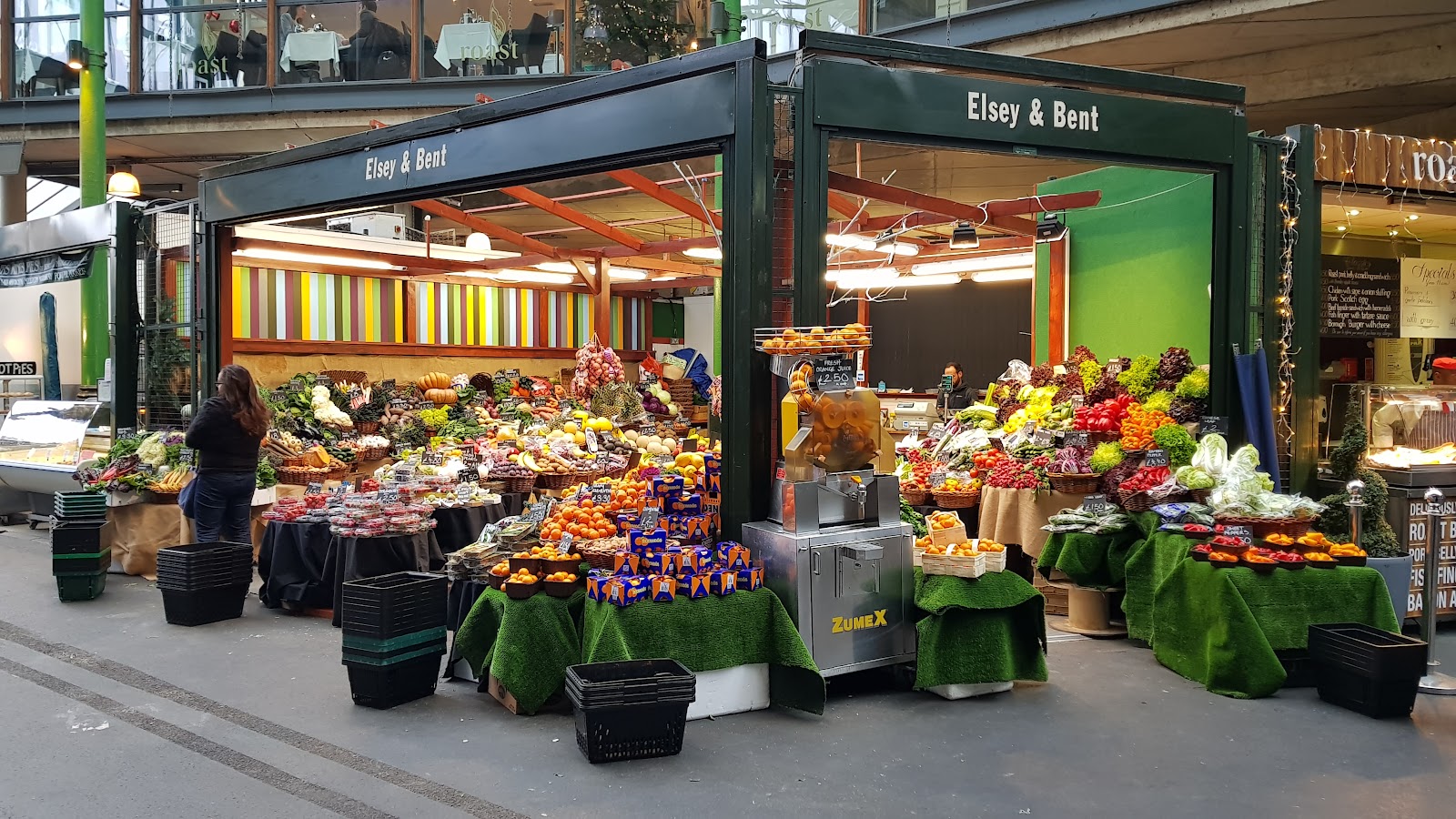 2Borough Market~45 min
- ~21 min walk (1.5km)
- 11:59
 3Tower Bridge~1 hour
- ~6 min walk (294m)
- 13:05Lunch Break1 hour
- 14:05
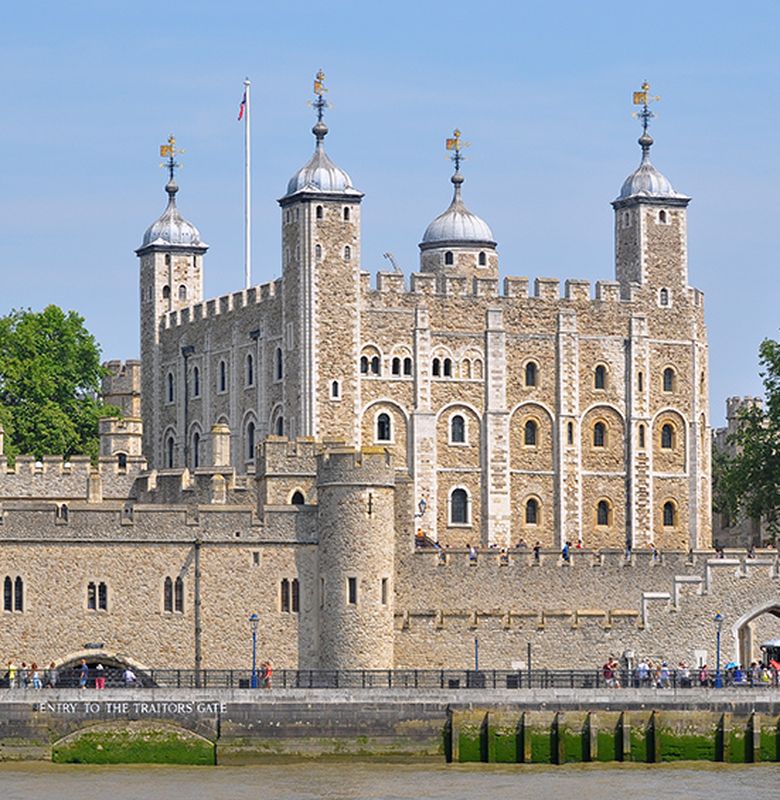 4Tower of London2.5-3.5 hours
- ~20 min walk (1.4km)
- 17:25
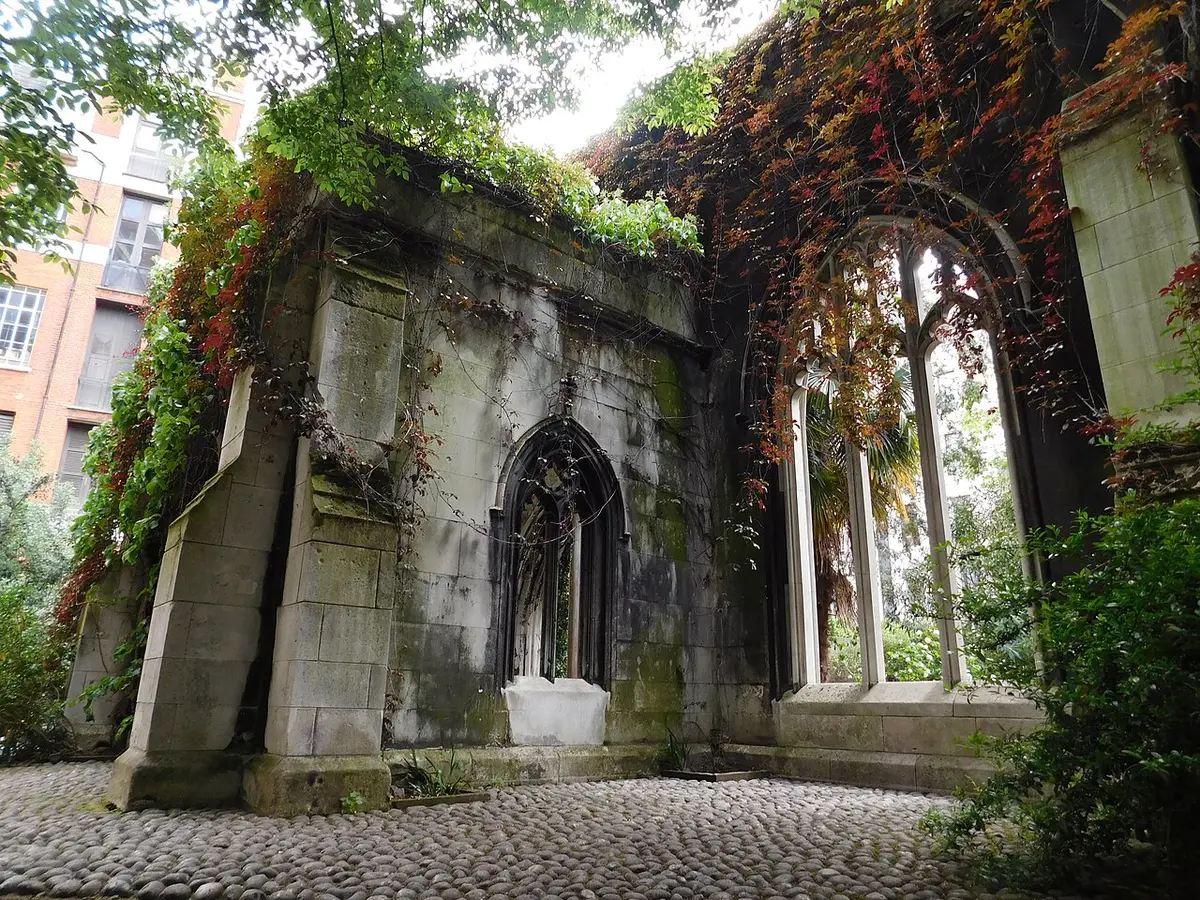
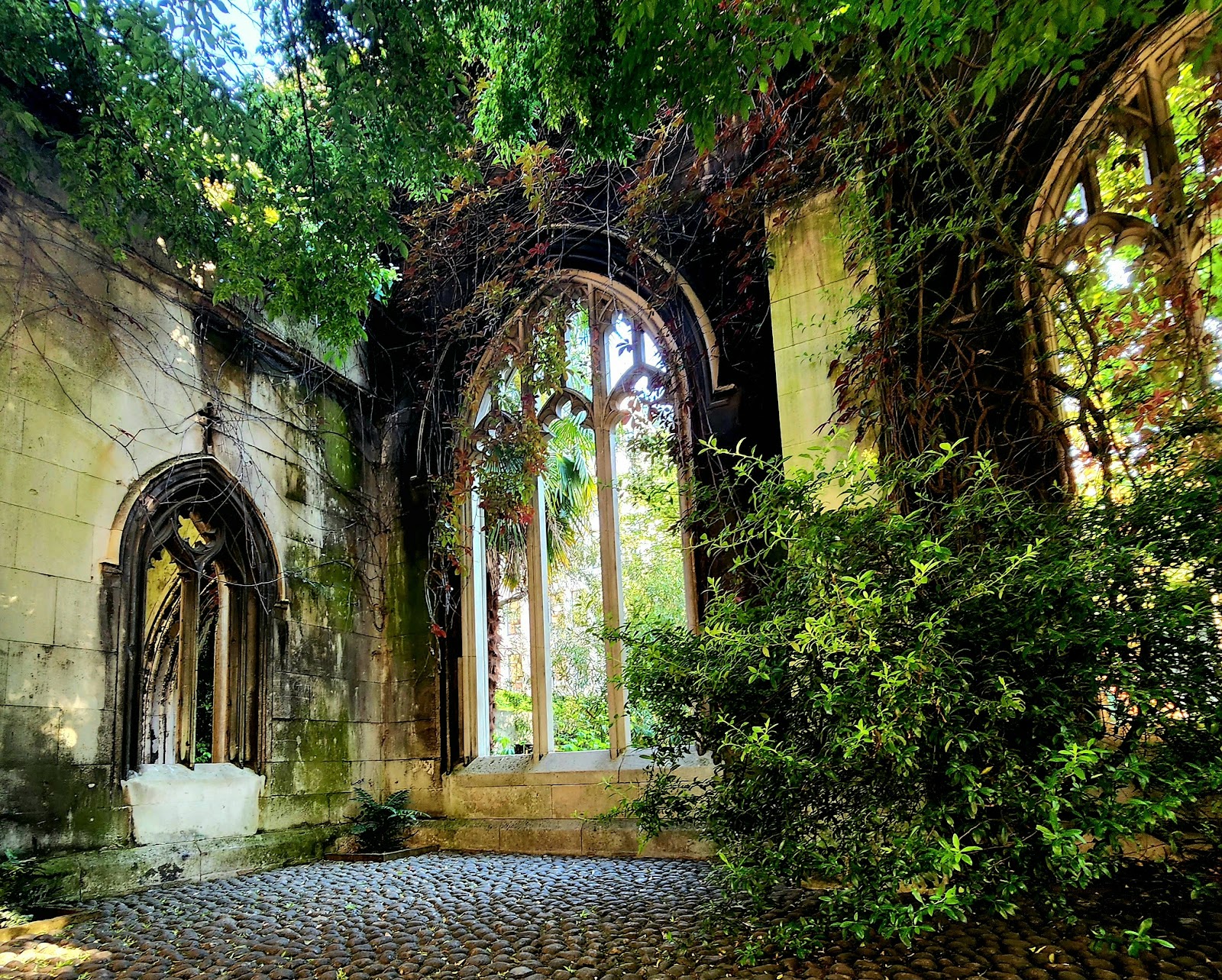 5St Dunstan in the East Church Garden~1.5 hours
- ~10 min walk (585m)
- 19:05Dinner Break1 hour
- 20:05
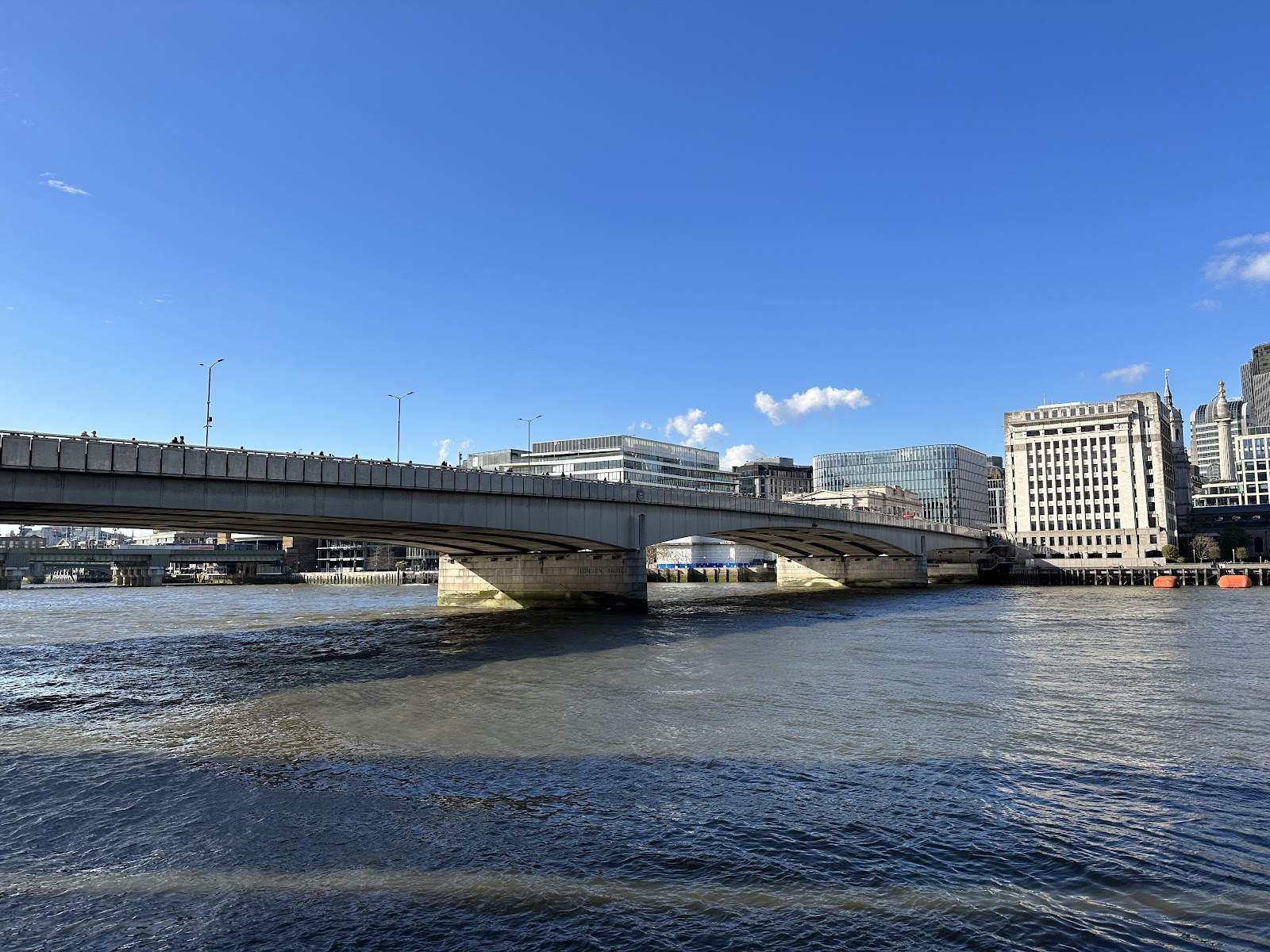 6London Bridge~10 min
- ~16 min walk (1.1km)
- 20:31
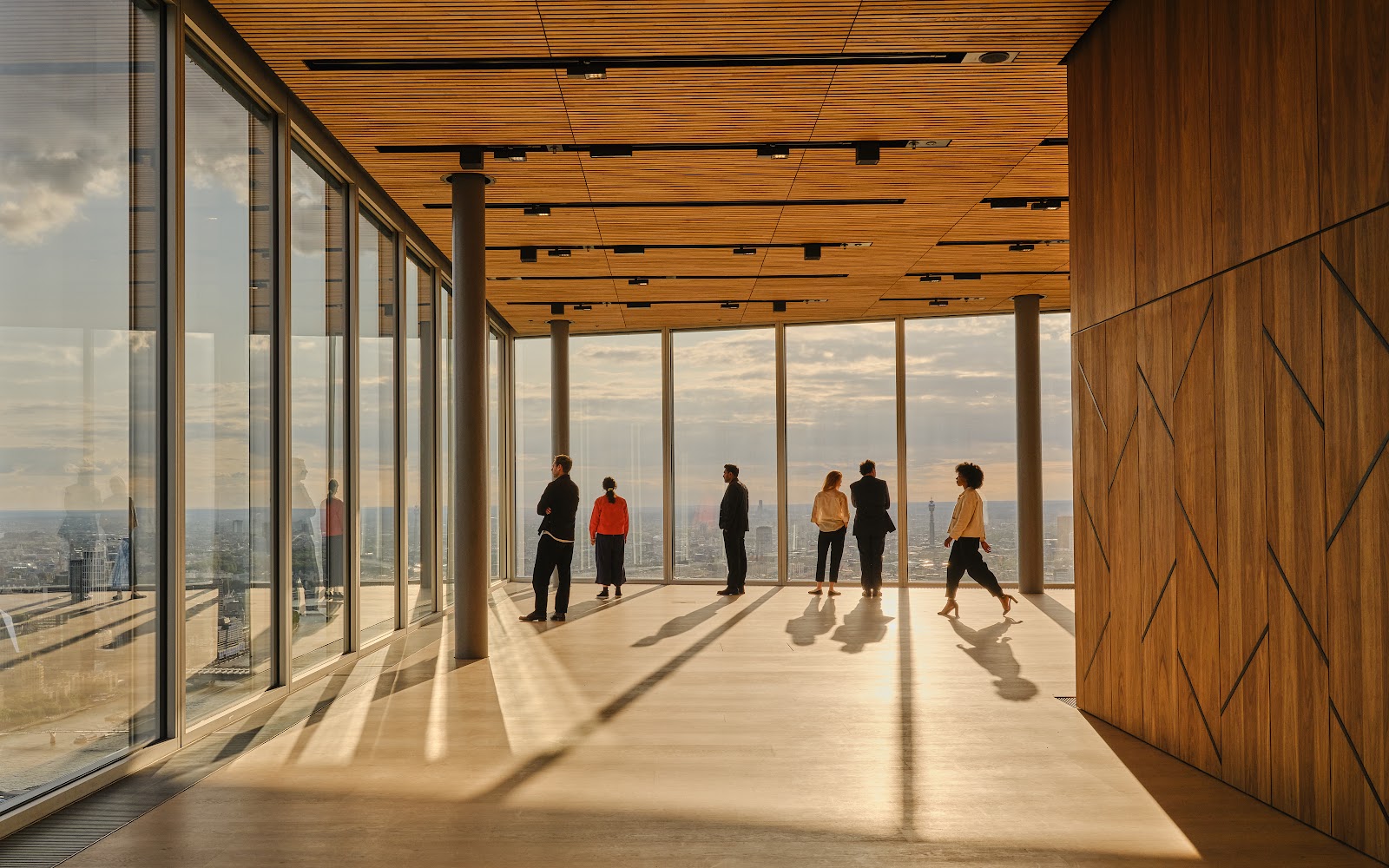 7The Lookout~30 min
- ~5 min walk (197m)
- 21:06
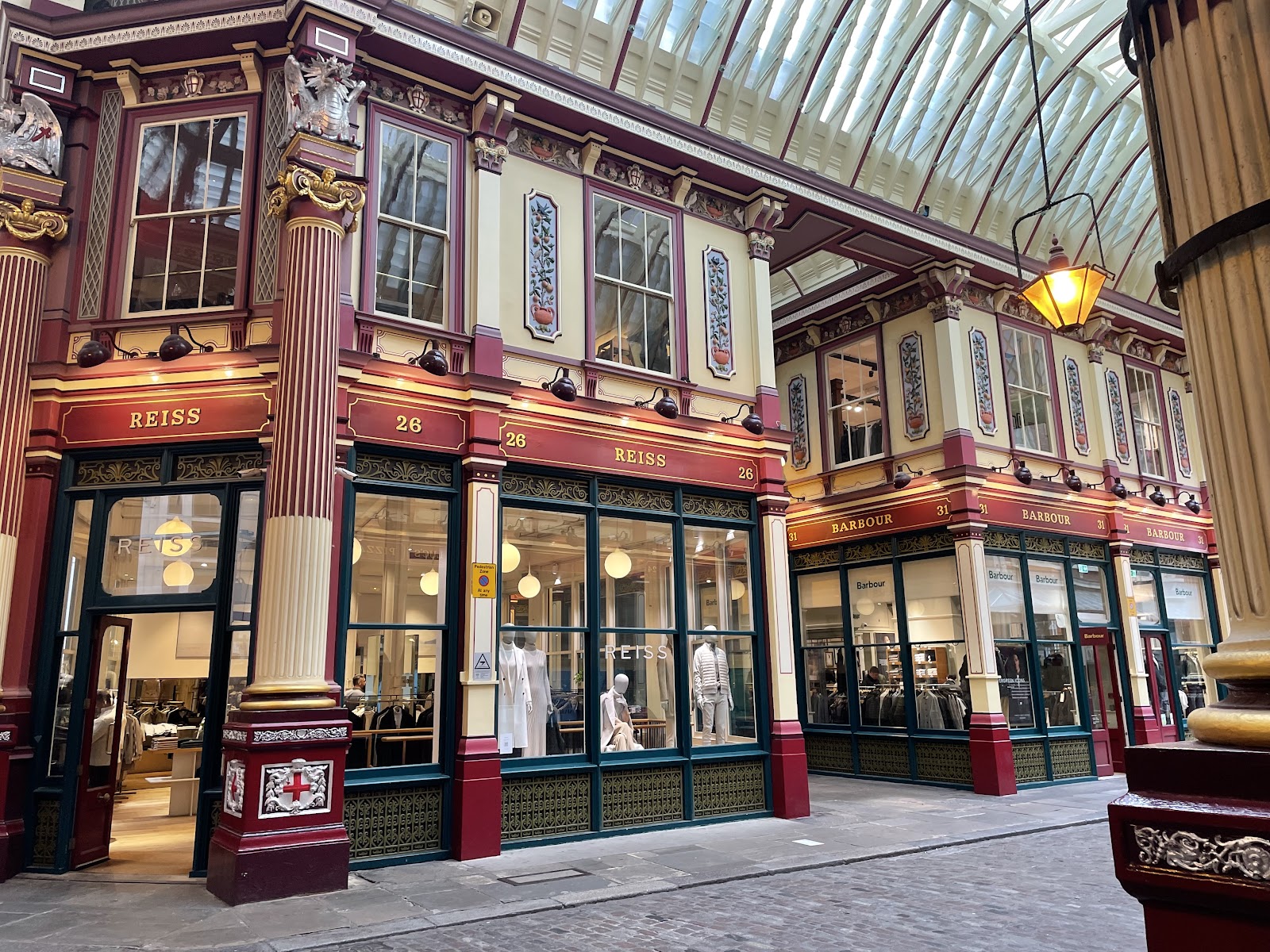 8Leadenhall Market~45 min
Saturday
6 stops · 9.3 km between them · starts 10:00- 10:00
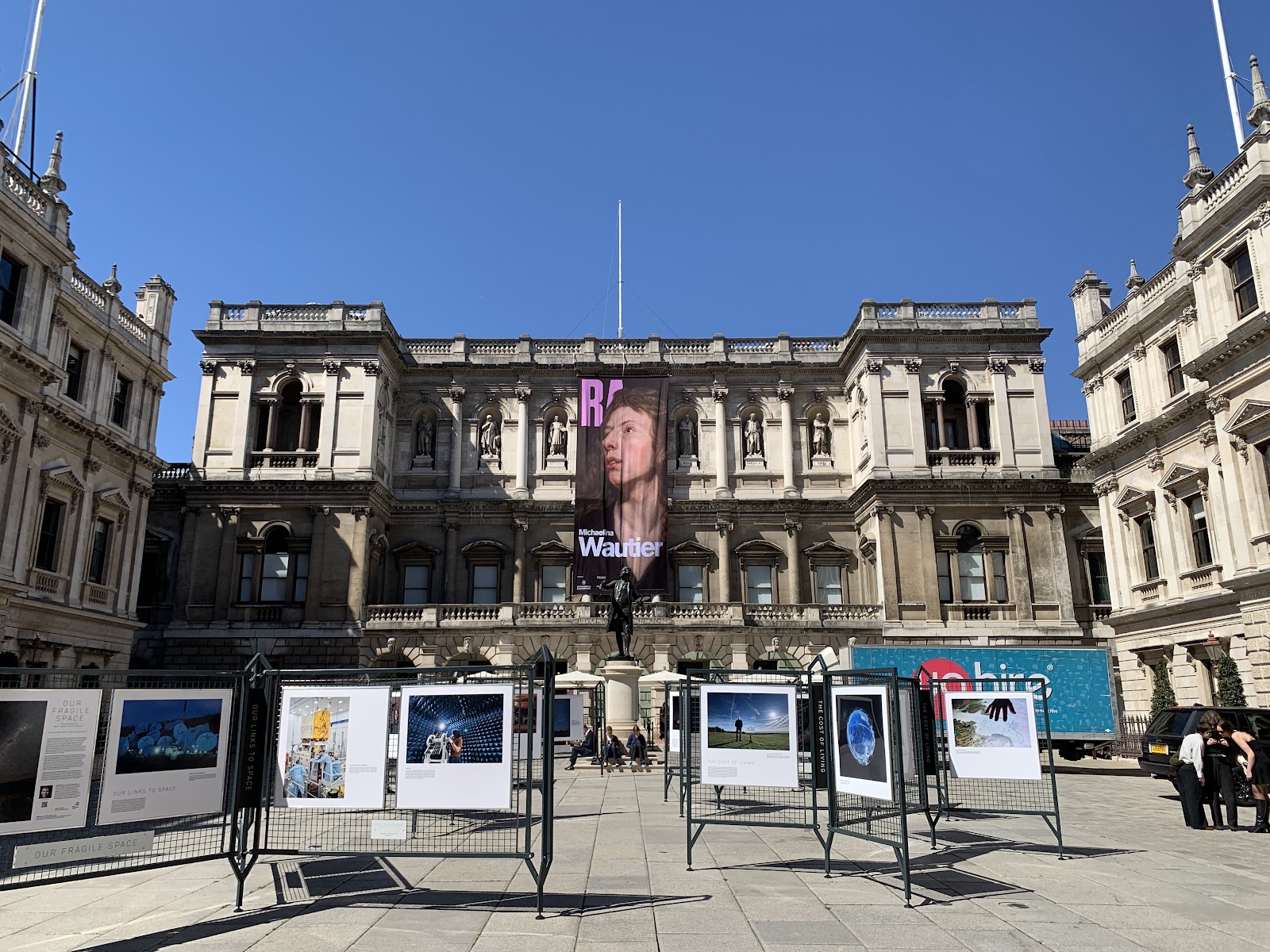 1Royal Academy of Arts~2 hours
- ~19 min walk (1.3km)
- 12:19Lunch Break1 hour
- 13:19
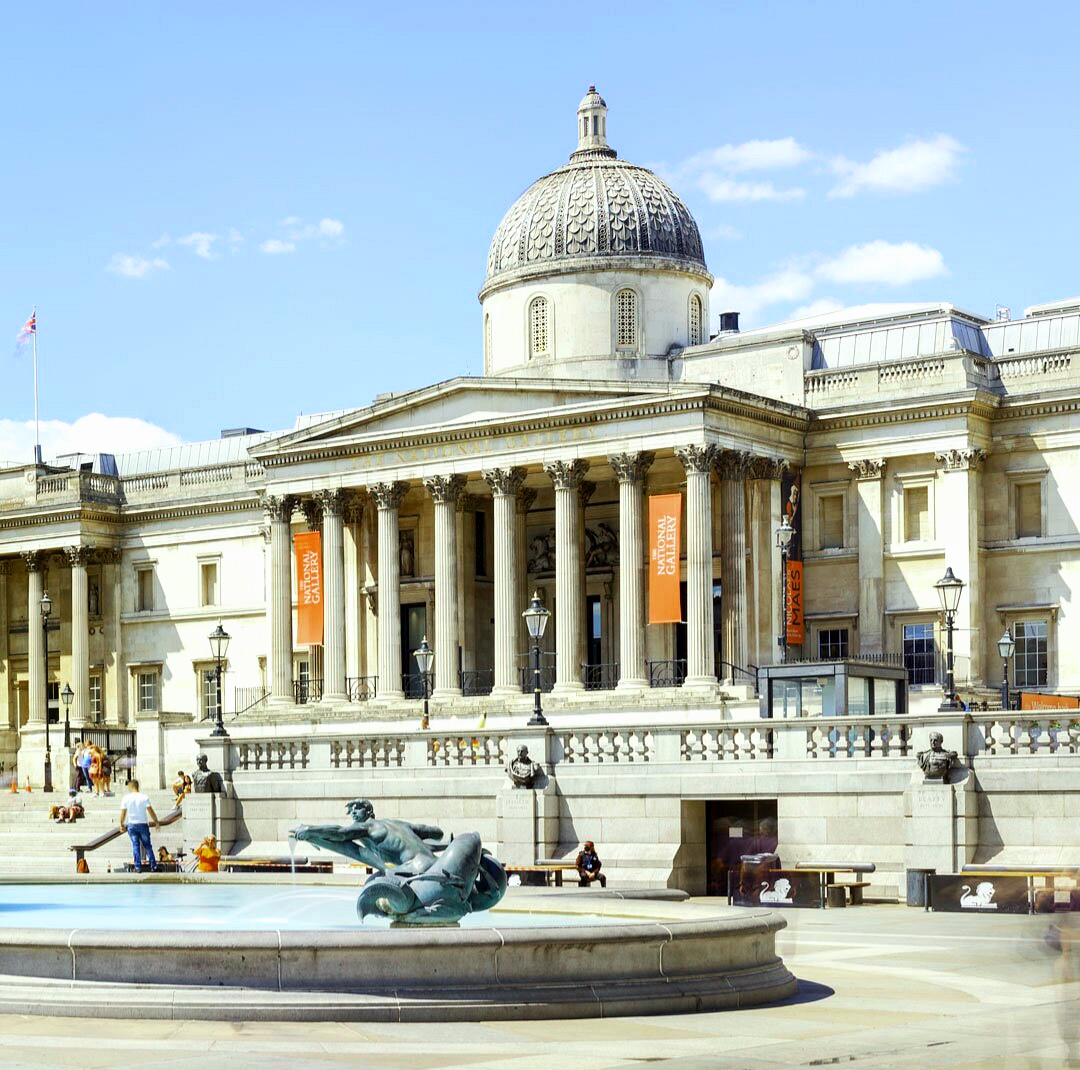 2The National Gallery~2 hours
- ~10 min by taxi/transit (2.2km)
- 15:29
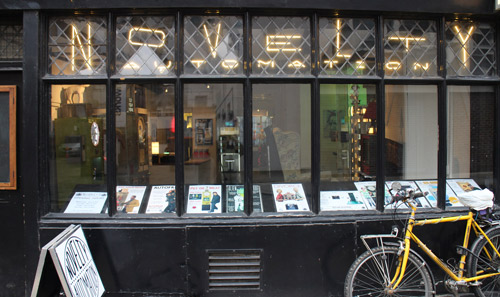 3Novelty Automation~2 hours
- ~11 min by taxi/transit (2.7km)
- 17:40
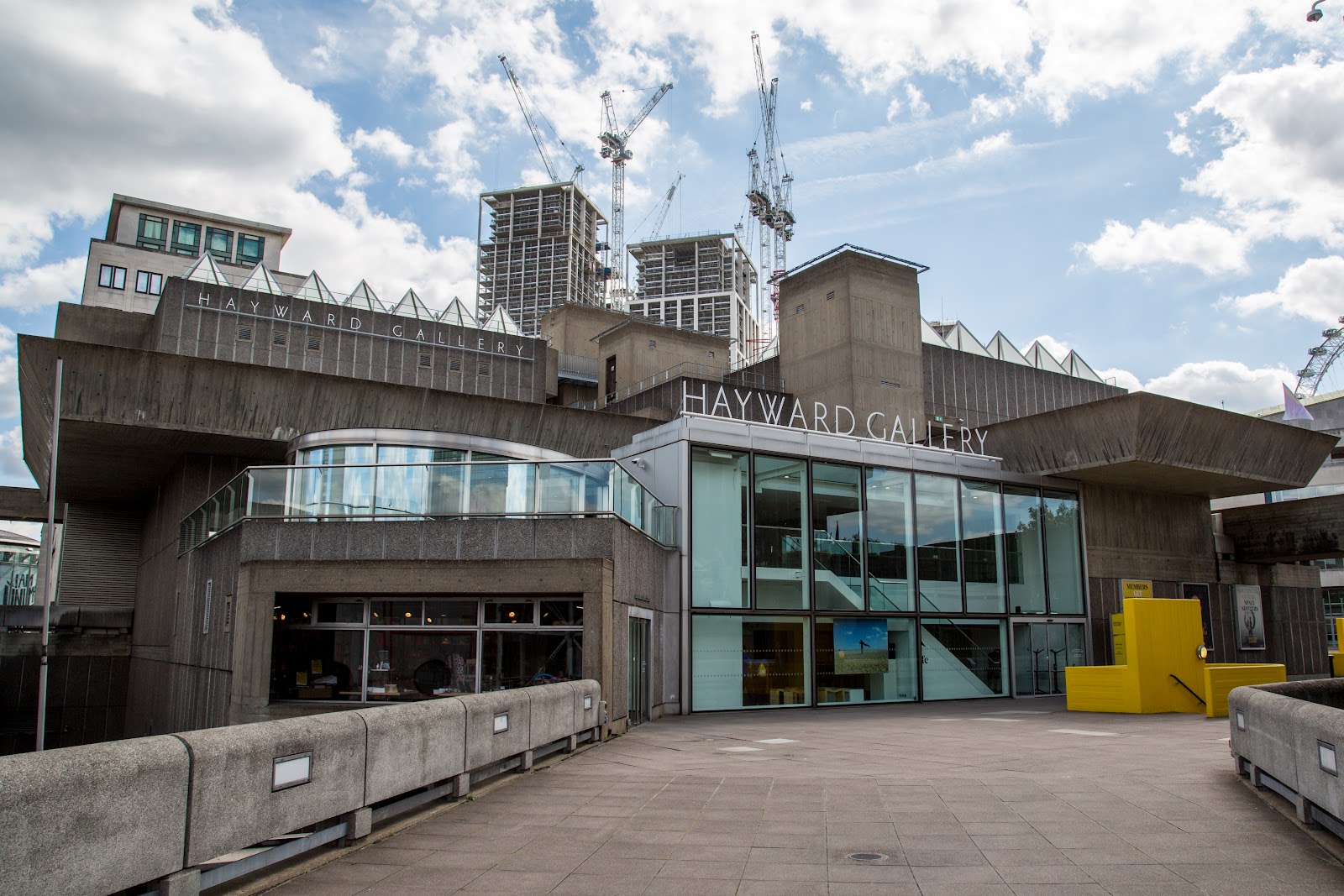 4Hayward Gallery~2 hours
- ~10 min by taxi/transit (2.3km)
- 19:50Dinner Break1 hour
- 20:50
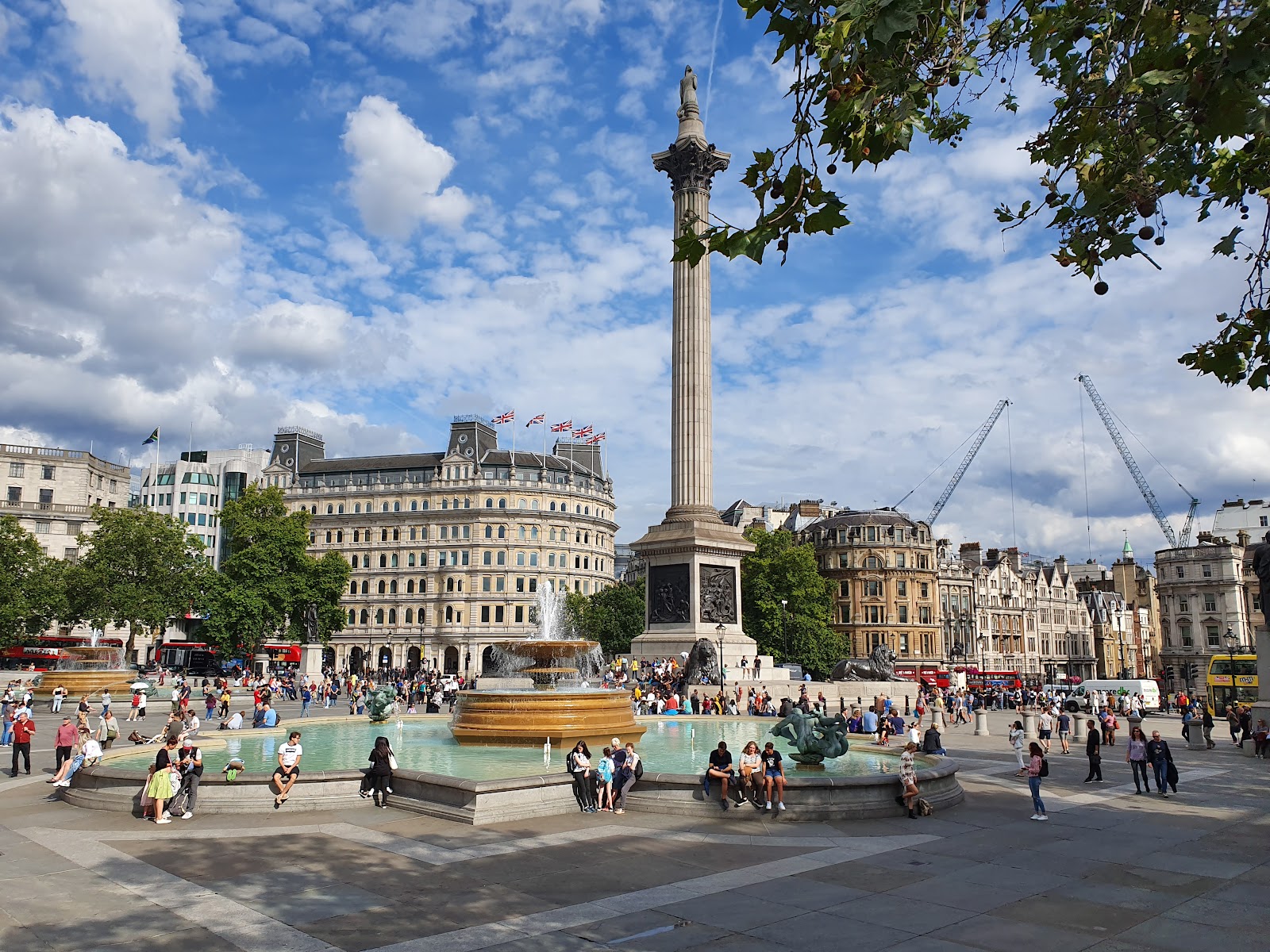 5Trafalgar Square~35 min
- ~13 min walk (832m)
- 21:36
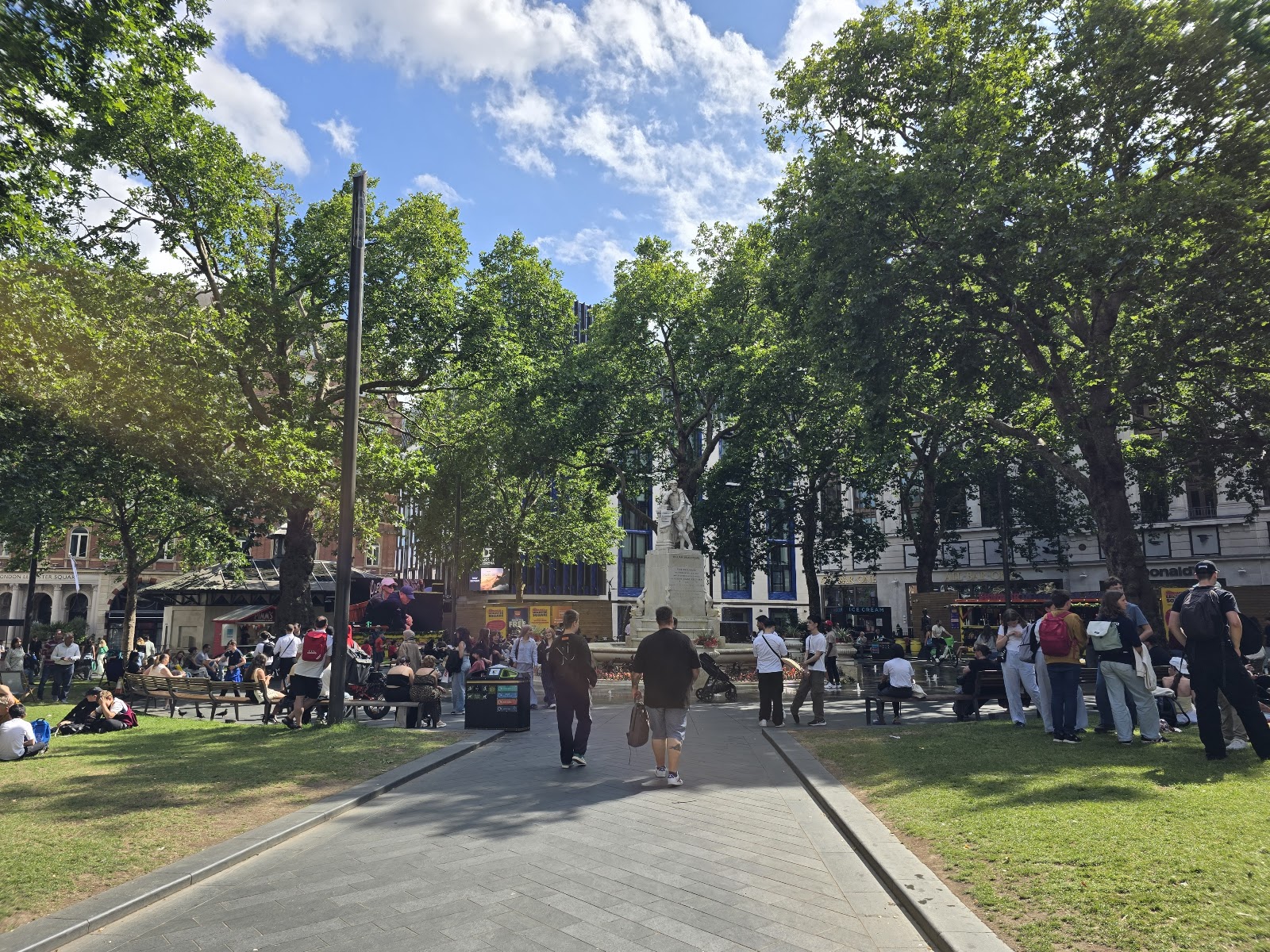 6Leicester Square~25 min
Sunday
5 stops · 9.5 km between them · starts 10:00- 10:00
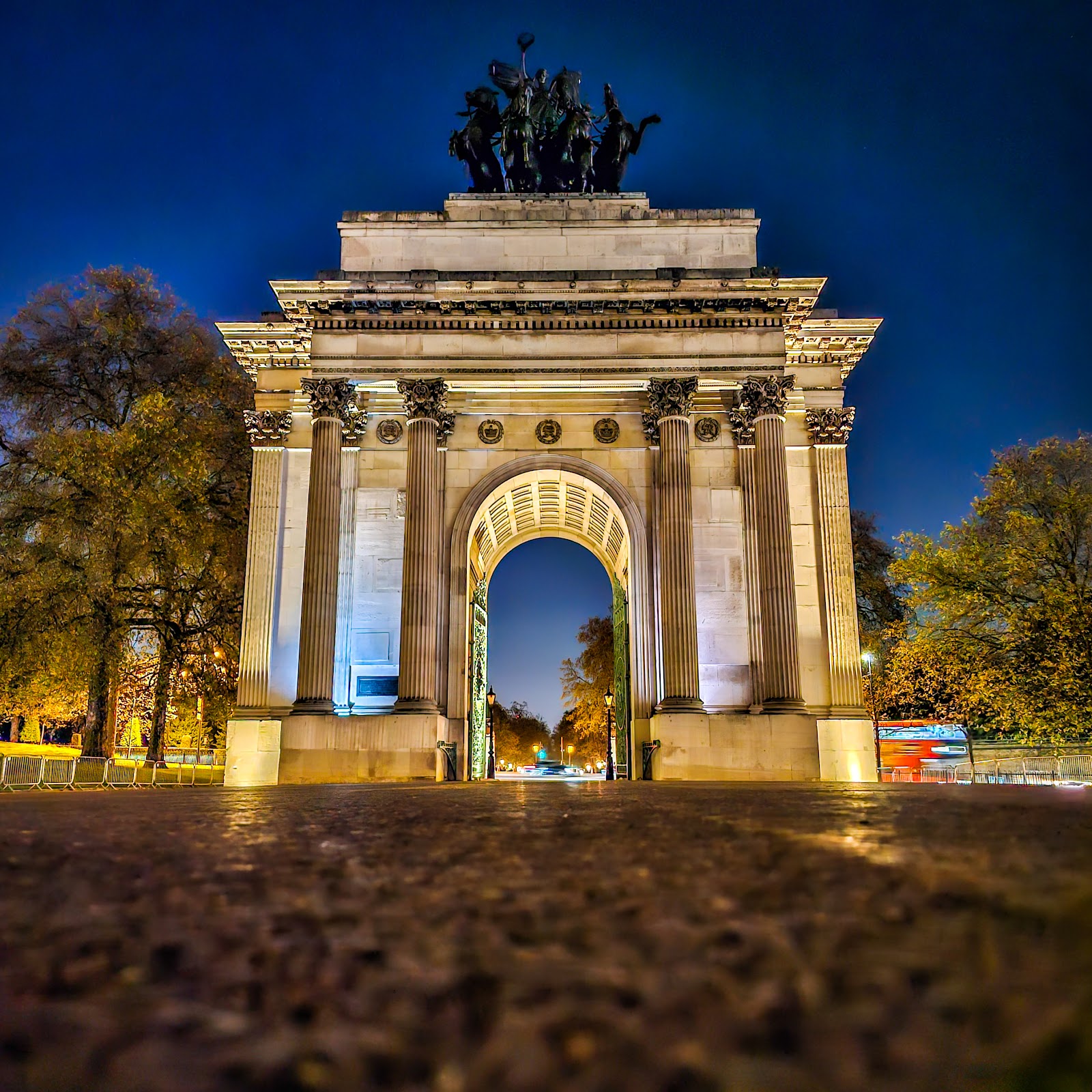 1Wellington Arch~1.5 hours
- ~12 min by taxi/transit (2.7km)
- 11:42Lunch Break1 hour
- 12:42
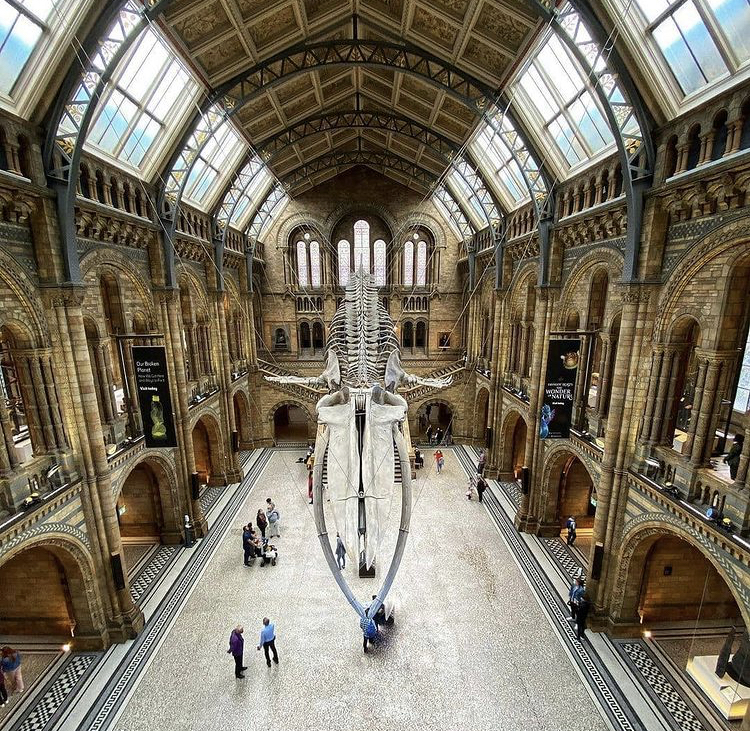 2Natural History Museum~2 hours
- ~13 min walk (857m)
- 14:55
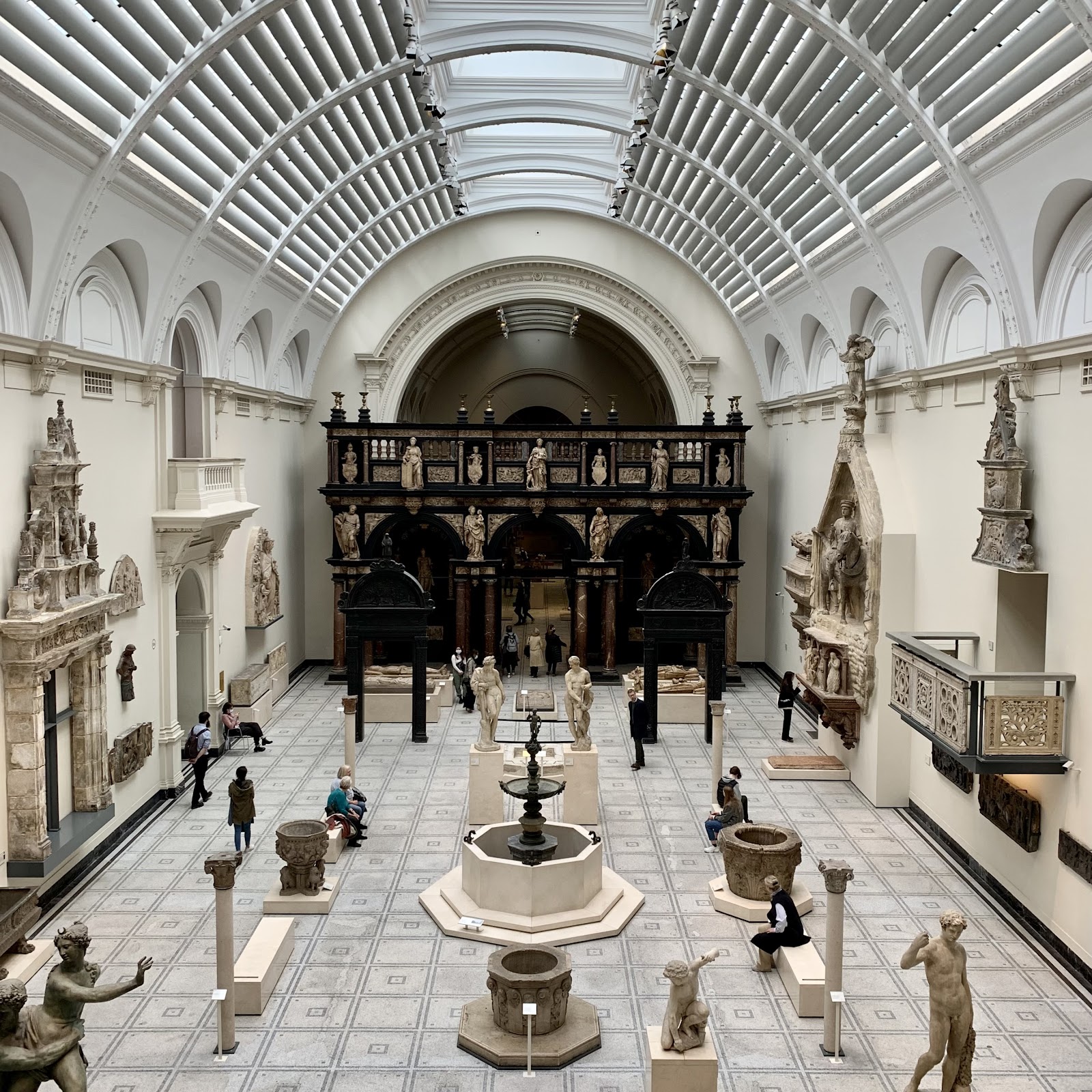 3Victoria and Albert Museum~2 hours
- ~11 min by taxi/transit (2.4km)
- 17:06
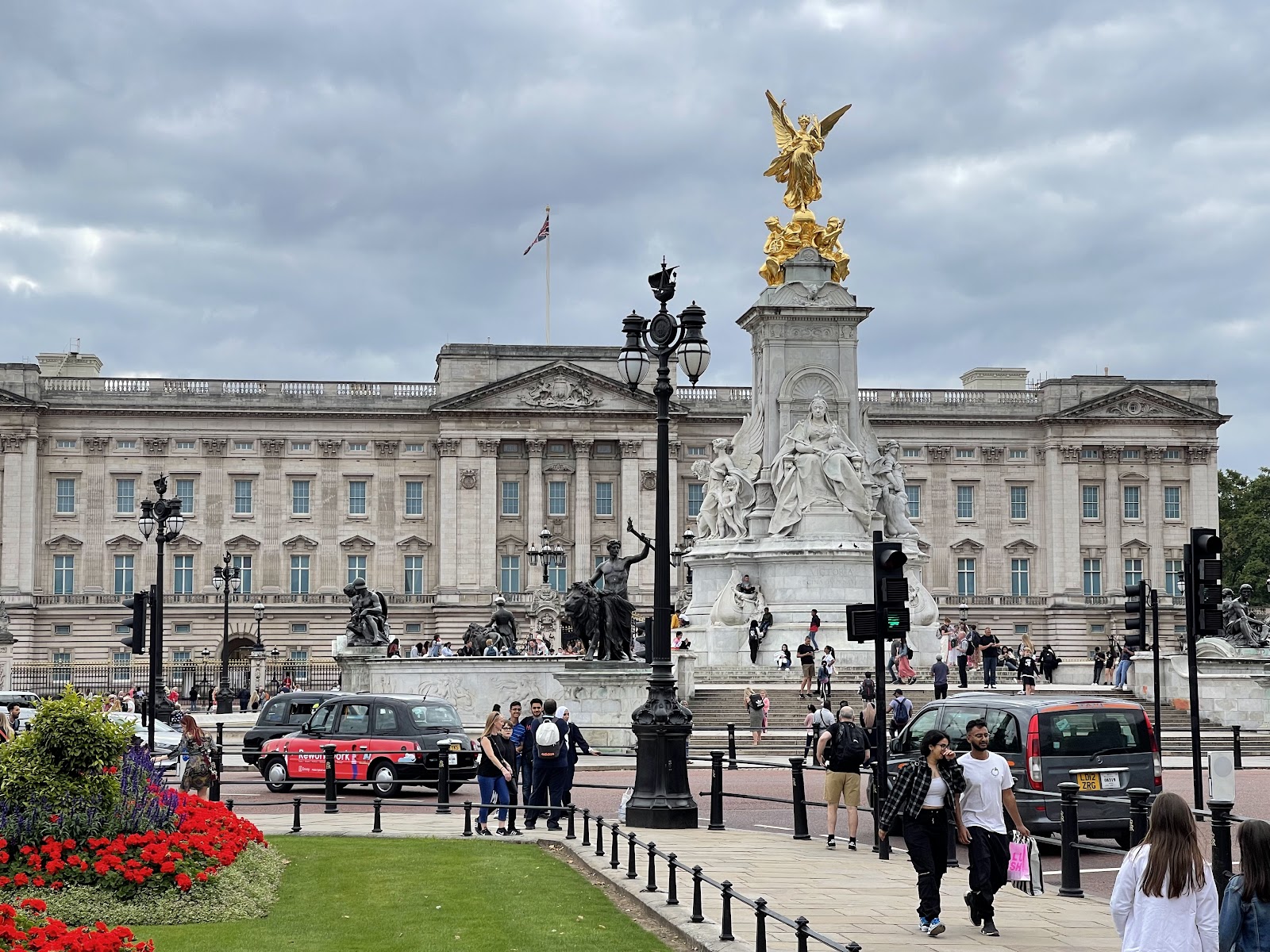 4Buckingham Palace~1 hour
- ~13 min by taxi/transit (3.5km)
- 18:19
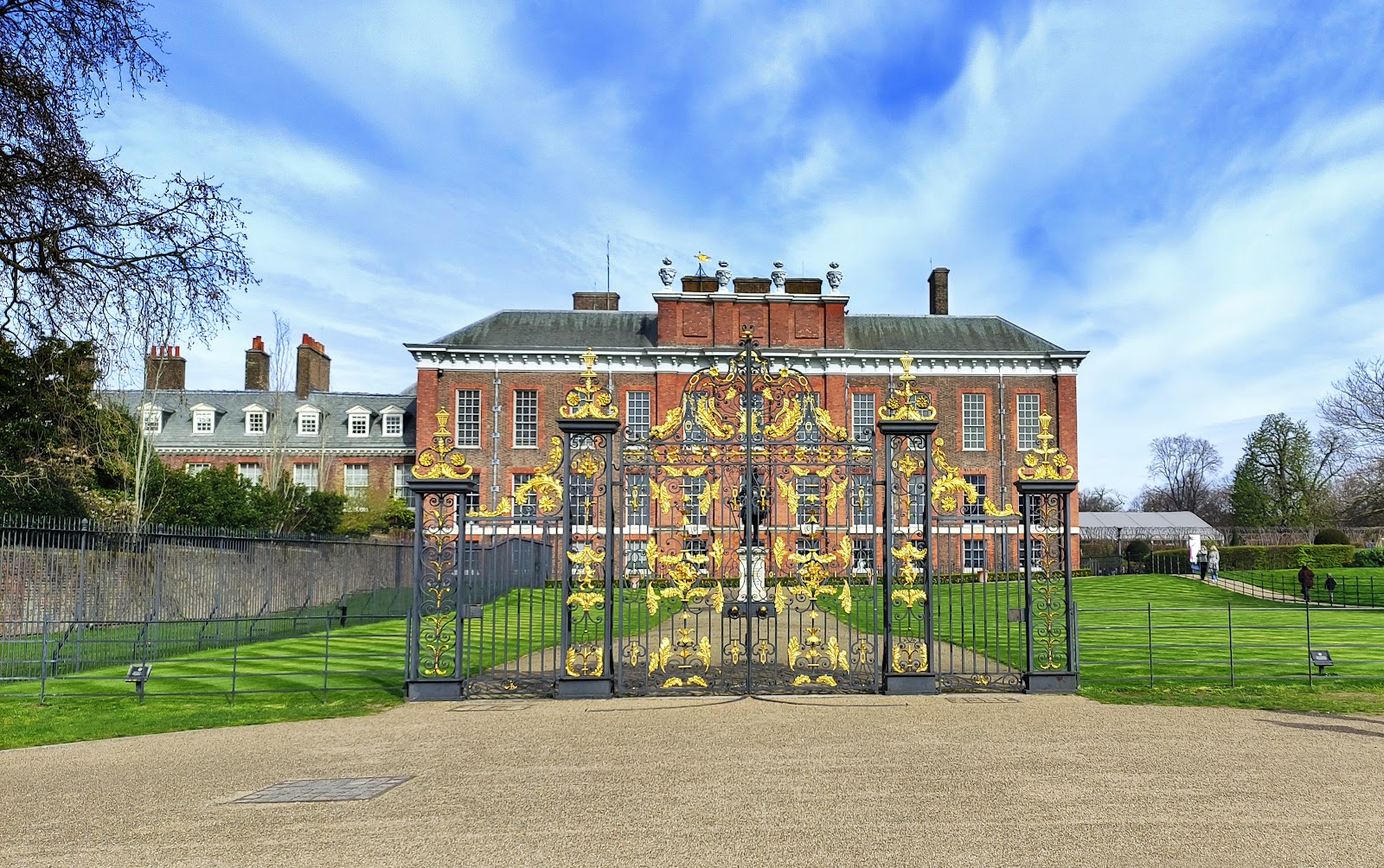 5Kensington Palace~2 hours
- 20:19Dinner Break1 hour
Monday
8 stops · 26.5 km between them · starts 09:00- 09:00
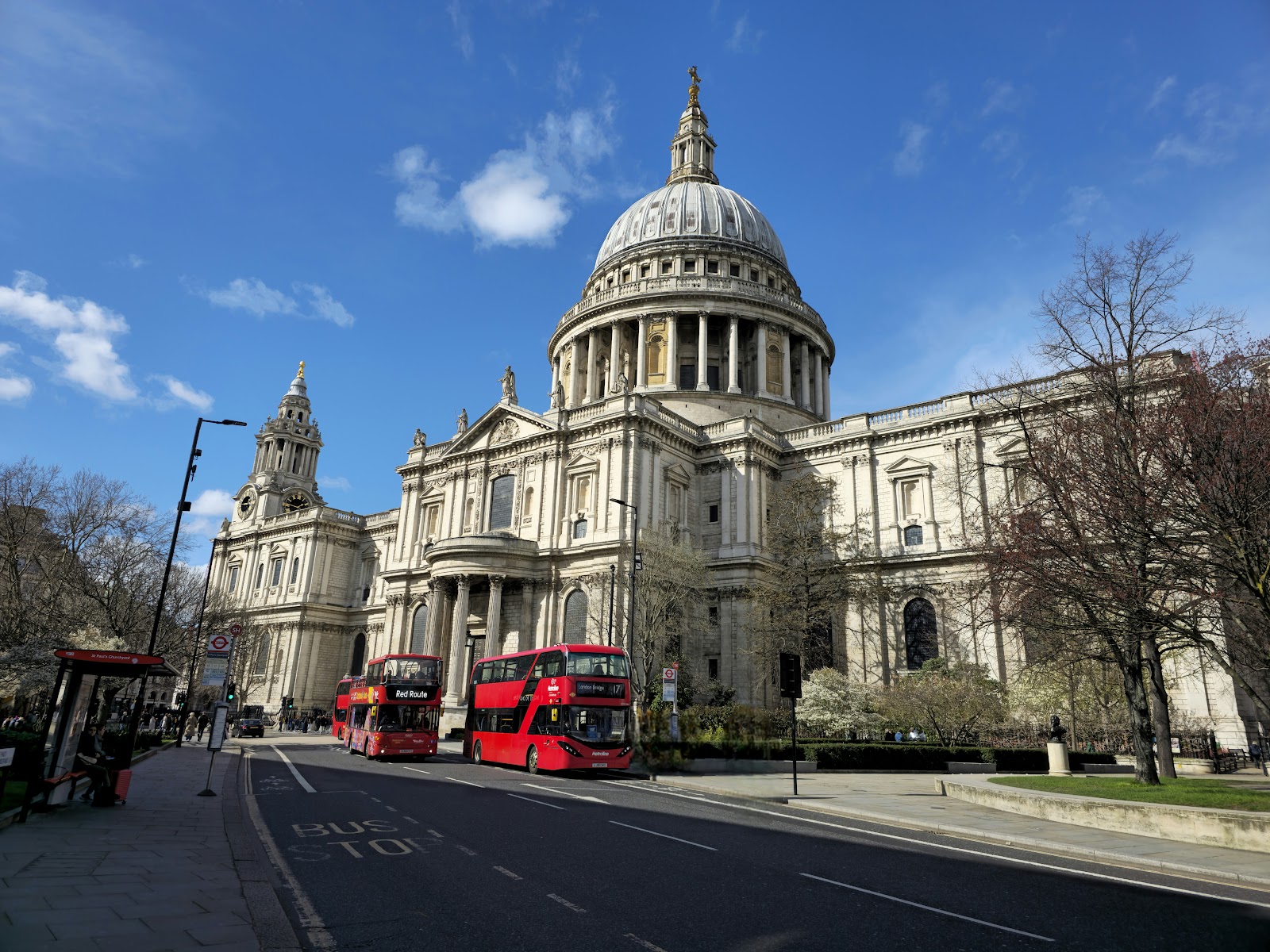 1St. Paul's Cathedral~45 min
- ~19 min by taxi/transit (6.0km)
- 10:04
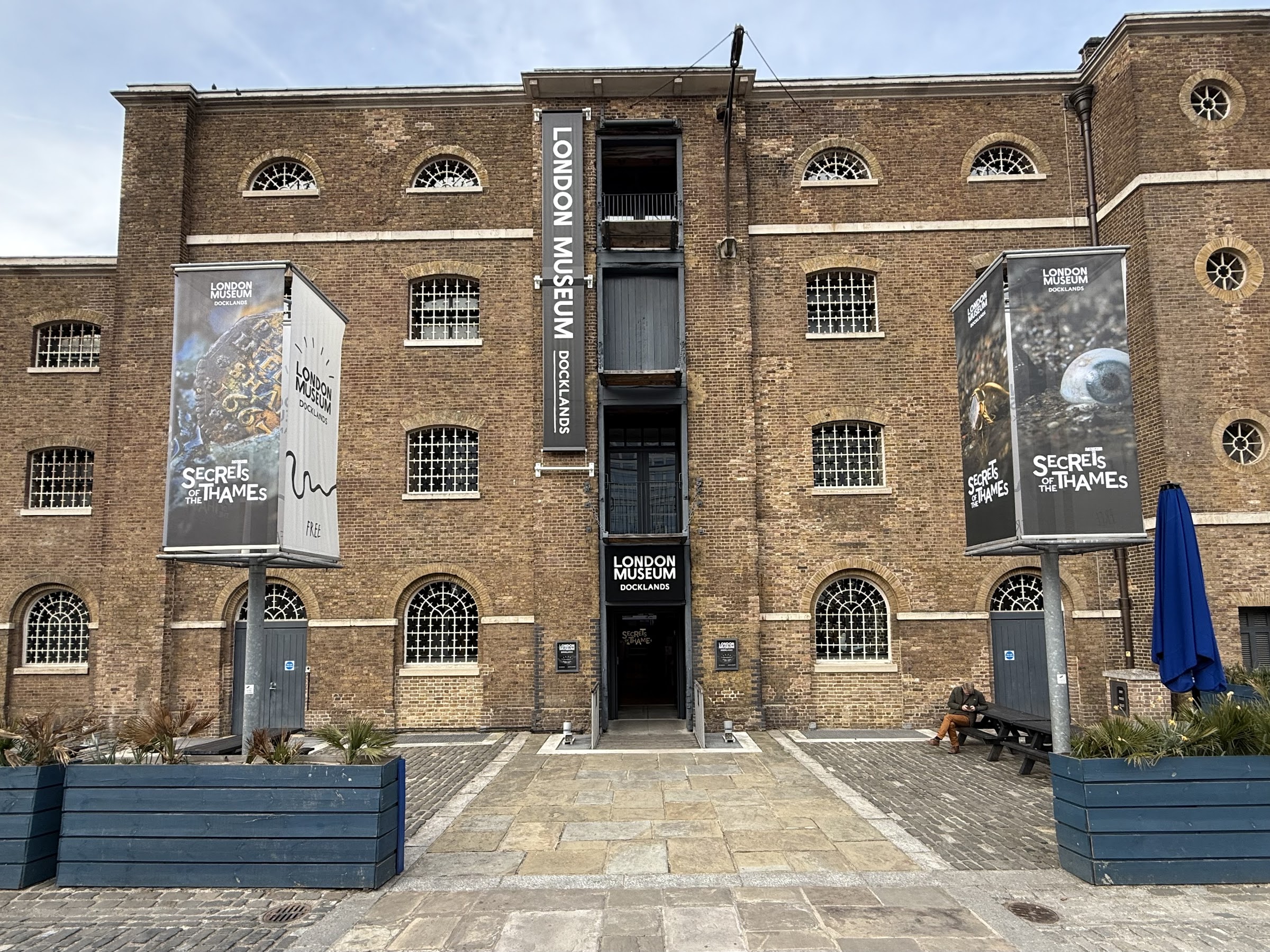 2London Museum Docklands~2 hours
- ~25 min by taxi/transit (8.2km)
- 12:22
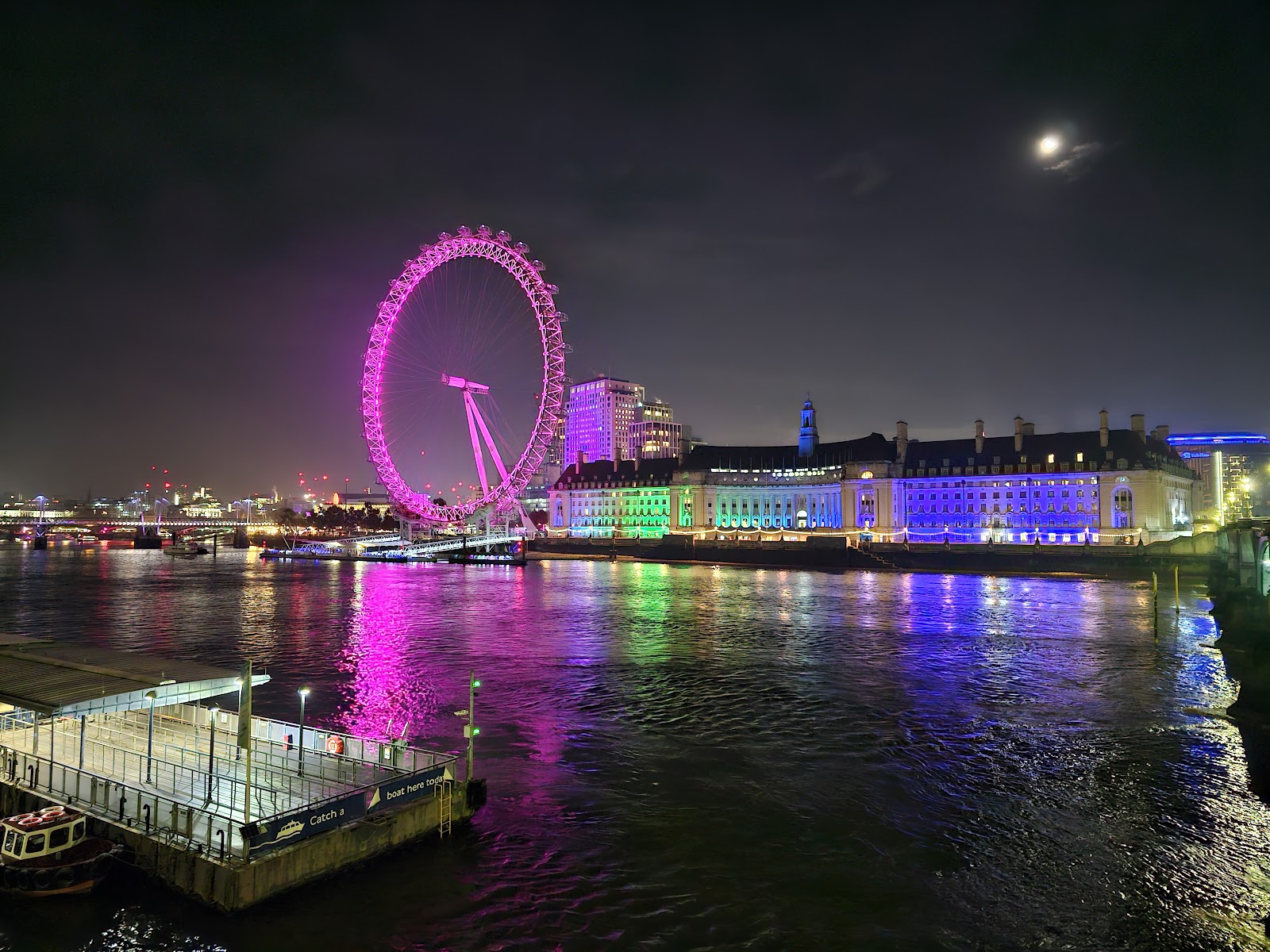 3London Eye~45 min
- ~9 min walk (497m)
- 13:16Lunch Break1 hour
- 14:16
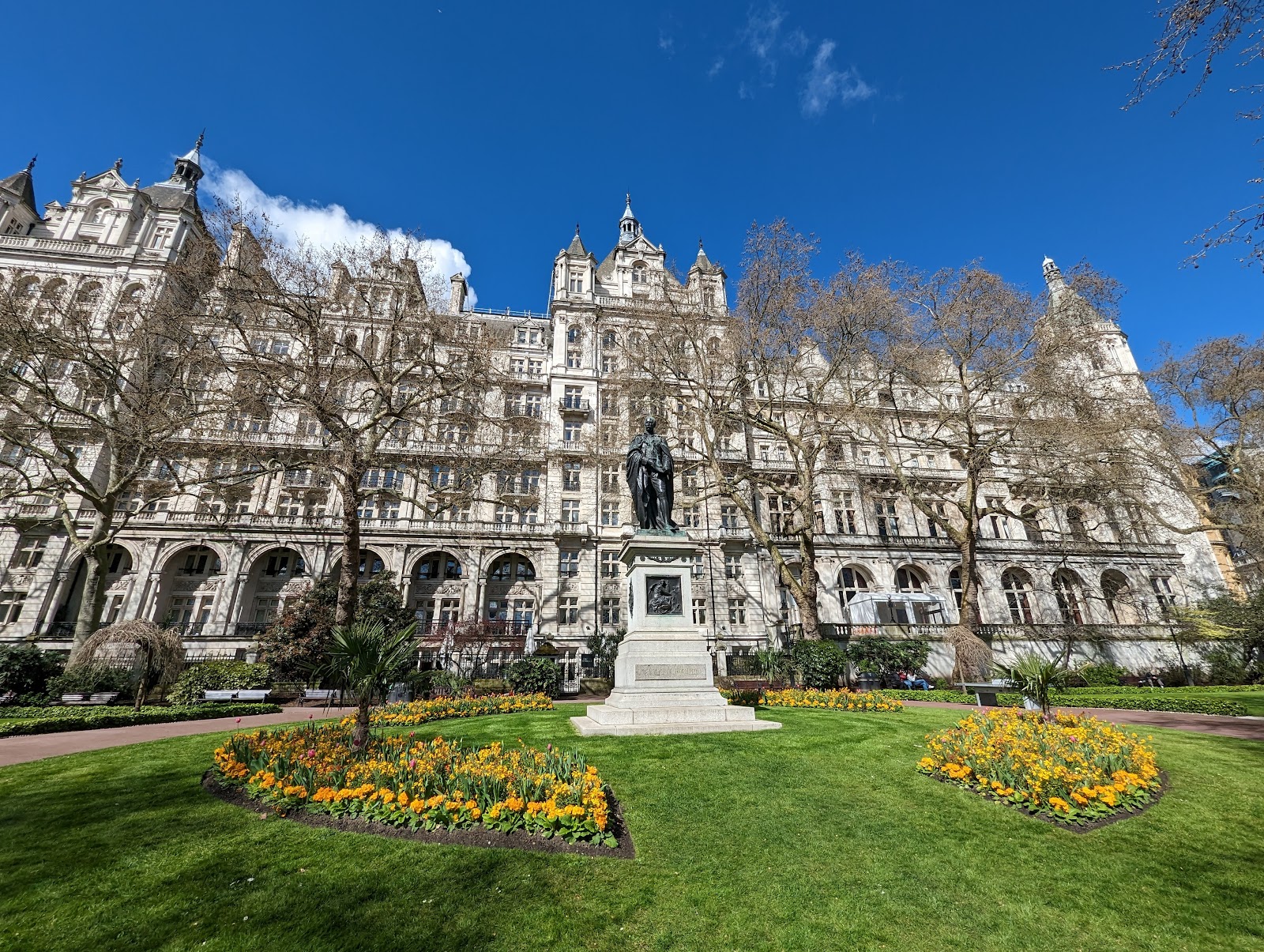 4Victoria Embankment Gardens: Whitehall Gardens~1.5 hours
- ~12 min walk (780m)
- 15:58
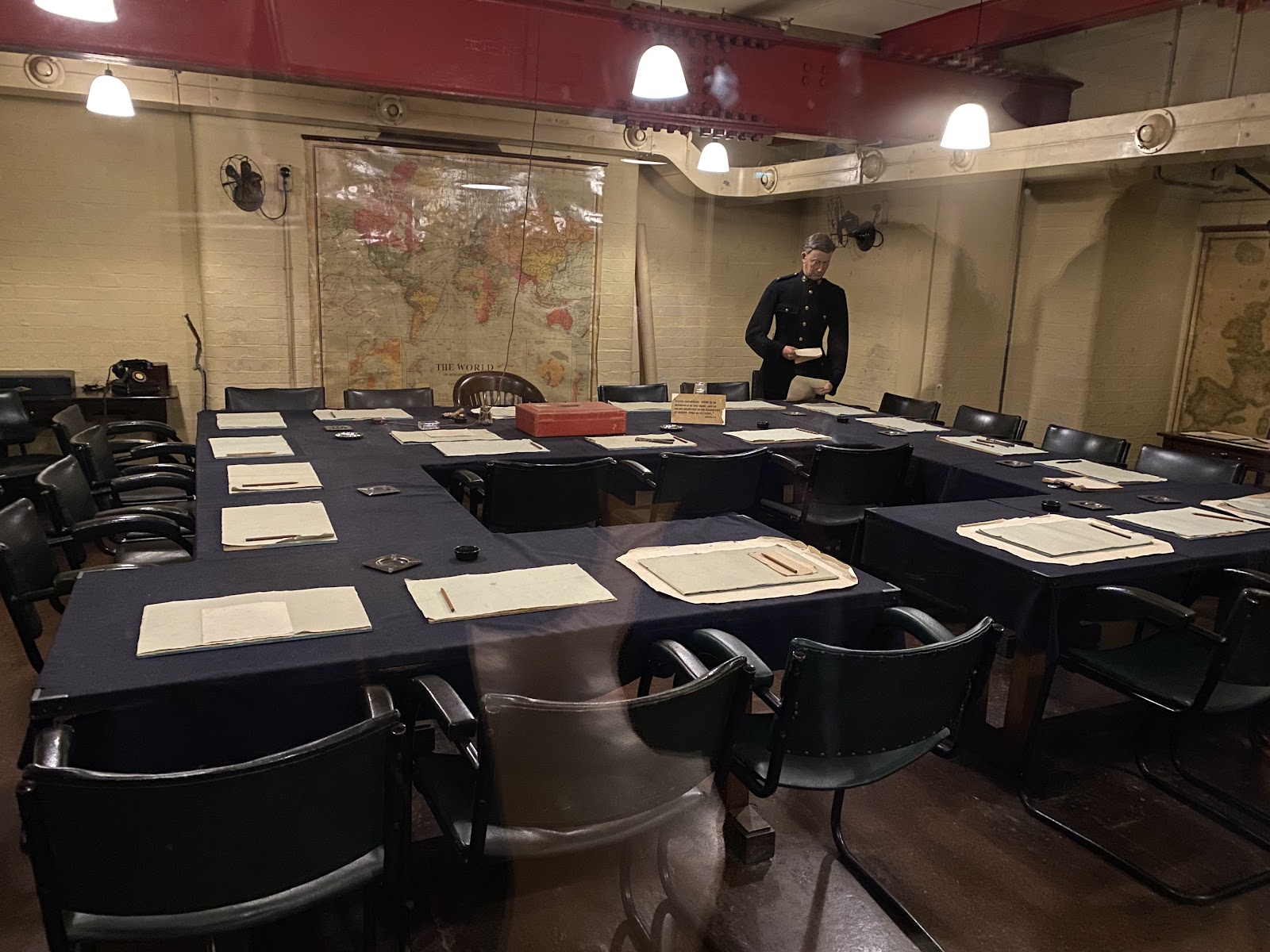 5Churchill War Rooms~2 hours
- ~9 min walk (530m)
- 18:07Dinner Break1 hour
- 19:07
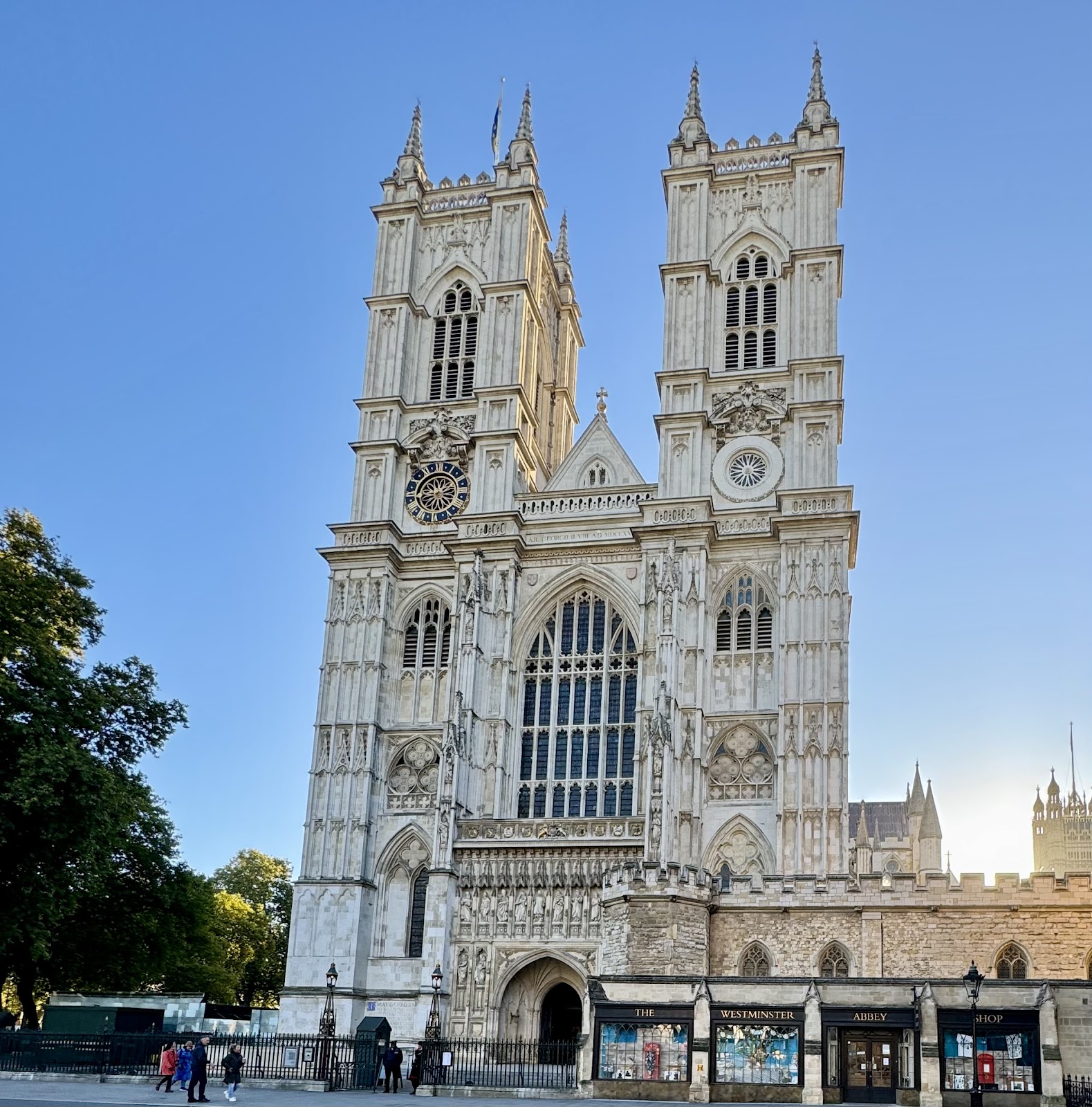 6Westminster Abbey~45 min
- ~8 min walk (457m)
- 20:00
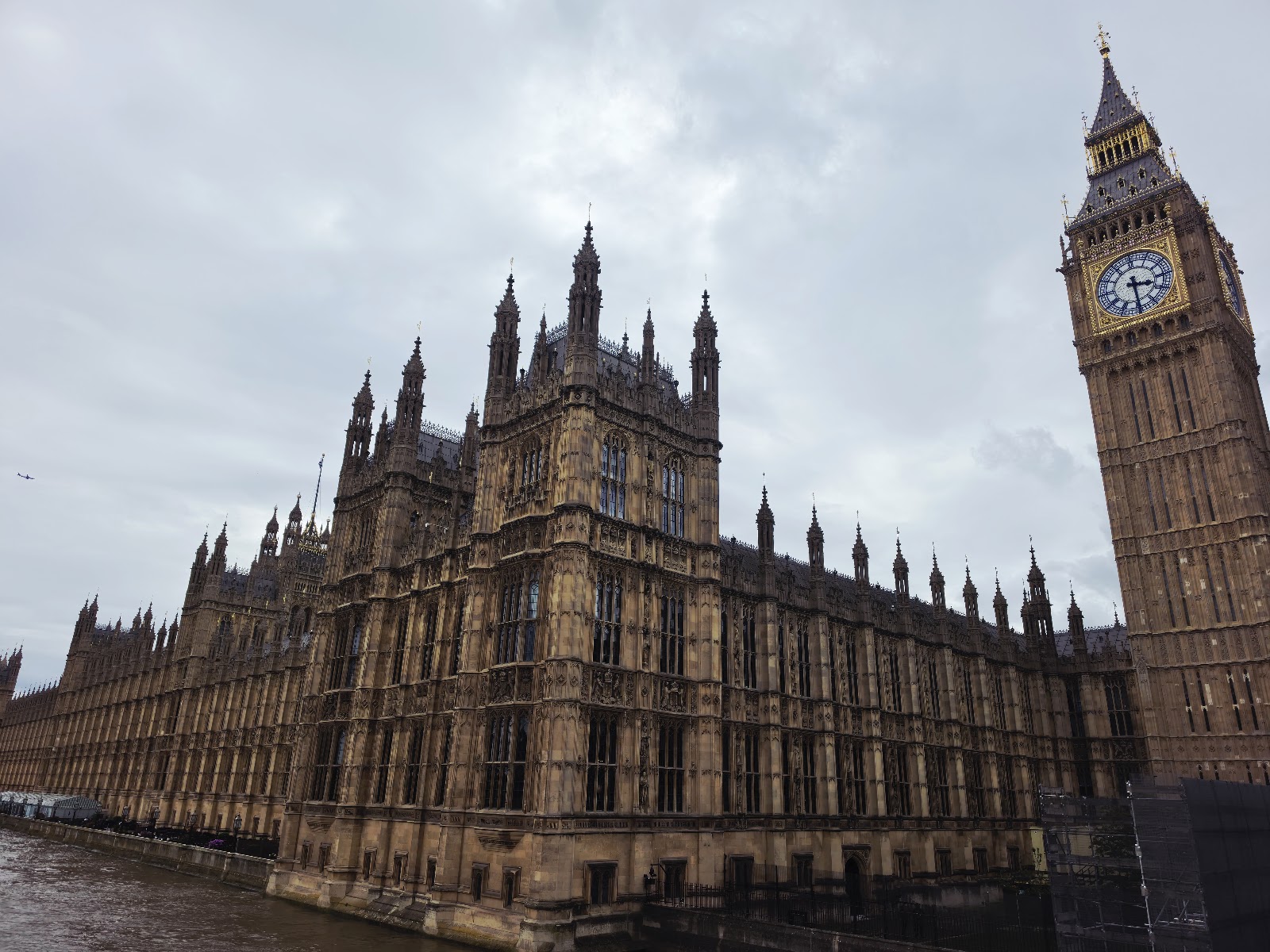 7Big Ben~15 min
- ~29 min by taxi/transit (10.0km)
- 20:44
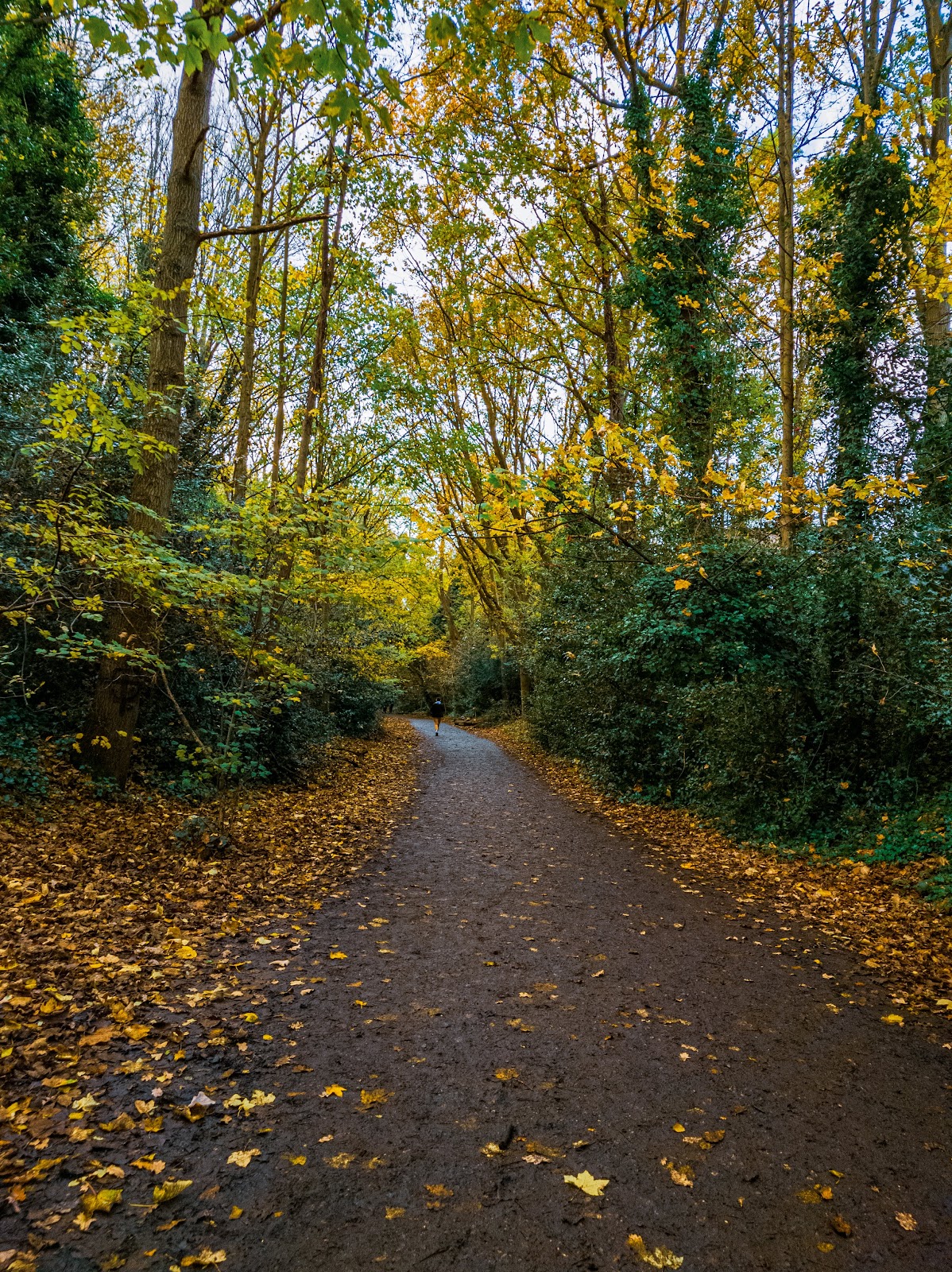 8Parkland Walk~1.5 hours
Along Bankside, from St. Paul’s to Tower Bridge
Across the Millennium Bridge and east along the river, where Londoners once crossed for plays, bear pits and taverns: a power station turned gallery, Shakespeare’s rebuilt theater, a medieval cathedral and a food market.
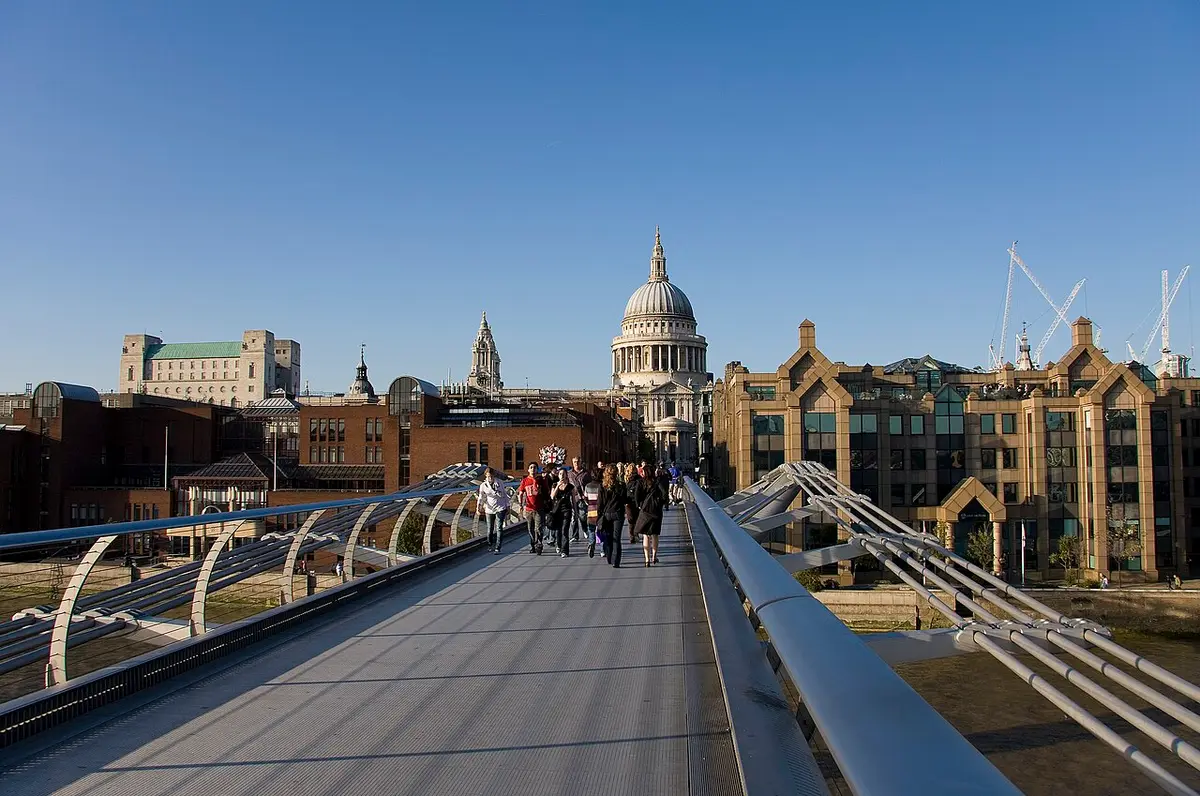
Start on the steps of St. Paul’s and walk down to the Millennium Bridge, the steel footbridge that opened in June 2000, swayed under the first crowds and closed two days later; it reopened, steadied, in 2002. On the far bank stands Tate Modern, in the old Bankside Power Station by Giles Gilbert Scott, who also designed the red telephone box. Its Turbine Hall, once full of generators, holds a new commission every autumn and is free to walk into.
A few steps east, Shakespeare’s Globe is a reconstruction of the open-air theater his company built nearby in 1599. The American actor Sam Wanamaker spent more than twenty years raising it and died in 1993, four years before it opened. Plays run from spring to autumn, and in the yard, as in Shakespeare’s day, the audience stands.
In Shakespeare’s time this bank lay beyond the City’s rules, and Londoners crossed the river for what the City would not allow: playhouses, bear-baiting pits, taverns and brothels. Much of it belonged to the Bishops of Winchester. The rose window of their palace’s great hall, from the 14th century, still stands in a ruined wall on Clink Street, and their prison, the Clink, gave English a word for jail. Around the corner floats the Golden Hinde, a full-size replica of the ship Francis Drake sailed around the world.
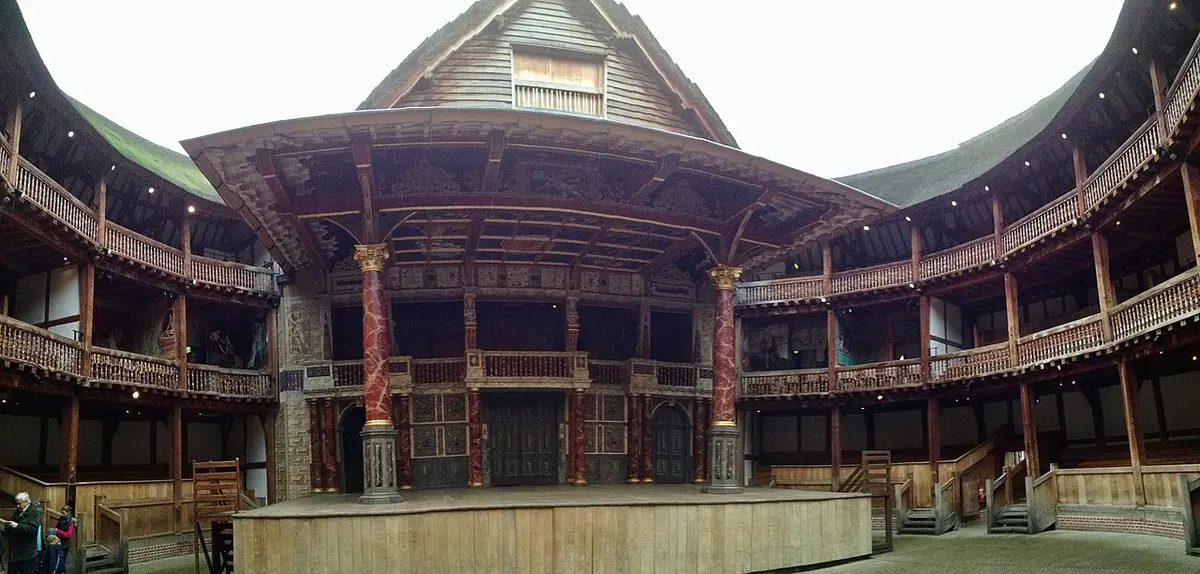
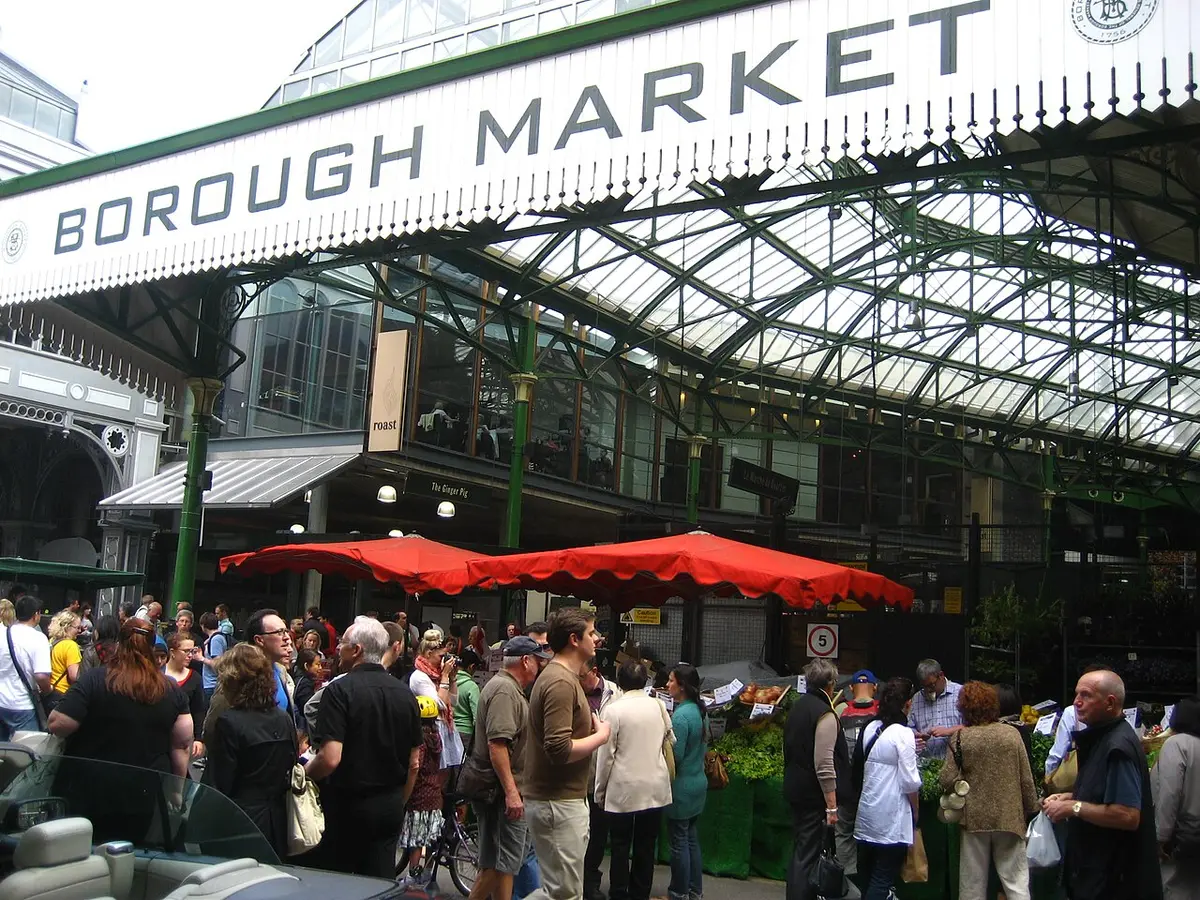
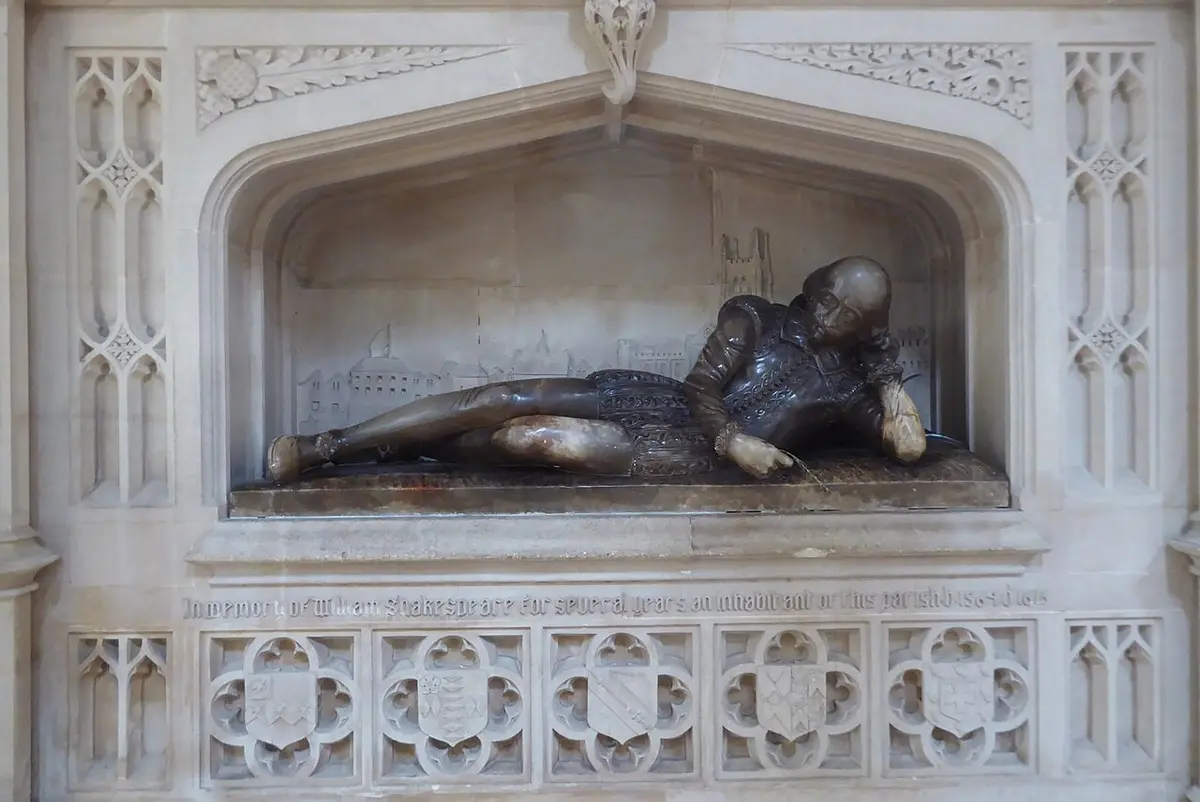
Southwark Cathedral is the oldest Gothic church in London, its east end begun around 1220. Shakespeare’s brother Edmund, an actor, was buried here in 1607, and an alabaster figure of the playwright lies below a window of characters from his plays. Beside it, Borough Market has fed the area since at least the 12th century, and its iron and glass halls fill with bread, cheese, oysters and hot food from Tuesday to Sunday.
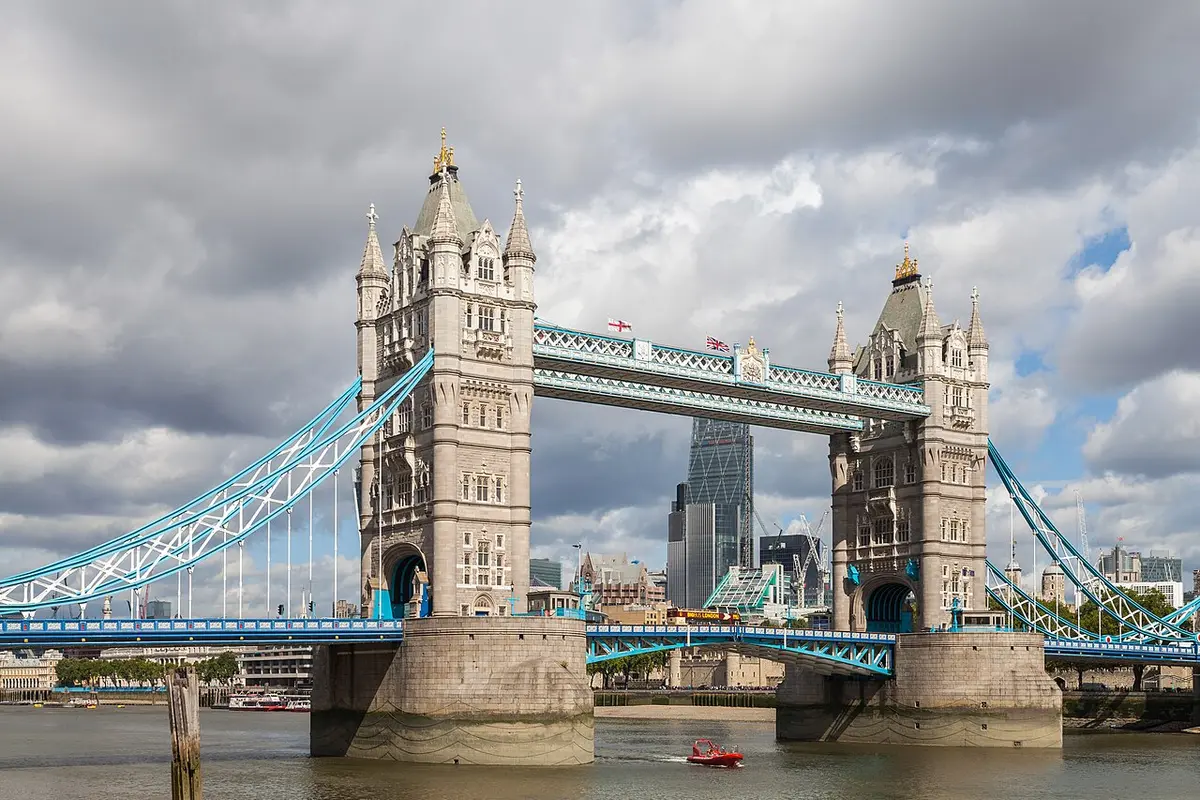
From London Bridge, follow the riverside path past HMS Belfast, a cruiser that fired on the Normandy beaches on D-Day and is now a museum, to Tower Bridge, opened in 1894. Its high walkways, built so people could cross while the road was raised, now have glass floors, with the traffic and the river far below.
Where to stay
Pick the neighborhood first, then the hotel. Each link opens a map of places to stay around it.
Covent Garden and Soho
First visitThe heart of the West End: theaters, restaurants, the piazza at Covent Garden and Soho’s late bars, with Trafalgar Square and the National Gallery a few minutes away. Central for everything; rooms are small and cost more.
See hotels in Covent Garden and SohoSouth Bank and Bankside
Culture and the riverThe south side of the Thames from the London Eye to Tower Bridge: the Southbank Centre, the National Theatre, Tate Modern, the Globe and Borough Market, joined by a riverside path. Lively by day, calm at night.
See hotels in South Bank and BanksideSouth Kensington
FamiliesThree free museums on Exhibition Road, Hyde Park at its northern end and streets of white stucco houses. Calm and safe, with the Piccadilly line straight to Heathrow.
See hotels in South KensingtonBloomsbury and King's Cross
Value and trainsGeorgian squares around the British Museum, with King’s Cross and St. Pancras, the Eurostar station, just to the north. Good-value hotels, quiet evenings and Tube lines in every direction.
See hotels in Bloomsbury and King's CrossShoreditch
NightlifeStreet art, bars, the curry houses and bagel shops of Brick Lane, the Sunday flower market on Columbia Road and late clubs. Younger and louder, with the Overground and Liverpool Street close by.
See hotels in ShoreditchMarylebone
CouplesA village feel just north of Oxford Street: the shops and cafés of Marylebone High Street, the Wallace Collection and Regent’s Park. Quiet evenings, central and well connected.
See hotels in MaryleboneThe 10 best budget hotels
Well-reviewed hotels at the lower end of London’s prices, best-reviewed first. On a weeknight in November 2026 they cost about €235 to €365 for two; prices change daily, so check your own dates.
 01
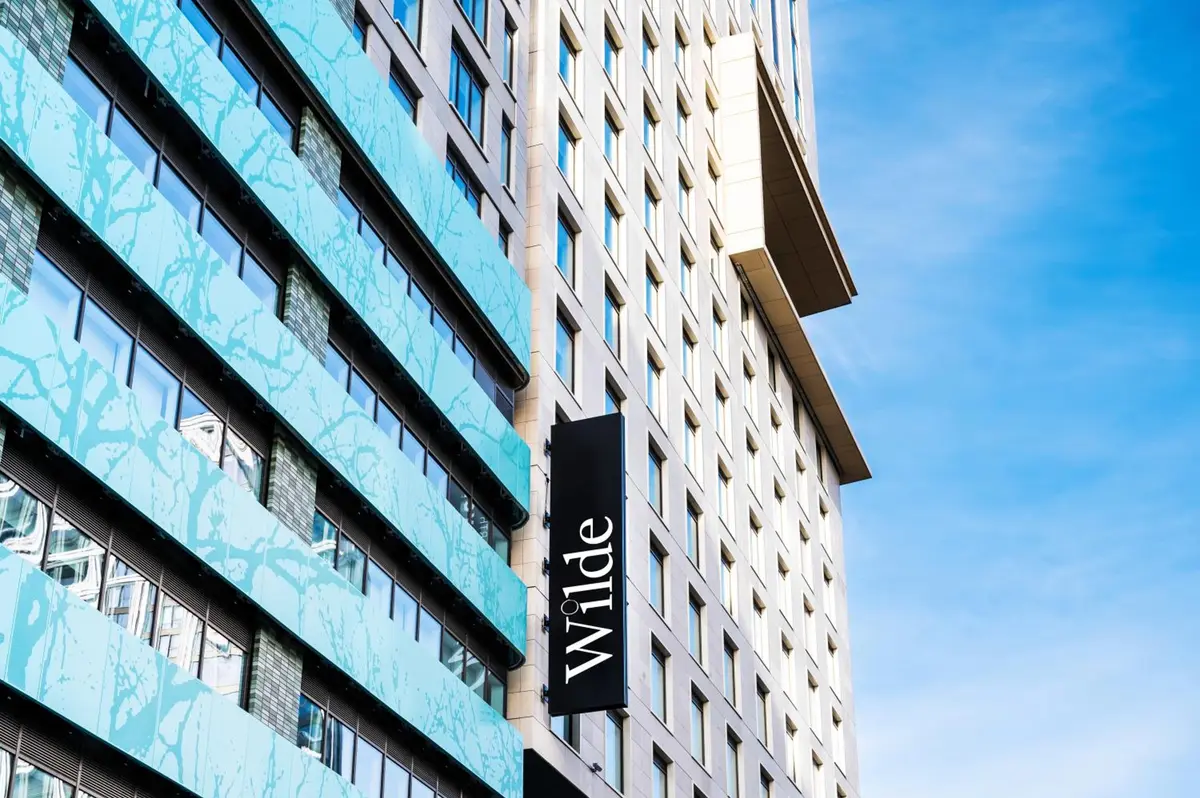
Wilde Aparthotels London Paddington
10.07,065 reviewsPaddington
7 min walk to Paddington station
See prices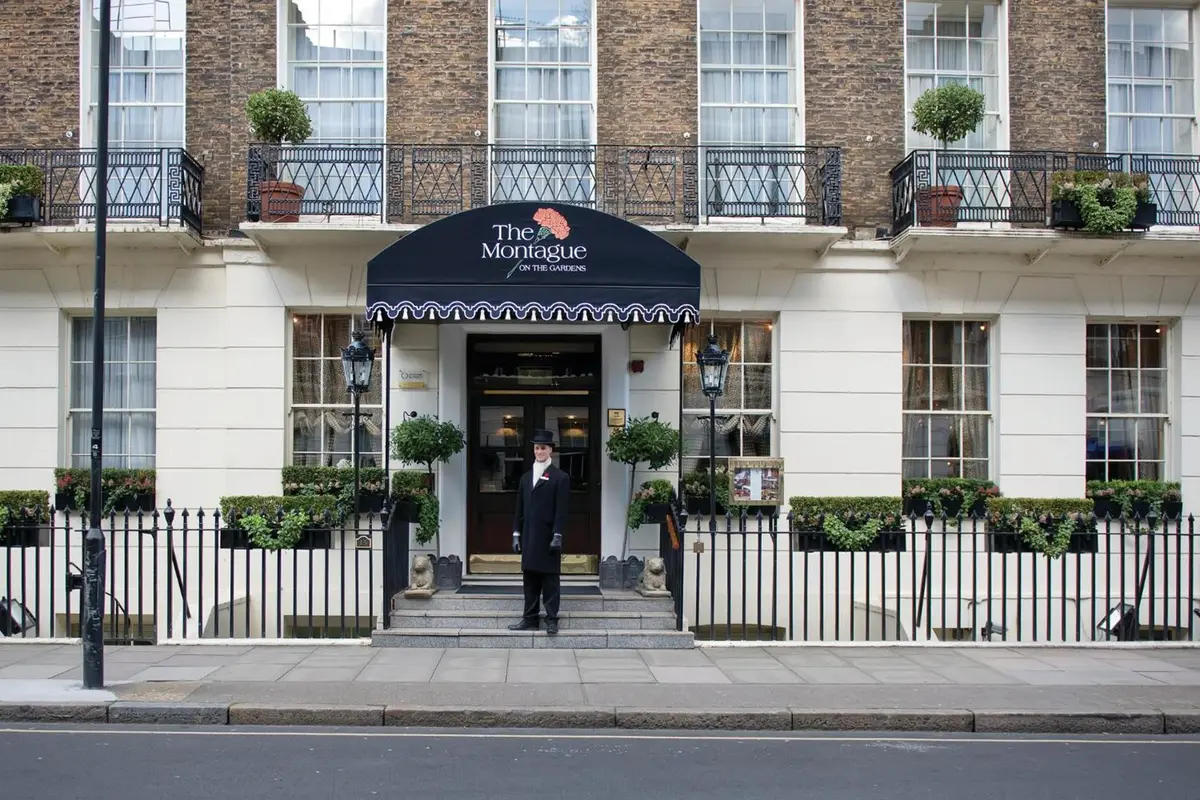 02
The Montague On The Gardens
10.03,189 reviewsBloomsbury and King's Cross
2 min walk to the British Museum
See prices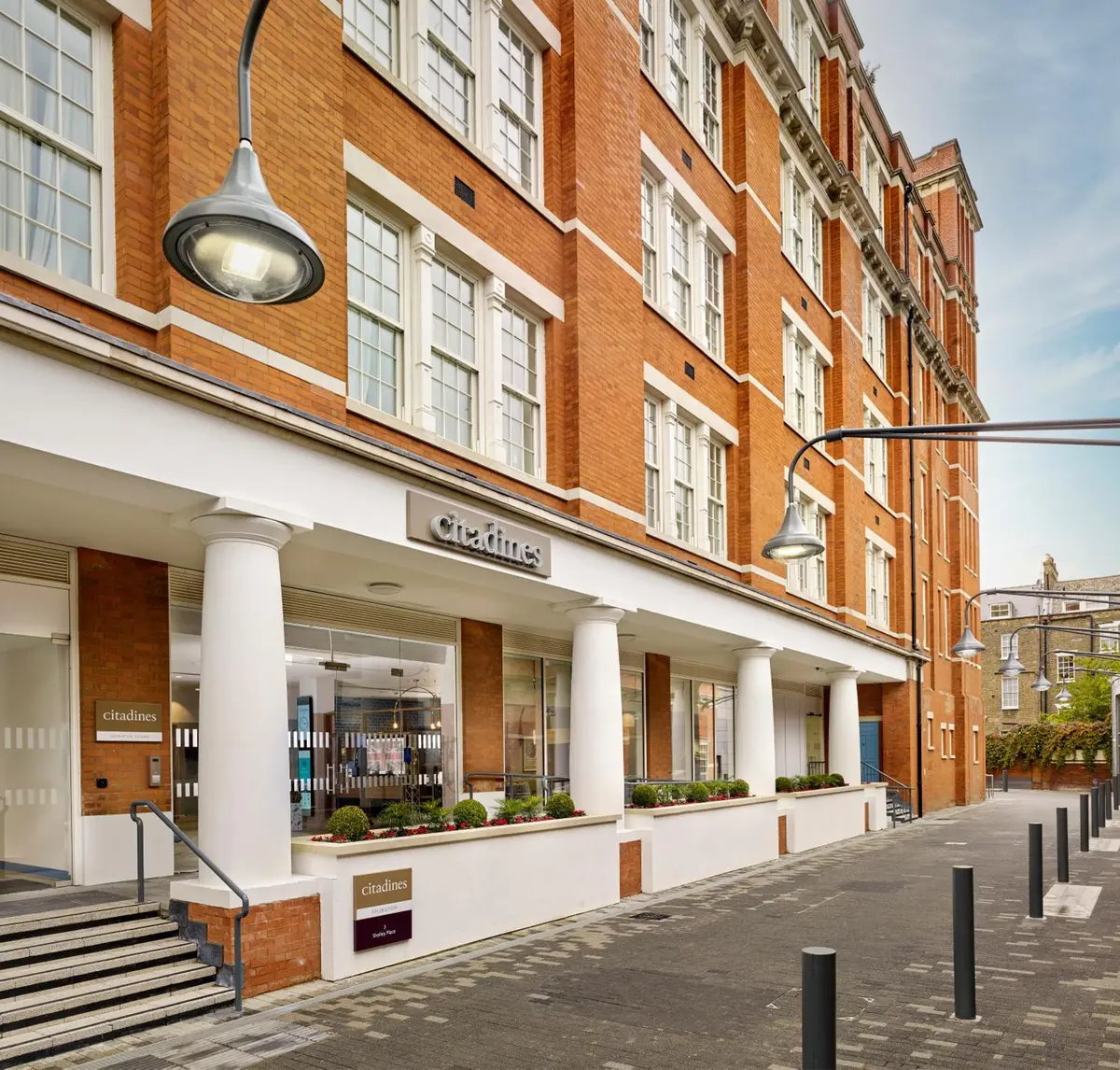 03
Citadines Islington London
9.62,305 reviewsIslington
26 min walk to King's Cross St Pancras
See prices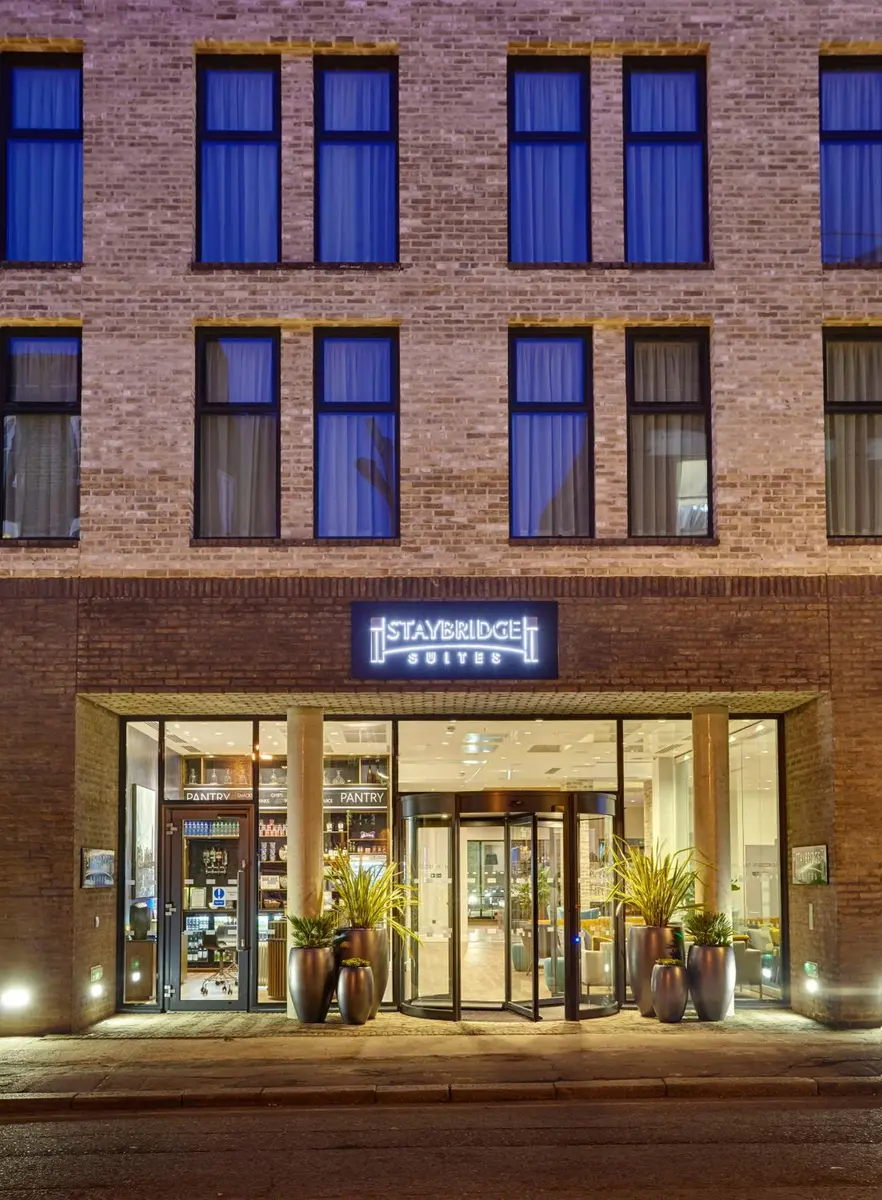 04
Staybridge Suites London-Vauxhall by IHG
9.62,064 reviewsVauxhall
2.2 km from Trafalgar Square
See prices 05
 06
 07
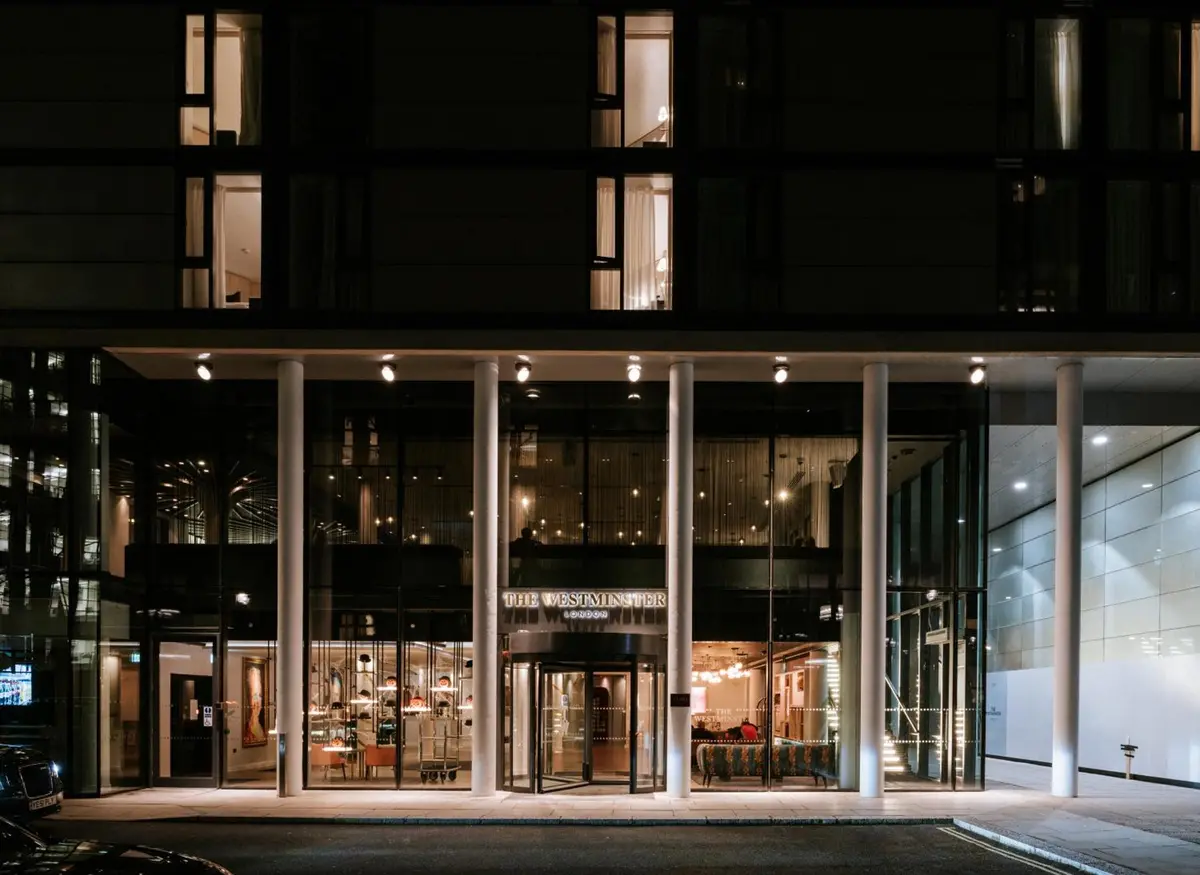
Riu Plaza London The Westminster
9.210,933 reviewsMillbank
26 min walk to Trafalgar Square
See prices 08
 09
 10
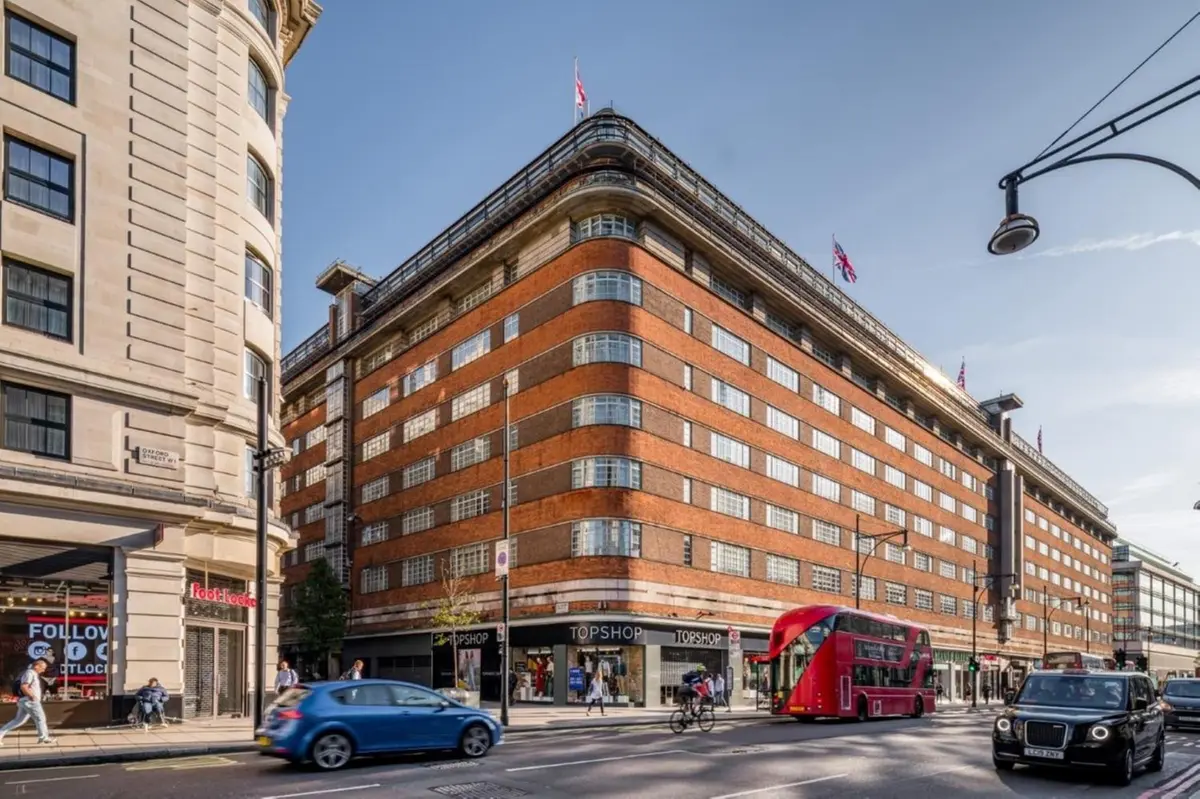
The Marble Arch Hotel, by Thistle
9.012,585 reviewsMarylebone
21 min walk to Paddington station
See prices
Hotel links go to Stay22. If you book, we may earn a commission, at no cost to you.
Food and drink
London eats from everywhere. The old staples are fish and chips, pies and the Sunday roast, but the city’s real menu is its mix: Bangladeshi Brick Lane, Chinatown, Turkish grills in the north, and West African and Caribbean cooking in the south. Lunch is often quick, and dinner runs from about 7pm.
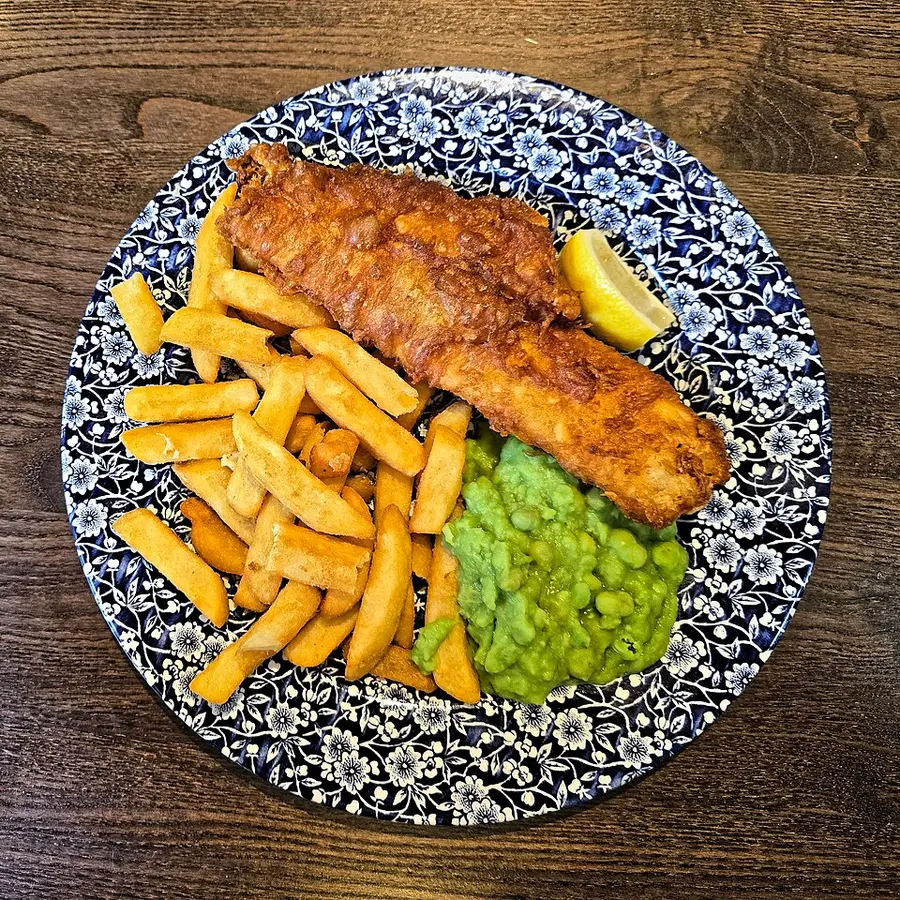
Fish and chips
Cod or haddock in crisp batter with thick-cut chips, salt and malt vinegar, and mushy peas on the side.
Photo: Acabashi, CC BY-SA 4.0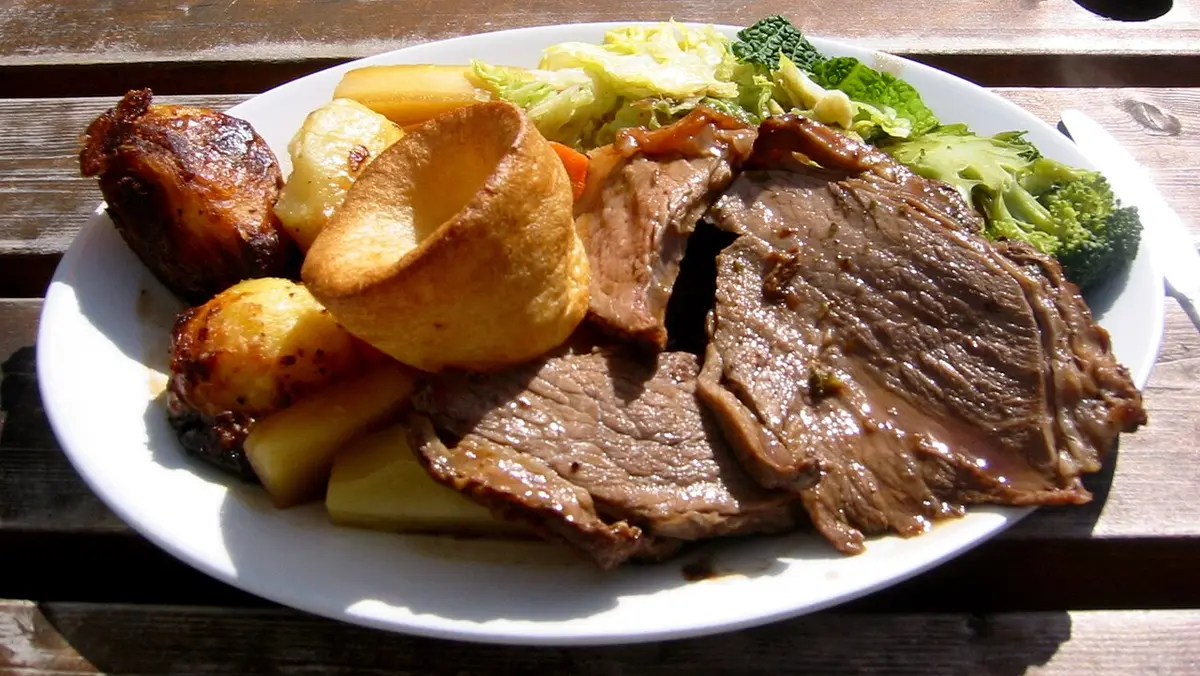
Sunday roast
Roast beef, lamb or chicken with roast potatoes, vegetables, gravy and a Yorkshire pudding, served in pubs every Sunday from about noon. Book, or go early.
Photo: Jeremy Keith from Brighton & Hove, United Kingdom, CC BY 2.0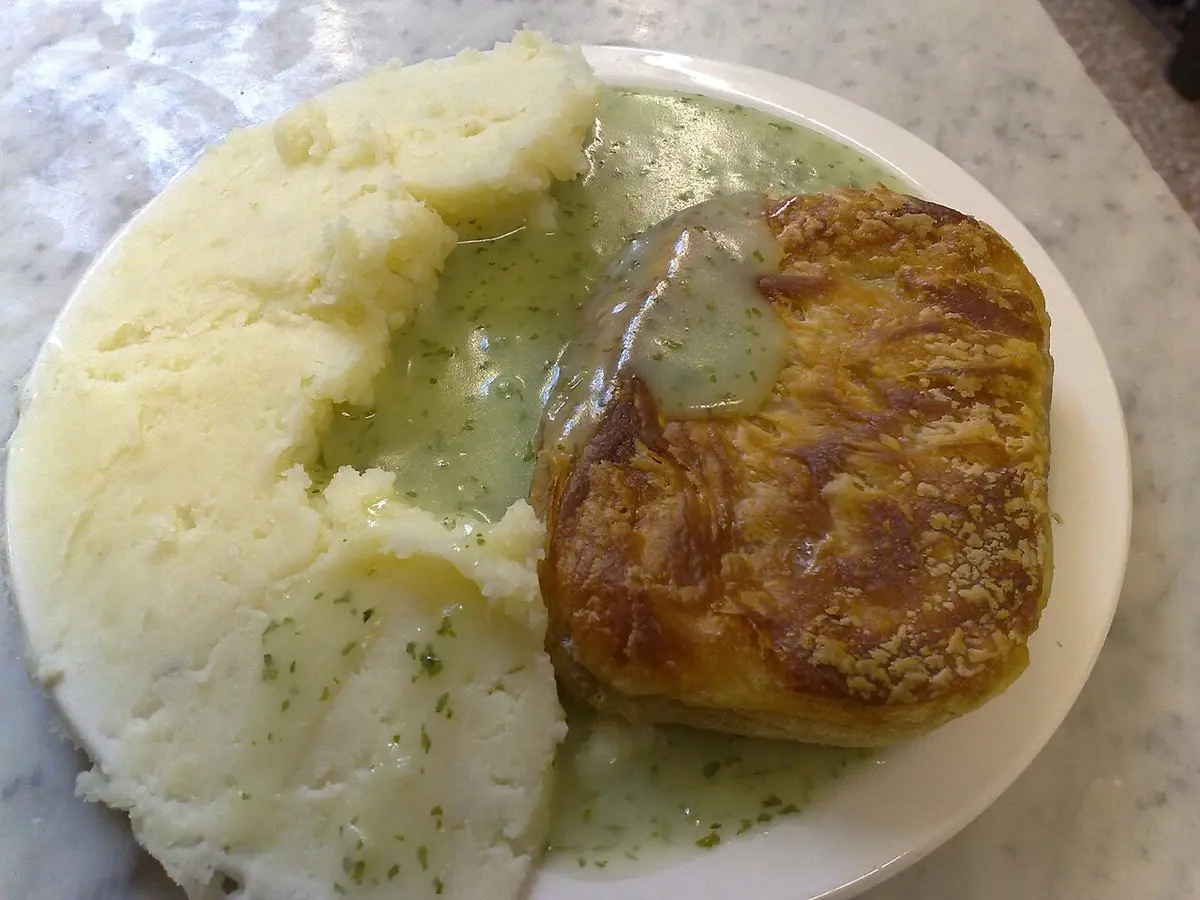
Pie and mash
A minced beef pie with mashed potato and liquor, a green parsley sauce: the old working lunch of the East End and south London. M. Manze on Tower Bridge Road has served it since 1902.
Photo: Secretlondon, CC BY-SA 3.0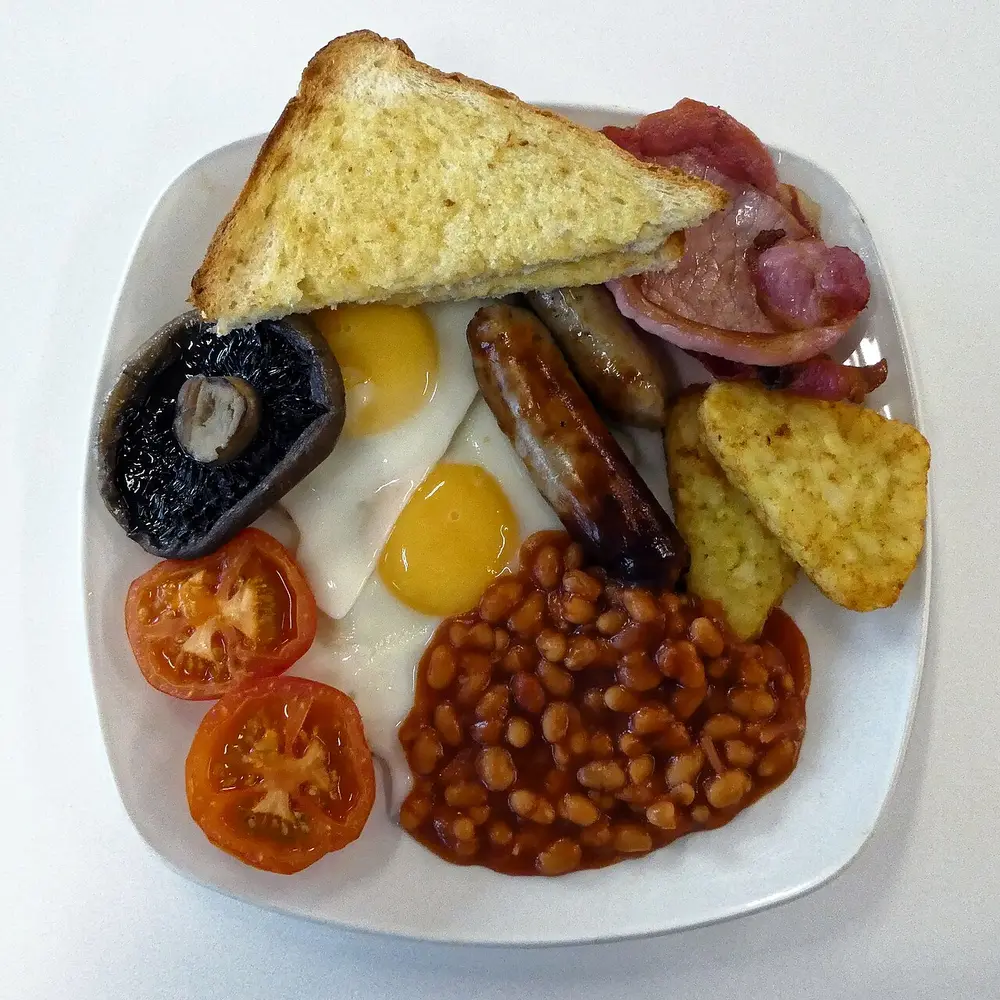
Full English breakfast
Bacon, sausages, eggs, beans, tomatoes, mushrooms and toast, often with black pudding, in a café that serves it all morning.
Photo: Acabashi, CC BY-SA 4.0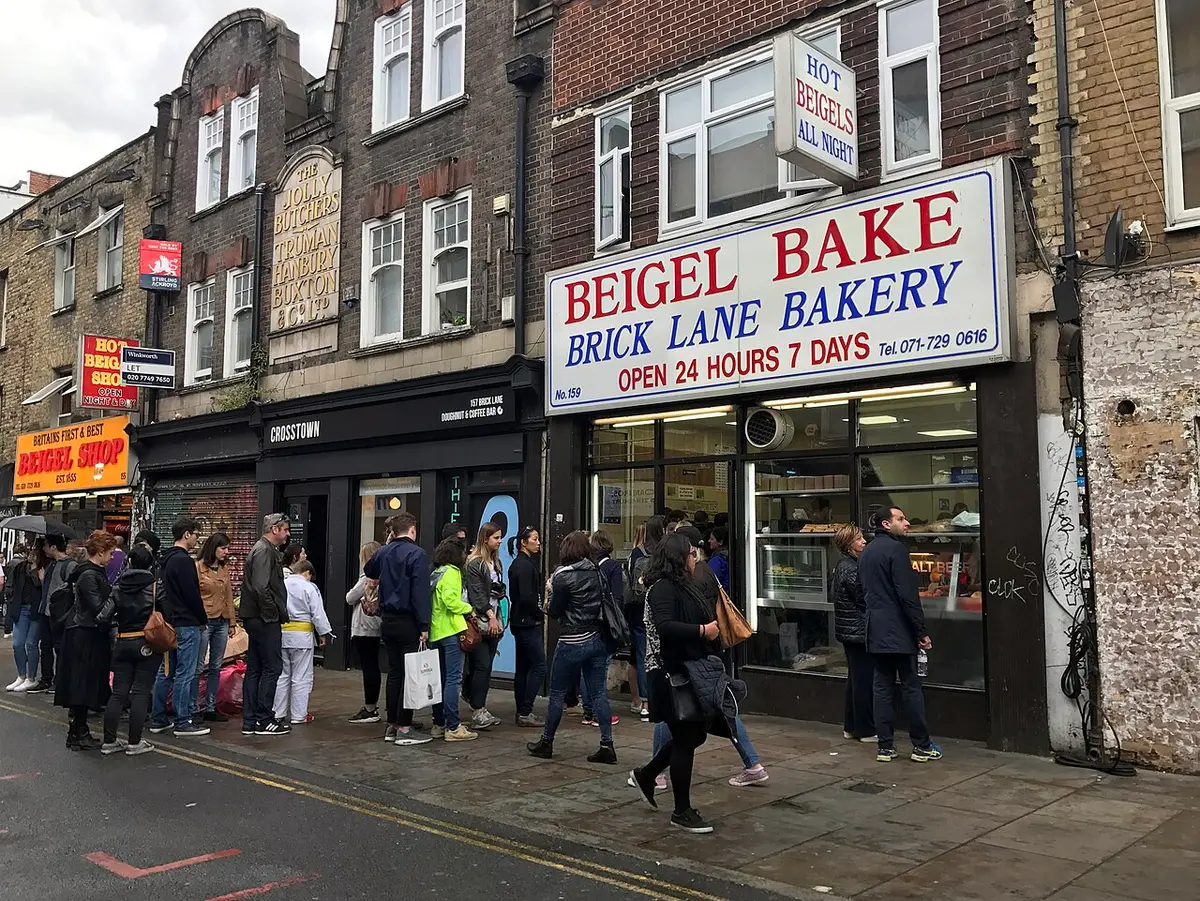
Salt beef bagel
Hot salt beef carved thick into a bagel with mustard, from the Brick Lane bakeries that stay open around the clock.
Photo: Bex Walton from London, England, CC BY 2.0Curry
London’s South Asian cooking runs from the Bangladeshi curry houses of Brick Lane to the Punjabi grills of Whitechapel and Southall, and chicken tikka masala is on almost every menu.
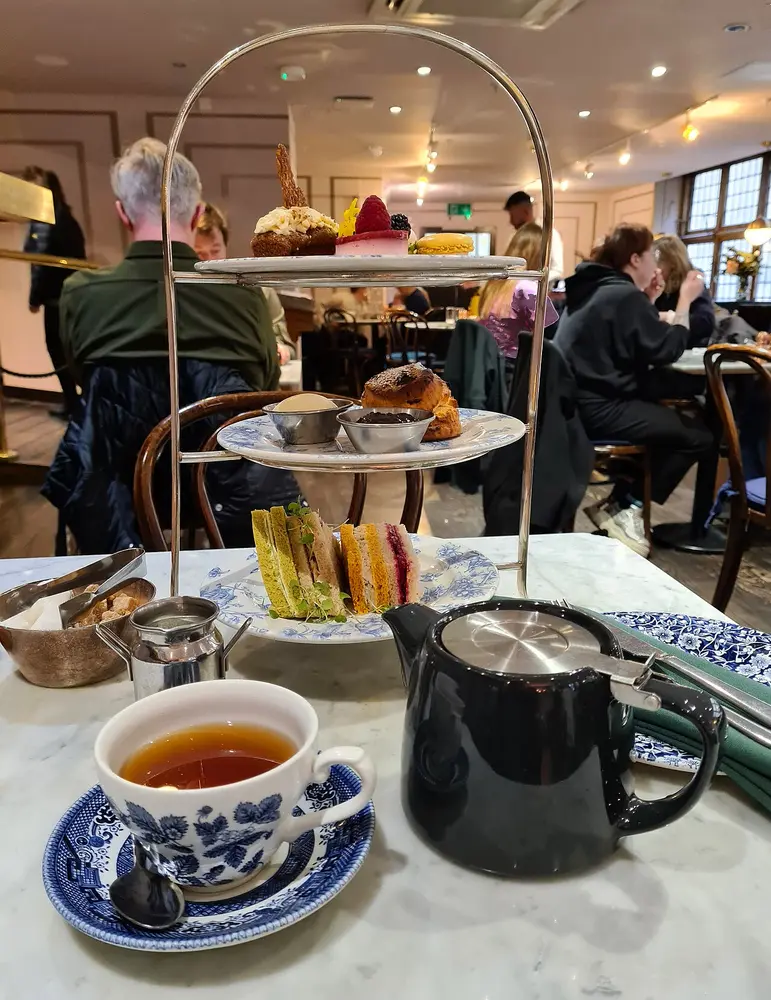
Afternoon tea
Sandwiches, scones with clotted cream and jam, and small cakes on a tiered stand, with a pot of tea. Anna, Duchess of Bedford, is credited with starting the habit in the 1840s.
Photo: Ji-Elle, CC BY-SA 4.0Graze the stalls at Borough Market (closed on Mondays), find bagels and curry on Brick Lane, dim sum in Chinatown off Leicester Square and small plates in Soho. Go to a pub for Sunday lunch, and to a local chippy rather than the tourist streets for fish and chips.
Four days that remade the City
In September 1666 a fire in a Pudding Lane bakery burned most of the City of London. A diarist watched it, an astronomer rebuilt it, and the streets still follow the old lines.
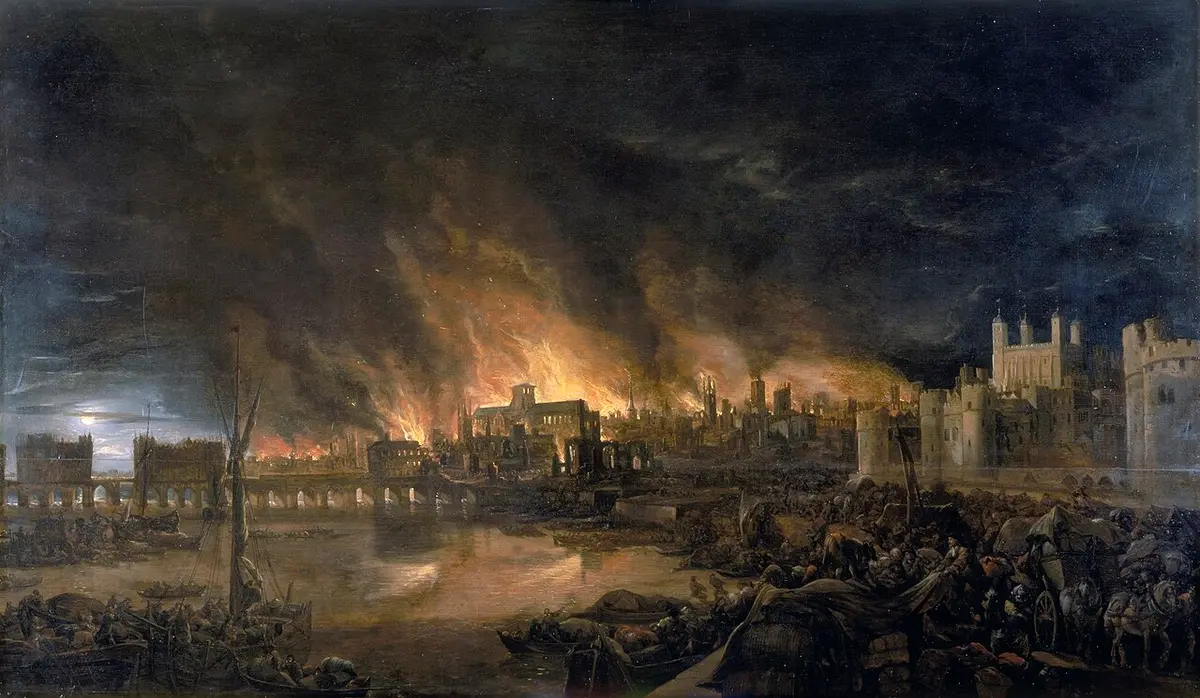
The fire began a little after midnight on Sunday 2 September 1666, in Thomas Farriner’s bakery on Pudding Lane, a few streets from London Bridge. The summer had been long and dry, the houses were built of timber, and the riverside warehouses were full of oil, tallow and coal. A strong east wind did the rest. Called out in the night, the Lord Mayor, Sir Thomas Bloodworth, is said to have looked at the flames and remarked that a woman could put them out.
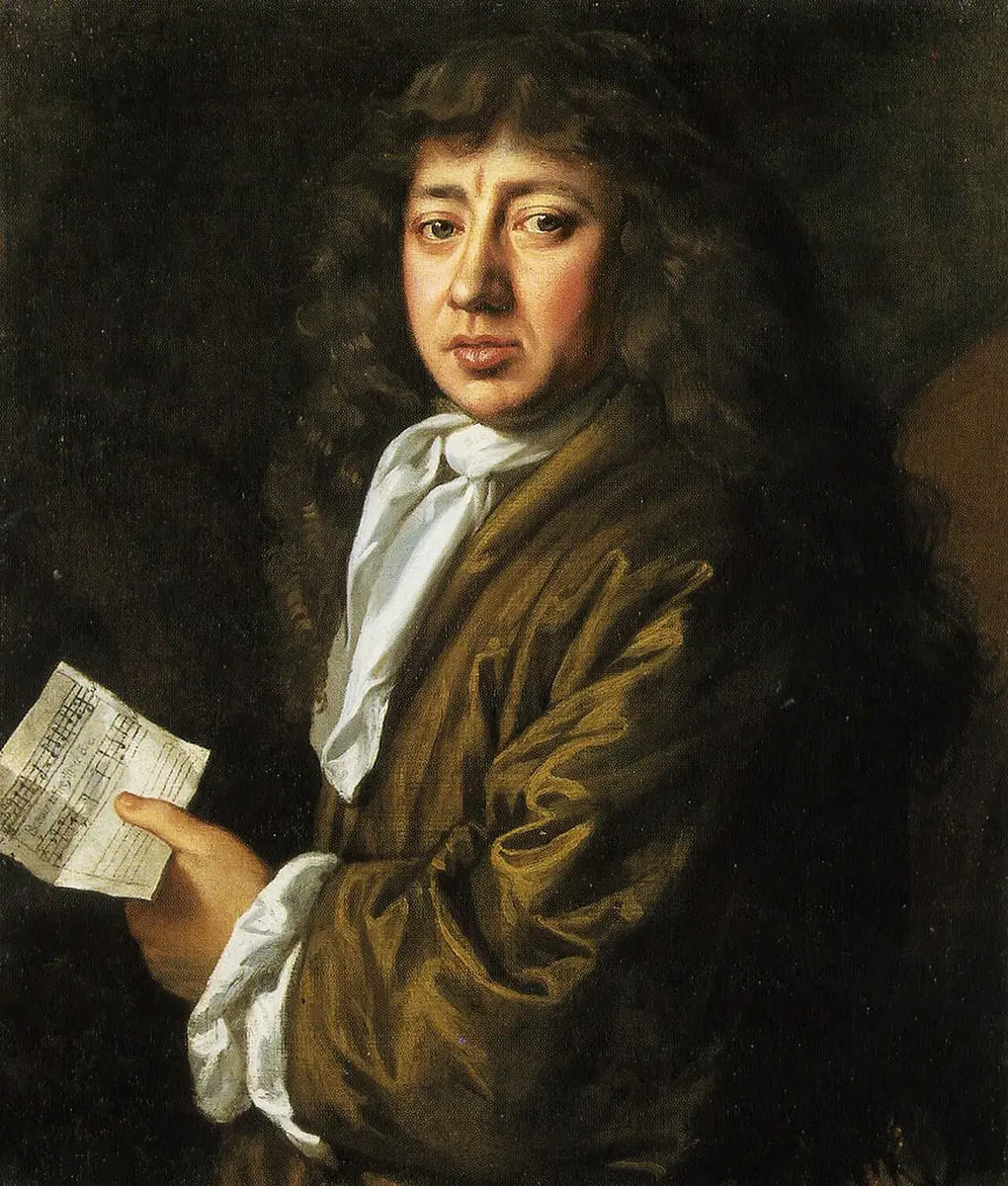
Samuel Pepys, a naval official who kept a diary, was woken by his maid at three in the morning, judged the fire far enough off and went back to sleep. By morning some 300 houses had burned. From a boat on the river he watched people load their goods into barges, and pigeons that would not leave their windows until their wings caught fire. Then he hurried to Whitehall to tell the king that unless houses were pulled down, nothing could stop it.
It burned for four days, moving west against every effort. On the Tuesday night it reached St. Paul’s, where booksellers had stored their stock in the crypt for safety; John Evelyn saw the cathedral’s stones burst in the heat and its lead roof run down the streets like a river. Only when the wind dropped, and soldiers from the Tower blew up houses with gunpowder to make firebreaks, was it brought under control.
More than 13,000 houses were gone, with nearly 90 parish churches, St. Paul’s and the halls of the City’s guilds, and tens of thousands of people camped in the fields at Moorfields and Islington. Only a handful of deaths were recorded, though the real number is unknown. The city wanted someone to blame. A French watchmaker, Robert Hubert, confessed to starting the fire and was hanged, although he had reached London two days after it began.
The City burned in four days and was rebuilt on the same streets, brick where there had been timber.
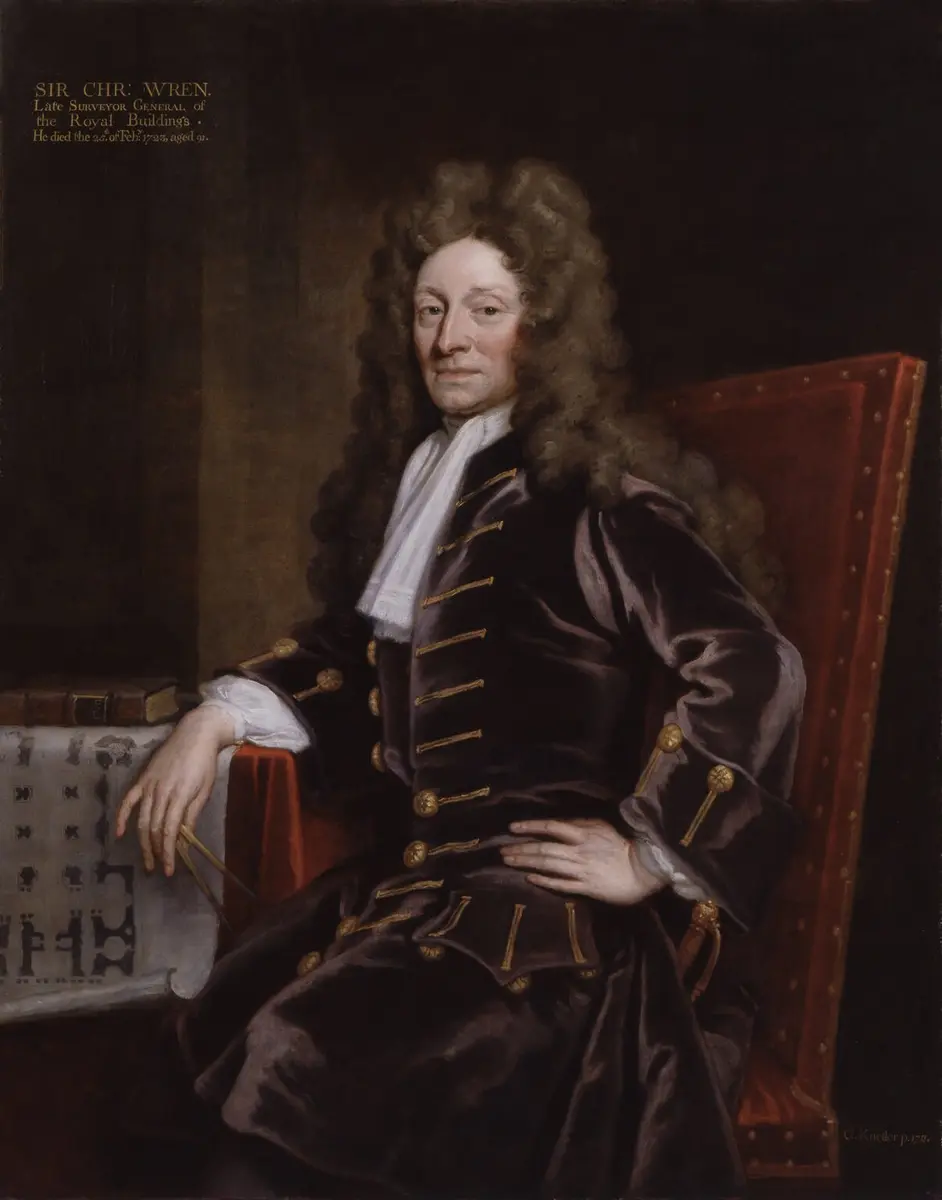
Within days, Christopher Wren, then a young professor of astronomy at Oxford with a growing interest in building, and the diarist John Evelyn each gave the king a plan for a new city of broad avenues and piazzas. Neither was used. Owners wanted their own plots back, and the old street plan returned, now in brick and stone. Wren designed more than 50 new City churches and the new St. Paul’s, and with Robert Hooke he designed the Monument, a column 202 feet tall that stands 202 feet from the site of the bakery. An inscription added in 1681 blamed Catholics for the fire; it was chiseled off in 1830.
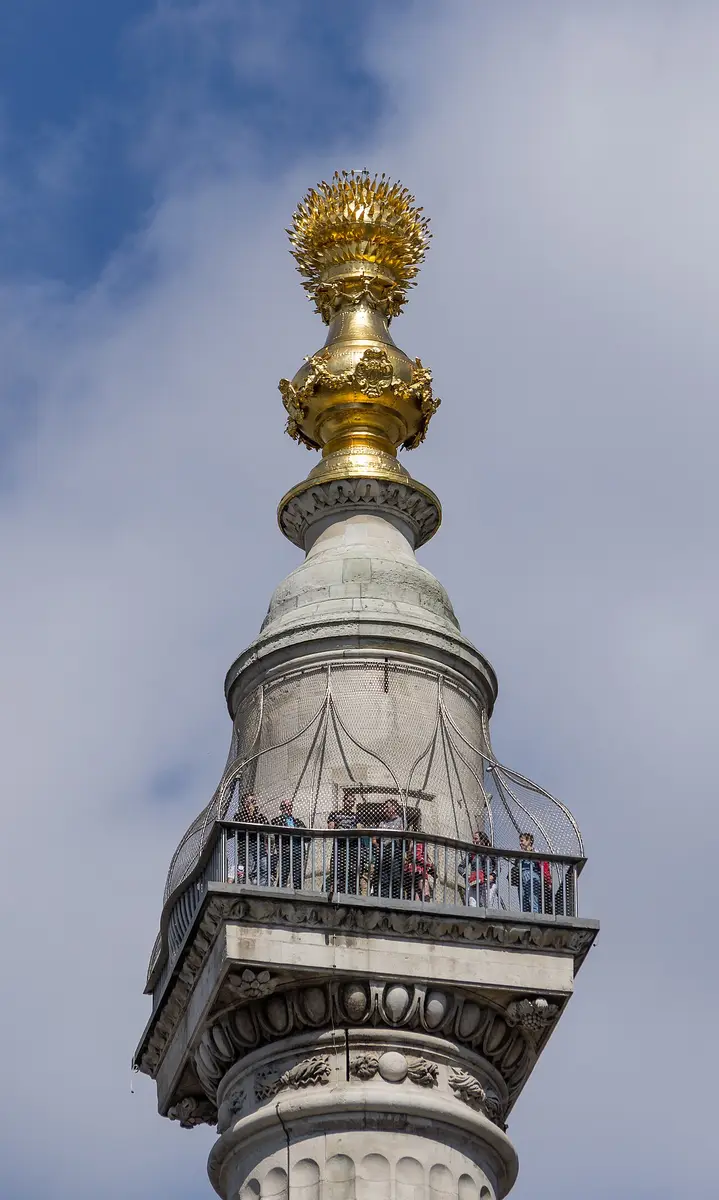
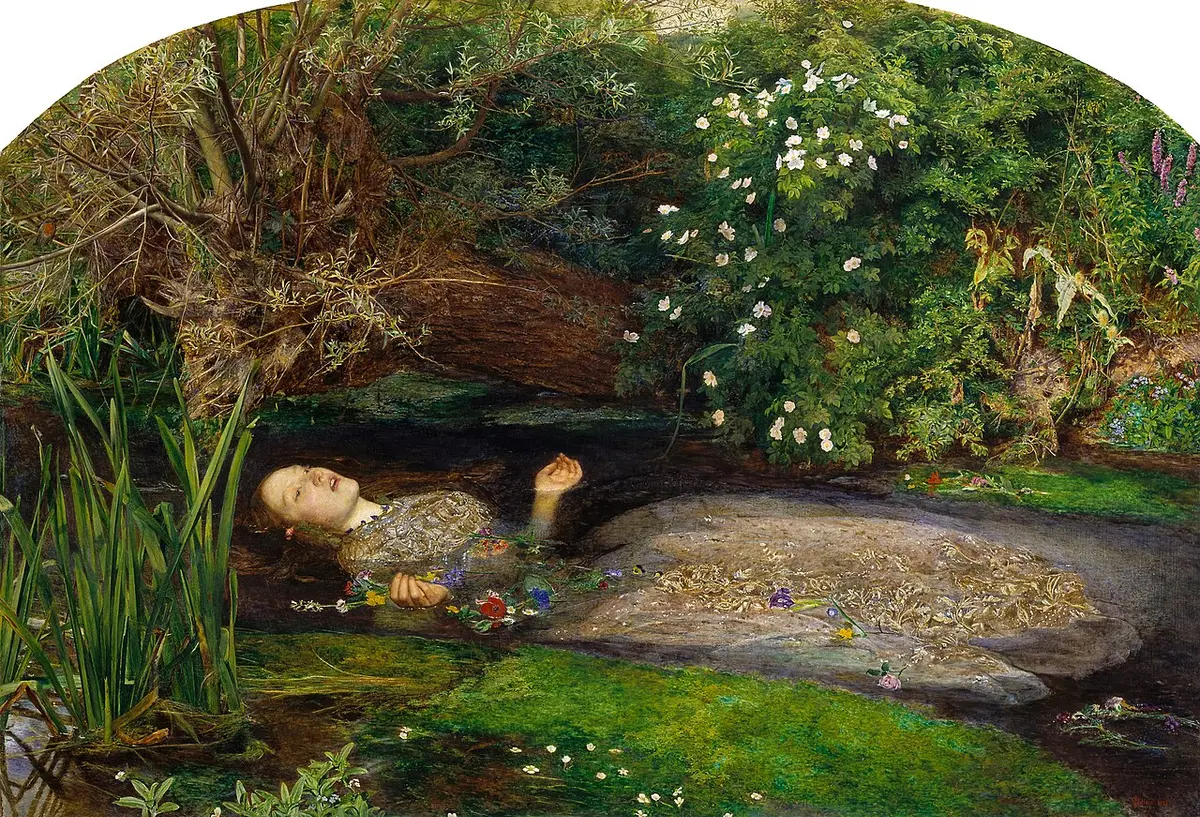
Walk the City today and you are following its medieval lanes, with Wren’s spires among the glass towers. Pudding Lane is still there, and the Monument’s 311 steps lead to a view over the ground the fire took. Wren is buried in the crypt of St. Paul’s, and his Latin epitaph tells the reader who seeks his monument to look around. The painting at the top of this story belongs to the London Museum, which opens its new galleries in the old Smithfield market on 28 November 2026.
Art
The National Gallery
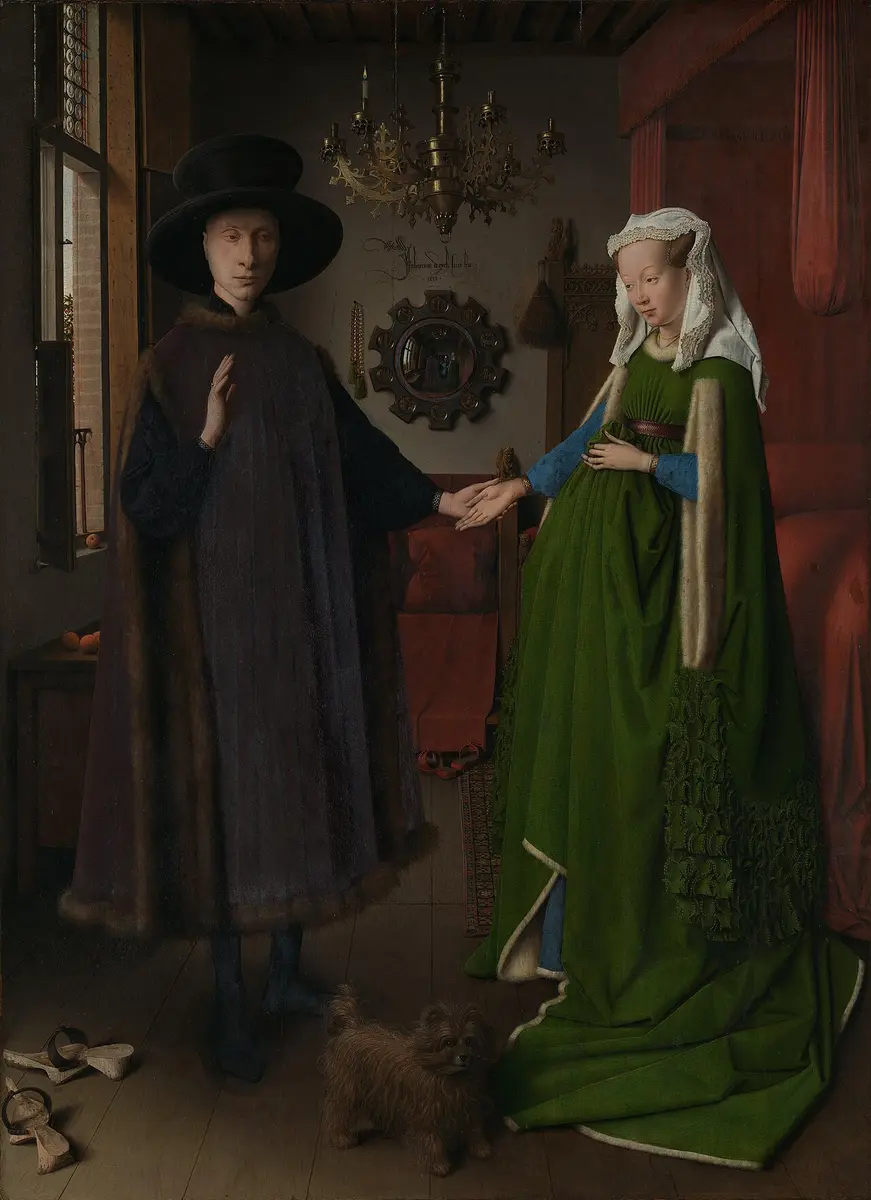
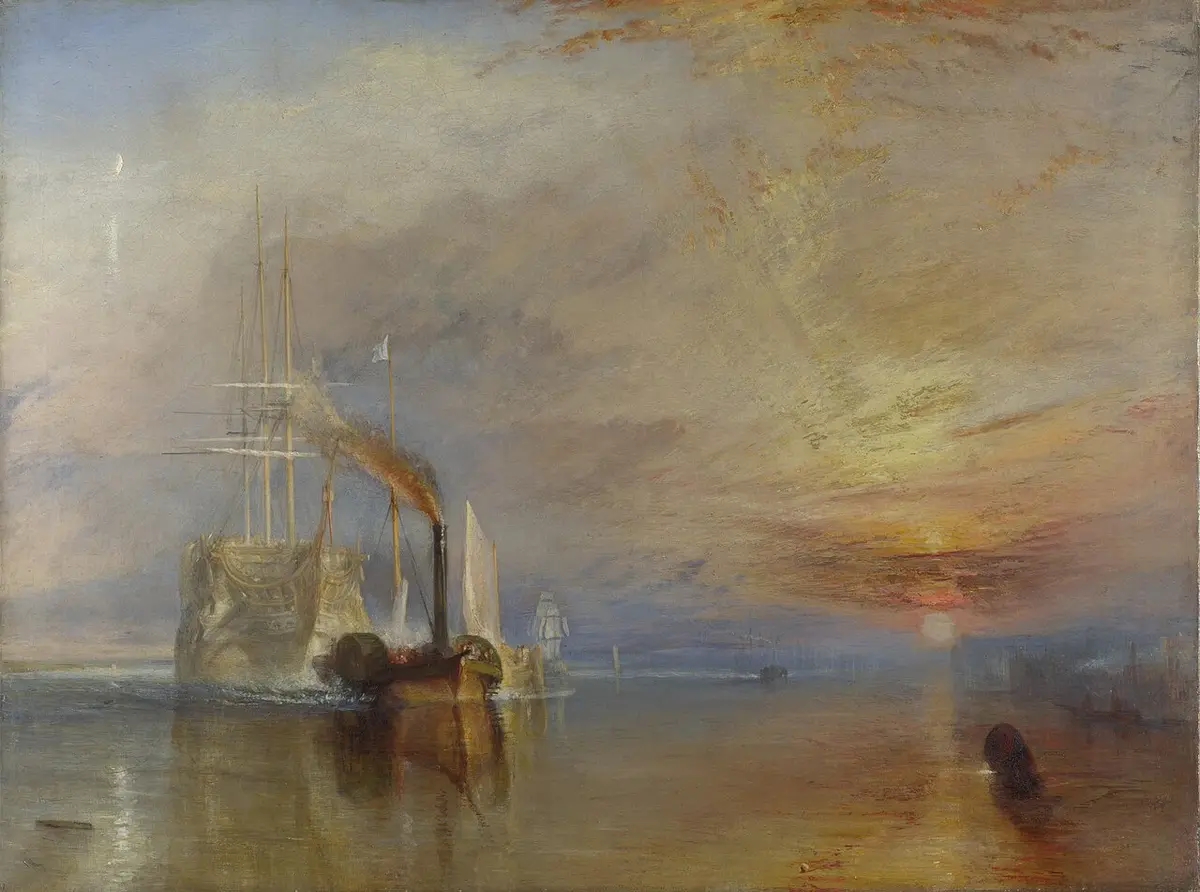
Van Eyck’s Arnolfini Portrait, Velázquez’s Rokeby Venus, Turner’s Fighting Temeraire, Constable’s Hay Wain and Van Gogh’s Sunflowers, all free, in a collection rehung in 2025.
Tate Britain
British art from 1500 to now, with the paintings and drawings Turner left to the nation in the Clore Gallery, and Pre-Raphaelite rooms that include Millais’s Ophelia.
Tate Modern
Modern and contemporary art in a former power station on Bankside, with free collection rooms and a new work for the Turbine Hall every autumn.
The V&A
Five thousand years of art and design, from Raphael’s cartoons for the Sistine Chapel tapestries, lent by the Royal Collection, to fashion and furniture and the plaster casts of the Cast Courts. Its new branch, V&A East, opened in the Olympic Park at Stratford in April 2026.
Portraits and private collections
The National Portrait Gallery, reopened in 2023 after a renovation, holds the Chandos portrait of Shakespeare, its first acquisition. The Wallace Collection in Marylebone and Kenwood House on Hampstead Heath show old masters in grand houses, free.
London in ink
A playwright on Bankside, a poet on a bridge at dawn, a novelist who walked all night and a modernist who went out to buy a pencil.
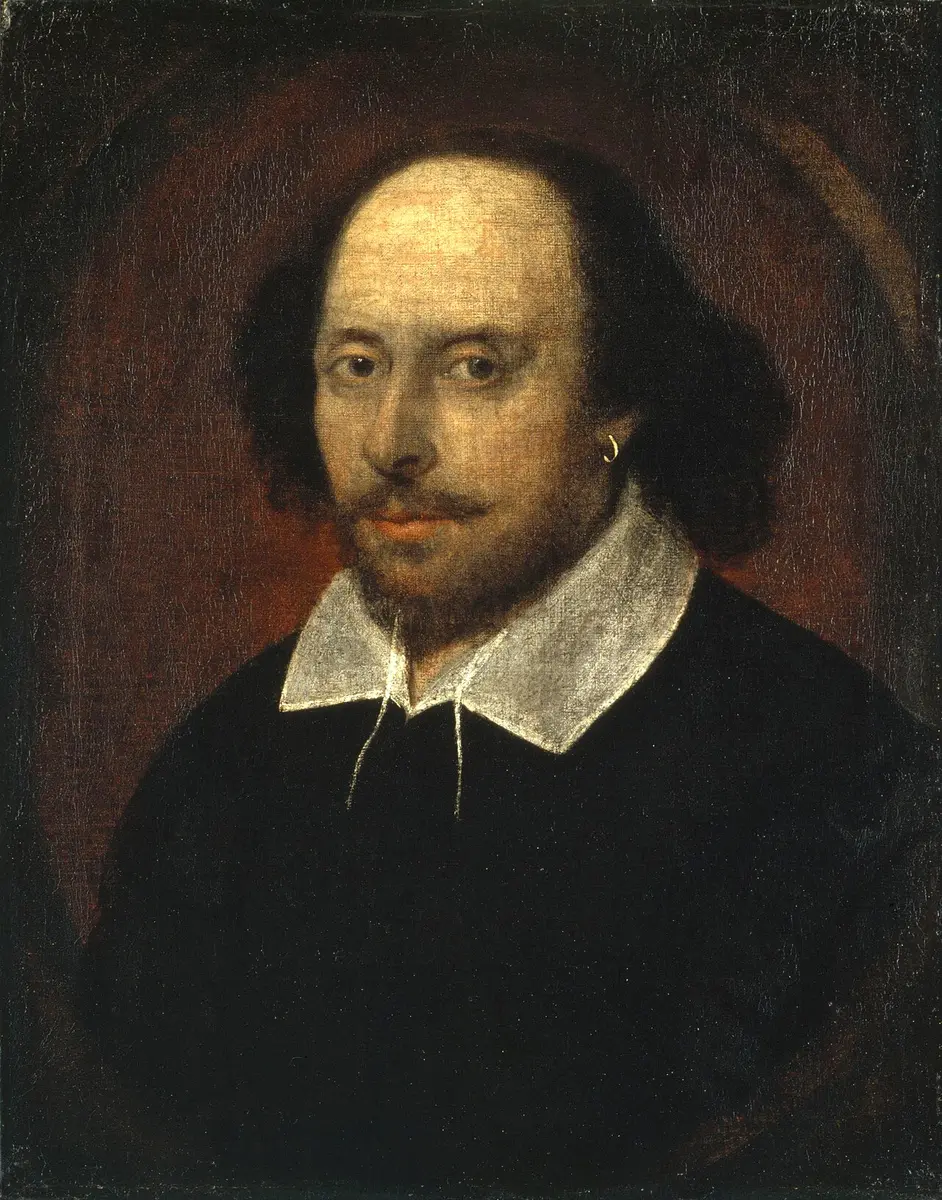
William Shakespeare
1564 to 1616
Shakespeare came to London from Stratford by the early 1590s and wrote nearly all his plays for its theaters, from 1599 for the Globe on Bankside, which his company built. His brother Edmund, an actor, is buried in Southwark Cathedral. The Chandos portrait, thought to show him, was the first picture the National Portrait Gallery acquired, in 1856.
William Wordsworth
1770 to 1850
Wordsworth crossed Westminster Bridge on the roof of the Dover coach early one summer morning in 1802, on his way to France with his sister Dorothy, whose journal describes the same view. The sonnet he made of it is one of the best-known poems about the city.
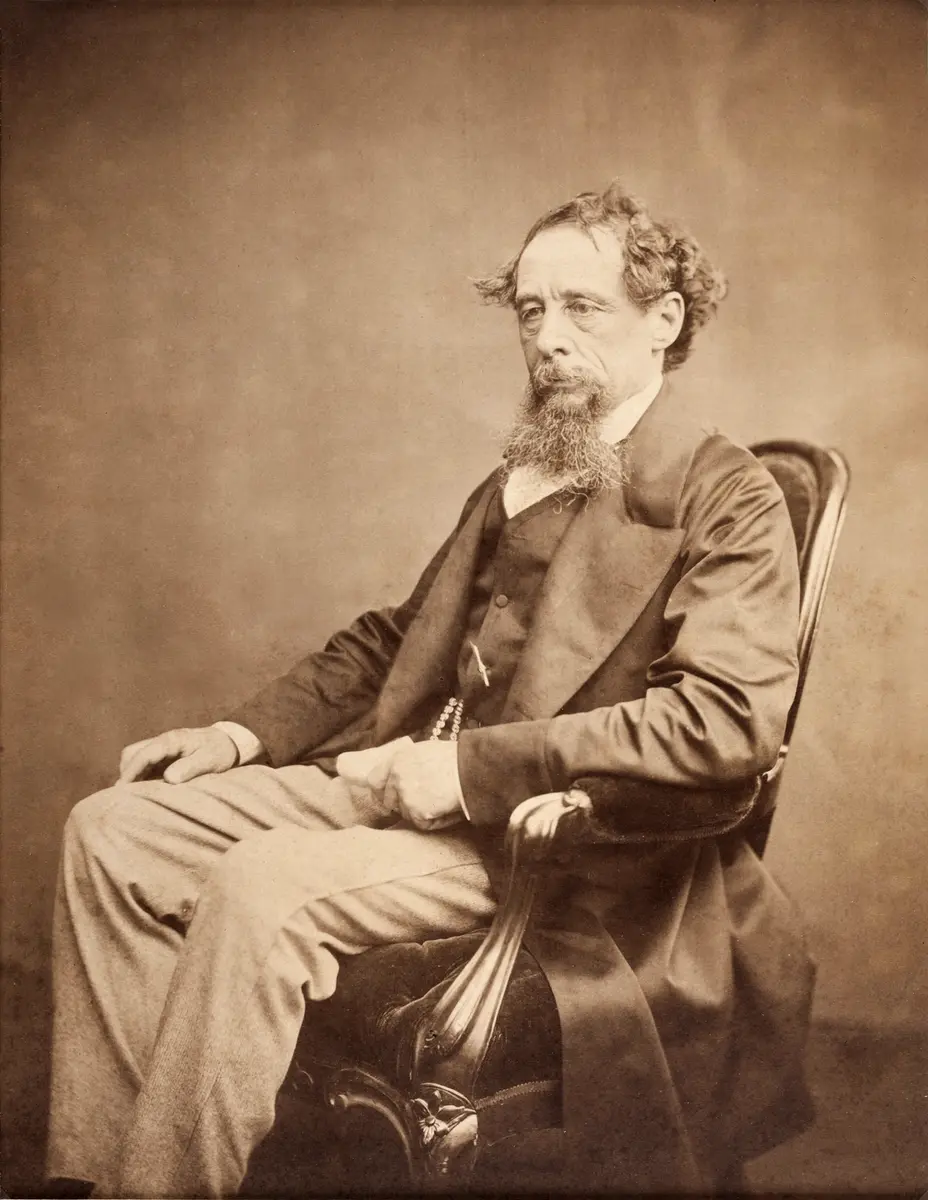
Charles Dickens
1812 to 1870
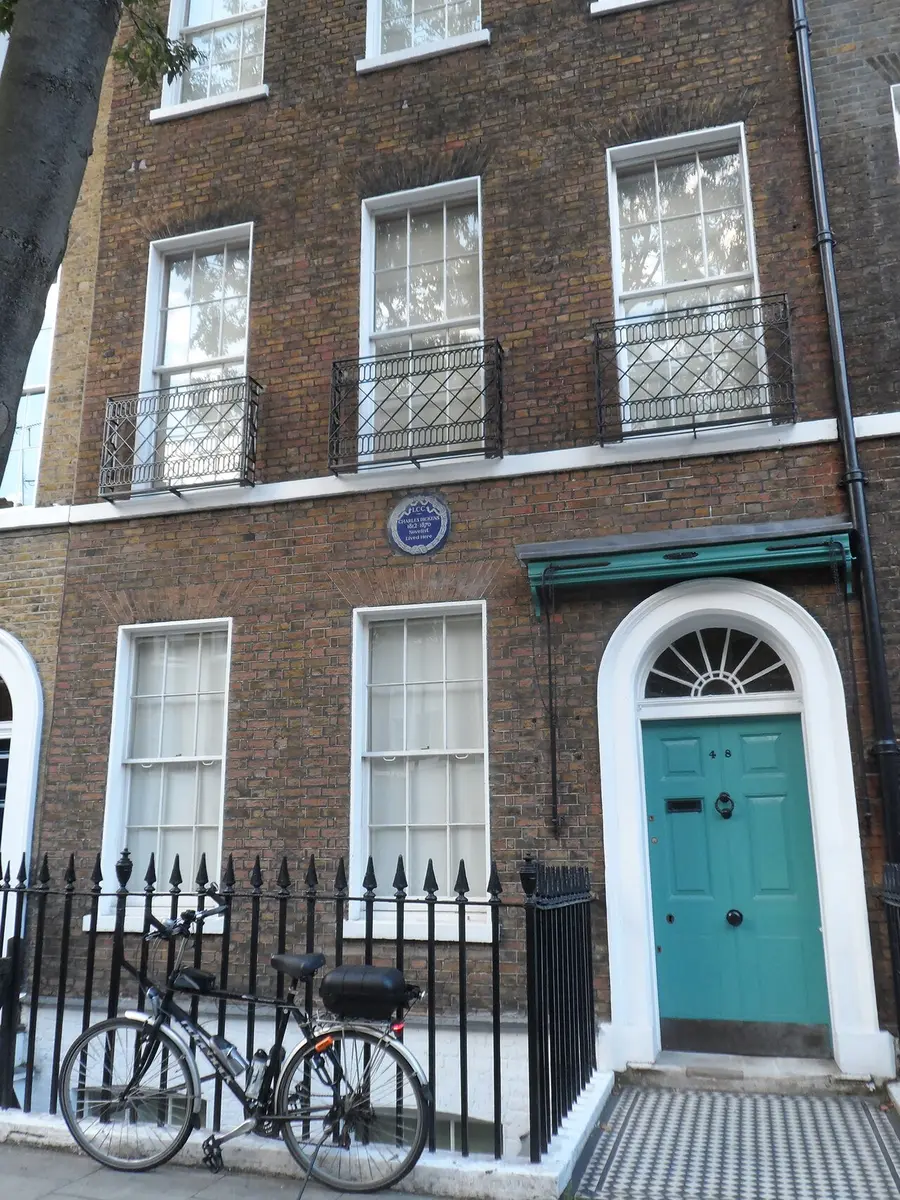
At twelve, while his father was held in the Marshalsea debtors’ prison in Southwark, Dickens worked in a blacking factory by the river, and London never left his books. At 48 Doughty Street, his home from 1837 to 1839, he finished The Pickwick Papers and wrote Oliver Twist and Nicholas Nickleby; the house is now the Charles Dickens Museum. He walked the streets for miles at night, and he is buried in Westminster Abbey.
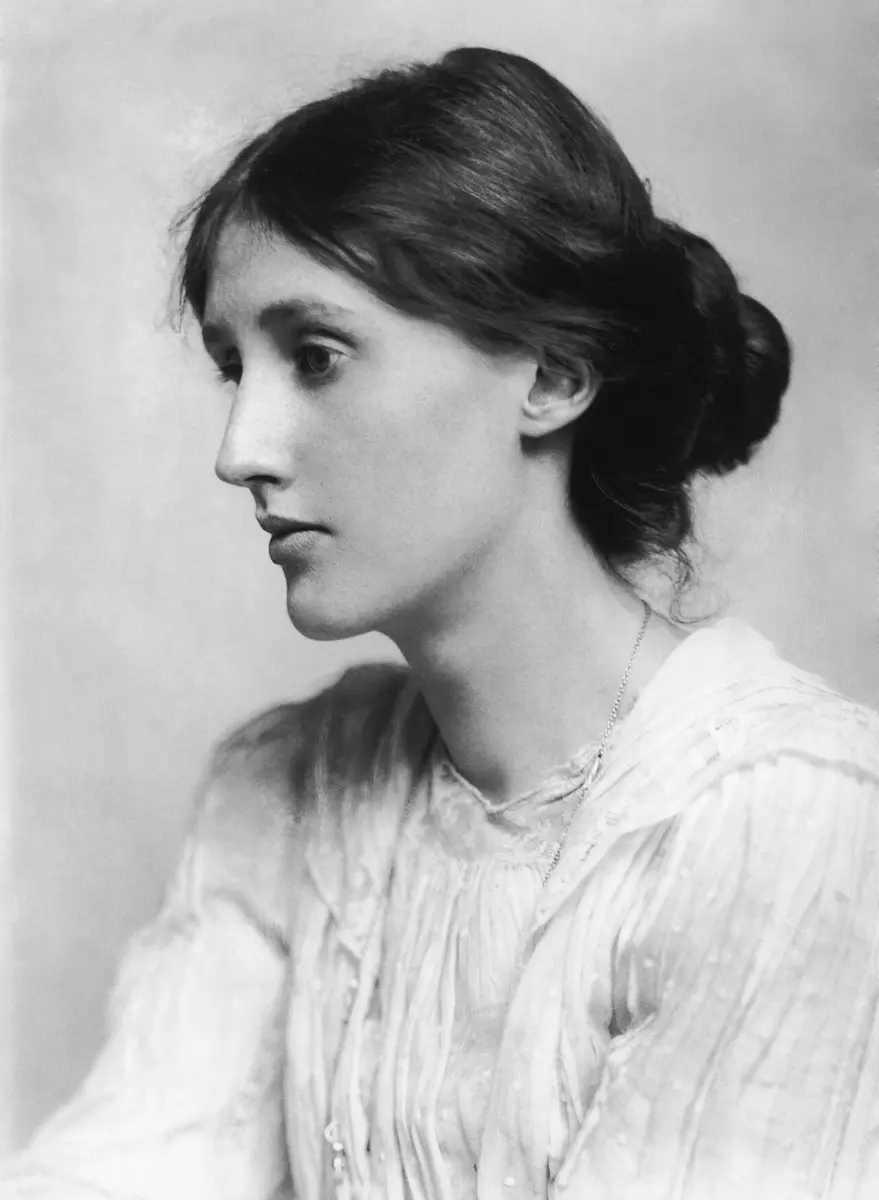
Virginia Woolf
1882 to 1941
Born in Kensington, Woolf moved with her brothers and sister to Gordon Square in 1904, and the friends who gathered there became the Bloomsbury Group. Mrs Dalloway (1925) follows one June day across Westminster as Clarissa Dalloway goes out to buy flowers for her party, and her essay Street Haunting (1927) turns a winter walk to buy a pencil into a tour of the city.
Earth has not any thing to shew more fair:
Dull would he be of soul who could pass by
A sight so touching in its majesty:
This City now doth like a garment wear
The beauty of the morning; silent, bare,
Ships, towers, domes, theatres, and temples lie
Open unto the fields, and to the sky;
All bright and glittering in the smokeless air.
William Wordsworth, Composed upon Westminster Bridge (written 1802), from his Poems (1815)
Culture
Theater
The West End stages long-running musicals and new plays most nights, and the National Theatre on the South Bank and the Globe on Bankside add their own seasons.
Royal London
Trooping the Colour marks the King’s official birthday with a parade on Horse Guards in June, and the Lord Mayor’s Show sends a gilded coach through the City on the second Saturday of November.
Notting Hill Carnival
Over the August bank holiday weekend, steel bands, sound systems and costumed parades fill the streets of Notting Hill for the Caribbean carnival that began there in the 1960s.
Bonfire Night
On and around 5 November, fireworks across the city remember the Gunpowder Plot of 1605, a failed attempt to blow up Parliament.
Football
Arsenal, Chelsea, Tottenham and West Ham are among the city’s clubs. Tickets for big matches are hard to find, so a stadium tour is the easier way in.
Wimbledon
For two weeks from late June, the tennis championships fill the grounds at Wimbledon, and people queue overnight for tickets sold on the day.
Music and nights out
The Proms
From July to September, the BBC Proms put on concerts almost every day at the Royal Albert Hall, and standing tickets in the arena are sold cheaply on the day.
Classical and opera
The London Symphony Orchestra plays at the Barbican, the London Philharmonic at the Royal Festival Hall on the South Bank, and the Royal Opera House in Covent Garden stages opera and ballet.
Jazz
Ronnie Scott’s in Soho has put on jazz since 1959, on Frith Street since 1965.
Rock and pop
The Beatles crossed the zebra crossing outside Abbey Road Studios for an album cover in 1969, and fans still stop the traffic to copy them. Camden’s venues, from the Roundhouse to small pub stages, keep the live scene going.
Nights out
Soho for bars, Shoreditch and Dalston for later nights, Brixton and Camden for live music, and clubs such as Fabric in Farringdon that run until morning at weekends.
Nature and day trips
The royal parks
Hyde Park and Kensington Gardens run together for more than a mile, with the Serpentine lake in the middle, rowing boats and a lido for summer swims.
Regent’s Park and Primrose Hill
Rose gardens, a boating lake and London Zoo, with Primrose Hill across the road and a wide view of the skyline from the top.
Hampstead Heath
Meadows and woods in the north, with the view from Parliament Hill, the free art collection at Kenwood House and swimming ponds, two of them open all year.
Richmond Park
The largest of the royal parks, where herds of red and fallow deer roam free. Keep at least 50 meters away, above all in the autumn rut.
Kew Gardens
The Royal Botanic Gardens, a World Heritage Site, with Victorian glasshouses and a treetop walkway, about half an hour from Victoria on the District line.
Day trips
Windsor Castle is under an hour by train, and Oxford, Cambridge and the sea at Brighton are each about an hour.
A day in Greenwich
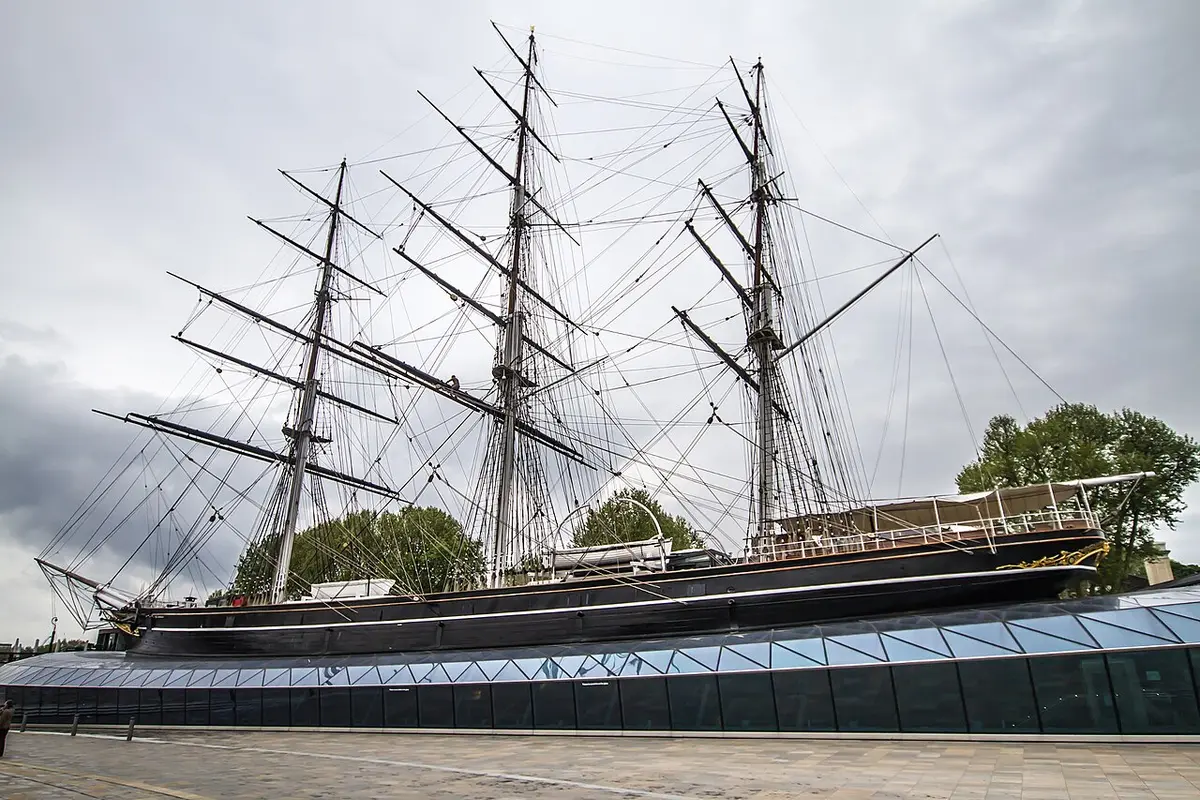
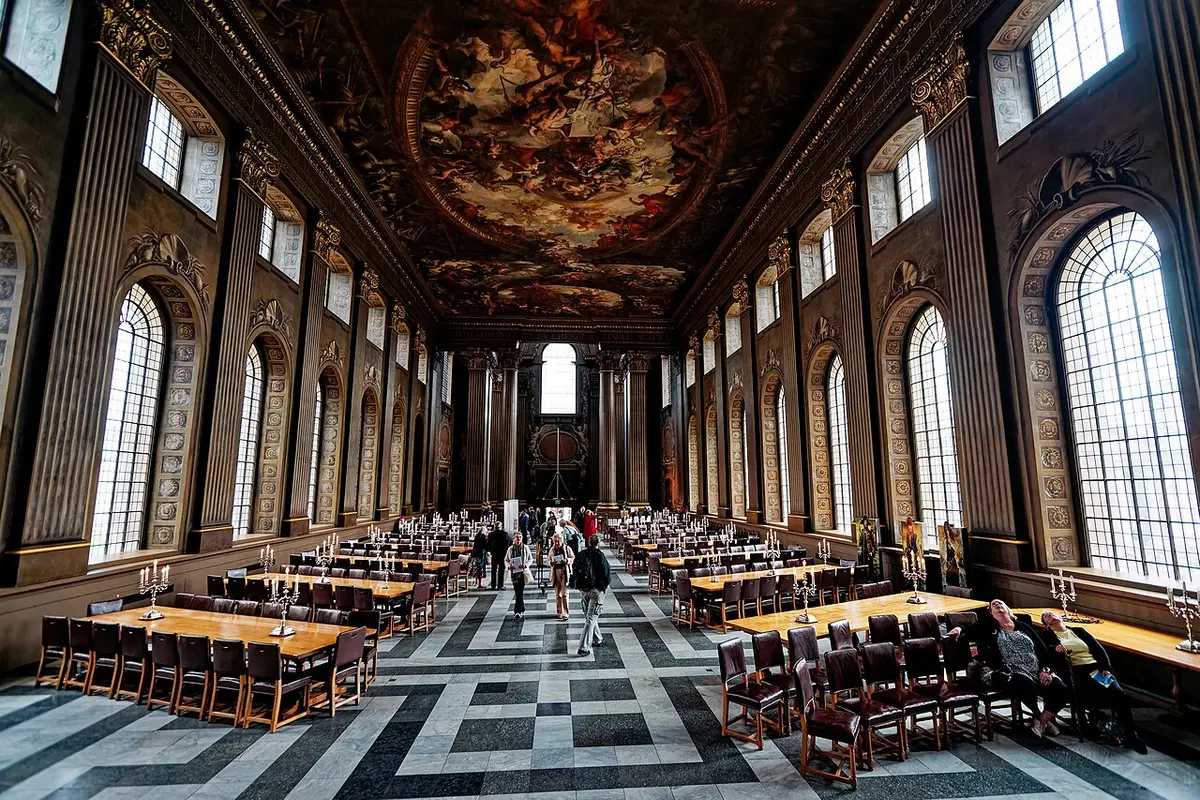
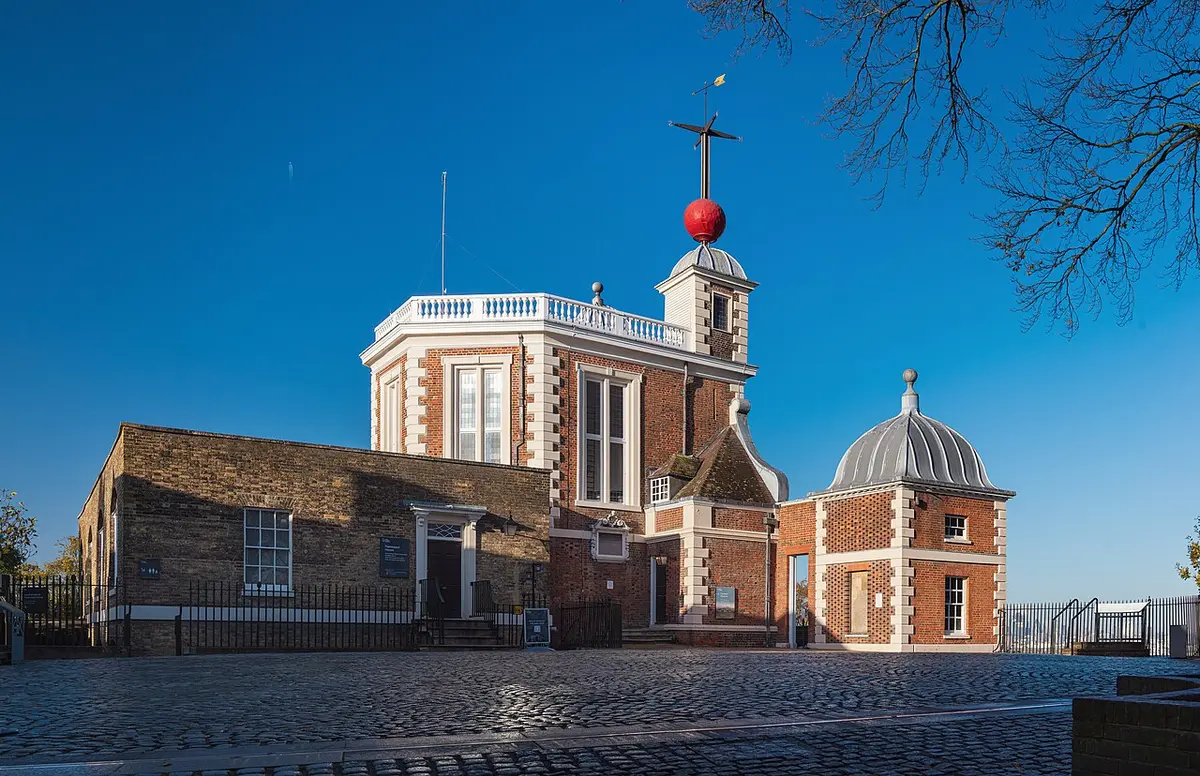
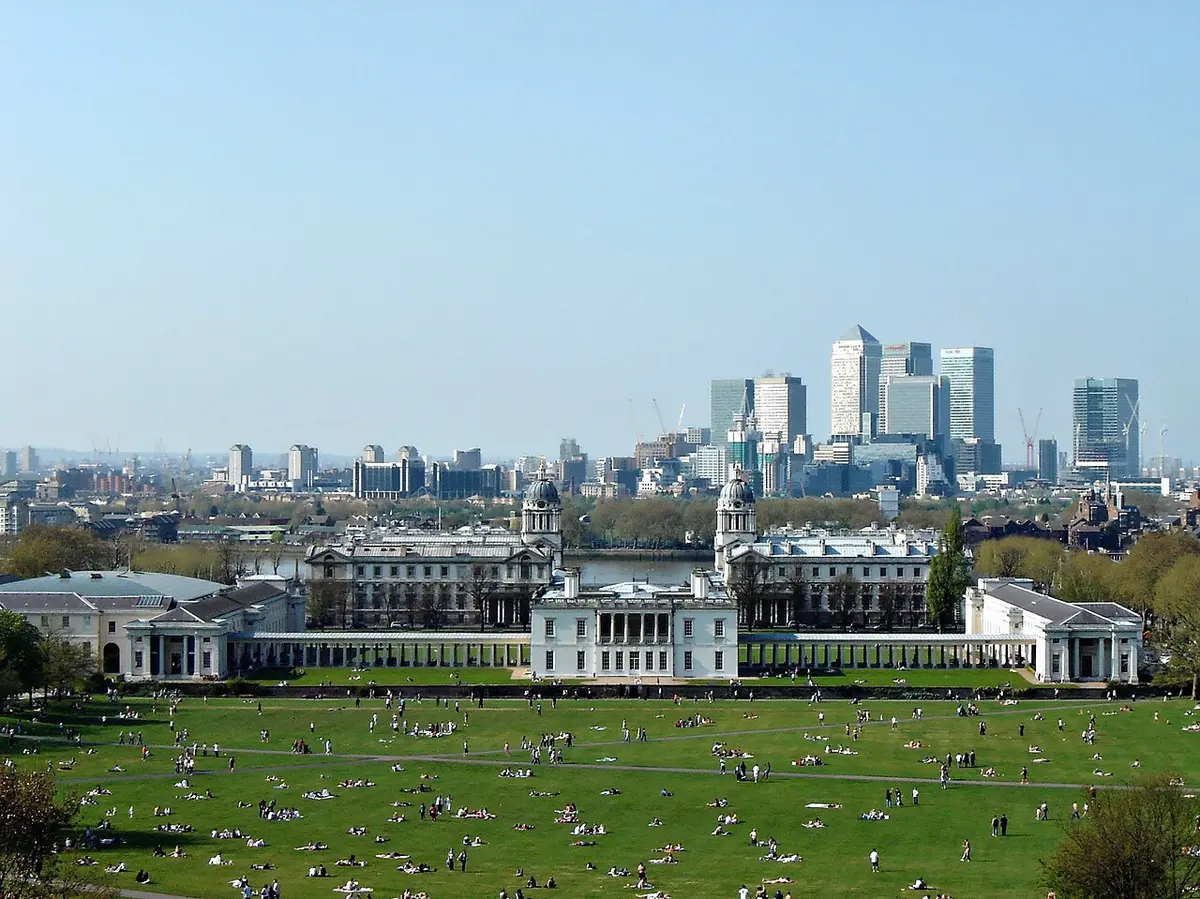
Take a river boat down the Thames, or the DLR, to the maritime town on longitude zero: a tea clipper, a painted hall, an observatory on the hill and a long view back to the city.
People and customs
Queues
Londoners line up for buses and at counters without being told, and notice anyone who does not.
Escalators
Stand on the right and walk on the left, on every escalator in the Tube.
Pubs
Order and pay at the bar, where tipping is not expected. In a group, people take turns buying rounds.
Look right
Traffic drives on the left, and crossings in the center have “Look right” or “Look left” painted on the road for a reason.
Sundays
Large shops open for only six hours on Sundays, usually from about 11am or noon; museums, markets and pubs keep their usual hours.
A few words
Please, thank you and sorry are used constantly, and the weather is the safe way to start a conversation.
Questions
How many days do you need in London?
Four days covers the Tower, Westminster, the South Bank, the British Museum and a free gallery or two at a human pace. Five or more leaves time for Greenwich, Kew or a day trip to Windsor or Oxford.
Where should I stay in London on a first visit?
Covent Garden and Soho put you in the middle of everything. South Kensington is calm and good for families, Bloomsbury and King’s Cross offer better value and fast trains, and Shoreditch is best for nightlife.
When is the best time to visit London?
May to September, for long days and outdoor life, with June to August the warmest. Spring and autumn are quieter, winter is cold and dark early but has the Christmas lights, and it can rain in any month.
How do I get from Heathrow to central London?
The Elizabeth line runs straight into central London in about 30 to 40 minutes. The Heathrow Express reaches Paddington in 15 minutes for a higher fare, and the Piccadilly line is the cheapest option, at nearly an hour.
Are London’s museums free?
Most of the big ones are, including the British Museum, the National Gallery, Tate Modern, Tate Britain, the V&A and the Natural History and Science Museums. Special exhibitions cost extra, and some museums ask you to book a free timed ticket.
Do I need an ETA to visit London?
Most visitors who do not need a visa, including Americans, Canadians, Australians and EU citizens, need an Electronic Travel Authorisation before they travel. Apply on the official UK ETA app or on GOV.UK; most decisions come within minutes.
Plan London with your group
Everyone swipes on the sights they want. SwipeSights builds the days around the picks, in walking order.