Málaga
Picasso's sun-drenched Andalusian gateway
Once just the Costa del Sol's airport, Málaga has reinvented itself as a sun-soaked art city. You get Picasso's birthplace, a Moorish hilltop fortress, palm-lined promenades, fried fish on the beach, and tapas bars buzzing late into the warm Andalusian night.
How long to stay?
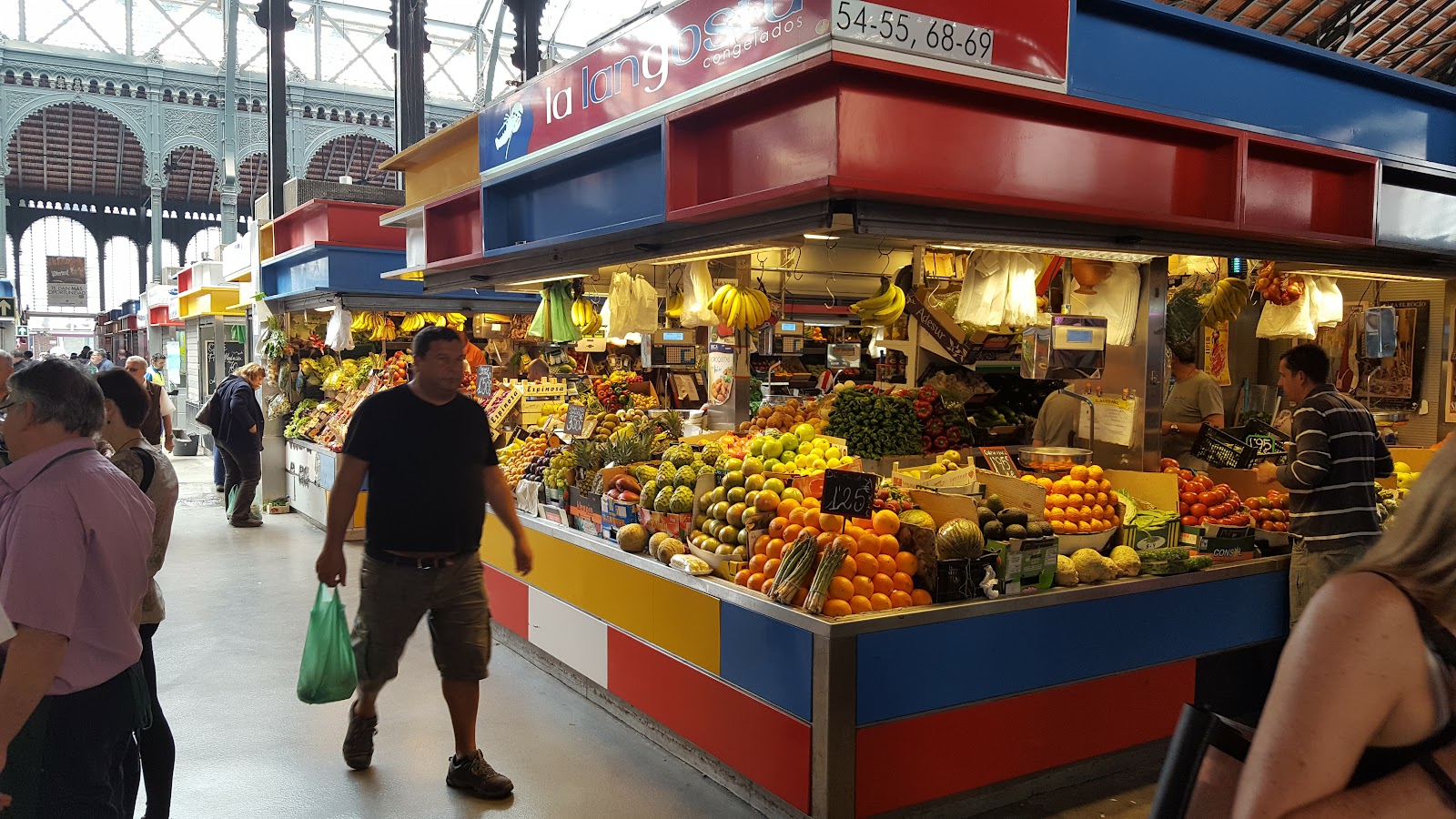
One or two days suits the center: browse the iron-and-glass Mercado de Atarazanas, climb the Alcazaba and Gibralfaro castle, see the Picasso Museum, then unwind with sardines and a swim at Playa la Malagueta.
Sunny, easygoing and proudly Andalusian. The historic center is buzzing yet relaxed, with rooftop bars, street-side flamenco and an art-museum density to rival far bigger cities. Beach life and tapas culture run side by side.
The Centro Histórico keeps you among the cathedral, museums and tapas bars, all walkable. Soho brings street art and galleries, while La Malagueta and Pedregalejo put you closer to the beach and seafood chiringuitos.
Climb to the Gibralfaro castle late afternoon, then walk the rampart path down for free sunset views over the port, bullring and shimmering sea, no ticket needed for the lookout itself.
Málaga is warm year-round. Spring (April to June) and autumn (September to October) are ideal for sightseeing and beaches without midsummer's heat. Even winters stay mild and sunny.
Málaga-Costa del Sol Airport, one of Spain's busiest, sits just 8km from the center and connects by suburban train and bus in minutes. High-speed AVE trains link Málaga directly to Madrid, Córdoba and Seville.
Spanish is the language and the euro the currency. Andalusians eat and drink late, so don't expect dinner before 9pm. Tipping is modest and optional. Summer afternoons slow down for the heat.