Fjord light, forest air, bold design
Oslo wears its wealth lightly, a compact capital where you can swim in the fjord and ski in the forest the same day. You walk onto the white-marble roof of the opera house, glide past sleek harbor architecture, and find Munch's haunting Scream just minutes from the water.
Two days takes in the sloping rooftop of the Oslo Opera House, the brooding power of the new Munch museum, Akershus Fortress over the harbor, and a slow wander among the nude bronzes of Vigeland Park.
Three or four days opens up the Bygdøy peninsula museums, the Fram polar ship and Kon-Tiki raft, a ferry hop around the inner fjord islands, and a tram up to Holmenkollen ski jump for sweeping city views.
Calm, clean, and quietly cosmopolitan. Nature is never far, with islands and forest trails inside the city limits. Norwegians are polite and low-key, the design is impeccable, and life moves at an unhurried, outdoorsy pace.
Sentrum and the regenerated Aker Brygge and Tjuvholmen waterfront put you among harbor restaurants and museums. Grünerløkka is the hip, café-filled district by the river, great for young travelers and weekend brunch.
In summer, hop the public ferry to the inner-fjord islands like Hovedøya: it costs the price of a regular transit ticket, not a tour, and gives you swimming spots, ruins, and picnic meadows minutes from downtown.
June to August brings long daylight, fjord swims, and outdoor cafes; midsummer barely gets dark. Winter is cold and short on light but magical for skiing and cozy interiors. Spring and autumn are crisp and quiet.
Oslo Airport (Gardermoen) lies 50km north; the Flytoget express train reaches the central station in about 20 minutes. The compact center is best explored on foot, by tram, or the efficient metro.
Norwegians speak excellent English. Oslo is expensive, so a transit pass and grocery picnics help. It is largely cashless; cards and phones work everywhere. The currency is the Norwegian krone, not the euro.
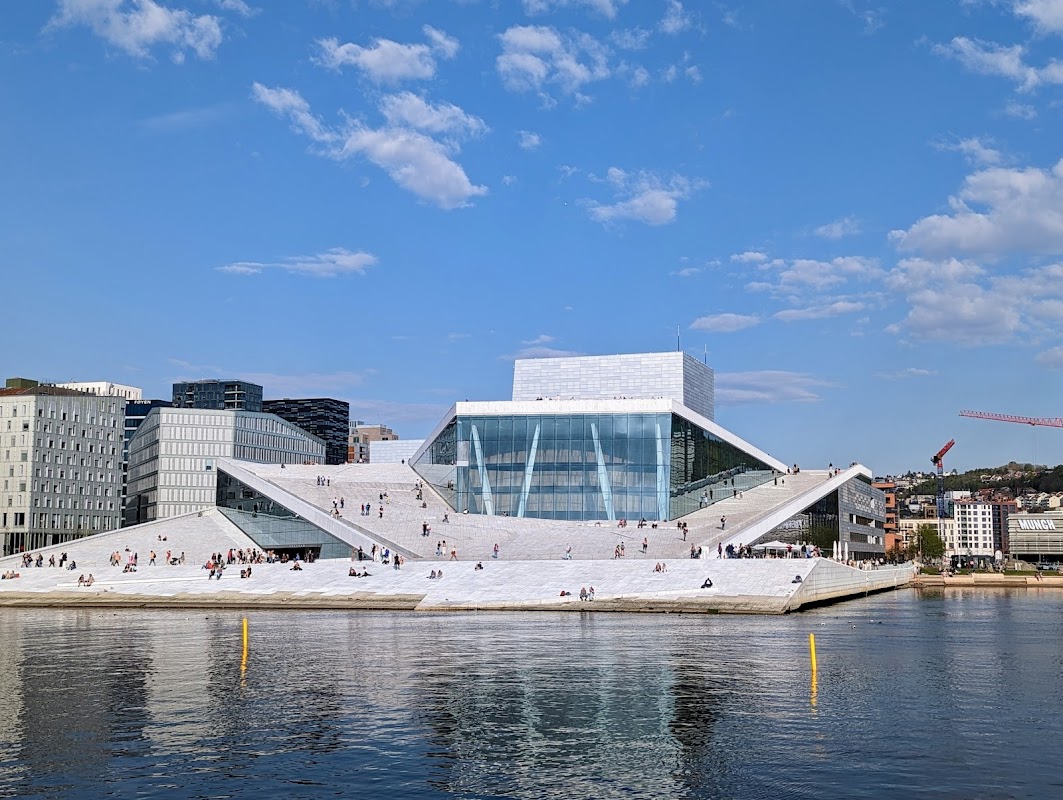
WALKABLE MARBLE ROOF
Home to the Norwegian National Opera and Ballet, this striking white marble and glass building rises from the Oslofjord like a glacier. Its sloping roof doubles as a public plaza, inviting visitors to walk right up to the top for sweeping views over the water and city.

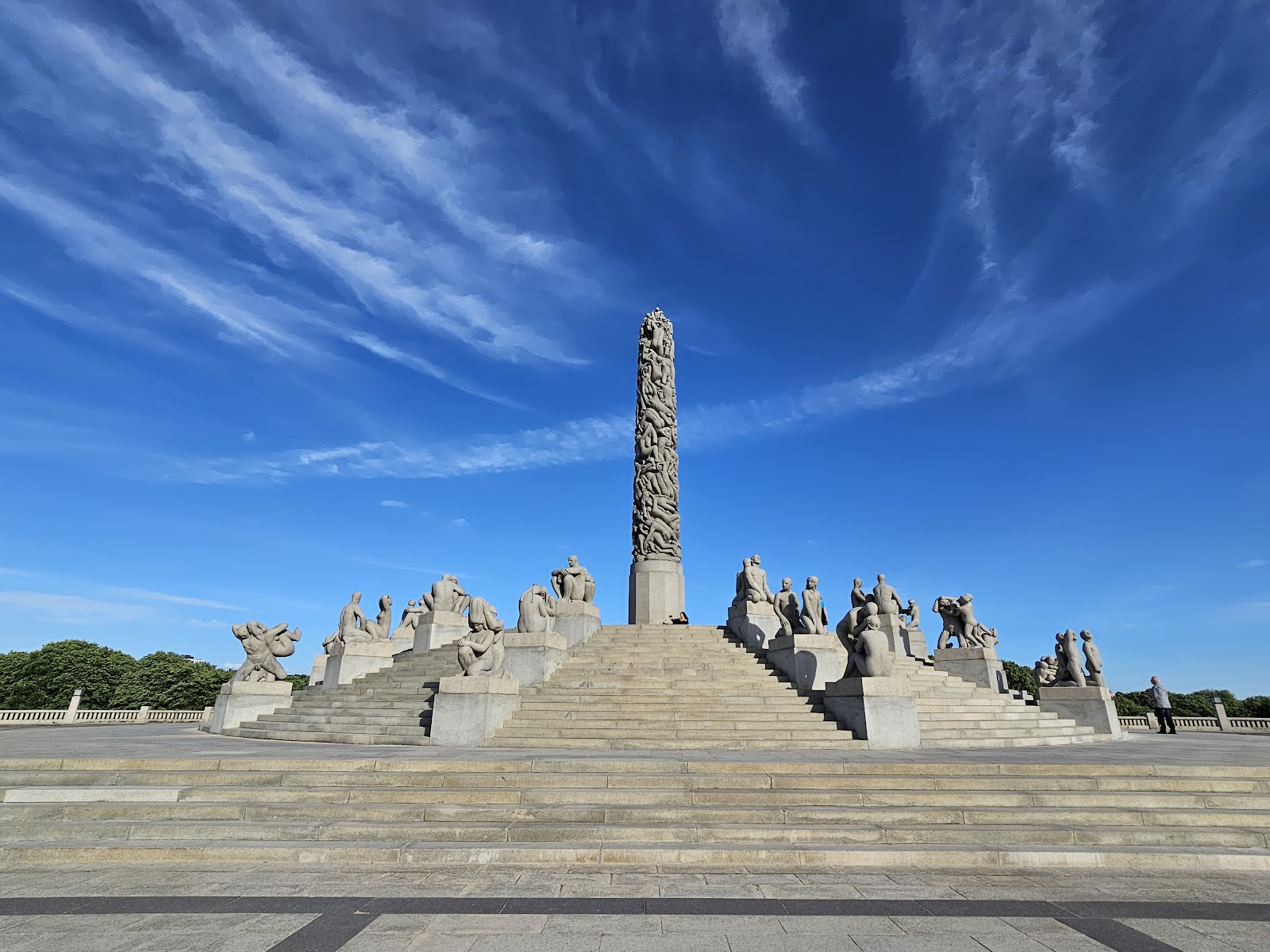
BRONZE BODY SCULPTURES
The world's largest sculpture park created by a single artist, featuring over 200 bronze and granite figures by Gustav Vigeland. Visitors stroll among nude human forms capturing life's cycle, centered on the towering Monolith of intertwined bodies and the beloved Angry Boy. The vast green park is free and open year-round.

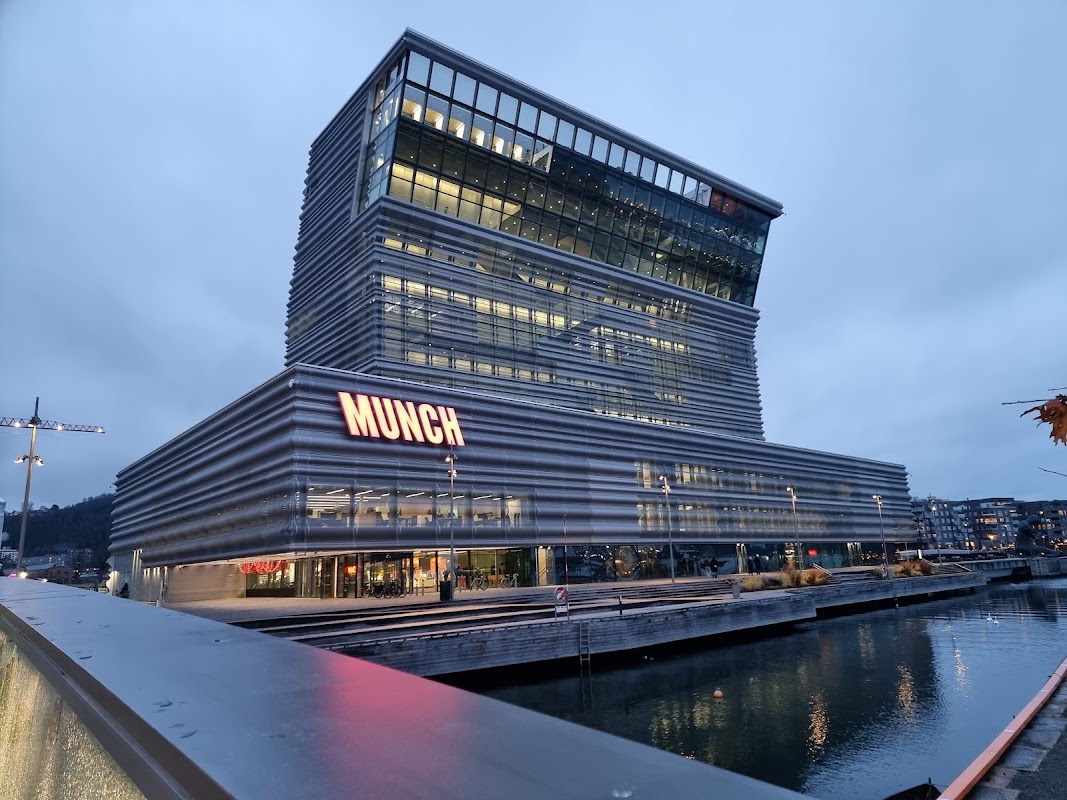
THE SCREAM HOME
A bold 13-story waterfront museum dedicated to Edvard Munch, holding the world's largest collection of his work. Visitors view versions of The Scream alongside thousands of paintings, drawings, and prints. The building's leaning glass tower offers panoramic city views and rotating exhibitions across multiple gallery floors.

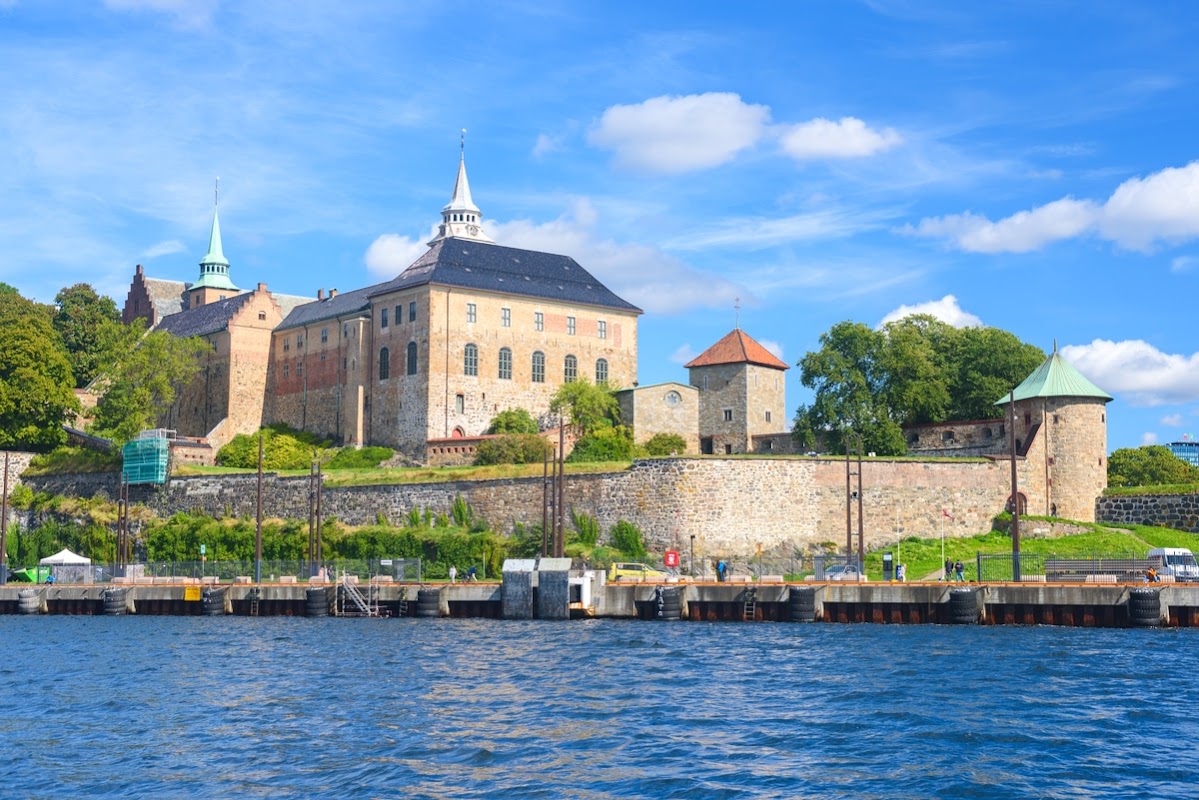
MEDIEVAL HARBOR GUARD
A medieval castle and military stronghold guarding Oslo's harbor since the late 13th century. Visitors wander ramparts, courtyards, and the royal mausoleum, enjoying commanding fjord views. The grounds host changing-of-the-guard ceremonies and museums, blending centuries of Norwegian history with a peaceful green setting in the heart of the capital.
| Month | Average high | Crowds |
|---|---|---|
| January | -1°C / 30°F | Calm |
| February | 0°C / 32°F | Calm |
| March | 4°C / 39°F | Calm |
| April | 10°C / 50°F | Moderate |
| May | 16°C / 61°F | Busy |
| June | 20°C / 68°F | Peak season |
| July | 22°C / 72°F | Peak season |
| August | 21°C / 70°F | Peak season |
| September | 16°C / 61°F | Moderate |
| October | 9°C / 48°F | Calm |
| November | 3°C / 37°F | Calm |
| December | 0°C / 32°F | Moderate |
Average daytime highs, and how busy Oslo usually is with visitors that month.
Everyone swipes on the places in Oslo they would love to see, and SwipeSights turns the group's picks into one day-by-day plan in walking order, with opening hours and meals along the way.