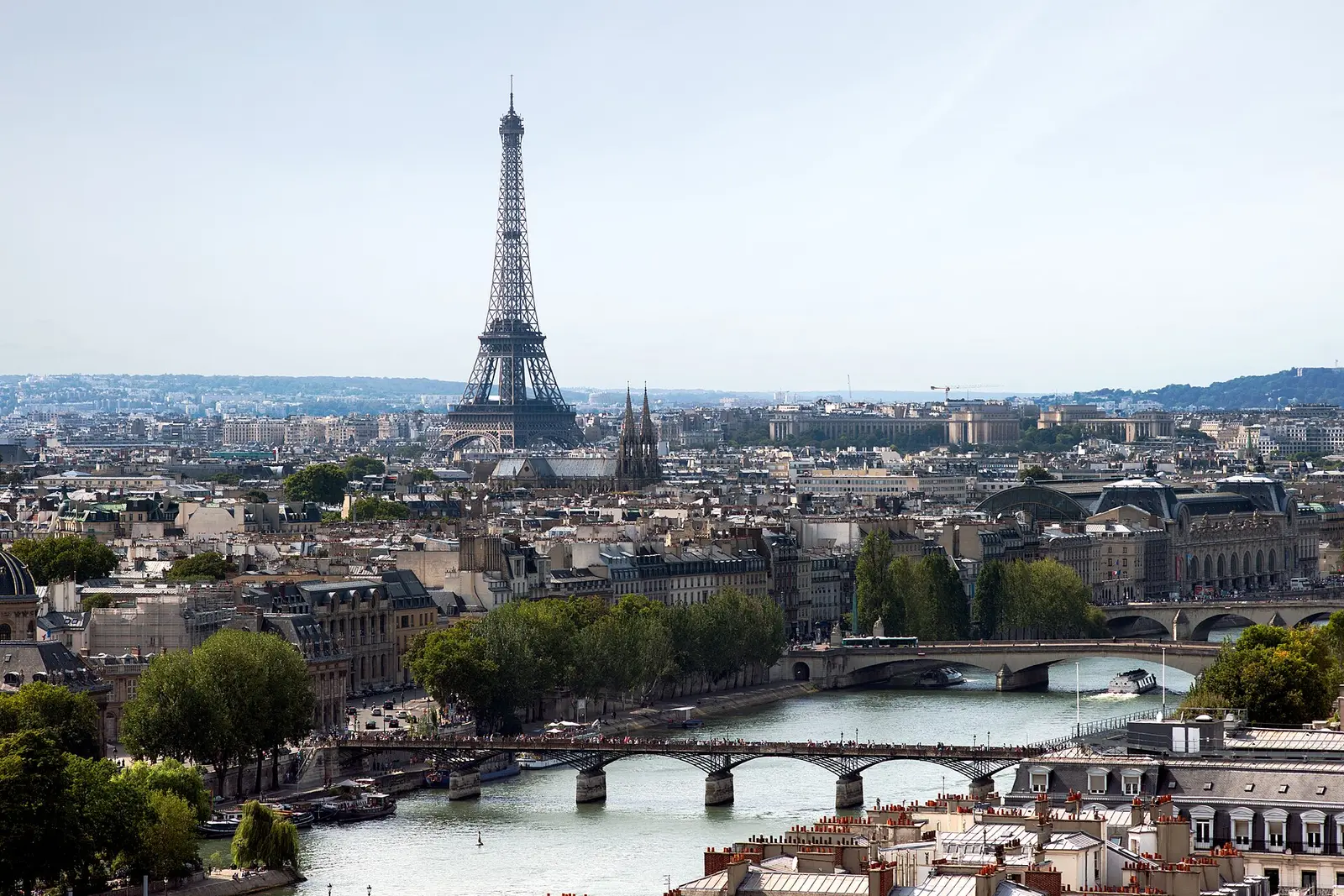
 Photo:
Paris grew outward from an island in the Seine, and most of what you want to see still lies within a short walk of the river: Notre-Dame and Sainte-Chapelle on the Île de la Cité, the Louvre and the Orsay facing each other across the water, the Eiffel Tower downstream. Much of the city you walk through was rebuilt in the 19th century, with long boulevards of pale stone, parks and café terraces, and it rewards long days on foot, slow lunches and evenings by the water.
This guide covers when to go, where to stay, what to see, a four-day route built from real opening hours and walking times, a walk through the Marais, a day at Versailles, what to eat, and the history, art and customs that make the city make sense.
What Paris is good for
Friends' trips
Picnic on the Champ de Mars or along the Canal Saint-Martin, share small plates in the wine bars of the 11th, and take a boat along the Seine at dusk. The metro makes it easy to split up for a museum and meet again for dinner.
Bachelorette and bachelor weekends
Paris does long evenings well: a cabaret show in Pigalle, a dinner cruise on the Seine, cocktails in the Marais and South Pigalle, then the late bars of Oberkampf and clubs that run until dawn. A wine or cheese tasting is an easy group booking.
Weddings and honeymoons
A legal wedding in Paris needs one partner, or a parent, to have lived in the city for at least a month, so most visiting couples marry at home and hold a symbolic ceremony or a photo shoot here. Paris is a classic place to propose and a classic honeymoon: slow breakfasts, the Seine at night and a day at Versailles.
Couples
Sunset from the tip of the Île de la Cité, dinner in Saint-Germain, and the Eiffel Tower sparkling for five minutes on the hour after dark.
Families
Toy sailboats on the pond in the Luxembourg Garden, the parade of animals in the Grande Galerie de l’Évolution, puppet shows and carousels, and the science museum at La Villette. Disneyland Paris is about 40 minutes away on the RER A.
Solo travel
Easy to get around, with museums that fill whole days and café terraces where a table for one faces the street, as it should. A walking tour, a cooking class or a seat at a wine bar counter is an easy way to meet people.
Food lovers
Butter croissants from the corner bakery, onion soup and steak frites in a bistro, cheese shops, the covered markets of the Marais and Aligre, and pastry counters built around the Paris-Brest and the macaron.
History and art
Notre-Dame, reopened in 2024, the 13th-century glass of Sainte-Chapelle, the Louvre, the Impressionists at the Orsay, and Napoleon’s tomb under the golden dome of the Invalides.
Plan your trip
When to go
Spring (April to June) and autumn (September and October) bring mild days and long evenings on the terraces. July and August are warm and busy at the big sights, and in August many Parisians leave town, so some family restaurants and bakeries close for a few weeks. Winter is cold and gray, with short days, Christmas lights and the shortest lines of the year.
How long to stay
Three days covers the Louvre, the Eiffel Tower, Notre-Dame and the islands, and Montmartre at a human pace. Four days adds the Orsay, the Marais and the Latin Quarter. With five, add a day at Versailles, or Monet’s garden at Giverny from April to October.
Getting there
Most flights land at Charles de Gaulle (CDG), northeast of the city. The RER B train reaches Gare du Nord in about 35 minutes and runs on to Châtelet, and taxis charge a fixed fare into the city. Orly (ORY), to the south, is on metro line 14, about 25 minutes from Châtelet. Some budget airlines use Beauvais, about 85 km north, linked by shuttle bus. Eurostar trains from London reach Gare du Nord in under two and a half hours, and high-speed trains link Paris with Lyon, Marseille, Brussels and Amsterdam.
Getting around
Walk: the center is compact and the river keeps you oriented. The metro is fast and dense, and the RER lines cross the city and run out to the airports, Versailles and Disneyland. One Metro-Train-RER ticket covers any metro, RER or suburban train ride in the region except to the airports, which take their own ticket, and buses and trams take a separate one. Load tickets on a Navigo Easy card or buy them in the official transit apps.
Tickets
Book the Eiffel Tower, the Louvre, the Orsay, Sainte-Chapelle and Versailles ahead on their official sites; all sell timed entry. The Louvre is closed on Tuesdays, the Orsay and Versailles on Mondays, and since January 2026 the Louvre charges more to visitors from outside the European Economic Area. Notre-Dame is free, and a free time slot booked online skips most of the line. The Paris Museum Pass covers many museums and monuments, though most still ask you to reserve a slot.
Money and tipping
Service is included in restaurant prices by law, so tipping is optional: round up or leave a few euros for good service. Ask for une carafe d’eau and tap water comes free. Coffee costs less standing at the counter than at a table, and a terrace table costs the most. Hotels add a city tax per person per night.
Weather, month by month
Spring
March to May
Mild and changeable, from about 12°C in March to 20°C in May, with showers, and the chestnut trees in flower by late April.
Summer
June to August
Warm, with highs around 25°C and light until after 10pm in late June. Heat waves above 35°C come in some years, and many older buildings have no air conditioning.
Autumn
September to November
Warm, bright Septembers and golden parks in October, then gray, damp November days around 11°C.
Winter
December to February
Cold and gray, with highs around 7 to 8°C, frosty mornings and the odd snowfall. Short days, Christmas lights and the quietest museums of the year.
Top sights
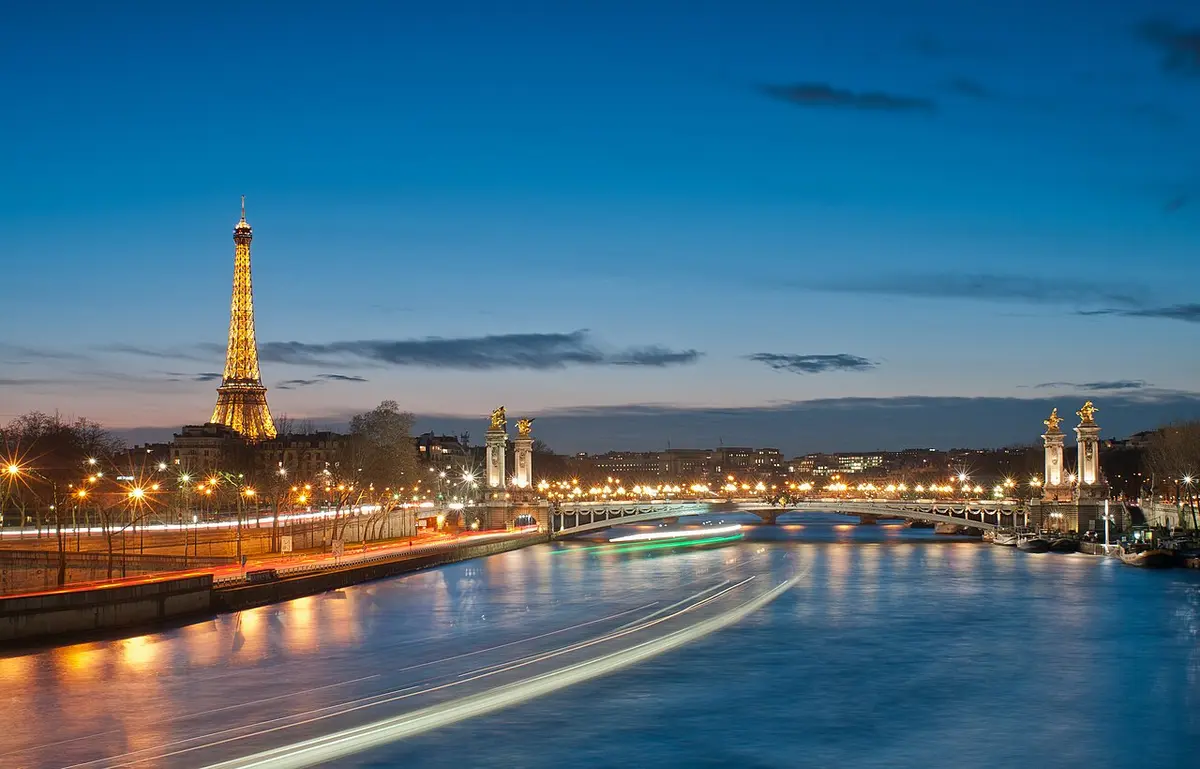 01
The Eiffel Tower
Built by Gustave Eiffel’s company for the World’s Fair of 1889, it was meant to stand for twenty years and was the tallest structure in the world until 1930. Lifts climb to the second floor and on to the summit, and stairs go as far as the second floor.
Book on the official site, early for summer. After dark the tower sparkles for five minutes at the start of every hour; the Trocadéro, across the river, has the classic view.
Photo: Getfunky Paris, CC BY 2.0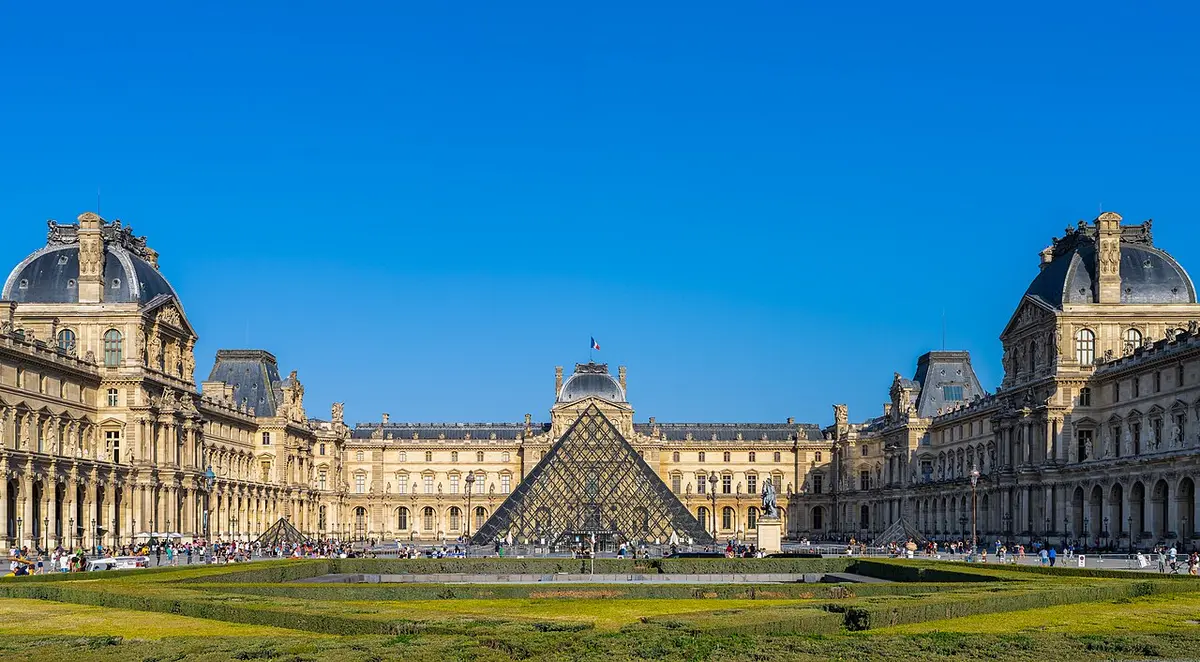 02
The Louvre
A royal palace for centuries and a public museum since 1793, the Louvre is one of the largest museums in the world, entered through I. M. Pei’s glass pyramid of 1989. The Mona Lisa, the Winged Victory of Samothrace and the Venus de Milo draw the crowds; the rest could fill a week.
Closed on Tuesdays. Book a timed slot on the official site, and try a Wednesday or Friday evening, when it stays open until 9pm.
Photo: Maksim Sokolov (maxergon.com), CC BY-SA 4.0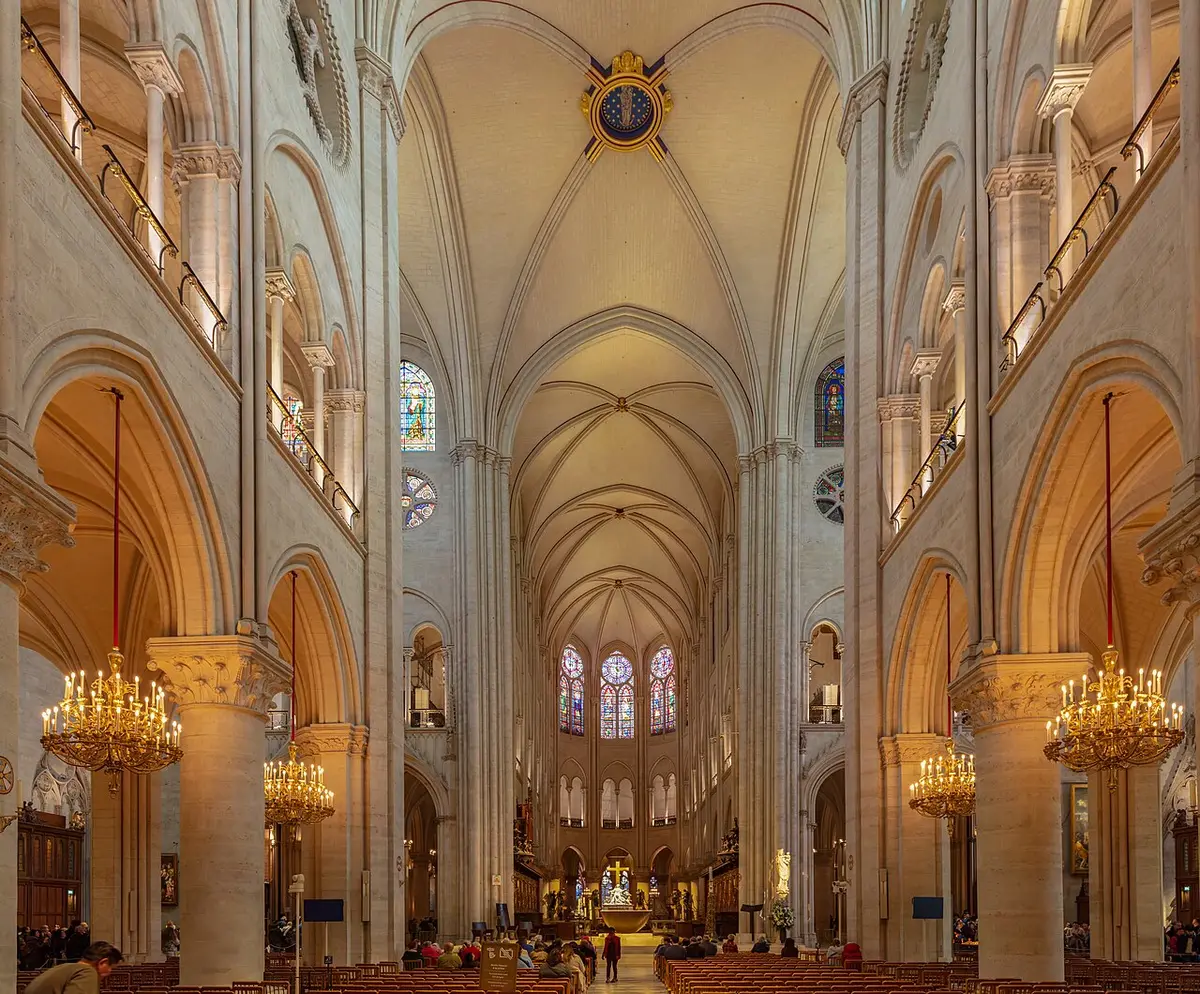 03
Notre-Dame de Paris
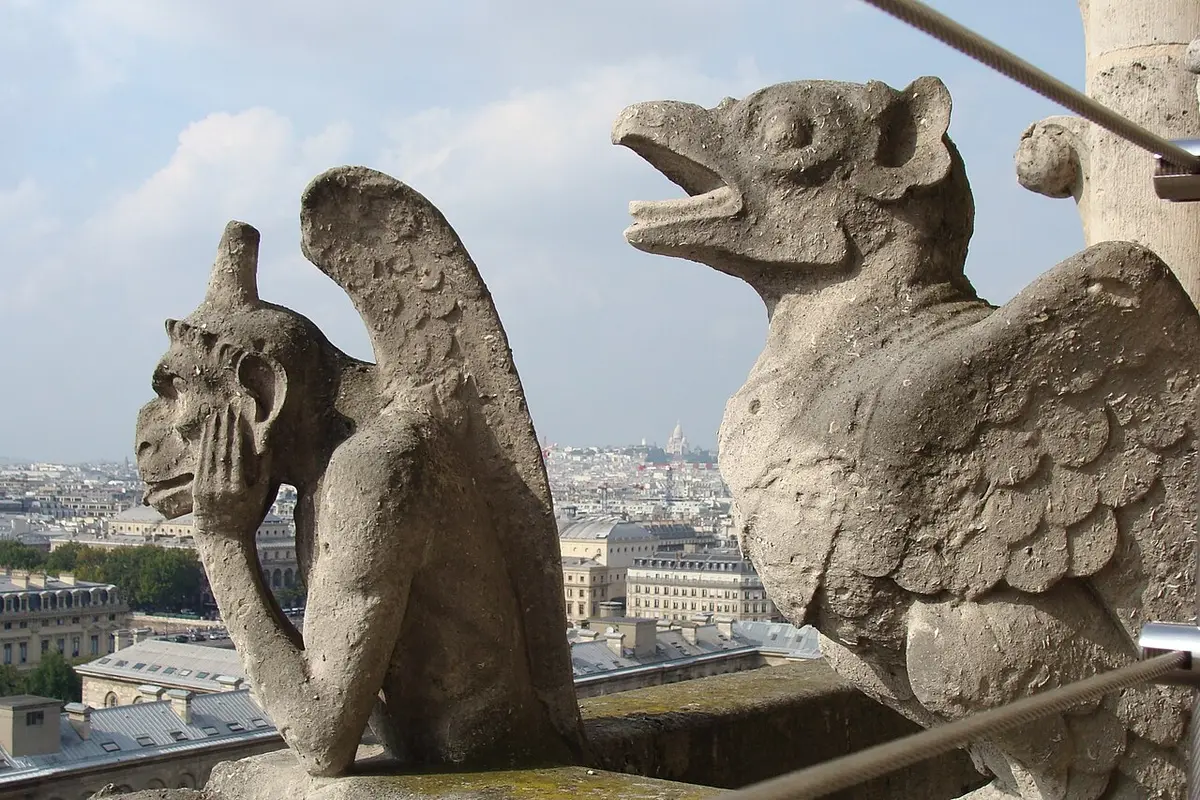
Begun in 1163 and finished in about 1345, the cathedral lost its roof and spire to fire in April 2019. It reopened in December 2024, its stone cleaned pale and the spire rebuilt to Viollet-le-Duc’s 19th-century design. The three great rose windows came through the fire.
Entry is free: book a free time slot online, or come early or late to shorten the line. The towers reopened in September 2025 with their own timed tickets.
Photo: Diego Delso, CC BY-SA 4.0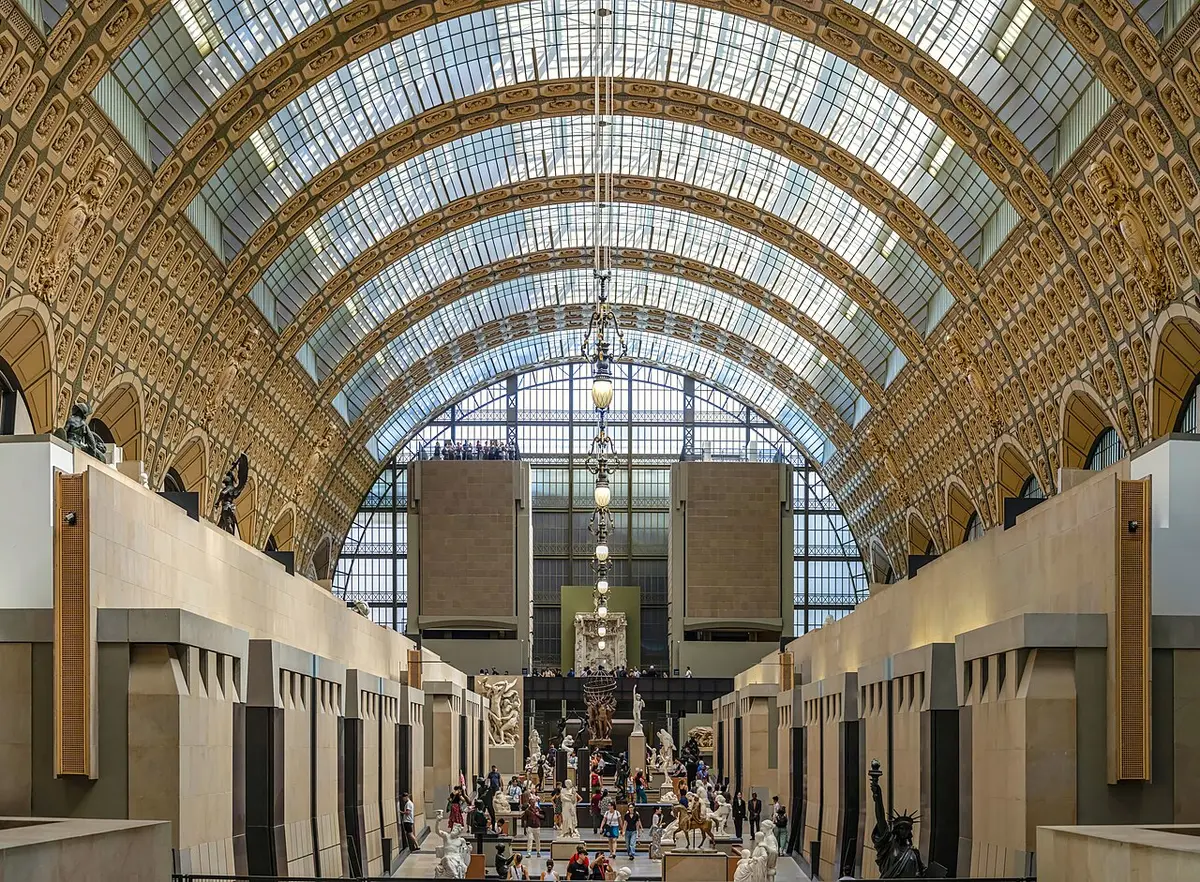 04
The Musée d’Orsay
A railway station built for the World’s Fair of 1900 and turned into a museum in 1986, it holds the largest collection of Impressionist and Post-Impressionist painting in the world: Monet, Renoir, Degas, Manet’s Olympia, Cézanne and Van Gogh.
Closed on Mondays and open late on Thursdays. The entrance hall is being rebuilt until 2028, so book a timed ticket and check which door it names. Upstairs, look out through the great clock toward Sacré-Cœur.
Photo: Terragio67, CC BY-SA 4.0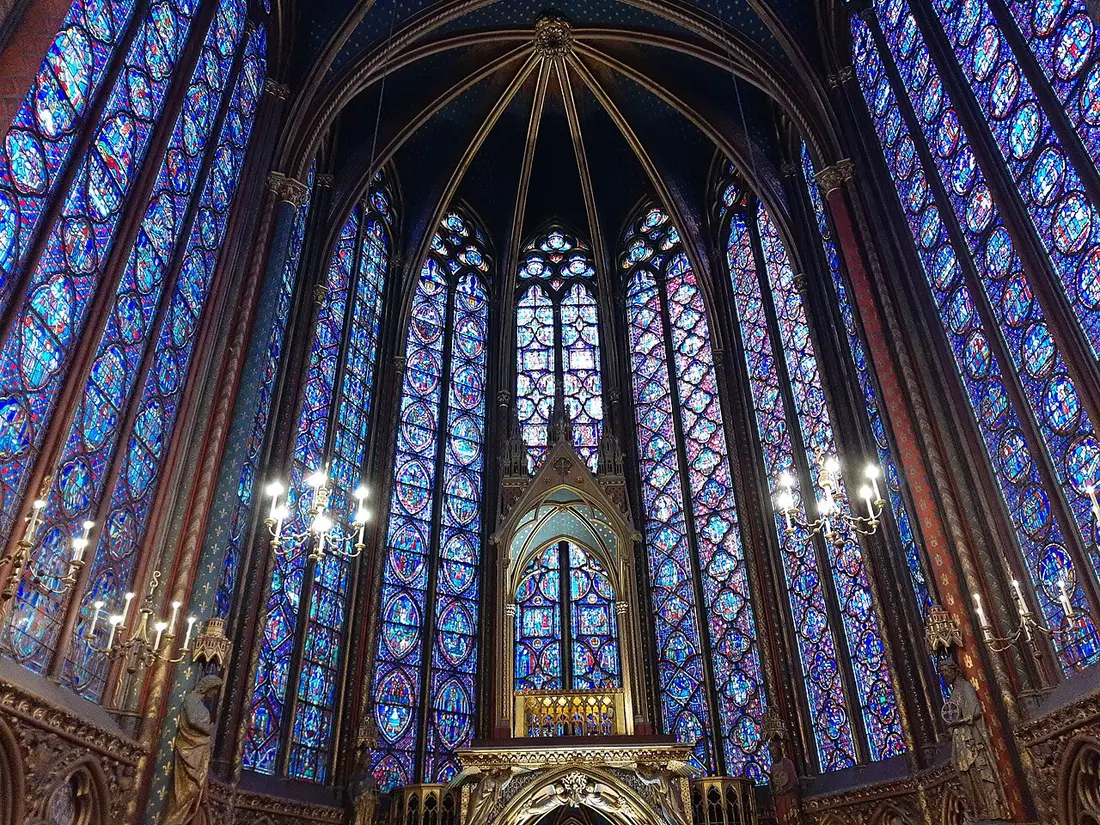 05
Sainte-Chapelle
Louis IX built it to hold the Crown of Thorns, and it was consecrated in 1248. The lower chapel is dark and low; climb the spiral stair to the upper chapel, where fifteen windows of mostly 13th-century glass, showing more than a thousand scenes from the Bible, rise almost from floor to vault.
Book a timed ticket and come on a bright day. There is a security check at the gate of the Palais de Justice, and a combined ticket adds the Conciergerie, where Marie Antoinette was held in 1793.
Photo: Gerda Arendt, CC0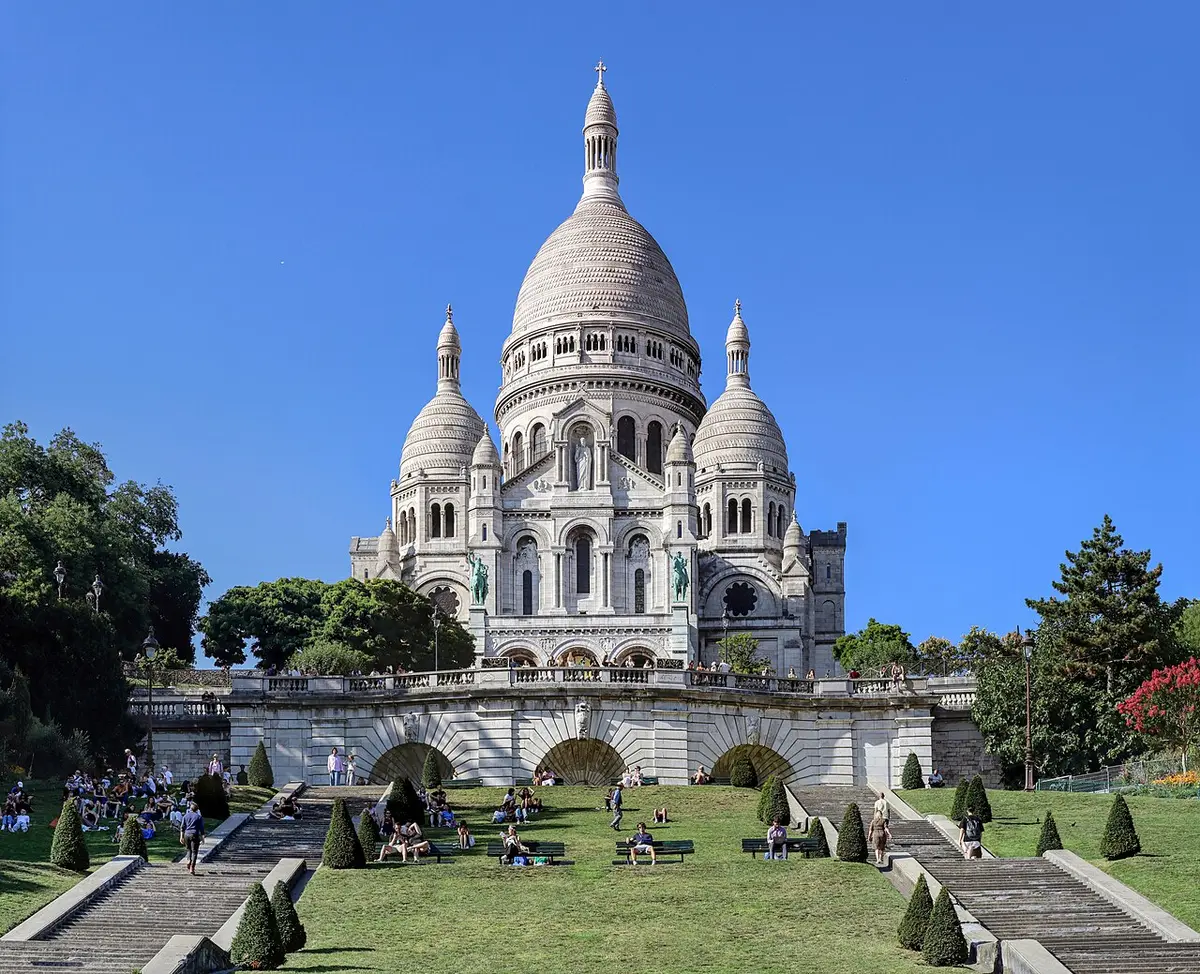 06
Sacré-Cœur and Montmartre
The white basilica on the city’s highest hill was built from 1875 to 1914 and consecrated in 1919, in a limestone that whitens in the rain. Behind it, the old village of Montmartre keeps its steep lanes, a small vineyard and the painters of the Place du Tertre.
Entry is free; the climb to the dome costs a small fee. The funicular from the foot of the hill takes a metro ticket.
Photo: Giò Terra ( Terragio67 ), CC BY-SA 4.0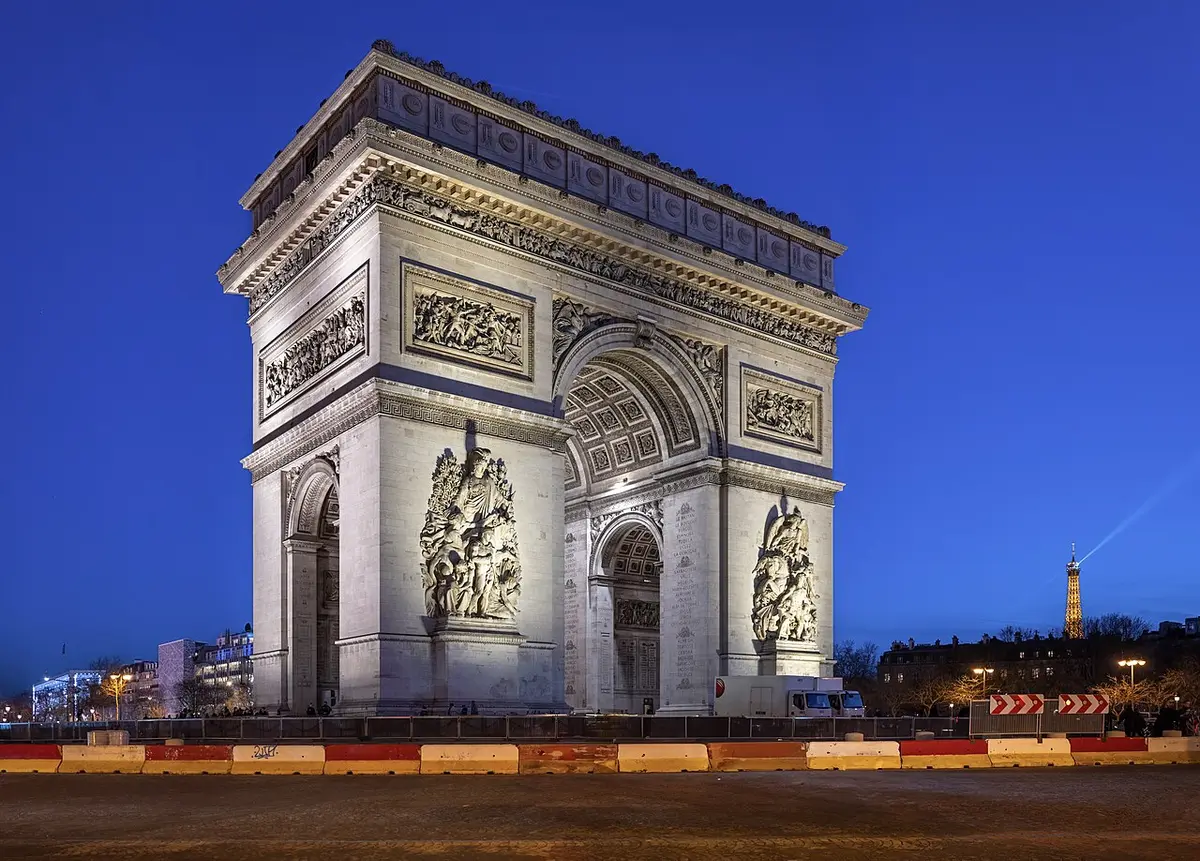 07
The Arc de Triomphe
Napoleon ordered the arch in 1806 after his victory at Austerlitz, and it was finished in 1836. The Unknown Soldier has lain beneath it since 1921, and the flame on the tomb is rekindled every evening. From the roof, twelve avenues fan out, with the Champs-Élysées running down toward the Louvre.
Reach it by the underground passage, never across the roundabout, and go up for sunset.
Photo: Wilfredor, CC0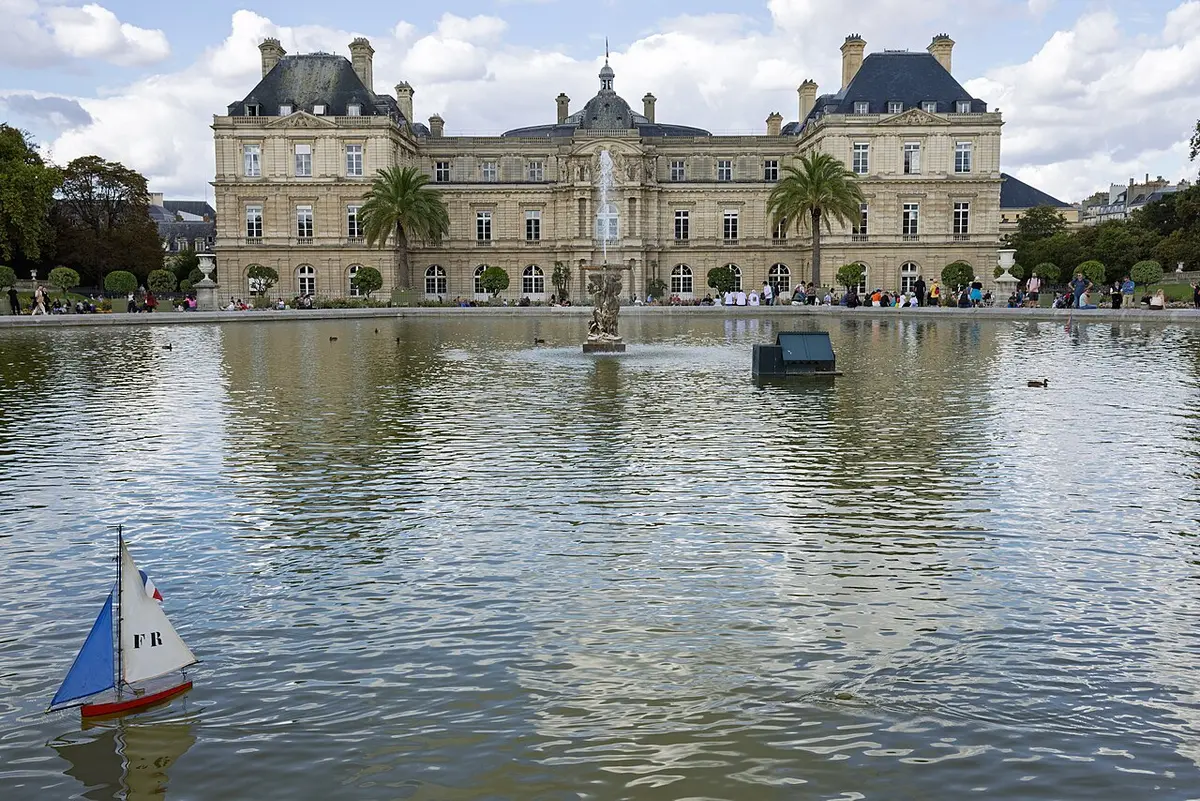 08
The Luxembourg Garden
Laid out from 1612 for Marie de’ Medici around her new palace, now the French Senate. Parisians read in the green metal chairs, children sail toy boats on the Grand Bassin, and the Medici Fountain is the coolest corner on a hot day.
Free, and open from early morning until dusk. Toy boats are rented by the pond, and the puppet theater nearby has shows on Wednesdays, weekends and school holidays.
Photo: The wub, CC BY-SA 4.0
Three hidden gems
Paris in 4 days, routed
27 of Paris’s best-loved sights, routed into 4 days by the same engine that plans every SwipeSights trip: nearby stops share a day, walks stay short, and each stop is timed around its opening hours.
Friday
6 stops · 8.2 km between them · starts 09:00- 09:00
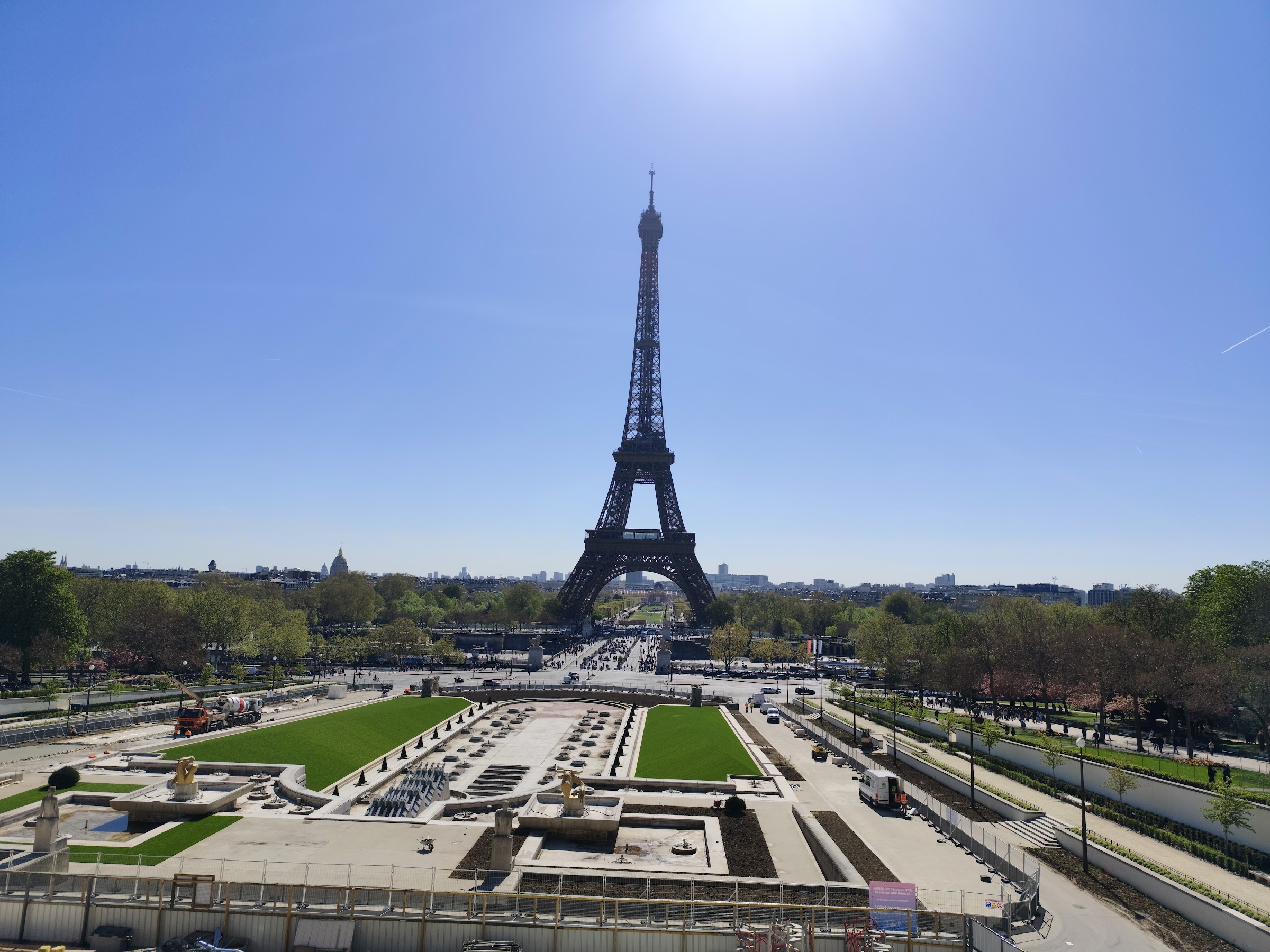 1Jardins du Trocadéro~30 min
- ~25 min walk (1.7km)
- 10:00
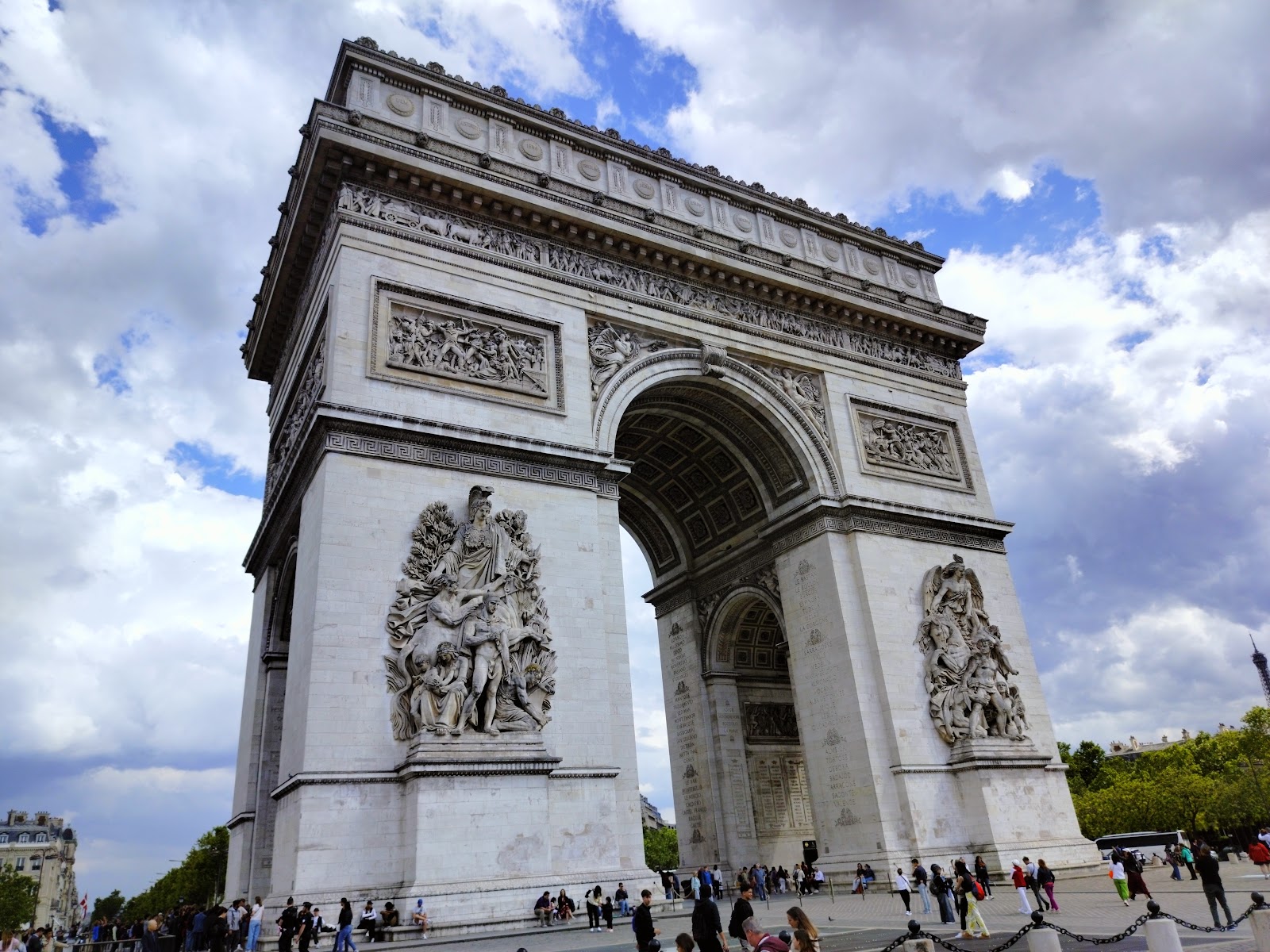 2Arc de Triomphe~1.5 hours
- ~21 min walk (1.4km)
- 12:00
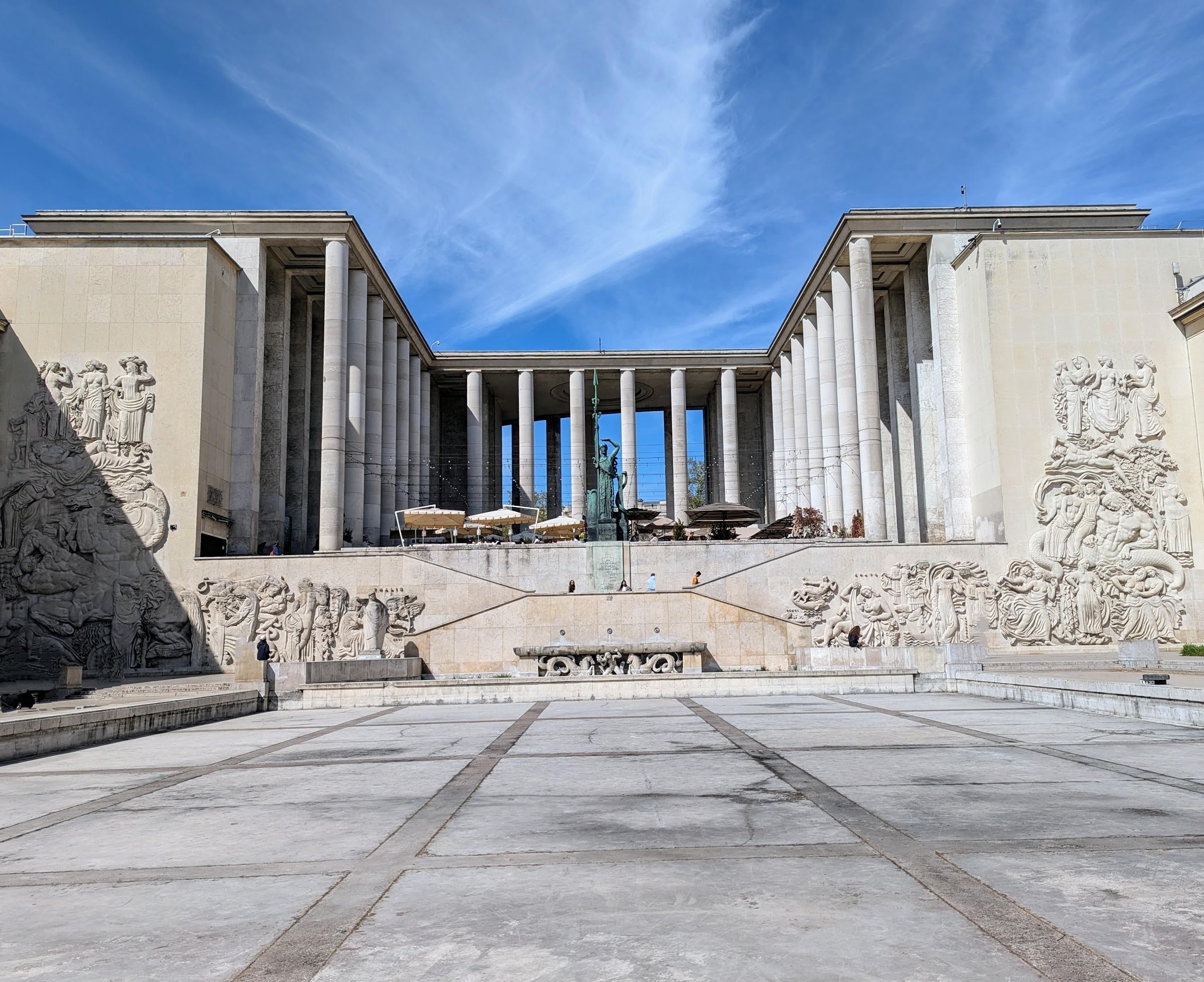 3Palais de Tokyo~1.5 hours
- ~11 min by taxi/transit (2.3km)
- 13:41Lunch Break1 hour
- 14:41
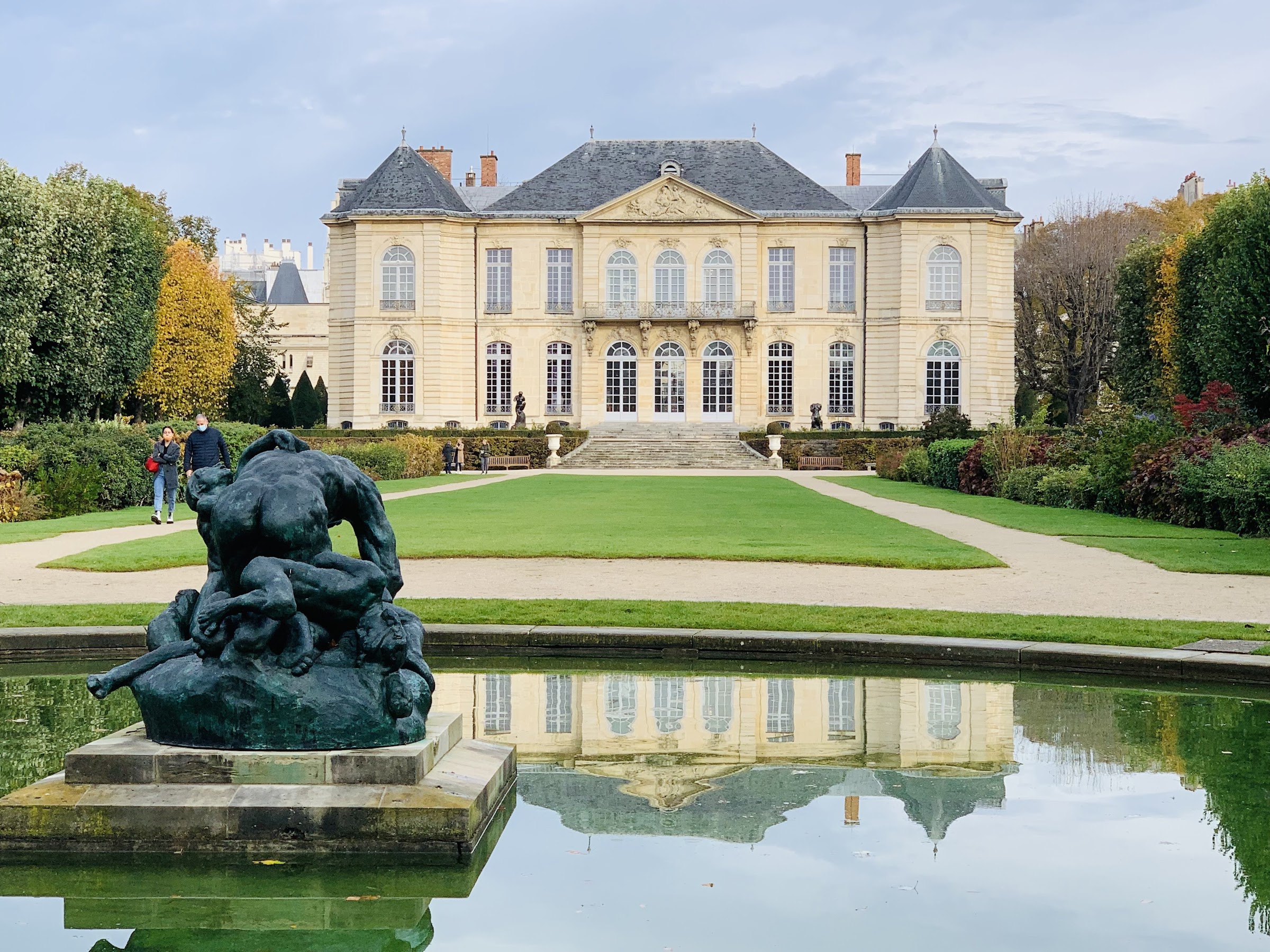 4Musée Rodin~1.5 hours
- ~7 min walk (373m)
- 16:18
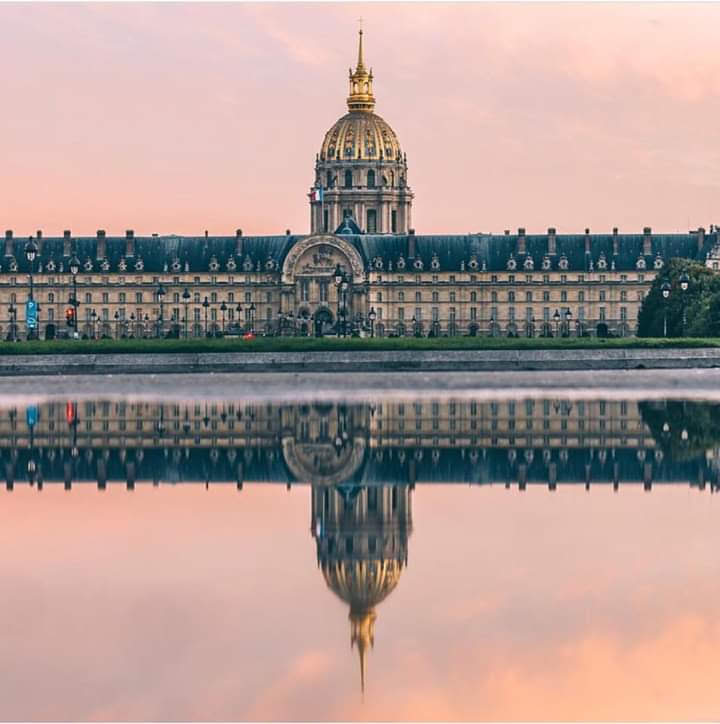 5Hôtel des Invalides~2.25 hours
- ~11 min by taxi/transit (2.4km)
- 18:44
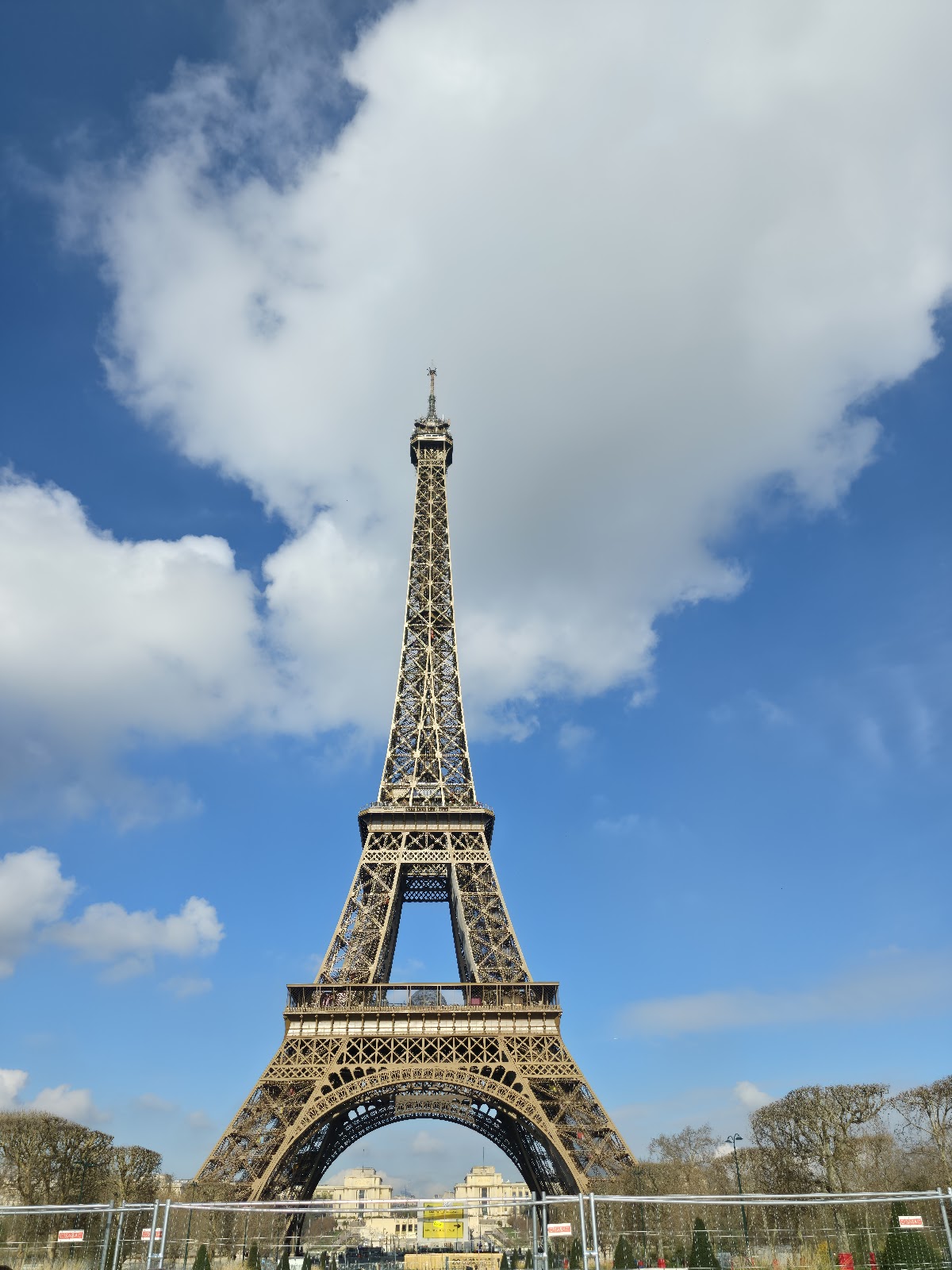 6Eiffel Tower2.5-3.5 hours
- 21:44Dinner Break1 hour
Saturday
7 stops · 6.0 km between them · starts 09:30- 09:30
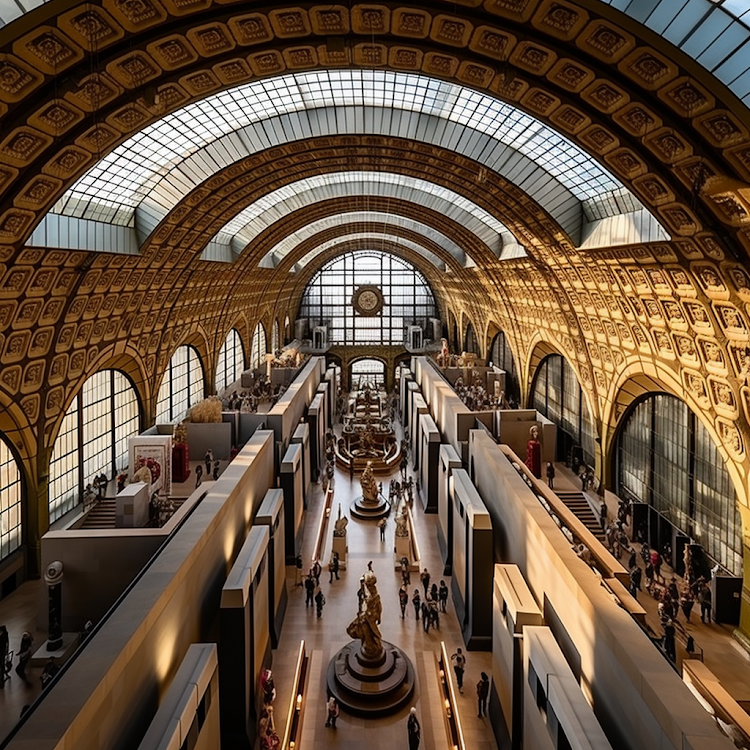 1Musée d'Orsay2.5-3.5 hours
- ~9 min walk (558m)
- 12:39Lunch Break1 hour
- 13:39
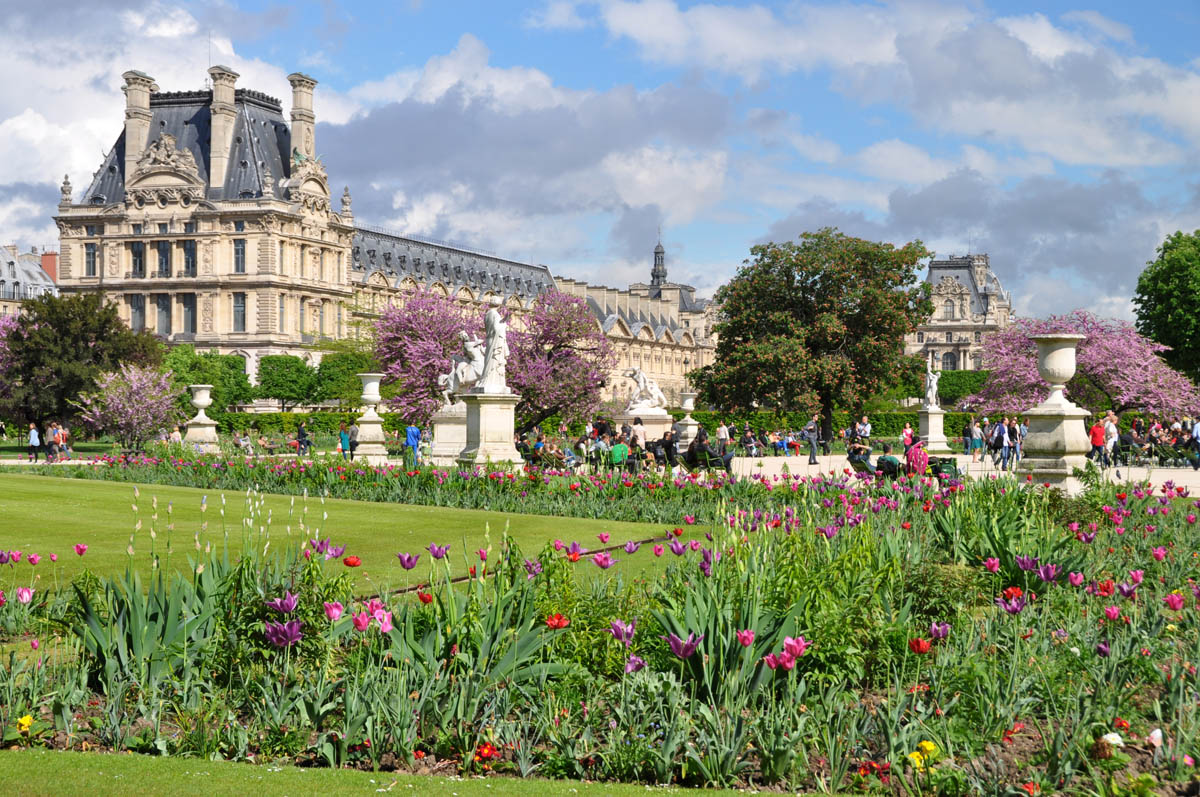 2Tuileries Garden~1.25 hours
- ~12 min walk (722m)
- 14:59
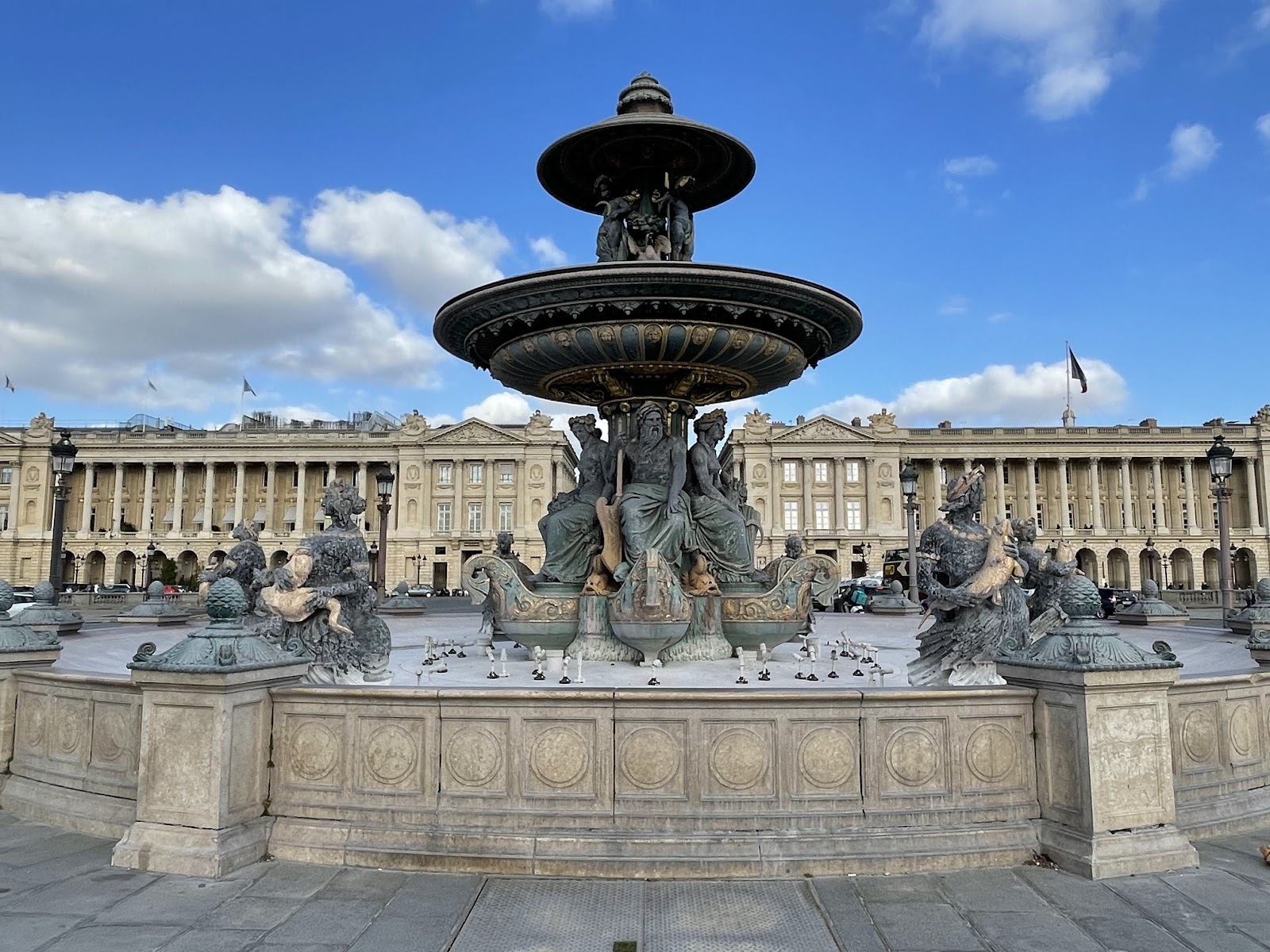 3Place de la Concorde~40 min
- ~10 min walk (575m)
- 15:49
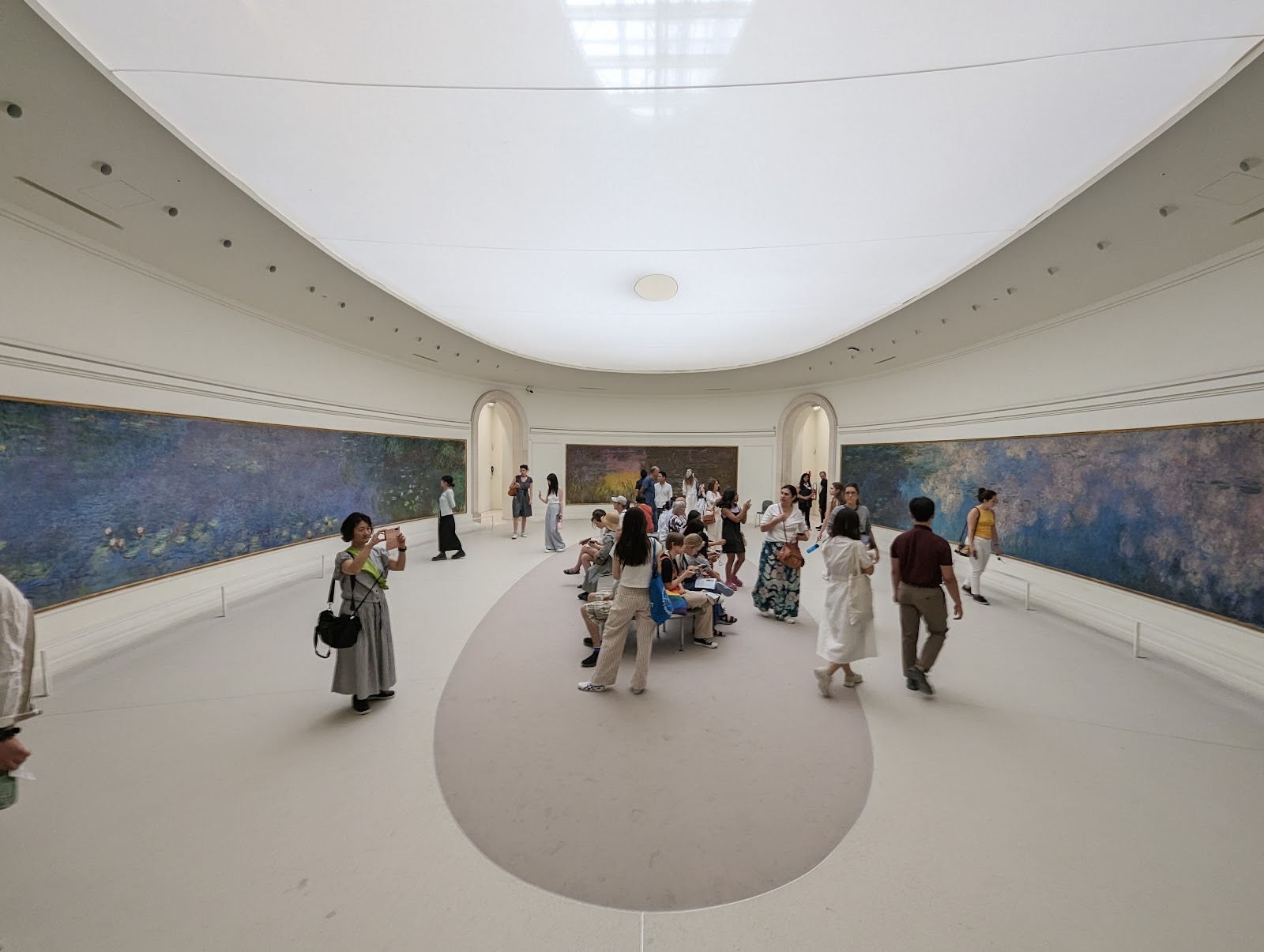 4Musée de l'Orangerie~1.25 hours
- ~14 min walk (899m)
- 17:11
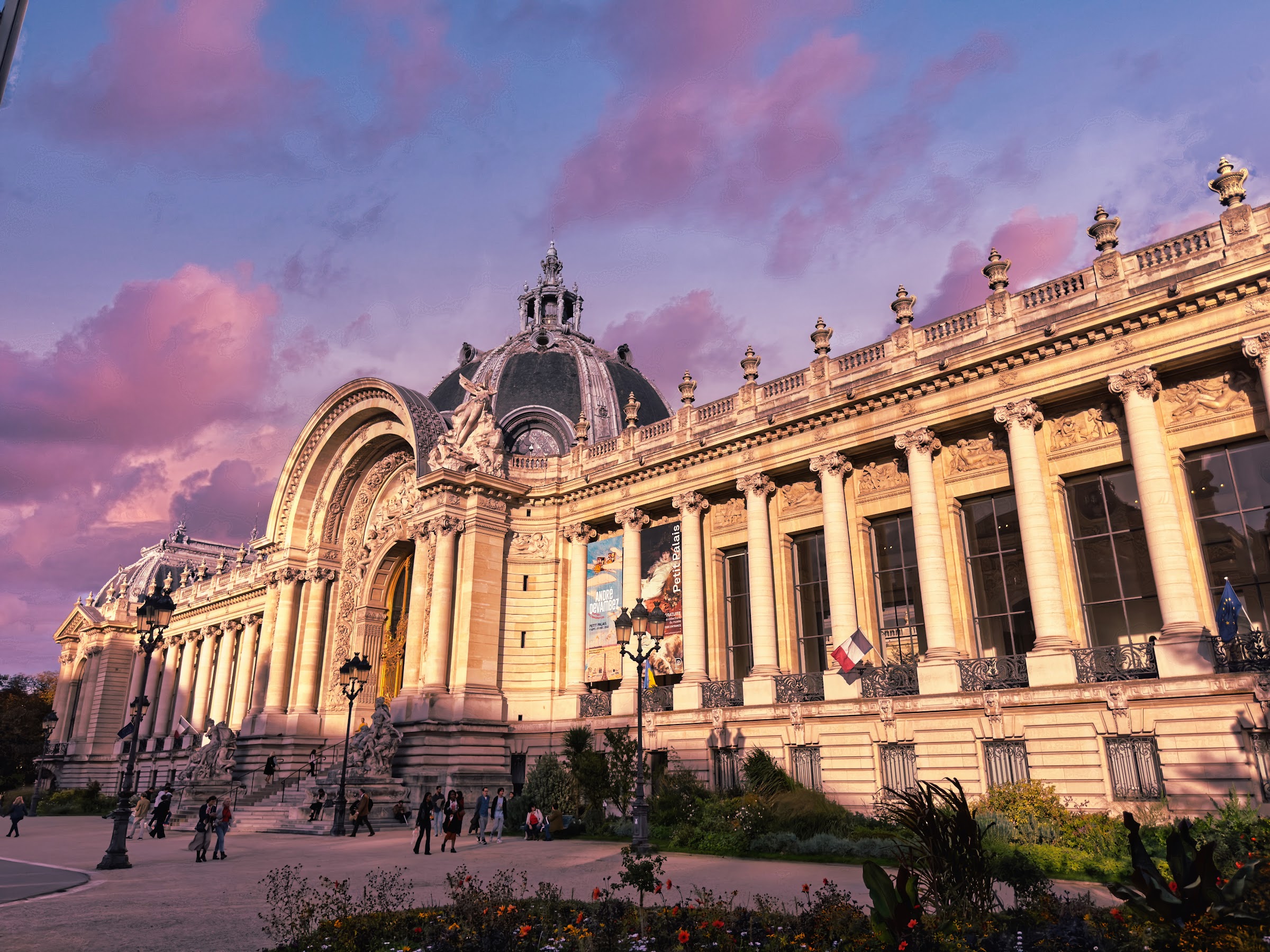 5Petit Palais~1.5 hours
- ~5 min walk (244m)
- 18:46Dinner Break1 hour
- 19:46
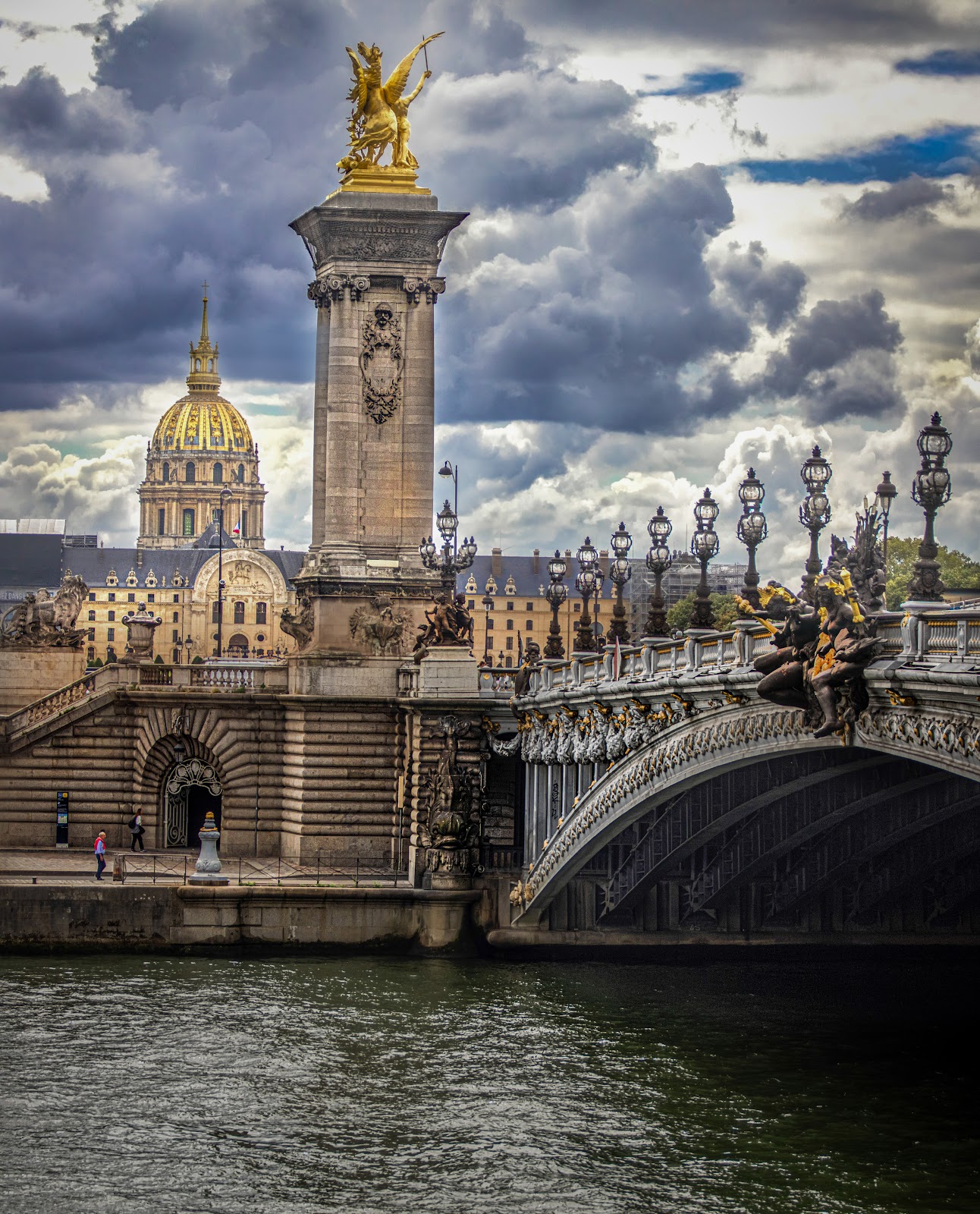 6Pont Alexandre III~25 min
- ~12 min by taxi/transit (3.0km)
- 20:21
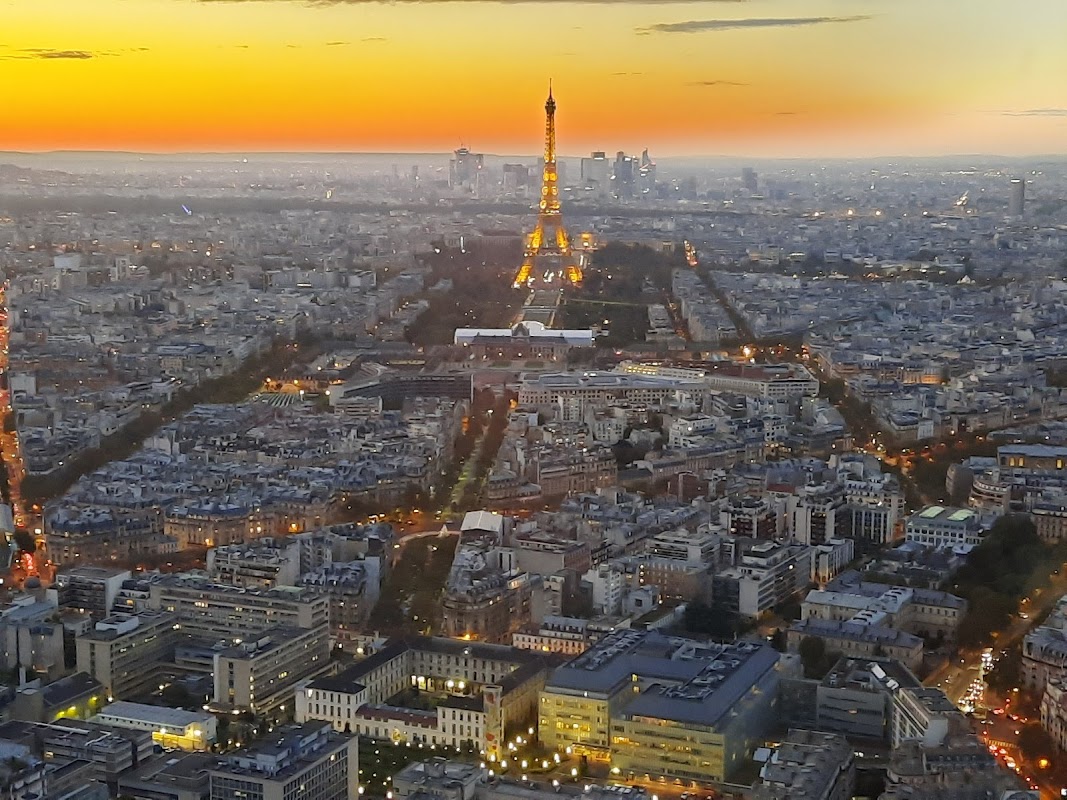 7Montparnasse Tower~1.25 hours
Sunday
8 stops · 11.4 km between them · starts 09:00- 09:00
 1Notre-Dame Cathedral of Paris~45 min
- ~11 min by taxi/transit (2.3km)
- 10:00
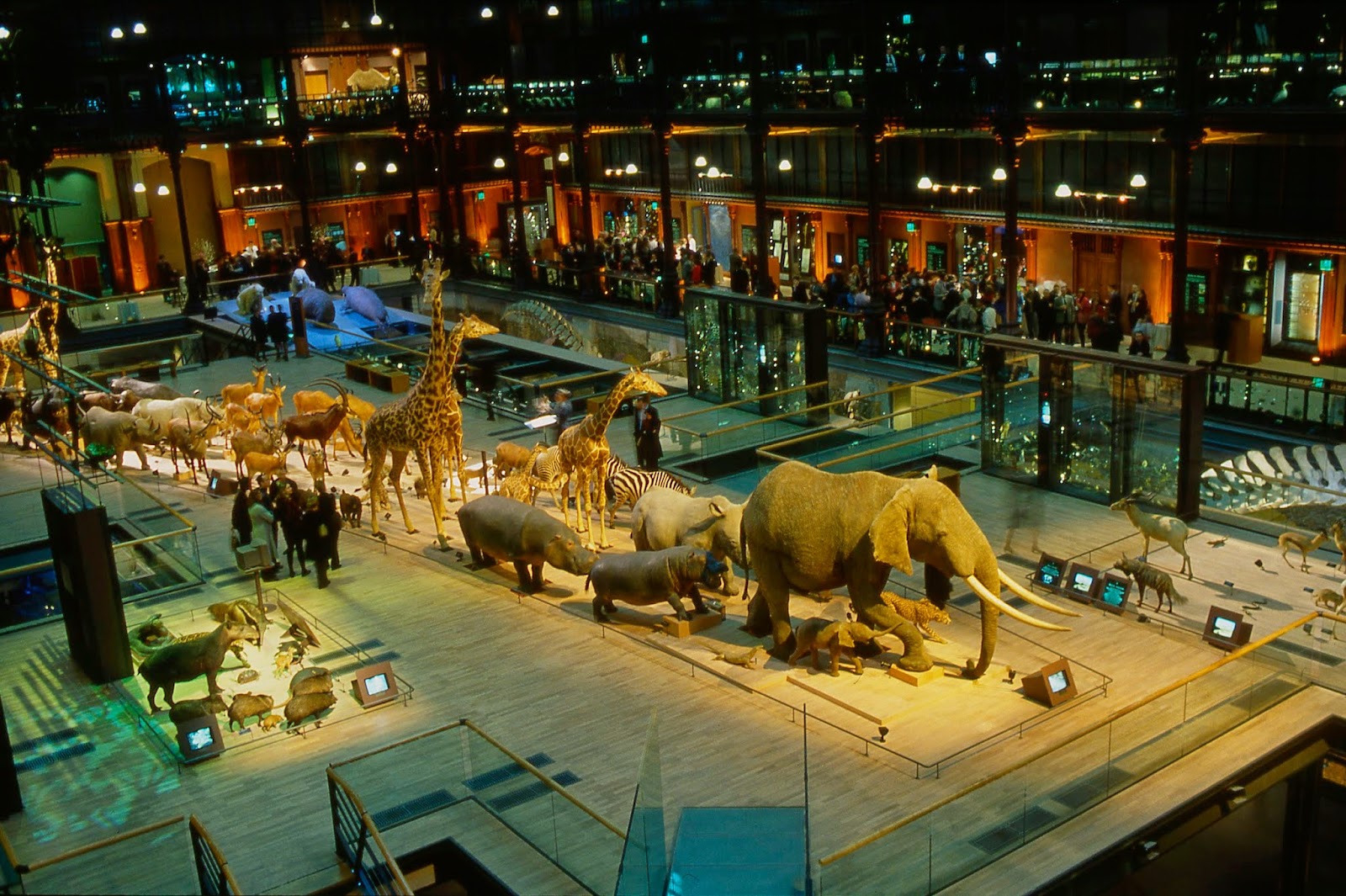 2Gallery of Evolution~1.25 hours
- ~18 min walk (1.2km)
- 11:26
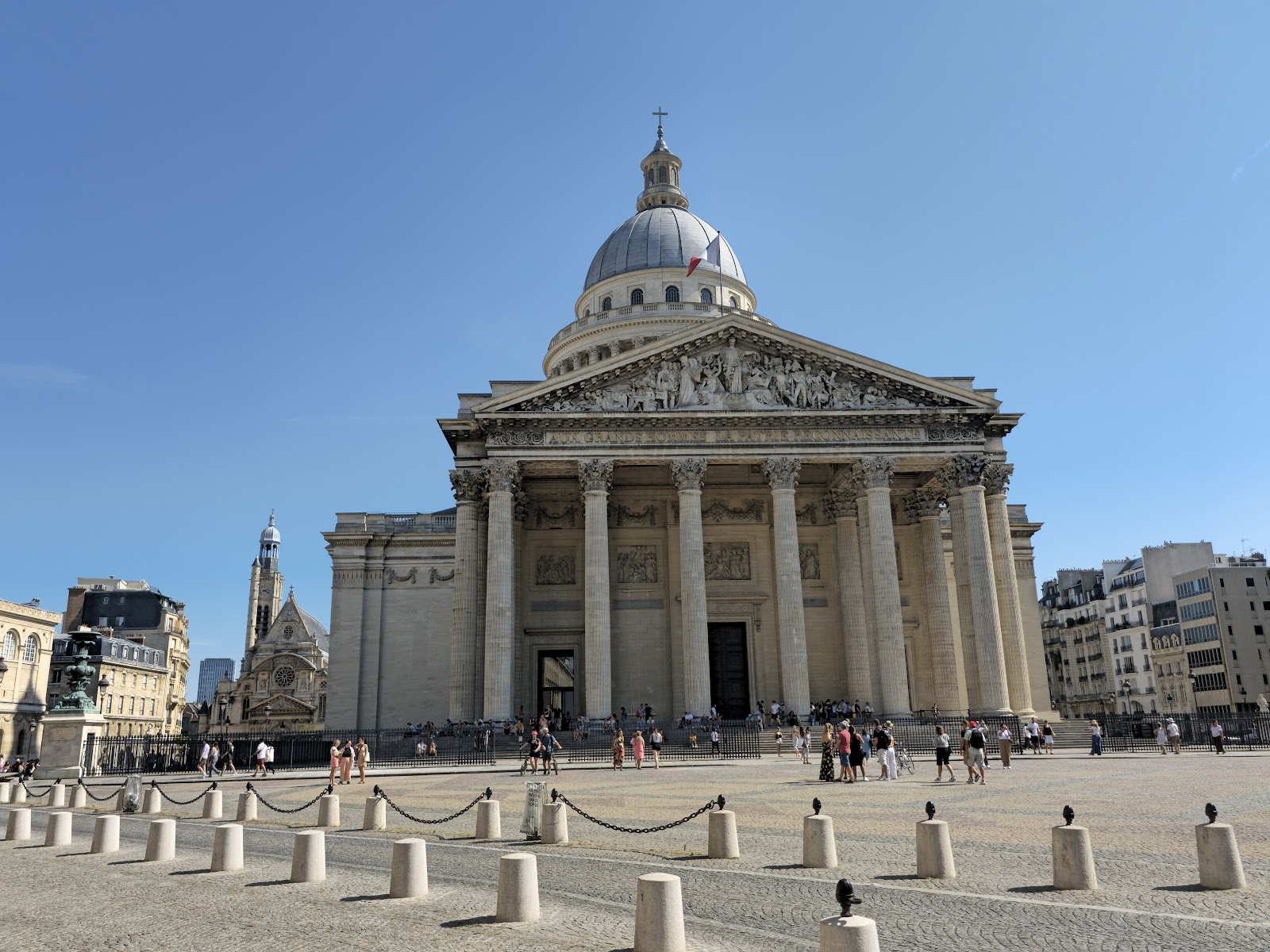 3Panthéon~1.5 hours
- ~20 min walk (1.3km)
- 13:09Lunch Break1 hour
- 14:09
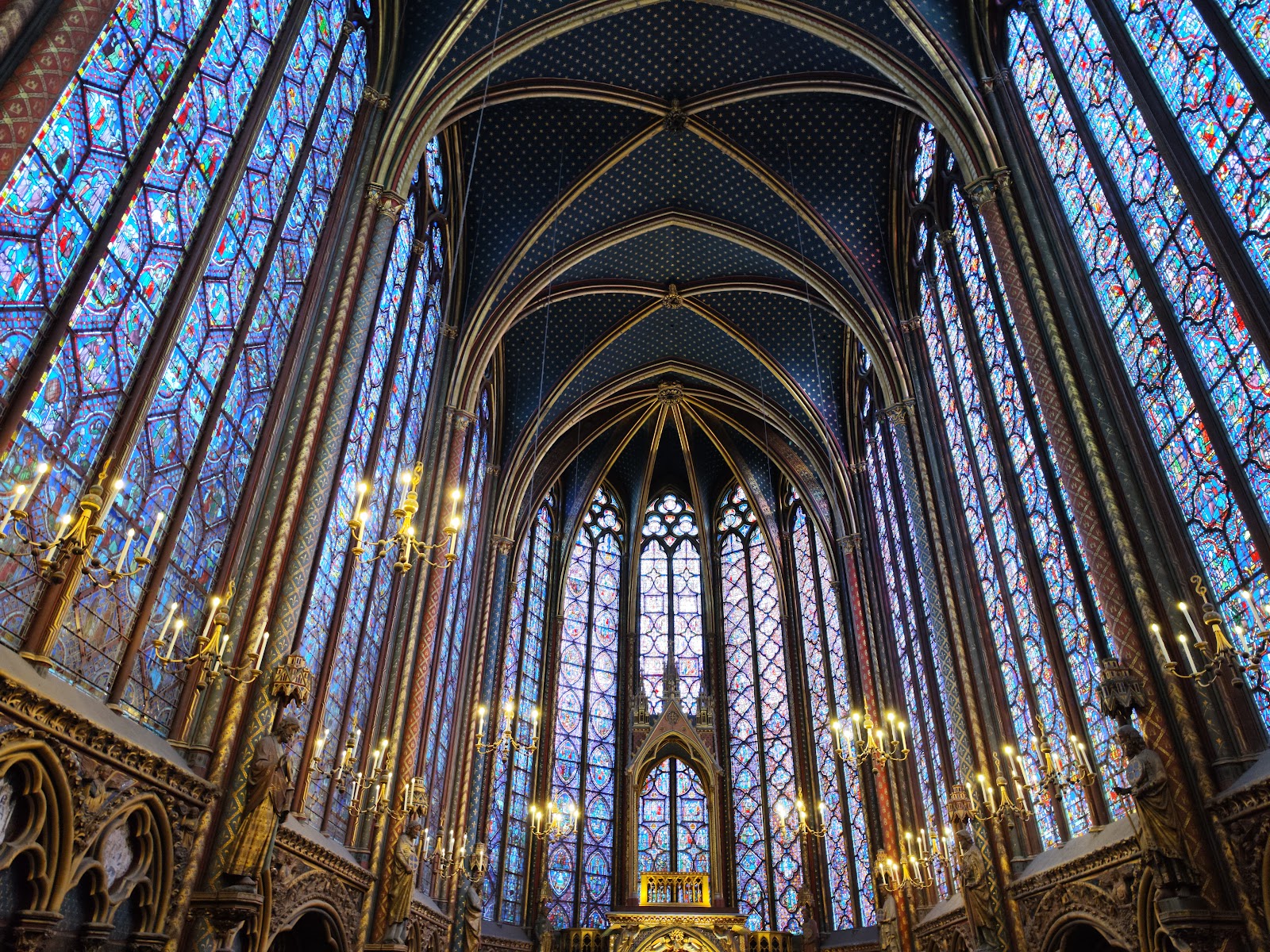 4Sainte-Chapelle~45 min
- ~5 min walk (195m)
- 14:59
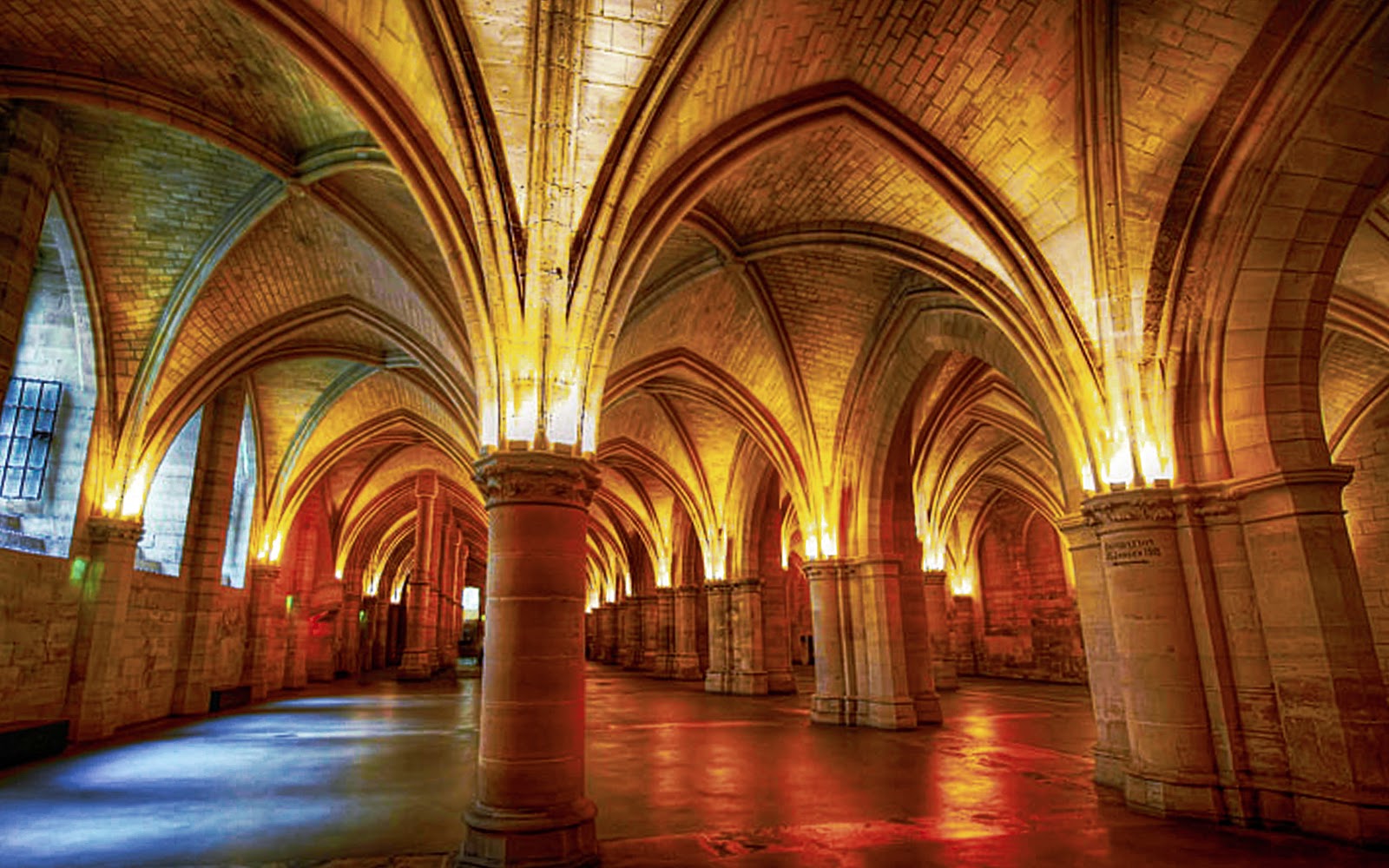 5Conciergerie~1.5 hours
- ~9 min walk (488m)
- 16:38
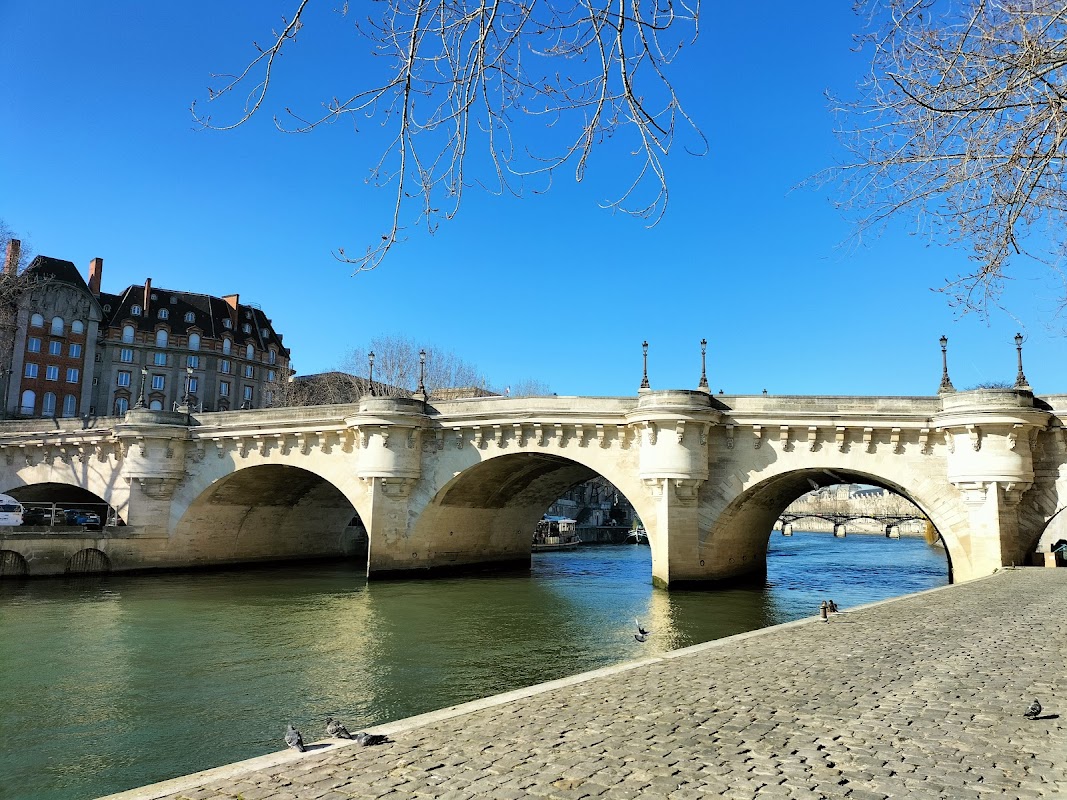 6Pont Neuf~20 min
- ~27 min walk (1.9km)
- 17:23
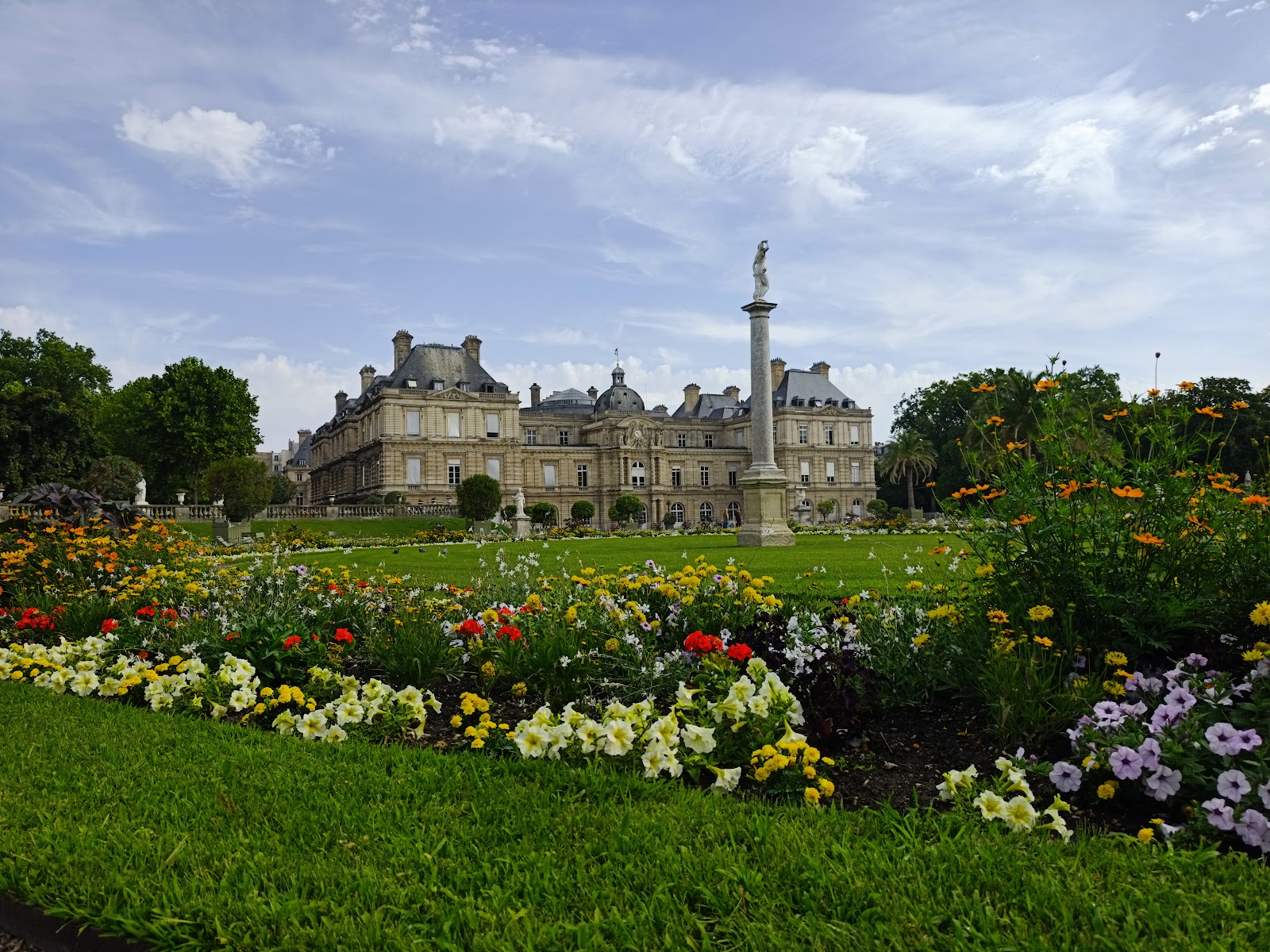 7Jardin du Luxembourg~2 hours
- ~15 min by taxi/transit (4.0km)
- 19:38
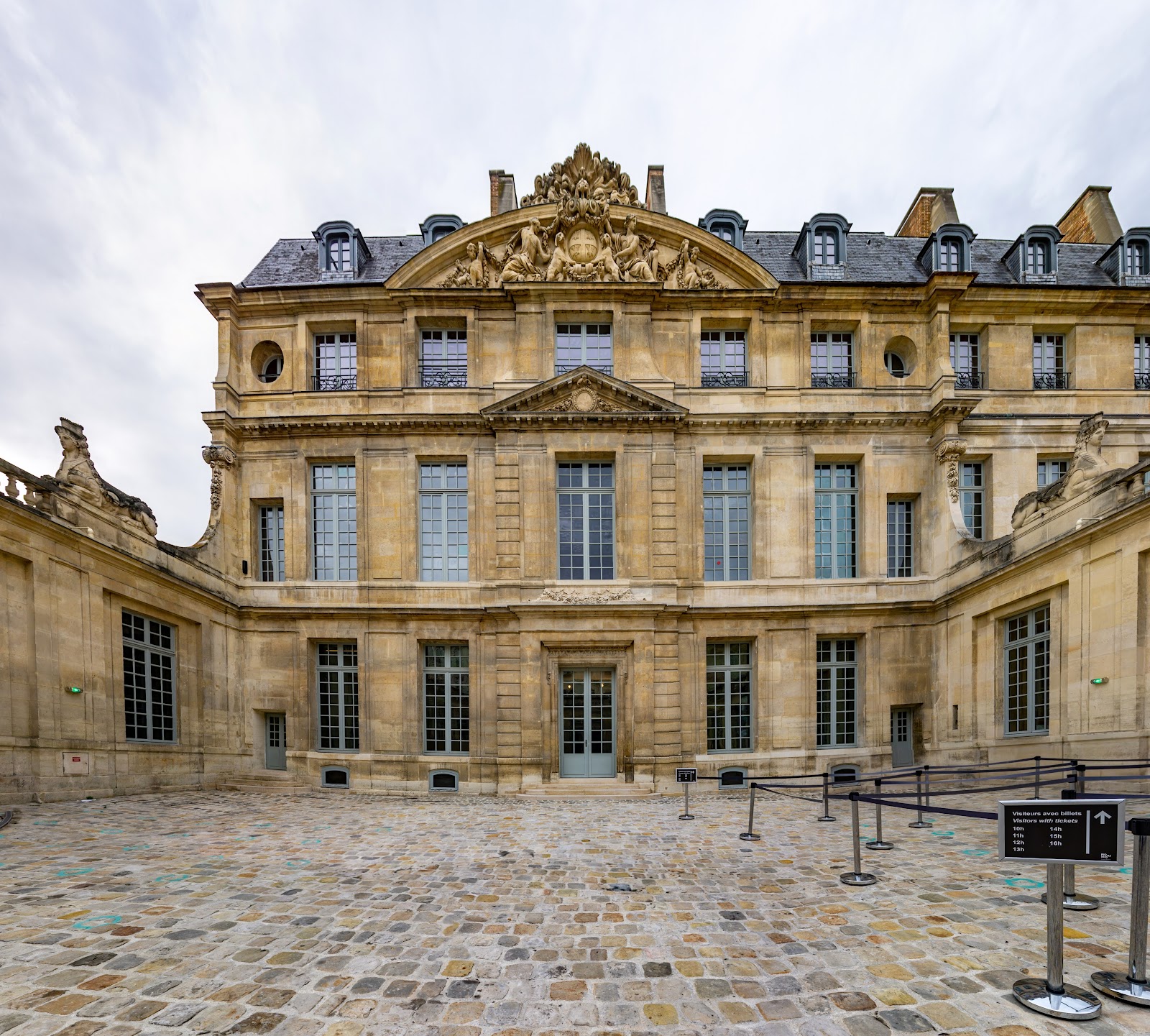 8Musée National Picasso-Paris~2 hours
- 21:38Dinner Break1 hour
Monday
6 stops · 13.6 km between them · starts 09:00- 09:00
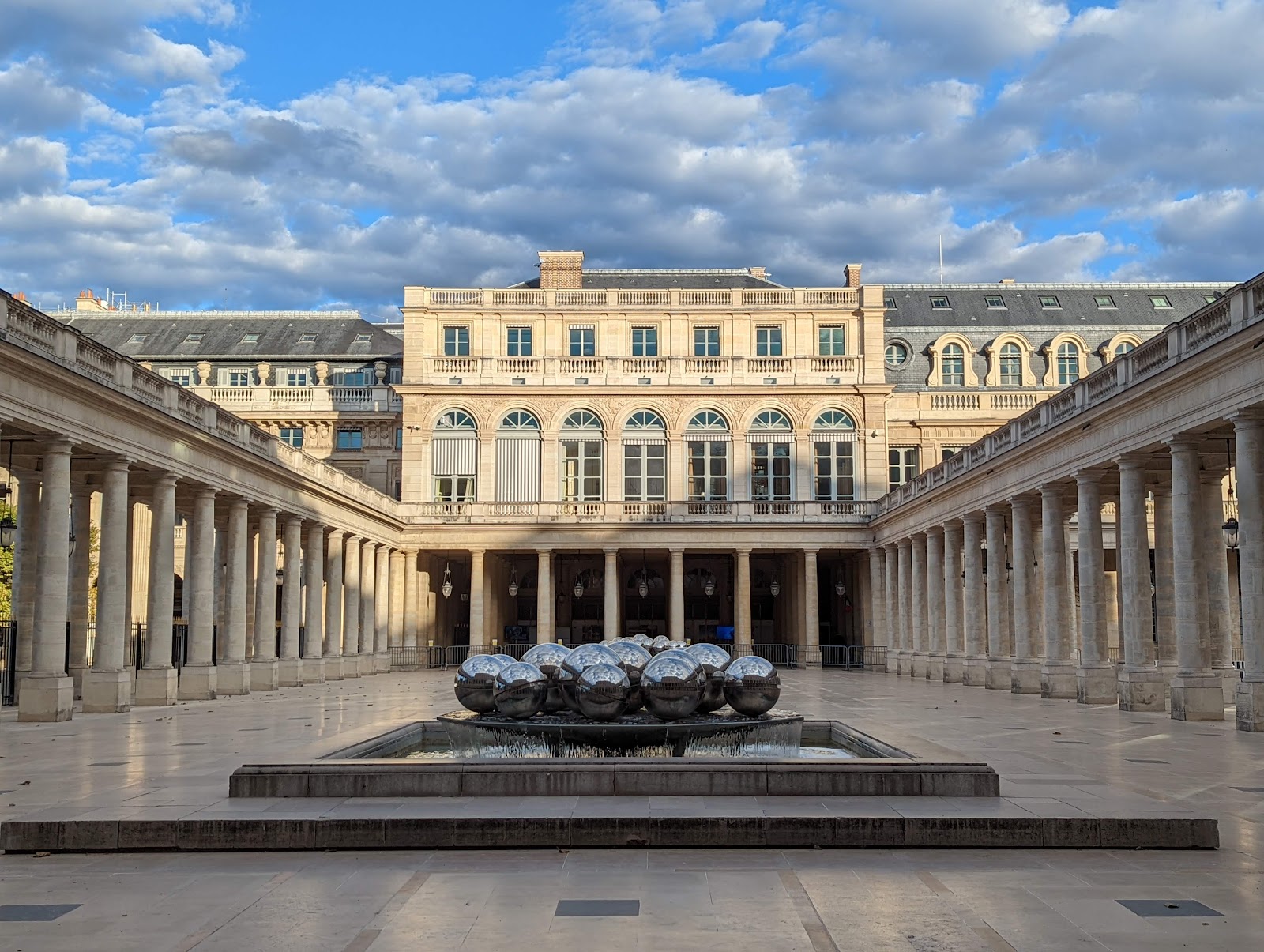 1Domaine National du Palais-Royal~45 min
- ~16 min walk (1.1km)
- 10:01
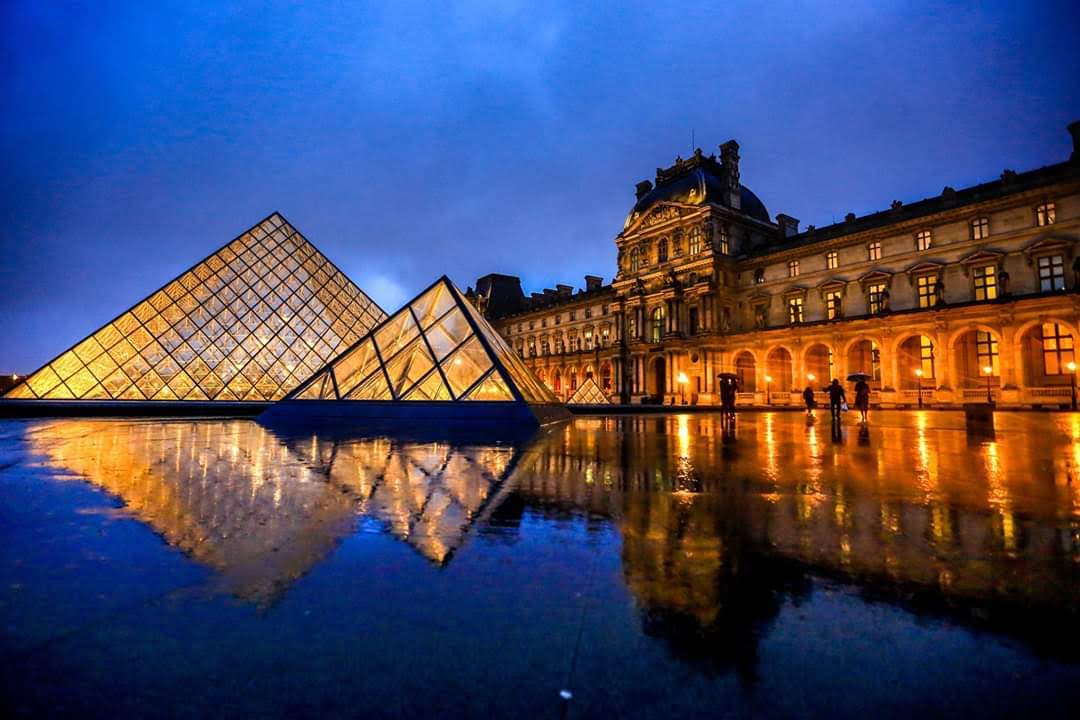 2Louvre Museum5.5-6.5 hours
- ~28 min walk (2.0km)
- 16:29Lunch Break1 hour
- 17:29
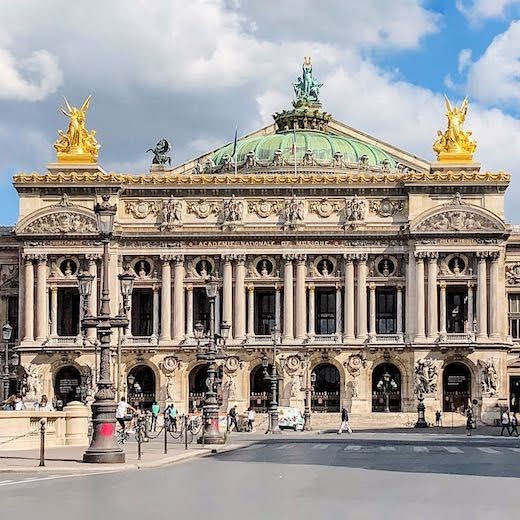 3Palais Garnier~1.5 hours
- ~14 min by taxi/transit (3.6km)
- 19:13Dinner Break1 hour
- 20:13
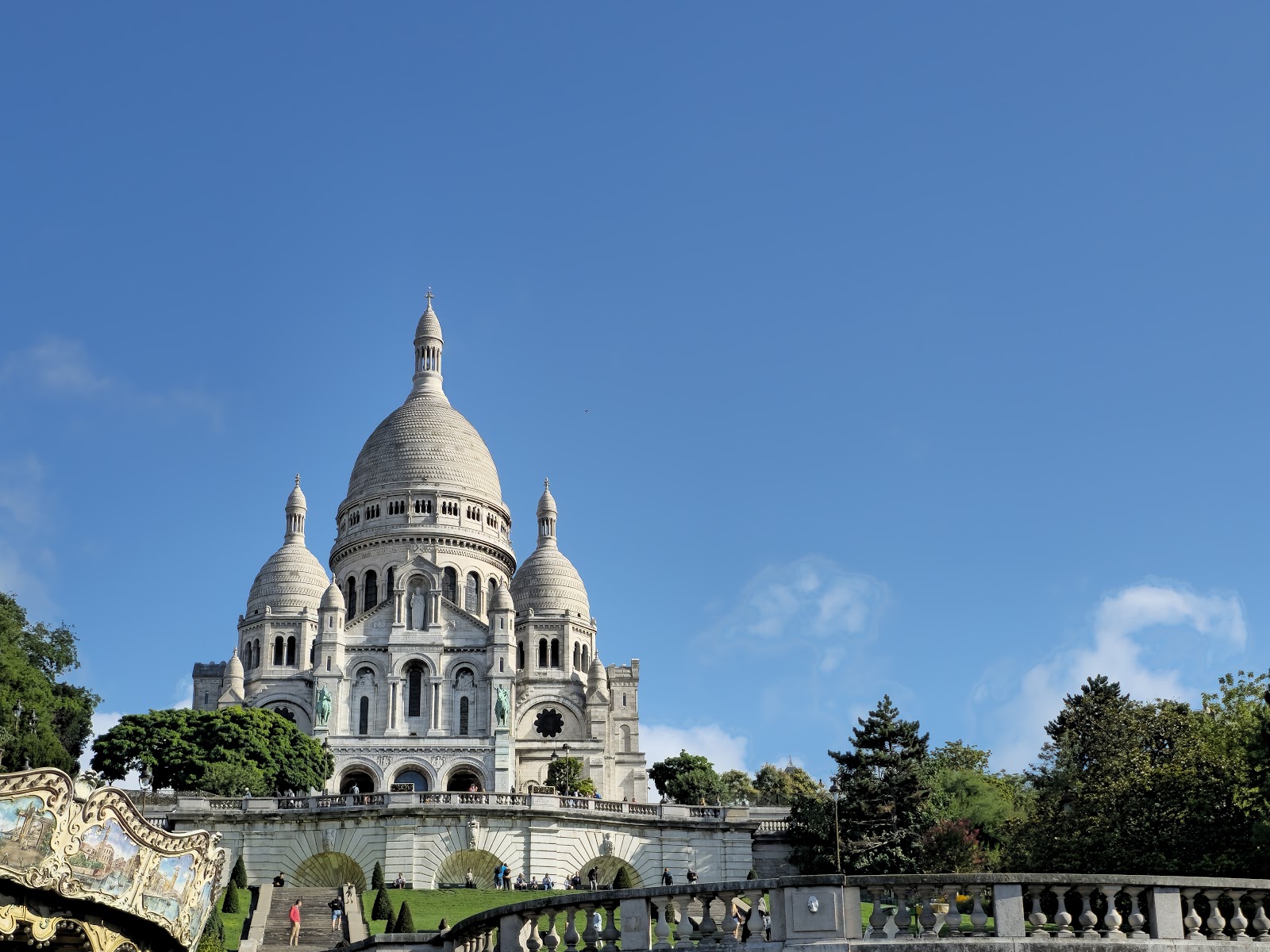 4Basilique du Sacré-Cœur de Montmartre~45 min
- ~20 min by taxi/transit (6.3km)
- 21:18
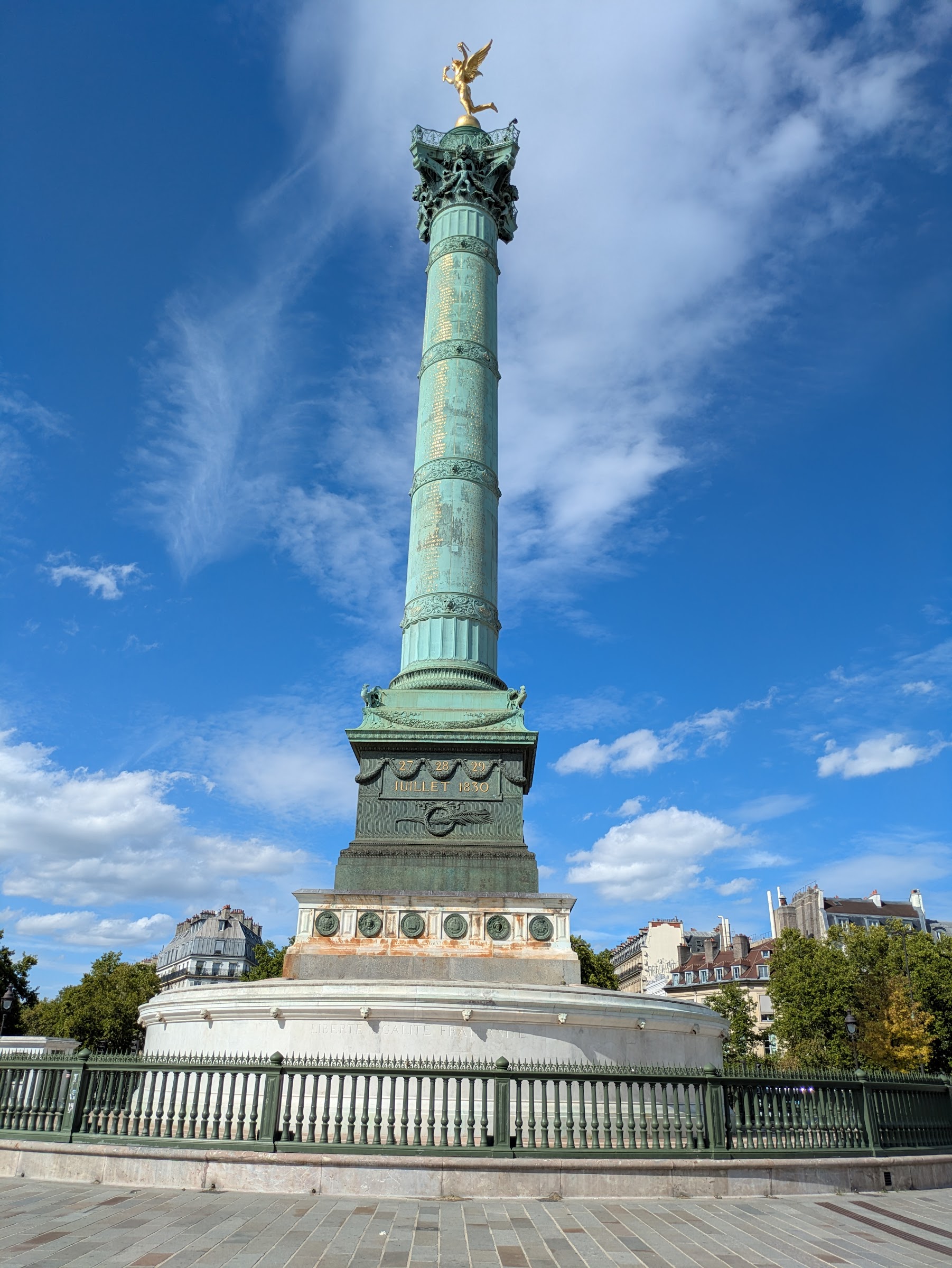 5Place de la Bastille~20 min
- ~9 min walk (554m)
- 21:47
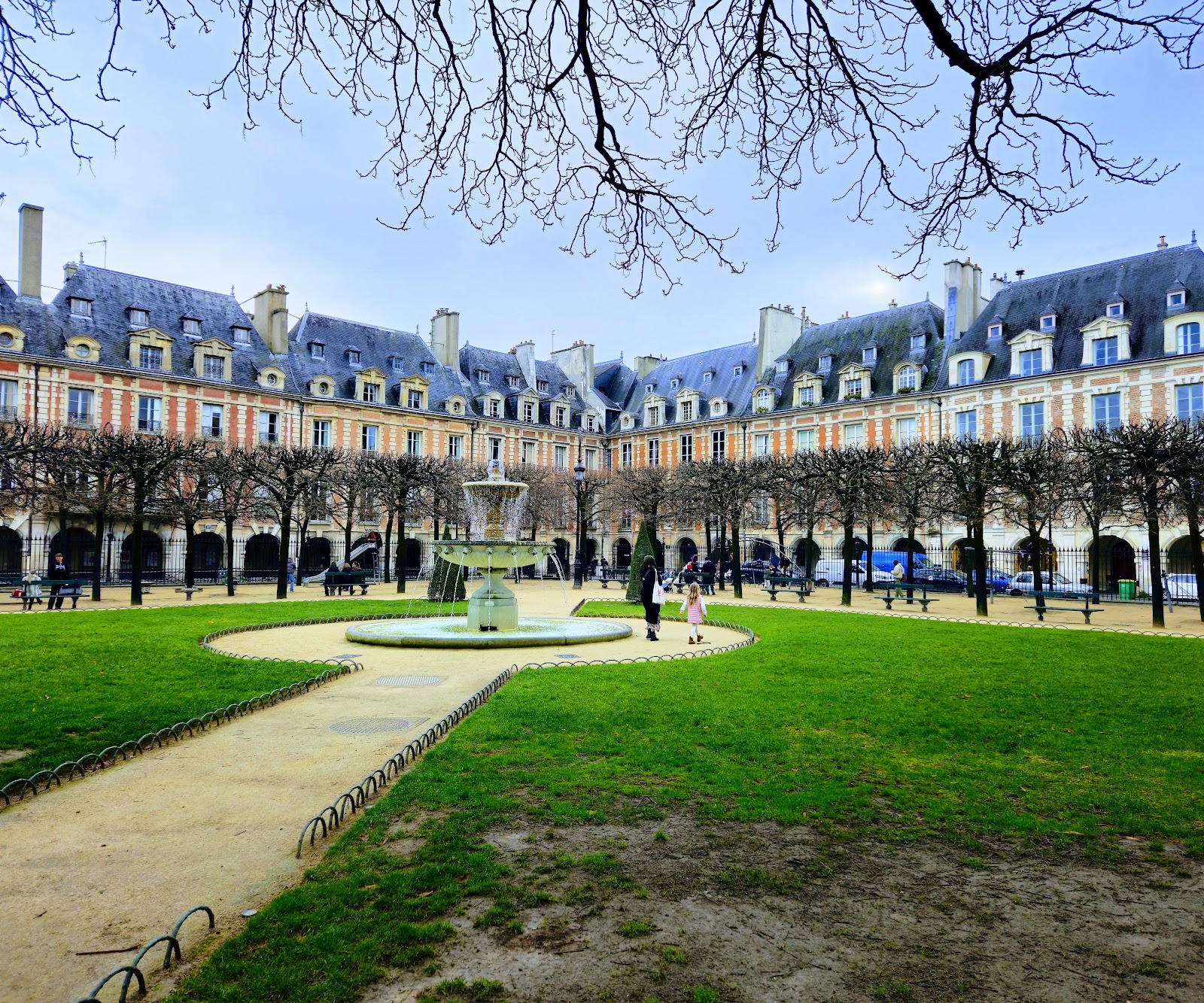 6Place des Vosges~35 min
A morning in the Marais
From the oldest planned square in Paris through a duke’s garden and the old Jewish quarter to the museum of the city’s own history, then lunch in its oldest covered market. Go any day but Monday.
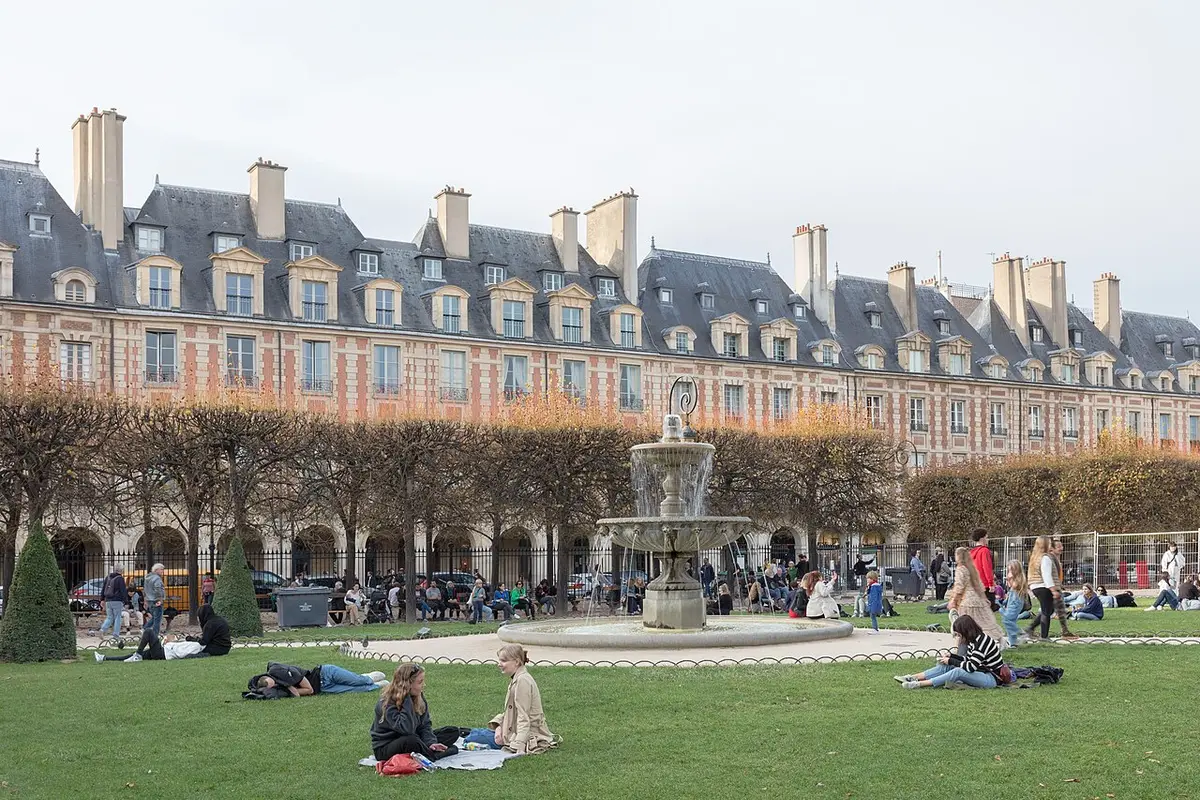
Start in the Place des Vosges, built for Henri IV and finished in 1612: thirty-six houses of red brick and pale stone around a square of lime trees and fountains, with arcades all the way round. Victor Hugo rented an apartment at number 6 from 1832 to 1848. It is now a small museum, free to visit, with a café in the courtyard.
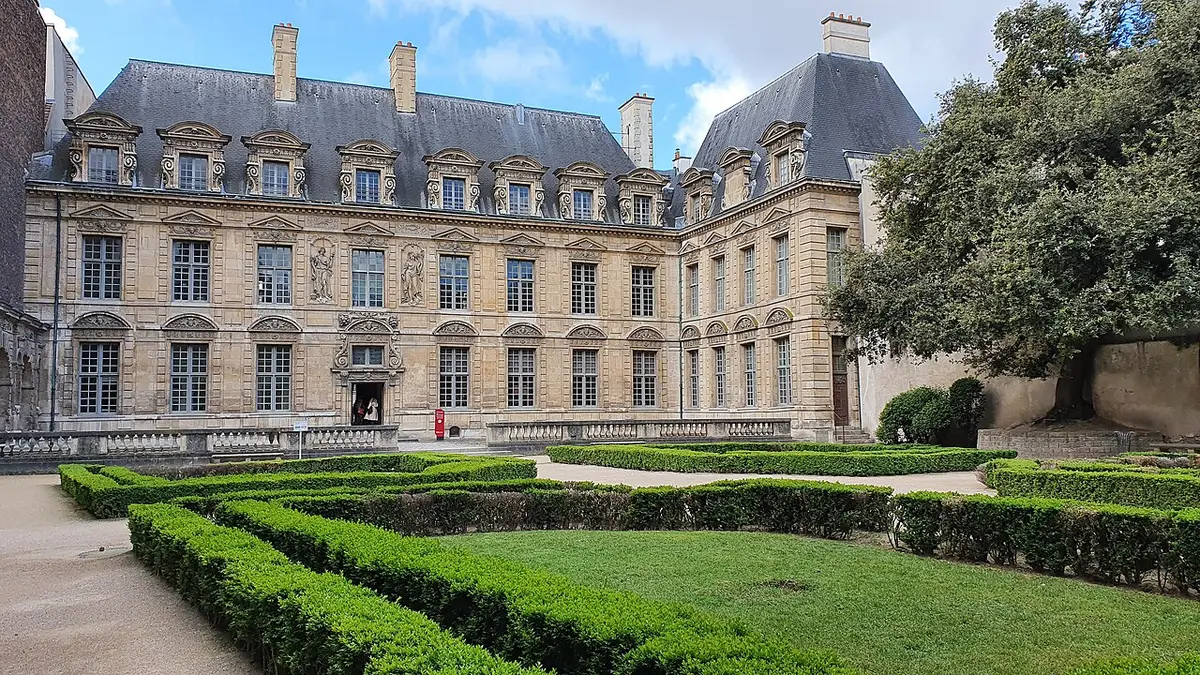
On the south side of the square, a discreet door leads through the orangery into the garden of the Hôtel de Sully, a mansion of the 1620s bought in 1634 by the Duke of Sully, Henri IV’s minister. Cross the garden and the courtyard, carved with figures of the seasons and the elements, and you come out on the Rue Saint-Antoine.
Walk a few steps west and turn up the Rue Pavée, where Hector Guimard, the architect of the Art Nouveau metro entrances, built a synagogue in 1913. It crosses the Rue des Rosiers, the heart of the Pletzl, the old Jewish quarter. Jews first settled here in the Middle Ages, and the families who came from Eastern Europe from the 1880s and from North Africa in the 1960s gave the street its bakeries and falafel counters.
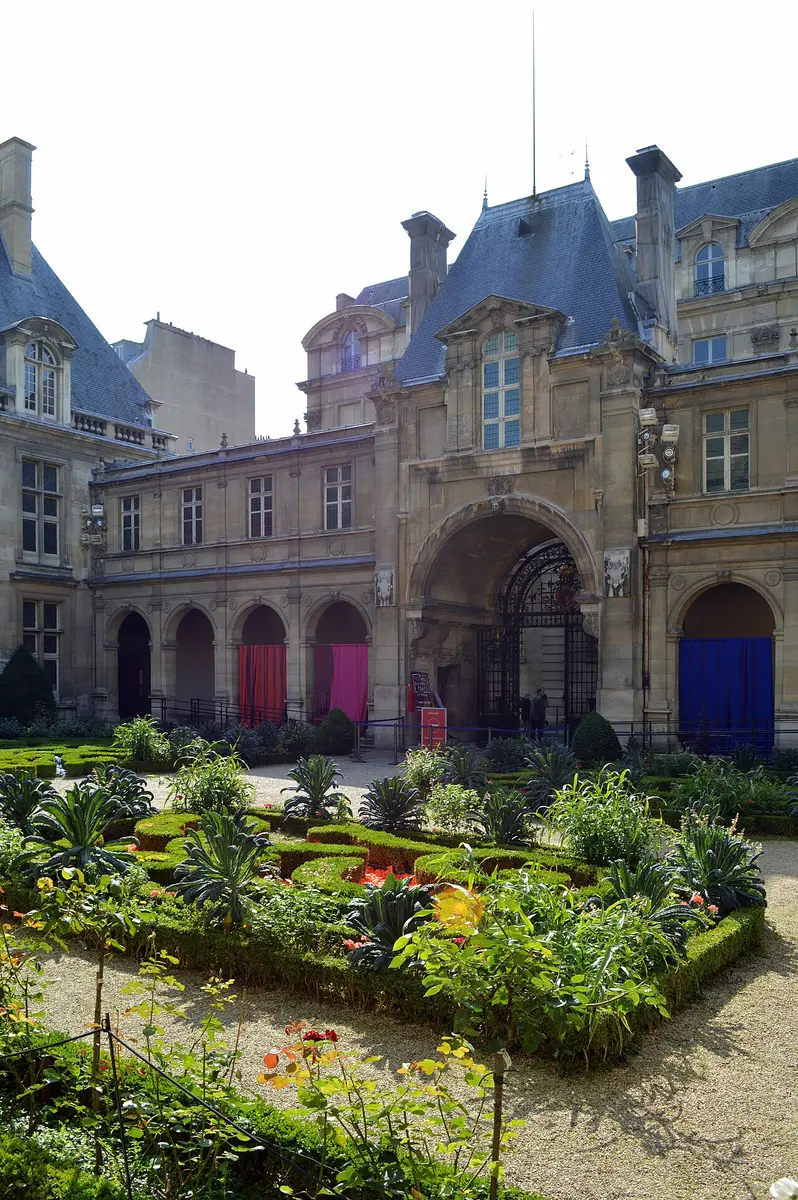
A few steps north, on the Rue des Francs-Bourgeois, is the Musée Carnavalet, the museum of the history of Paris, in two mansions joined together. The older, the Hôtel Carnavalet, dates from the 1540s, and Madame de Sévigné lived there from 1677 to 1696, writing many of her famous letters. Reopened in 2021 after a long renovation, it is free, and holds painted shop signs from the old streets, whole rooms of carved paneling and the furniture of Proust’s bedroom.
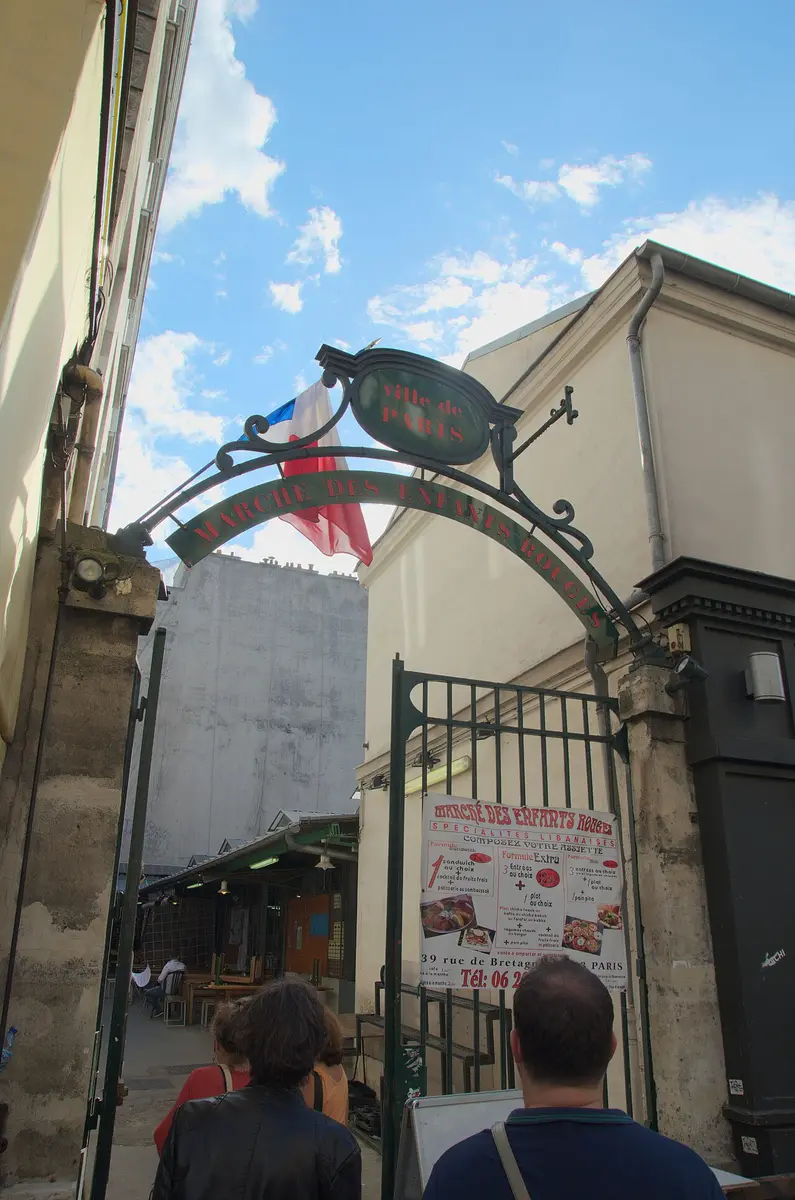
Then walk north through the upper Marais, past the Musée Picasso in the Hôtel Salé, to the Rue de Bretagne and the Marché des Enfants Rouges, the oldest covered market in Paris, founded in 1628 and named after an orphanage whose children were dressed in red. Lunch is at its counters, where stalls cook Moroccan, Japanese, Italian and French food.
Where to stay
Pick the neighborhood first, then the hotel. Each link opens a map of places to stay around it.
Le Marais
First visitBetween the Hôtel de Ville and the Place des Vosges: old mansions, small museums, boutiques and falafel on the Rue des Rosiers. Central, and lively on Sundays, when many shops elsewhere close; rooms are small and cost more.
See hotels in Le MaraisSaint-Germain-des-Prés
CouplesThe Left Bank of cafés, bookshops and galleries, a short walk from the Luxembourg Garden and the Orsay. Elegant and calm at night, and among the priciest places to sleep.
See hotels in Saint-Germain-des-PrésLatin Quarter
Budget and studentsAround the Sorbonne and the Panthéon, with cheap eats, old bookshops and Notre-Dame across the river. Busy with students, and good value by Paris standards.
See hotels in Latin QuarterMontmartre
Views and atmosphereThe hilltop village behind Sacré-Cœur: steep lanes, stairways, a vineyard and views over the city. Rooms cost less, the climb is real, and Pigalle below is loud at night.
See hotels in MontmartreEiffel Tower and Rue Cler
FamiliesWide, calm streets between the Eiffel Tower and the Invalides, with the market street of Rue Cler and the lawns of the Champ de Mars for running around. Quiet at night, and a metro ride from most things.
See hotels in Eiffel Tower and Rue ClerCanal Saint-Martin
Food and nightlifeIron footbridges over the locks, and around them some of the city’s best bistros, wine bars and bakeries, with the bars of Oberkampf a short walk away. Young, local and lively late.
See hotels in Canal Saint-MartinThe 10 best budget hotels
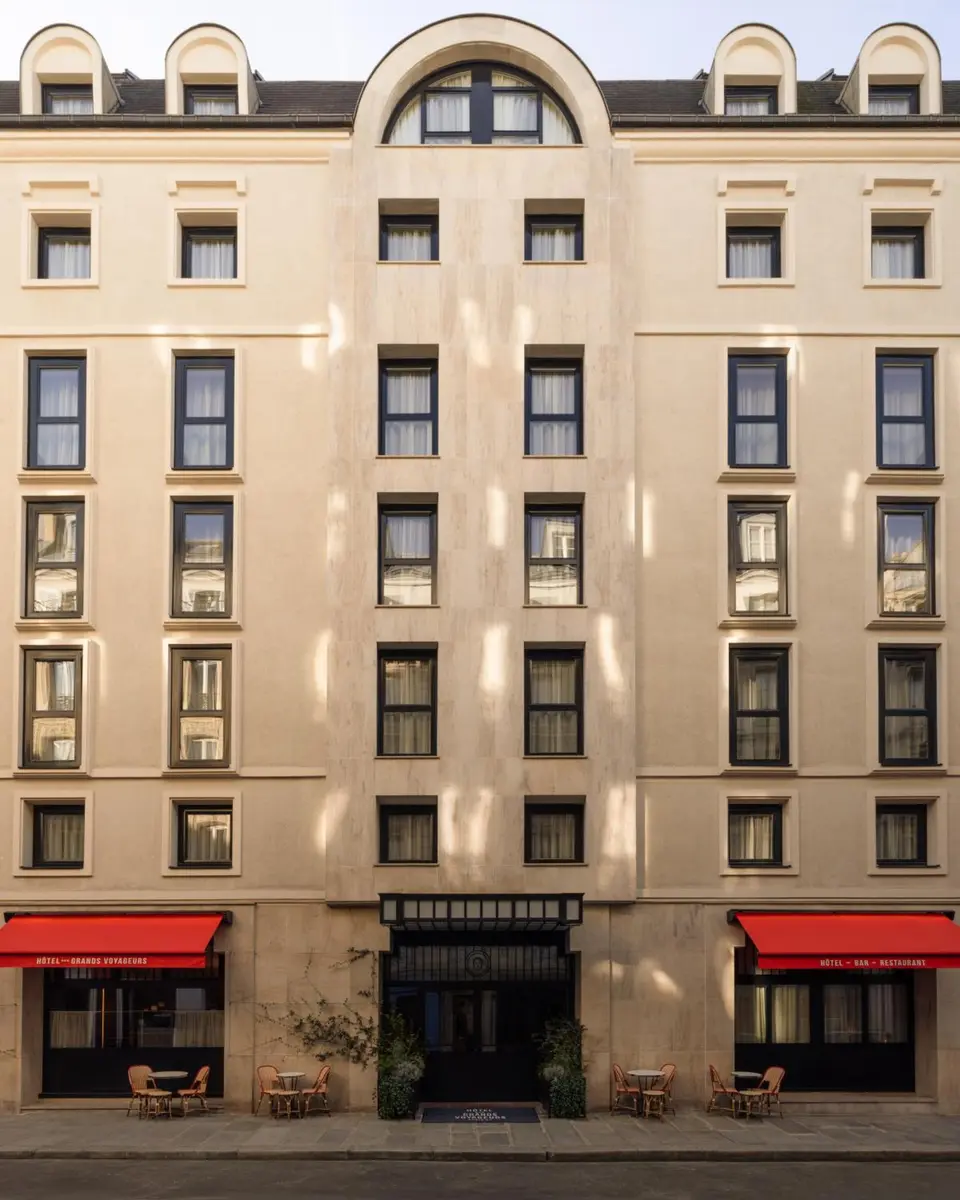
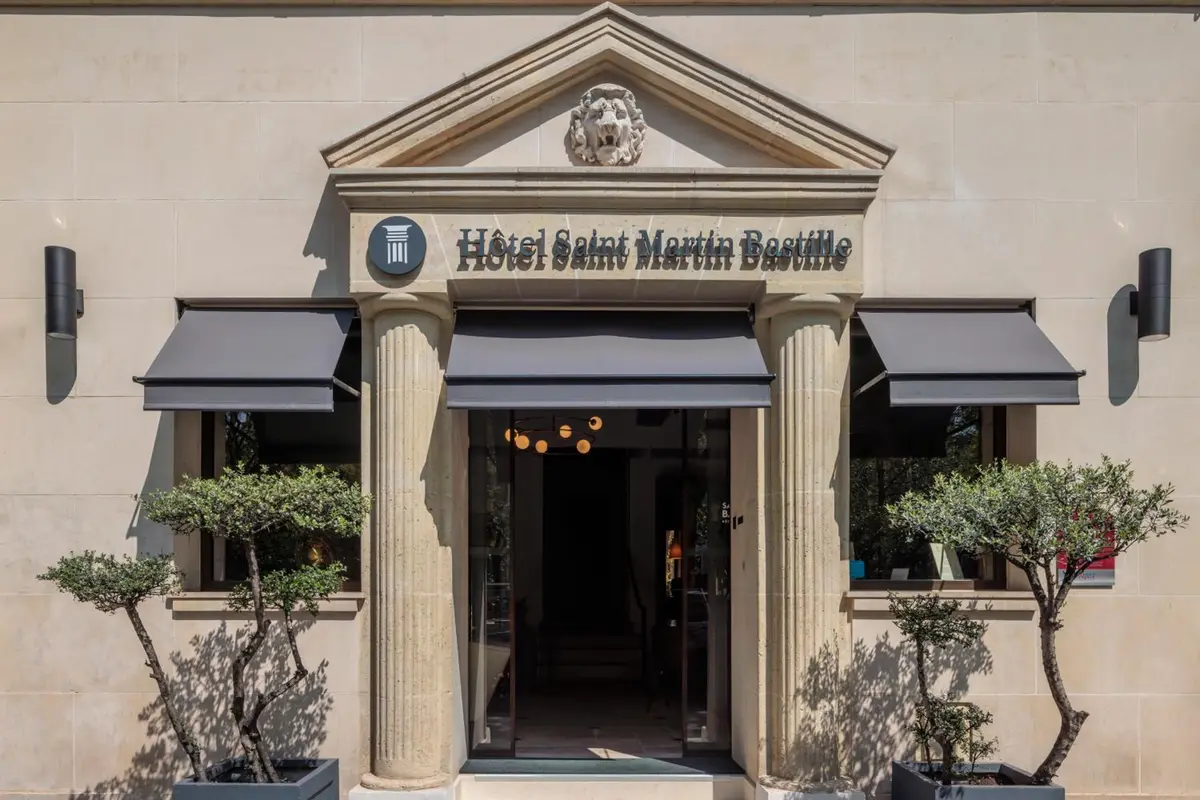
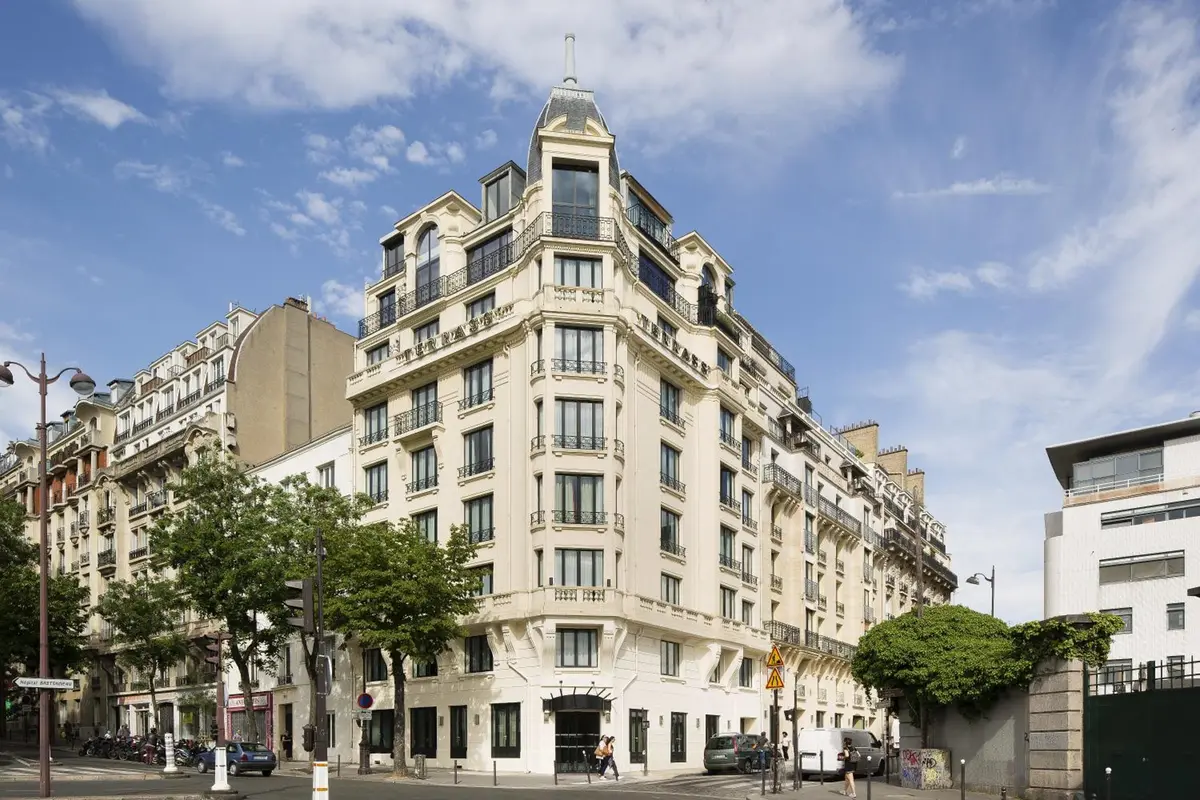
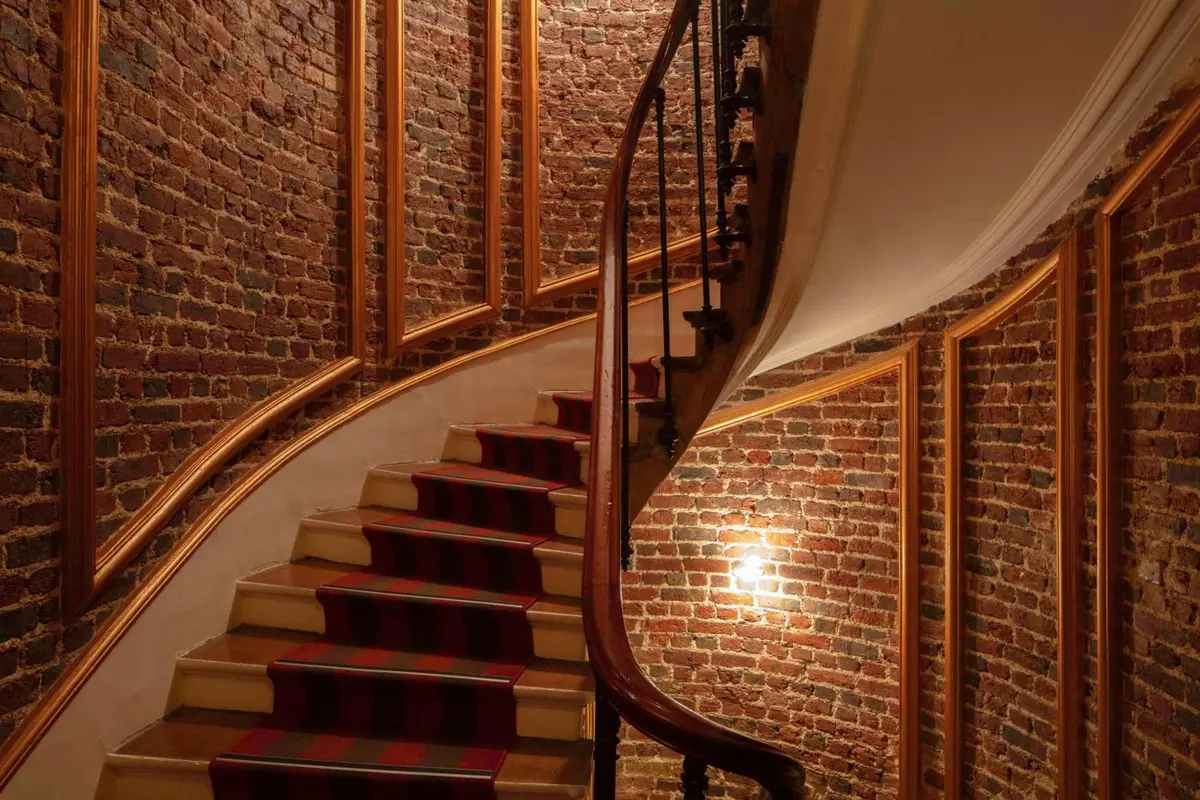
Well-reviewed hotels at the lower end of Paris’s prices, best-reviewed first. On a weeknight in November 2026 they cost about €140 to €220 for two; prices change daily, so check your own dates.
 01
 02
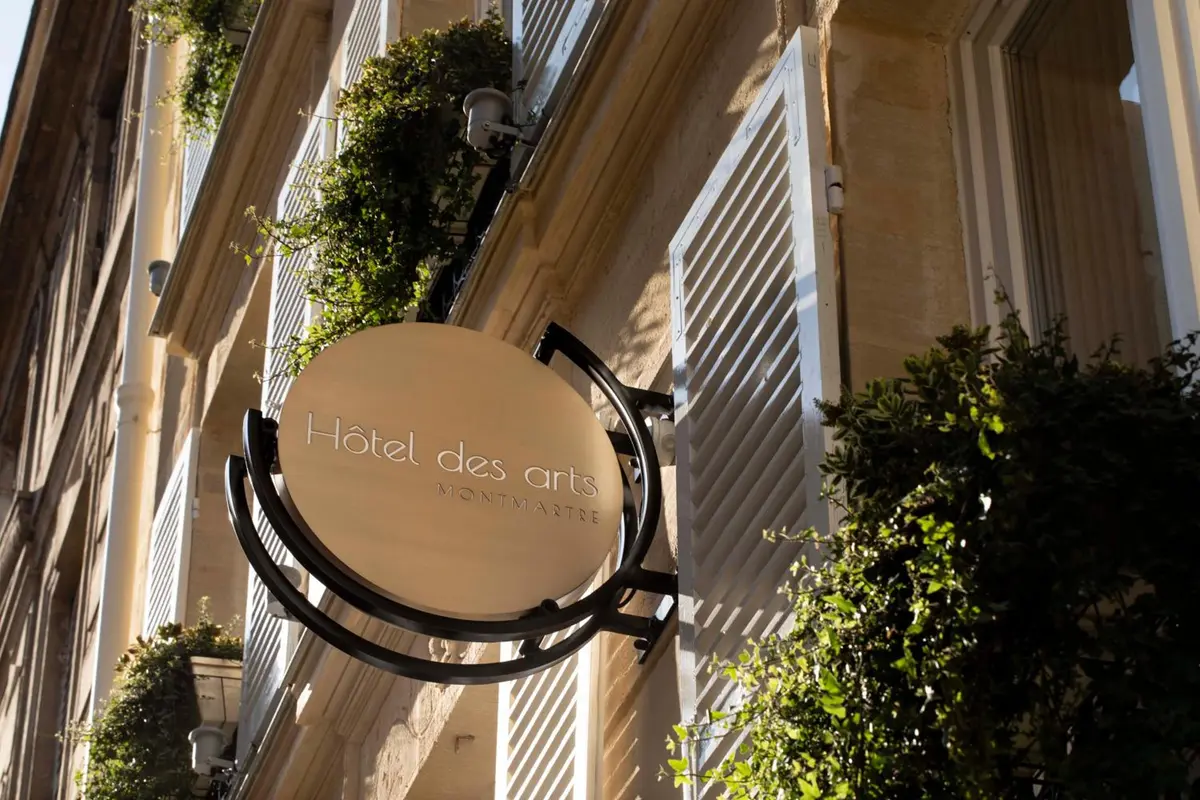 03
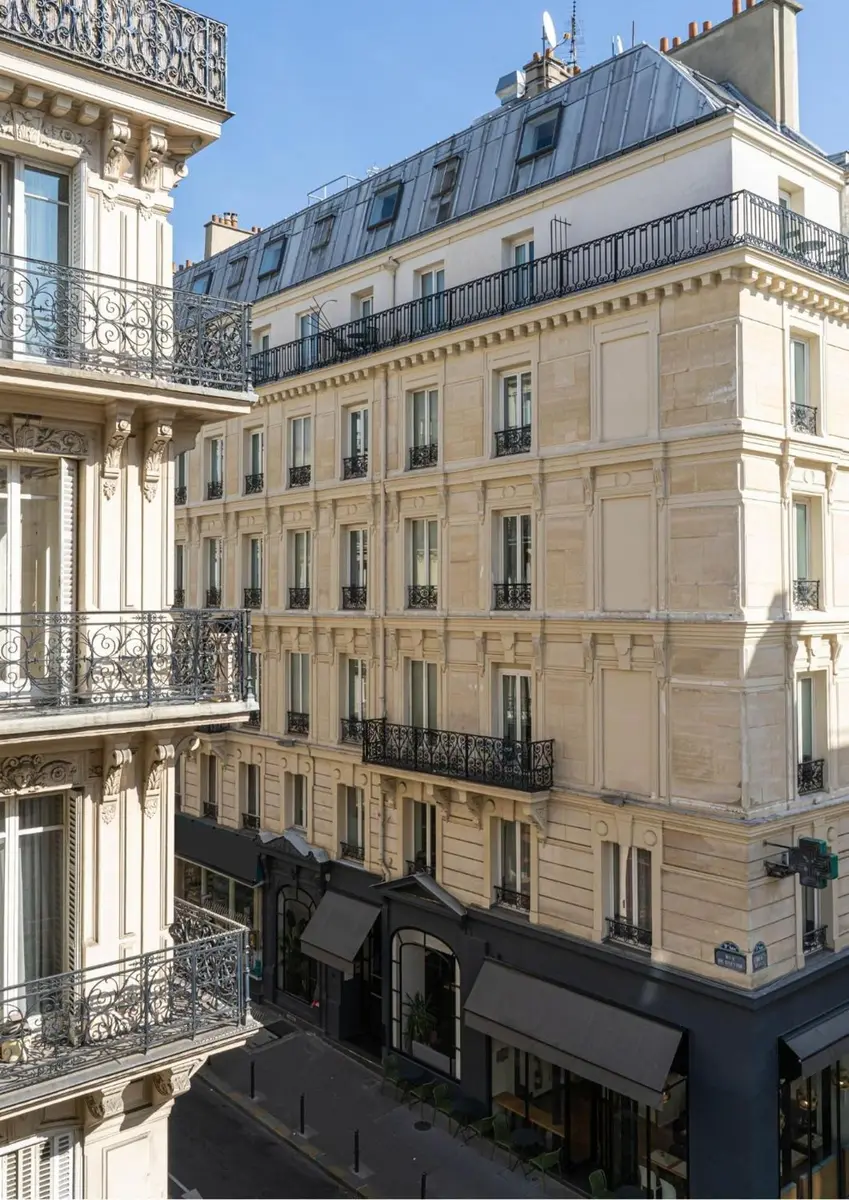 04
 05
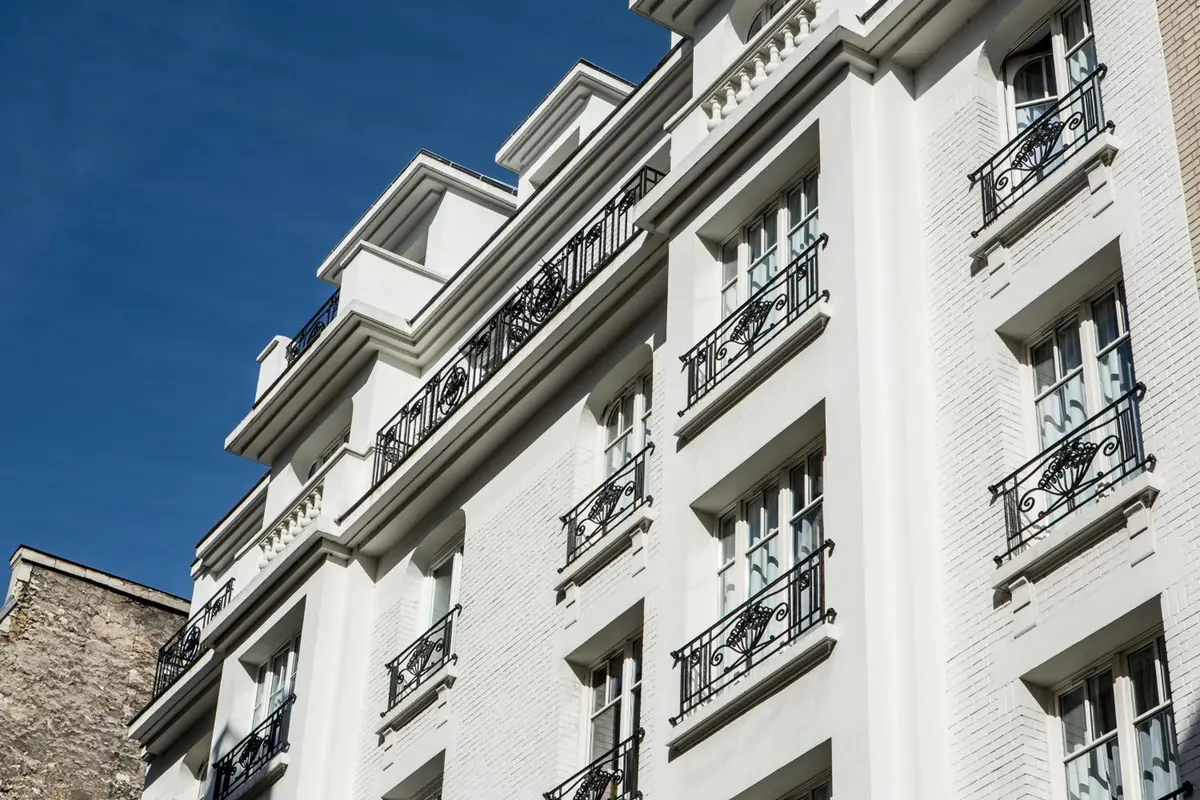 06
 07
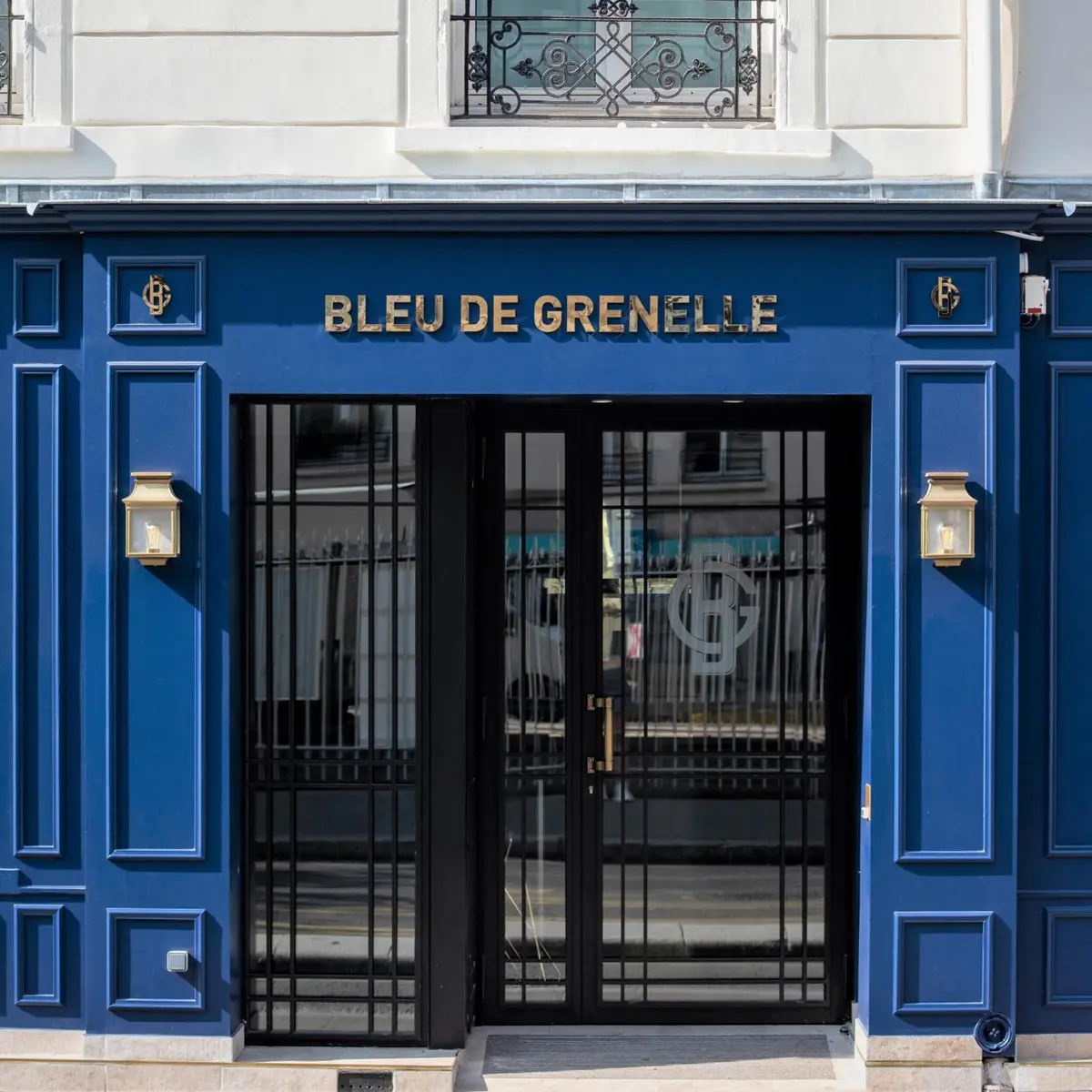
Hotel Bleu de Grenelle - Tour Eiffel
9.43,324 reviewsGrenelle
18 min walk to the Eiffel Tower
See prices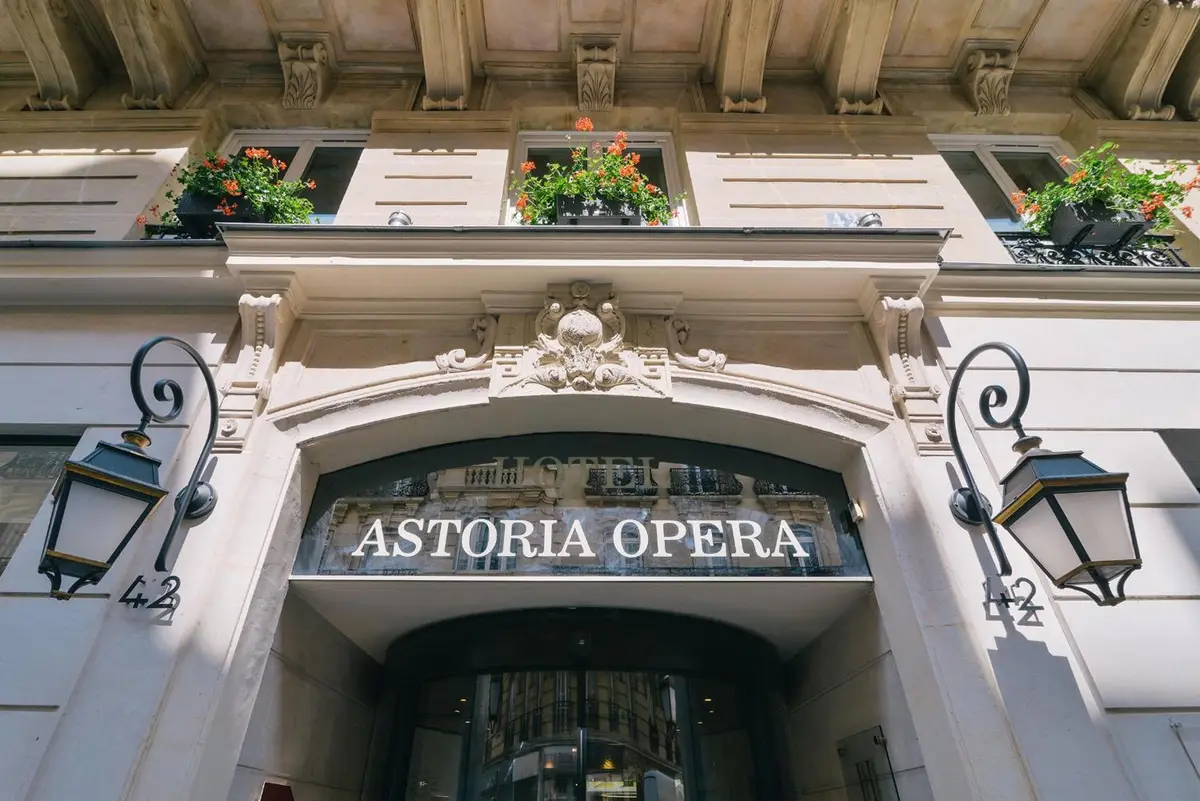 08
 09
 10
Hotel links go to Stay22. If you book, we may earn a commission, at no cost to you.
Food and drink
Paris eats at the bakery, the bistro and the market. Lunch runs from about noon to 2pm, often as a set menu of two or three courses, and dinner starts from about 7:30 or 8pm.
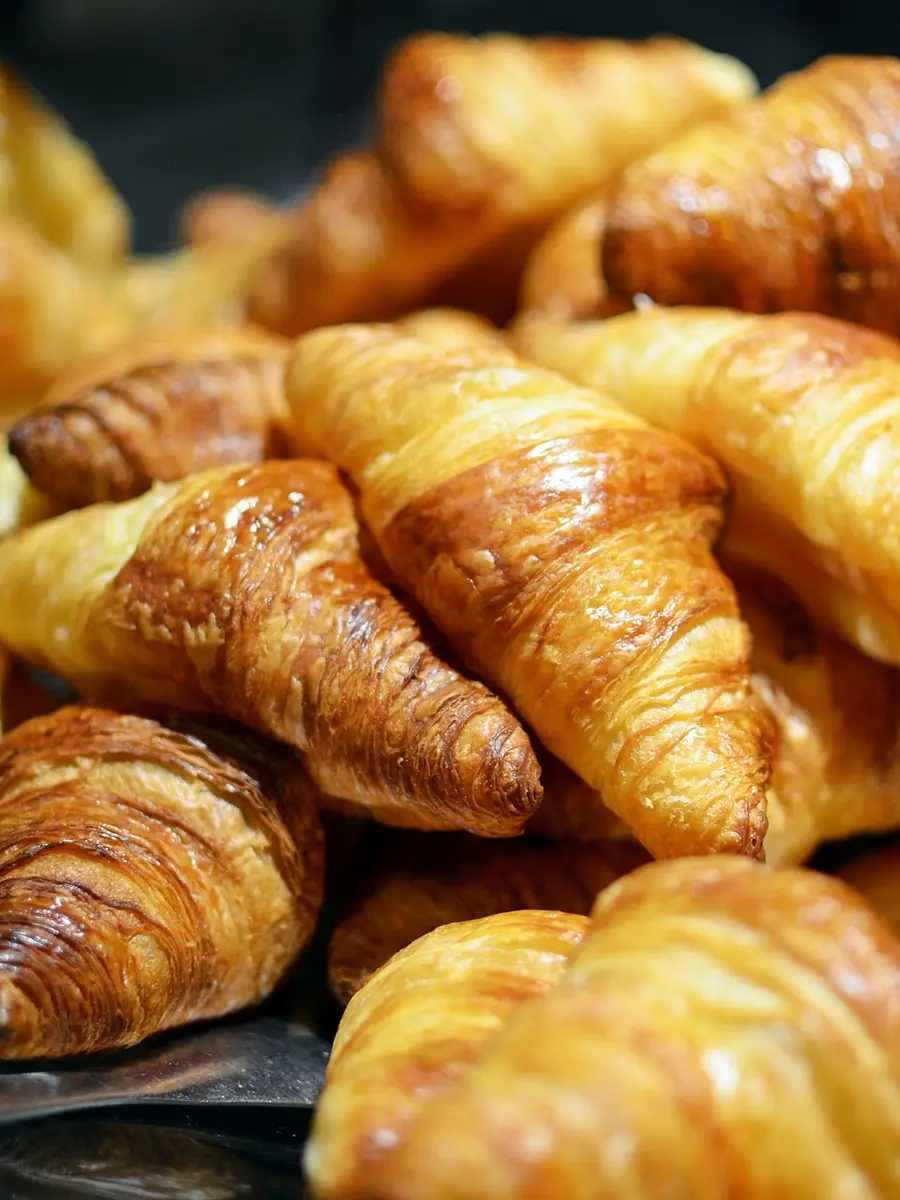
Croissant
Layered with butter, crisp outside and soft inside, and at its best before 10am from a neighborhood bakery.
Photo: Herry Wibisono ( herryway ), CC0
Jambon-beurre
Ham and butter in a fresh baguette: the Parisian working lunch, sold at every bakery.
Photo: Al4az, CC BY-SA 4.0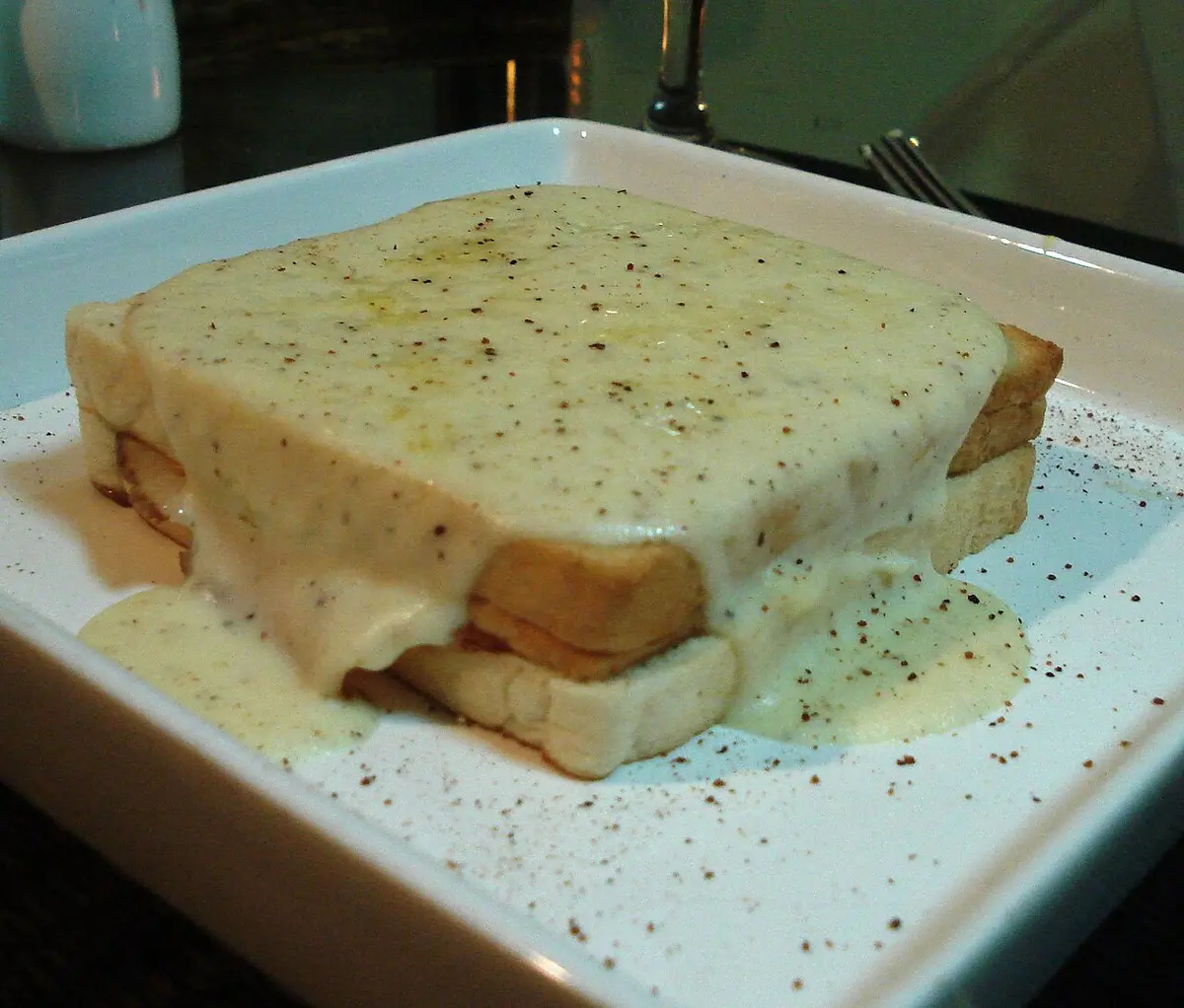
Croque-monsieur
Ham and cheese toasted, usually under béchamel. Add a fried egg and it becomes a croque-madame. It first appeared on Paris café menus around 1910.
Photo: Benoit5656, Public domain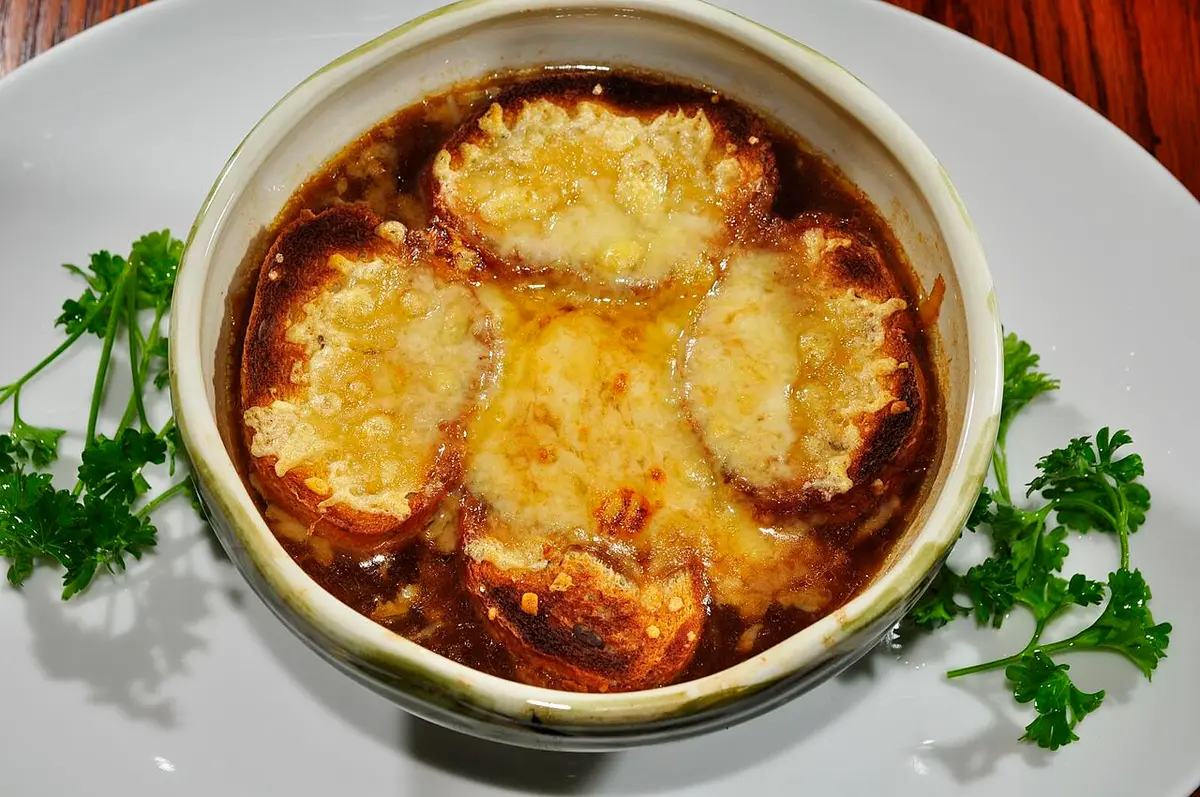
Soupe à l’oignon
Onion soup under a lid of bread and melted cheese, once the late-night meal of the market porters at Les Halles.
Photo: jeffreyw, CC BY 2.0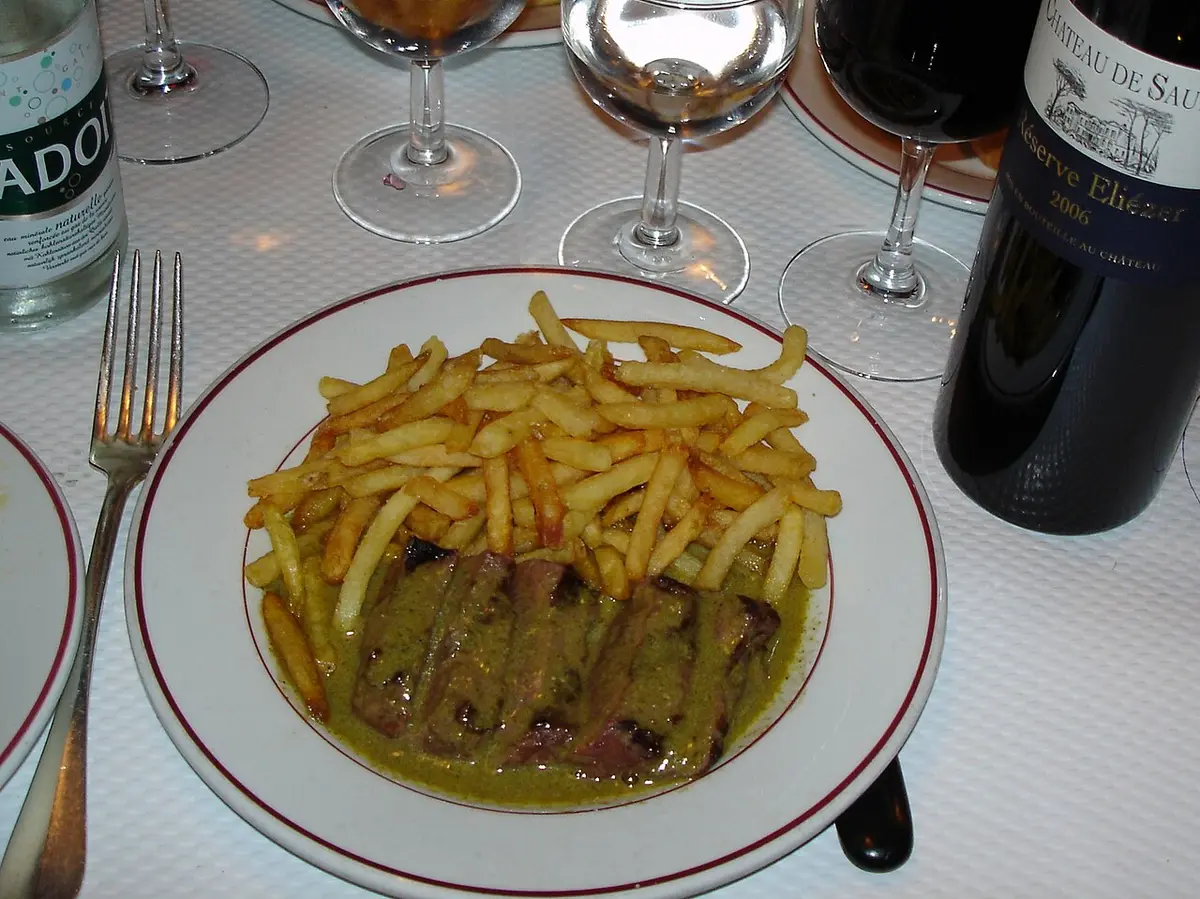
Steak frites
A steak, often an entrecôte, with fries and a sauce such as béarnaise or pepper. Order it saignant for rare or à point for medium.
Photo: Dcollard, CC BY-SA 3.0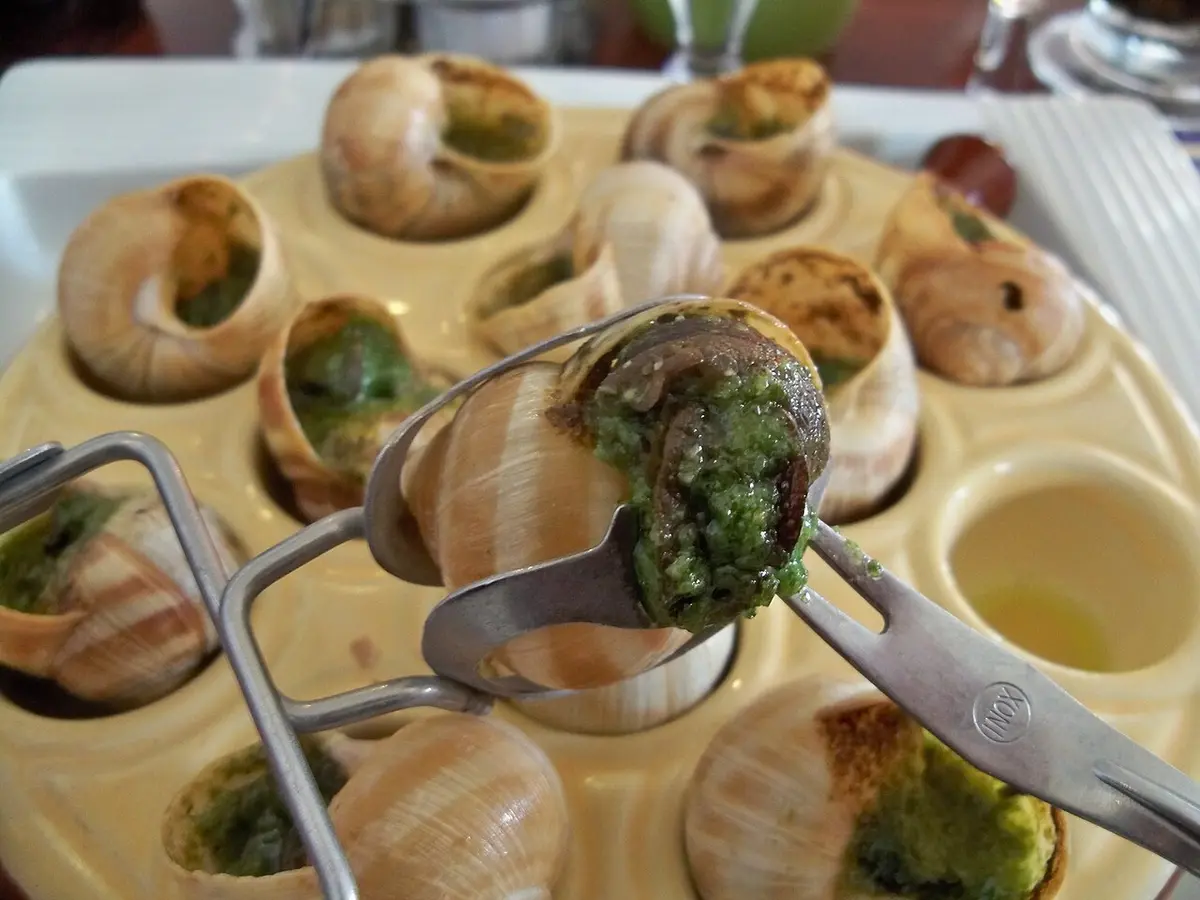
Escargots
Snails baked in their shells with garlic and parsley butter, served with tongs and a small fork. Keep some bread for the butter.
Photo: Marianne Casamance, CC BY-SA 3.0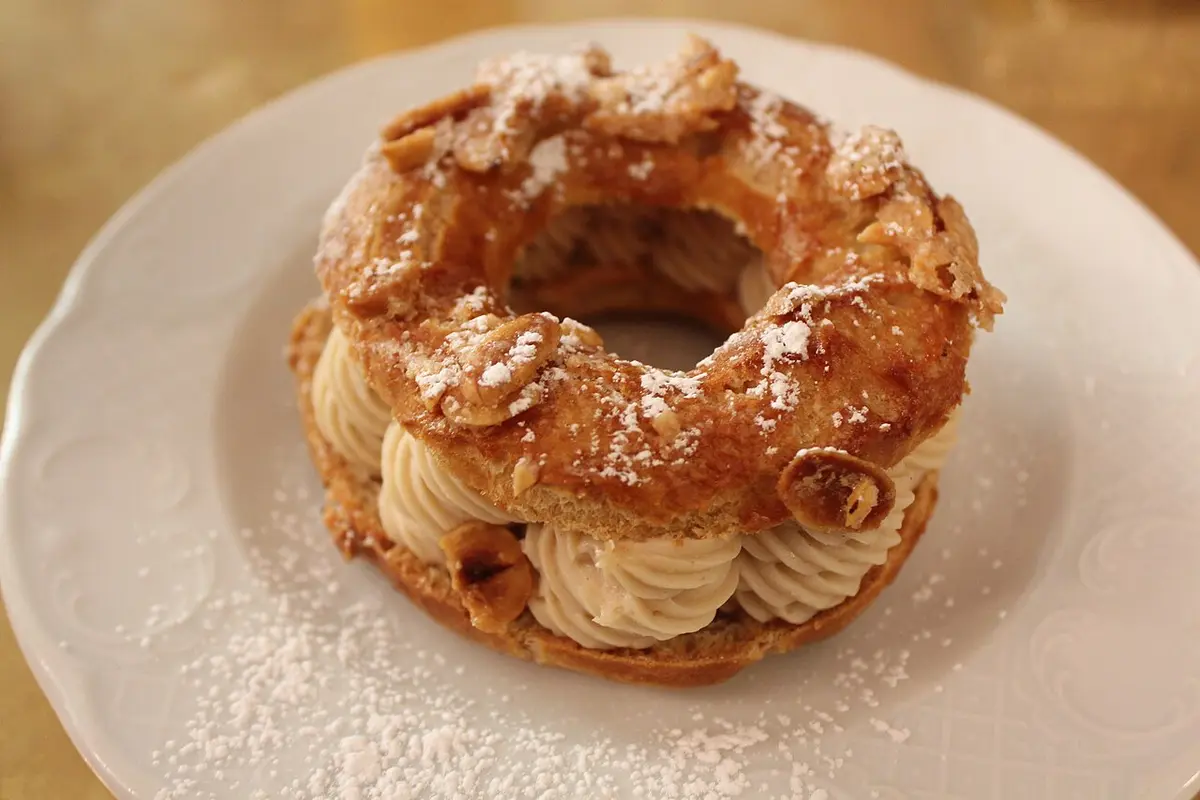
Paris-Brest
A ring of choux pastry filled with praline cream, shaped like a bicycle wheel for the Paris to Brest cycle race and first made in 1910.
Photo: Deror_avi, CC BY-SA 4.0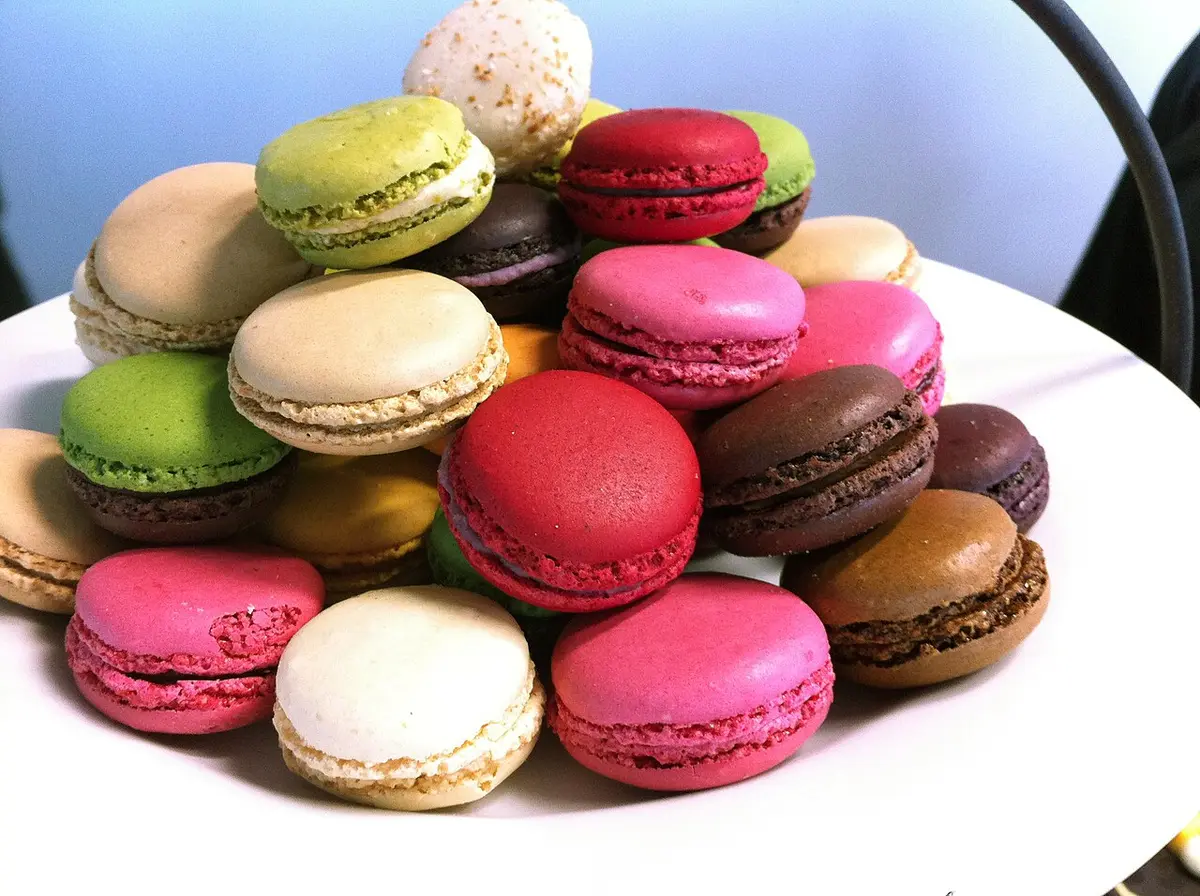
Macarons
Two almond meringue shells sandwiched with ganache or jam, the Parisian double form made famous by the tearoom Ladurée.
Photo: Nicolas Halftermeyer, CC BY-SA 3.0Eat lunch at the covered markets, the Marché des Enfants Rouges in the Marais or the Marché d’Aligre near the Bastille, and dinner in the bistros of the 11th and around the Canal Saint-Martin. Crêperies cluster around the Gare Montparnasse, where trains from Brittany arrive, and the falafel is on the Rue des Rosiers.
The seventeen years that made Paris
Napoleon III wanted light, air and clean water. His prefect, Baron Haussmann, gave him boulevards, parks and sewers, and pulled down much of the medieval city to do it.
In the 1840s the center of Paris was still a medieval town. About a million people lived crowded into lanes too narrow for two carts to pass, with little light, few sewers and water carried up from the Seine or from public fountains. Cholera killed thousands in 1832 and again in 1849, and revolutionaries knew the lanes well: in 1830 and 1848 they blocked them with barricades in a matter of hours.
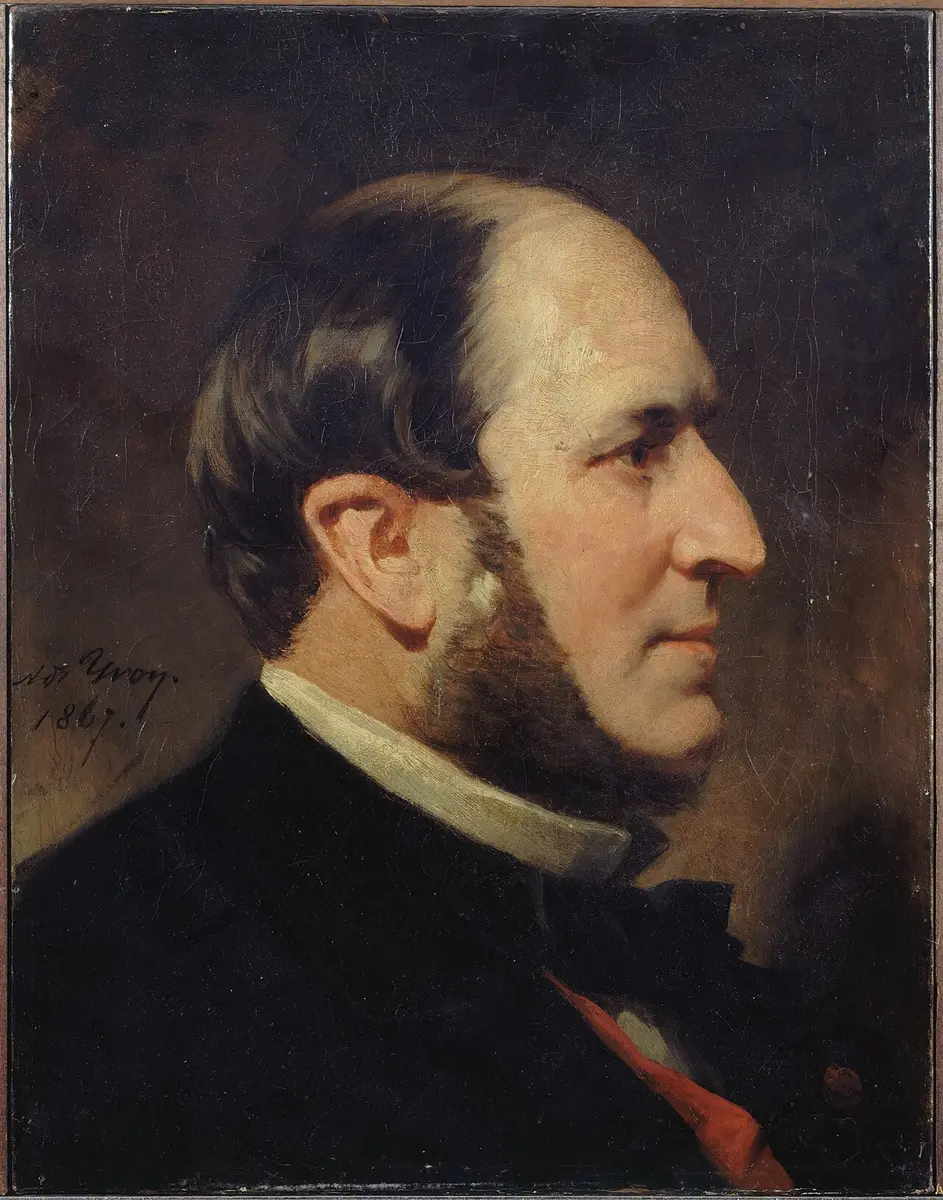
Louis-Napoléon Bonaparte, elected president in 1848 and emperor from 1852, had lived in exile in London and admired its parks and squares. In June 1853 he made Georges-Eugène Haussmann prefect of the Seine, the official who ran Paris. Haussmann was a lawyer and a career administrator, not an architect or an engineer, and he held the post for almost seventeen years.
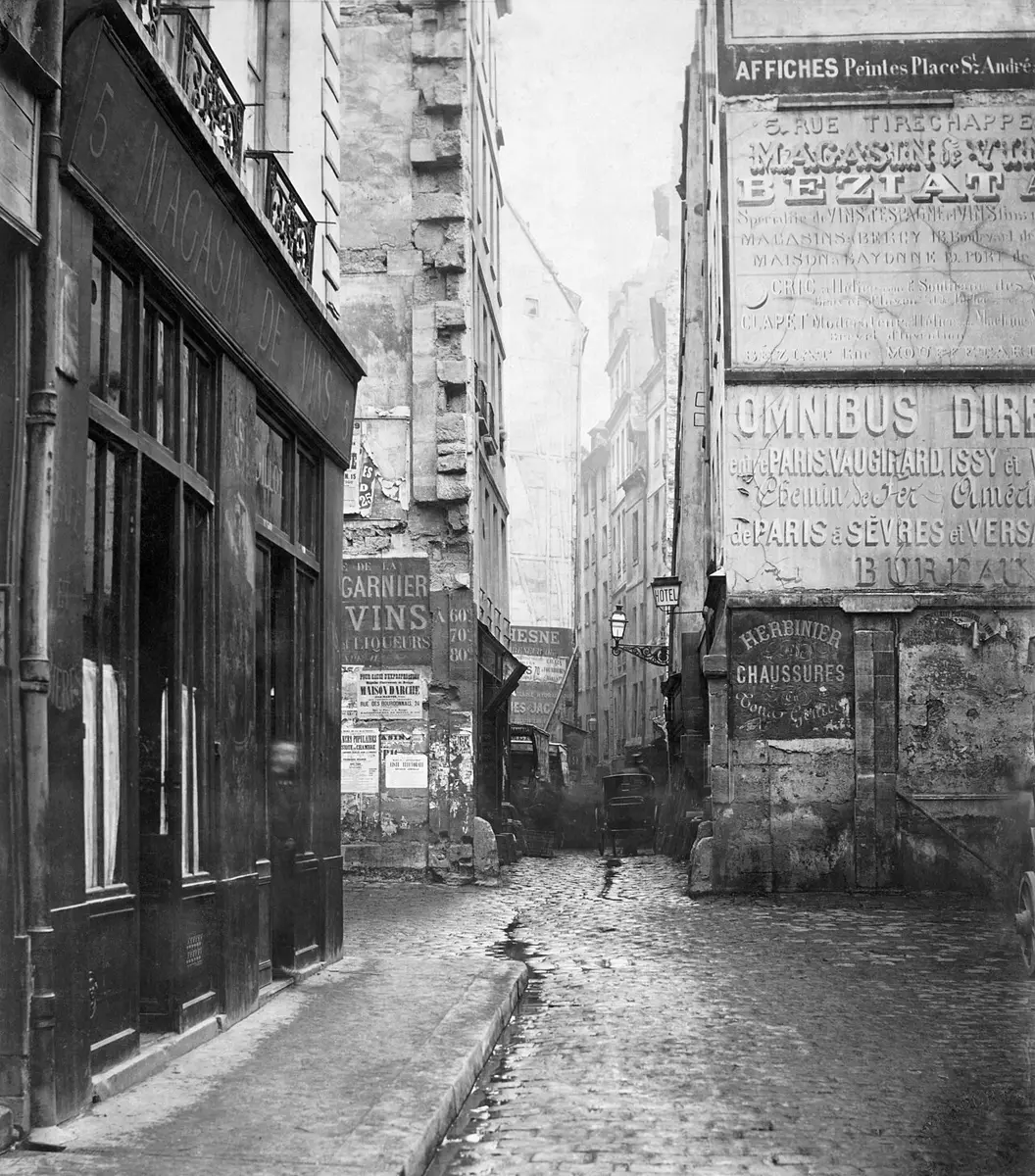
The plan was to cut straight through. A great cross of new streets opened the center from north to south and from east to west, the boulevards de Strasbourg and de Sébastopol one way and the extended Rue de Rivoli the other, and twelve avenues radiated from the Arc de Triomphe. Most of the old houses on the Île de la Cité came down to make room for a hospital, the police headquarters and the law courts. The city hired the photographer Charles Marville to record the old streets before they went, and his pictures are now the best record of the city that was lost.
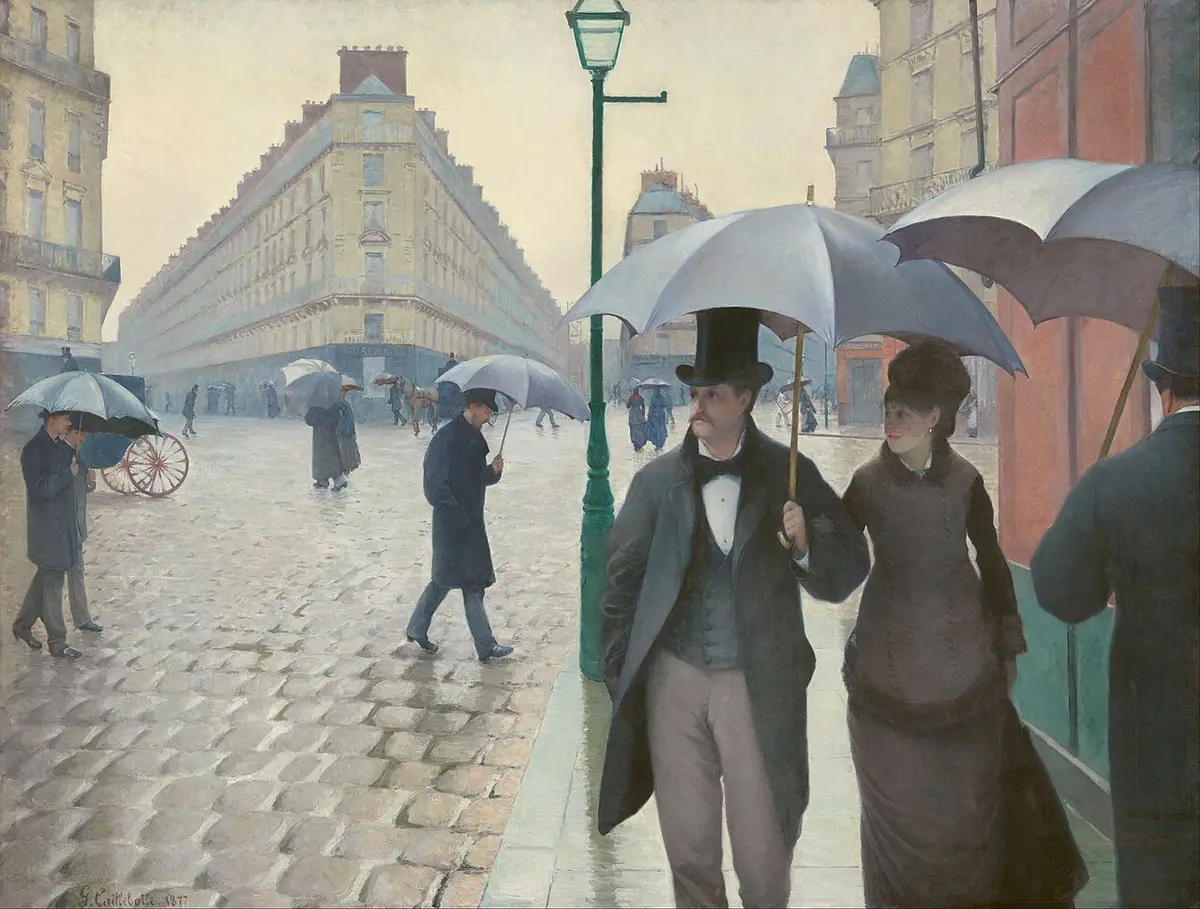
The new streets came with rules. Buildings along them were faced in cut stone, their height tied to the width of the street, with iron balconies running the full width of the front at two levels and a steep mansard roof above. That is why whole avenues read as one long facade, and why Caillebotte, painting a wet crossroads near the Gare Saint-Lazare in 1877, could make the new city look so broad, calm and orderly.
Walk down any boulevard today and you are inside Haussmann’s rulebook: the stone fronts, the balconies, the roofline, the rows of trees.
Below ground, the engineer Eugène Belgrand brought spring water from far outside the city by new aqueducts and built a vast network of sewers, which visitors toured from 1867. Above it, Adolphe Alphand laid out the Bois de Boulogne, the Bois de Vincennes, the Buttes-Chaumont and some two dozen squares, and planted trees along the new boulevards. In 1860 Paris annexed the villages around it, among them Montmartre, Belleville and Passy, and grew from twelve arrondissements to twenty.
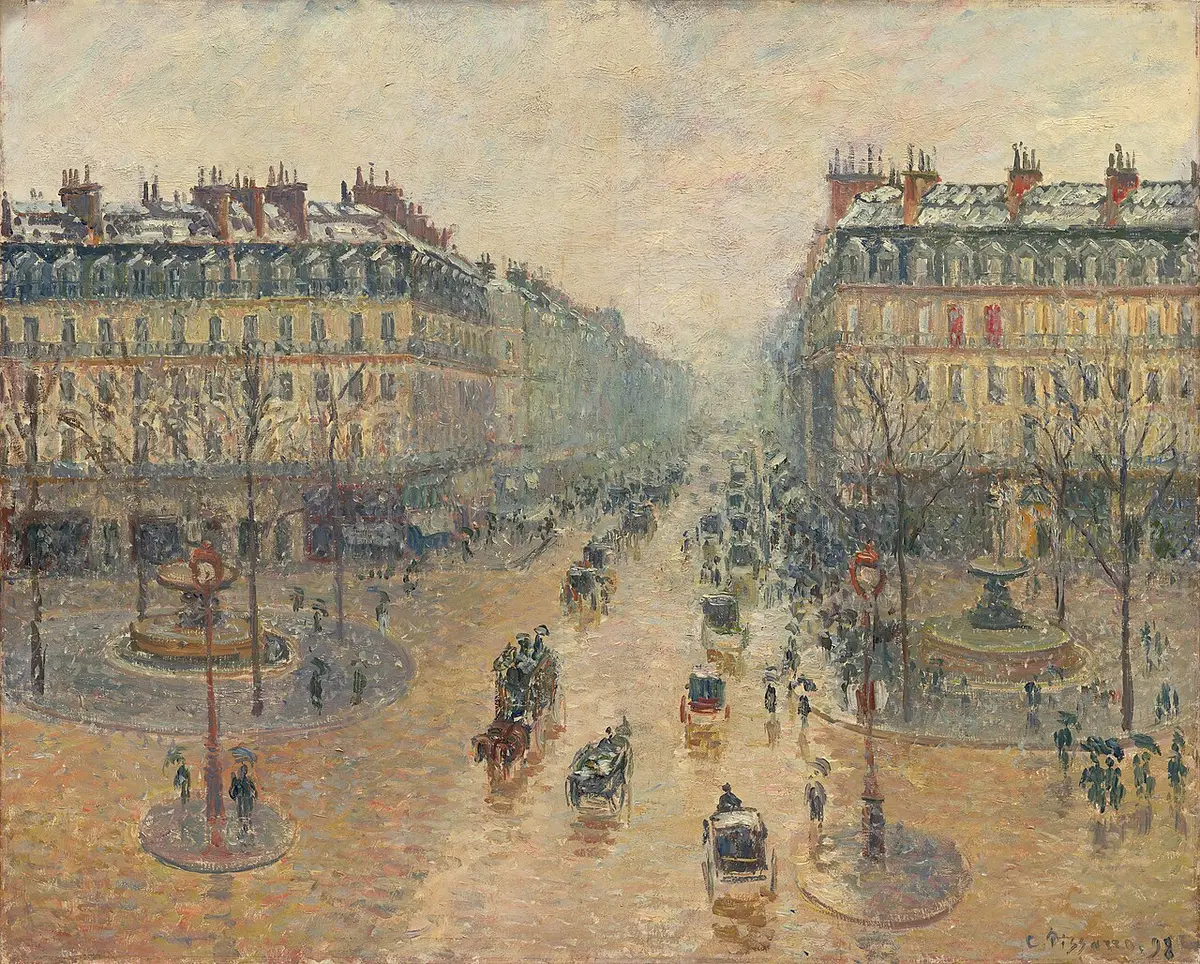
It cost a fortune, and it had enemies. Rents rose, working families were pushed out of the center to the east and the new suburbs, and critics mourned the old streets. In 1868 the young politician Jules Ferry mocked the prefect’s borrowing in a pamphlet whose title punned on Hoffmann’s fantastic tales: Les Comptes fantastiques d’Haussmann. Haussmann was dismissed in January 1870, months before the empire fell, but the work went on without him. The Avenue de l’Opéra, which Pissarro painted from a hotel window in 1898, was completed in the late 1870s, and the Boulevard Haussmann only in 1927.
Art
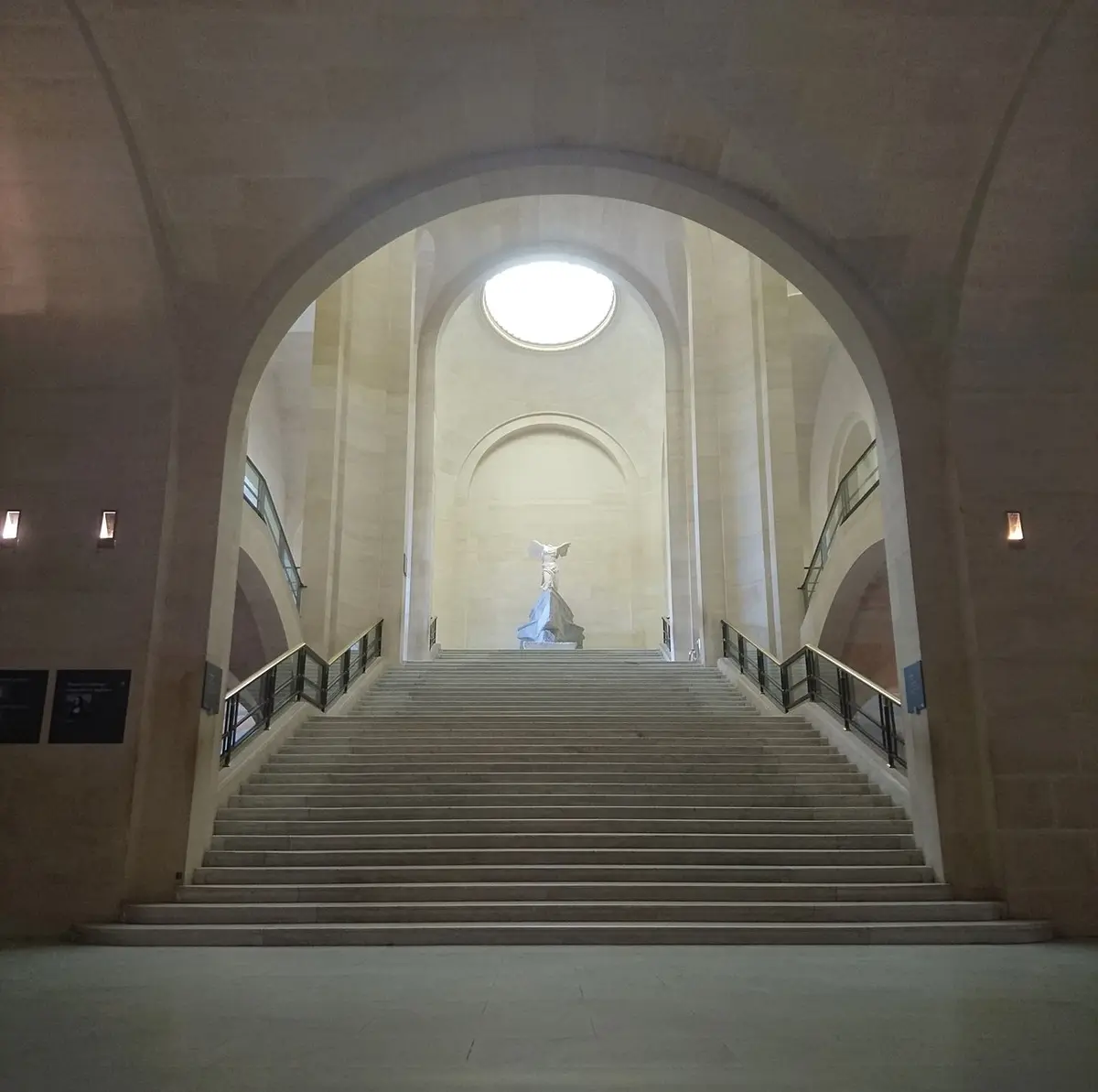
The Louvre
Beyond the Mona Lisa: the Winged Victory at the top of the Daru staircase, the Venus de Milo, the Egyptian rooms, and the great French canvases of David, Géricault and Delacroix in the Denon wing. Pick two wings and leave the rest for another visit.
The Impressionists
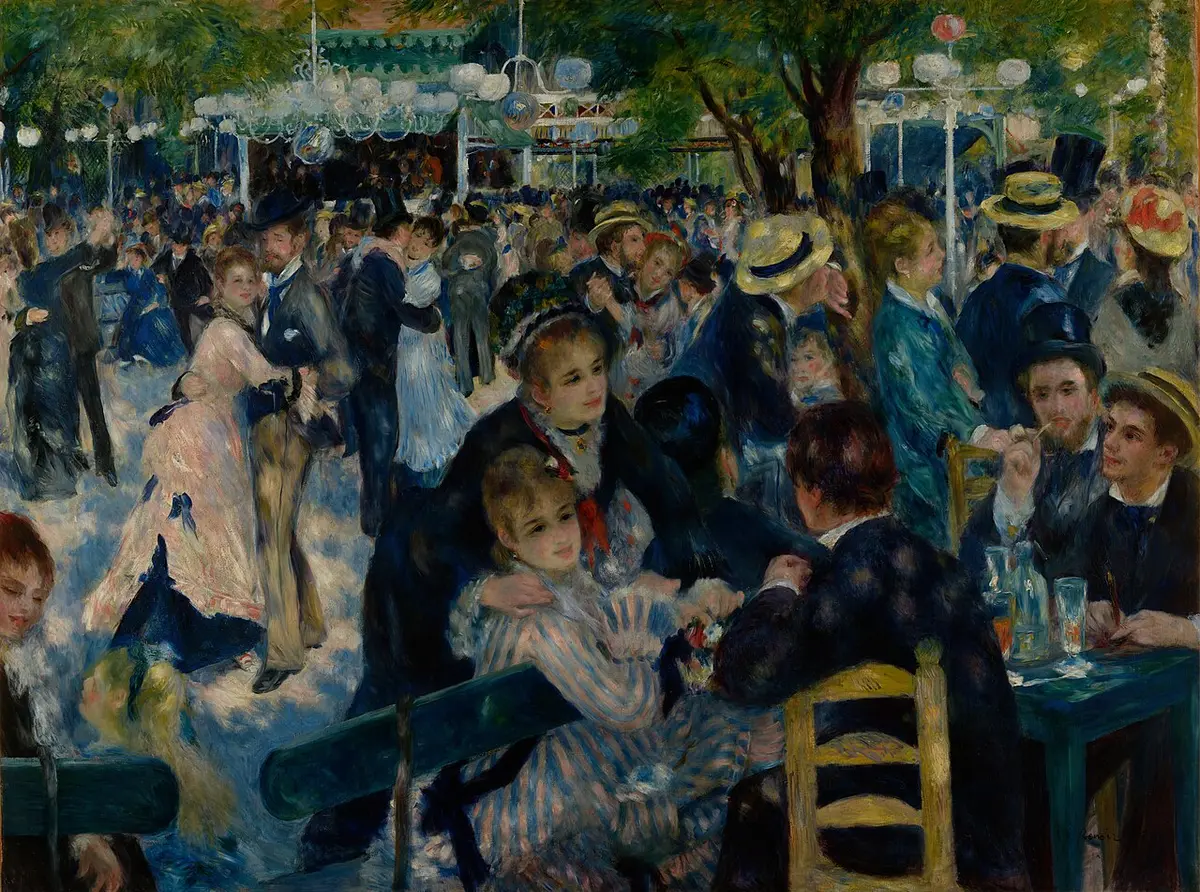
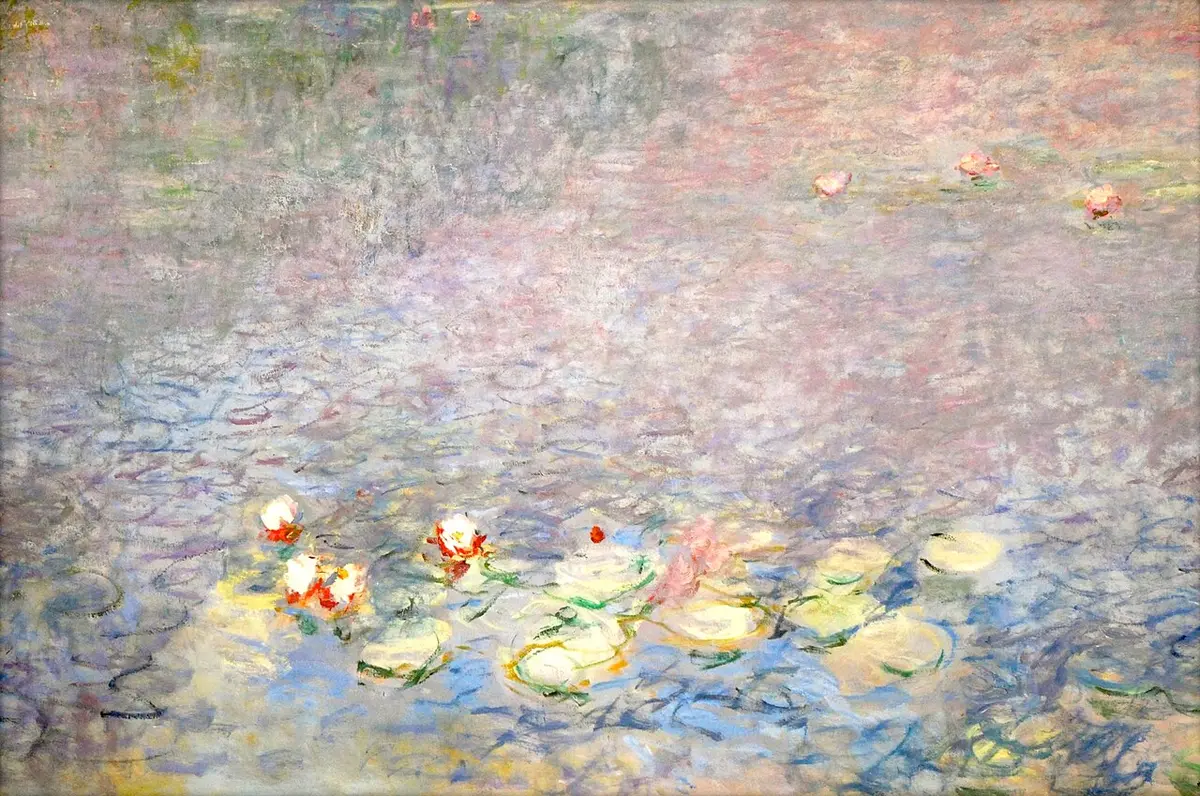
The Orsay has Monet, Renoir, Degas, Manet and Van Gogh. The Orangerie, in the Tuileries, shows Monet’s Water Lilies in two oval rooms built for them and lit by daylight, and the Musée Marmottan in the 16th holds Impression, Sunrise, the painting that gave the movement its name.
Rodin
The Musée Rodin fills the mansion where the sculptor worked in his last years, with The Kiss inside and The Thinker among the roses in the garden.
Picasso and the moderns
The Musée Picasso in the Marais holds works that stayed with the artist until his death. The Centre Pompidou closed in 2025 for a renovation expected to last until 2030, and its exhibitions have moved to the Grand Palais and other venues: check before you go.
New buildings for art
Frank Gehry’s glass sails house the Fondation Louis Vuitton in the Bois de Boulogne. In the Bourse de Commerce, a round 18th-century grain market, Tadao Ando set a concrete cylinder for François Pinault’s collection, which opened there in 2021.
Paris in ink
A novel that helped save a cathedral, a poet who watched the old city come down, and an American who taught himself to write in its cafés.
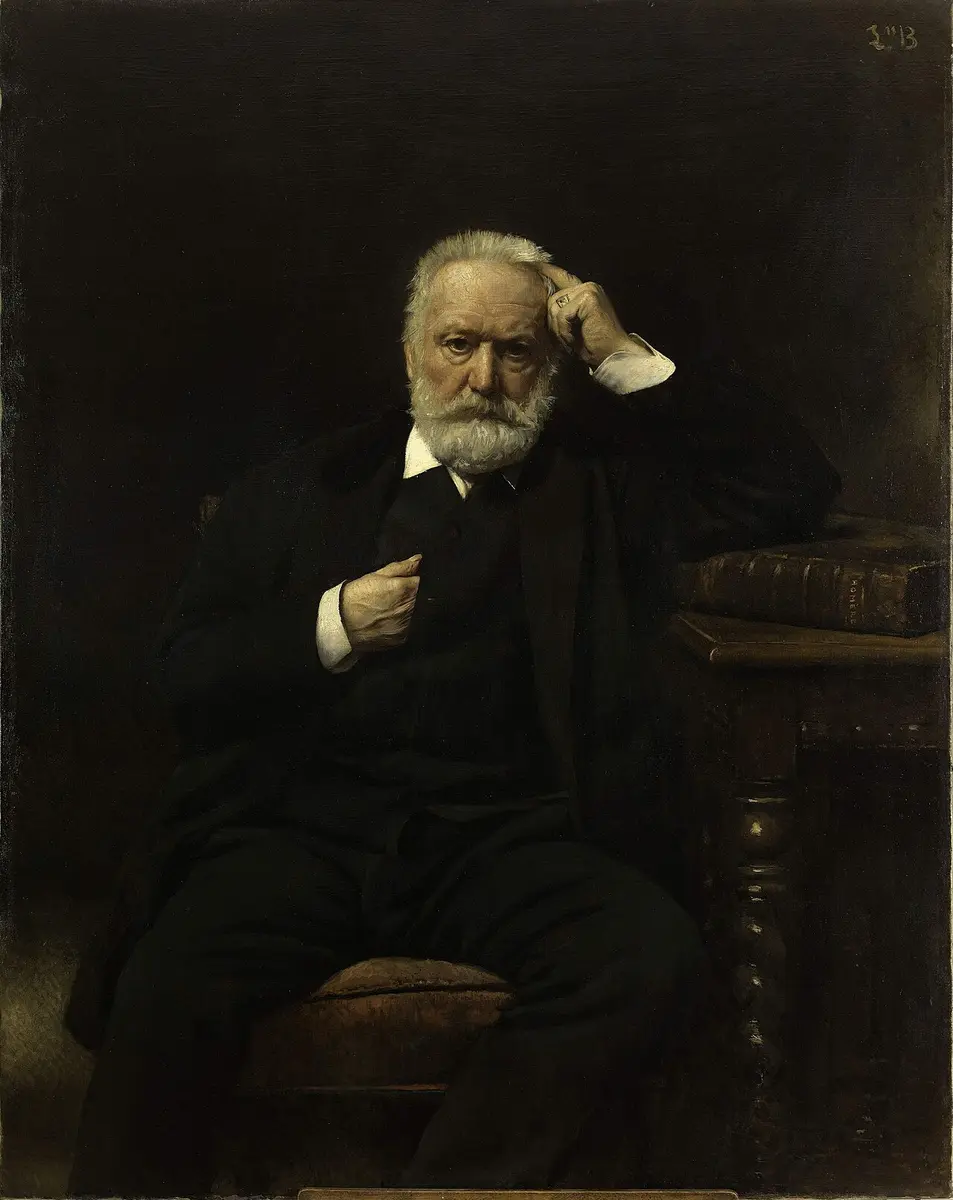
Victor Hugo
1802 to 1885
Hugo wrote Notre-Dame de Paris (1831) partly to shame the city into caring for its neglected Gothic cathedral, and its success helped bring about the restoration led by Viollet-le-Duc from the 1840s. He lived at 6 Place des Vosges from 1832 to 1848, and in Les Misérables (1862), written mostly in exile on Guernsey, he sent Jean Valjean through the sewers of Paris and Marius to the barricades of June 1832. When he died in 1885, his coffin lay in state under the Arc de Triomphe before a vast crowd followed it to the Panthéon.
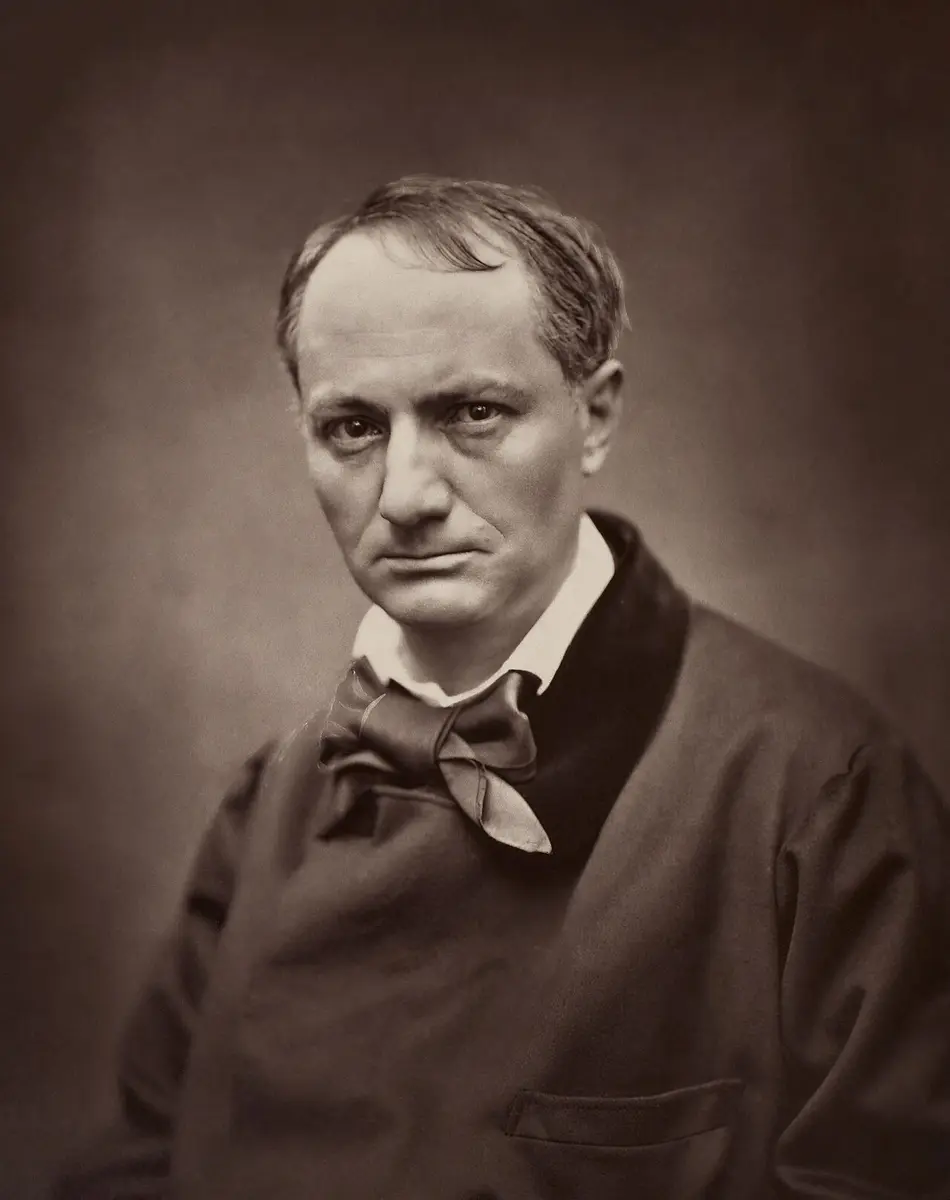
Charles Baudelaire
1821 to 1867
Born in Paris, Baudelaire spent his early twenties in the Hôtel de Lauzun on the Île Saint-Louis. The Flowers of Evil (1857) brought a trial for offending public morals, and six poems were banned. For the second edition, in 1861, he added the Parisian Scenes, among them The Swan, dedicated to Victor Hugo and written after the old streets around the Carrousel, beside the Louvre, had been cleared. He is buried in the Montparnasse Cemetery.
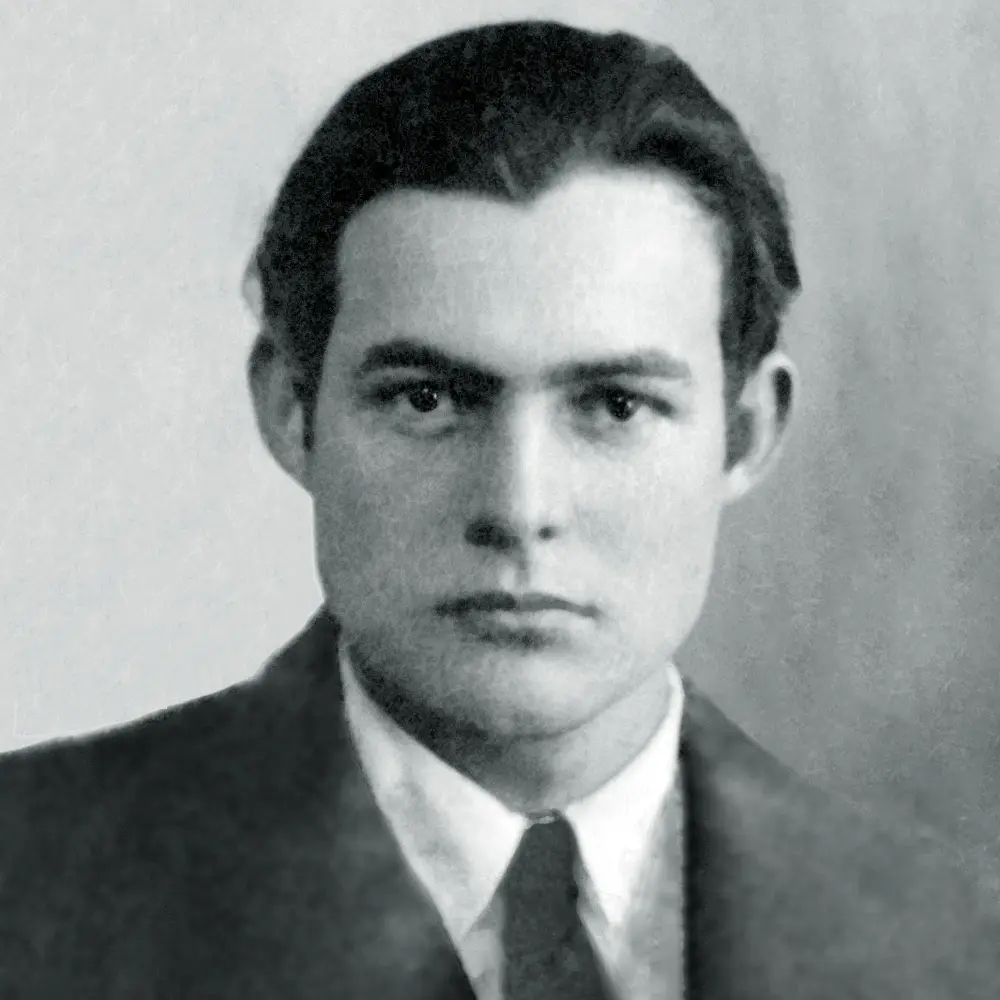
Ernest Hemingway
1899 to 1961
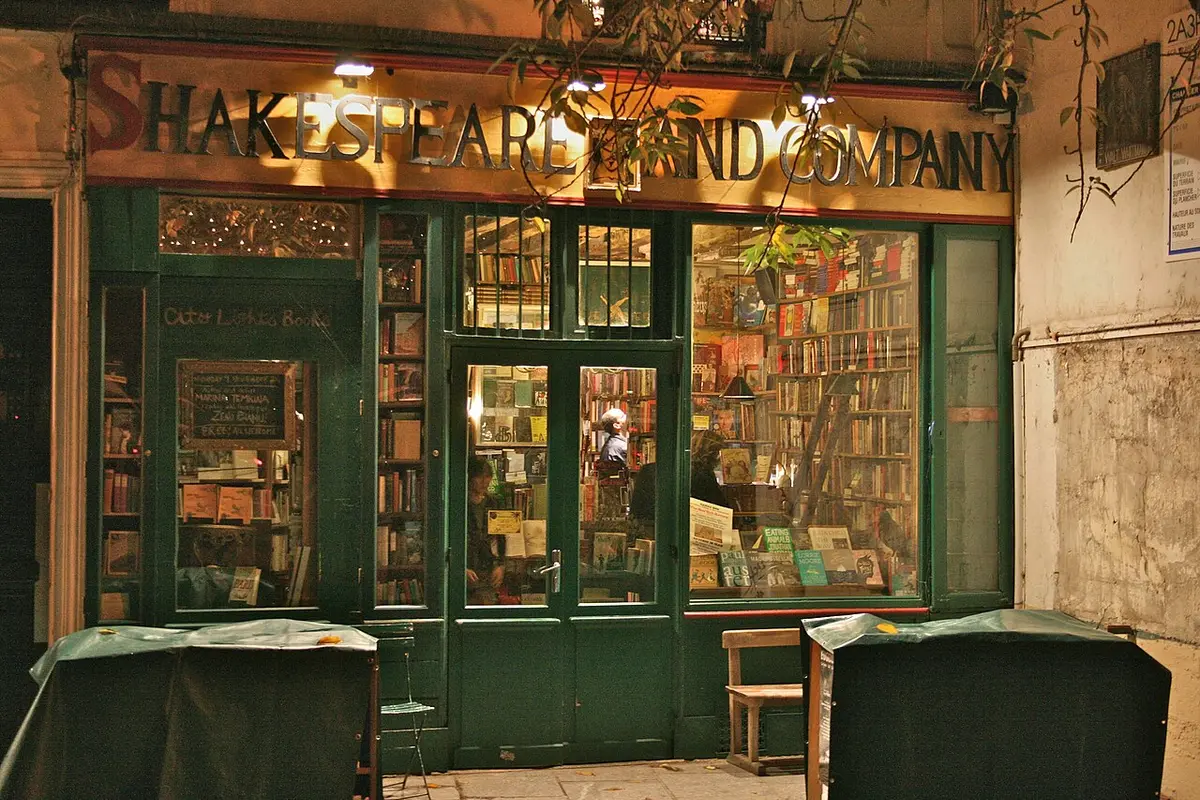
Hemingway arrived with his wife Hadley in December 1921, as a newspaper correspondent, and they took a small flat at 74 Rue du Cardinal-Lemoine, near the Place de la Contrescarpe. He borrowed books from Sylvia Beach’s Shakespeare and Company on the Rue de l’Odéon, which published James Joyce’s Ulysses in 1922, and wrote in the cafés of Montparnasse. His memoir of those years, A Moveable Feast, came out in 1964, three years after his death.
Paris may change; my melancholy is fixed.
New palaces, and scaffoldings, and blocks,
And suburbs old, are symbols all to me
Whose memories are as heavy as a stone.
Charles Baudelaire, The Swan, The Flowers of Evil (1861), translated by F. P. Sturm
Culture
Bastille Day
On 14 July, a military parade comes down the Champs-Élysées in the morning, and fireworks go up around the Eiffel Tower at night.
The Fête de la Musique
On 21 June, the longest day, anyone can play music in the street, and the city stays out late to listen.
Nuit Blanche
On one Saturday night in early June, museums, churches and courtyards stay open, and free art installations run until morning.
Heritage Days
On the third weekend of September, buildings that are normally closed, from ministries to the Élysée Palace, open their doors.
Paris on film
Amélie made a café on the Rue Lepic in Montmartre famous, and the Cinémathèque française, in a Frank Gehry building at Bercy, screens old and new films most days.
The bouquinistes
The green boxes of the secondhand booksellers line the stone parapets of the Seine near Notre-Dame and the Louvre. Booksellers have worked along the river since the 16th century.
Music and nights out
Opera and ballet
The Paris Opera performs in two houses: the gilded Palais Garnier, opened in 1875, which you can also tour by day, and the modern Opéra Bastille.
Concerts
The Philharmonie de Paris, Jean Nouvel’s hall of 2015 at La Villette, hosts orchestras from around the world, and chamber concerts fill churches, Sainte-Chapelle among them, on many evenings.
Jazz
Paris took to jazz in the 1920s. Hear it in the clubs of the Rue des Lombards near Châtelet, or in the vaulted cellar of the Caveau de la Huchette in the Latin Quarter, a jazz club since 1946.
Cabaret
The Moulin Rouge has danced the cancan in Pigalle since 1889, and Au Lapin Agile, a small cabaret on the north side of the Montmartre hill, still sings old French songs several nights a week.
Nights out
Start with an apéritif on a terrace, then the bars of the Marais, Oberkampf and South Pigalle. For techno, the Rex Club on the Grands Boulevards has been a fixture for decades.
Nature and day trips
The Seine
Long stretches of the riverbanks are car-free for walking, running and summer bars. Since 2025, three supervised spots, by the Île Saint-Louis, at Bercy and at Grenelle, have opened for swimming in the Seine in July and August, closing after heavy rain.
Parks
The Tuileries between the Louvre and the Concorde, the Buttes-Chaumont with its cliffs and hilltop temple, and the Jardin des Plantes, the botanical garden founded in 1635, with its glasshouses and small zoo.
Two great woods
The Bois de Boulogne to the west and the Bois de Vincennes to the east are each more than twice the size of New York’s Central Park, with lakes where you can row.
Free views
The steps of Sacré-Cœur, the top of the Parc de Belleville, and the rooftop terrace of the Galeries Lafayette department store.
The Canal Saint-Martin
The canal runs north from the Bastille through locks and under iron footbridges, and boats take you from the Seine up to La Villette.
Day trips
Monet’s house and garden at Giverny, open from April to October, the château and forest of Fontainebleau, and Chantilly each make an easy day out by train.
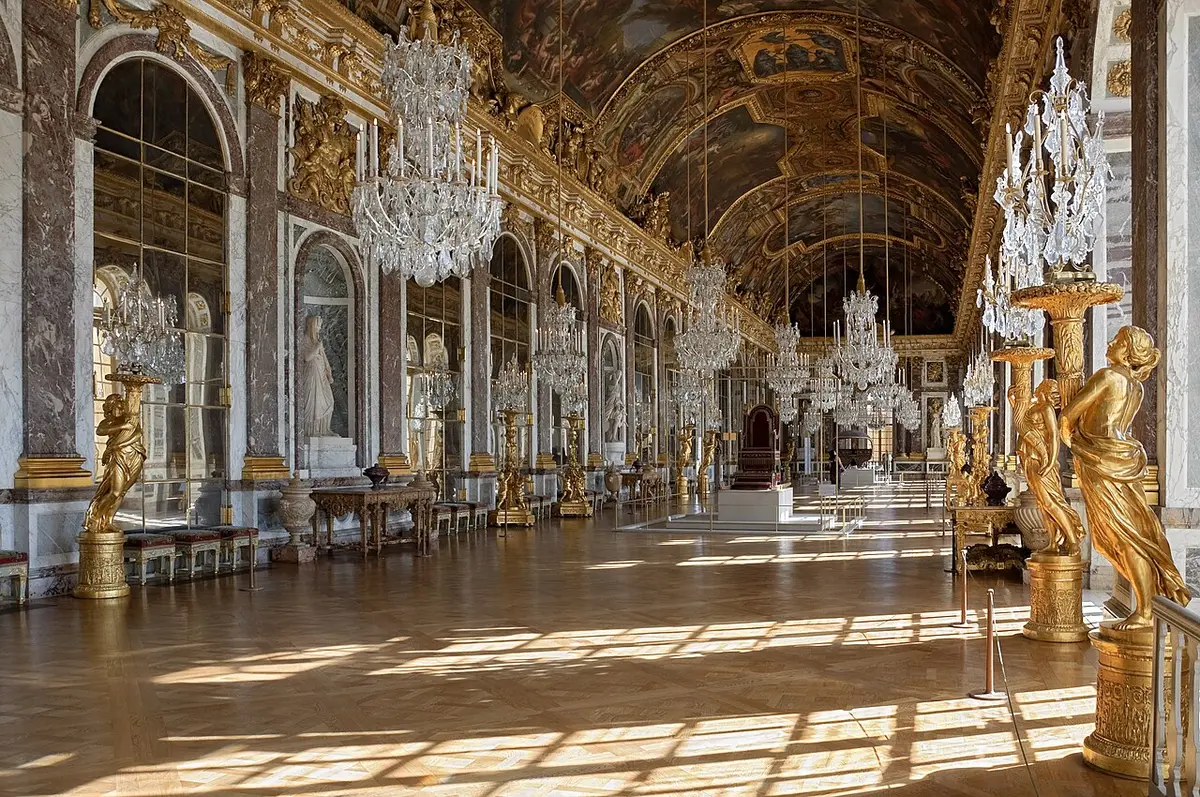
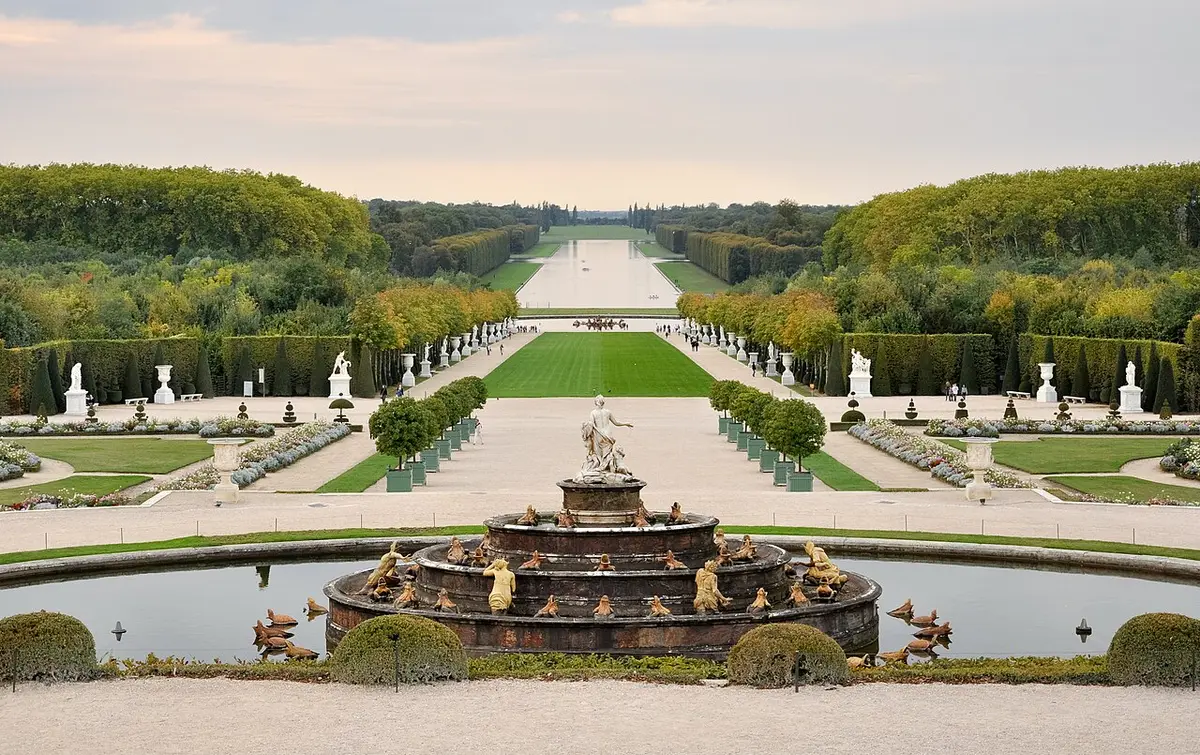
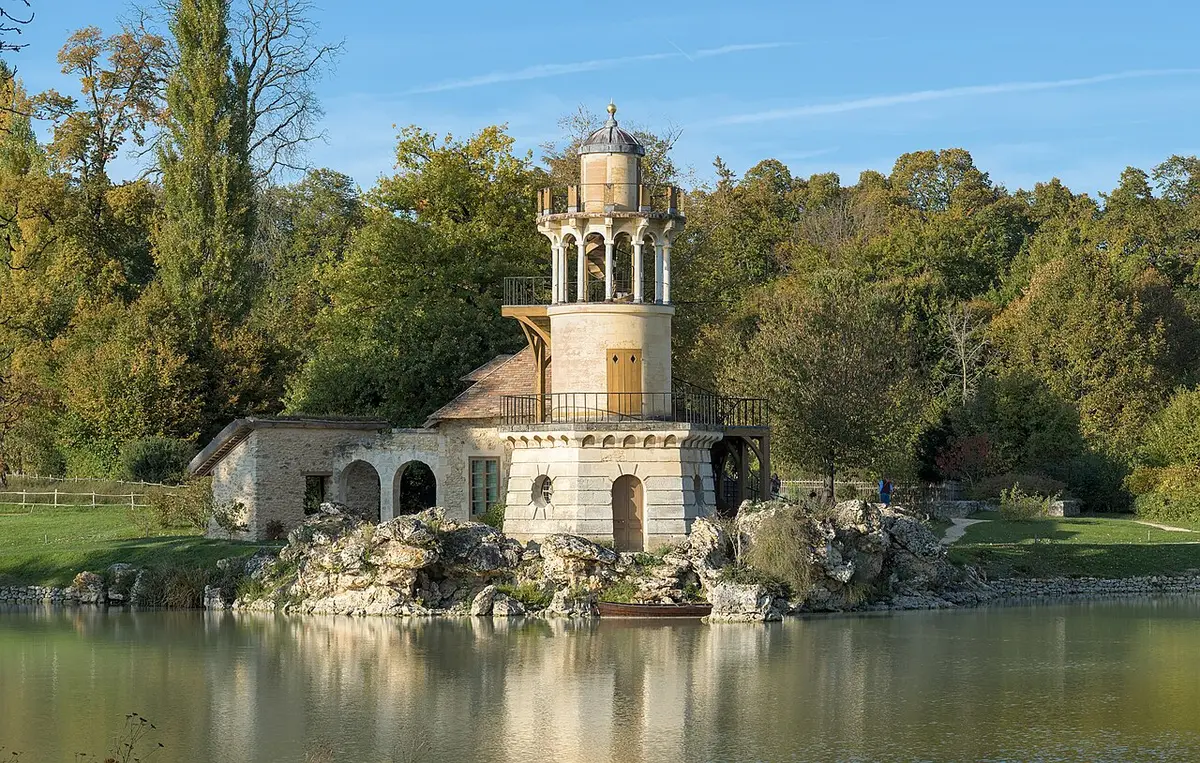
A day at Versailles
The RER C runs from central Paris to Versailles in about 40 minutes. Book a timed entry, avoid Mondays, when the palace is closed, and save your legs for the gardens.
People and customs
Bonjour first
Say bonjour when you walk into a shop, a café or a bakery, and au revoir when you leave. Parisians notice when you skip it.
Meal times
Lunch runs from about noon to 2pm and dinner from 7:30 or 8pm. Many restaurants close in between, while cafés and brasseries serve all day.
Free water
Ask for une carafe d’eau with a meal and tap water comes free. The green cast-iron Wallace fountains, set up across the city from the 1870s, still pour drinking water.
Sundays and August
Many shops close on Sundays, except in the Marais and a few tourist zones, and many independent restaurants close for part of August. The Orsay and several national museums are free on the first Sunday of the month, with a booked slot.
Pickpockets
Paris is generally safe, but crowded metro lines, the Eiffel Tower and the steps of Sacré-Cœur draw pickpockets and petition scams. Keep bags closed and in front of you, and walk past anyone offering a string bracelet.
A few words
Bonjour, merci, s’il vous plaît and excusez-moi go a long way. Switch to bonsoir in the evening.
Questions
How many days do you need in Paris?
Three days covers the Louvre, the Eiffel Tower, Notre-Dame and Montmartre. Four days adds the Orsay, the Marais and the Latin Quarter, and five leaves time for a day at Versailles.
Where should I stay in Paris on a first visit?
Le Marais or Saint-Germain-des-Prés, where most sights are a walk away. The Latin Quarter is better value, Montmartre is cheaper and hilly, the streets around the Eiffel Tower are calm and good for families, and the Canal Saint-Martin is best for food and nightlife.
When is the best time to visit Paris?
April to June and September to October, when days are mild and the parks are at their best. July and August are warm and busy, and some restaurants close in August; winter is cold, gray and quieter.
How do I get from Charles de Gaulle Airport to central Paris?
Take the RER B train, about 35 minutes to Gare du Nord and a little longer to Châtelet, with an airport ticket. Taxis charge a fixed fare to the Right Bank or the Left Bank.
Do I need to book the Eiffel Tower and the Louvre in advance?
Yes. Book on the official sites, as early as you can for spring and summer. Both sell timed entry, and the Louvre is closed on Tuesdays.
Is Notre-Dame open to visitors?
Yes. The cathedral reopened in December 2024 and entry is free, with an optional free time slot booked online to shorten the wait. The towers reopened in September 2025 with paid, timed tickets.
Plan Paris with your group
Everyone swipes on the sights they want. SwipeSights builds the days around the picks, in walking order.