 Photo:
Rome is ancient ruins, Renaissance churches and baroque fountains, with some of the best simple food in Italy between them. Most of what you want to see sits inside a few square kilometers, so the city rewards walking, long lunches and late dinners.
This guide covers when to go, where to stay, what to see, a four-day route built from real opening hours and walking times, what to eat, and the history and customs that make the city make sense.
What Rome is good for
Friends' trips
Split a table of pasta in Trastevere, climb to the Orange Garden for sunset and walk the historic center at night when the fountains are lit. Compact, easy to eat well in, and full of things everyone agrees on.
Bachelorette and bachelor weekends
Rome is an aperitivo city more than a club city. Book a food or wine tasting, a rooftop aperitivo at golden hour and a long dinner, then the bars around Campo de’ Fiori and Trastevere.
Weddings and honeymoons
Couples can marry in a civil ceremony in the historic halls on the Capitoline Hill, and Rome is one of Europe’s classic honeymoons: slow mornings, candlelit dinners and a day in the Castelli Romani wine towns.
Couples
Sunset from the Pincio terrace above Piazza del Popolo, the Ponte Sant’Angelo at night, and dinner in the lanes of Monti.
Families
Gladiator stories at the Colosseum, the Bioparco zoo in Villa Borghese, and gelato every afternoon. Explora, a children’s museum near Piazza del Popolo, is built for under-12s.
Solo travel
Safe, walkable and easy to find your way around, with counter bars where eating alone is normal. A walking tour or a cooking class is an easy way to meet people.
Food lovers
The four Roman pastas, supplì, Jewish-style artichokes, the Testaccio market and pizza sold by weight.
History and art
The Forum, the Pantheon and the Vatican, with Michelangelo, Bernini and Caravaggio in churches you can walk into for free.
Plan your trip
When to go
Spring (April to June) and autumn (September and October) bring warm days and cooler evenings. July and August are hot and busy at the big sights, and around Ferragosto in mid-August many Romans leave town, so some family restaurants close. Winter is mild, quieter and cheaper, with short days.
How long to stay
Three days covers ancient Rome, the Vatican and the historic center at a human pace. Four days adds Villa Borghese, Trastevere and a slower neighborhood day. With five, add a day trip to Ostia Antica, Tivoli or Orvieto.
Getting there
Most flights land at Fiumicino (FCO). The Leonardo Express runs nonstop to Termini in about half an hour, and taxis charge a fixed fare into the historic center. Ciampino (CIA), used by budget airlines, connects by bus. High-speed trains reach Termini from Florence, Naples, Milan and Venice.
Getting around
Walk. The historic center is compact and many of its streets are closed to traffic. The metro has three lines and skips most of the center, so buses and trams fill the gaps. Wear real shoes: the cobblestones do not forgive.
Tickets
Book the Colosseum and the Vatican Museums ahead on the official sites, and take the earliest entry you can. The Pantheon now has a small entry fee, and the Borghese Gallery only sells timed slots.
Money and tipping
Tipping is not expected: rounding up or leaving a euro or two for good service is plenty. Many restaurants add a small cover charge (coperto) per person, and coffee standing at the bar costs less than sitting at a table.
Weather, month by month
Spring
March to May
Mild and bright, with the parks in bloom. April and May are the sweet spot, and busy for it.
Summer
June to August
Hot, often above 30°C in July and August, with long light evenings. See sights in the morning, rest after lunch, go out late.
Autumn
September to November
Warm Septembers and golden Octobers, cooling into November, when most of the year’s rain falls.
Winter
December to February
Mild days around 12 to 14°C and cold nights. Quiet streets and short lines, except around Christmas.
Top sights
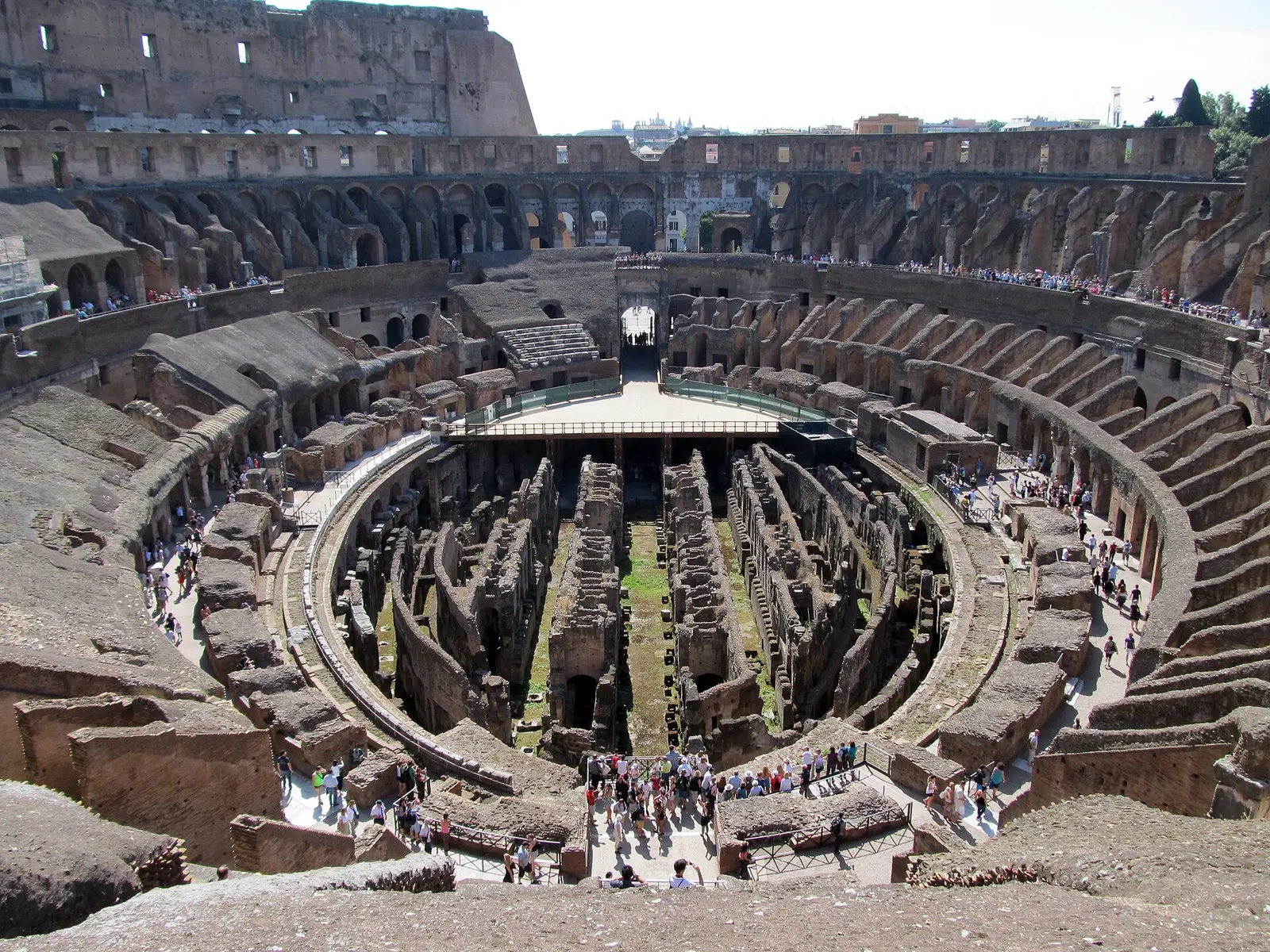
 01
The Colosseum and the Roman Forum
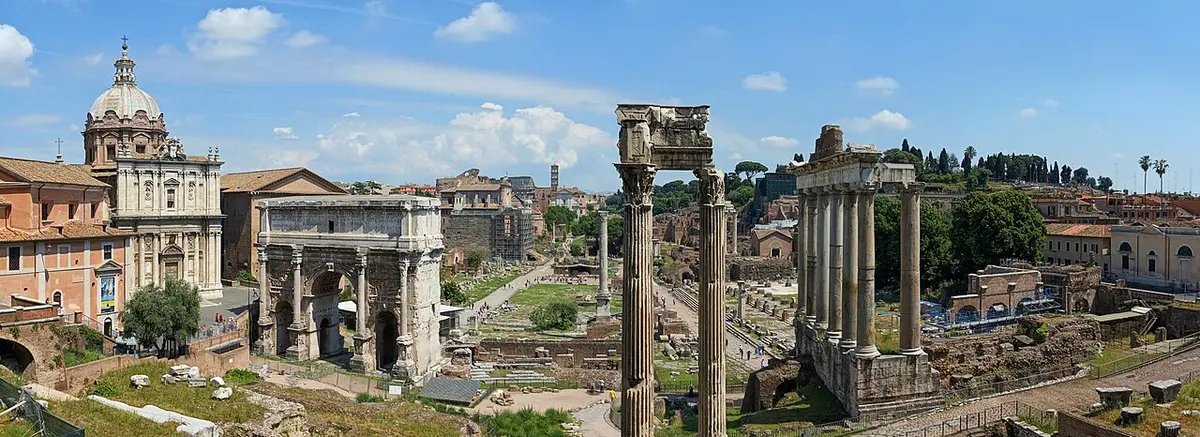
The Colosseum held some 50,000 people for gladiator fights and public spectacles. Next door lies the Forum, the center of the ancient city, with the Palatine Hill above it, where Rome began. One ticket covers all three.
Book the first Colosseum slot of the day, then walk through the Forum and up the Palatine for the view.
Photo: BeBo86, CC BY-SA 3.0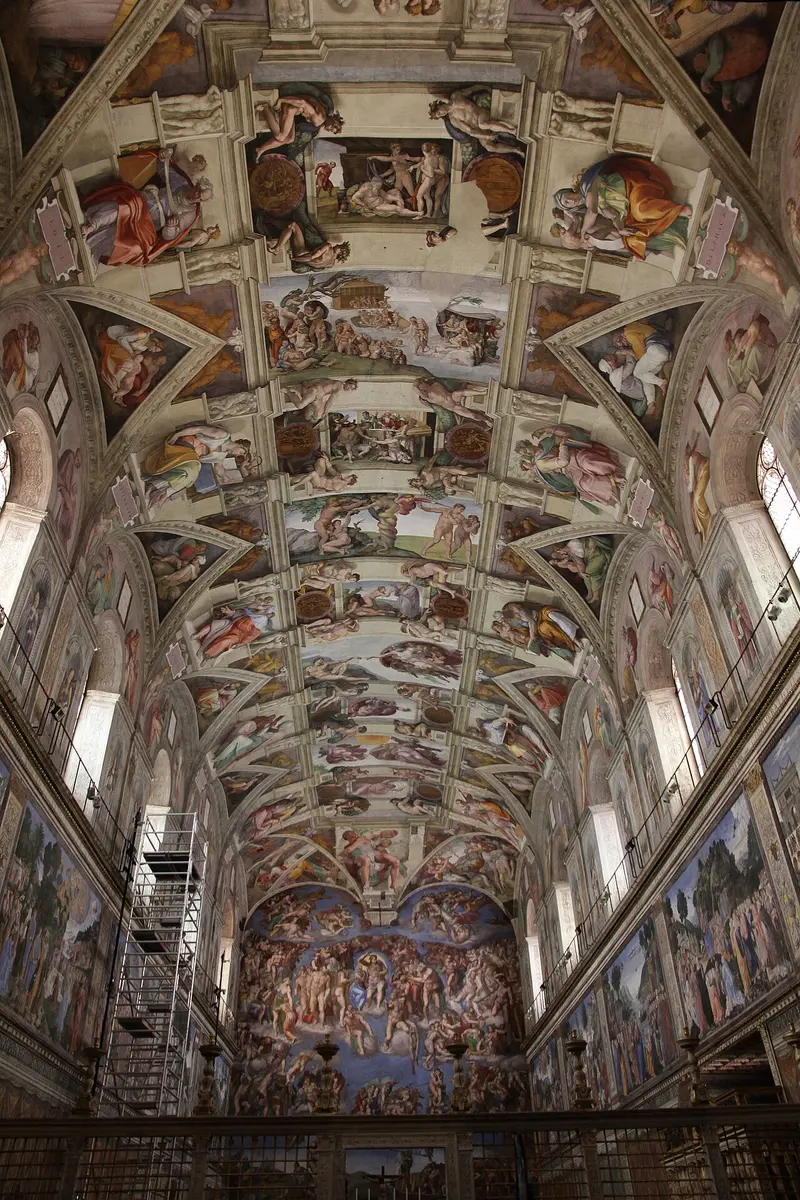 02
The Vatican Museums and the Sistine Chapel
One of the world’s great collections, ending under Michelangelo’s ceiling and Last Judgment.
Book the first entry of the day; the halls fill fast.
Photo: Jörg Bittner Unna, CC BY 3.0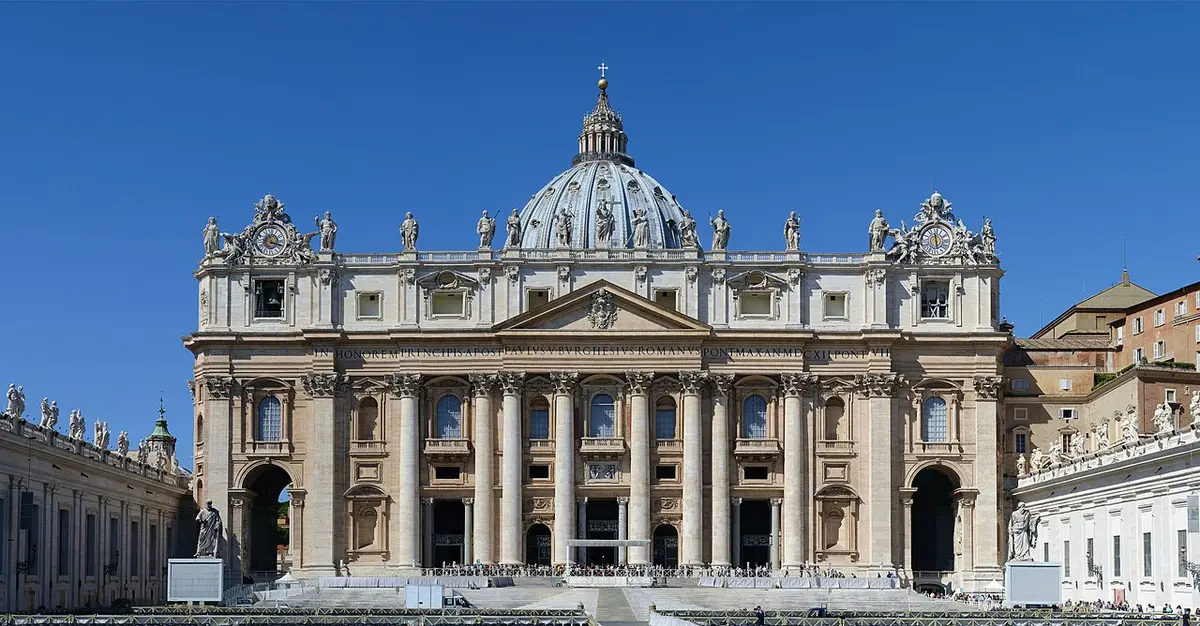 03
St. Peter’s Basilica
Bigger than any photo suggests, with Michelangelo’s Pietà just inside the door. Climb the dome for the best view in Rome.
Shoulders and knees covered, or you will be turned away.
Photo: Alvesgaspar, CC BY-SA 4.0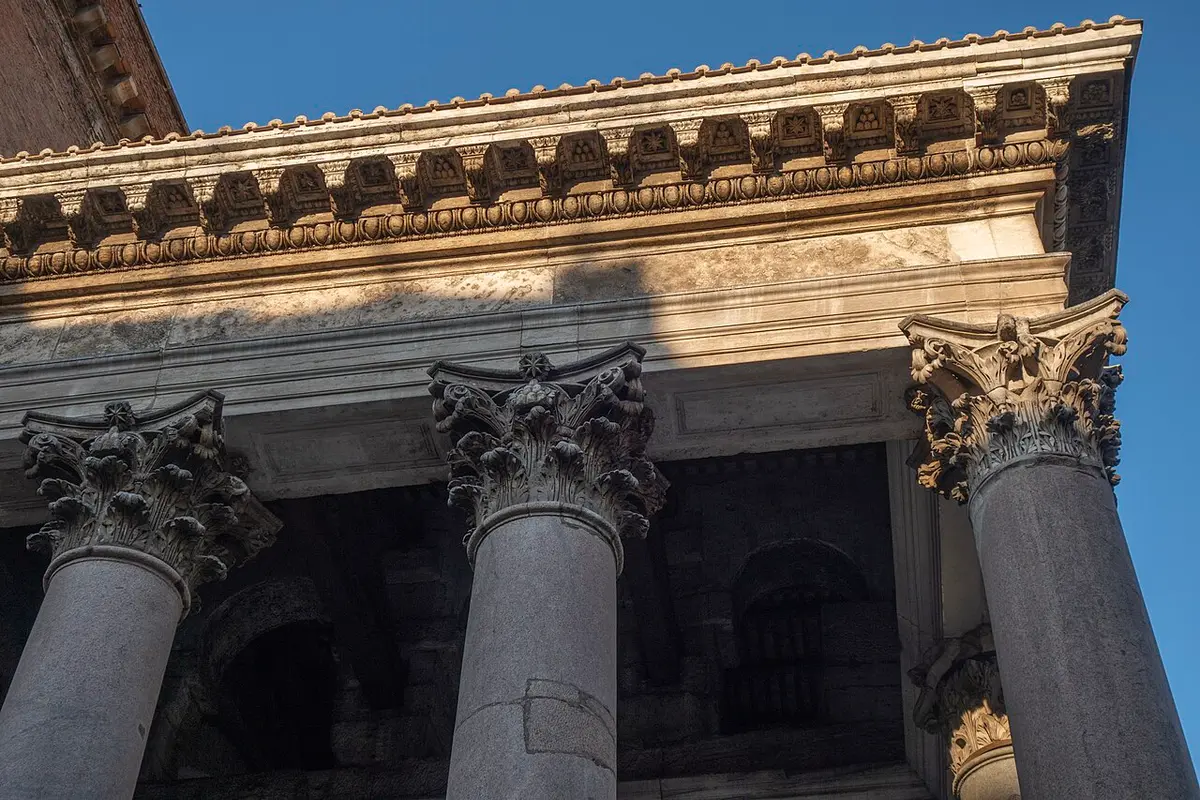 04
The Pantheon
A two-thousand-year-old temple that is still in use, with the largest unreinforced concrete dome ever built. Stand under the oculus and look up.
Photo: Nicholas Hartmann, CC BY-SA 4.0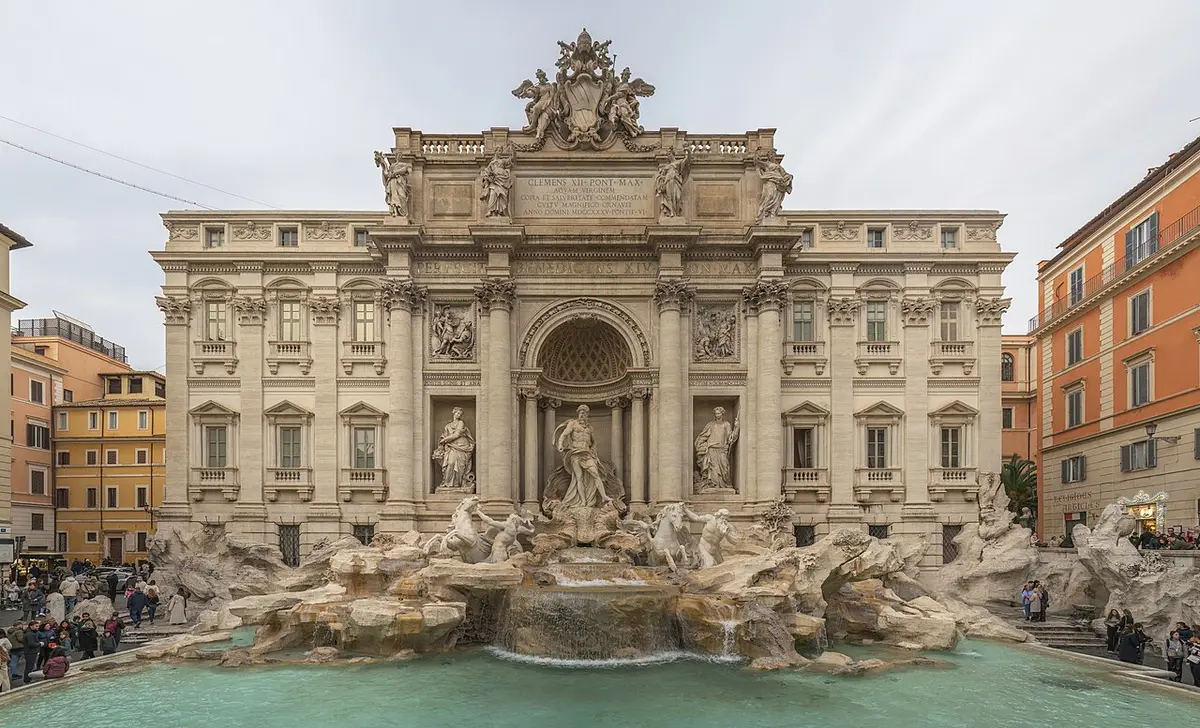 05
The Trevi Fountain
Nicola Salvi’s baroque showpiece. Toss a coin over your shoulder and it is said you will come back.
Early morning or late at night for room to breathe.
Photo: Wilfredor, CC0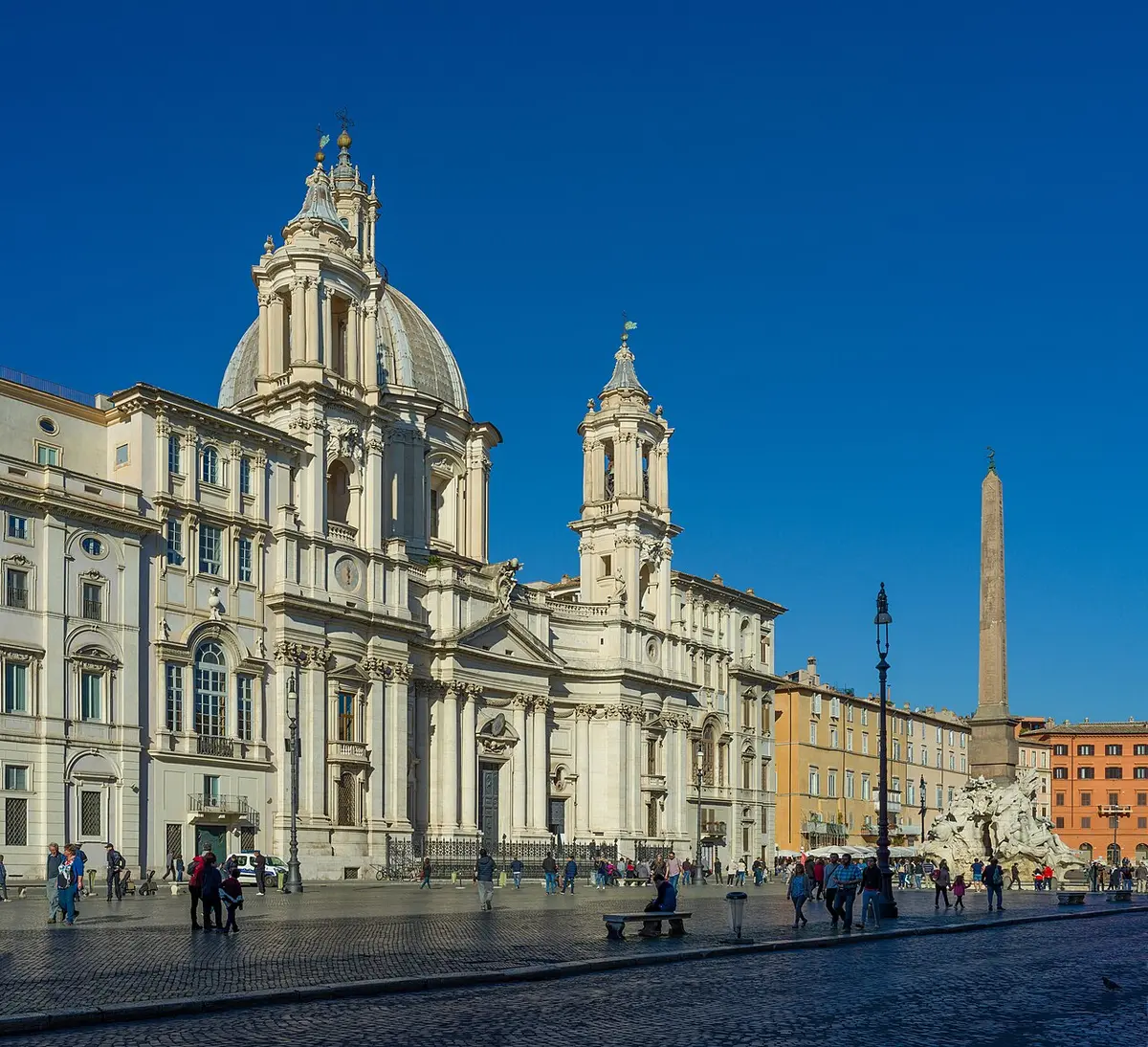 06
Piazza Navona
Built on the track of an ancient stadium, with Bernini’s Fountain of the Four Rivers at its center.
Photo: Wolfgang Moroder, CC BY-SA 3.0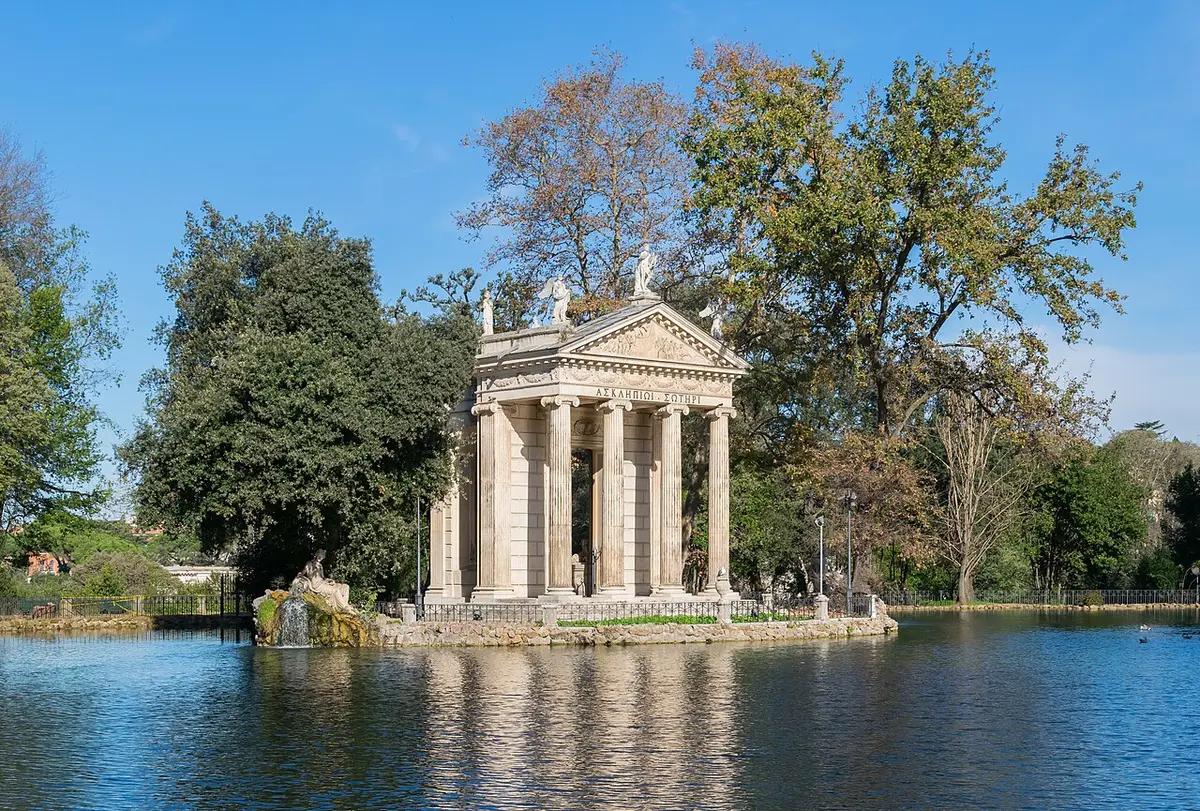 07
Villa Borghese and the Borghese Gallery
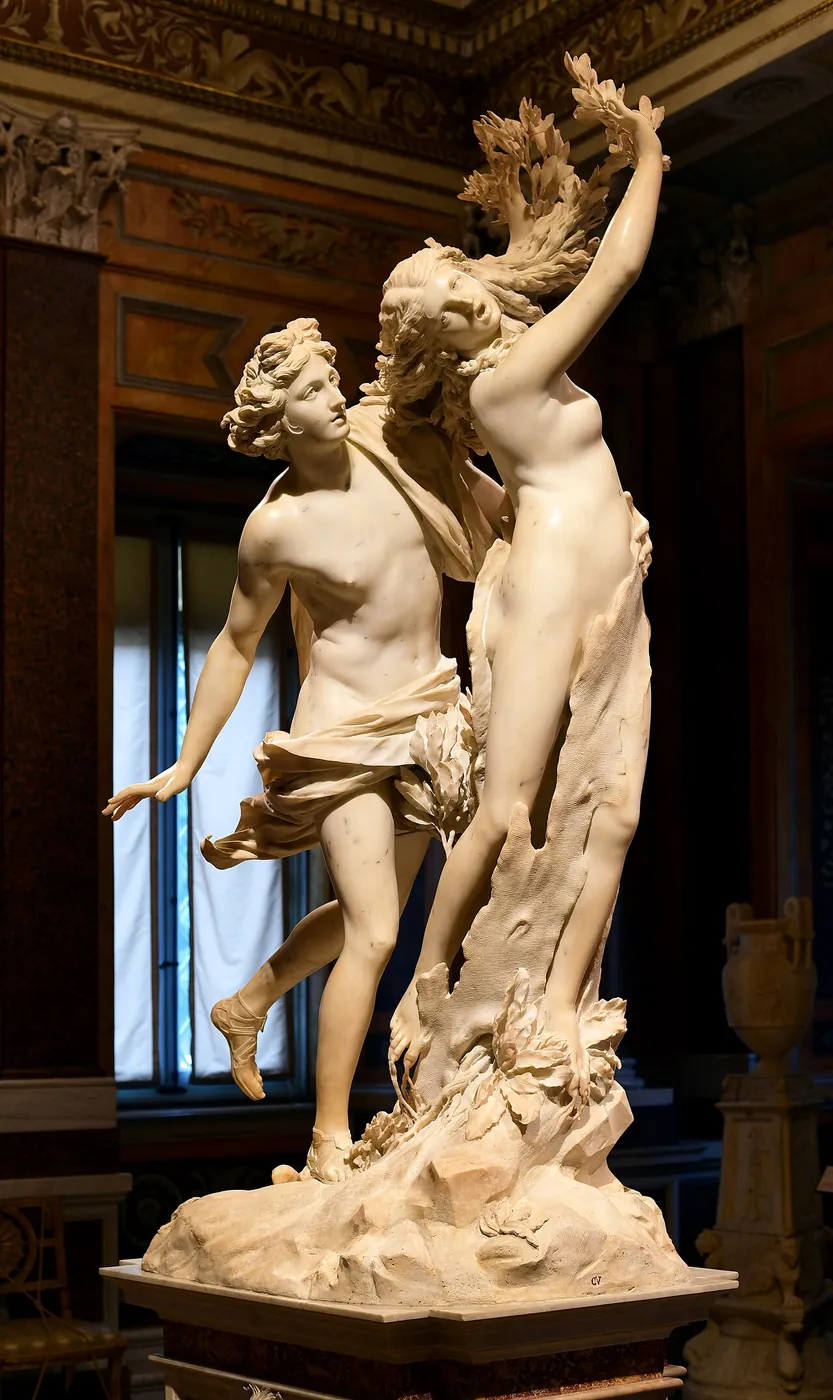
Rome’s great park, with a boating lake and the Pincio terrace. The gallery holds Bernini’s Apollo and Daphne and a room of Caravaggios.
Gallery entry is by timed booking only.
Photo: Krzysztof Golik, CC BY-SA 4.0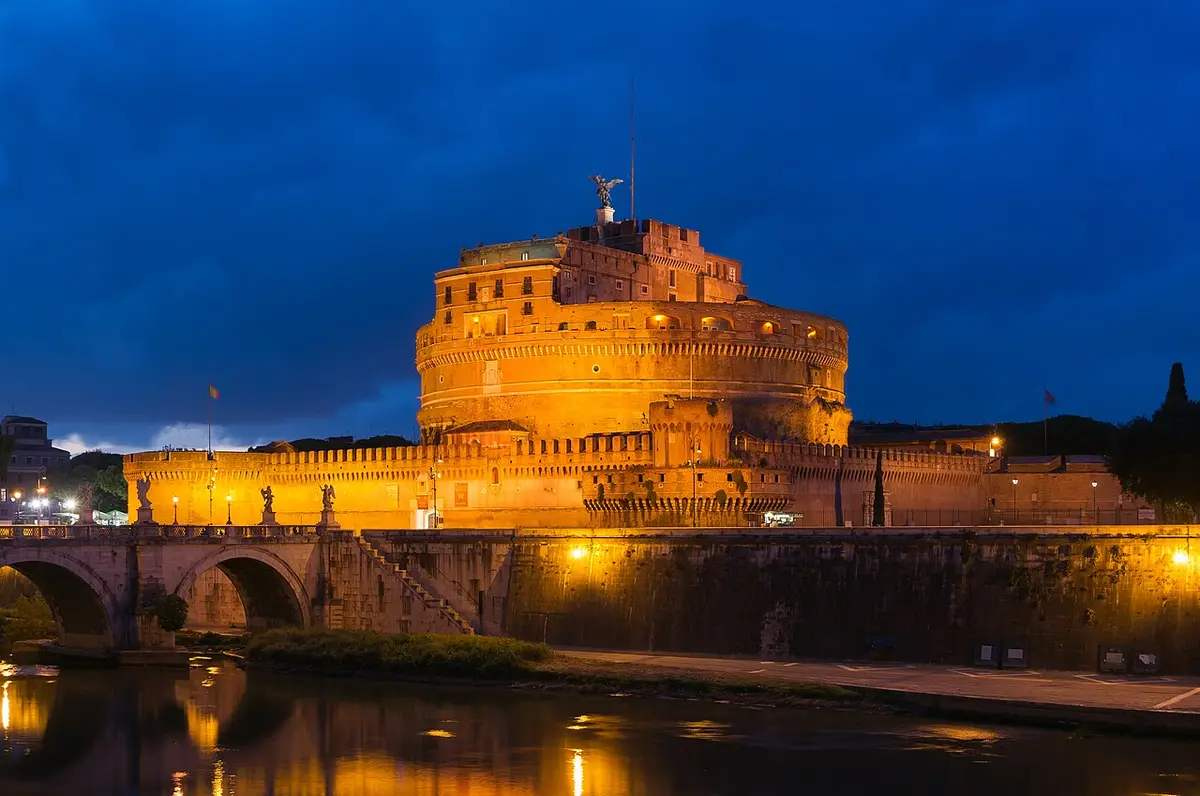 08
Castel Sant’Angelo
Hadrian’s tomb, then a papal fortress. The bridge in front, lined with Bernini’s angels, is the prettiest walk in the center.
Photo: Jebulon, CC0
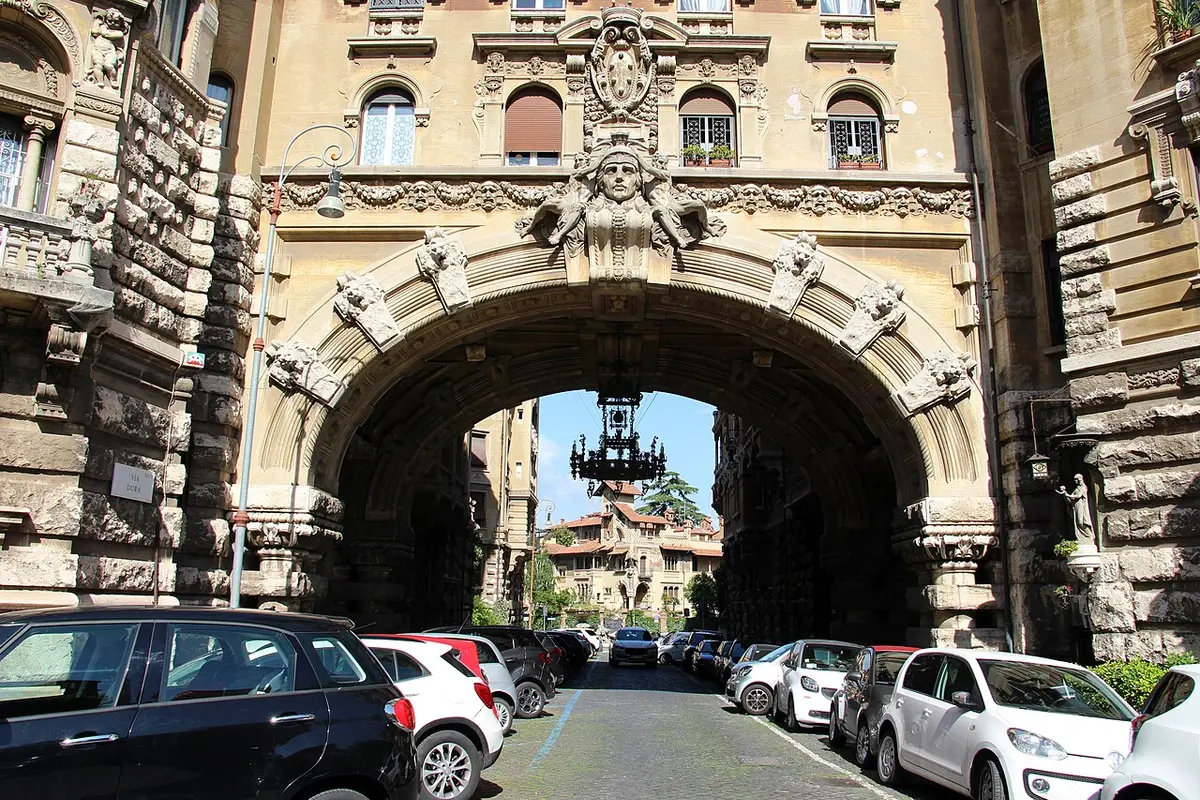
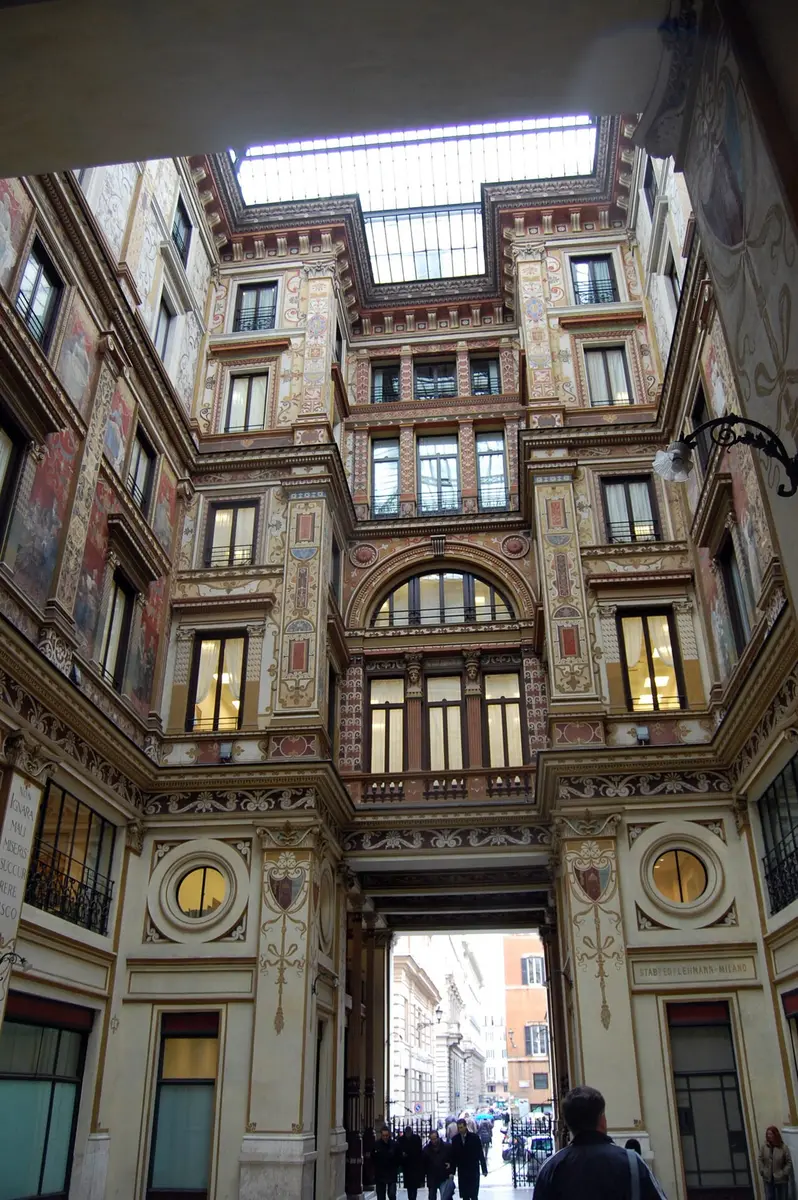
Three hidden gems
Rome in 4 days, routed
31 of Rome’s best-loved sights, routed into 4 days by the same engine that plans every SwipeSights trip: nearby stops share a day, walks stay short, and each stop is timed around its opening hours.
Friday
8 stops · 7.3 km between them · starts 09:00- 09:00
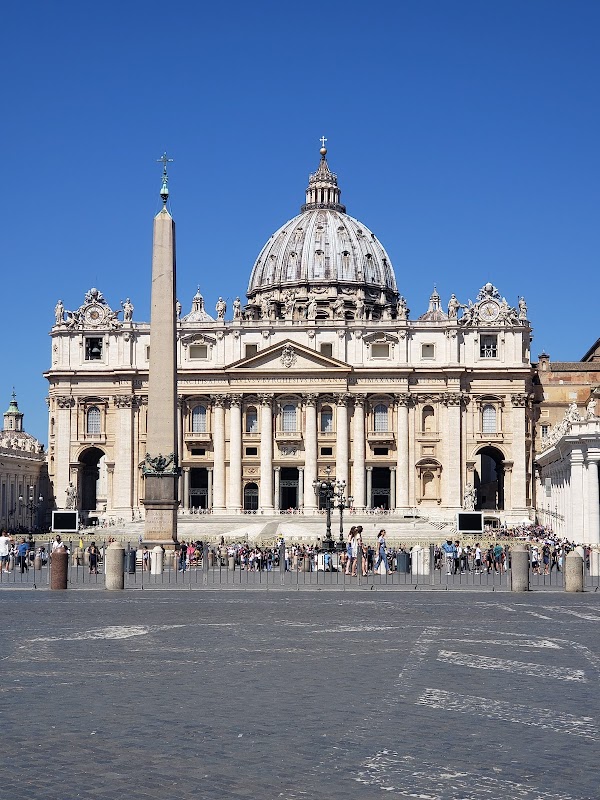 1Saint Peter’s Basilica~1.25 hours
- ~4 min walk (137m)
- 10:12
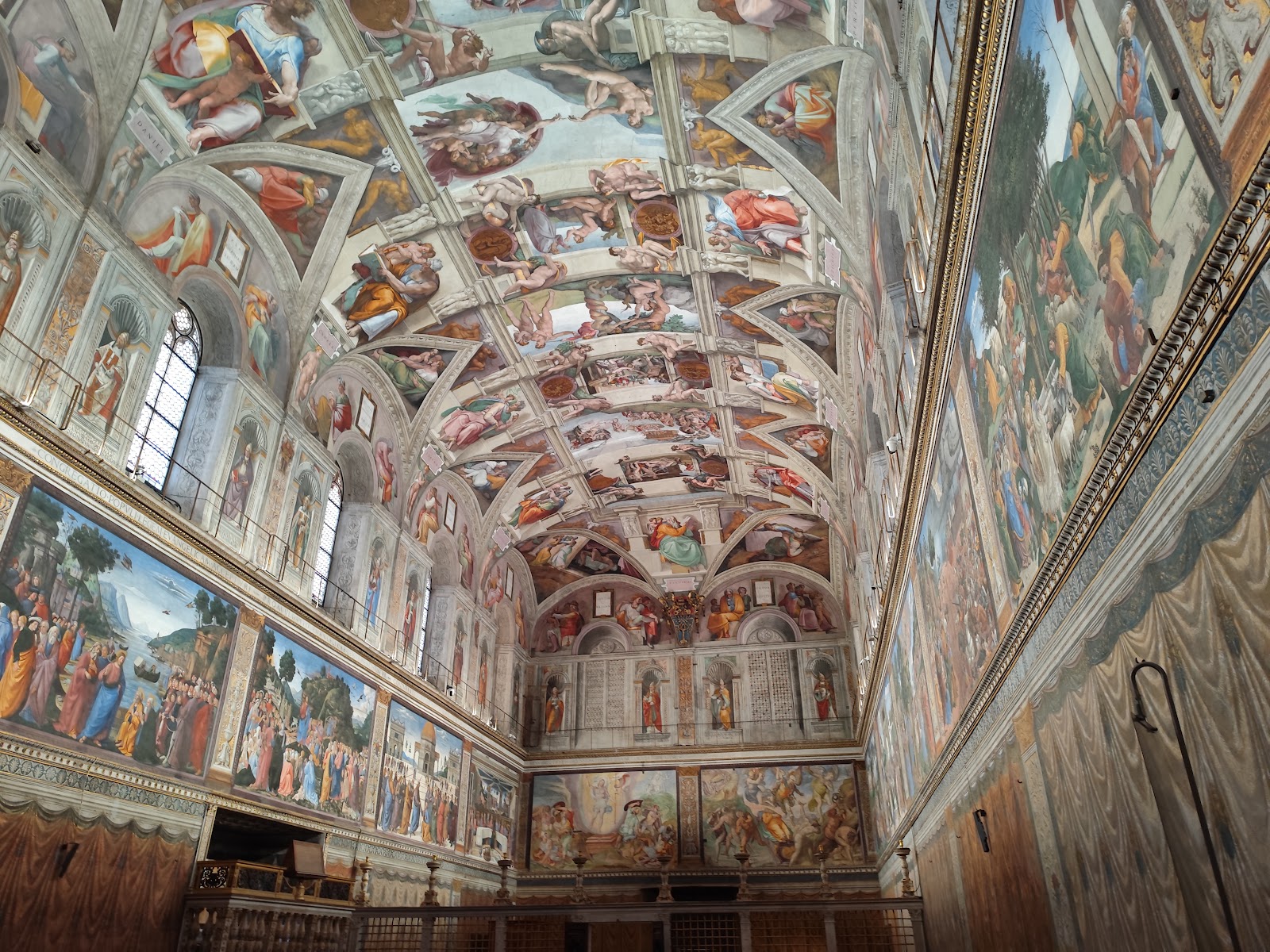 2Sistine Chapel~35 min
- ~19 min walk (1.2km)
- 11:04
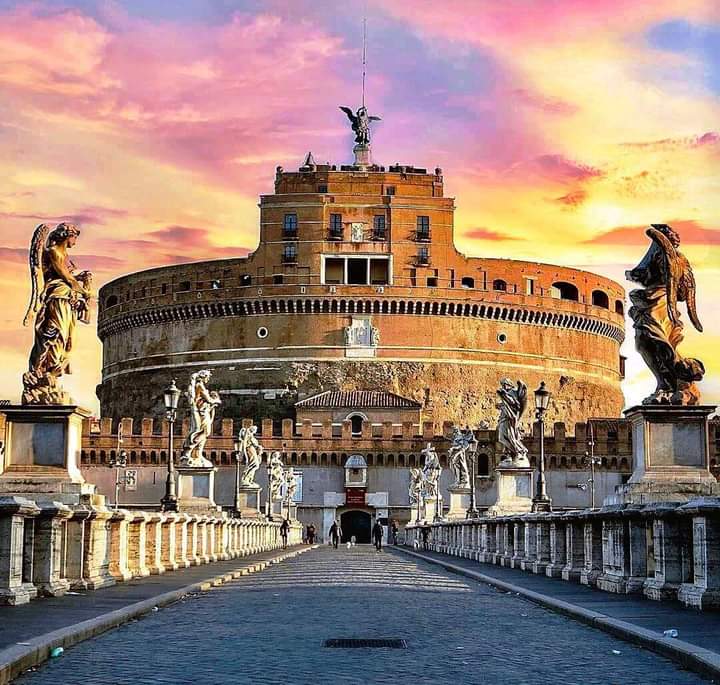 3Castel Sant'Angelo~1.25 hours
- ~27 min walk (1.9km)
- 12:46Lunch Break1 hour
- 13:46
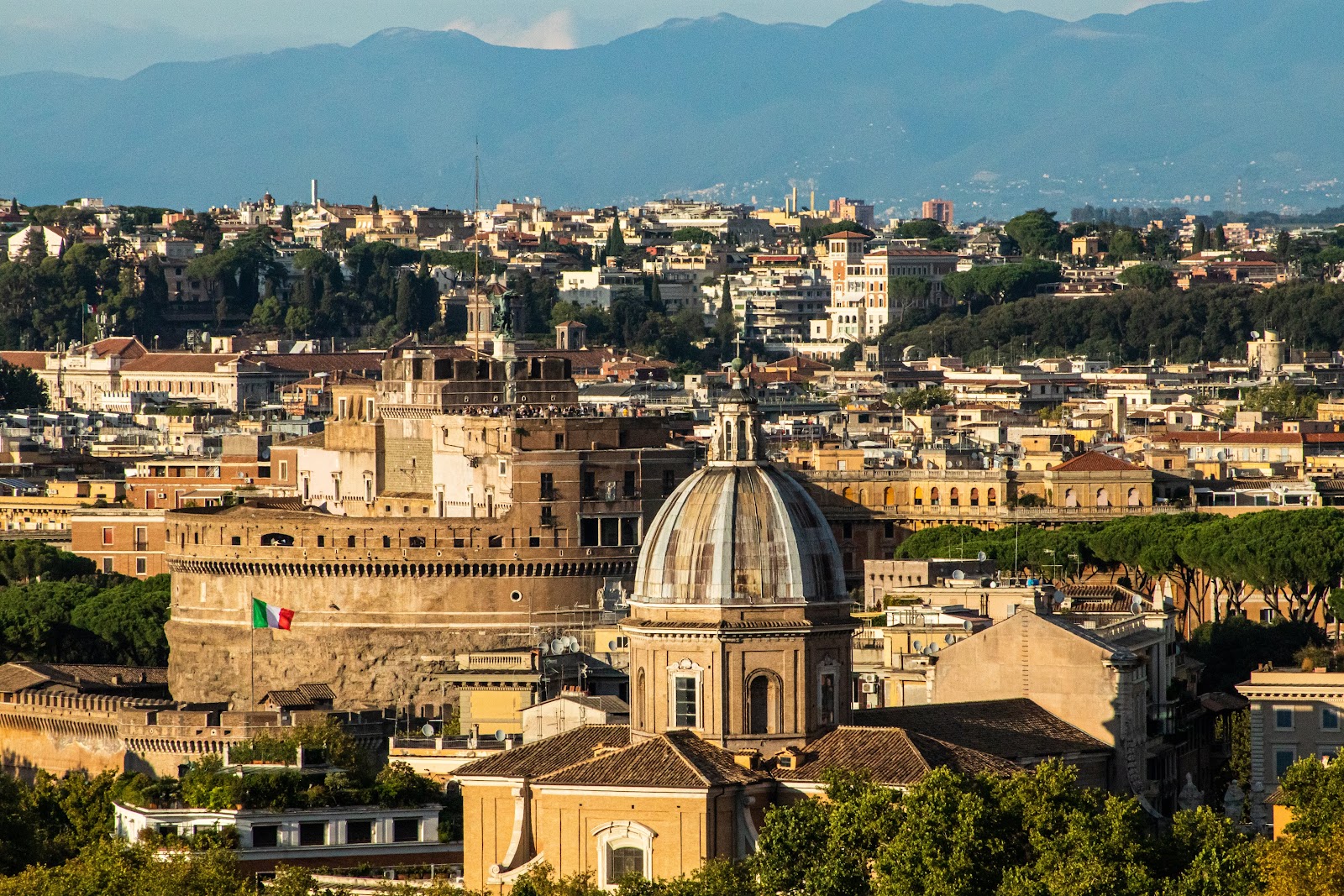 4Janiculum Hill~45 min
- ~21 min walk (1.4km)
- 14:52
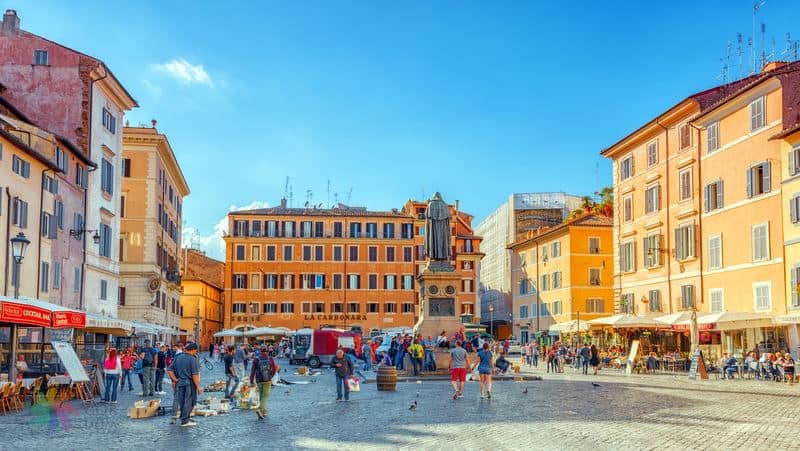 5Campo de' Fiori~35 min
- ~15 min walk (940m)
- 15:40
 6Piazza Navona~30 min
- ~8 min walk (448m)
- 16:18
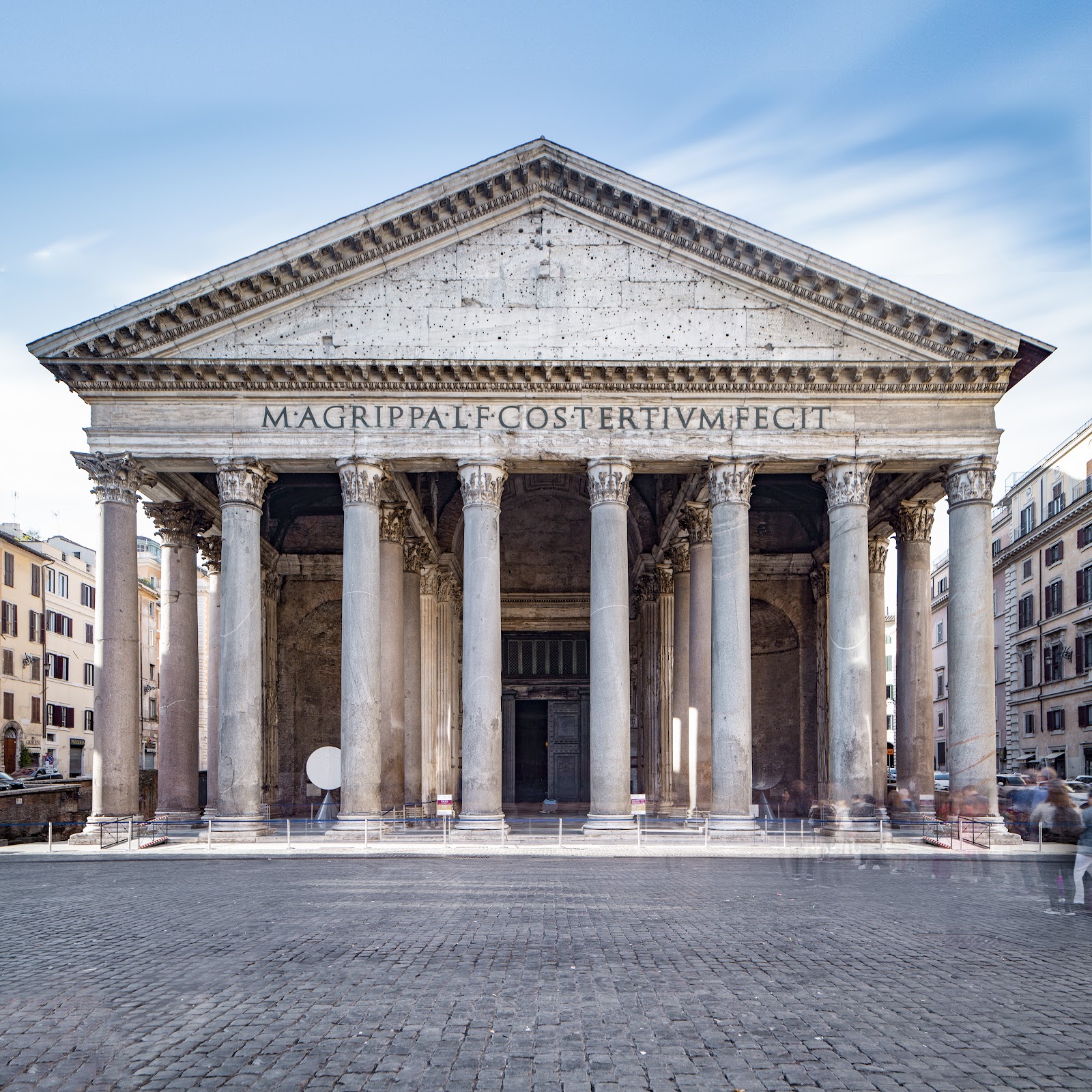 7Pantheon~30 min
- ~20 min walk (1.3km)
- 17:08
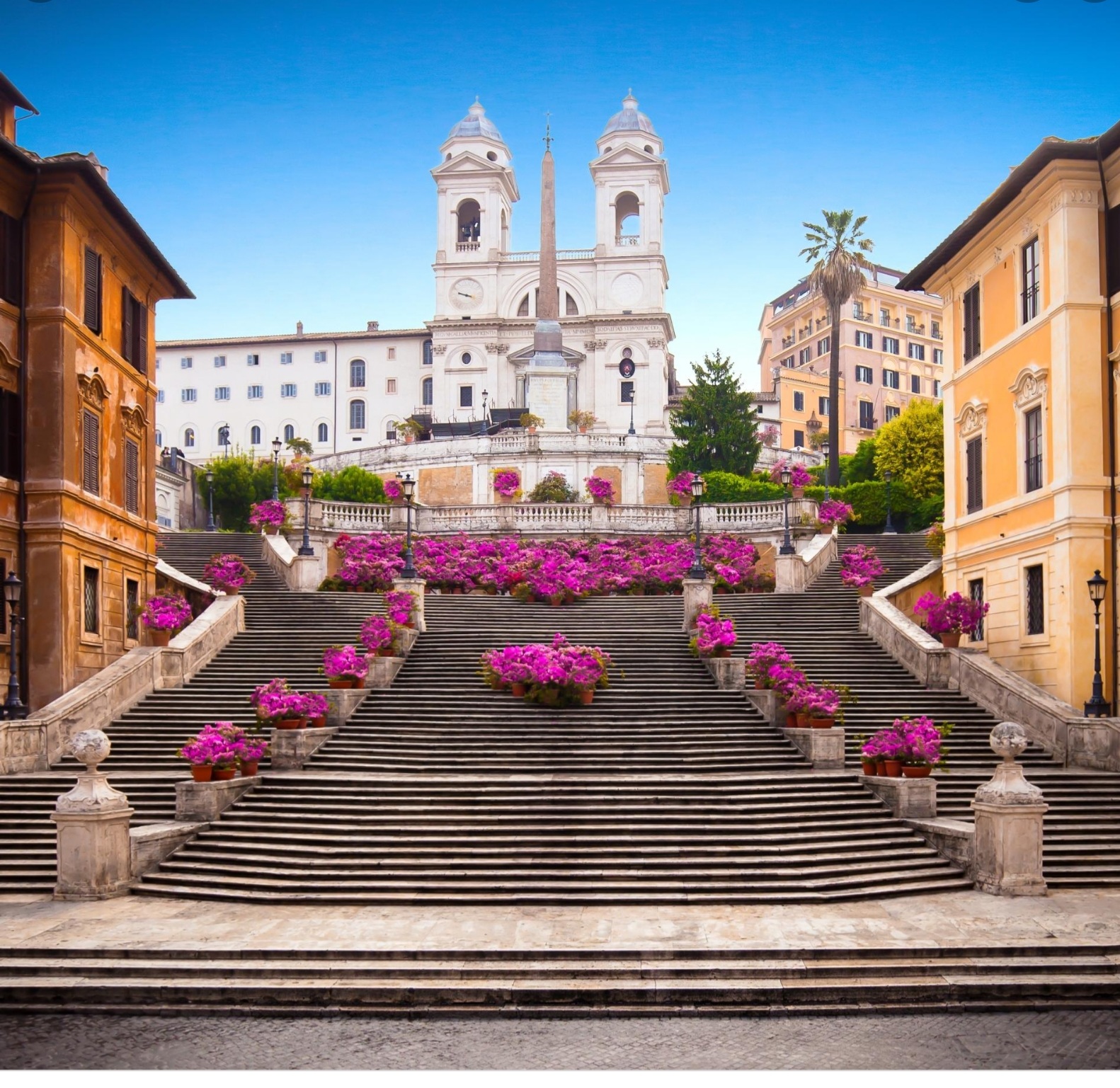 8Spanish Steps~20 min
- 17:28Dinner Break1 hour
Saturday
7 stops · 11.6 km between them · starts 09:00- 09:00
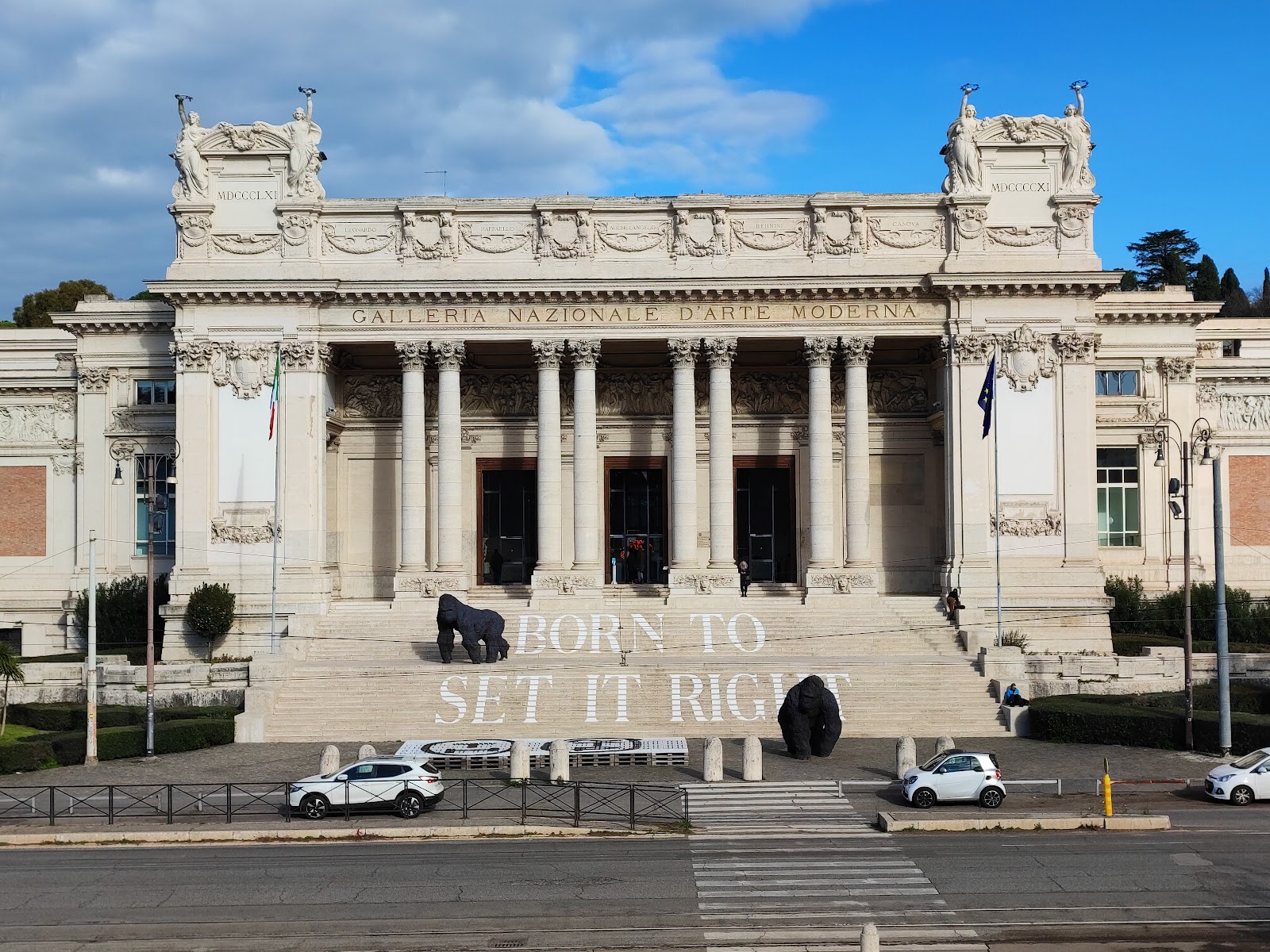 1National Gallery of Modern and Contemporary Art~1.5 hours
- ~19 min walk (1.3km)
- 10:49
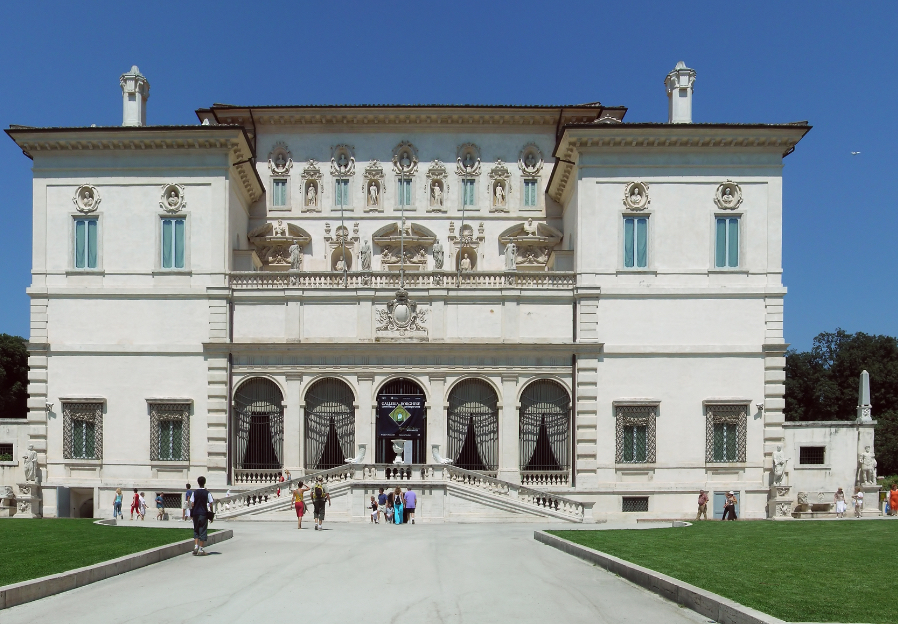 2Galleria Borghese~1.75 hours
- ~10 min by taxi/transit (2.2km)
- 12:44Lunch Break1 hour
- 13:44
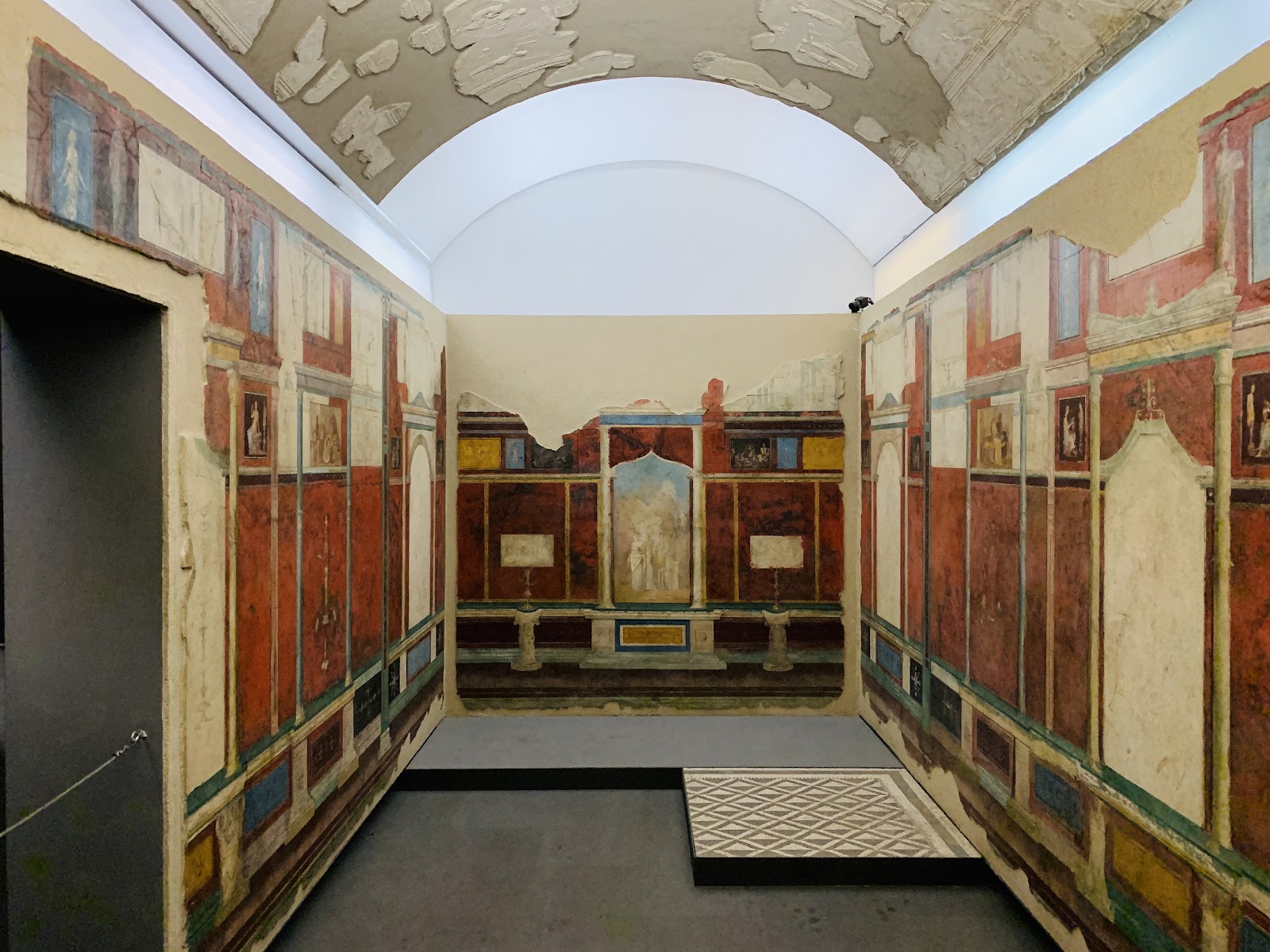 3National Roman Museum - Palazzo Massimo alle Terme~1.5 hours
- ~16 min walk (1.1km)
- 15:30
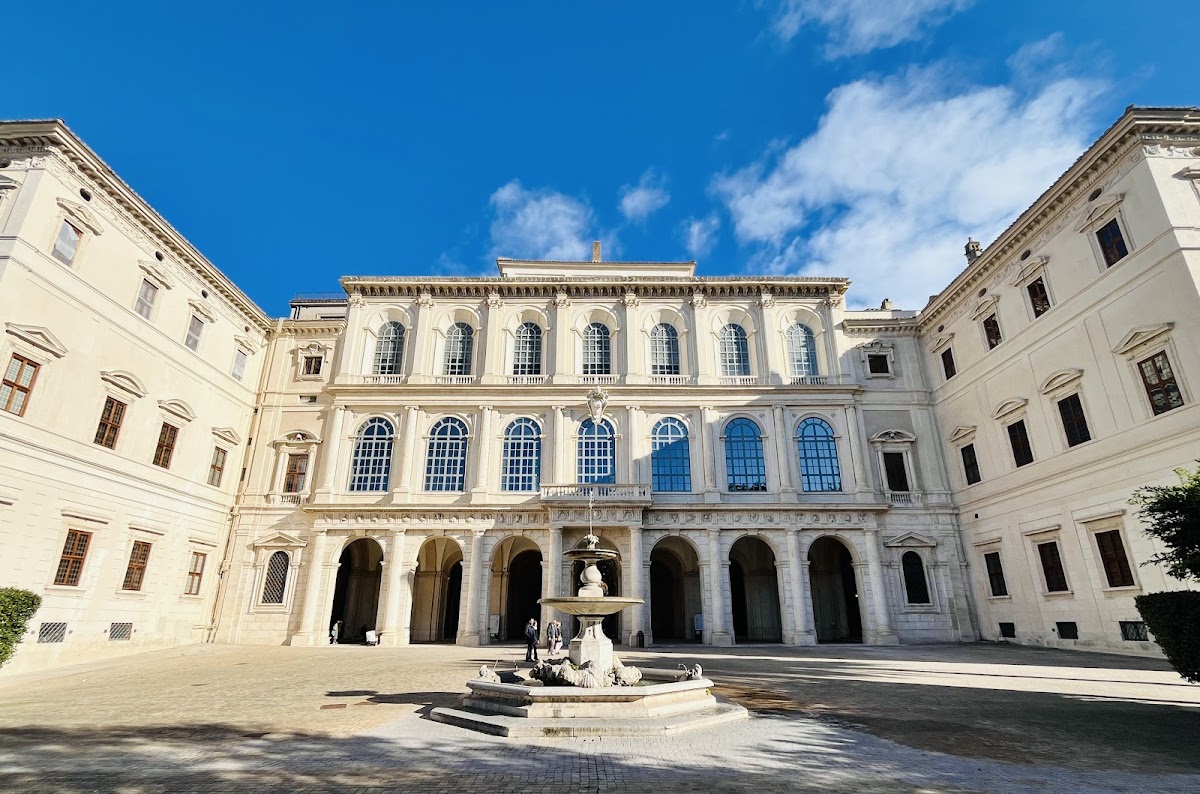 4Gallerie Nazionali di Arte Antica - Palazzo Barberini~1.5 hours
- ~10 min by taxi/transit (2.2km)
- 17:10
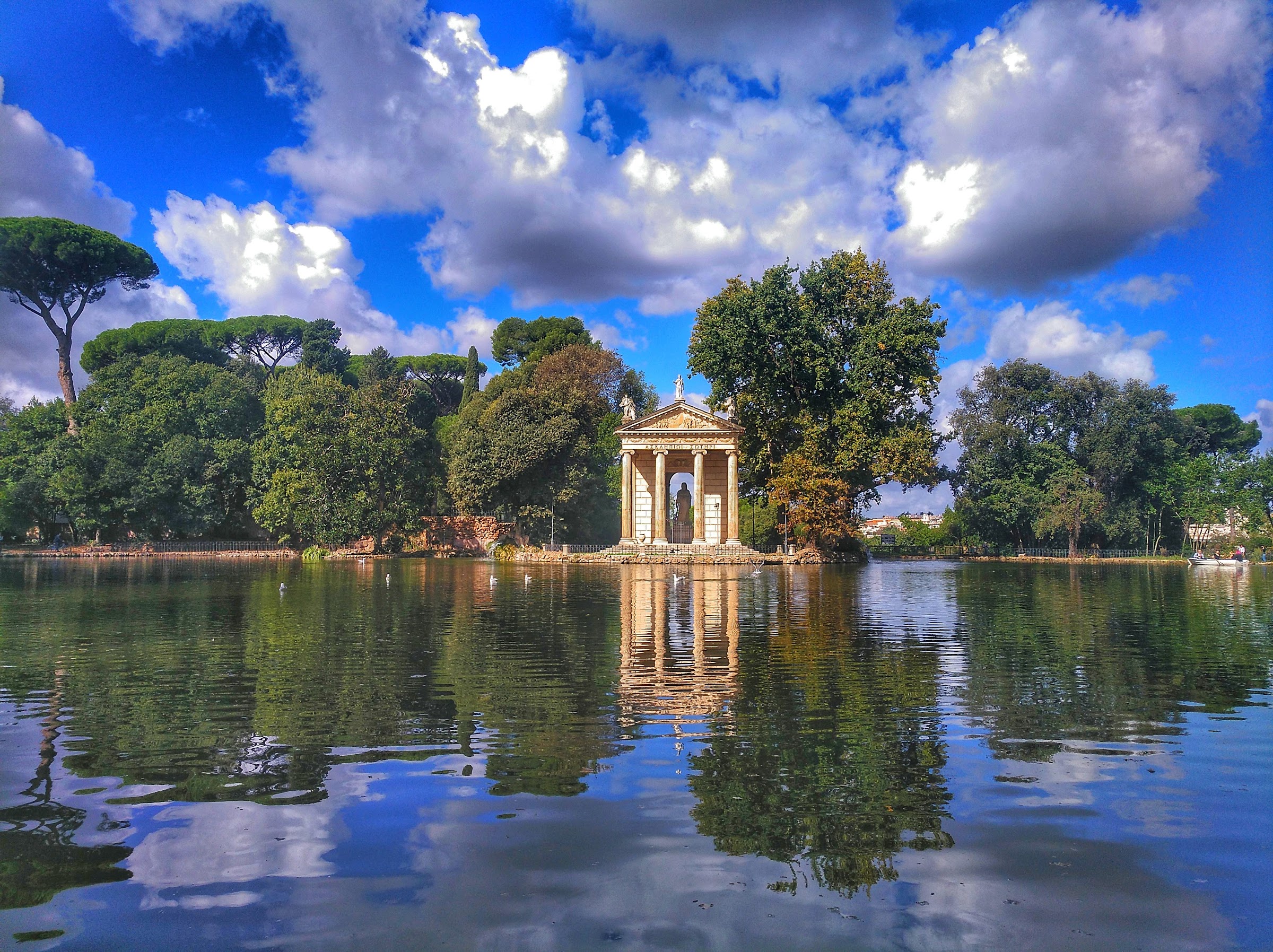 5Villa Borghese~2 hours
- ~10 min by taxi/transit (2.1km)
- 19:20Dinner Break1 hour
- 20:20
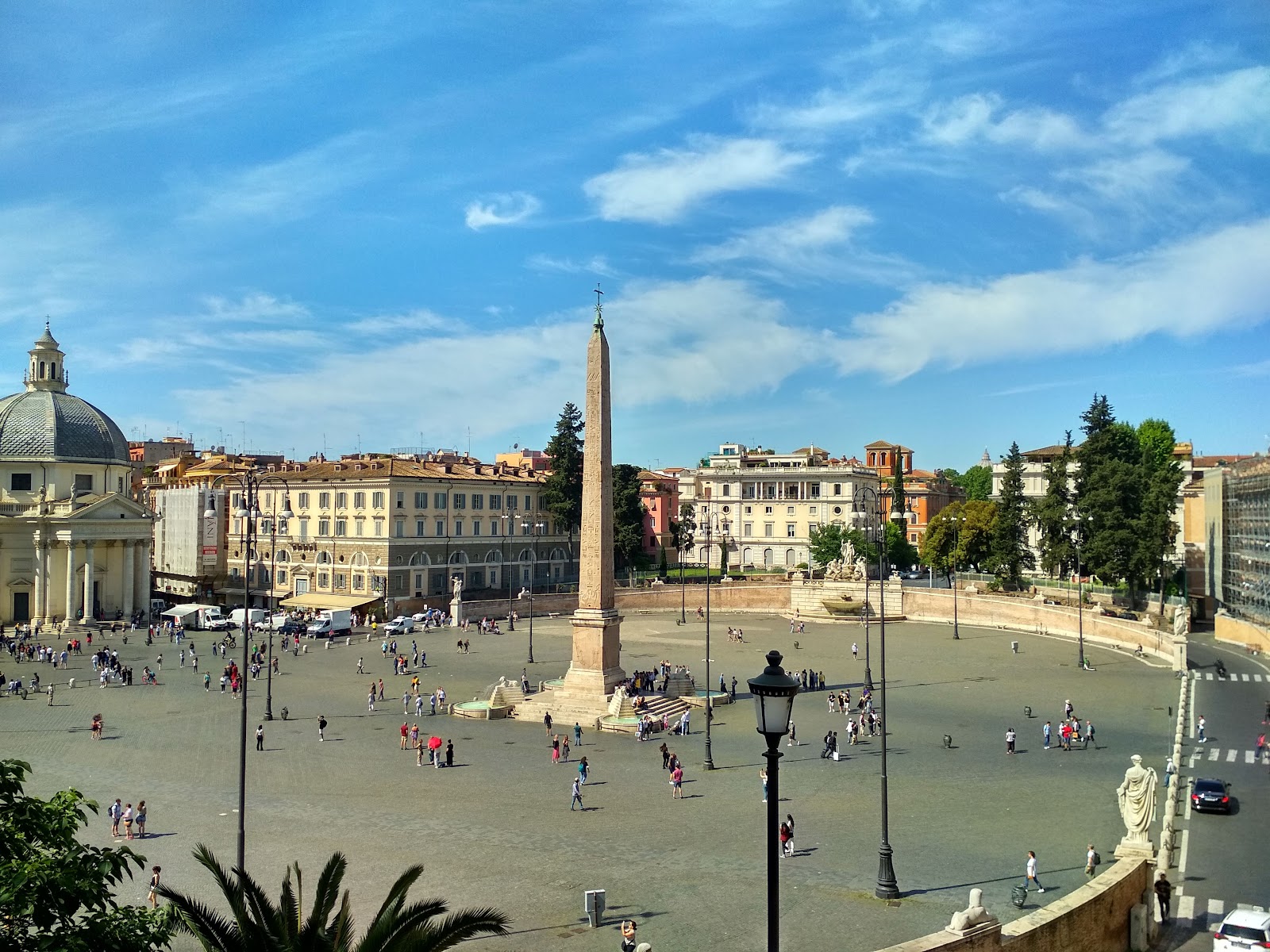 6Piazza del Popolo~25 min
- ~12 min by taxi/transit (2.7km)
- 20:55
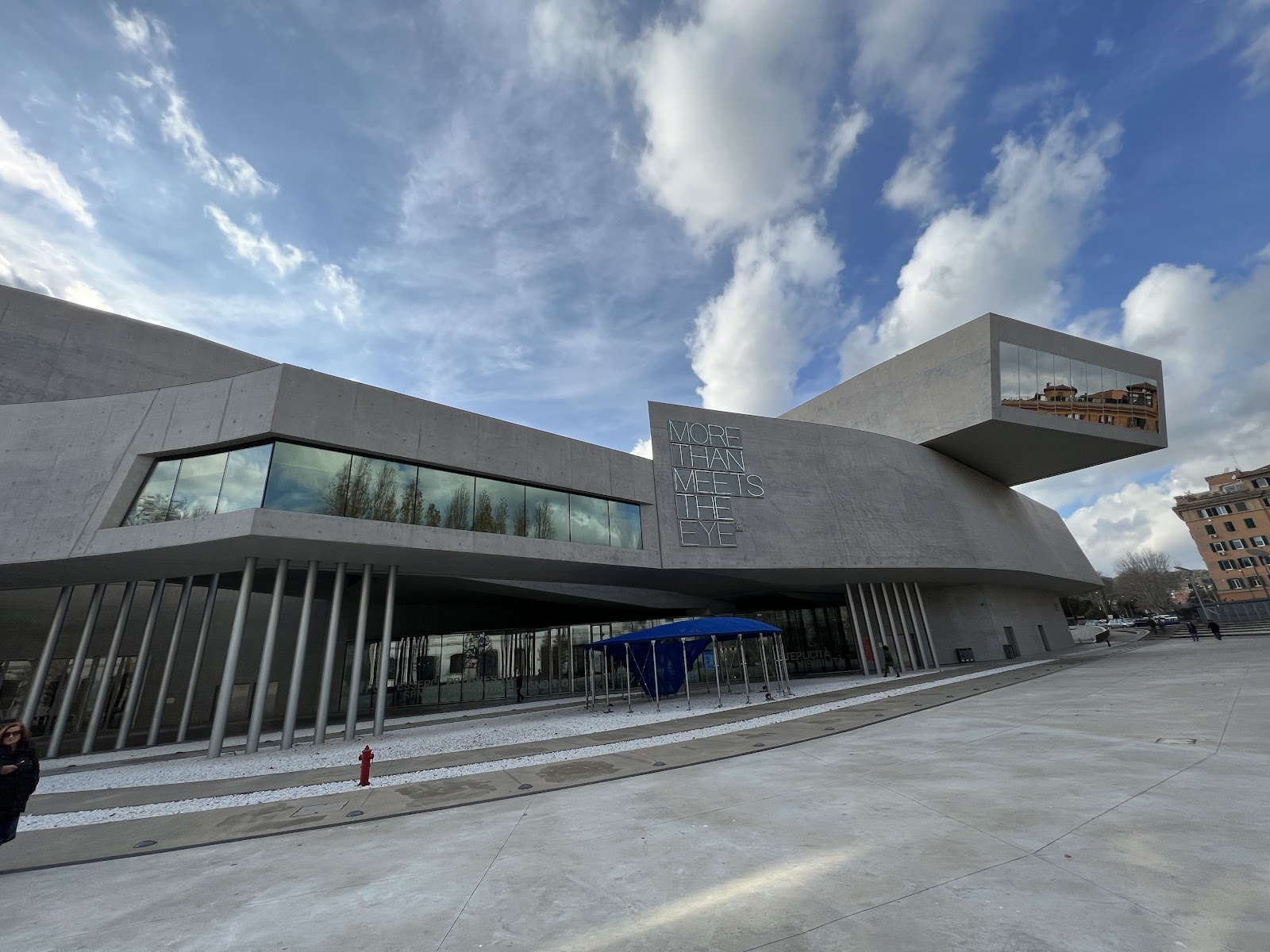 7MAXXI - National Museum of 21st Century Art~1.5 hours
Sunday
8 stops · 7.2 km between them · starts 09:00- 09:00
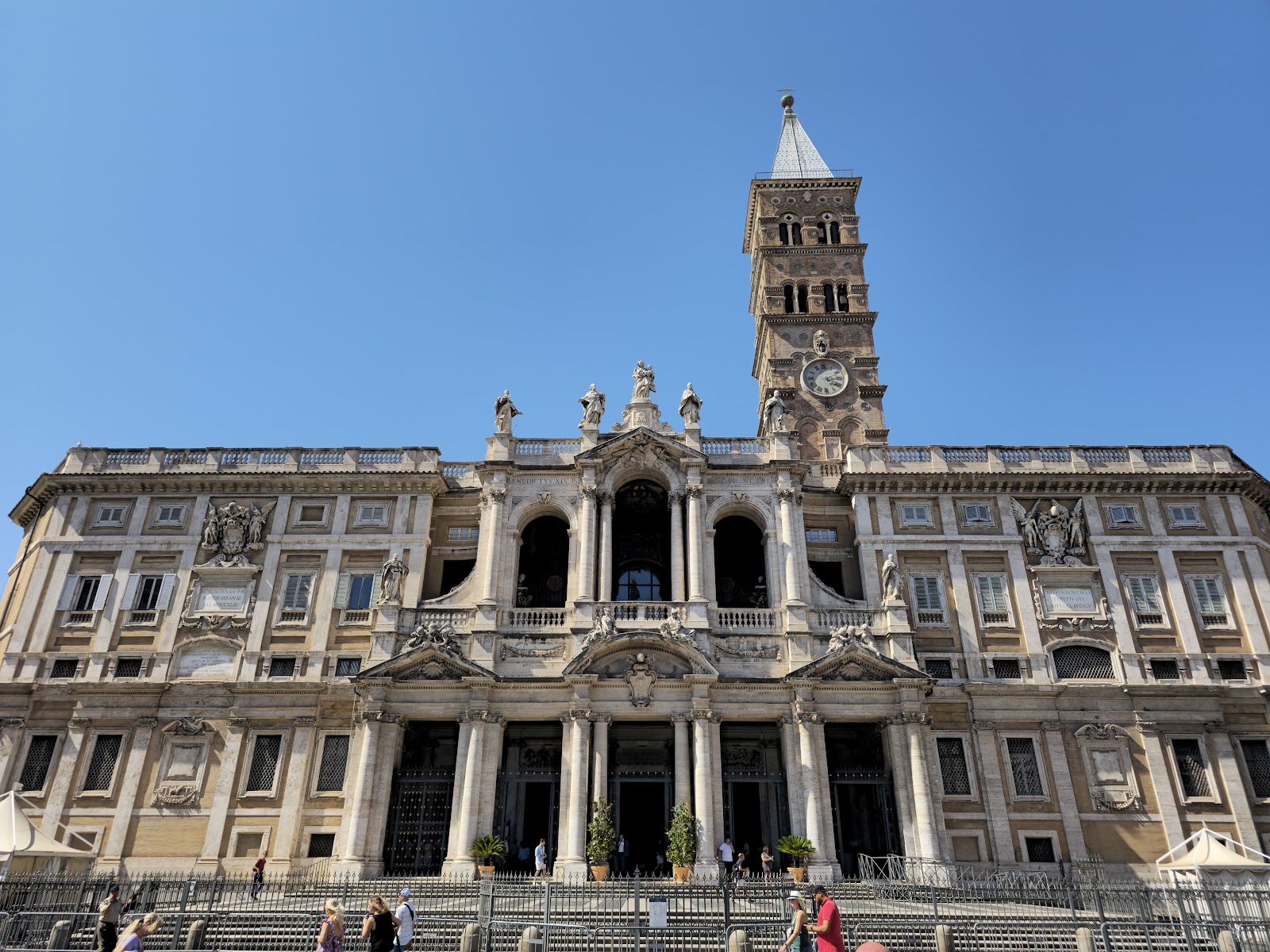 1Papal Basilica of Saint Mary Major~45 min
- ~27 min walk (1.9km)
- 10:12
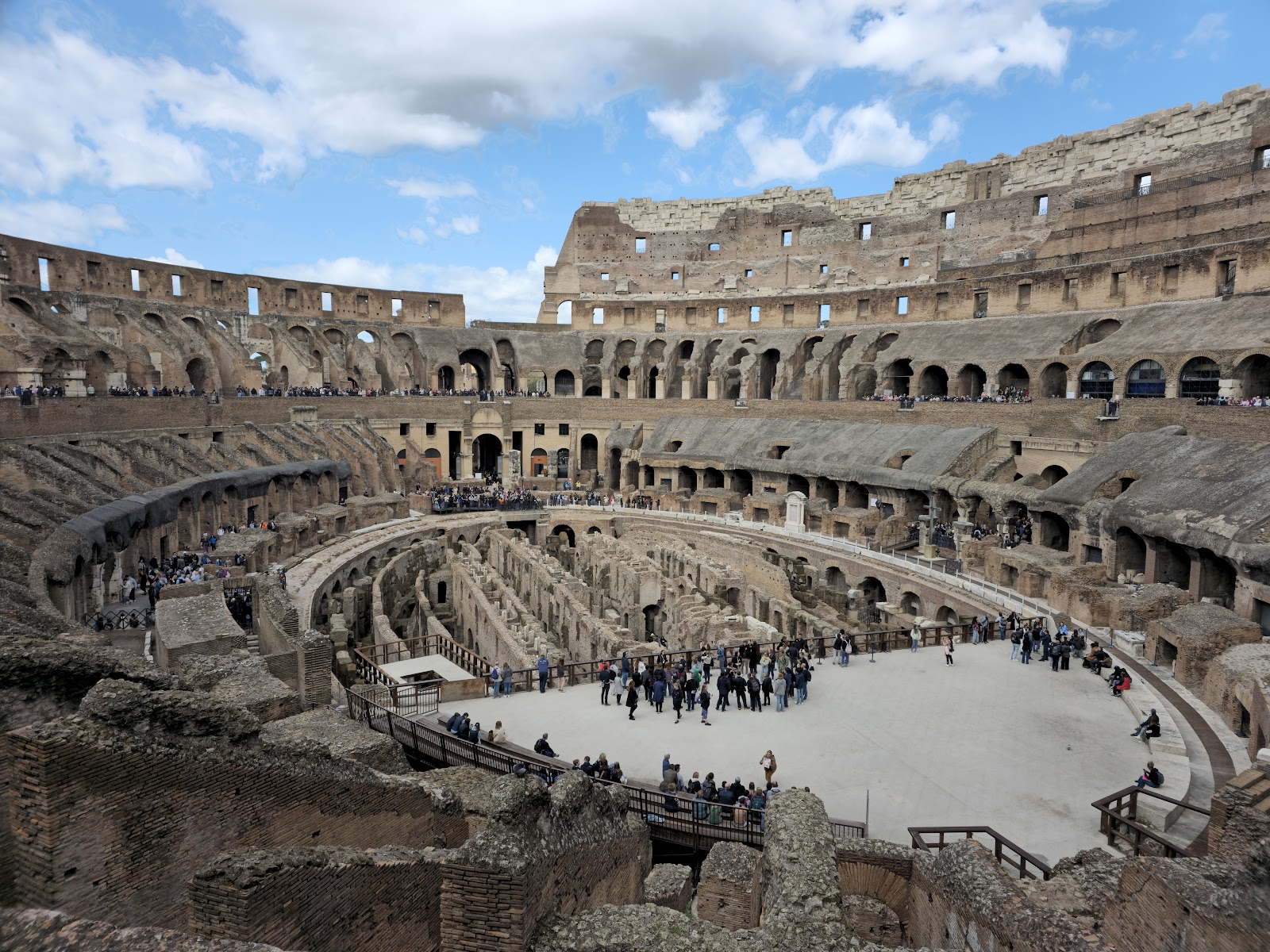 2Colosseum~2 hours
- ~5 min walk (190m)
- 12:17
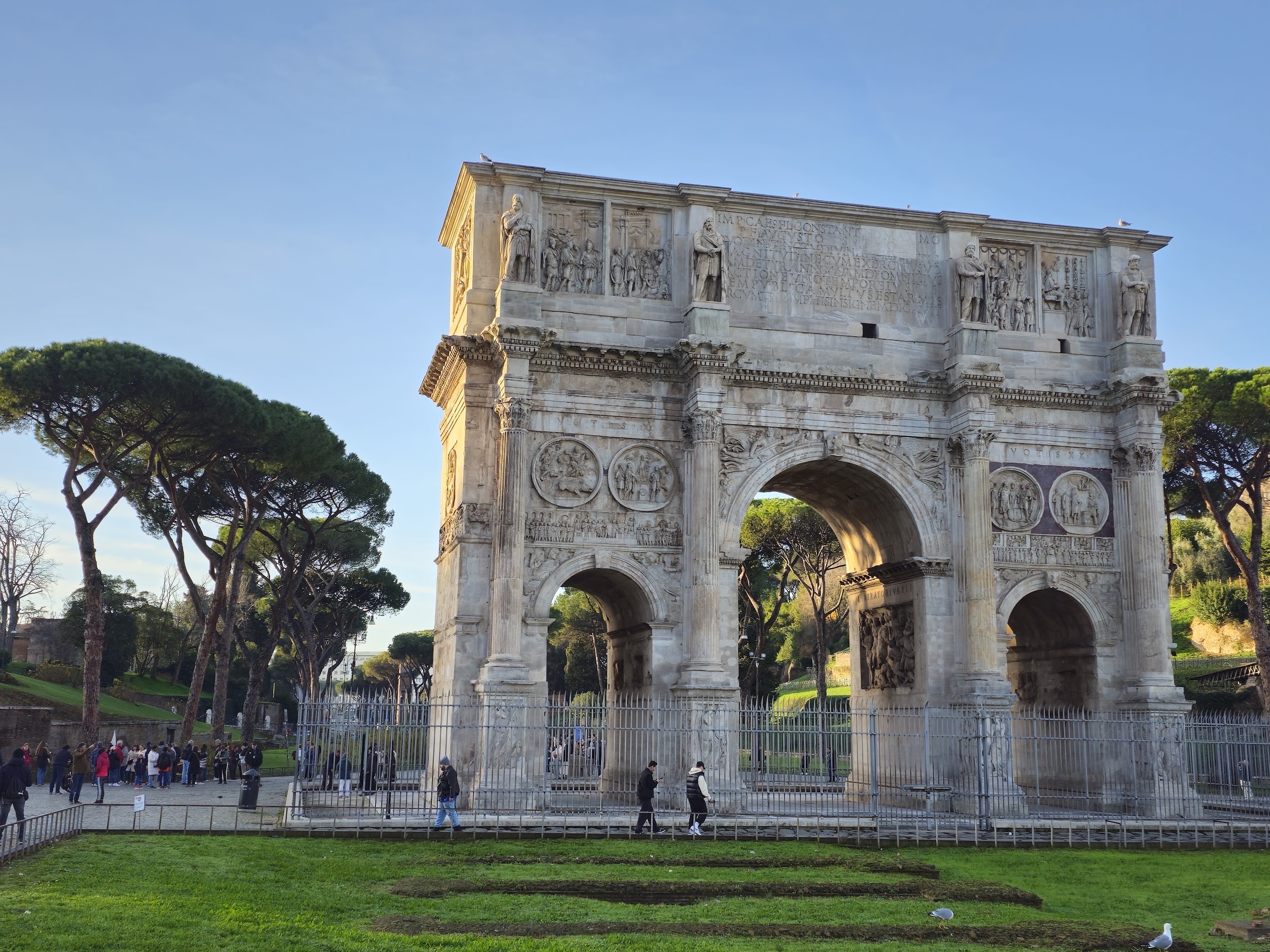 3Arch of Constantine~10 min
- ~28 min walk (1.9km)
- 12:55Lunch Break1 hour
- 13:55
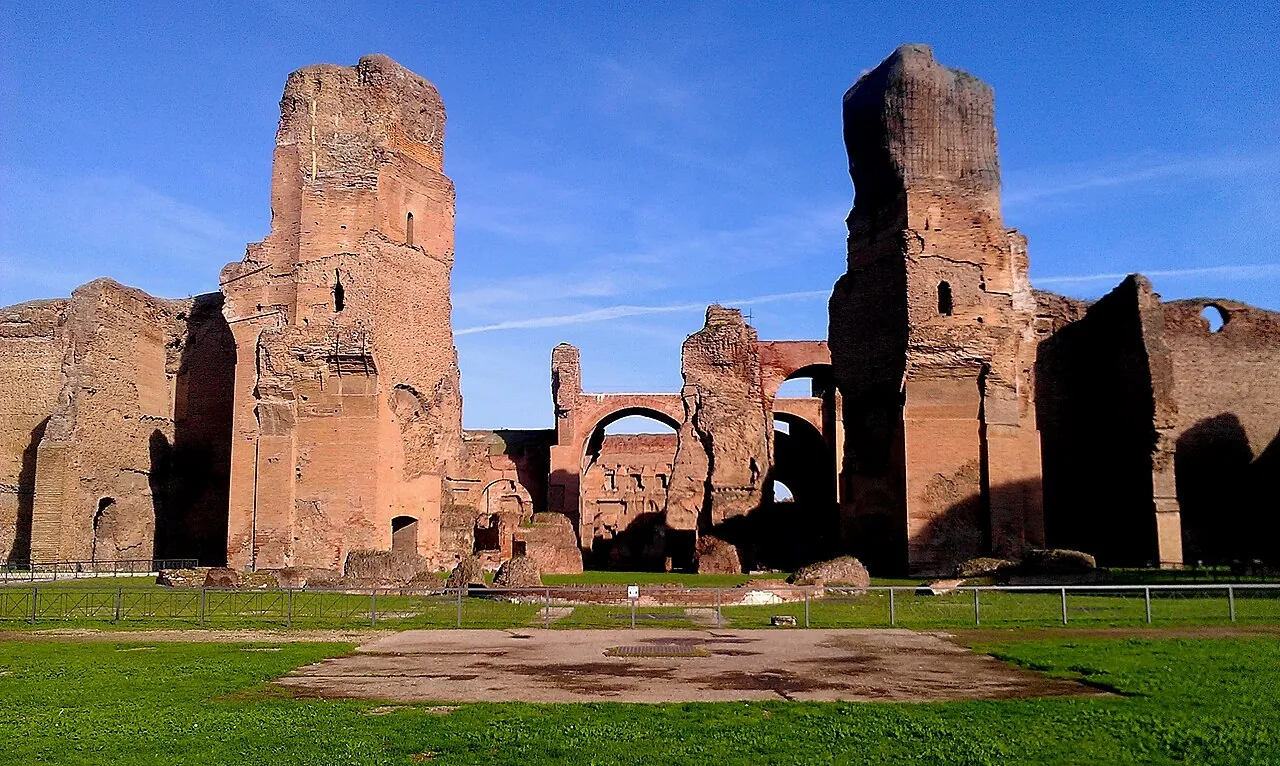
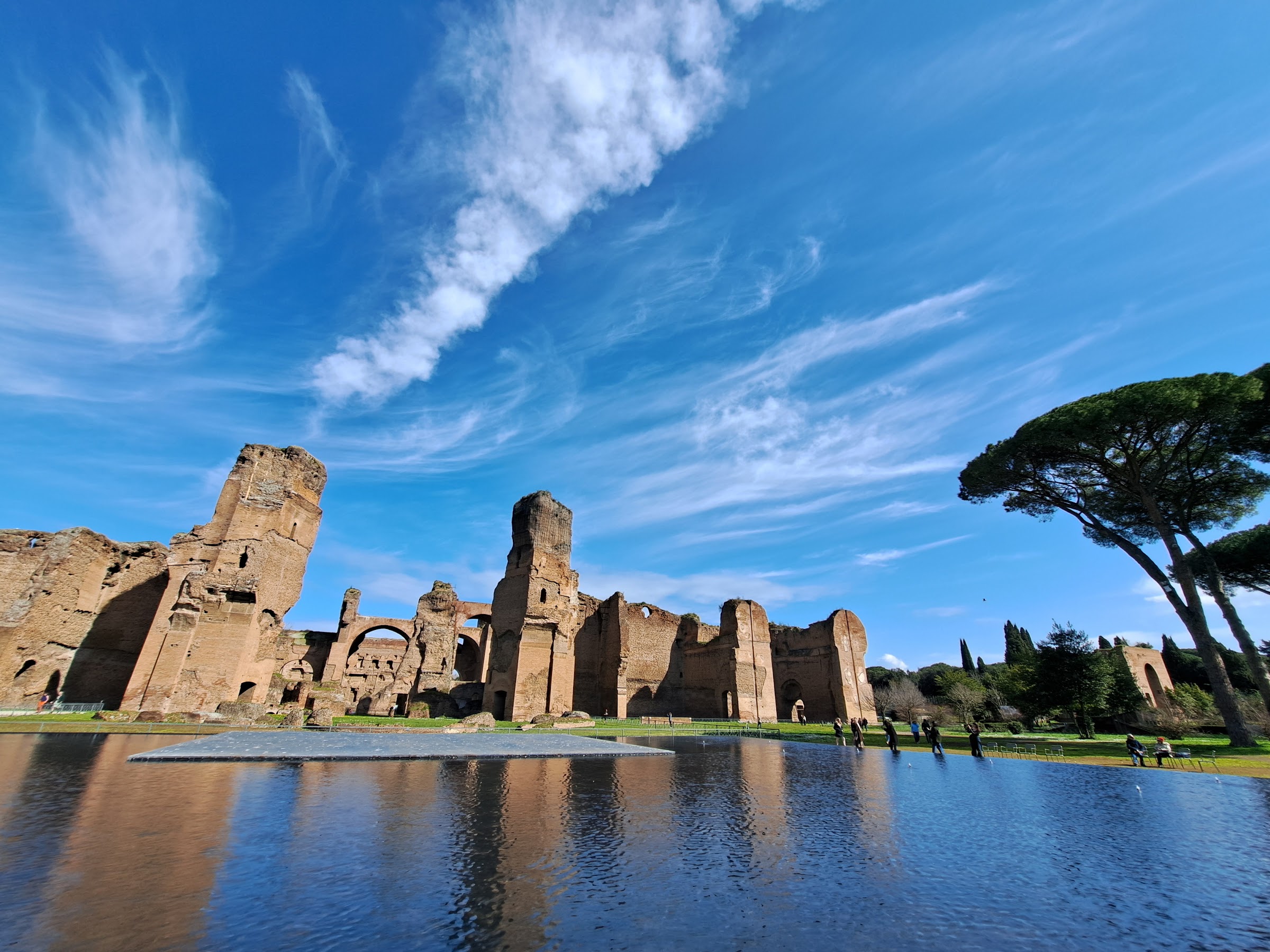 4Baths of Caracalla~1.25 hours
- ~20 min walk (1.3km)
- 15:23
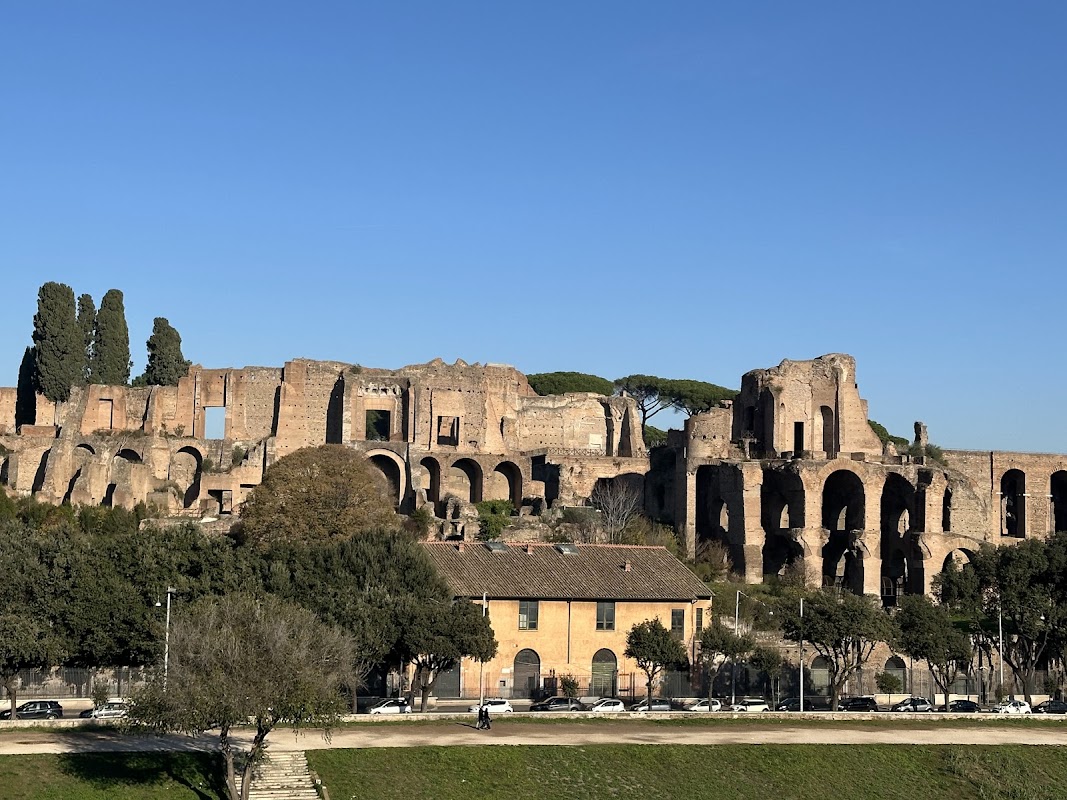 5Circus Maximus~25 min
- ~10 min walk (621m)
- 15:56
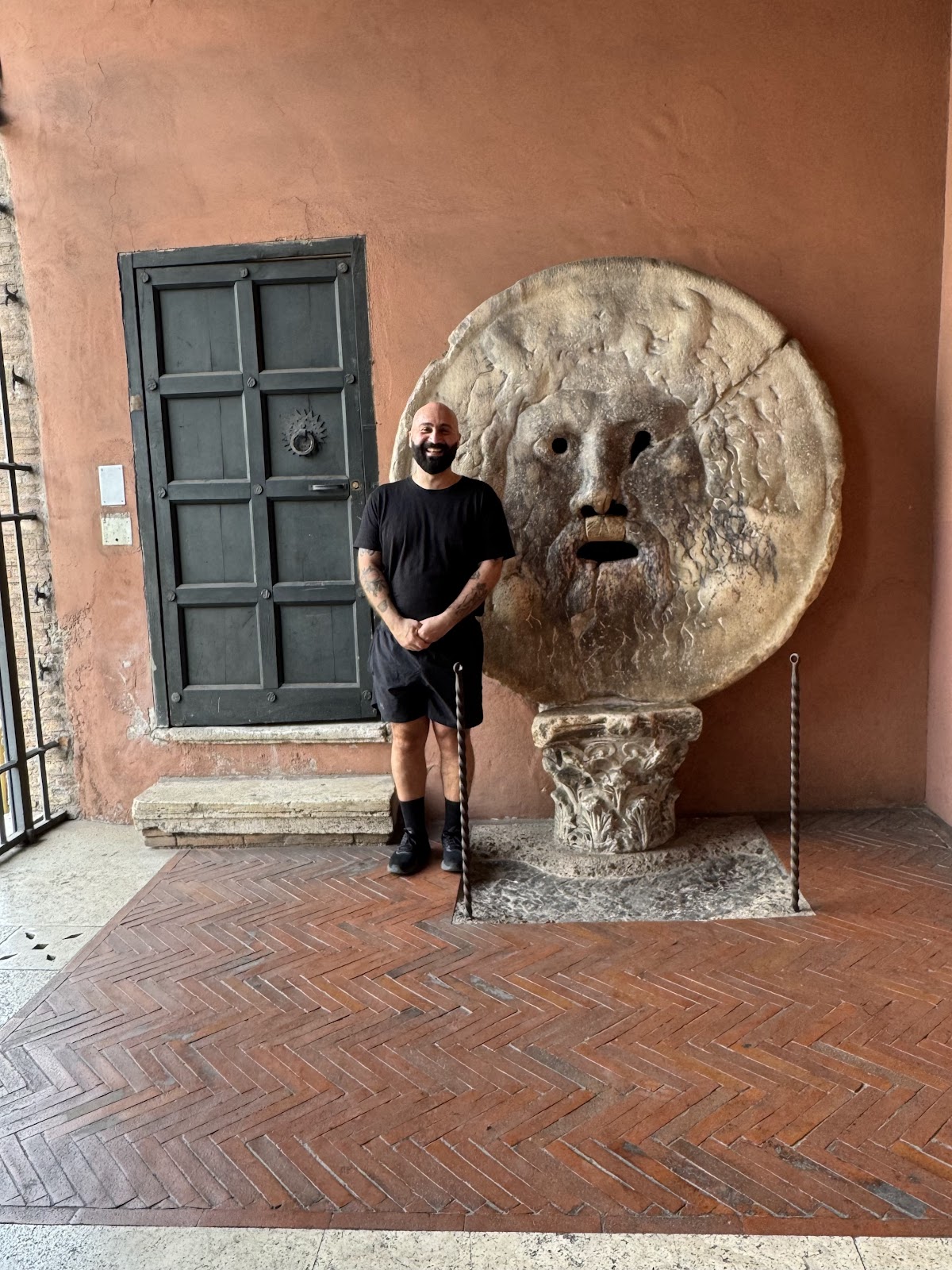 6Mouth of Truth~15 min
- ~11 min walk (710m)
- 16:20
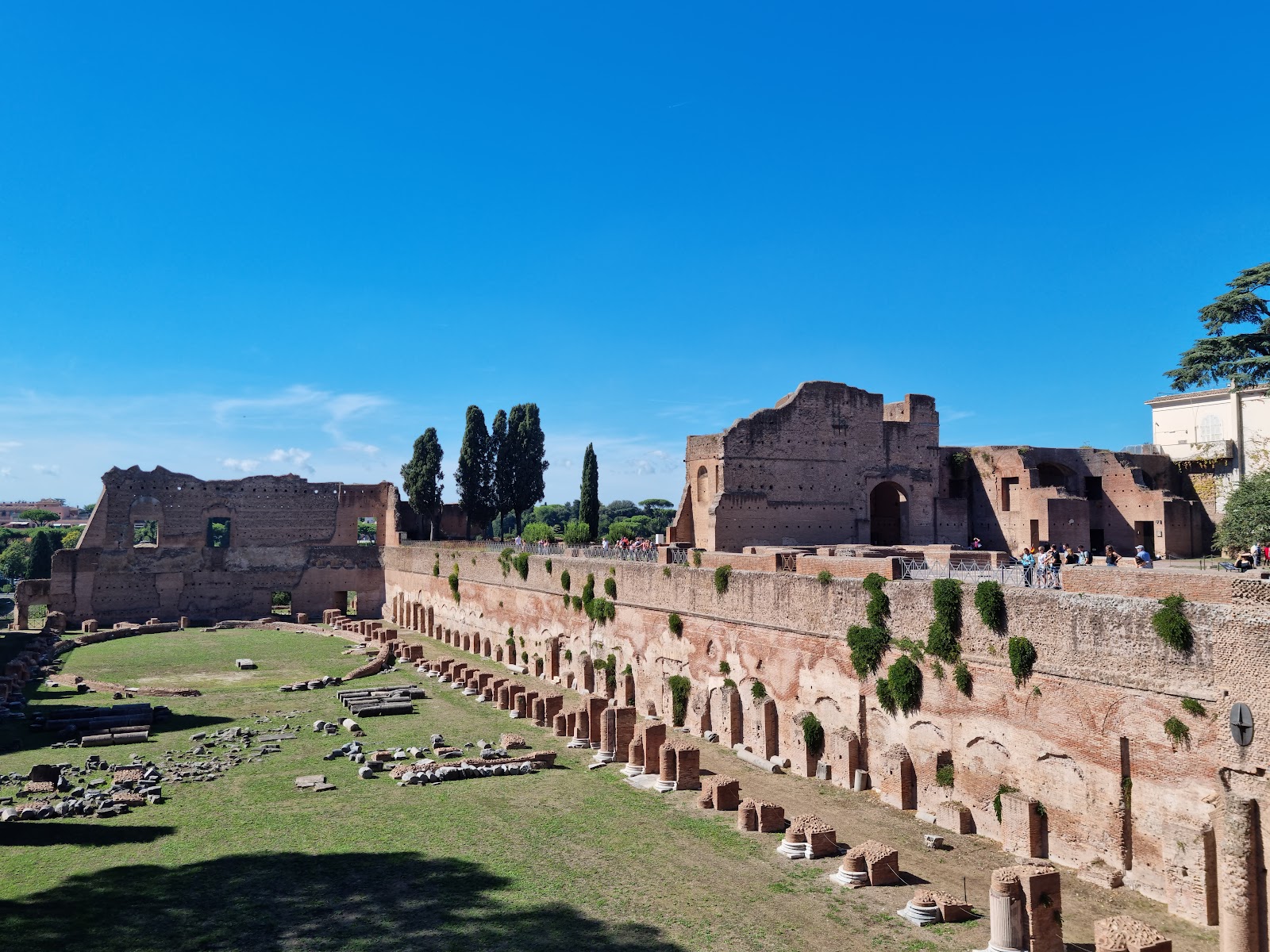 7Palatine Hill~2 hours
- ~9 min walk (550m)
- 18:29
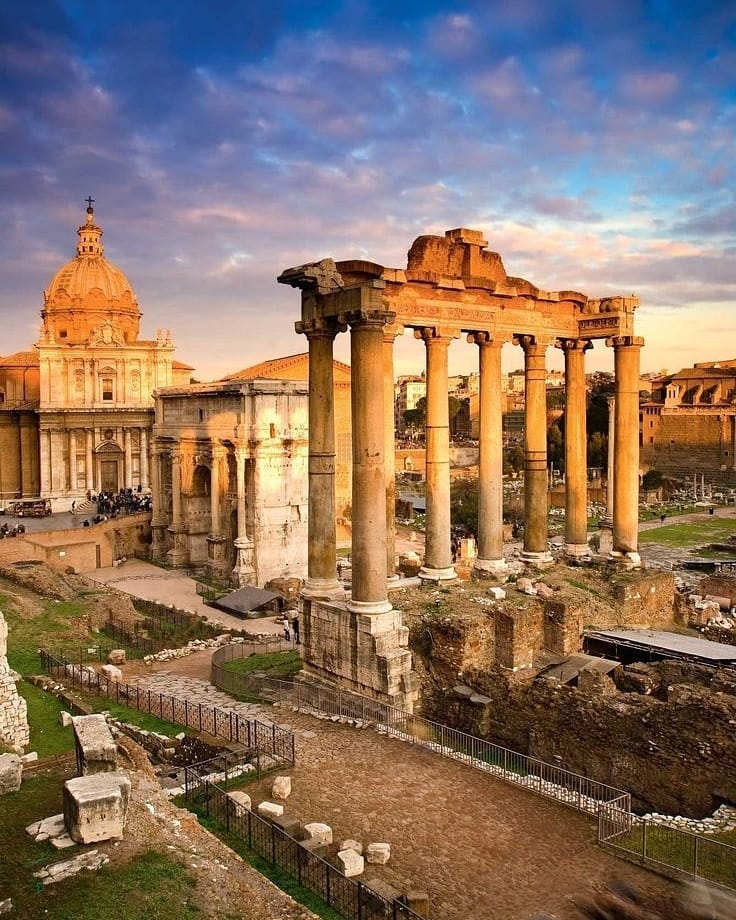 8Roman Forum~2.25 hours
- 20:44Dinner Break1 hour
Monday
8 stops · 2.8 km between them · starts 09:00- 09:00
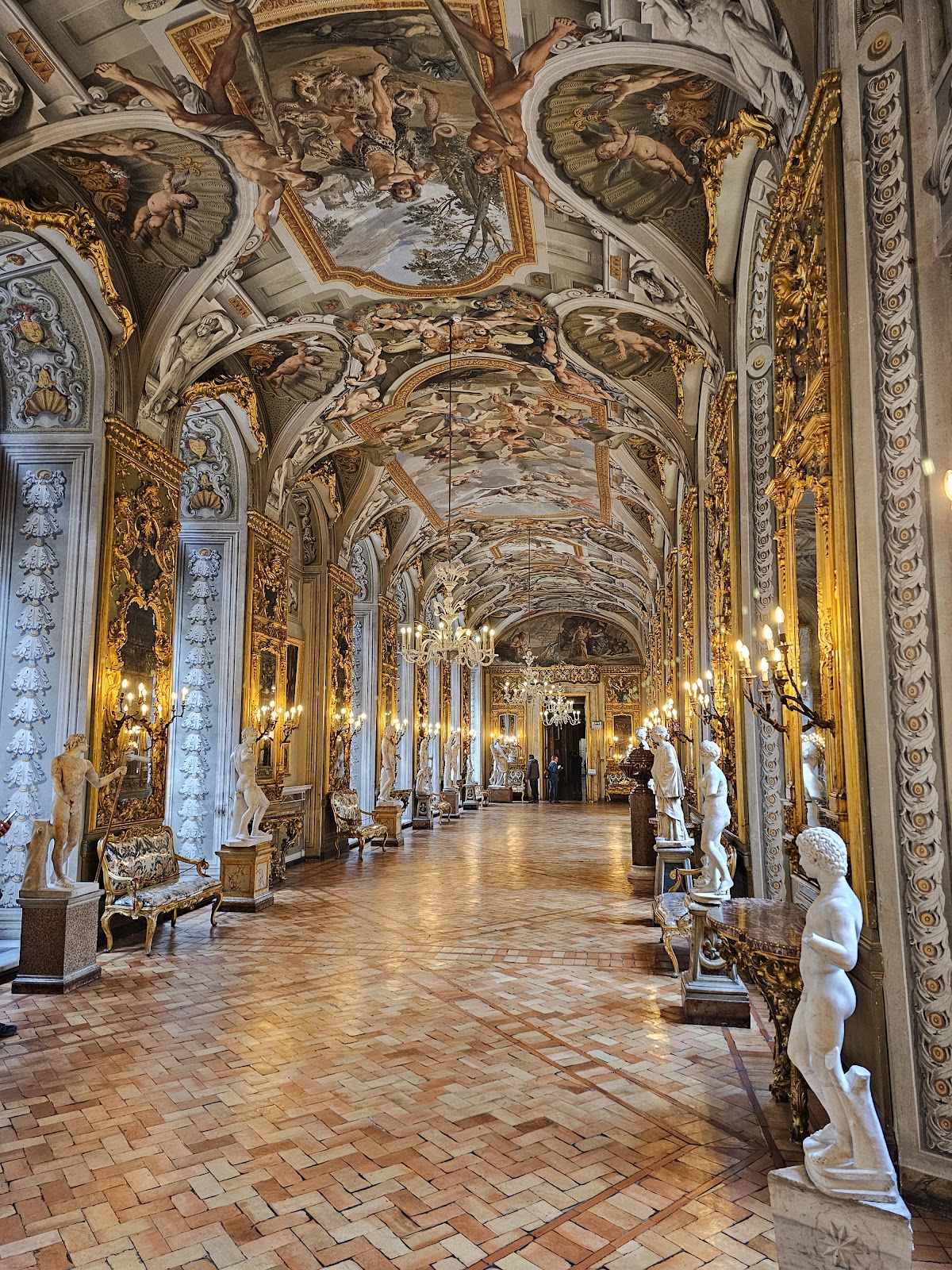 1Galleria Doria Pamphilj~1.5 hours
- ~6 min walk (326m)
- 10:36
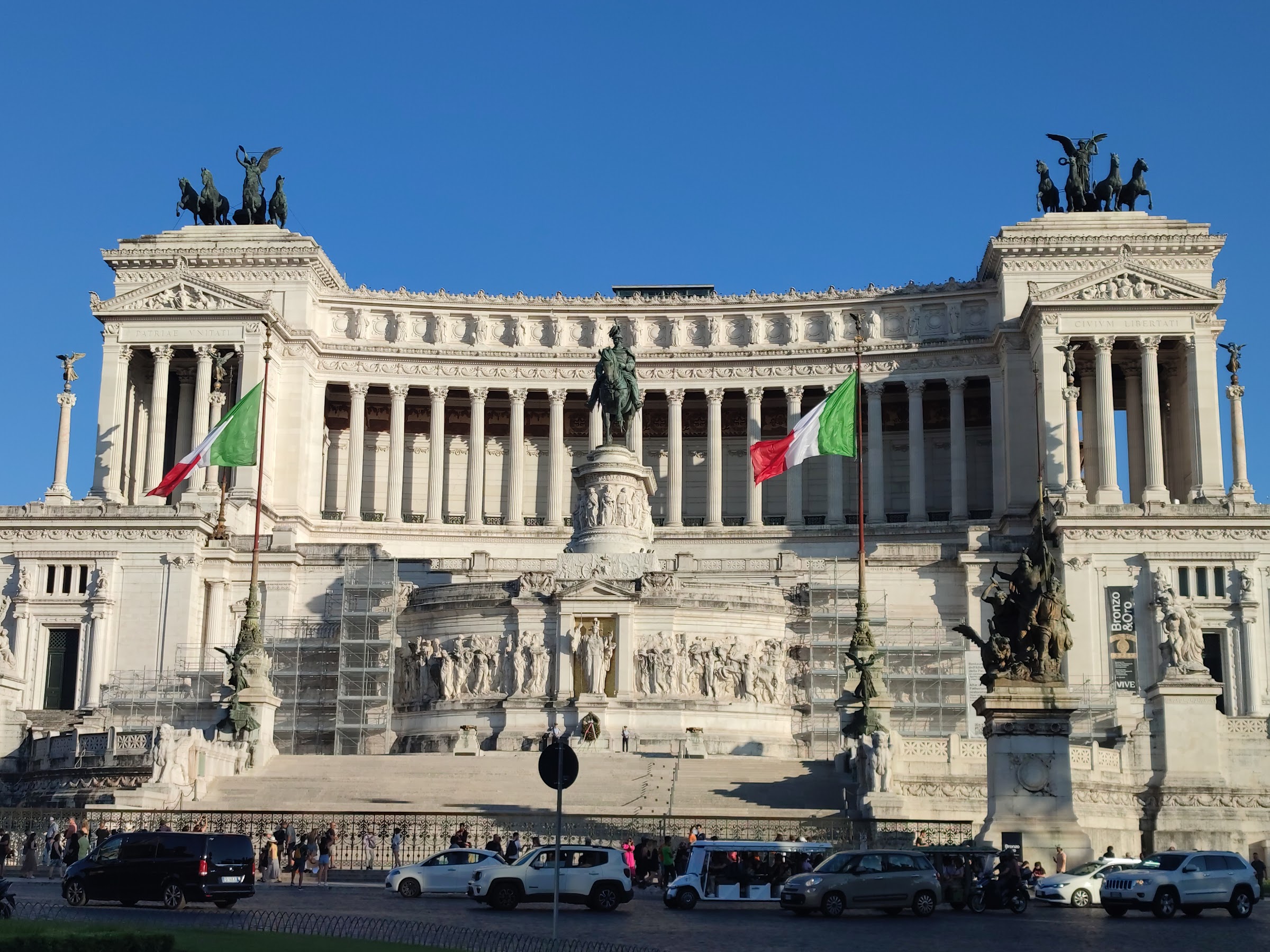 2Piazza Venezia~15 min
- ~12 min walk (752m)
- 11:03
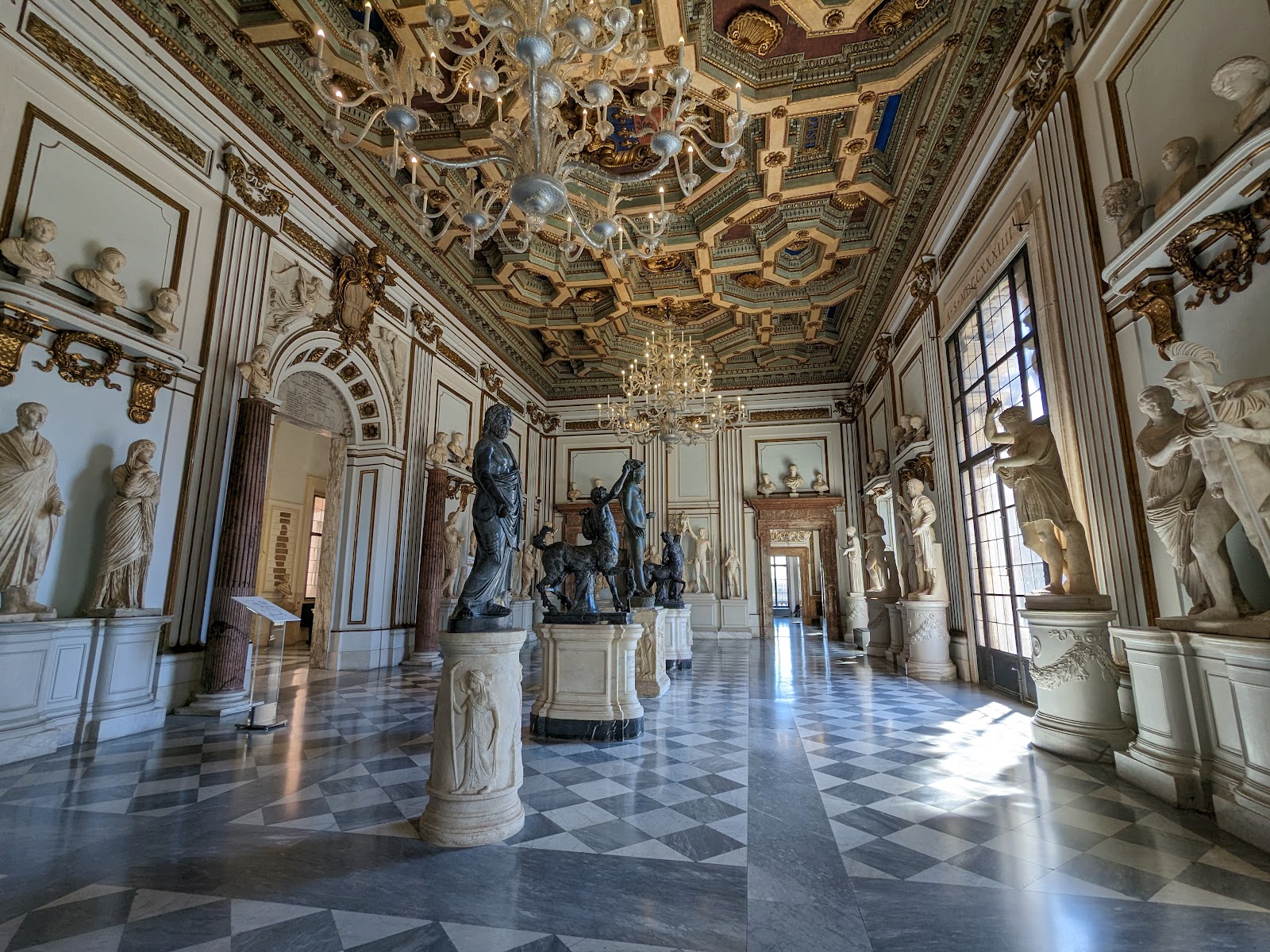 3Capitoline Museums~2.25 hours
- ~3 min walk (71m)
- 13:21Lunch Break1 hour
- 14:21
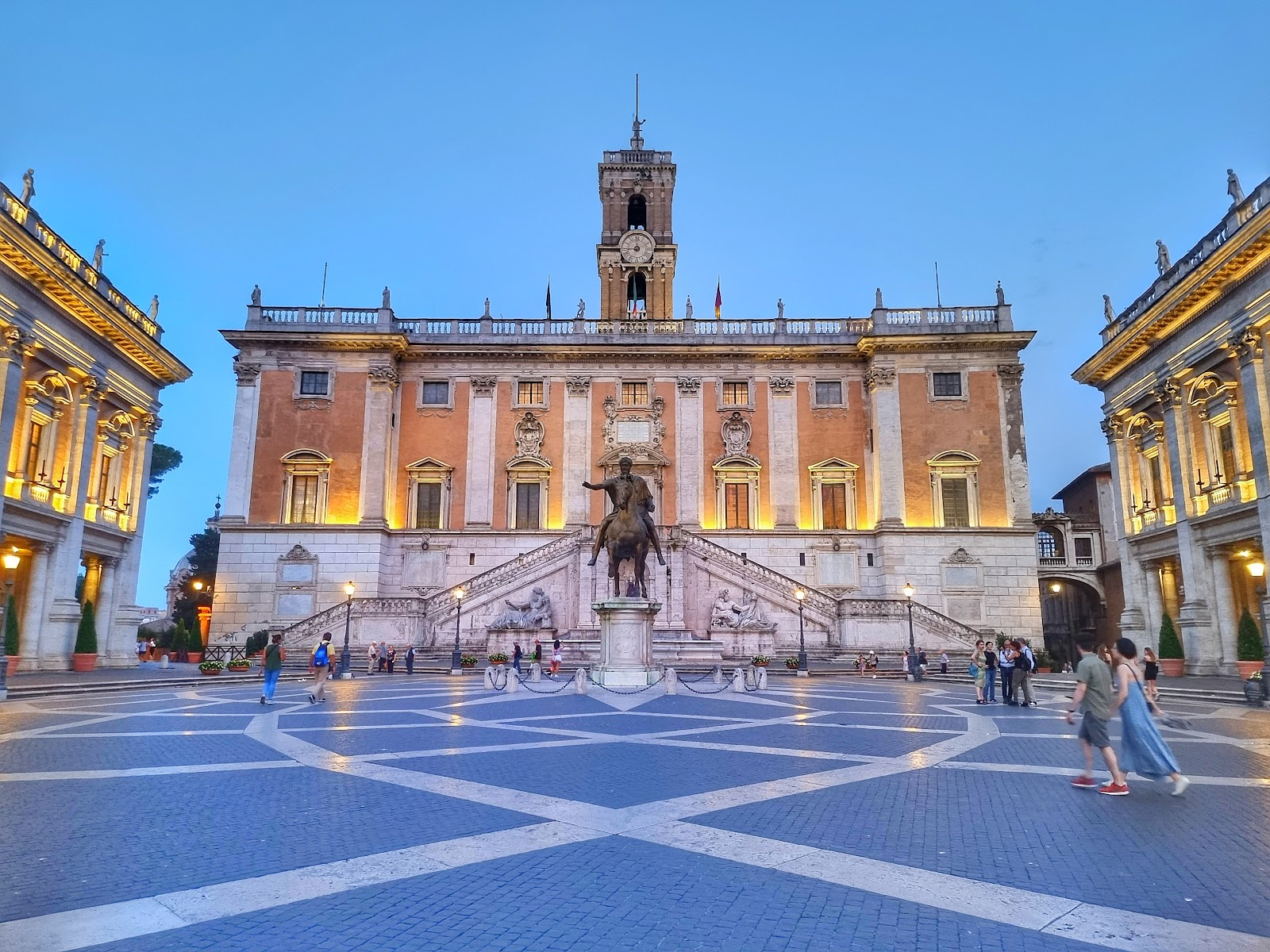 4Piazza del Campidoglio~30 min
- ~5 min walk (196m)
- 14:56
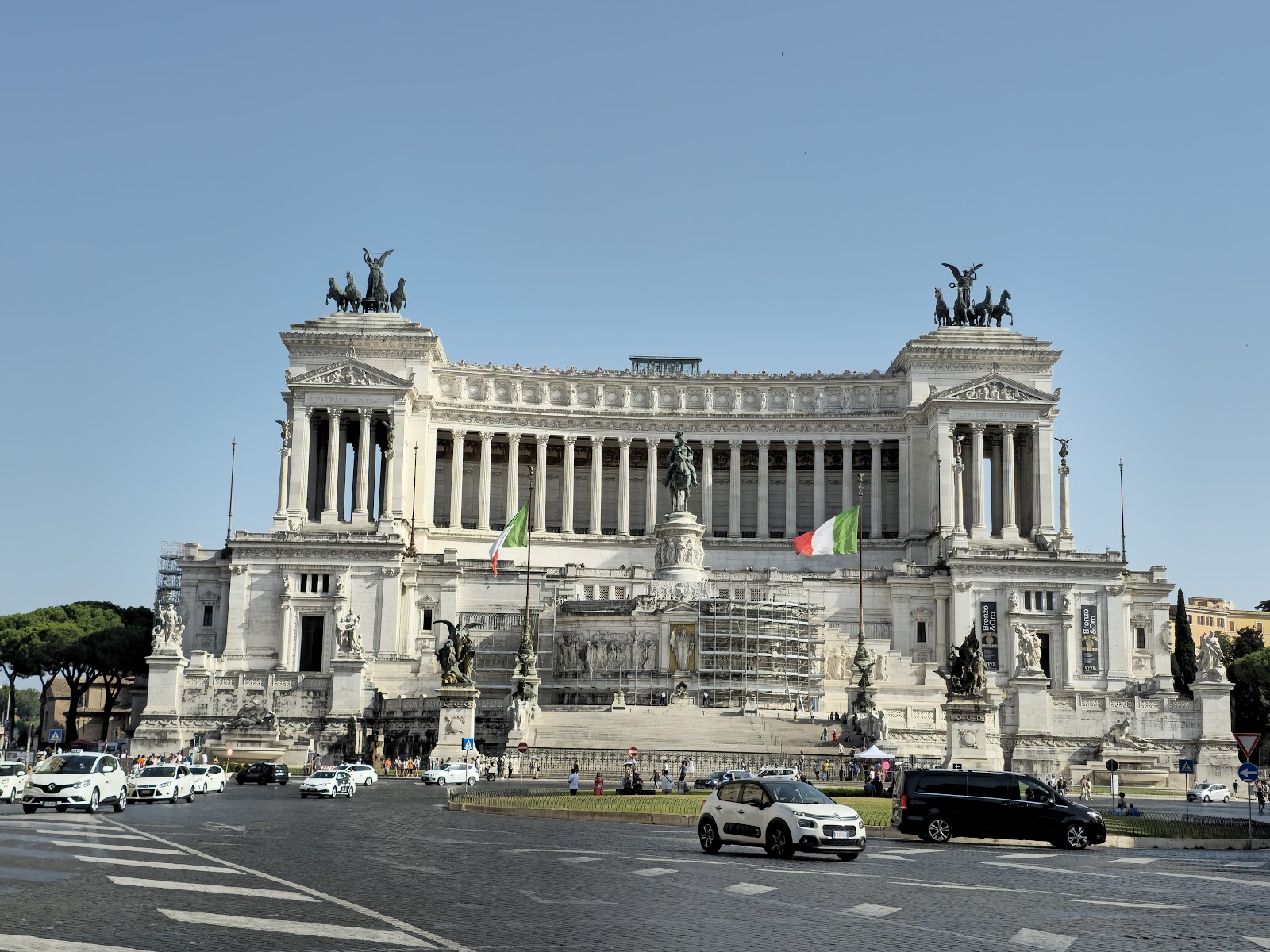 5Monument to Victor Emmanuel II~25 min
- ~5 min walk (254m)
- 15:24
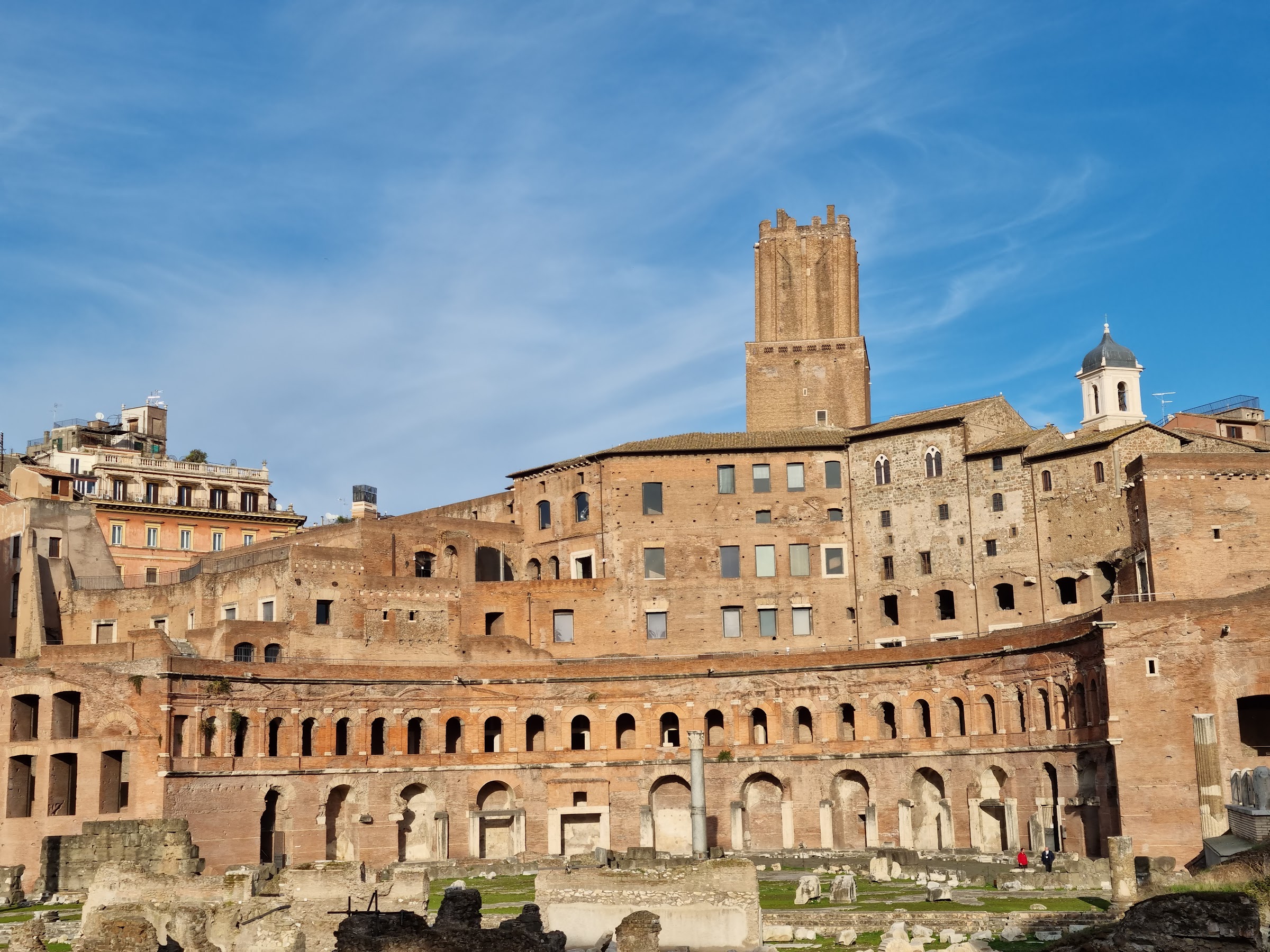 6Trajan's Forum~45 min
- ~11 min walk (682m)
- 16:20
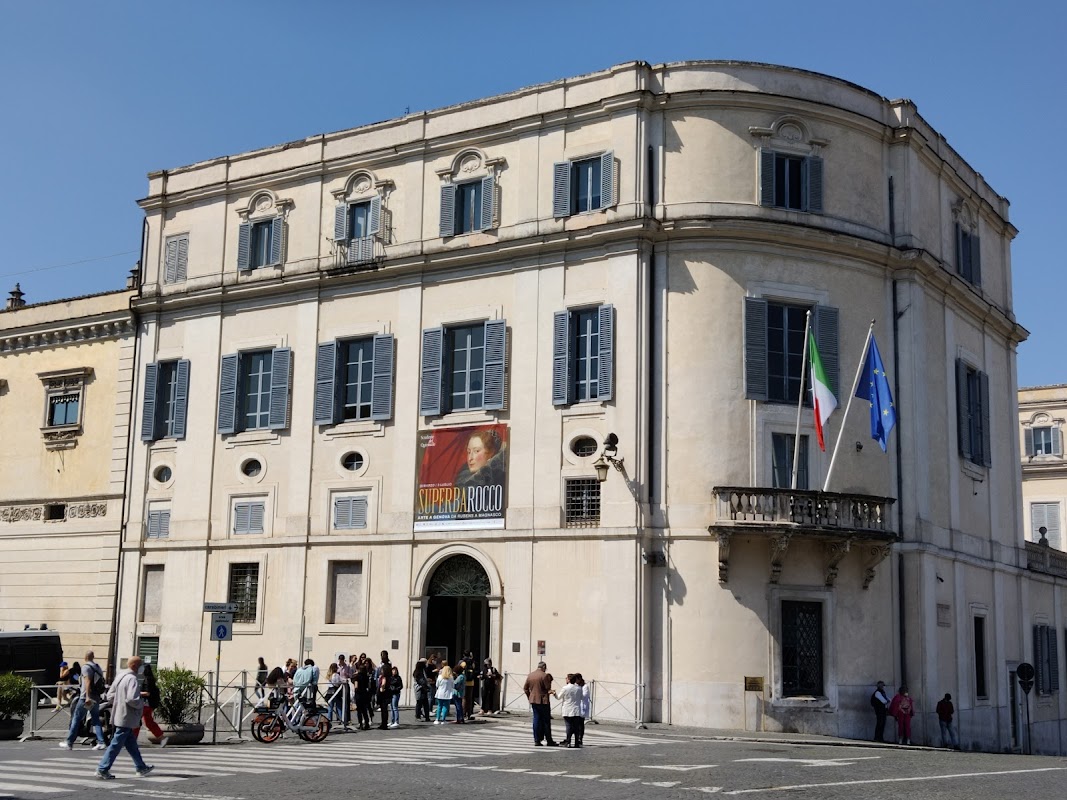 7Scuderie del Quirinale~1.25 hours
- ~8 min walk (480m)
- 17:43
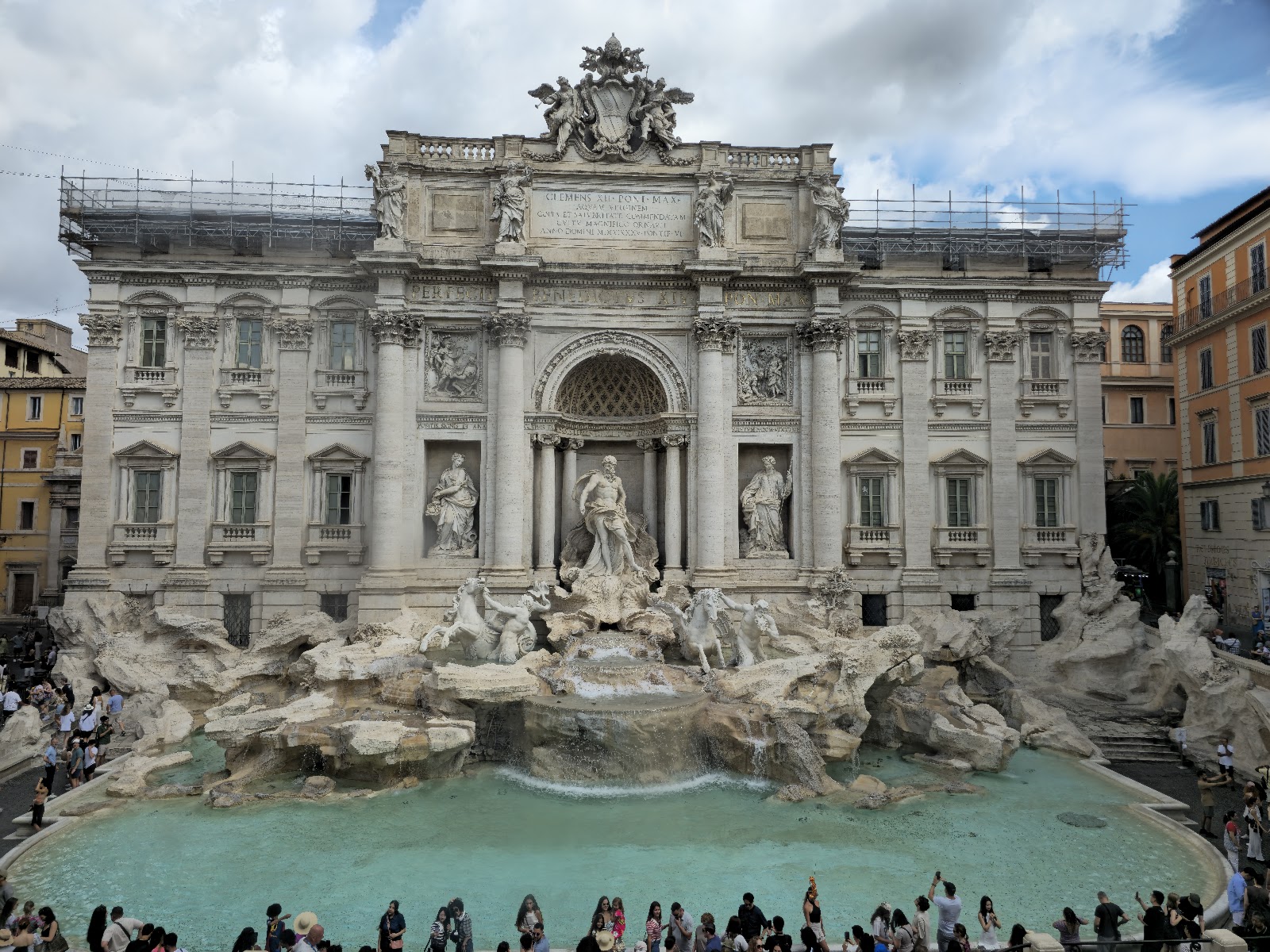 8Trevi Fountain~20 min
- 18:03Dinner Break1 hour
An afternoon on the Aventine
The quietest of the seven hills, ten minutes from the Circus Maximus: a rose garden, a 5th-century basilica, a famous keyhole, and Testaccio’s market at the bottom.
Start at the Circus Maximus, the long green hollow where chariots once raced in front of crowds that ancient writers put at 150,000 and more. Cross the road and take the steep lane called Clivo dei Publicii up the Aventine. The noise of the city drops away almost at once: this is a hill of villas, convents and orange trees.
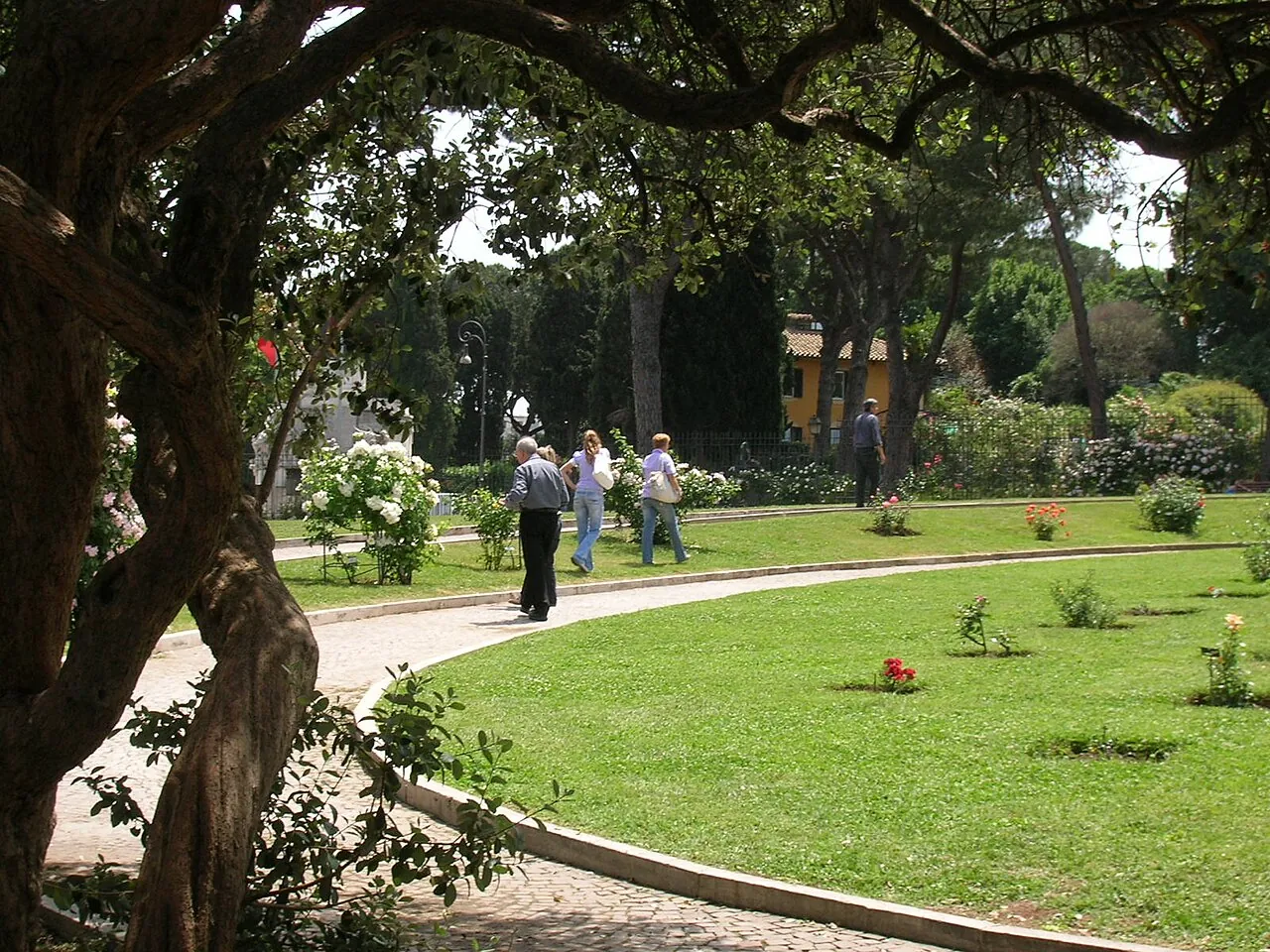
Halfway up, the city’s Rose Garden fills the slope with more than a thousand varieties, open from late April to June. From 1645 to 1934 this was the Jewish cemetery of Rome, and the paths of one section are laid out in the shape of a menorah in remembrance.
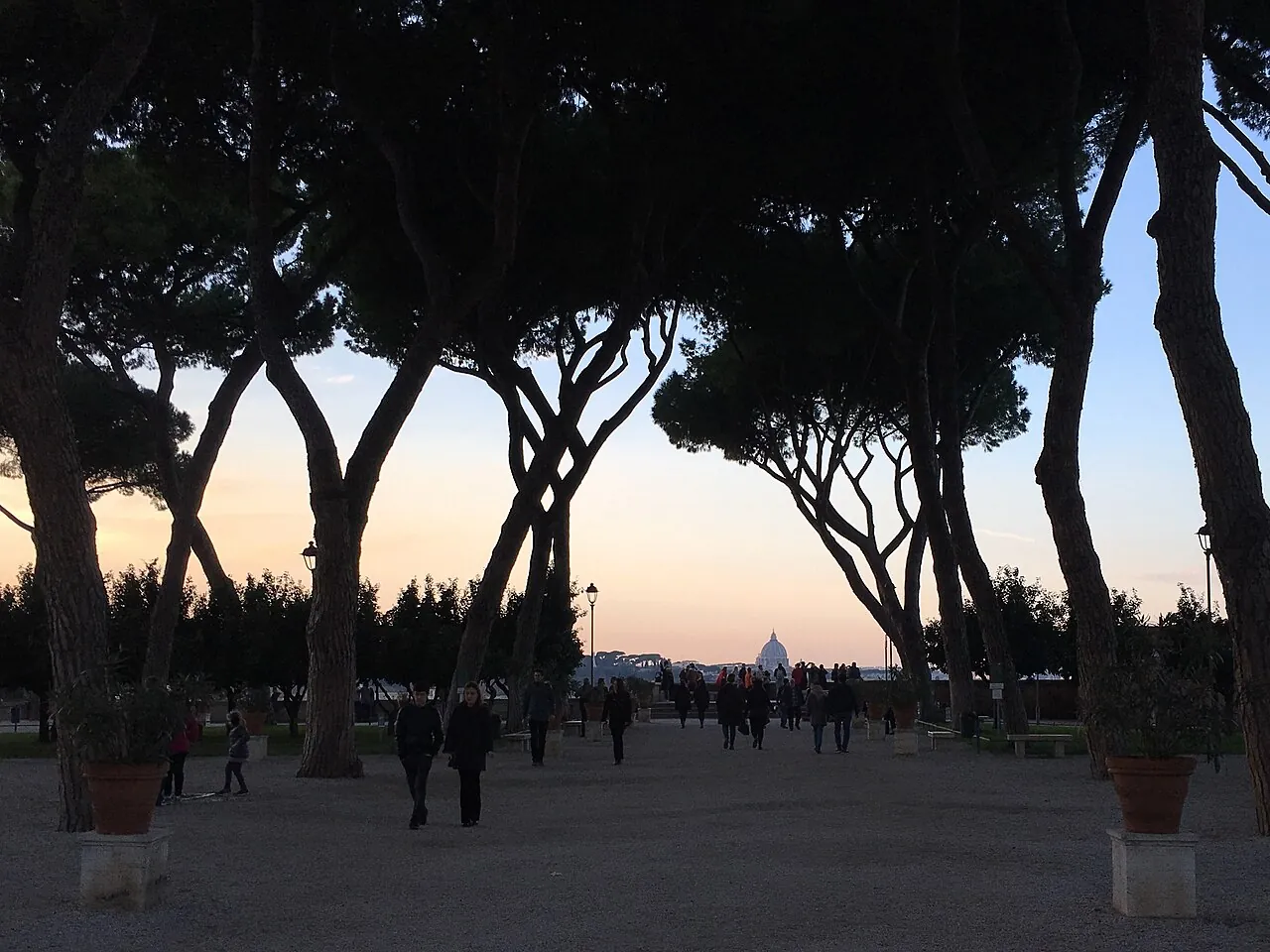
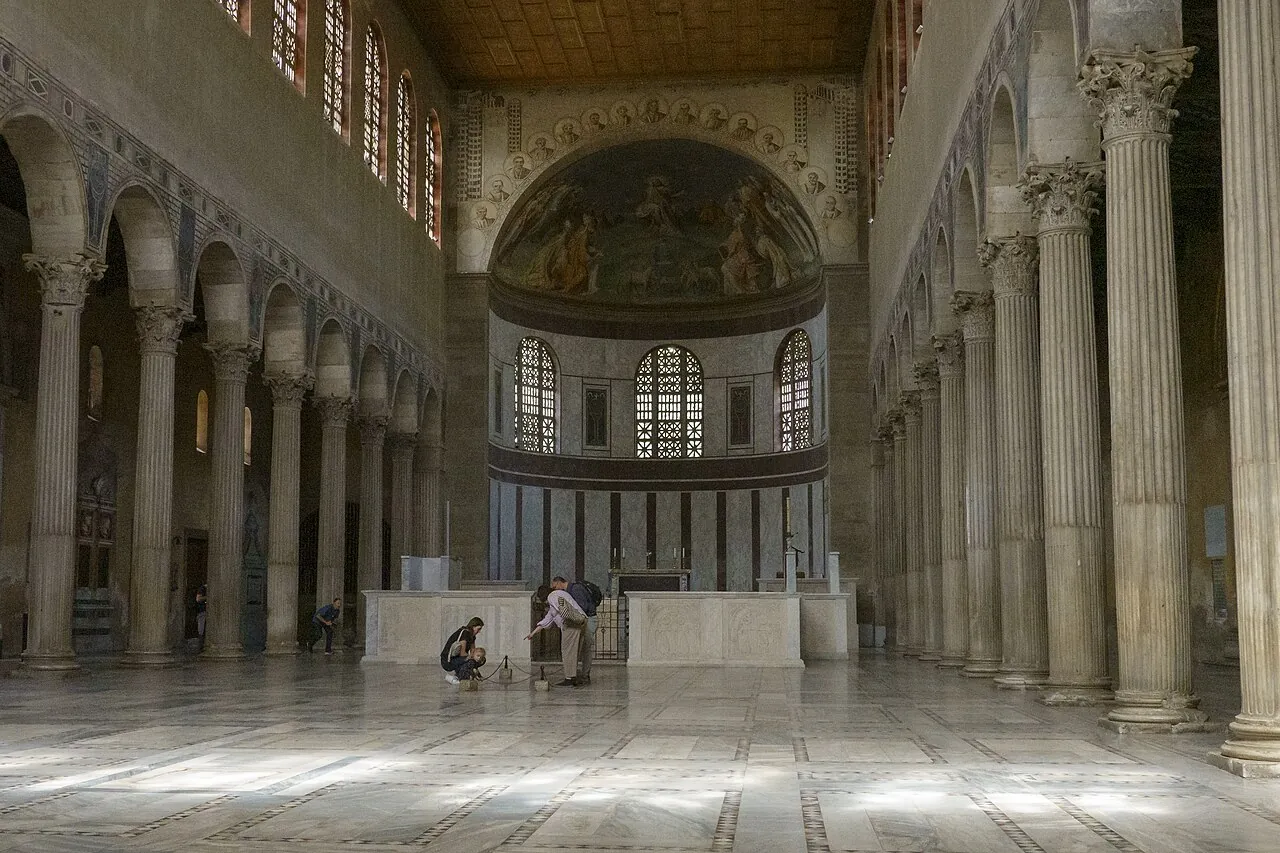
At the top, Santa Sabina is one of the oldest basilicas in the city, built in the 420s: tall columns, clear light, and a door of cypress wood carved with some of the earliest surviving images of the Crucifixion. Next door, the Orange Garden ends at a terrace with one of the best free views in Rome, straight across the Tiber to St. Peter’s.
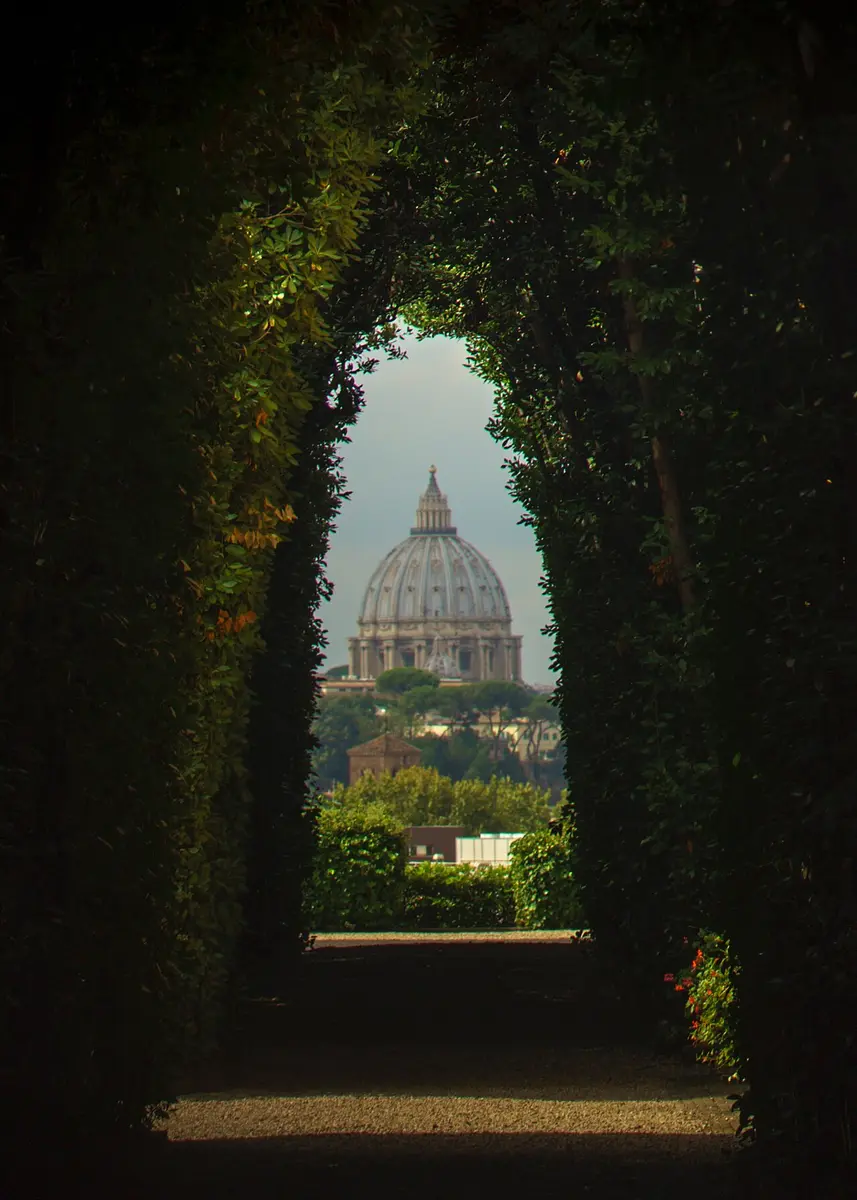
A few steps on, in Piazza dei Cavalieri di Malta, there is usually a short line at a green door. Look through its keyhole and St. Peter’s dome sits framed at the end of a garden avenue. From here the streets run downhill to Testaccio, a working neighborhood with a covered market and some of the best Roman cooking in town.
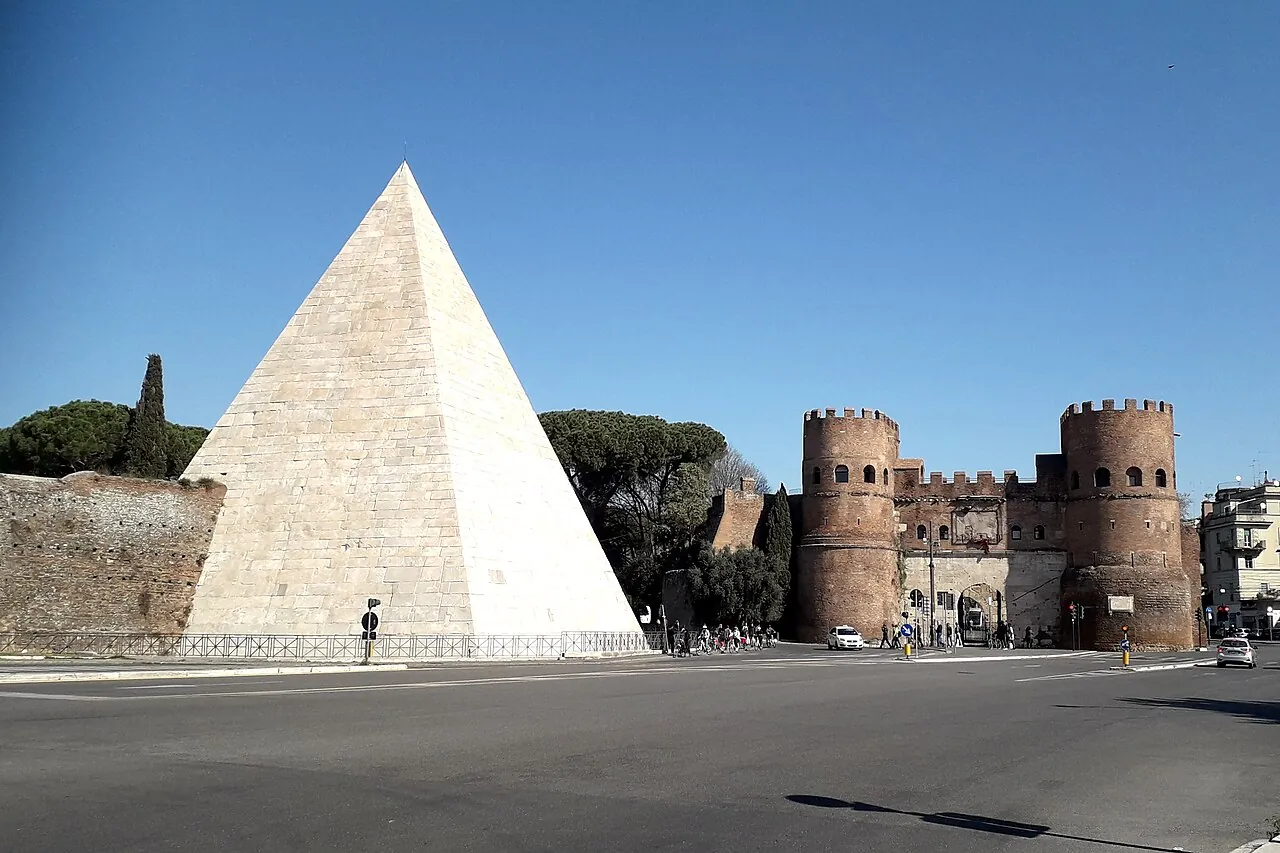
End at the Pyramid of Cestius, a Roman tomb from about 12 BC, built when everything Egyptian was in fashion. Beside it, the Non-Catholic Cemetery holds the graves of Keats and Shelley under the pines.
Where to stay
Pick the neighborhood first, then the hotel. Each link opens a map of places to stay around it.
Centro Storico
First visitBetween the Pantheon, Piazza Navona and Campo de’ Fiori. Everything is walkable and the evenings are lively; rooms cost more and the streets are busy.
See hotels in Centro StoricoMonti
Couples and friendsHilly lanes behind the Colosseum with independent shops, wine bars and good trattorias. Central, with a neighborhood feel.
See hotels in MontiTrastevere
Food and nightlifeIvy-covered lanes across the river and the city’s liveliest evenings. Full of charm, and loud late at night.
See hotels in TrasteverePrati
Families and the VaticanWide, calm streets next to the Vatican, with good shopping and reliable restaurants. Quieter at night, with the metro close by.
See hotels in PratiEsquilino and Termini
Budget and short staysAround the main station: the best value and the easiest arrival, with a more workaday feel after dark.
See hotels in Esquilino and TerminiTestaccio
Food loversA working neighborhood below the Aventine, known for its market and classic Roman cooking. Few tourists, real local life.
See hotels in TestaccioThe 10 best budget hotels
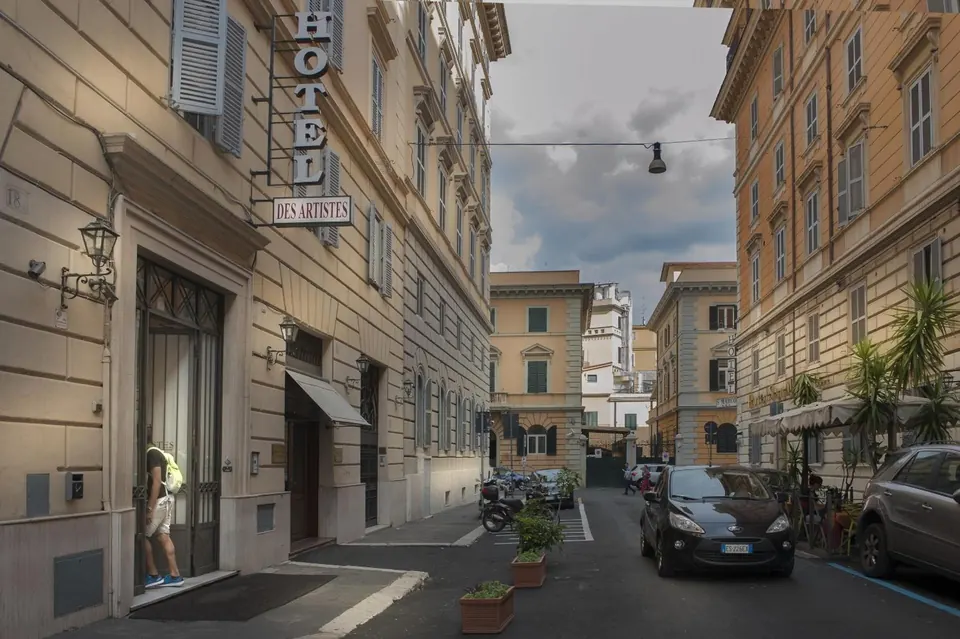
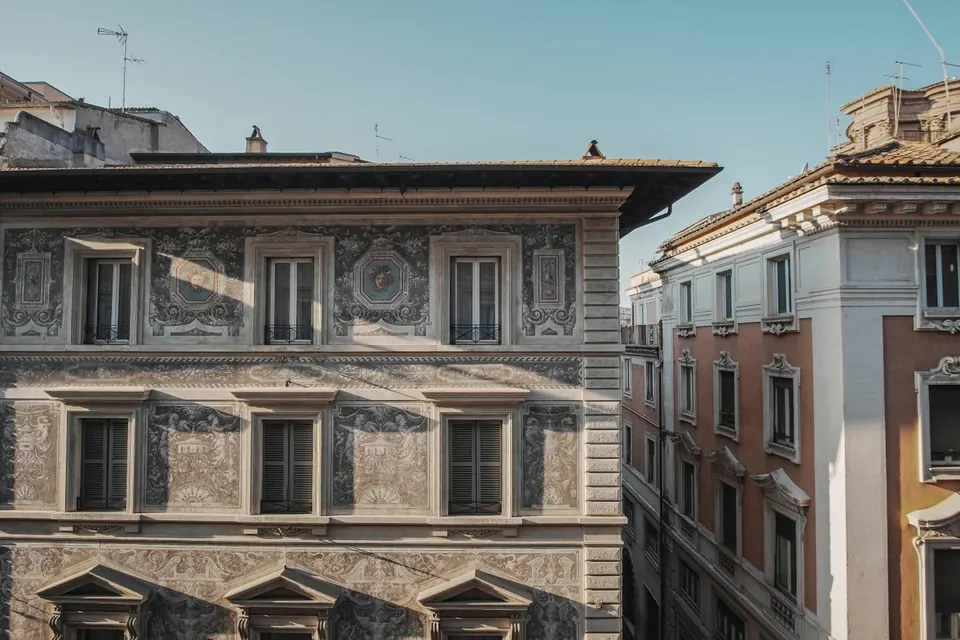
Well-reviewed hotels at the lower end of Rome’s prices, best-reviewed first. On a weeknight in October 2026 they cost about €160 to €225 for two; prices change daily, so check your own dates.
 01
 02
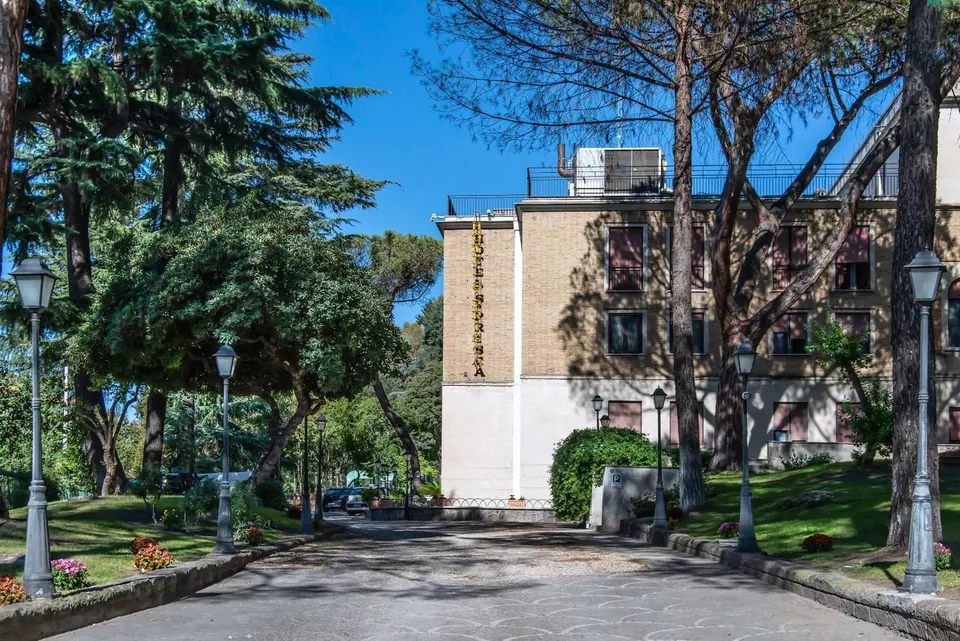 03
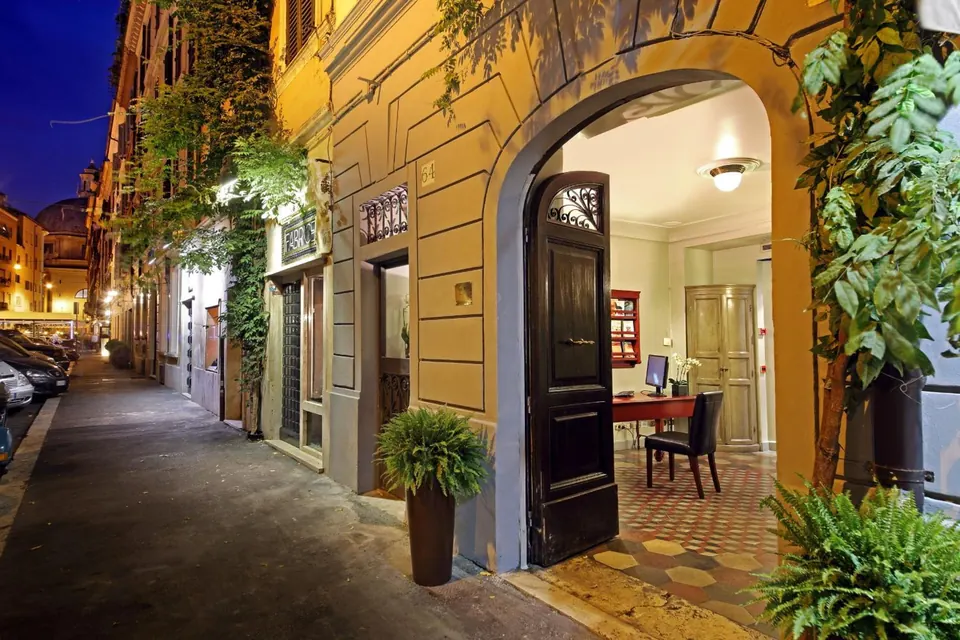 04
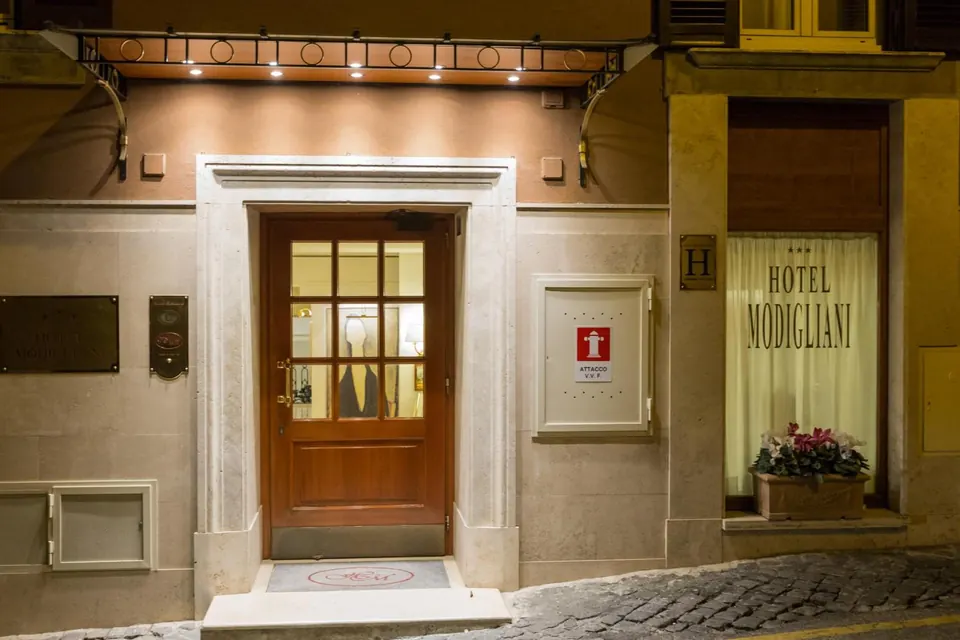 05
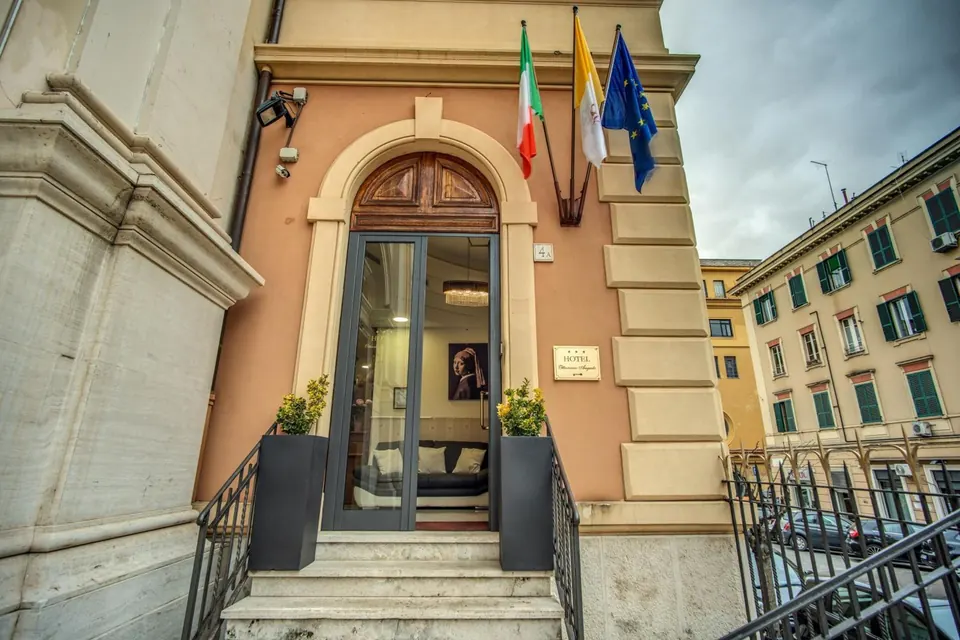 06
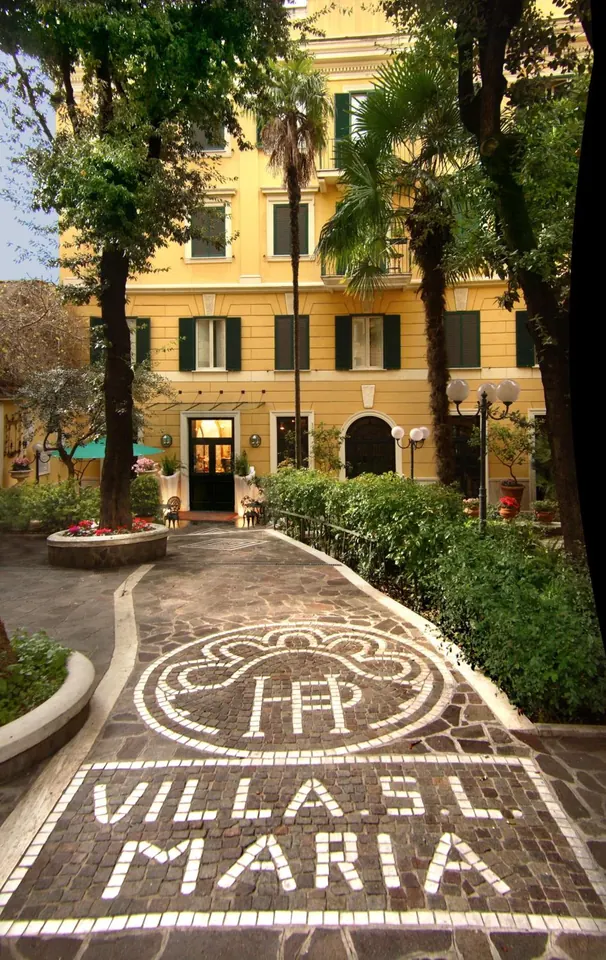 07
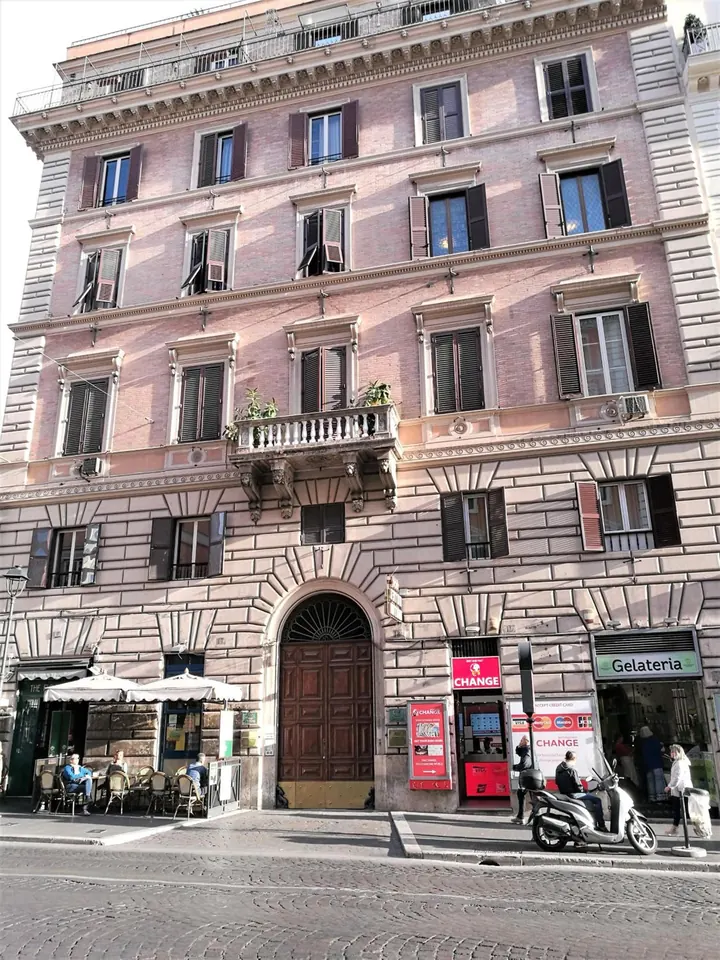 08
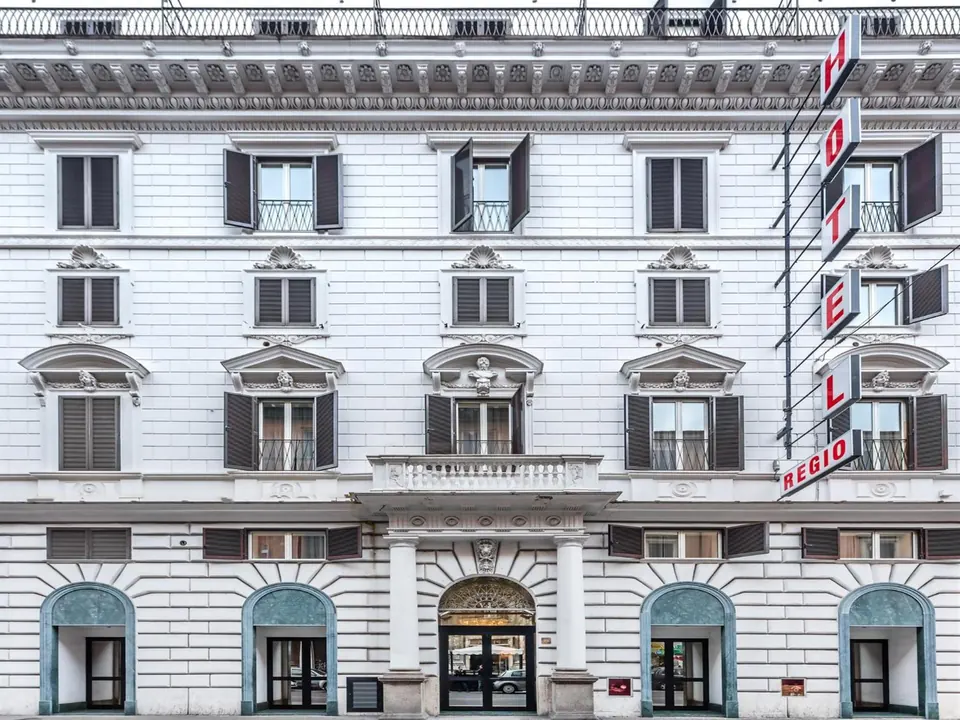 09
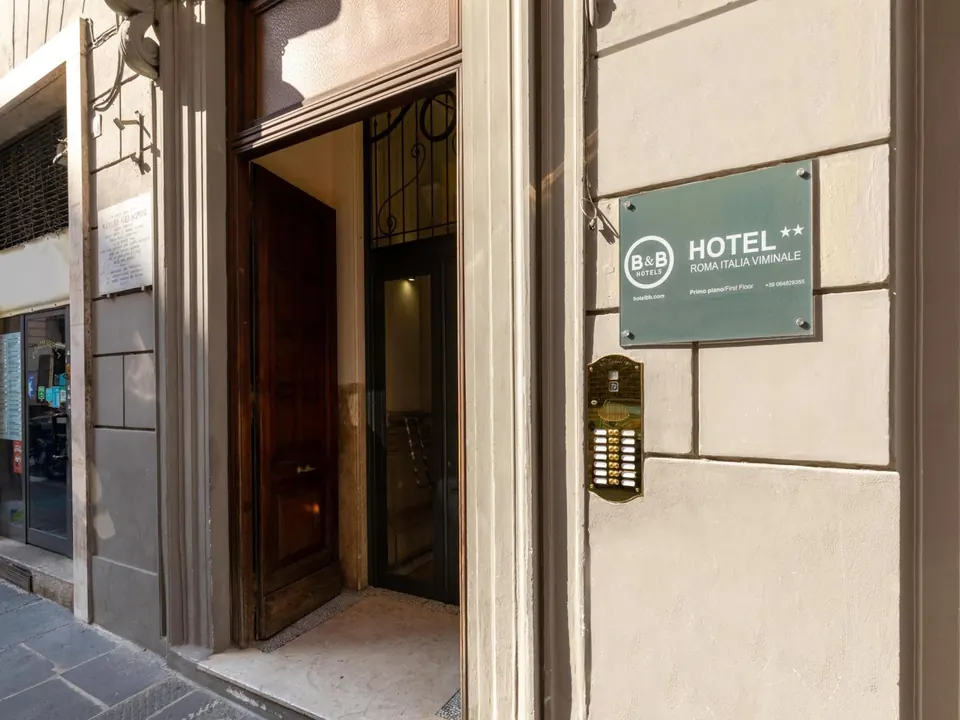 10
Hotel links go to Stay22. If you book, we may earn a commission, at no cost to you.
Food and drink
Roman cooking is simple and strict: a few ingredients, done the same way for generations. Lunch runs from about 1pm and dinner starts at 8pm or later.
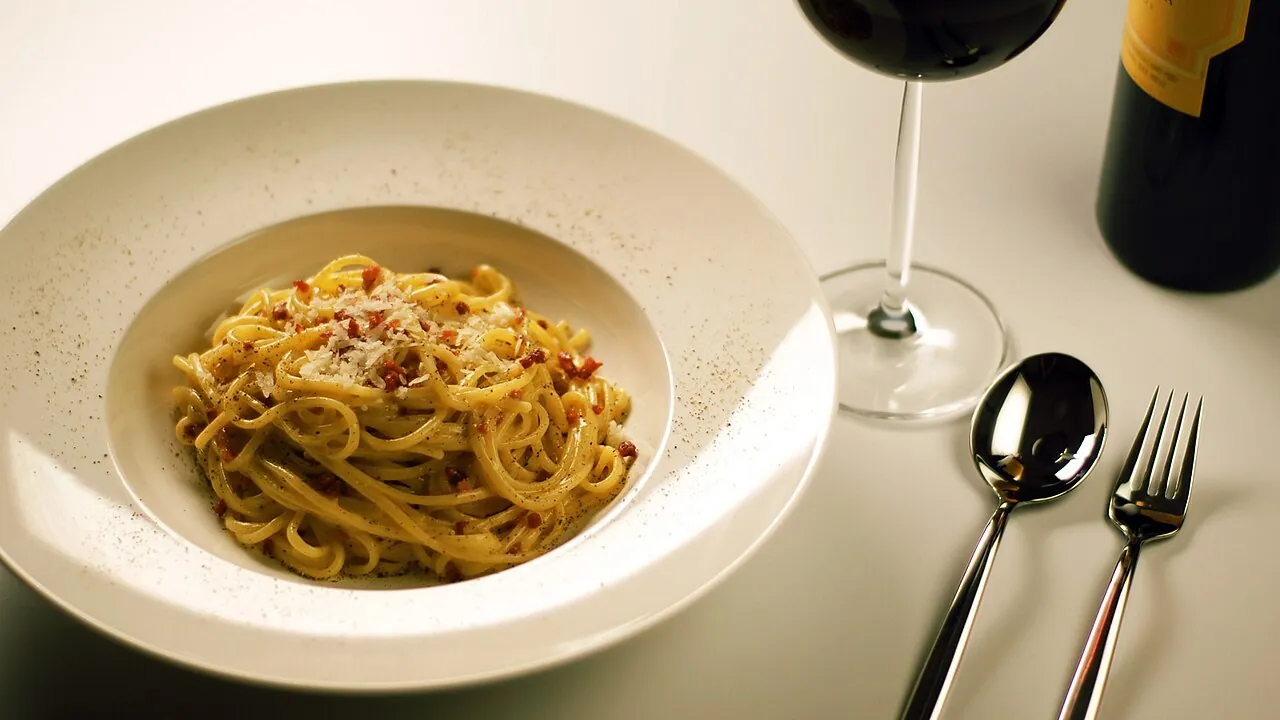
Carbonara
Guanciale, egg, pecorino and black pepper. No cream, ever.
Photo: Mattes Boch, Public domain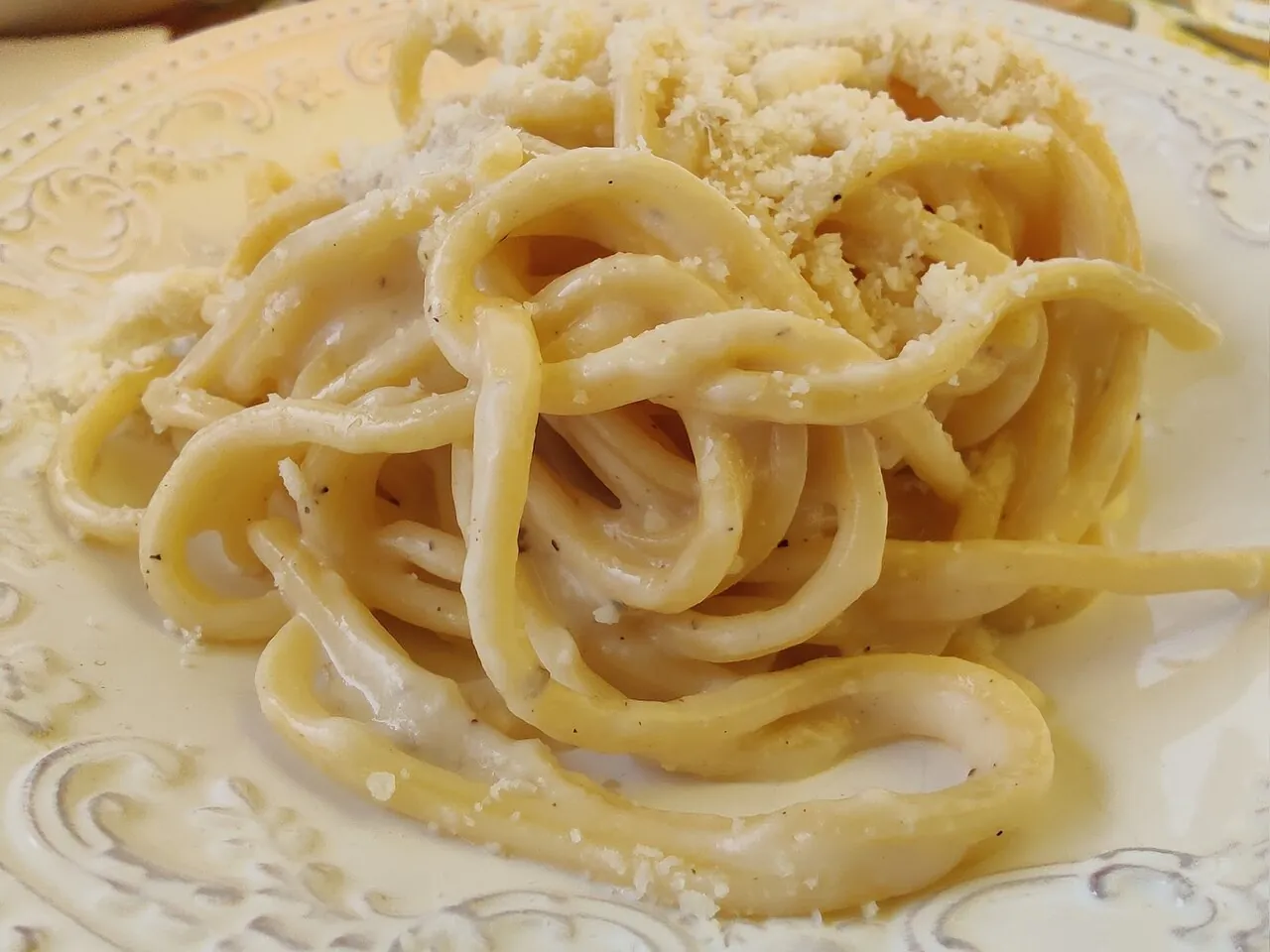
Cacio e pepe
Pecorino and pepper, emulsified into a sauce. Harder to make than it sounds.
Photo: Camelia.boban, CC BY-SA 4.0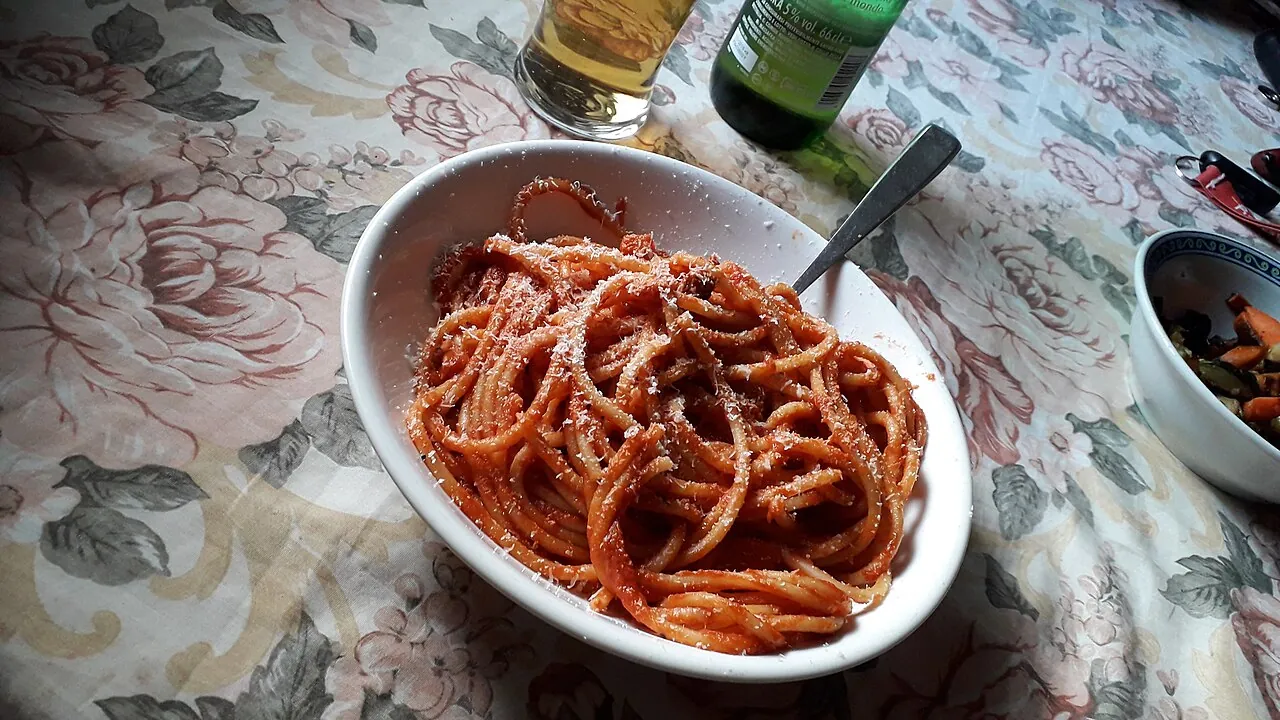
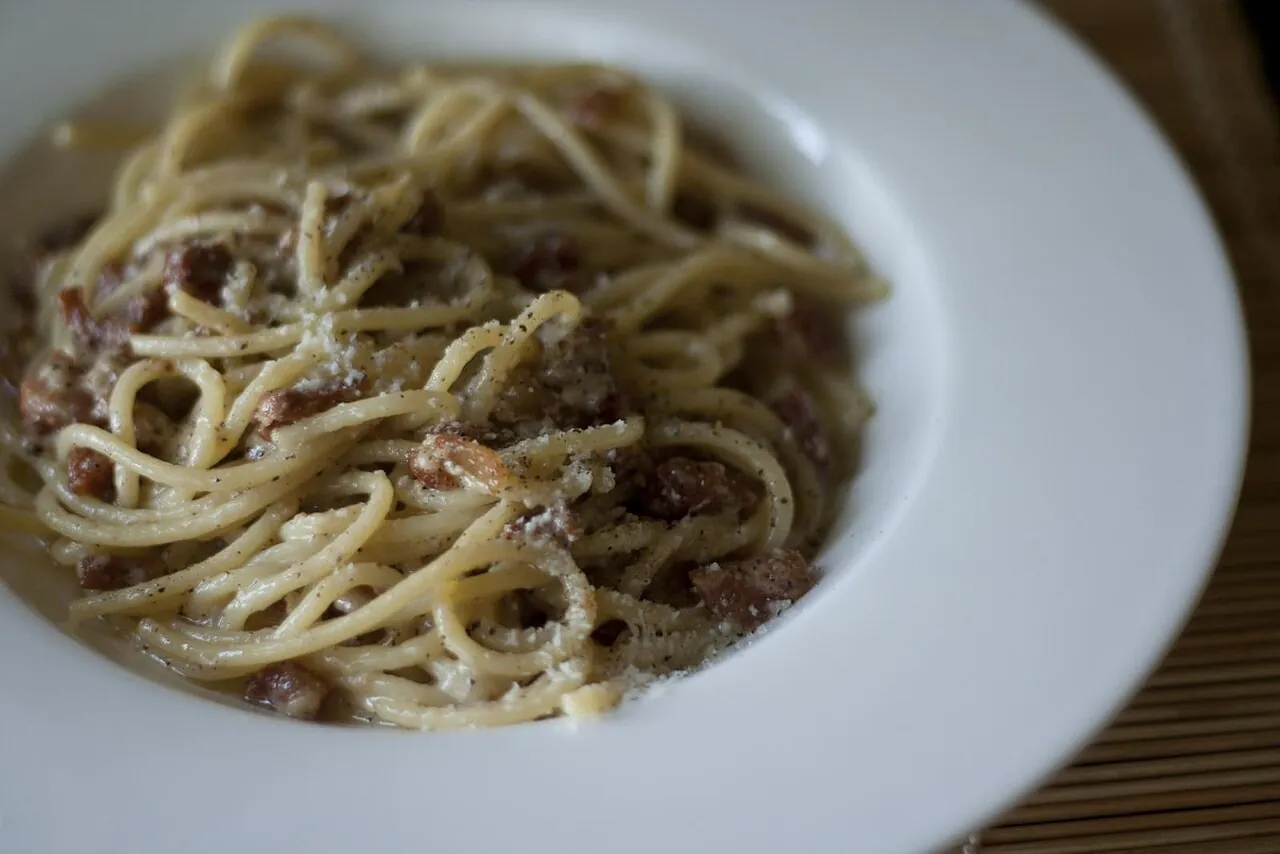
Gricia
Guanciale and pecorino: the ancestor of carbonara and amatriciana.
Photo: Luca Nebuloni, CC BY 2.0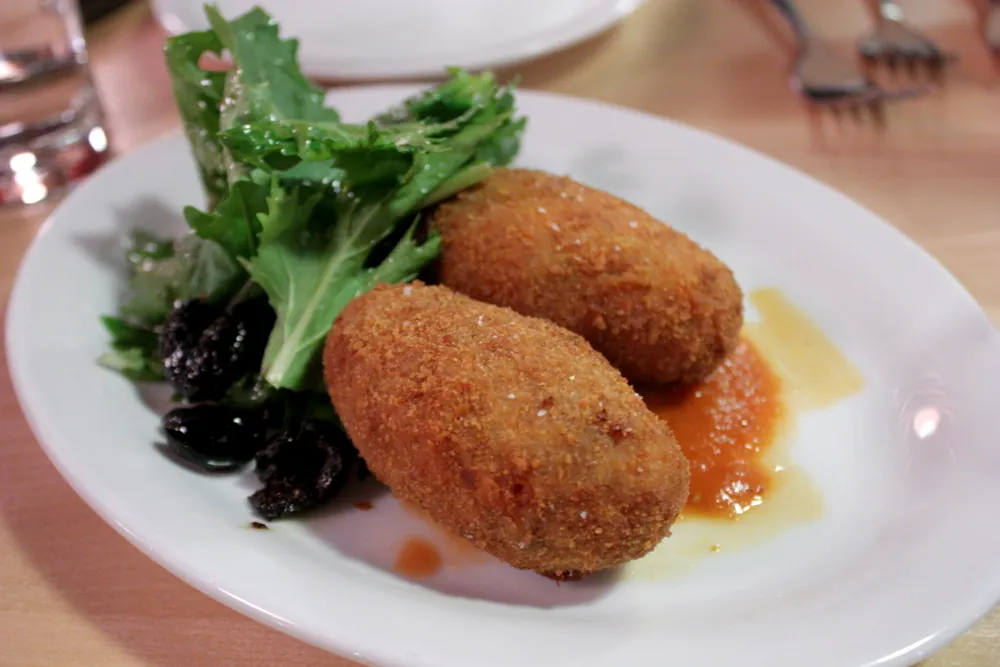
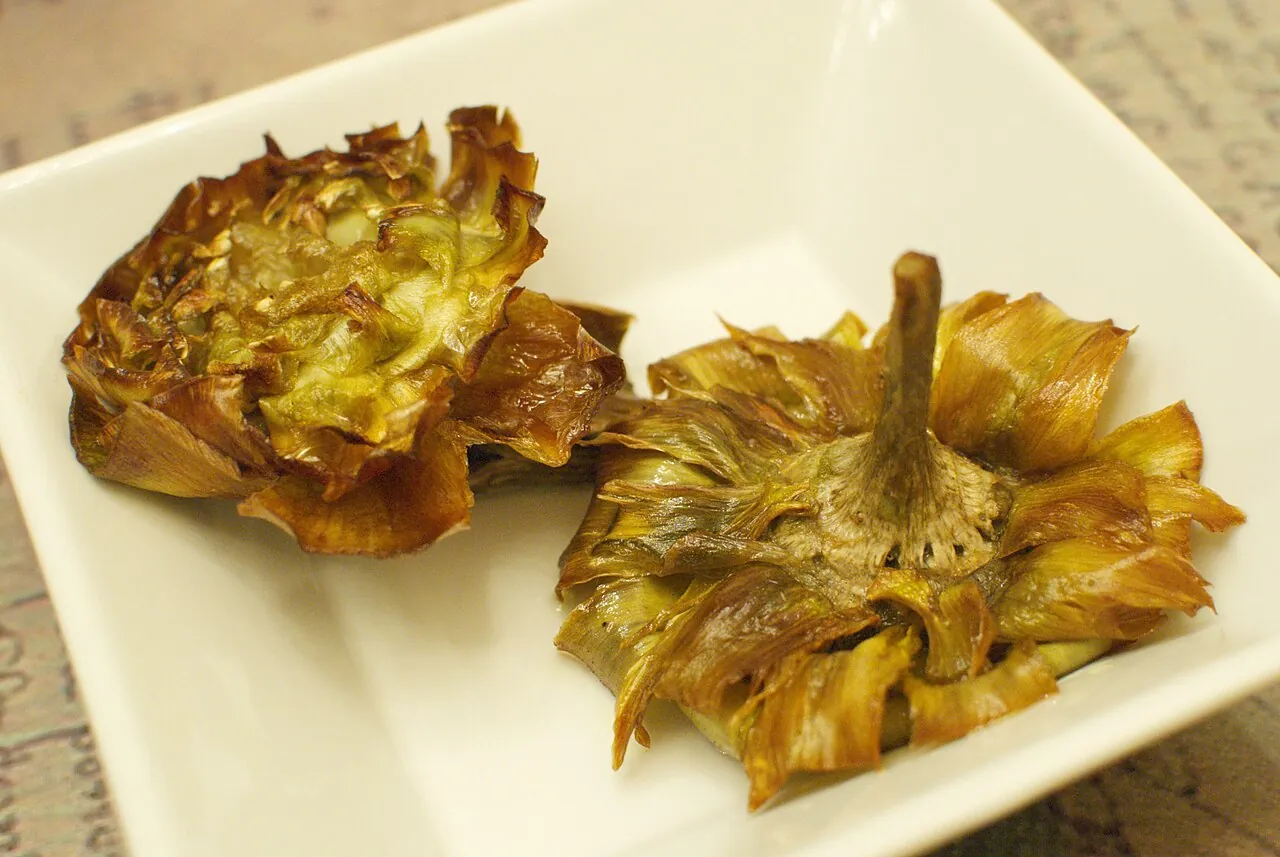
Carciofi alla giudia
Whole artichokes fried until they open like flowers, a dish of the Jewish Ghetto.
Photo: Marco Iannantuoni, CC BY-SA 3.0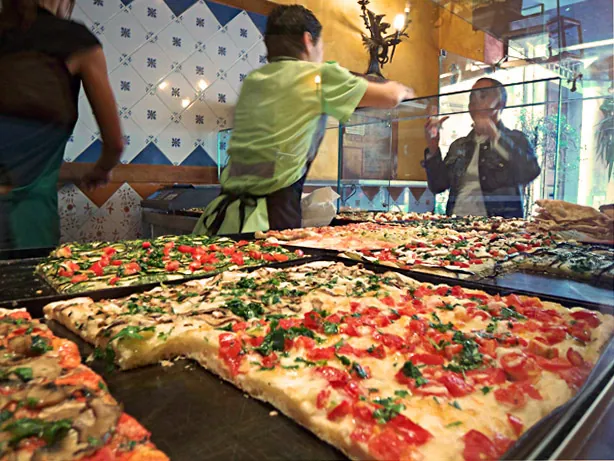
Pizza al taglio
Pizza by the slice, sold by weight and cut with scissors.
Photo: Shoebill2, Public domain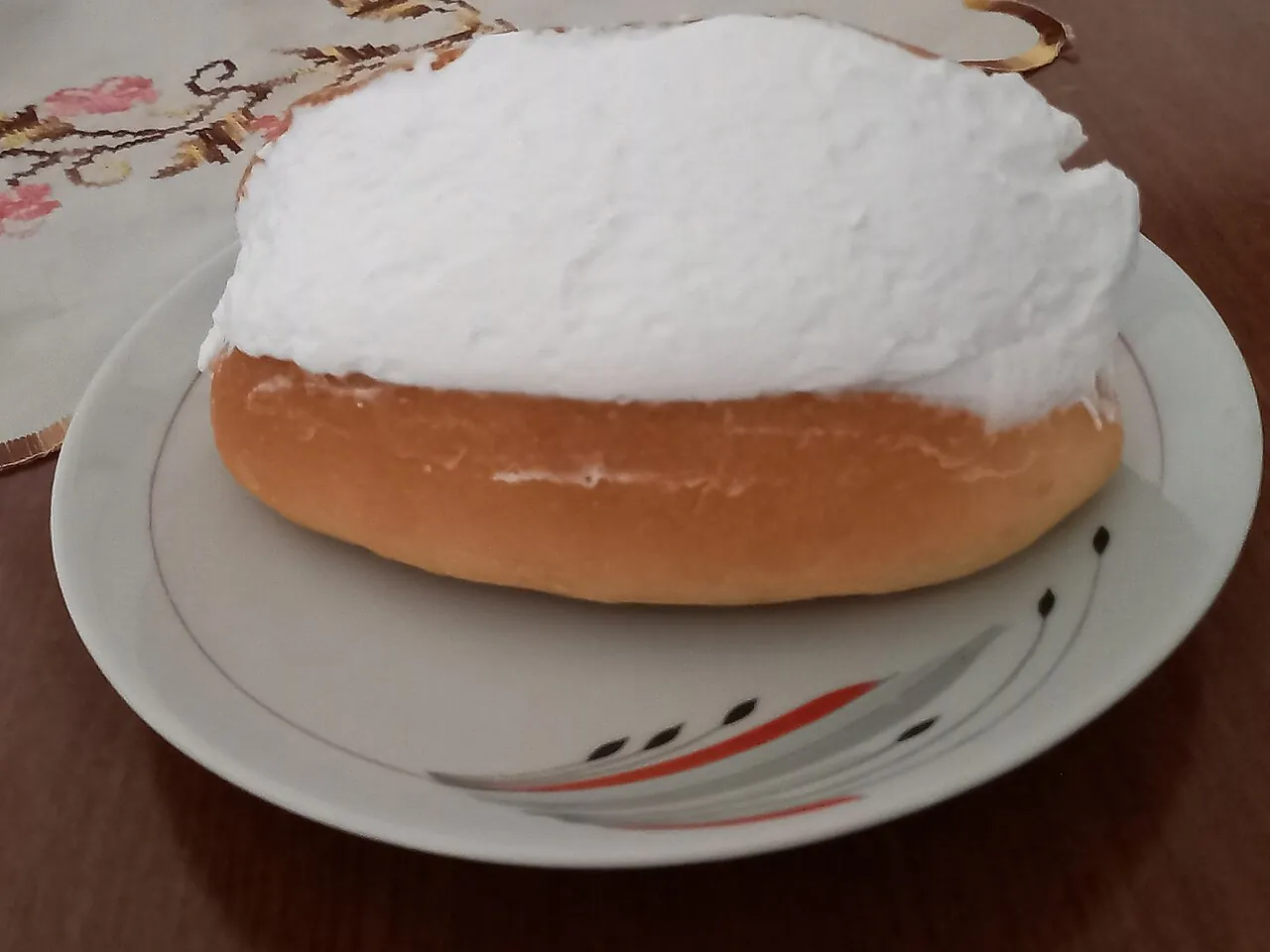
Maritozzo
A soft sweet bun split and filled with whipped cream, for breakfast.
Photo: Serenapaliria, CC BY-SA 4.0Eat at the Testaccio market for lunch, in the Jewish Ghetto for artichokes, and in Trastevere or Monti for dinner. Aperitivo starts around 6pm, and a restaurant that is full at 6pm is full of tourists.
The city that began with a quarrel
Two brothers, a she-wolf and a hill above the Tiber: how Rome tells its own beginning, and what the ground underneath it says.
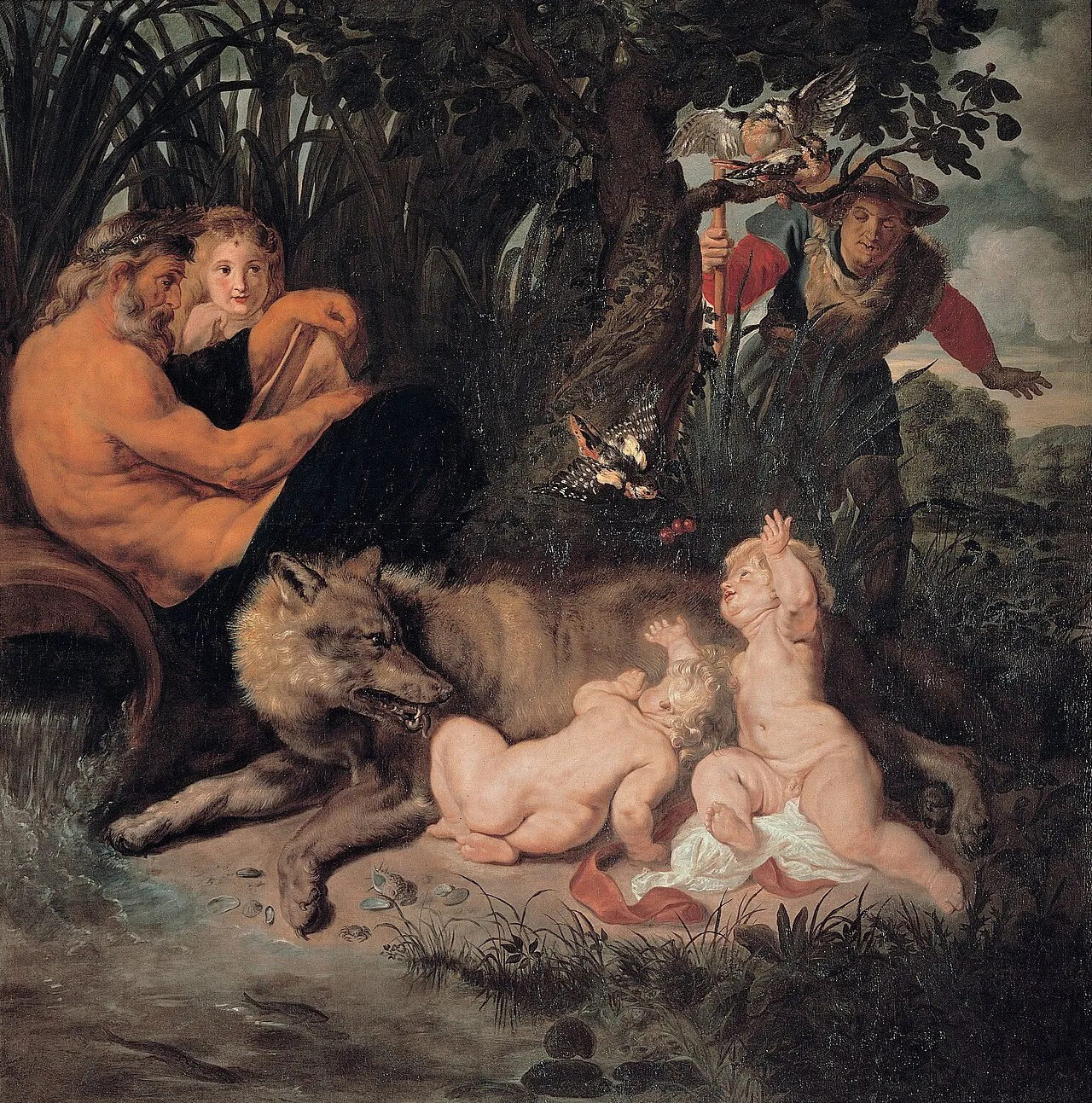
Every Roman schoolchild knows the story. Twin boys, Romulus and Remus, are set adrift on the Tiber by a king who fears them. Their basket snags below the Palatine Hill, where a she-wolf finds them and nurses them in a cave, and a shepherd takes them in and raises them. Grown, they decide to found a city where they were saved, and argue over exactly where it should stand.
Romulus wanted the Palatine; Remus wanted the Aventine across the valley. They agreed to let the gods decide by the flight of birds. Remus saw six vultures first, Romulus saw twelve, and each claimed the omen. When Remus mocked his brother’s new wall by jumping over it, Romulus killed him. The traditional date is 21 April 753 BC, and the city still celebrates its birthday on that day.
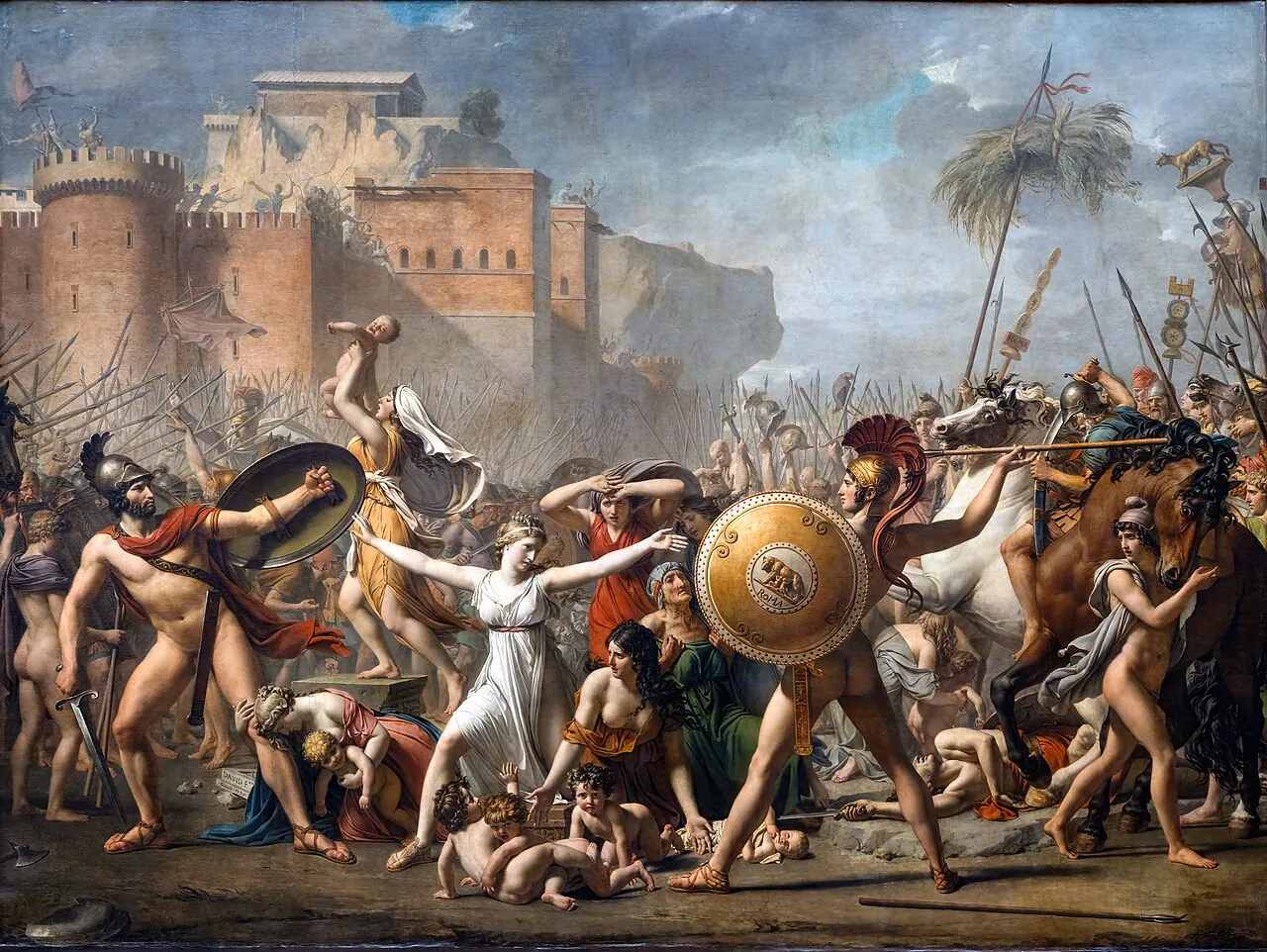
A town of one man needed people. Romulus opened a refuge on the Capitoline to anyone who came, and when his new Romans found no wives, they invited the neighboring Sabines to a festival and carried off their daughters. Years later, as the Sabine army marched on Rome, the women ran between their fathers and their husbands and stopped the battle. Jacques-Louis David painted that moment in 1799, as France came out of its own years of bloodshed.
The ground tells a quieter version. On the Palatine, archaeologists have found the post holes of Iron Age huts from around the 8th century BC, the same period the legend names. The valley below, later the Forum, was marshland that the early Romans drained.
Legend and dig agree on the essentials: a few villages on hills above a river crossing, joined into a town.
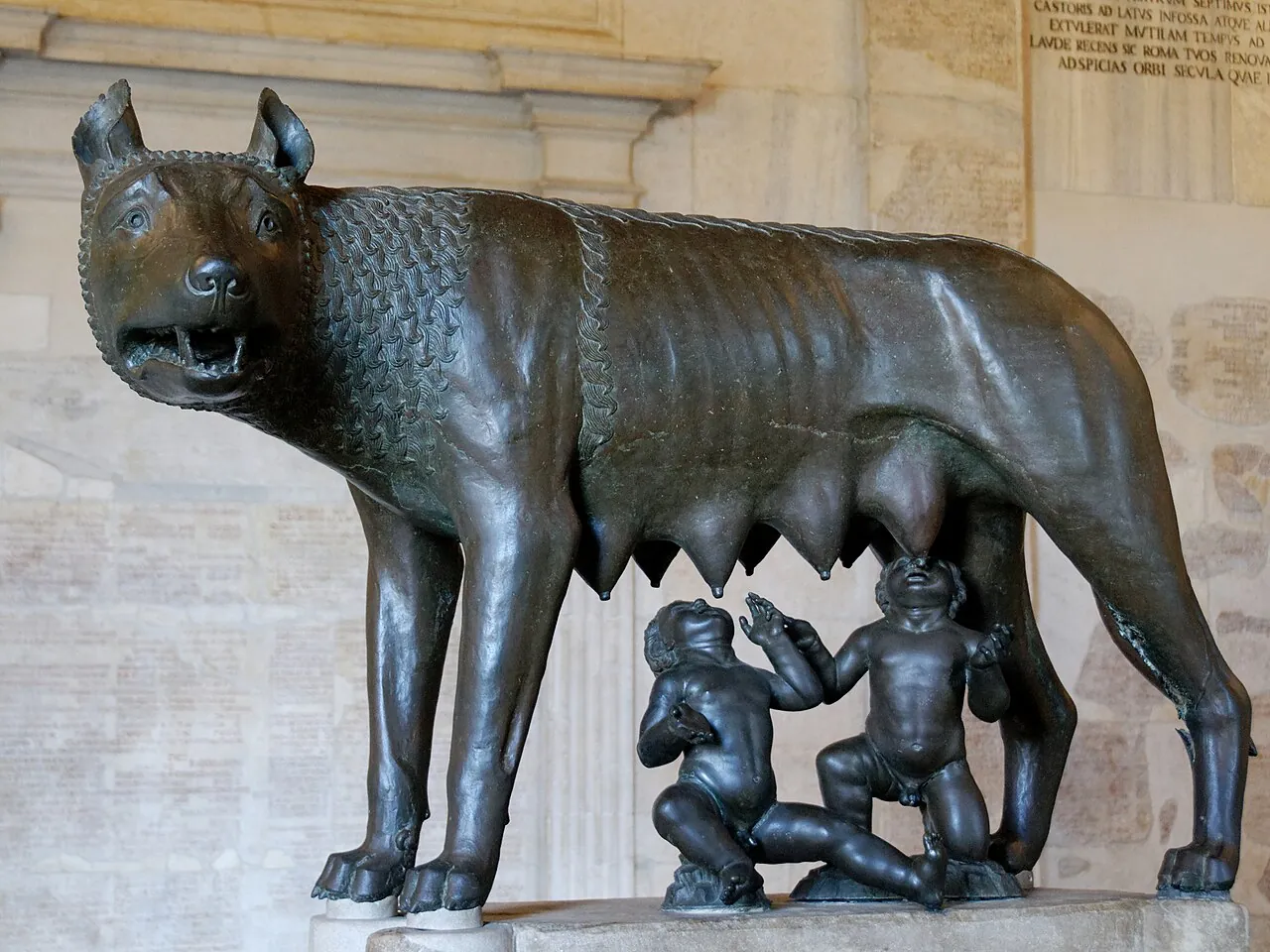
The she-wolf became the city’s emblem. The bronze in the Capitoline Museums was long thought to be Etruscan, from the 5th century BC; recent tests suggest it was cast in the Middle Ages, and the twins beneath her were only added in the 15th century. Either way, she has stood on the Capitoline for more than five hundred years, and her copies stand in cities across the world.
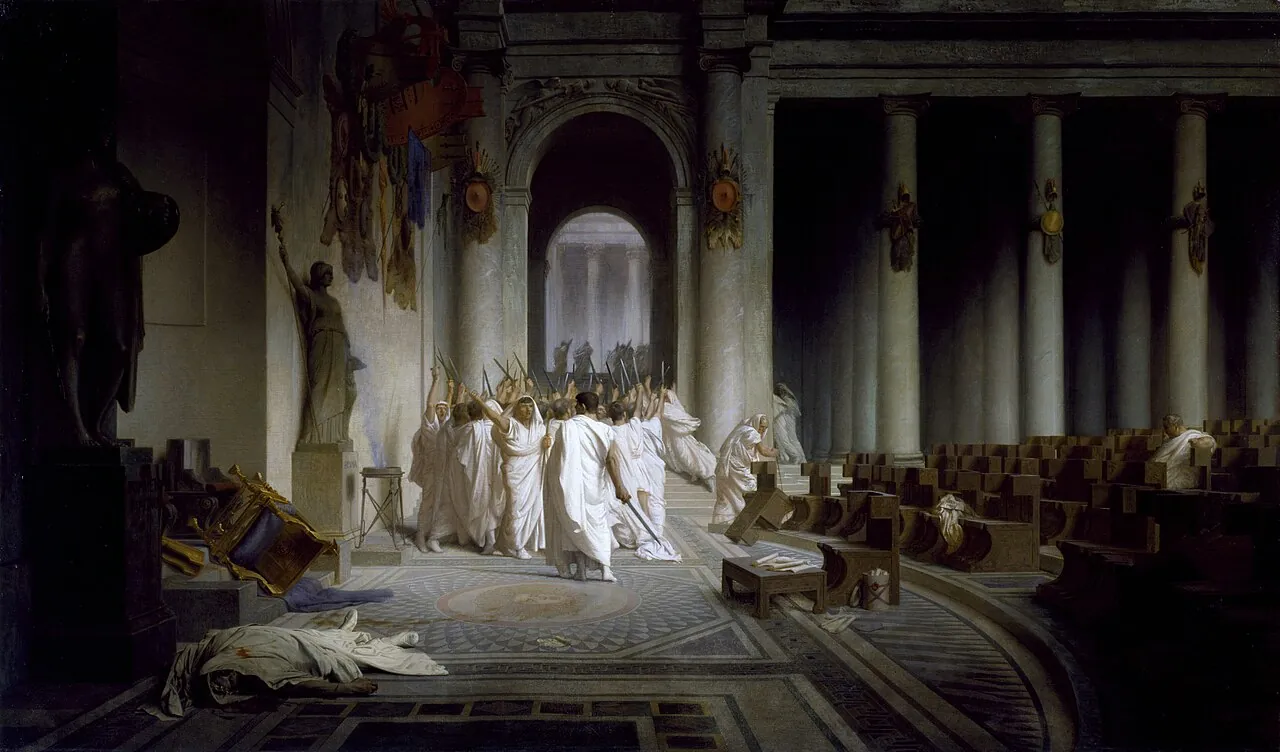
Kings gave way to the Republic, and the Republic to emperors. Julius Caesar, dictator for life, was stabbed by senators on the Ides of March, 44 BC, in the hall where the Senate met that day, the Curia of Pompey, whose ruins lie in today’s Largo di Torre Argentina. Jean-Léon Gérôme painted the aftermath: the body left on the floor, the senators already walking away.
Art
Michelangelo
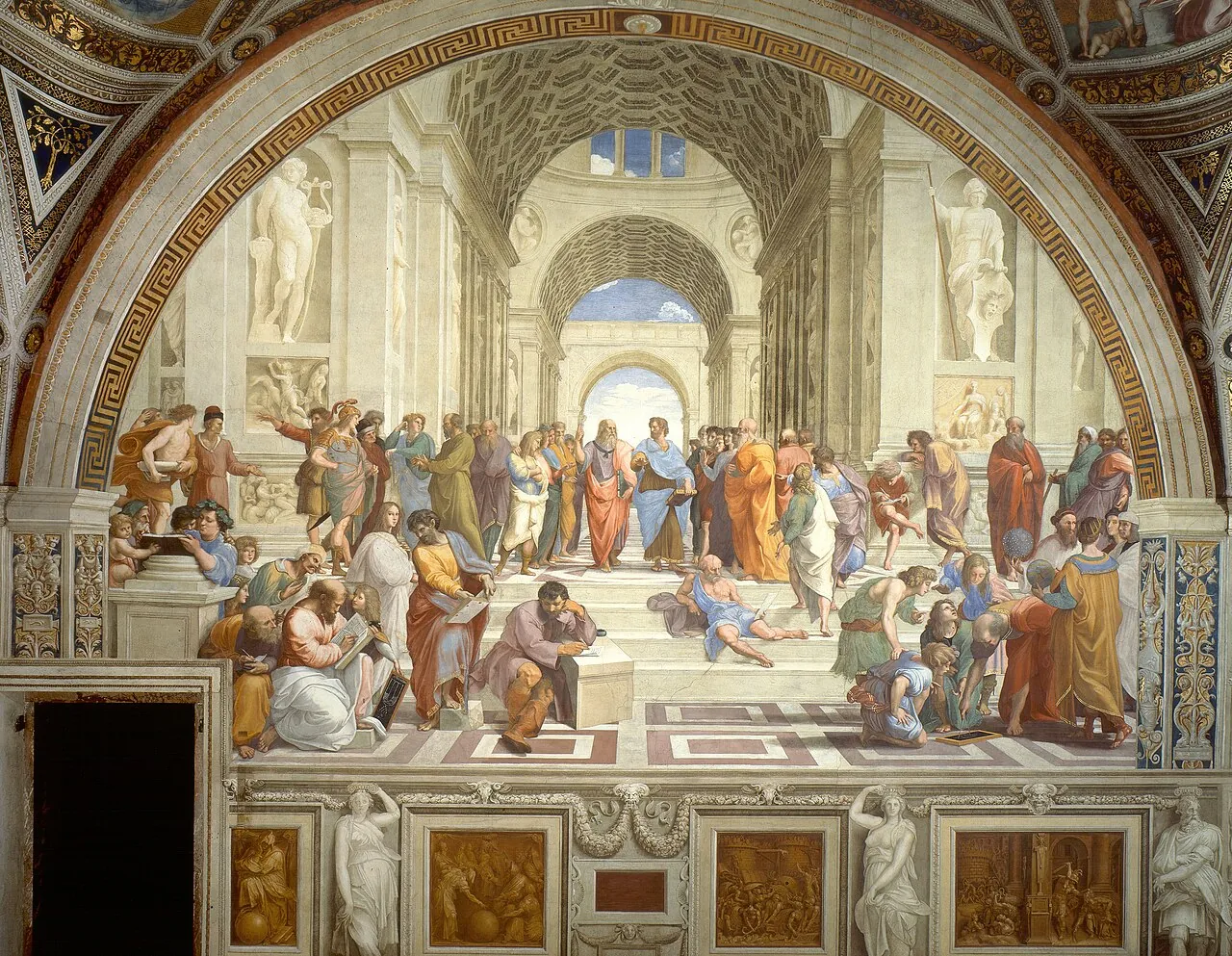
The Sistine ceiling and the Last Judgment, the Pietà inside St. Peter’s, and his Moses in San Pietro in Vincoli, a short walk from Monti.
Caravaggio for free
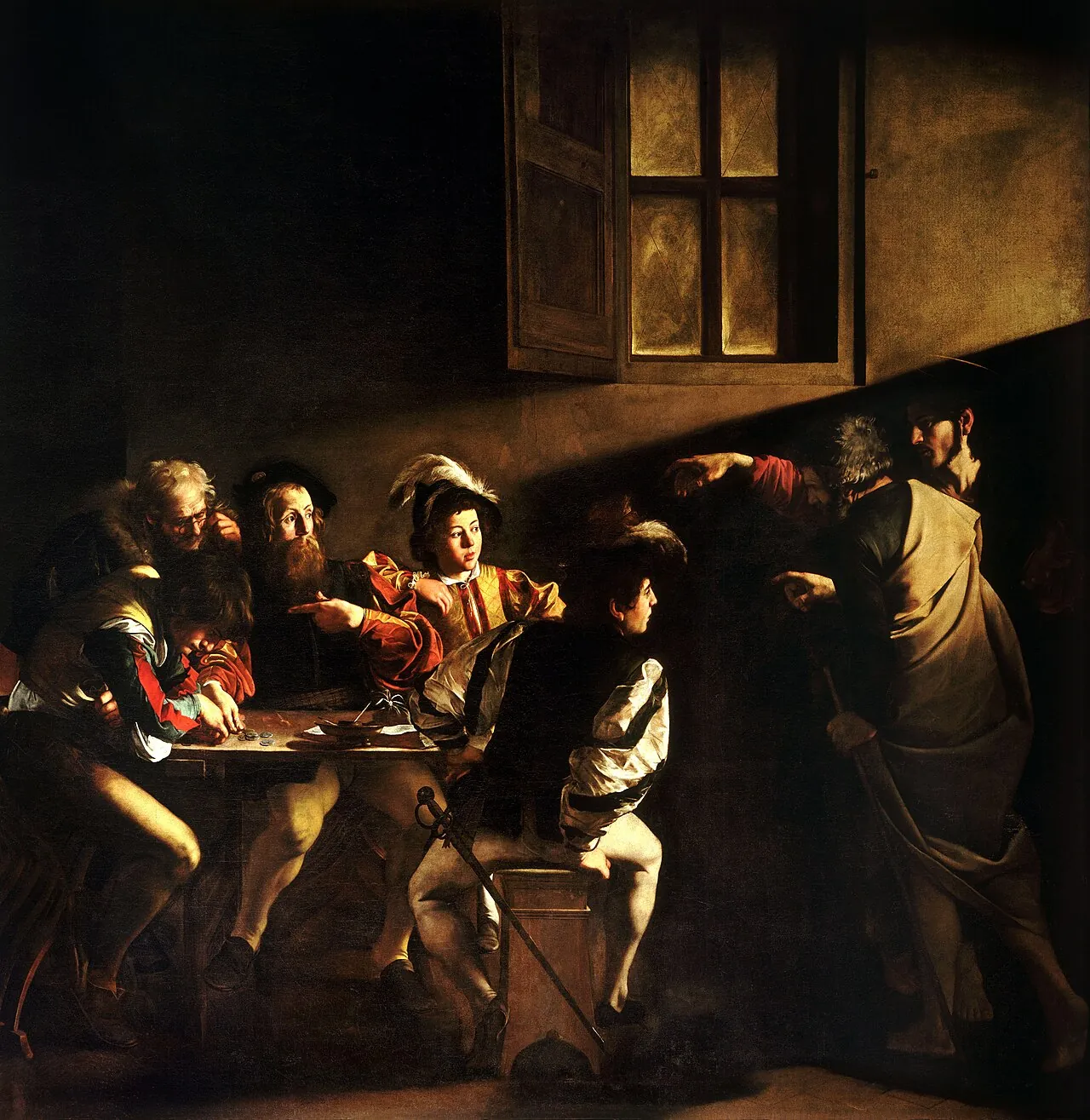
Three of his paintings hang in San Luigi dei Francesi, a few steps from the Pantheon, and two more in Santa Maria del Popolo. Both churches are free to enter.
Bernini everywhere
The Four Rivers fountain in Piazza Navona, the angels on Ponte Sant’Angelo and the colonnade that wraps St. Peter’s Square.
The Borghese Gallery
A villa built to show off a cardinal’s collection: Bernini’s marble at its most alive, Caravaggio, Raphael and Titian, seen in small timed groups.
Modern Rome
MAXXI, the national museum of 21st-century art, fills a building by Zaha Hadid in the Flaminio district.
Rome, written
For two centuries, writers came to Rome to finish their education. Some never left.
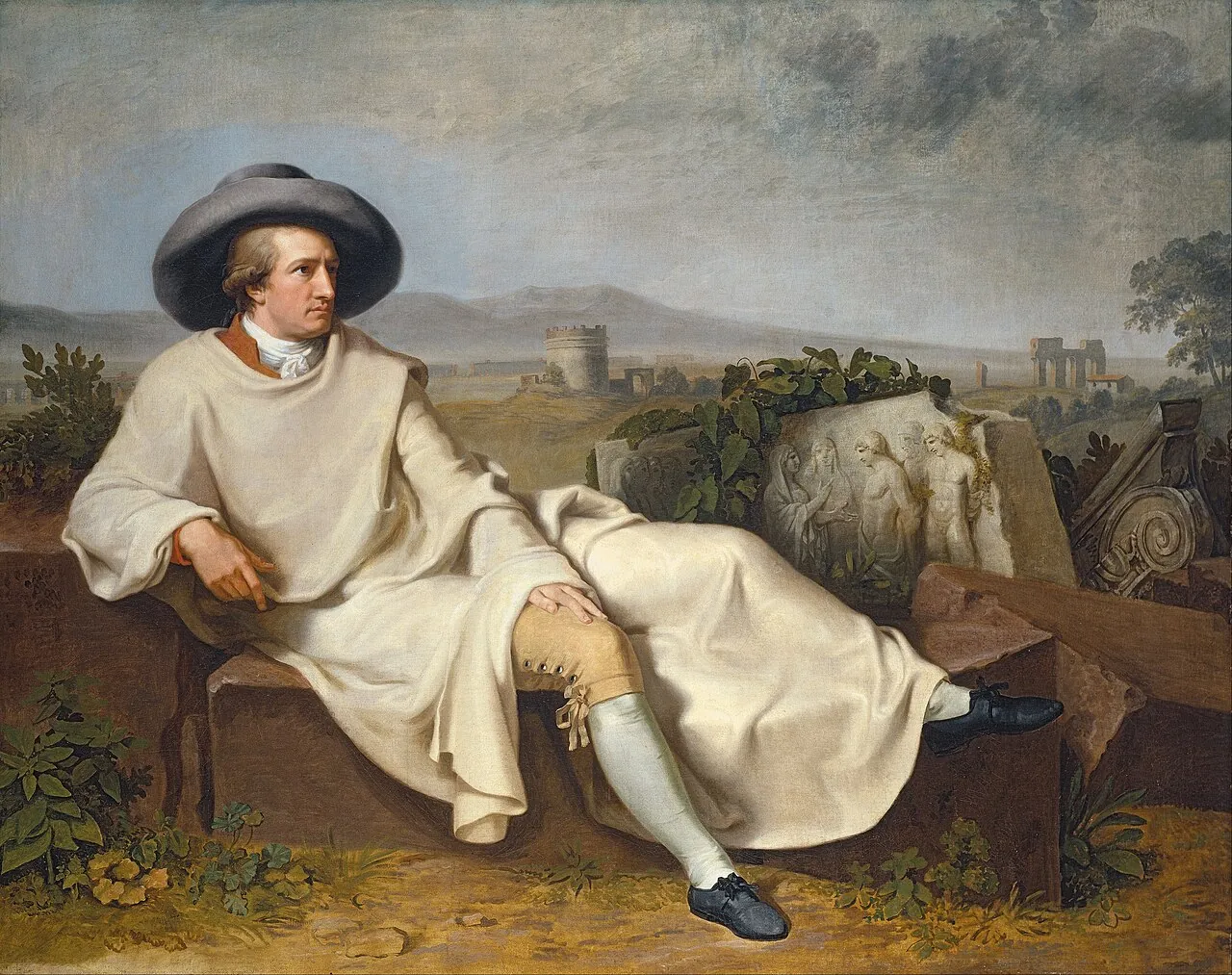
Johann Wolfgang von Goethe
1749 to 1832
Goethe arrived in 1786, traveling under a false name to escape his fame at home, and stayed, on and off, until 1788. His Italian Journey, drawn from the letters and diaries of those years, made the trip a rite of passage for a generation. His friend Tischbein painted him resting among the ruins of the Campagna.
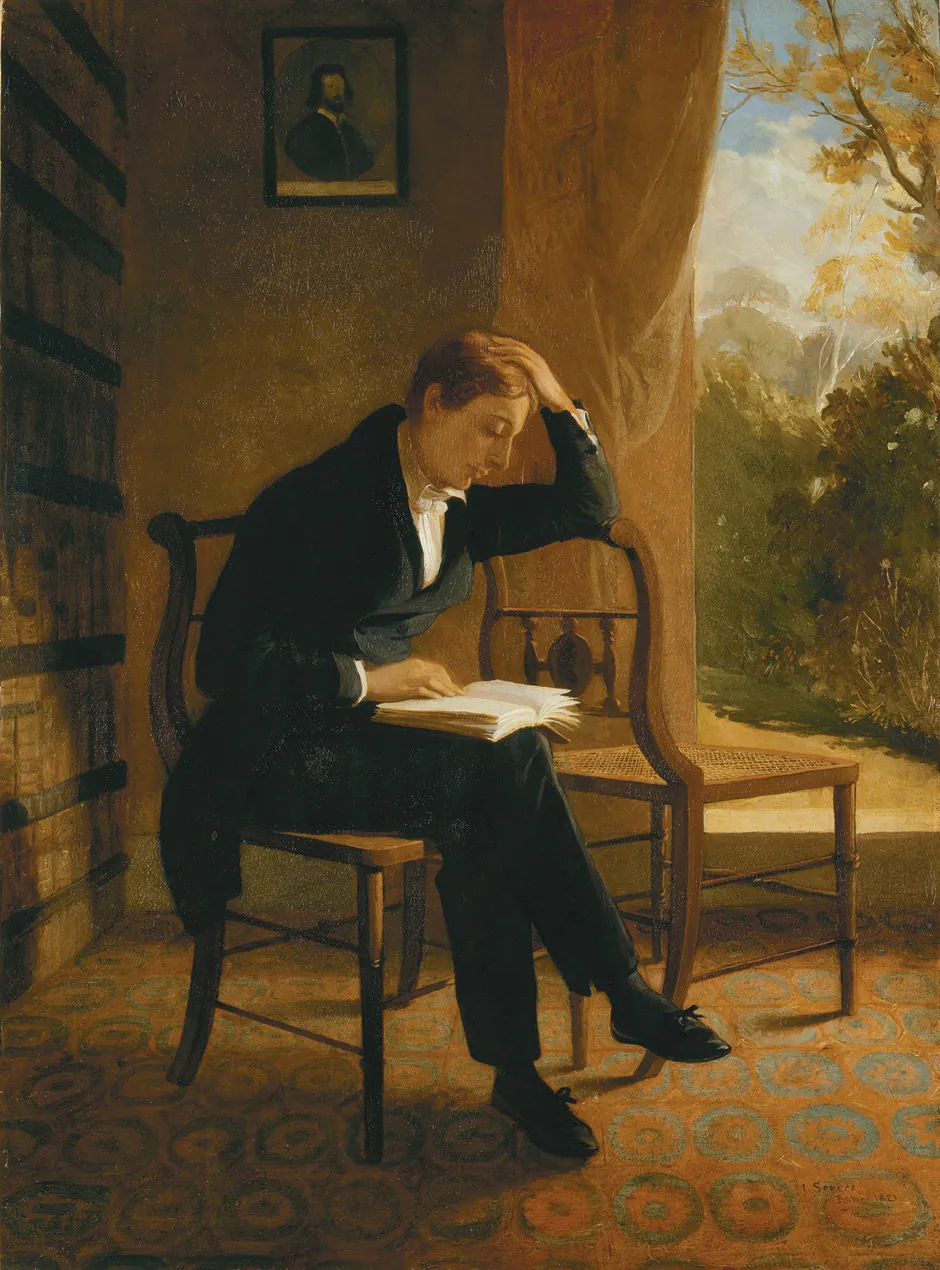
John Keats
1795 to 1821
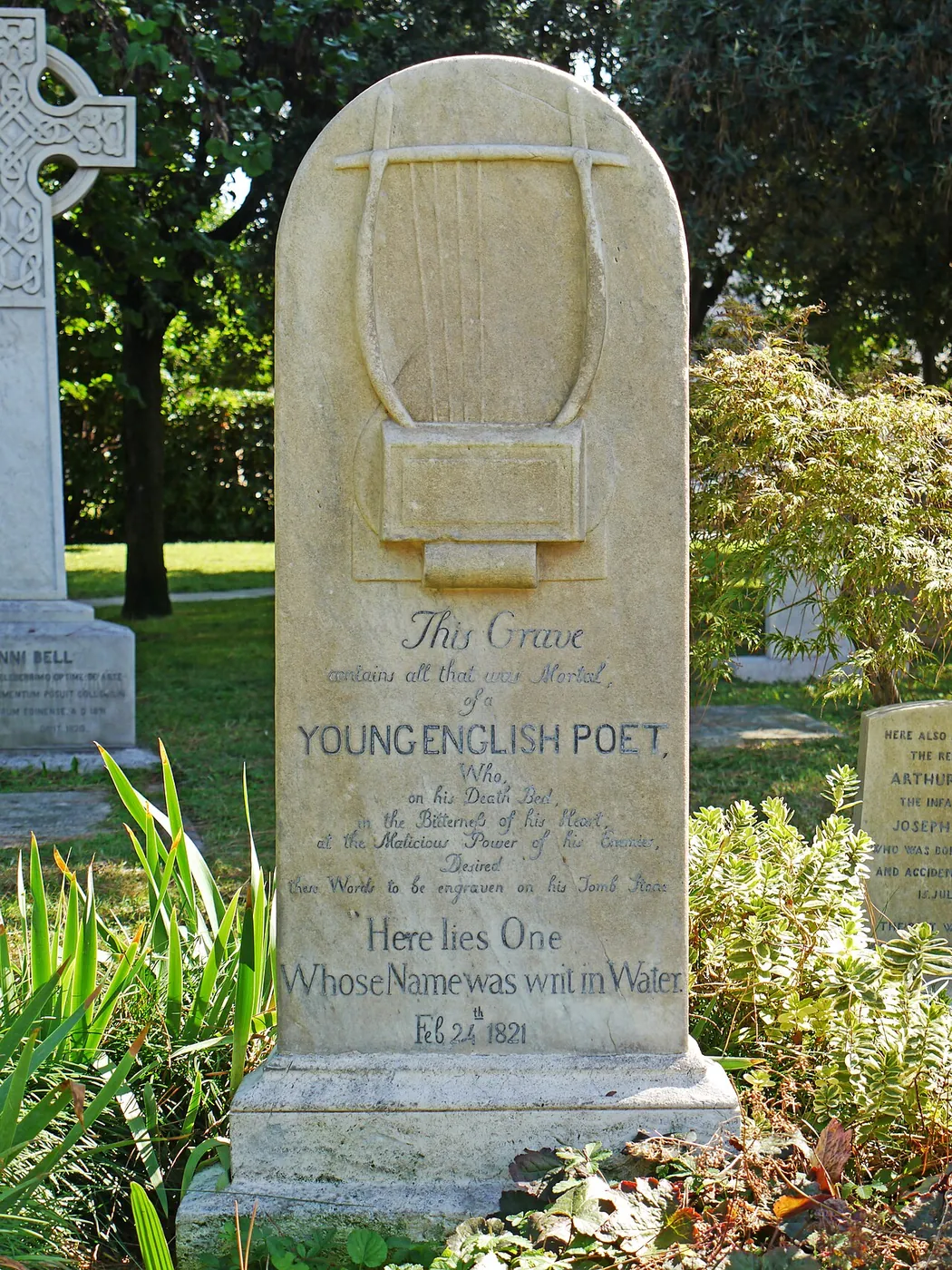
Keats came to Rome in November 1820, gravely ill, and took rooms above the Spanish Steps with his friend the painter Joseph Severn. He died there that February, at 25. The rooms are now the Keats-Shelley House, a small museum, and his grave carries no name, only the line he asked for: “Here lies One Whose Name was writ in Water.”
Percy Bysshe Shelley
1792 to 1822
Shelley wrote much of Prometheus Unbound in the spring of 1819 among the overgrown ruins of the Baths of Caracalla. He drowned off the coast near La Spezia three years later, and his ashes were buried in the same cemetery as Keats.
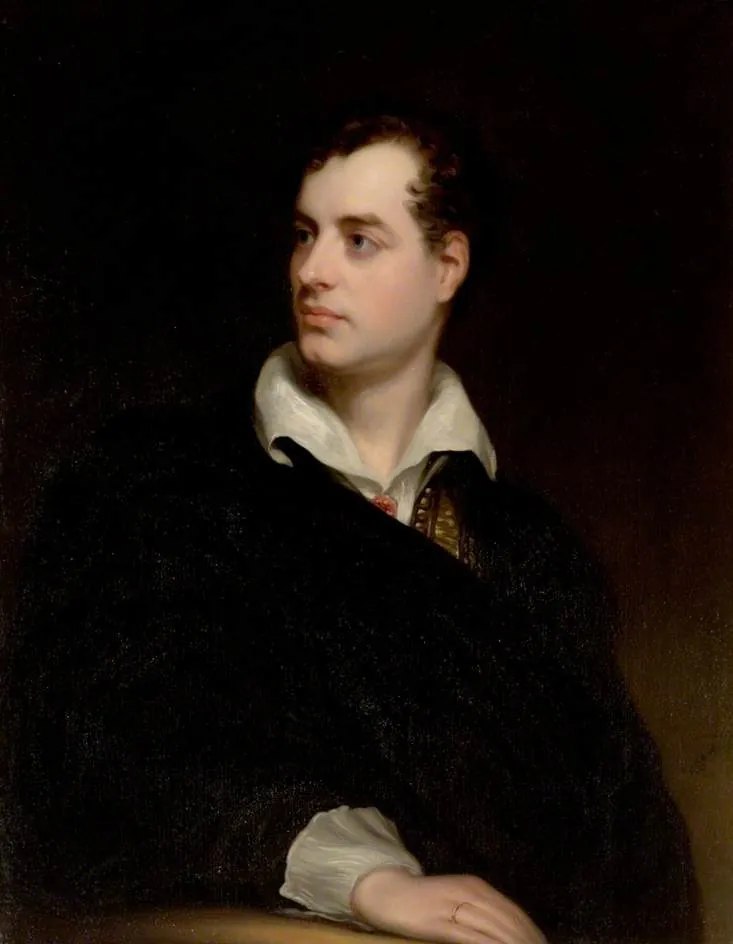
Lord Byron
1788 to 1824
Byron spent only a few weeks in Rome, in 1817, but the fourth canto of Childe Harold’s Pilgrimage, published the next year, gave the city some of its most quoted lines, among them the prophecy that while the Colosseum stands, Rome shall stand.
Oh Rome! my country! city of the soul!
The orphans of the heart must turn to thee,
Lone mother of dead empires! and control
In their shut breasts their petty misery.
Lord Byron, Childe Harold’s Pilgrimage, Canto IV (1818)
Culture
Rome on film
Cinecittà, the studios where Fellini made his films, runs tours, and La Dolce Vita’s night in the Trevi Fountain made it famous around the world.
The city’s birthday
Every 21 April, the Natale di Roma marks the founding with parades in Roman costume around the Circus Maximus.
Trastevere’s festival
In July, the Festa de’ Noantri fills Trastevere with processions, music and street food.
Christmas
Nativity scenes in churches across the city, and a Christmas fair in Piazza Navona that runs until Epiphany.
Sunday noon
When the pope is in Rome, he prays the Angelus from a window above St. Peter’s Square at noon on Sundays.
Music and nights out
Opera in the ruins
Every summer the Rome Opera stages performances in the Baths of Caracalla, under the open sky.
Concerts
The Auditorium Parco della Musica, Renzo Piano’s concert halls, hosts classical, jazz and pop all year.
Jazz
Alexanderplatz in Prati has been one of Italy’s best-known jazz clubs since the 1980s.
Nights out
Start with aperitivo, then Trastevere, Monti and Campo de’ Fiori for bars; Pigneto and Testaccio for later nights and live music.
Nature and day trips
Villa Borghese
The central park: a rowing lake, shaded avenues, the Bioparco zoo and the Pincio terrace above Piazza del Popolo.
Villa Doria Pamphilj
The largest landscaped park in the city, beyond the Janiculum: umbrella pines, fountains and long running paths.
The Appian Way
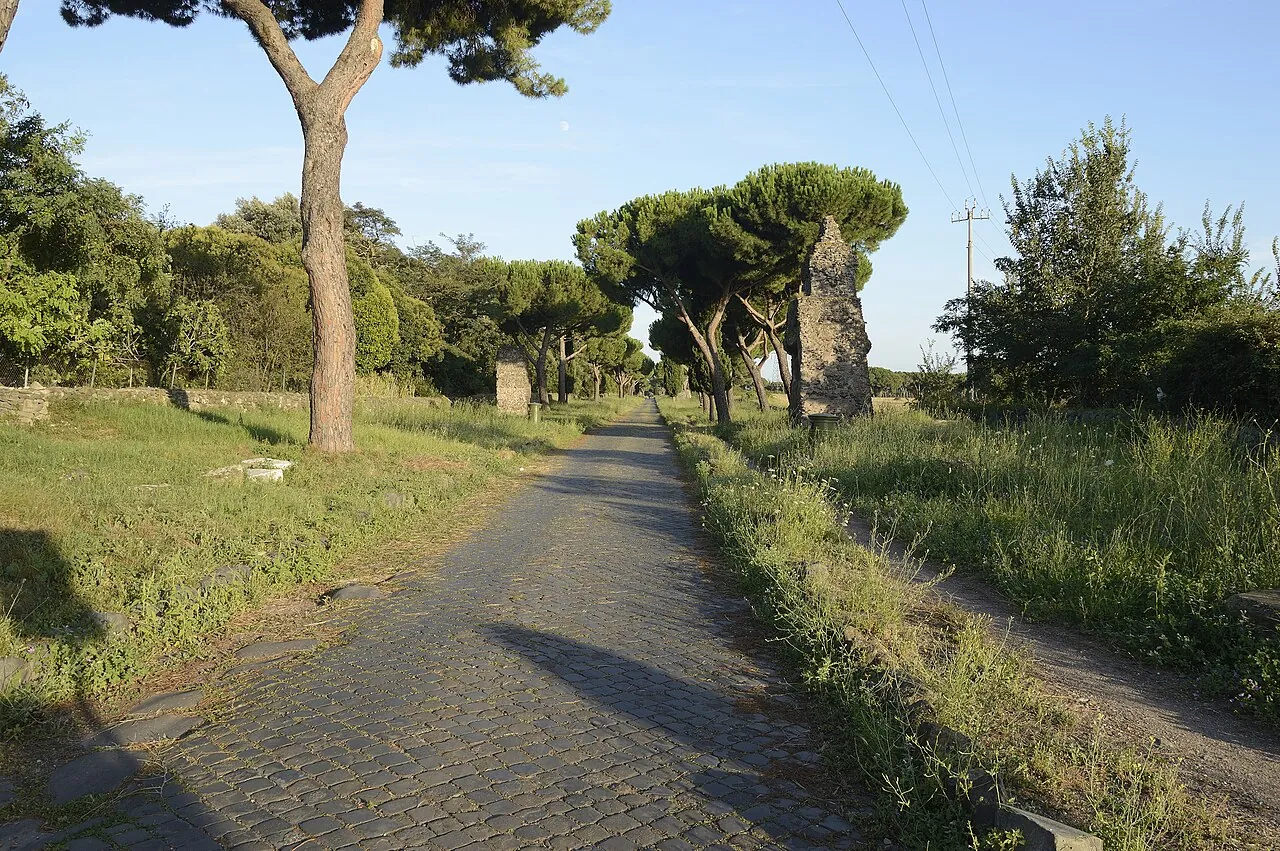
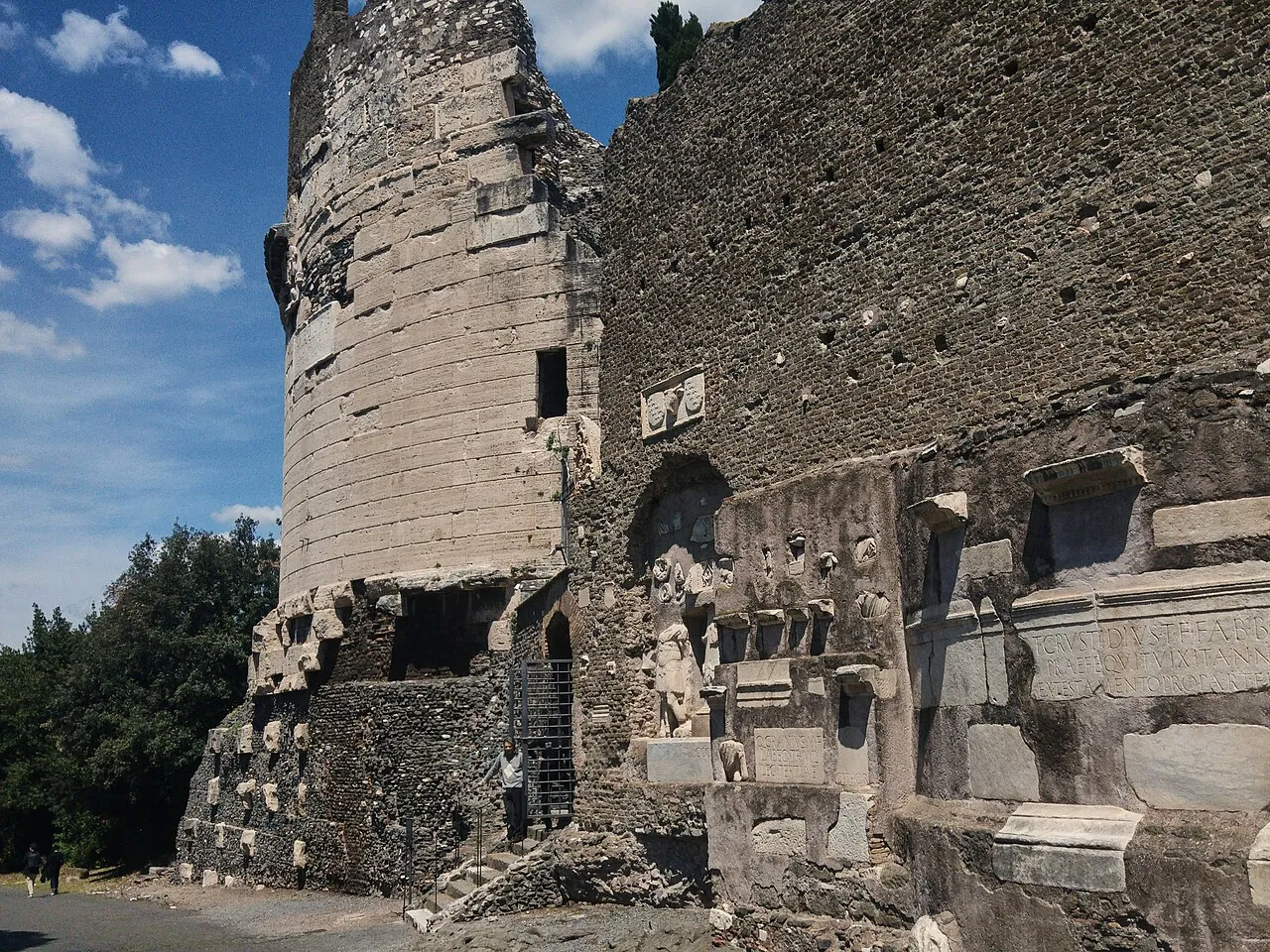
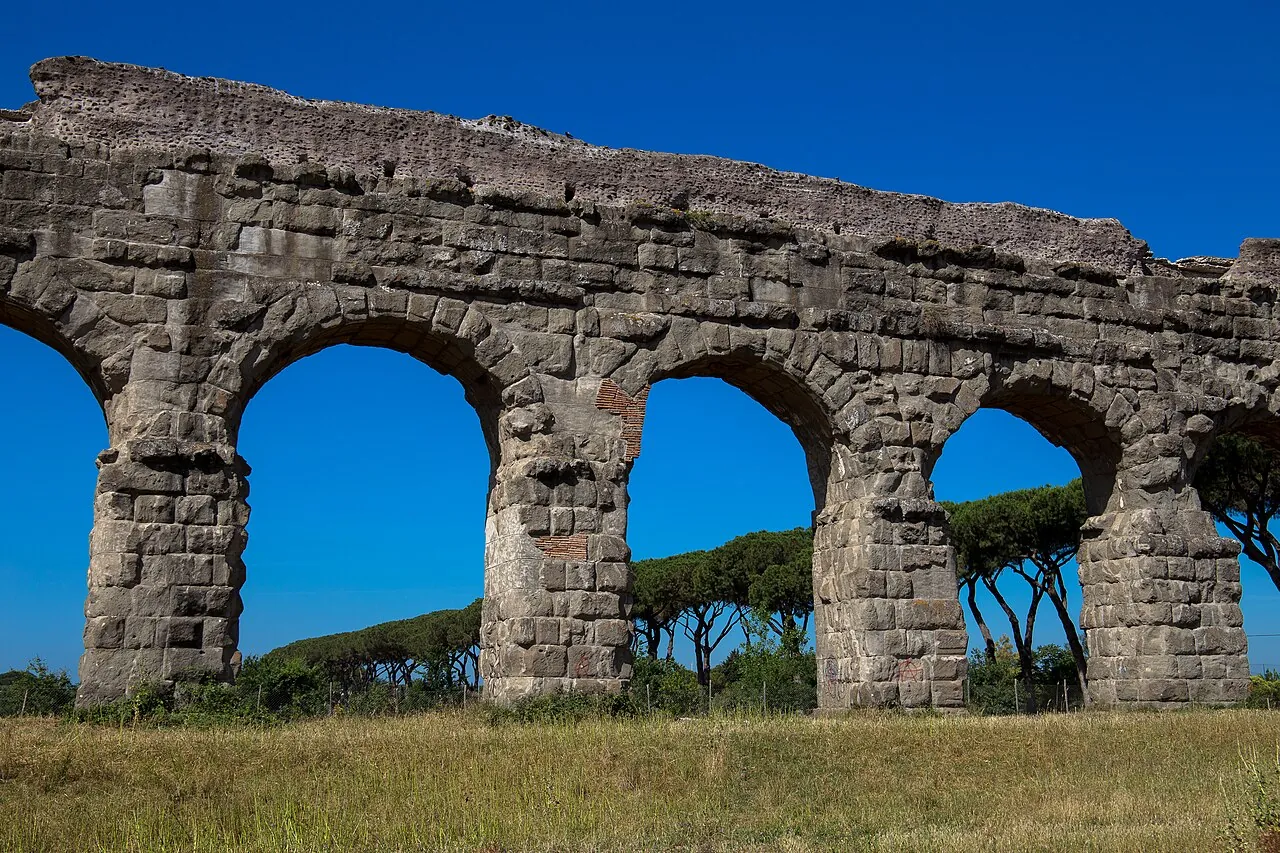
The ancient road south of the walls, lined with tombs and pines. Rent a bike on a Sunday, when the old road is closed to most traffic.
Two free views
The Janiculum terrace above Trastevere, and the Orange Garden on the Aventine at sunset.
The Tiber
In summer the riverbanks fill with stalls and bars; the rest of the year they are quiet paths below the city.
Day trips
The sea at Ostia is about 40 minutes by train, and the lakes and wine towns of the Castelli Romani and the fountain gardens of Villa d’Este in Tivoli make an easy day out.
A Sunday on the Appian Way
The old road south of the walls is closed to most traffic on Sundays. Rent a bike near the start and ride out into the countryside where the Romans built their tombs.
People and customs
Late meals
Romans have lunch from about 1pm and dinner from 8pm. Book dinner for 8:30 and you will eat with locals.
Dress for churches
Cover shoulders and knees for St. Peter’s, the Vatican and most churches.
Coffee rules
Cappuccino is a morning drink. After a meal, order un caffè (an espresso), ideally standing at the bar.
Free water
The nasoni, the city’s public fountains, run with clean, cold drinking water. Carry a bottle.
Sundays and August
Some shops close on Sundays and for part of August. State museums are free on the first Sunday of the month, with lines to match.
A few words
Buongiorno, grazie and per favore go a long way.
Questions
How many days do you need in Rome?
Three days covers the Colosseum and Forum, the Vatican and the historic center. Four days adds Villa Borghese, Trastevere and a slower day, and five leaves room for a day trip to Ostia Antica, Tivoli or Orvieto.
Where should I stay in Rome on a first visit?
The historic center around the Pantheon and Piazza Navona, or Monti near the Colosseum. Prati is quieter and close to the Vatican, Trastevere is best for food and nightlife, and the area around Termini is the best value.
When is the best time to visit Rome?
April to June and September to October, when days are warm and evenings cool. July and August are hot and crowded, and winter is quieter and cheaper.
Is Rome good for a bachelorette or a group trip?
Yes, as a food and aperitivo city rather than a club city: tastings, rooftop drinks at sunset, long dinners and the bars of Trastevere and Campo de’ Fiori.
How do I get from Fiumicino Airport to central Rome?
The Leonardo Express train runs nonstop to Termini in about 30 minutes, or take a taxi, which charges a fixed fare into the historic center.
Do I need to book the Colosseum and the Vatican in advance?
Yes. Book on the official sites and take the earliest entry you can; both sell out, especially in spring and summer.
Plan Rome with your group
Everyone swipes on the sights they want. SwipeSights builds the days around the picks, in walking order.