Tirana
Painted buildings, bunkers, Balkan optimism
Tirana is Europe's bold, colorful surprise. Once grey and closed-off, it now bursts with candy-painted facades, buzzing cafes and a fearless creative streak. You'll trace communist ghosts through underground bunkers, sip cheap espresso for hours, and feel a young capital reinventing itself in real time.
How long to stay?
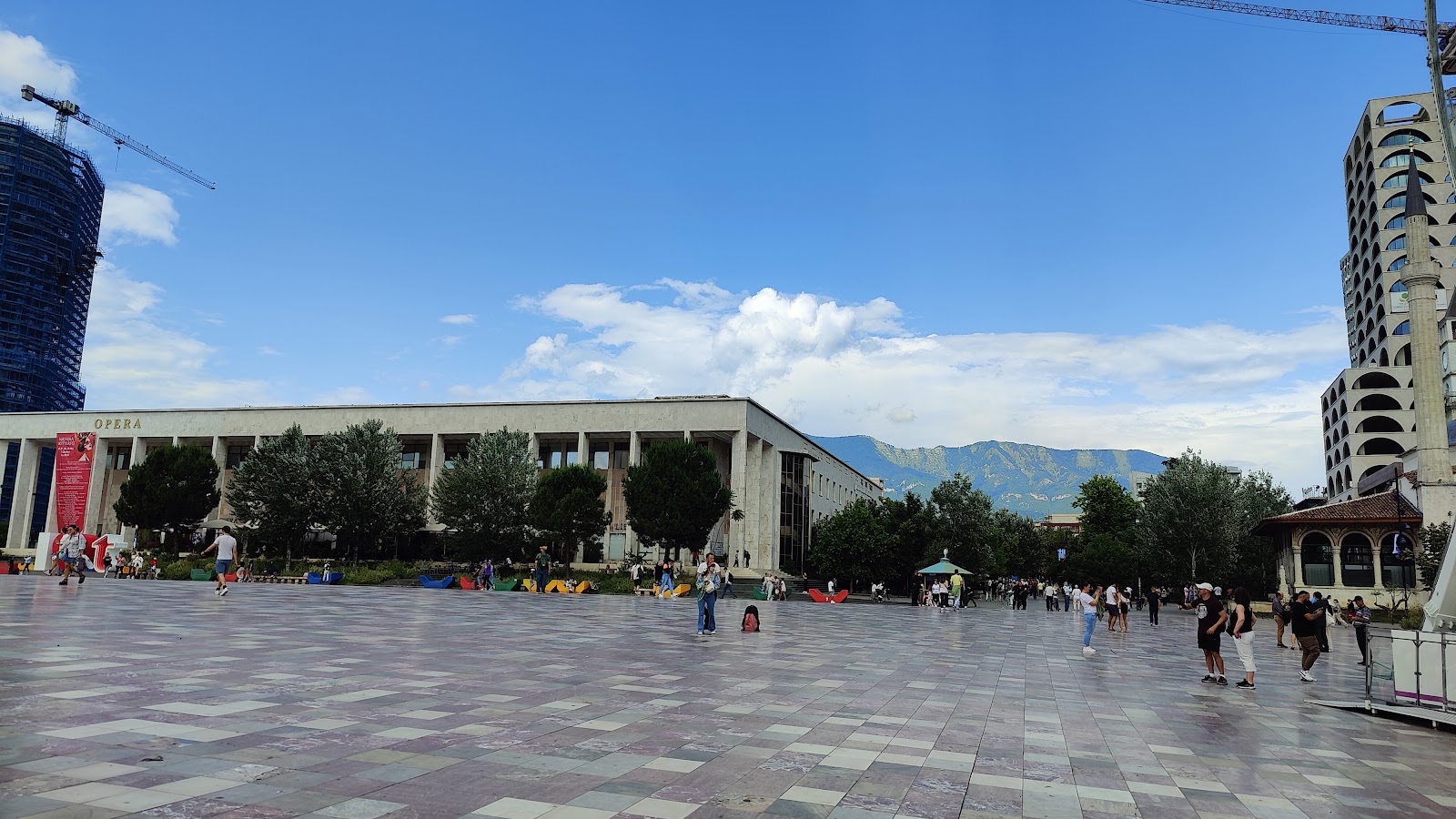
One or two days circles Skanderbeg Square and its equestrian statue, the colorful Pyramid of Tirana, and the eerie Bunk'Art 2 beneath the boulevard. End in the lively Blloku district for coffee, cocktails and people-watching.
Energetic, scrappy and infectiously upbeat. Cafe culture rules, the streets are walkable and safe, and locals are warm and curious. There's grit beside the glamour, but the mood is unmistakably hopeful and on the rise.
Base yourself in Blloku, the former party-elite quarter now packed with bars and restaurants, or around Skanderbeg Square for central sightseeing. The streets near the Grand Park offer greenery and a calmer, residential feel.
Cash is king for small cafes and markets, so carry Albanian lek. Coffee is a social ritual, not a quick fix, so settle in and linger; ordering an espresso buys you a table for as long as you like.
Late spring (May to June) and early autumn (September to October) bring warm, pleasant days ideal for walking and mountain trips. Summers are hot and many locals flee to the coast; winters are mild but wetter.
Tirana International Airport (Nënë Tereza) lies about 17km northwest, with a frequent shuttle bus and taxis into the center. Albania has no passenger trains worth using, so buses and furgons (minibuses) connect onward cities.
Albanian is the language, though English is widely spoken by the young. The lek is the currency and Albania is very affordable. Nodding can mean no and shaking the head yes, so confirm to avoid confusion.