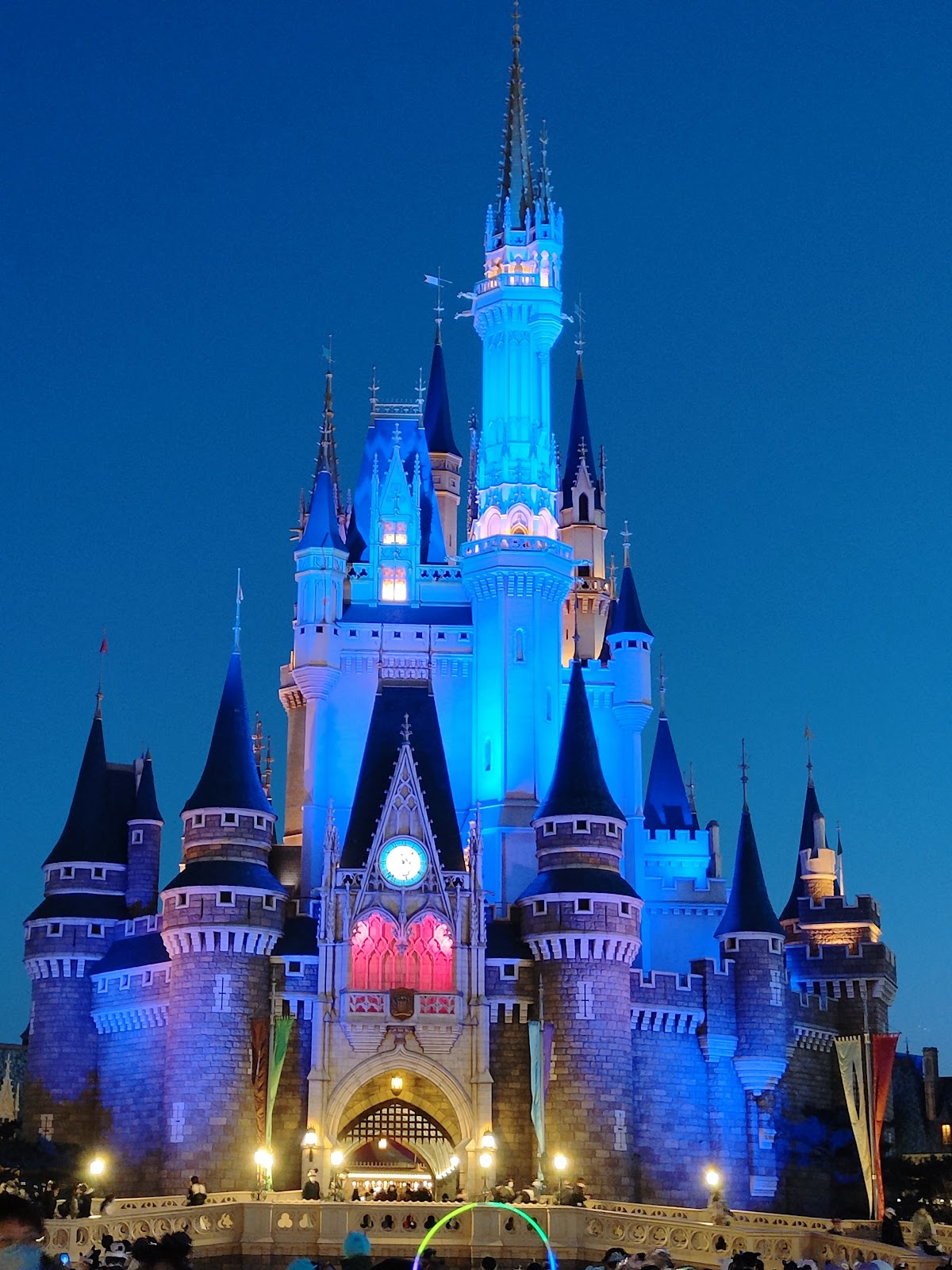
Tokyo
Neon future, deep-rooted tradition
Tokyo is sensory overload in the best way, a megacity where centuries-old temples sit beneath glass towers and pristine order coexists with electric chaos. You cross the world's busiest scramble, slurp ramen in a six-seat alley, then find sudden silence in a lantern-lit shrine grove.
How long to stay?
Two days samples the contrasts: Shibuya's famous scramble and Hachiko statue, Senso-ji's incense and market lane in old Asakusa, the views from Tokyo Skytree, and a neon night in Shinjuku's Golden-Gai and Memory Lane.
Hyper-efficient yet astonishingly polite and safe. The energy is relentless but never threatening, with hushed trains, spotless streets, and pockets of deep calm. Every neighborhood feels like its own distinct city.
Shinjuku and Shibuya put you amid nightlife, dining, and transit hubs. Ginza is upscale and central. Asakusa offers old-Tokyo charm and value, while Tokyo Station's Marunouchi area suits easy bullet-train day trips.
Get a Suica or Pasmo IC card on arrival and tap through every train, bus, and convenience store. It saves endless ticket fumbling and works across the entire region, including vending machines and lockers.
Late March to April for cherry blossoms and November for fiery autumn leaves are the magical, mild windows. Summers are hot and humid; winters are crisp, dry, and sunny. Avoid the rainy stretch in June.
Narita and Haneda airports both serve Tokyo; Haneda is closer and faster to the center. From Narita, the Skyliner or N'EX train takes under an hour. The metro and JR network reach everywhere.
English signage is common in transit, less so in small shops. Carry some yen, as cash still rules many izakaya and temples. Tipping is not done; bowing, quiet trains, and removing shoes indoors are the norms.