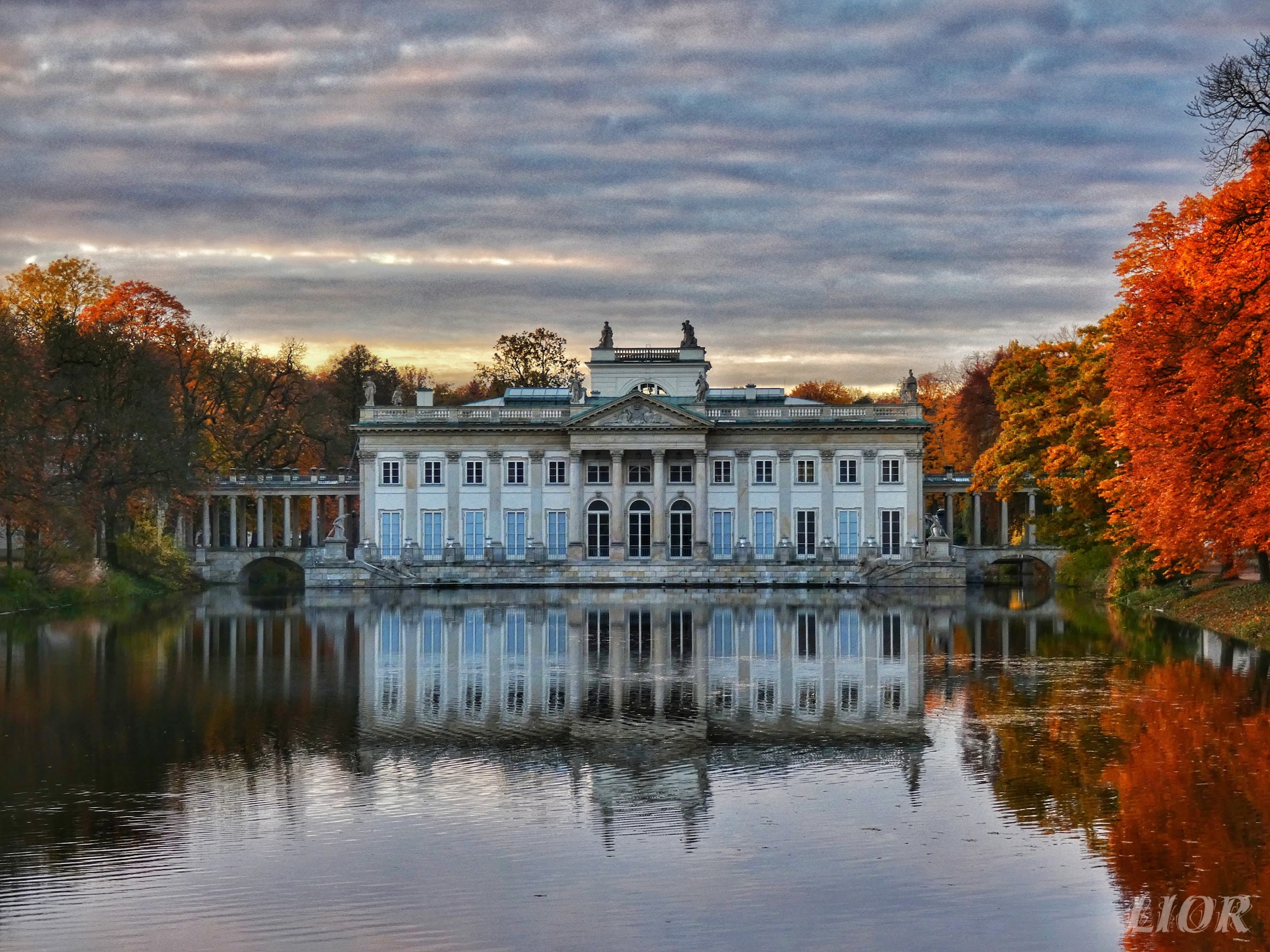
Warsaw
Phoenix city, rebuilt from rubble
A capital that refused to die. Razed in WWII and painstakingly rebuilt brick by brick, Warsaw now pairs a UNESCO-listed Old Town with glassy skyscrapers and gritty Praga. You'll find sobering history, milk-bar pierogi, vodka bars and a restless, youthful energy.
How long to stay?
Two days covers the rebuilt Old Town and Royal Castle, a riverside walk to the Multimedia Fountain Park, and the gut-punch of the Warsaw Uprising Museum. End on the Palace of Culture's terrace at dusk.
Serious yet surprisingly fun. Solemn memorials and somber history sit beside buzzing craft-vodka bars, hip cafes and a young creative scene. Greener and calmer than you'd expect, with the Vistula as its laid-back backbone.
Stare Miasto (Old Town) for fairytale squares but tourist prices. Śródmieście is central and walkable near the Palace of Culture. Powiśle and riverside Praga are the cooler, café-and-bar neighborhoods for younger travelers.
Eat at a 'bar mleczny' (milk bar) — communist-era cafeterias serving cheap, hearty pierogi and żurek. They're an institution, nearly cashless-averse, and the most authentic budget meal in town.
May to September brings warm days, riverside beaches and outdoor concerts. Late spring and early autumn are loveliest. December glows with Christmas markets, but winters are grey and cold.
Warsaw Chopin Airport sits 10km south, linked by train and bus to the center in about 20 minutes. Modłin handles budget carriers. Fast trains connect Kraków, Gdańsk and Berlin to the central station.
Currency is the złoty, not the euro. Cards are accepted nearly everywhere. Polish is tricky, but English is common with younger people. Tipping around 10 percent is appreciated in restaurants.