


Every group chat has one: the trip everyone loved and nobody booked.
The idea was never the problem. Trips die in the gap between “we should go” and the first booking, and the gap is made of questions nobody has to answer. Close them one by one and the trip happens.
Why do group trips never leave the chat?
- No date. “When works for everyone?” has no answer, so nobody gives one.
- No owner. Everyone is waiting for someone else to start.
- No deadline. A maybe can stay a maybe forever.
- No price. Nobody says a number, so nobody can say yes to one.
- Too many ideas. Every new suggestion starts the decision again.
How do I get everyone to pick a date?
Open questions get open answers. Ask one that can be answered in a second: two weekends, pick one, by Thursday.
Two options feel like a choice; five feel like homework. And a deadline is not pushy. It is the kindest thing you can do for the people who are unsure, because it decides for them when the time is up.
When should I bring up the cost?
Money is the reason most people go quiet, and the one thing nobody wants to bring up. So bring it up first: a rough cost per person, with the stay in it.
“About €300 each” is easy to say yes or no to. “Not too expensive” is not. If the number is too high for someone, you hear it now, while there is still time to choose a cheaper city or a shorter stay.
What should I show my friends before they commit?
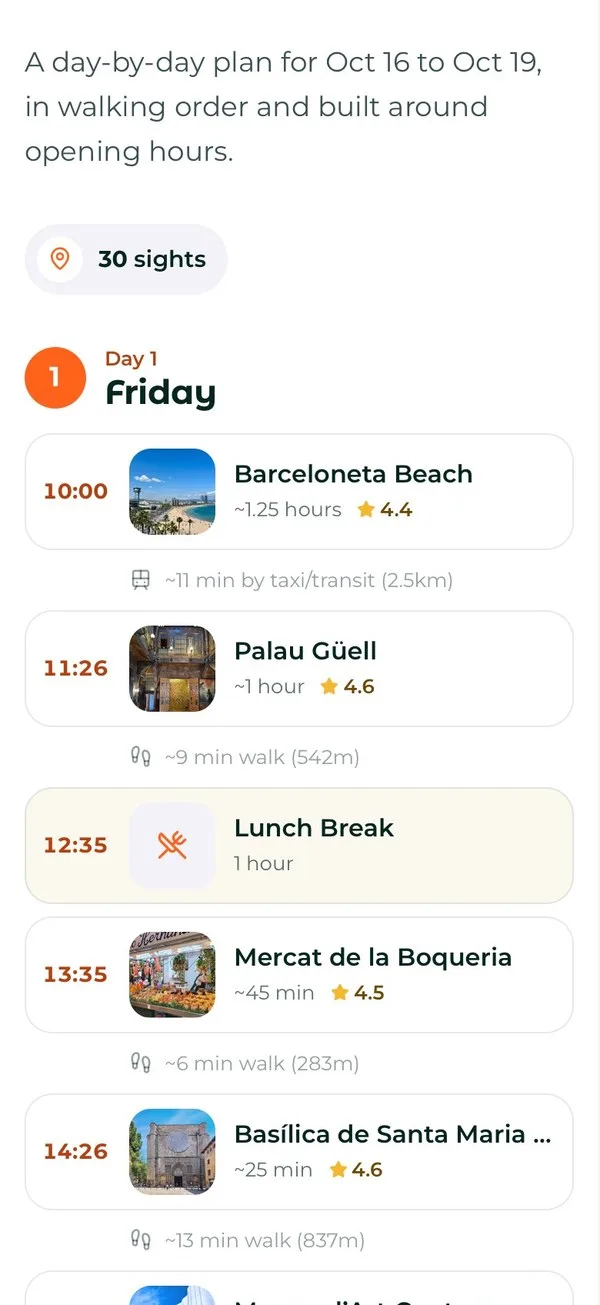
A list of ideas leaves the picturing to everyone else. A plan is a trip you can see: the days, the places, where you will sleep. People commit to what they can see.
In SwipeSights, everyone swipes on real places in the city and the picks become a day-by-day plan. Share it with a link and it opens in any browser, so even the friend who downloads nothing can see exactly what they are saying yes to.
What should we book first?
The trip becomes real the moment something is booked, so book the stay first, with free cancellation if you can find it. One person books, everyone sends their share the same day.
Being in means paying in. Whoever has paid is going; whoever has not is still deciding. It sounds strict, but it is the clearest answer anyone in the group will get, and it takes the awkward chasing off your hands.
What do I do with friends who can’t commit to plans?
There is always one. Usually it is not about you: it is money, time off or energy, and none of those get easier when you push.
- Plan for the yeses. Book with the people who answered; the trip does not wait for the last maybe.
- Leave a door open. “Join us for Saturday” is easier to say yes to than a whole weekend.
- Ask once, in private. One direct message works better than a third reminder in the group.
- Keep the plan where they can see it. A maybe who can watch the plan take shape often turns into a yes.
What should I send the group chat?
Copy it, change the dates and the city, and send it today:
Two dates, a city, a price, a deadline and a plan. Every question already has an answer, so the only one left is yes or no.
Frequently asked questions
What do you do when a friend won’t commit to plans?
Give them two dates, a deadline, a price per person and a plan to look at. Then book with whoever says yes, and leave the door open for the rest.
How far ahead should you plan a group trip?
For a weekend away, start about two months out, and earlier for a big group, school holidays or flights in high season. Keep the window for answers short: a week at most.
How do you get a group to agree on where to go?
Agree on the limits first (dates, budget, how far), make a short list, vote once and set a deadline.
Should you ask friends for a deposit?
Yes, when one person books for everyone. Ask for each share as soon as the stay is booked: money paid is the clearest yes there is.
Get it out of the chat
Start a trip, share the link, and let the group’s picks become the plan.

SwipeSights: plan the whole group trip together.