

Picture Ireland on the last night of October, long before anyone carved a pumpkin.
The harvest is in. The cattle are back from the hills. Every fire in the village has been put out, and the night is darker than any before it. Tonight, people believe, the wall between the living and the dead is at its thinnest, and whatever is on the other side can walk through.
So they light one great bonfire on the hill and carry its flame home. They leave food at the door for the dead. And some of them put on masks and disguises, so that anything wandering the roads will take them for one of its own.
That night was Samhain, and it is where Halloween began.
The dead have not gone anywhere since. In chapels, crypts and castles across Europe, they are still waiting: stacked into chandeliers, painted with flowers, dressed in their Sunday best. Here is where Halloween comes from, nine places to meet the dead in person, what people do there on the nights of the dead, and how to plan the trip. Bring friends. You will want them.
Where did Halloween come from?
Halloween began as Samhain (say sow-in), the Gaelic festival that closed the harvest and opened winter in Ireland, Scotland and the Isle of Man. It was the time to bring the herds in, take stock, and keep on the right side of whatever walked the dark.
Then the church moved in. All Saints’ Day settled on November 1, so the night before became All Hallows’ Eve, and in Scotland, Hallowe’en. November 2 became All Souls’ Day, for praying for the dead.
The old customs came along. In Scotland and Ireland children went guising: in disguise, door to door, a song or a joke for a treat. Lanterns were carved from turnips, with faces to frighten off wandering spirits, and the Irish told of Stingy Jack, who tricked the Devil and was left to wander the dark with a coal in a turnip to light his way.
In the 1800s, Irish and Scottish emigrants took Halloween to America, where pumpkins were bigger and easier to carve, and guising became trick-or-treating. A century later that Halloween sailed back to Europe, and met a continent that had never stopped remembering its dead.
The word is a contraction: Hallowe’en is All Hallows’ Even, the evening before All Hallows, the feast of All Saints.
What are the spookiest places to visit in Europe for Halloween?
Nine places where the dead never left, from a castle to a city that throws one of Europe’s biggest Halloween parties. Most are an easy day trip from a city you would happily visit anyway.
| Place | Where | What you will find | Easy base |
|---|---|---|---|
| Bran Castle | Transylvania, Romania | The castle the world calls Dracula’s | Brașov, about 30 km away |
| Sedlec Ossuary | Kutná Hora, Czechia | A chapel decorated with the bones of 40,000 to 70,000 people | Prague, about an hour by train |
| Palermo Catacombs | Sicily, Italy | About 8,000 of the dead, many in their best clothes | Palermo |
| Brno Ossuary | Brno, Czechia | The bones of about 50,000 people, found again in 2001 | Vienna, about 90 minutes by train |
| Mary King’s Close | Edinburgh, Scotland | A plague-era street sealed under the city | Edinburgh, under the Royal Mile |
| Hallstatt Bone House | Hallstatt, Austria | More than 600 painted skulls | Salzburg, as a day trip |
| Frankenstein Castle | Darmstadt, Germany | The castle behind the Frankenstein legend | Frankfurt, a short trip south |
| Capuchin Crypt | Rome, Italy | Chapels decorated with the bones of about 3,700 friars | Rome, near the Spanish Steps |
| Derry | Northern Ireland | One of Europe’s biggest Halloween parties | Belfast, about two hours by train |
Transylvania, Romania
Bran Castle
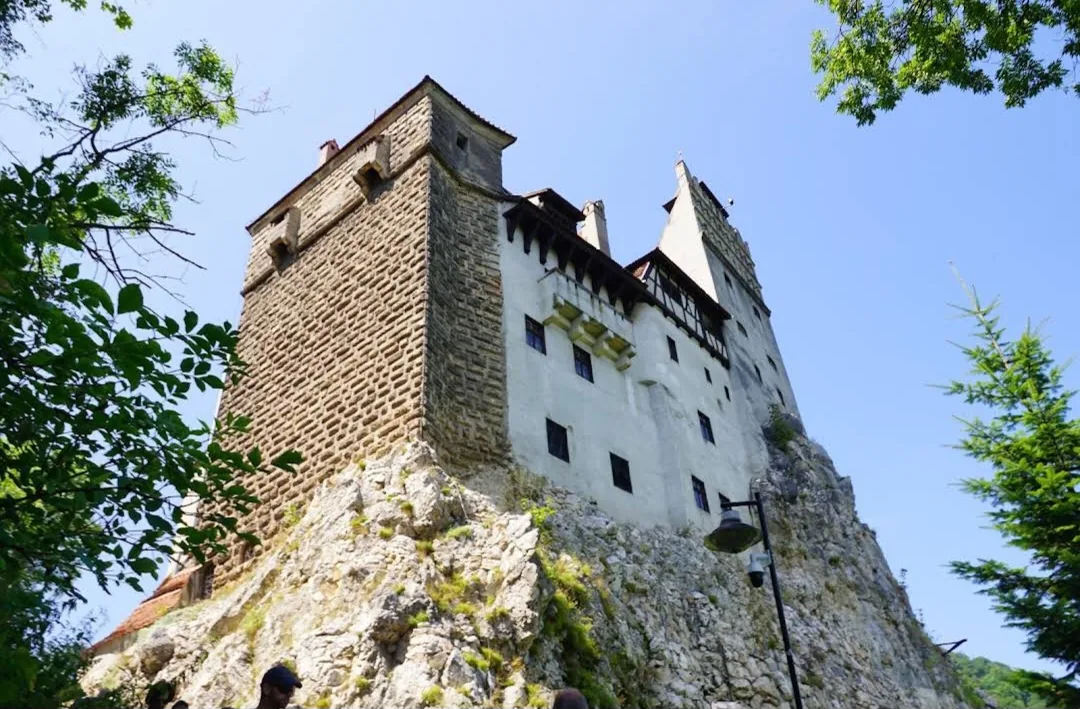
Begun in 1377 to guard a mountain pass into Transylvania, Bran Castle sits on its rock exactly the way Count Dracula’s castle looks in your head. Bram Stoker never saw it, and Vlad the Impaler, the prince behind the name, probably never lived here. The world calls it Dracula’s castle anyway.
Inside it is less gory than you might hope: a royal home, once Queen Marie of Romania’s, with narrow stairs, low doors and a secret passage between the floors.
Good to know: Bran is about 30 km from Brașov, a medieval town that makes the best base.
Kutná Hora, Czechia
Sedlec Ossuary
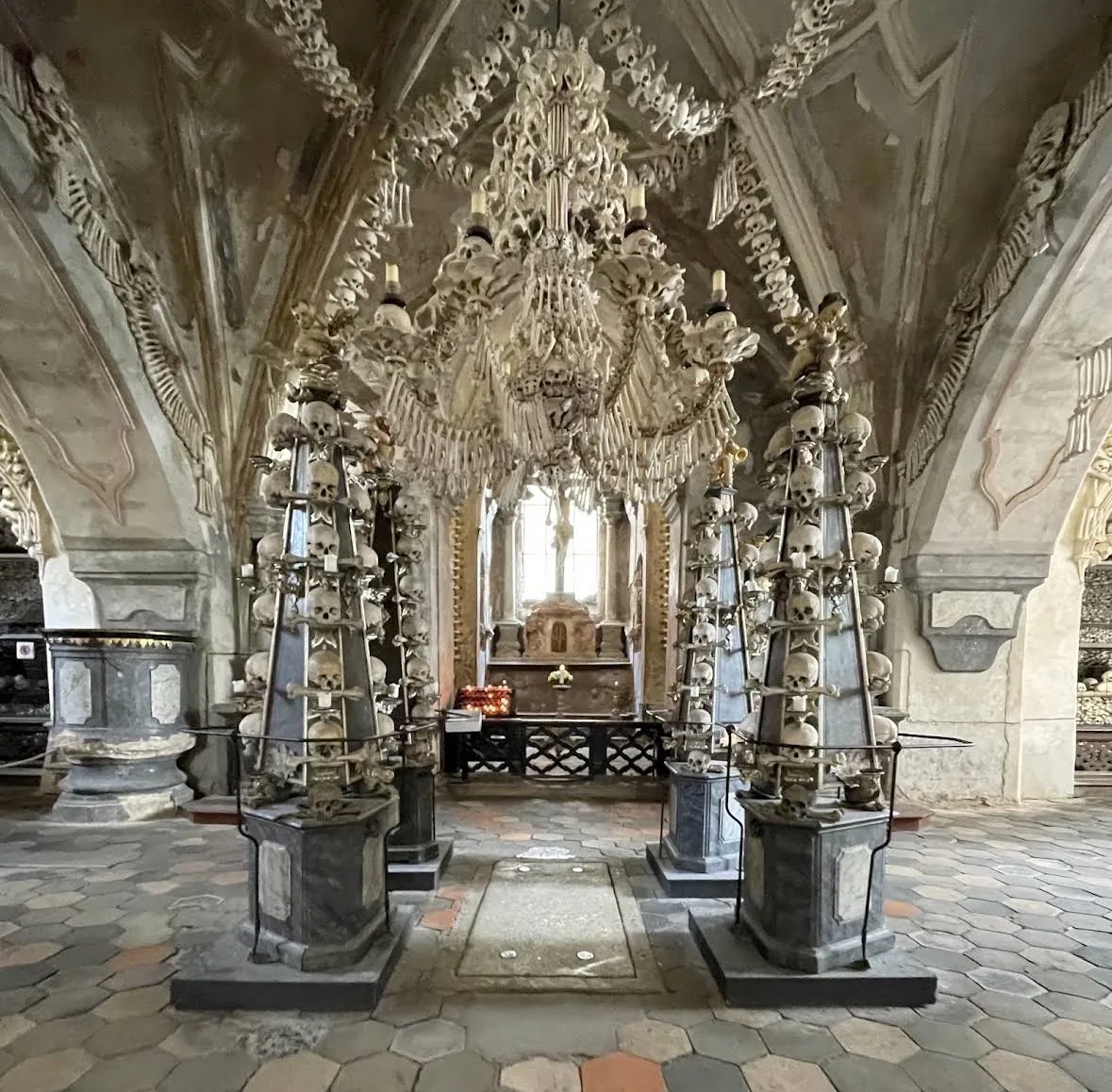
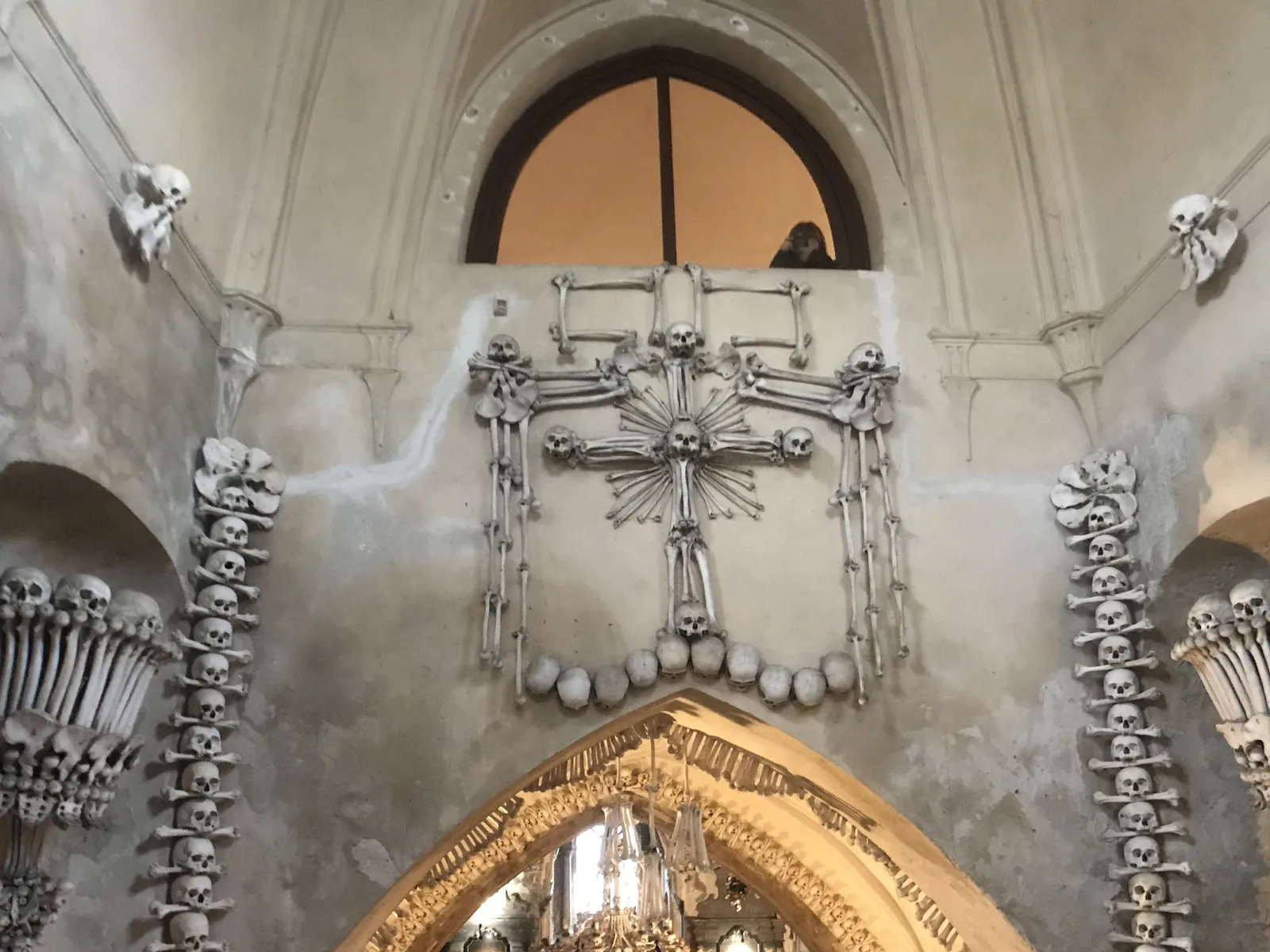
The Sedlec Ossuary, better known as the Bone Church, is a small chapel under the Cemetery Church of All Saints in Kutná Hora.
In the 1200s an abbot brought home a handful of earth from Golgotha and scattered it over the cemetery at Sedlec, and suddenly everyone wanted to be buried there. Then came the plague and the wars. When the graves ran out, the bones went into the chapel.
In 1870 a woodcarver, František Rint, was hired to put them in order. He used the bones of 40,000 to 70,000 people to make garlands, pyramids, a coat of arms and the famous chandelier, and signed his name on the wall in bone too.
Good to know: Kutná Hora is about an hour from Prague by train, an easy day trip.
Sicily, Italy
Palermo Catacombs
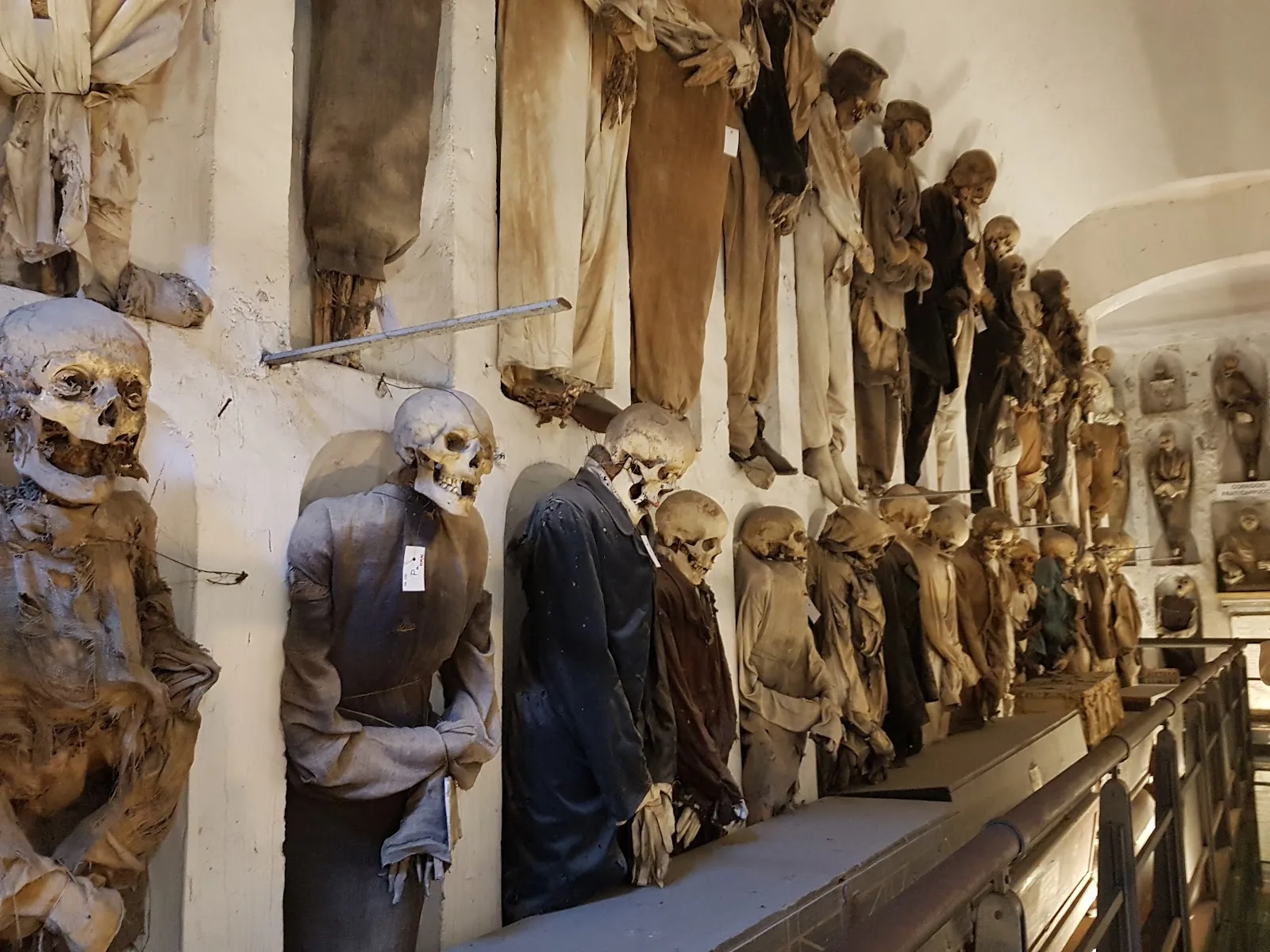
In 1599 the Capuchin friars of Palermo laid one of their brothers to rest in the catacombs under their monastery, the Catacombe dei Cappuccini, and found that the dry air kept the dead looking almost alive. Soon every family of standing wanted a place.
The dead were dried for about a year, rinsed in vinegar and dressed in their best, then set along the corridors by who they had been: priests, monks, men, women, children. About 8,000 are still there. The most famous is two-year-old Rosalia Lombardo, embalmed in 1920 so well that she is known as Sleeping Beauty.
Good to know: This one is the hardest on the nerves of the nine. Go in a group, and go before lunch.
Brno, Czechia
Brno Ossuary
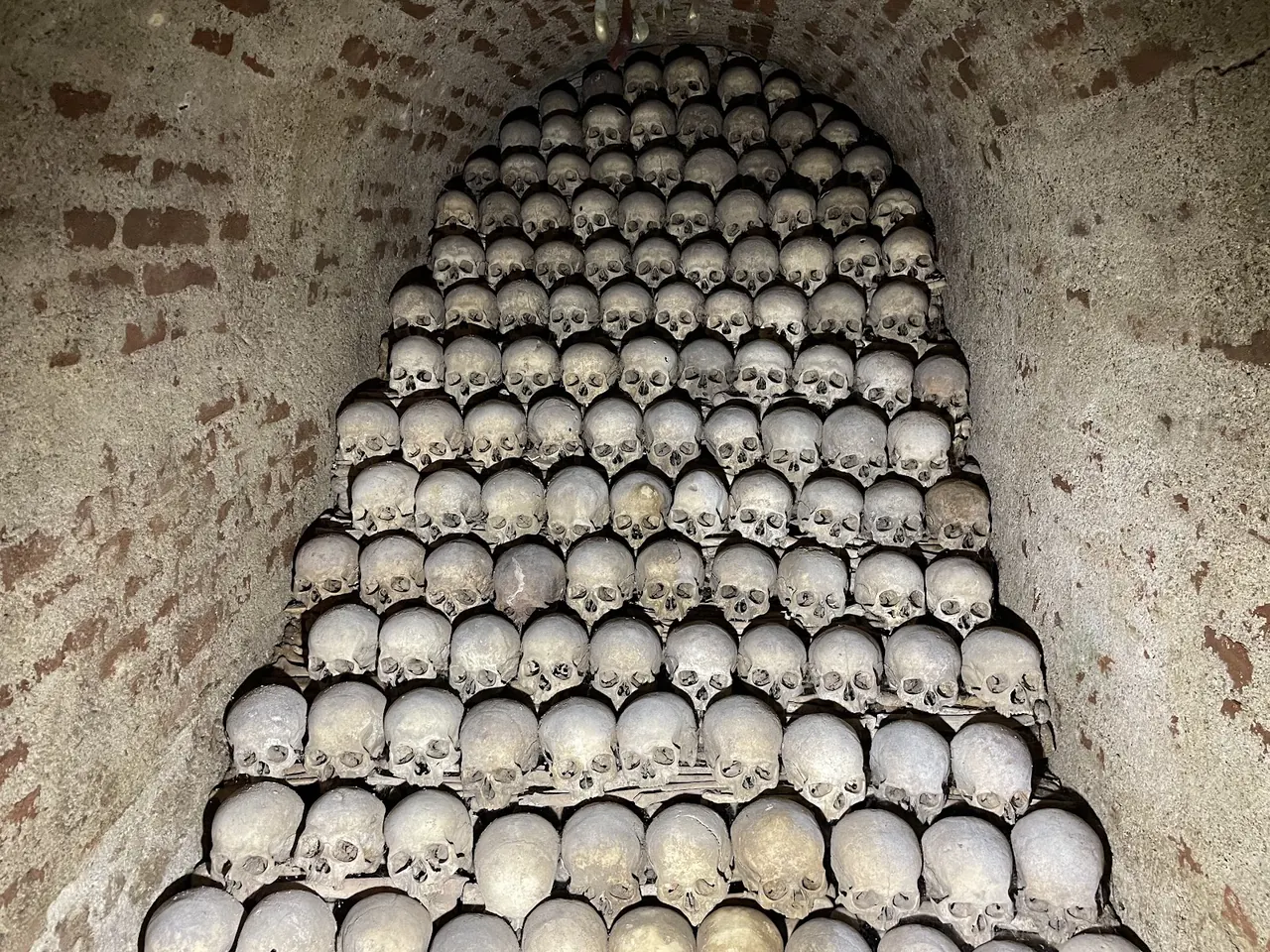
For centuries nobody remembered it was there. In 2001, work under the square by the Church of St James broke into a forgotten ossuary holding the bones of about 50,000 people, lost to plague, cholera and the Swedish siege of 1645. Only the catacombs of Paris hold more in Europe.
The bones are stacked by type, into staircases of skulls and walls of thigh bones, in brick rooms that open one into the next.
Good to know: Brno is about 90 minutes from Vienna by train, and its Capuchin Crypt, where friars lie mummified by the dry air, is a 10-minute walk away.
Edinburgh, Scotland
Mary King’s Close
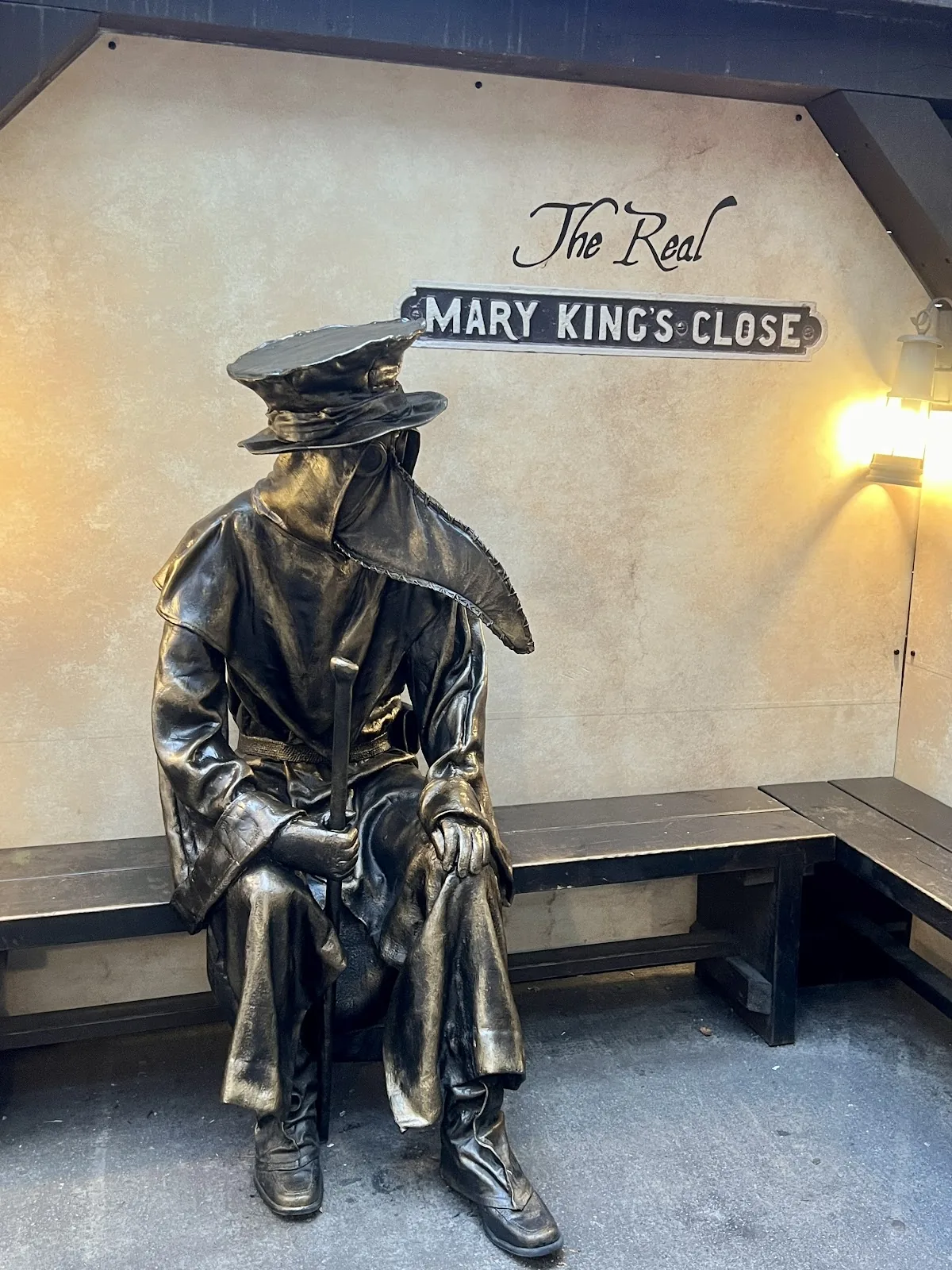
Under Edinburgh’s Royal Mile runs a street that has not seen daylight since the 1750s, when the City Chambers were built on top of it. Mary King’s Close lived through the plague of 1645, when a doctor in a beaked mask walked its steps.
Guides in period costume lead you through the old houses and tell you about the ghosts, most famously Annie, a little girl whose room is piled with toys that visitors bring her.
Good to know: Tours run as The Real Mary King’s Close and are guided only, so book a time, and around Halloween book early. Our Edinburgh guide has the rest of the city.
Hallstatt, Austria
Hallstatt Bone House
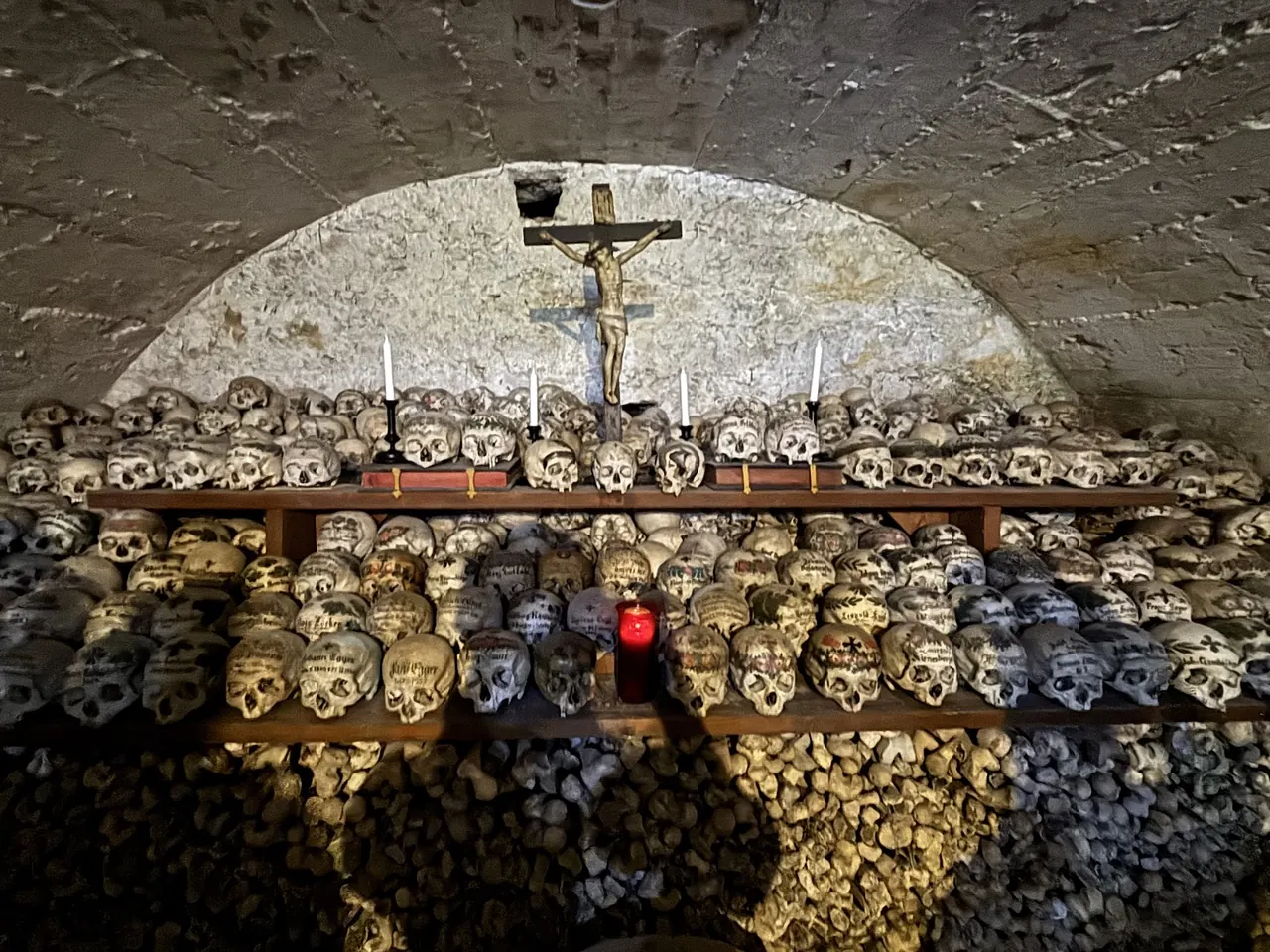
Hallstatt is squeezed between a lake and a mountain, so its churchyard never had room for the dead. After a decade or so, graves were opened to make space, and the bones moved into the little bone house, the Beinhaus, in St Michael’s Chapel.
Then the families painted the skulls: names and dates, crosses, wreaths of ivy, oak leaves and roses. More than 600 of them are painted, stacked on shelves under a crucifix.
Good to know: The village is a day trip from Salzburg, and quietest early or late in the day.
Darmstadt, Germany
Frankenstein Castle
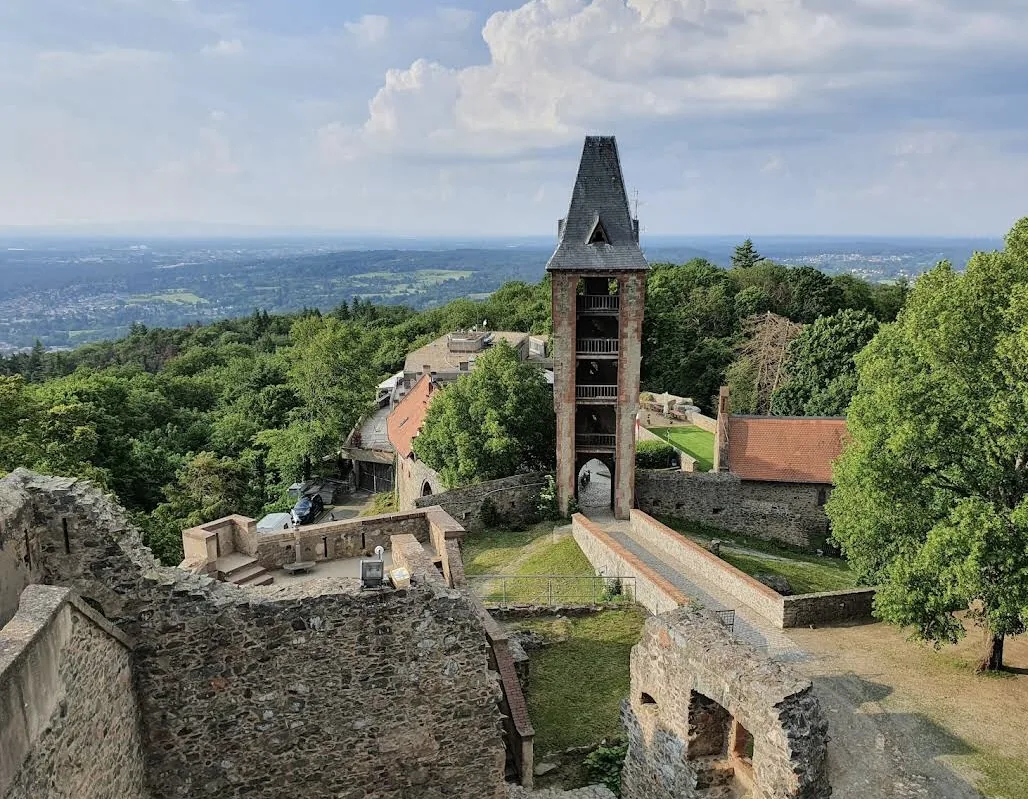
The ruins of Frankenstein Castle, Burg Frankenstein, stand on a hill near Darmstadt, built in the 1200s by a knight who took the castle’s name as his own. In 1673 Johann Konrad Dippel was born here: an alchemist said to have experimented on corpses in search of an elixir of life.
Did Mary Shelley hear his story when she travelled up the Rhine in 1814, four years before Frankenstein? Nobody can prove it. The legend stuck anyway.
Good to know: The castle has held a big Halloween festival every autumn for decades. It is south of Frankfurt, an easy trip from the city.
Rome, Italy
Capuchin Crypt
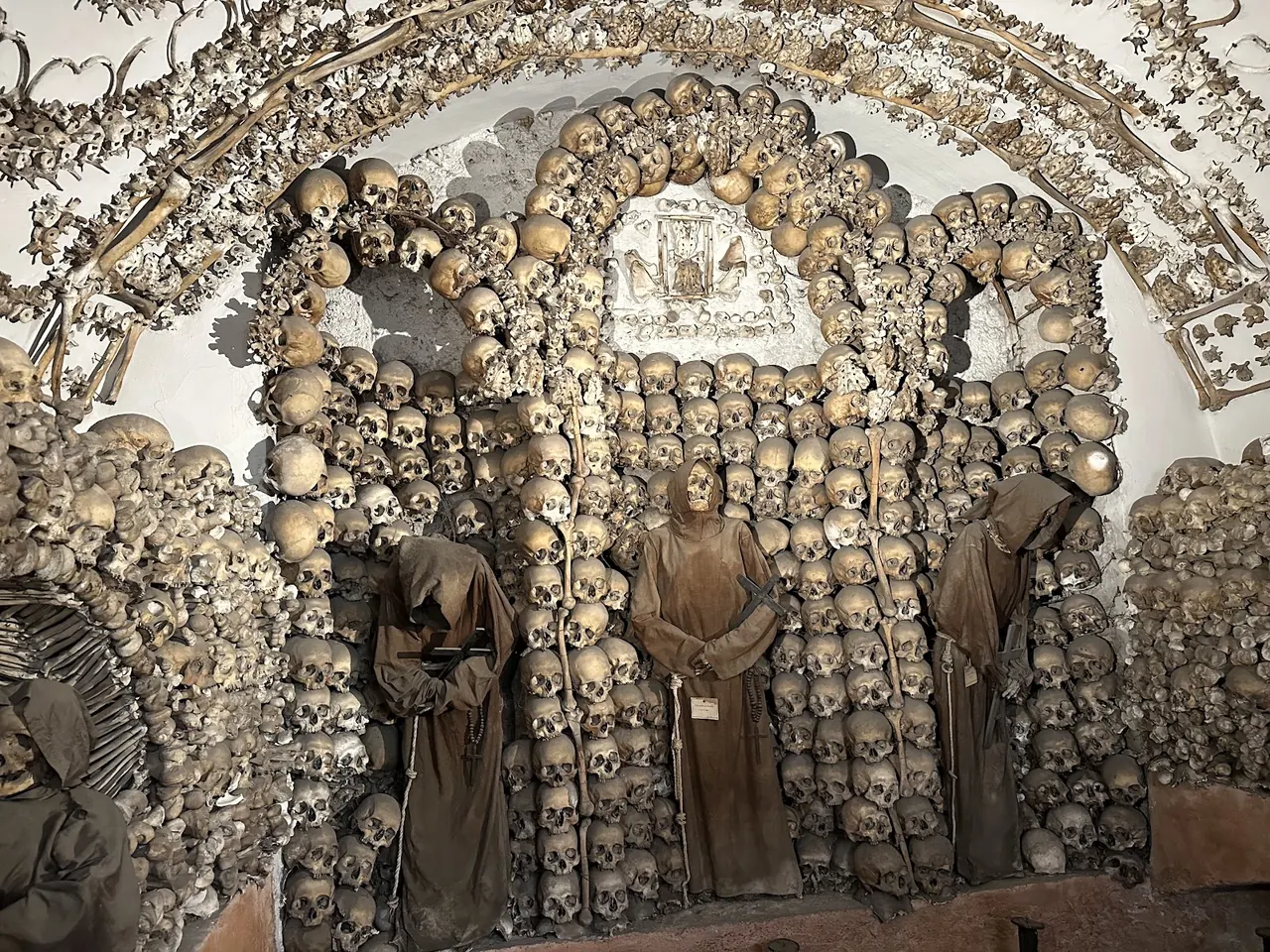
Under Santa Maria della Concezione, a church on Via Veneto, Rome’s most glamorous street, six small chapels are decorated with the bones of about 3,700 friars: arches of skulls, lamps of vertebrae, a whole room of pelvises. Some of the friars still stand there in their brown robes.
The message is spelled out for you: what you are now, we once were; what we are now, you will be.
Good to know: It is a short walk from the Spanish Steps, so it fits any day in Rome.
Northern Ireland
Derry
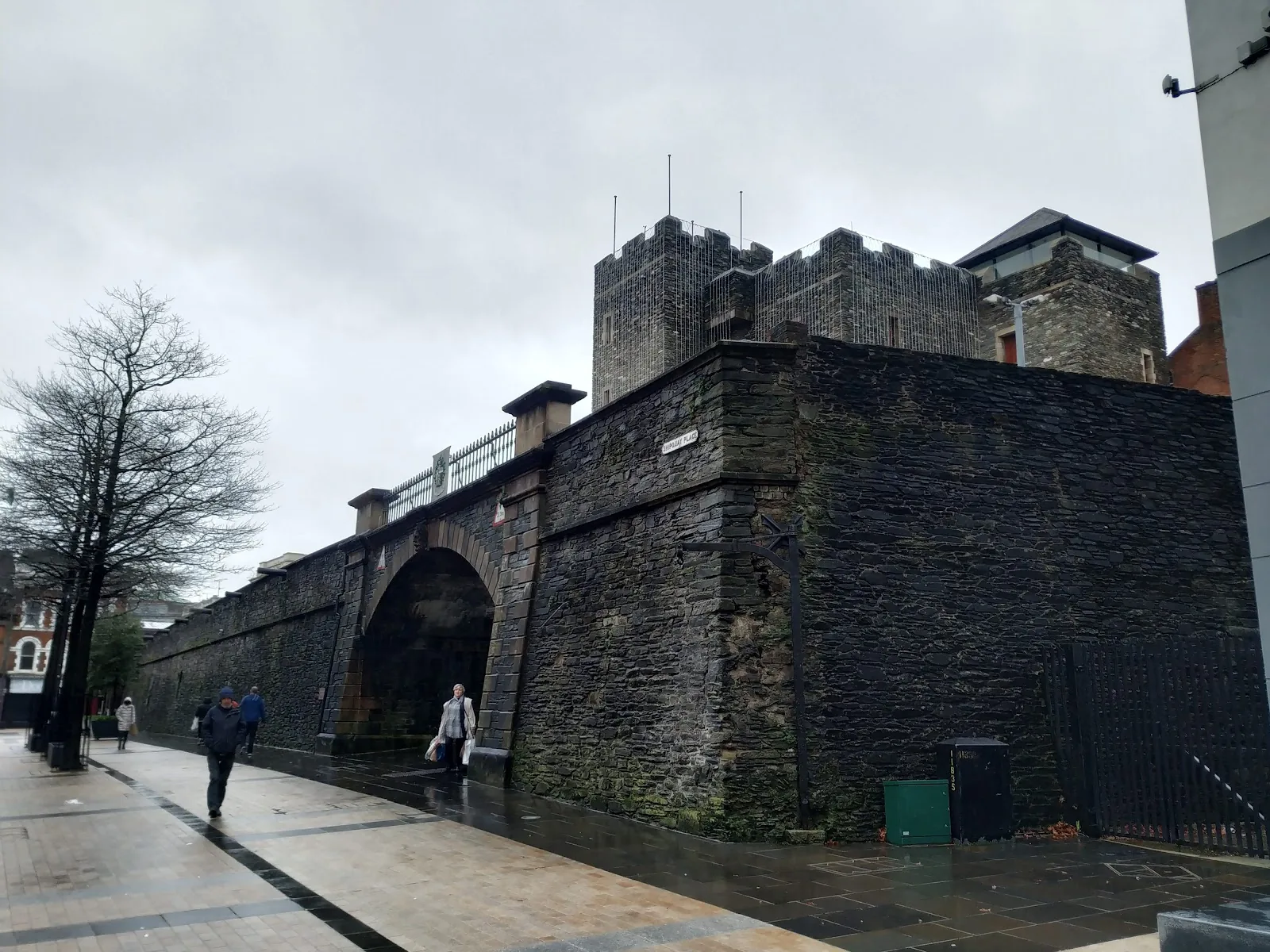
To see Halloween where it began, go back to Ireland. Derry, inside its 17th-century walls, throws one of the biggest Halloween parties in Europe: days of ghost walks, costumes and a parade, and fireworks over the River Foyle on the night itself.
The whole city dresses up, and so should you.
Good to know: Rooms fill early for Halloween, so book the stay first. Derry is about two hours from Belfast by train.
Where is the best place to spend Halloween night in Europe?
Derry is the pick for the night itself, with Edinburgh and Frankenstein Castle close behind:
- Derry, Northern Ireland: one of Europe’s biggest Halloween festivals, with a parade through the walled city and fireworks over the River Foyle.
- Edinburgh, Scotland: the Samhuinn Fire Festival marks the old Celtic new year, and the days around it belong to the city’s ghost tours and Mary King’s Close.
- Frankenstein Castle, Germany: its Halloween festival has filled the castle ruins with monsters every autumn for decades.
Prefer candles to costumes? Go to Czechia, Austria or Sicily for November 1 and 2, when families visit their dead with flowers and candles.
How do people celebrate Halloween around Europe?
In much of Europe the old nights of the dead are November 1 and 2, not October 31. This is what you will find in the places above:
- Ireland and Northern Ireland: bonfires, fireworks and costumes, and barmbrack, a fruit bread baked with a ring inside. Whoever finds the ring is said to marry within the year.
- Scotland: children go guising, telling a joke or singing for their sweets, and families dook for apples. Edinburgh greets the dark half of the year with the Samhuinn Fire Festival.
- Czechia: on Dušičky, All Souls’ Day, families light candles on the graves, and the cemeteries glow through the night.
- Austria: graves are dressed with flowers and candles for All Saints and All Souls, and godparents give their godchildren an Allerheiligenstriezel, a braided sweet bread.
- Sicily: on the Day of the Dead, November 2, children wake up to presents said to come from relatives who have died, with marzipan fruit and sugar dolls.
- Rome: bakeries sell fave dei morti, the “beans of the dead”, small almond biscuits for All Souls.
- Romania: the scariest night is not Halloween but St Andrew’s Eve, November 29, when the restless dead are said to roam and people rub garlic on the doors and windows.
How do you plan a spooky trip to Europe?
Go in the last week of October or the first days of November. Halloween, All Saints and All Souls fall within three days, and November 1 is a public holiday in Italy and Austria, so book those dates early.
Then pair each spooky place with a city break, so the trip has good dinners as well as skulls:
- Prague to Vienna: Sedlec as a day trip from Prague, then Brno on the train to Vienna. Two bone chapels and two capitals in one trip.
- Edinburgh and Derry: Mary King’s Close and the Royal Mile, then Halloween night in Derry, in the country where it began.
- Rome and Palermo: the Capuchin Crypt in Rome, then a short flight to Sicily for the catacombs.
- Brașov and Bran: a weekend in Brașov, with Dracula’s castle on the Saturday.
- Salzburg and Hallstatt, or Frankfurt and Frankenstein Castle: one city, one day out.
Book the timed tours and the stay first. Mary King’s Close is by tour only, and rooms in Derry go fast for Halloween. Everything else can follow.
And remember that these are resting places. Keep your voice down, and follow the photo rules at each door.
Why should you go with friends?
Every horror film teaches the same rule: never split up.
A staircase of skulls is a lot less frightening with someone holding your arm, and a lot more fun with someone to scream with. Spooky places are made for groups: you dare each other into the crypt, you laugh about it over dinner, and nobody walks back to the hotel alone.
Planning it together is the easy part. In SwipeSights, a group trip planner for iPhone, Android and the web, everyone swipes on real places in the city, from the bone chapel to the bar for afterwards, and the group’s picks become a day-by-day plan in walking order.
Start a trip, send the link to your friends, and find out who is brave enough.
Plan the spooky trip together
Start a trip, invite your friends, and let the group’s picks become the plan.
Frequently asked questions
Where did Halloween come from?
Halloween began as Samhain, a Gaelic festival at the end of the harvest in Ireland, Scotland and the Isle of Man, when the dead were believed to walk among the living. The church later set All Saints’ Day on November 1, and the night before became All Hallows’ Eve: Halloween.
What is the spookiest place in Europe?
Many would pick the Sedlec Ossuary near Prague, a chapel decorated with the bones of 40,000 to 70,000 people, chandelier included. The Palermo Catacombs, where about 8,000 of the dead still line the corridors, come close.
Where is the biggest Halloween party in Europe?
Derry in Northern Ireland throws one of the biggest: days of ghost walks, costumes and a parade, with fireworks over the River Foyle on Halloween night.
Can you visit Dracula’s castle?
Yes. Bran Castle in Transylvania, about 30 km from Brașov, is open to visitors. Bram Stoker never saw it, but it looks so much like Count Dracula’s castle that the world gave it the name.
Is Halloween celebrated in Europe?
In Ireland and Scotland it has been for centuries, since Halloween began there. In most of Europe the old days for the dead are All Saints’ Day on November 1 and All Souls’ Day on November 2, and Halloween parties arrived more recently.
How do you plan a Halloween trip with friends?
Pick a city with a spooky place nearby and a good night out, agree the dates early, and book any timed tours and the stay first. In SwipeSights everyone swipes on real places in the city, and the group’s picks become a day-by-day plan.

SwipeSights: plan the whole group trip together.